A Complete Guide to Hiking the Kumano Kodo
The Kumano Kodo’s interwoven trails have guided travelers to the revered shrines of Kumano Hongu Taisha, Kumano Nachi Taisha, and Kumano Hayatama Taisha for over a thousand years. Together these trails formed a unique cultural landscape in Japan, where Shinto and Buddhist beliefs co-exist, and pilgrims walked through misty cedar forests clad in kimono and hakama. As the centuries passed, the route has remained relatively unchanged, still winding through small villages, family farms, and breathtaking mountain scenery.
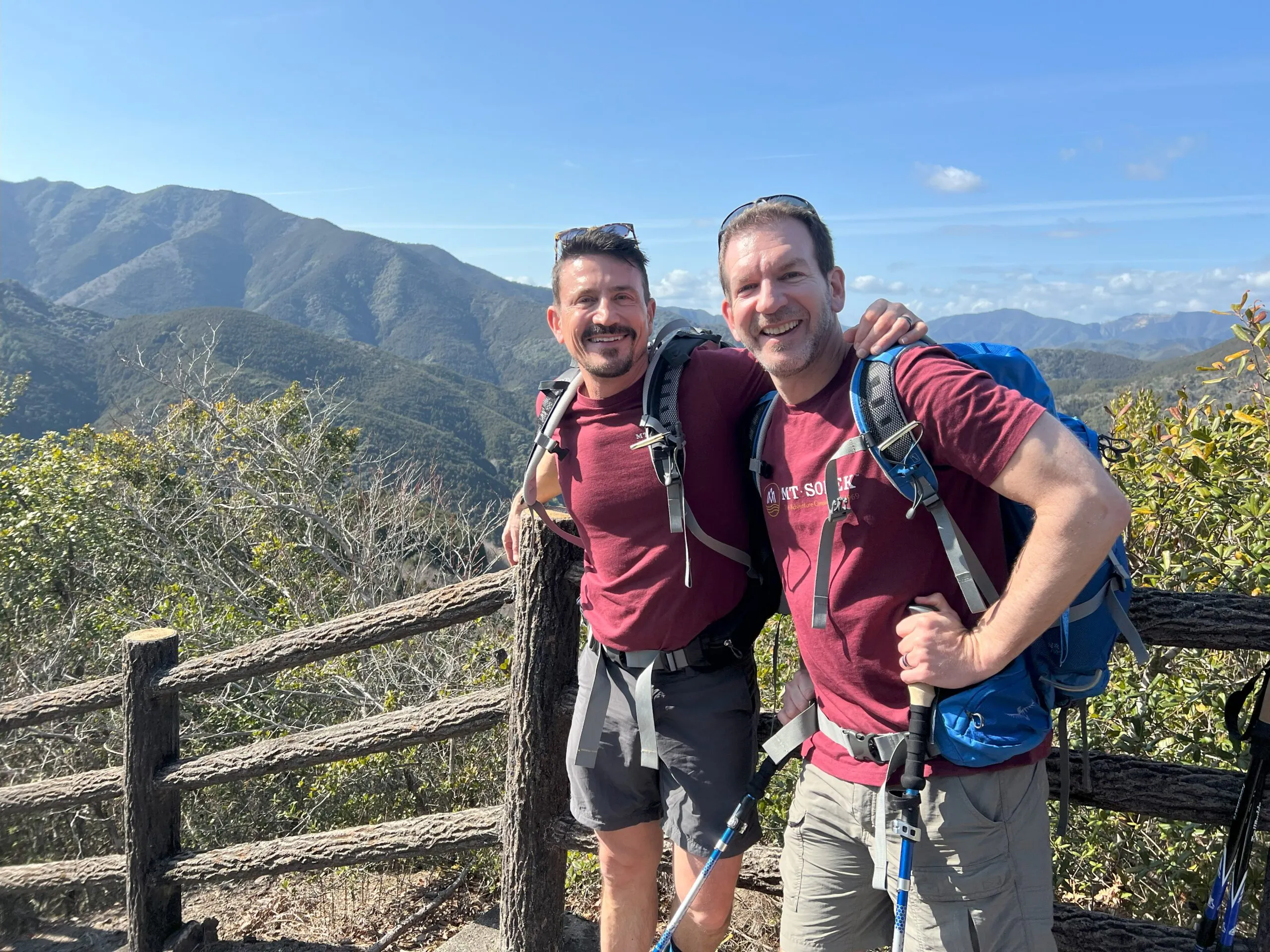
We had long considered the Kumano Kodo on our radar as a multi-day hike to some of Japan’s most beautiful shrines and were excited to see what the experience would be like. We were also drawn by the promise of quiet trails away from the fast pace of vibrant cities. We booked a flight, packed our bags and set out to discover what hiking on the Kumano Kodo was all about.
Kumano Kodo Hiking Routes
The Kumano Kodo network includes six main trails—Nakahechi, Kohechi, Iseji, Ohechi, Omine Okugake, and Kiiji—eahc leading toward Kumano Sanzan, as the three sacred shrines are called, collectively.

The Nakahechi, once the preferred route of emperors and courtiers from imperial Kyoto, remains the most popular, threading through dense forests, terraced hamlets, and valleys carved by clear mountain rivers. The trail is known for its Oji shrines set along the path to guide and protect pilgrims—as well as ancient waymarkers, guardian Jizo statues, and historic teahouses. These enduring pieces offer a tangible link to the Heian and medieval pilgrims who undertook the journey as an act of purification, often traveling in large entourages and recording their impressions in diaries and poetry. Despite its age, the route remains remarkably intact, allowing modern walkers to follow nearly the same path as their predecessors.
The MT Sobek itinerary follows the five-day Nakahechi route. For a more detailed look at the route, accommodations, and departure dates, have a look at the full Japan Kumano Kodo Walking Tour.


The Kumano Kodo Trail Experience
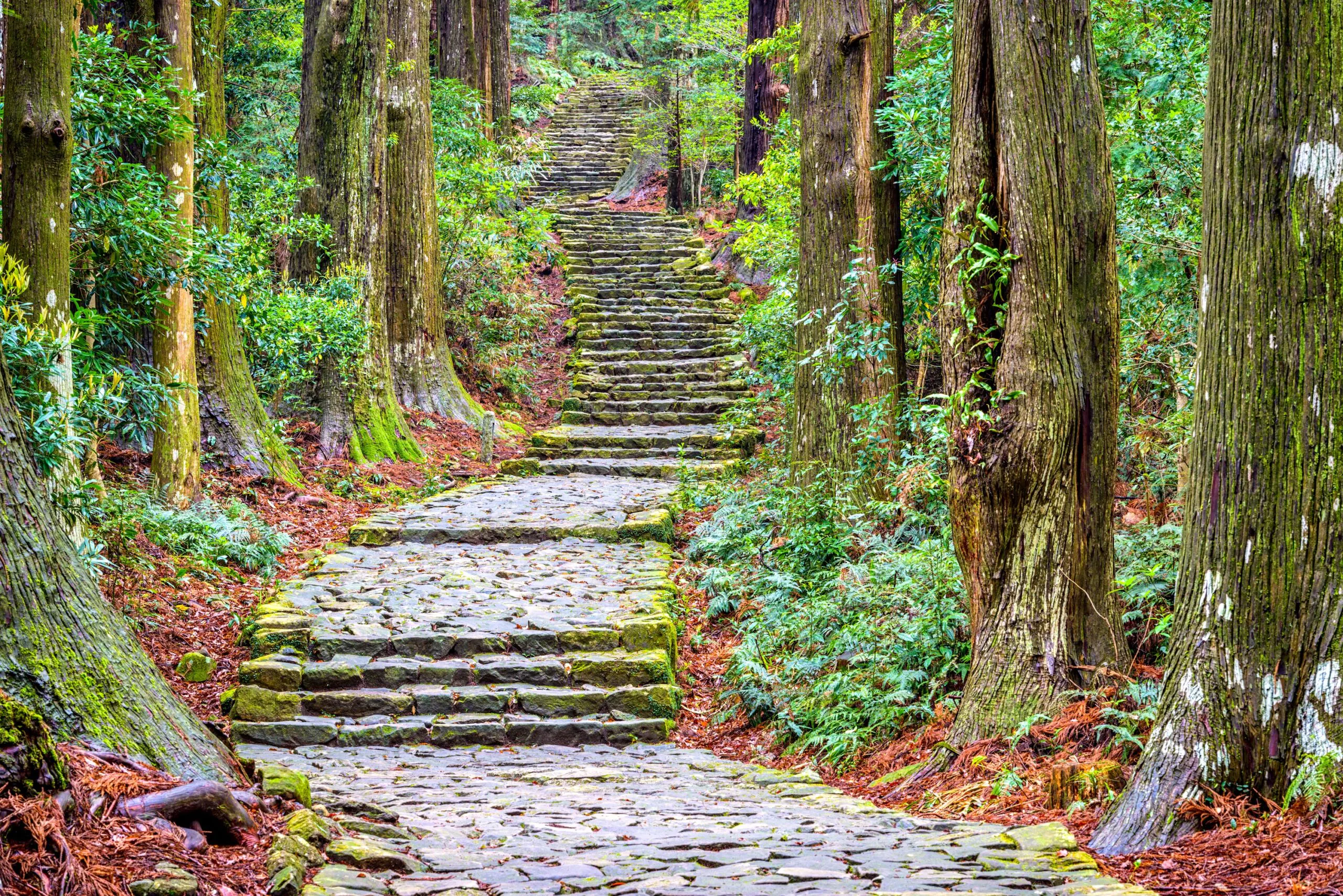
As you follow the Nakahechi deep into the Kii Peninsula, you absorb the natural and cultural atmosphere. Meditate on a steady climb over stone steps, with the quiet of mossy forest tunnels, and the gentle ring of temple bells. As you continue the journey through these traditional pilgrimage routes in Japan, observe tiny roadside shrines, wooden prayer tablets, or glimpses of terraced fields that families have tended for generations.
Torii, Oji, & Jizo: The Guardians
As we followed Kumano Kodo trails, we learned the words and meaning of markers that defined the route, seeing iterations in many places we walked and visited.
Torii Gates
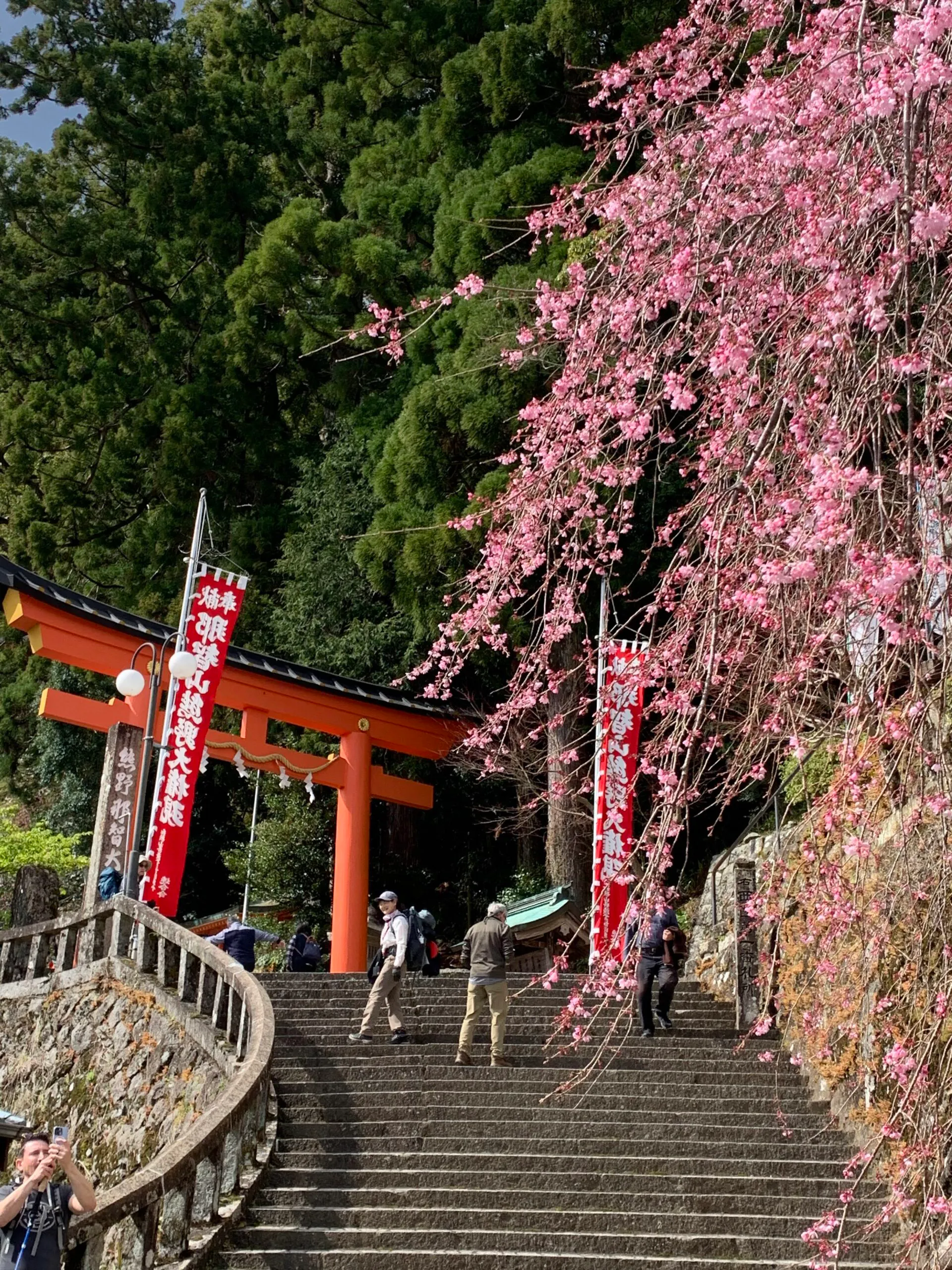
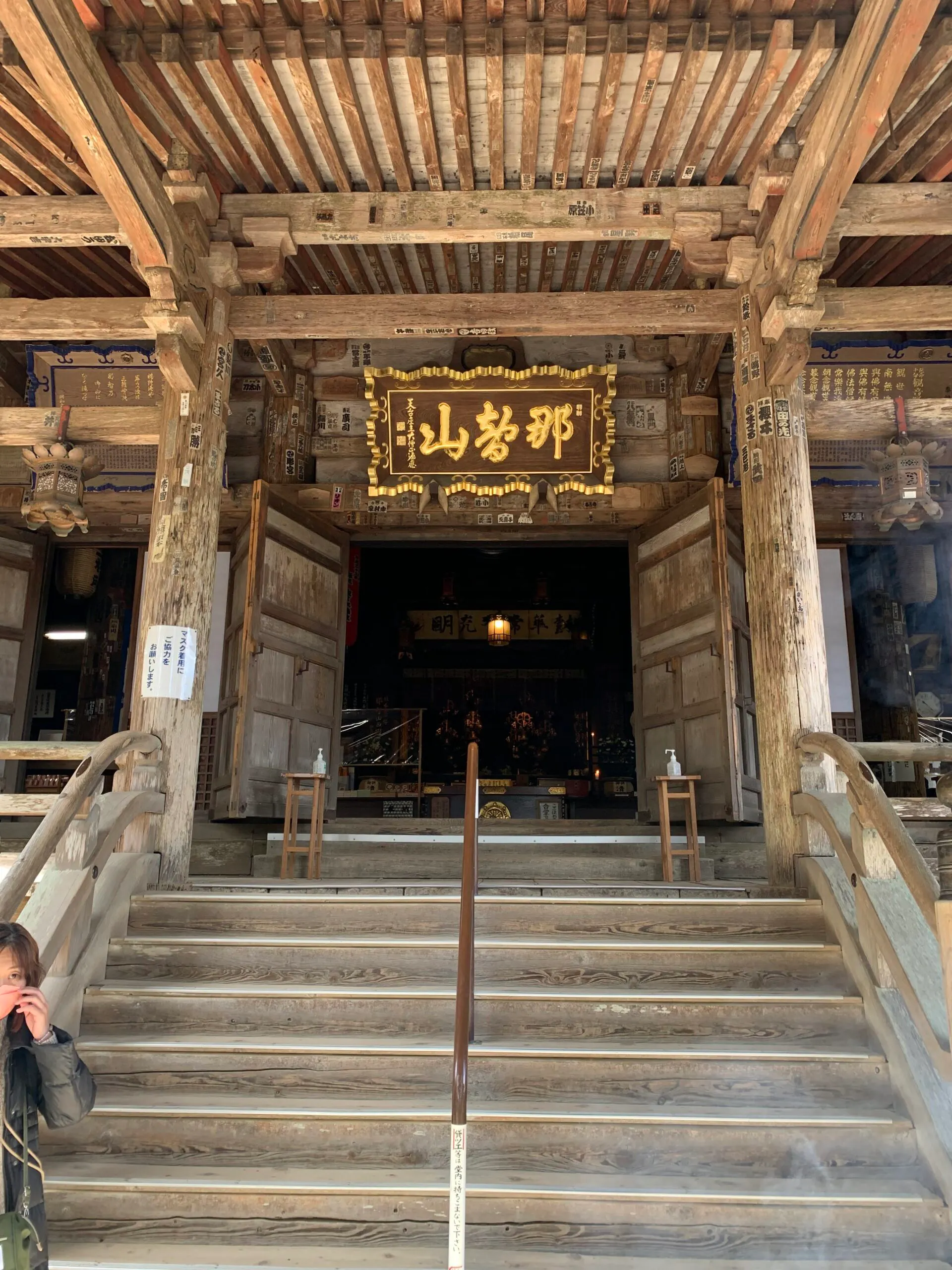
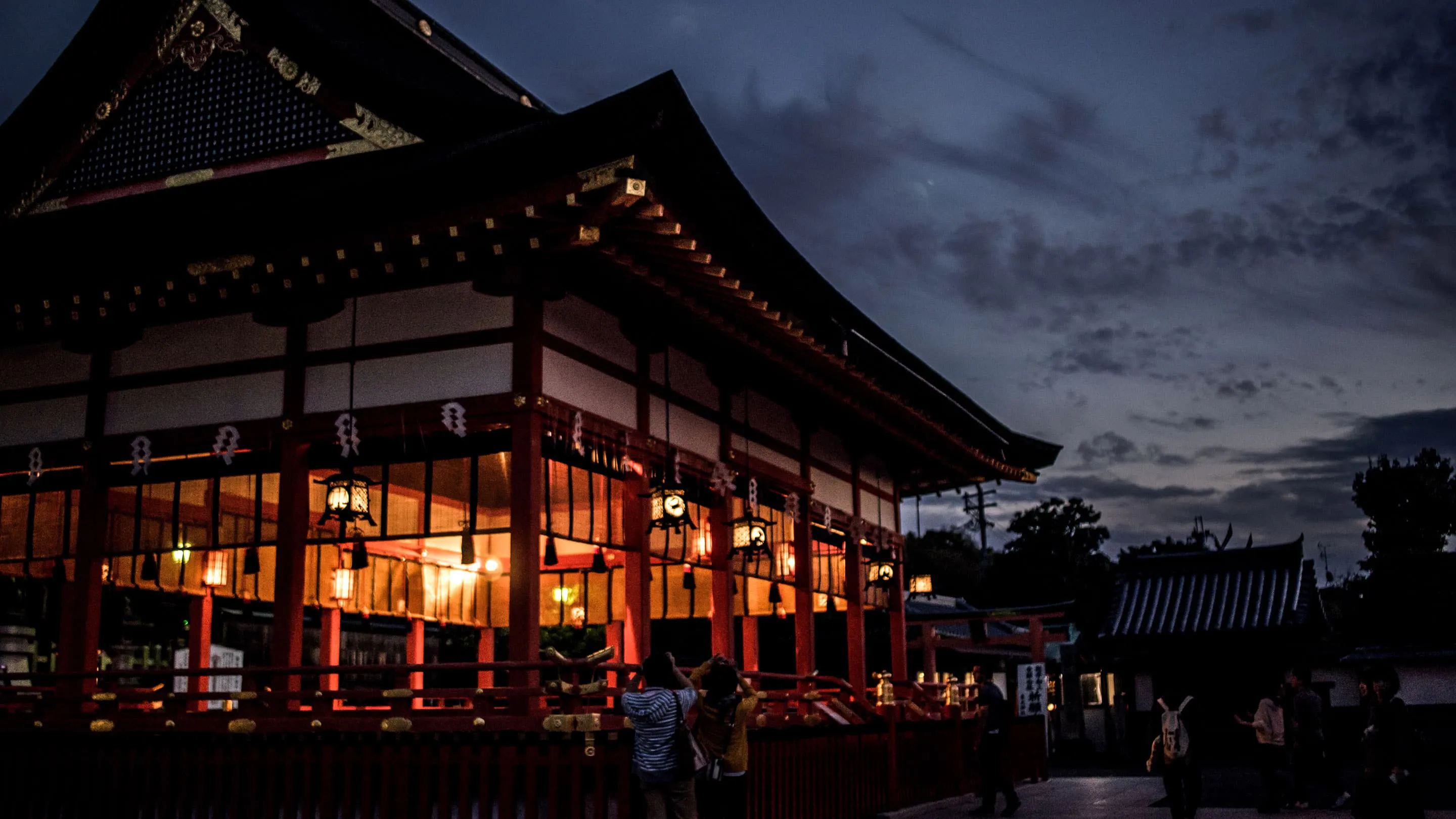
Marking the division between ordinary and sacred spaces, torii gates are generally associated with Shinto shrines. As the Kumano Kodo confirms, Shinto and Buddhist beliefs can and do coexist, and torii gates are sometimes found outside Buddhist temples as well.
“Torii gates are sometimes found across Japan and are major tourist attractions outside of Shinto and Buddhist temples.”
Oji Shrines
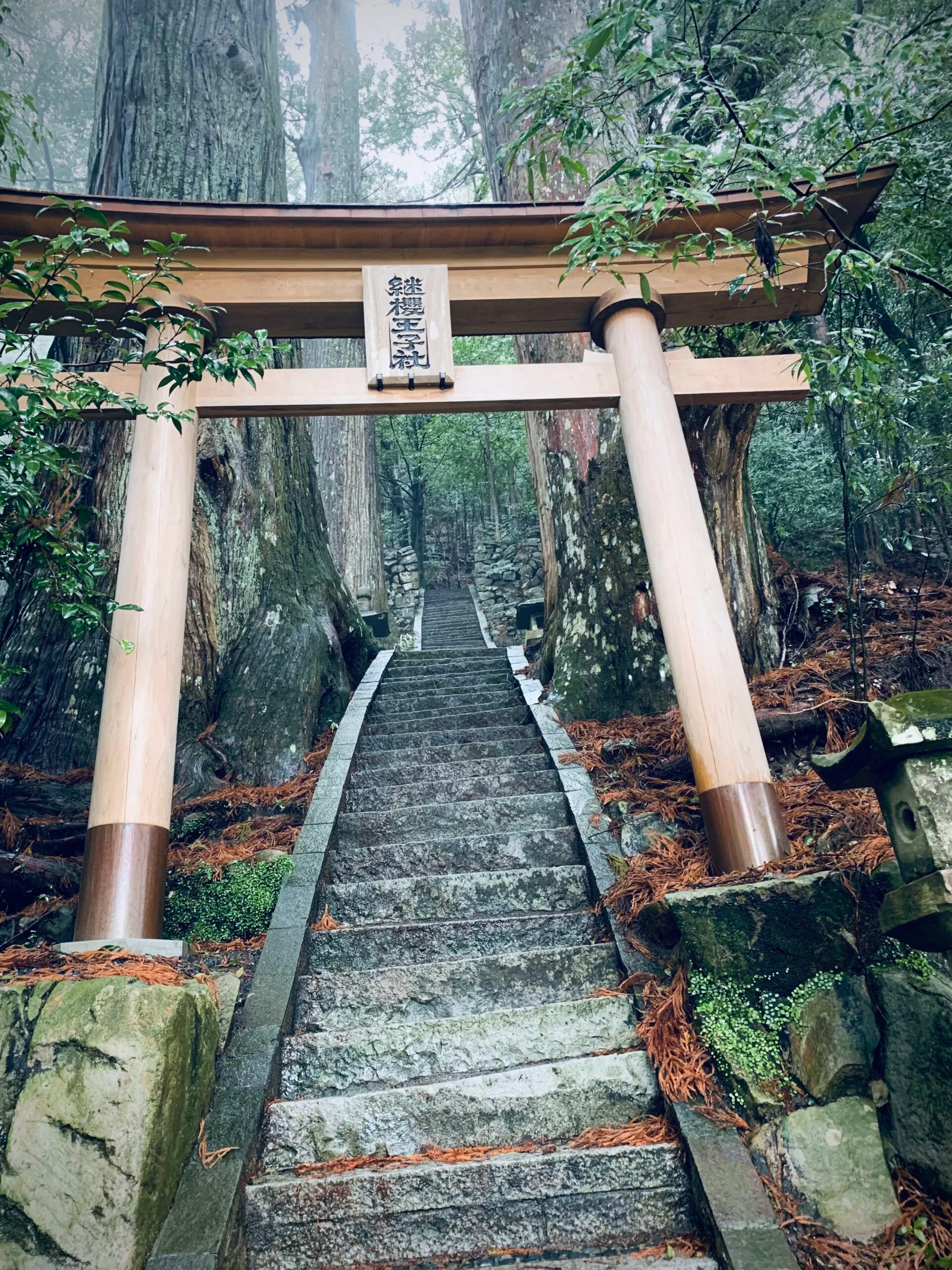
These smaller shrines are said to house “child deities” and protect pilgrims on the trail. They are found all along the Kumano Kodo, marking the way as well as offering places to pause and reflect along the journey. There are five main oji, including Tsugizakura-oji, which we visited on the second day of our hike. The numerous oji along the Kumano Kodo are sometimes referred to as the “99 Oji”.
Jizo Statues
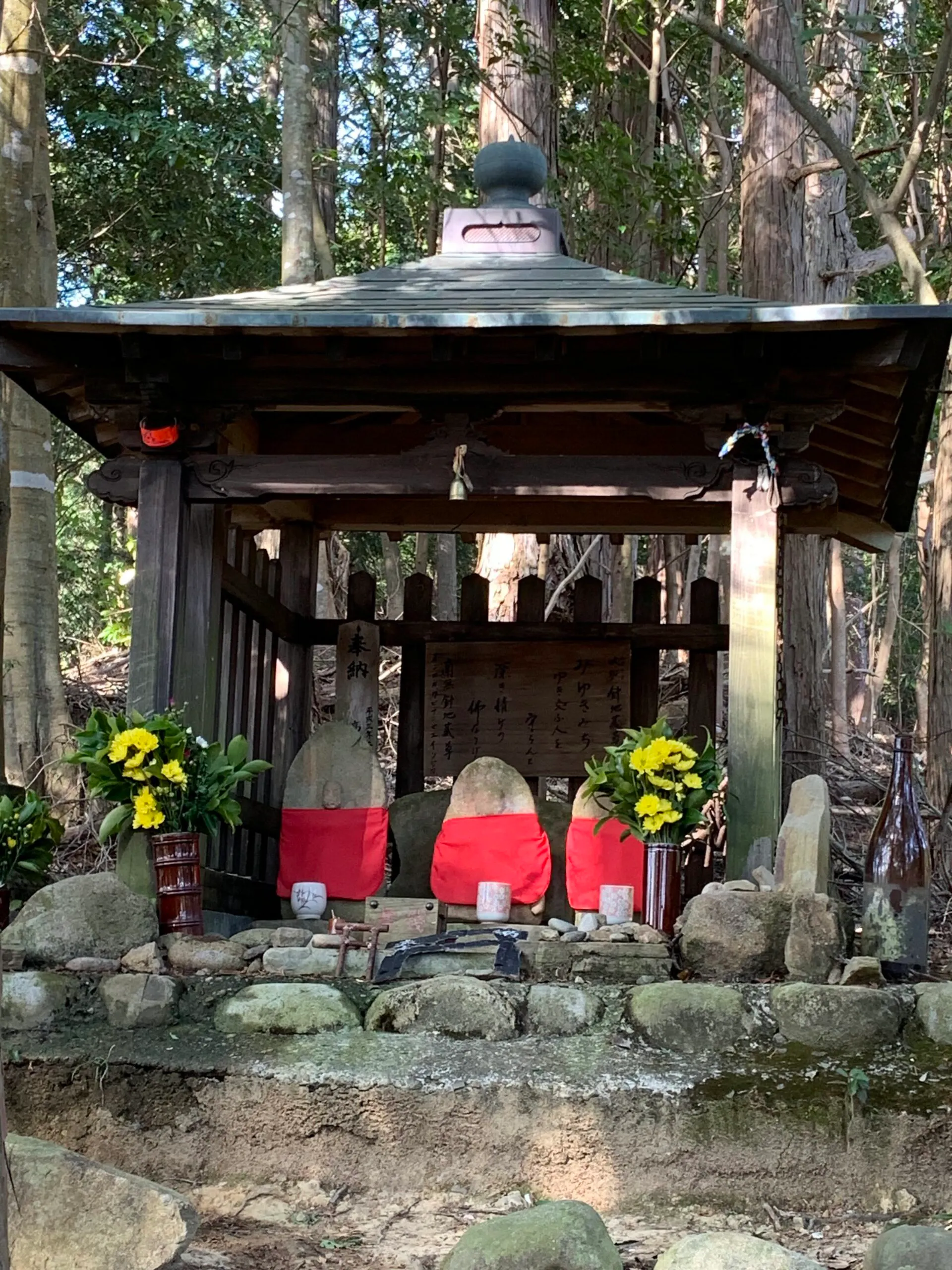
Representing the bodhisattva of the same name, Jizo are Buddhist stone statues symbolizing protection and guidance, encouraging pilgrims along the road. Many are covered in moss or so eroded they are nearly unrecognizable, yet they are still honored with a red hat or bib, marking appreciation from their community for their protection.
“Jizo statues represent Jizo Bosatsu, a compassionate guardian deity who protects children, unborn babies, and travelers, often adorned with red bibs and hats as symbols of protection and care.”
Highlights of the Nakahechi Route
As we embarked on the Kumano Kodo trail, we found solace in the unmarked stretches, where towering cedars embraced us in their majestic presence. However, along the Nakahechi Route, there are remarkable points of interest that should not be missed. Here are some highlights from our enchanting journey.
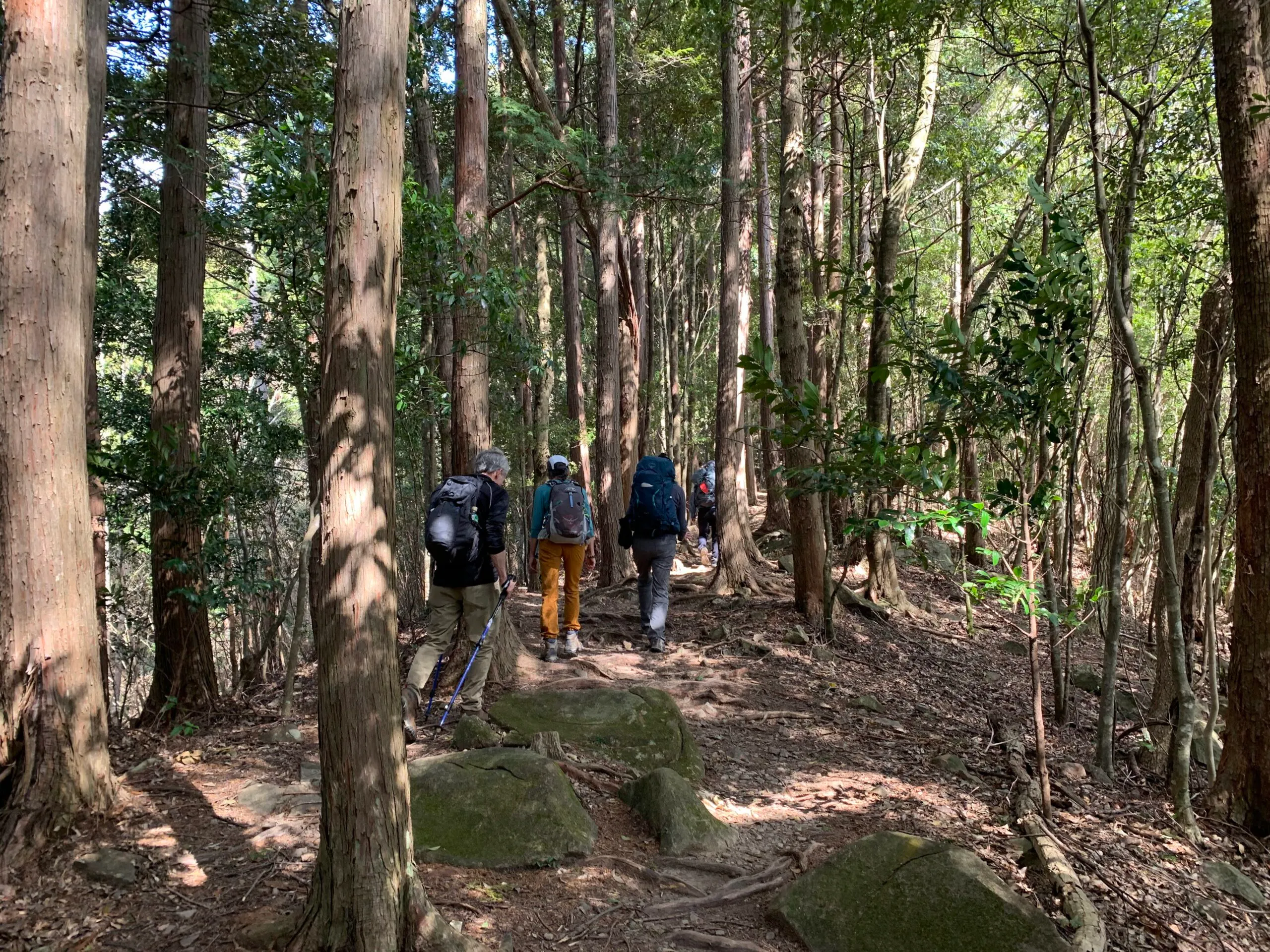
The landscape shifts from cedar-lined ridges to bamboo groves that open onto sweeping views of valleys. Towns such as Takahara—known for its misty panoramas—and Yunomine Onsen—home to one of Japan’s oldest communal hot springs—are the perfect places to pause and reflect along the way. The pilgrimage traditionally ends at one or more of the Kumano Sanzan shrines, each with its own symbolism: Hongu Taisha associated with rebirth, Hayatama Taisha tied to the flow of life-giving rivers, and Nachi Taisha dramatically perched beside Japan’s tallest waterfall. MT Sobek’s itinerary visits all three of these magnificent shrines.
The natural beauty along the trails is positively enchanting and arguably the star attraction. However, there were some locations that stood out for their cultural magnitude. These are a few of our favorites.
Takijiri-oji: Where Our Pilgrimage Began
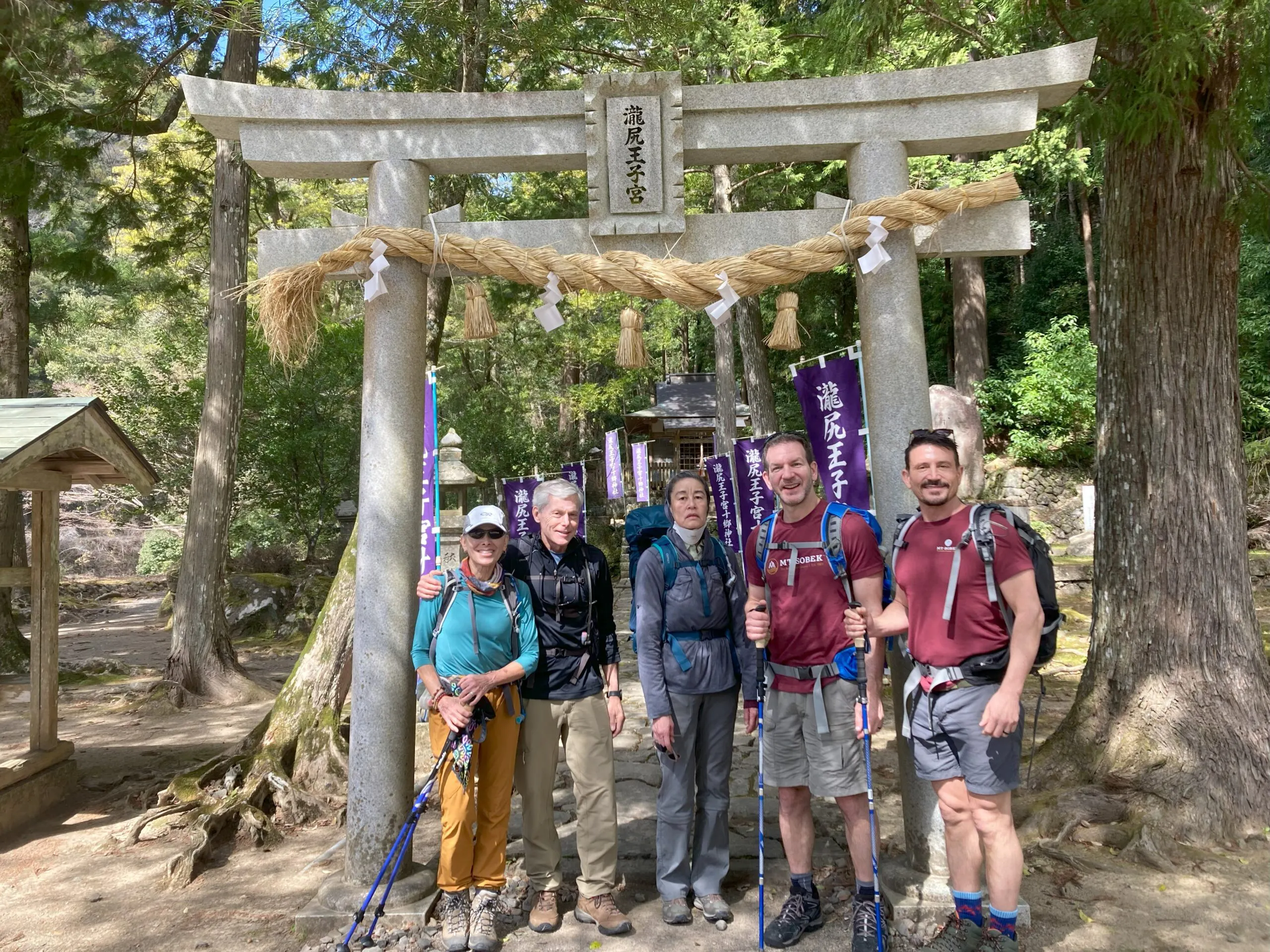
Our journey on the Kumano Kodo officially began at Takijiri-oji, the traditional gateway to the Nakahechi Route. Nearby, we visited Takijiri-oji Shrine, one of the most significant Oji shrines on the route and a place where pilgrims have paused for purification for centuries. It was an auspicious start to our hike.
Takahara: The Village in the Mist
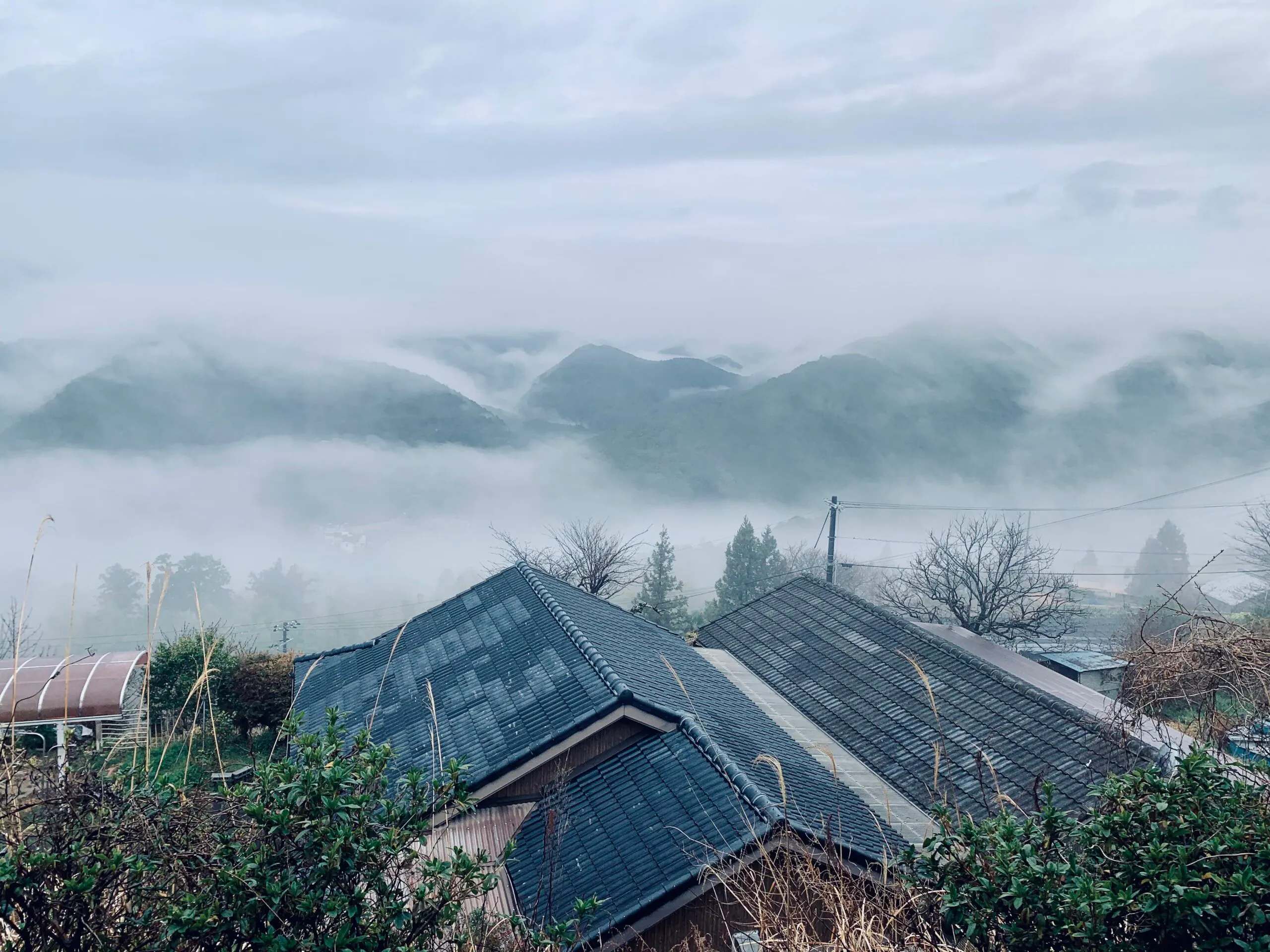
Continuing deeper into the mountains, we reached the small hillside community of Takahara. True to its reputation as the “Village in the Mist,” clouds drifted across the ridgeline as we looked out over layered valleys and distant peaks. From this quiet settlement, the views were among the most memorable of our hike, especially in the early morning and late afternoon, when fog rolled in and sunlight filtered through at just the right angle.
Tsugizakura-oji: Journey Through Ancient Cedars
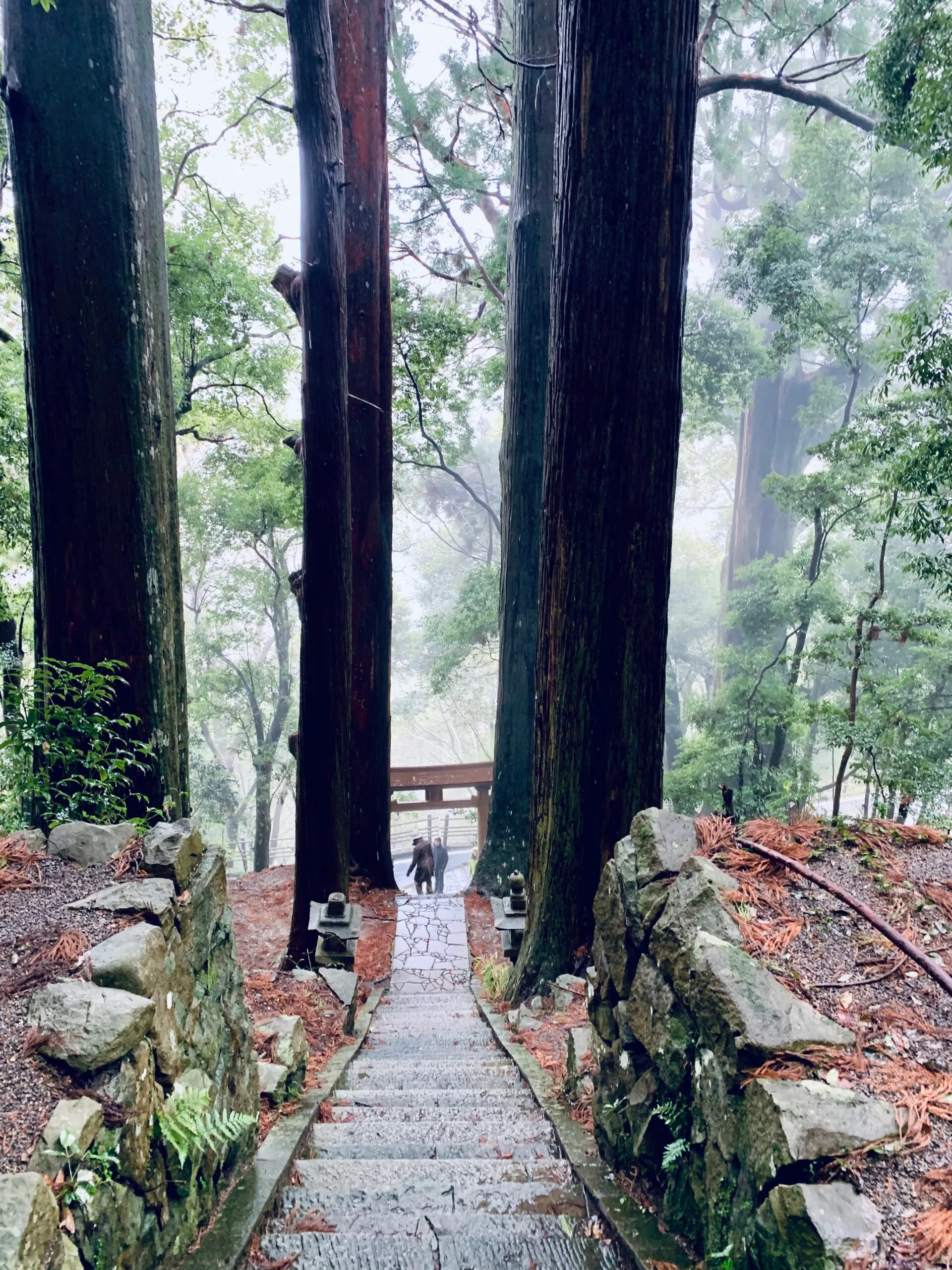
One of the most atmospheric stops along our hike was Tsugizakura-oji, a small shrine tucked within a forest of towering, 800-year-old cedar trees. Standing beneath the misty canopy, this was one of the places where the spiritual essence of the Kumano Kodo felt especially strong. Legend holds that the trees’ angled branches subtly guide pilgrims toward Nachi Falls.
The context really matters here! History, etiquette, and local insight transform the walk from a hike into a pilgrimage of discovery.
Hongu Village: The Heart of the Kumano Kodo
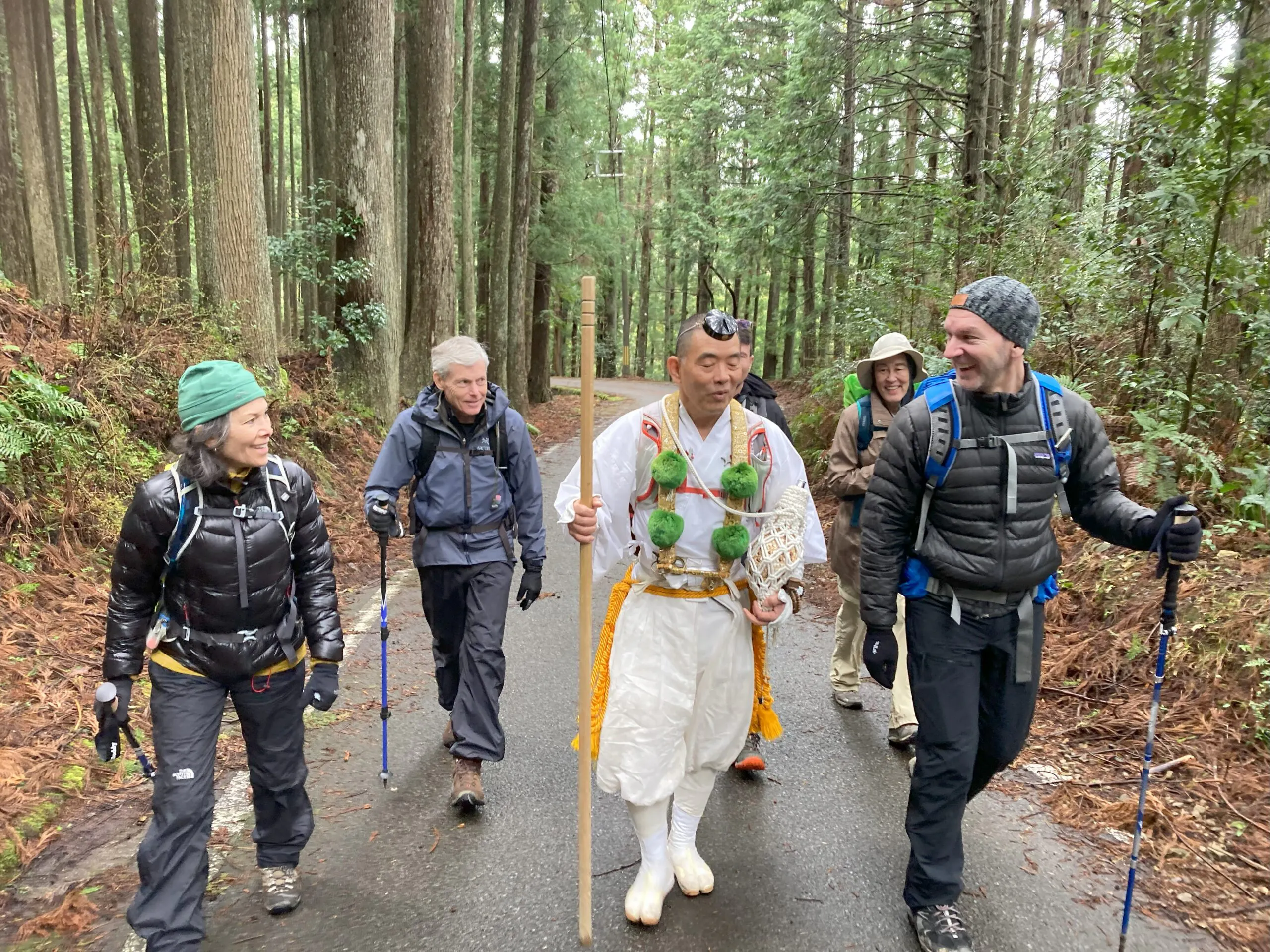
We hiked along the ridge to Hongu Village, where the graceful Hongu Taisha Shrine rises in front of a forested hillside. It was here that we had the great privilege of meeting a Shugendo monk. Standing beneath the shrine’s dark wooden beams, we imagined the generations of pilgrims that had passed through this same place long before we arrived with our modern packs and trekking poles.

Oyunohara: Through the Great Torii Gate
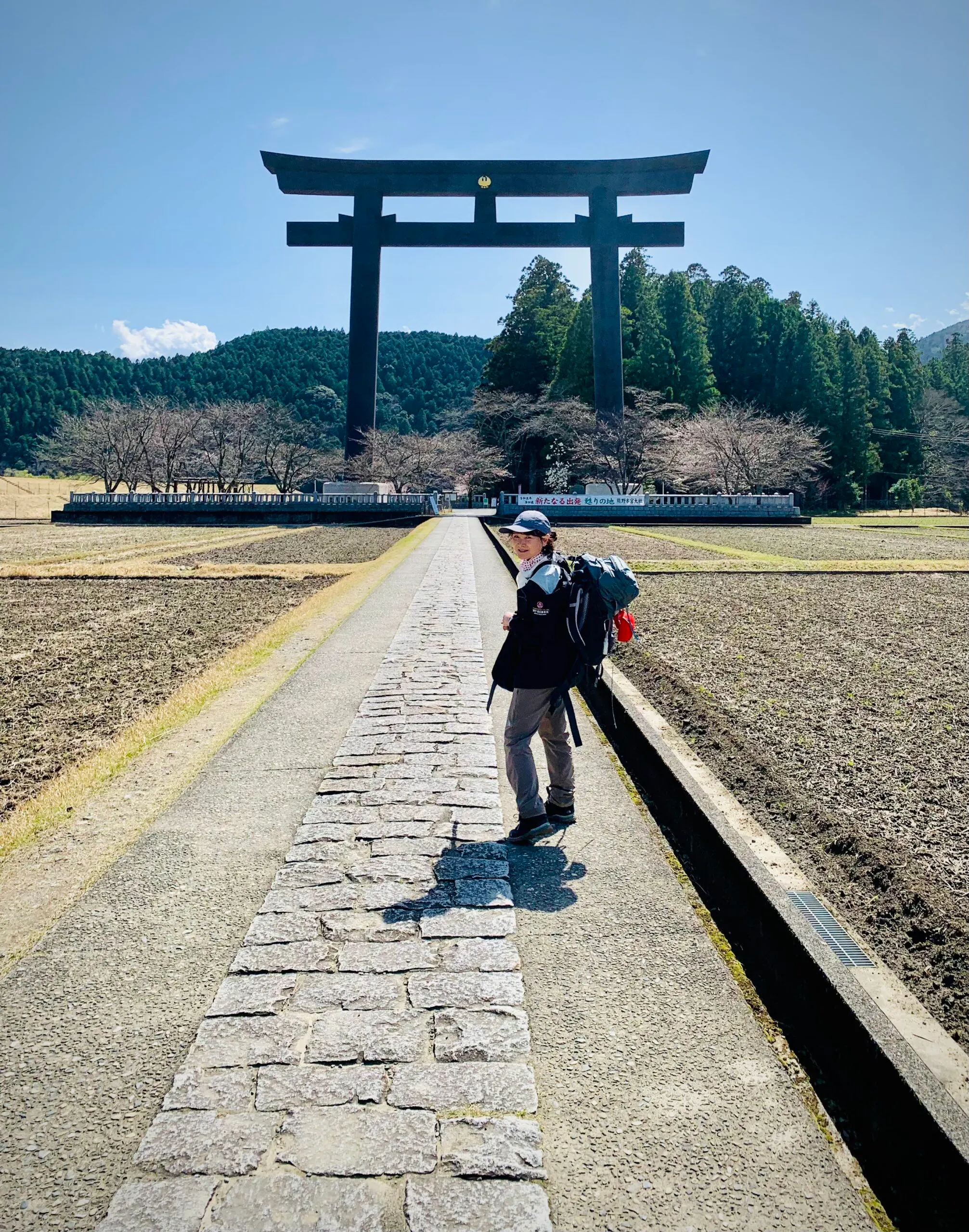
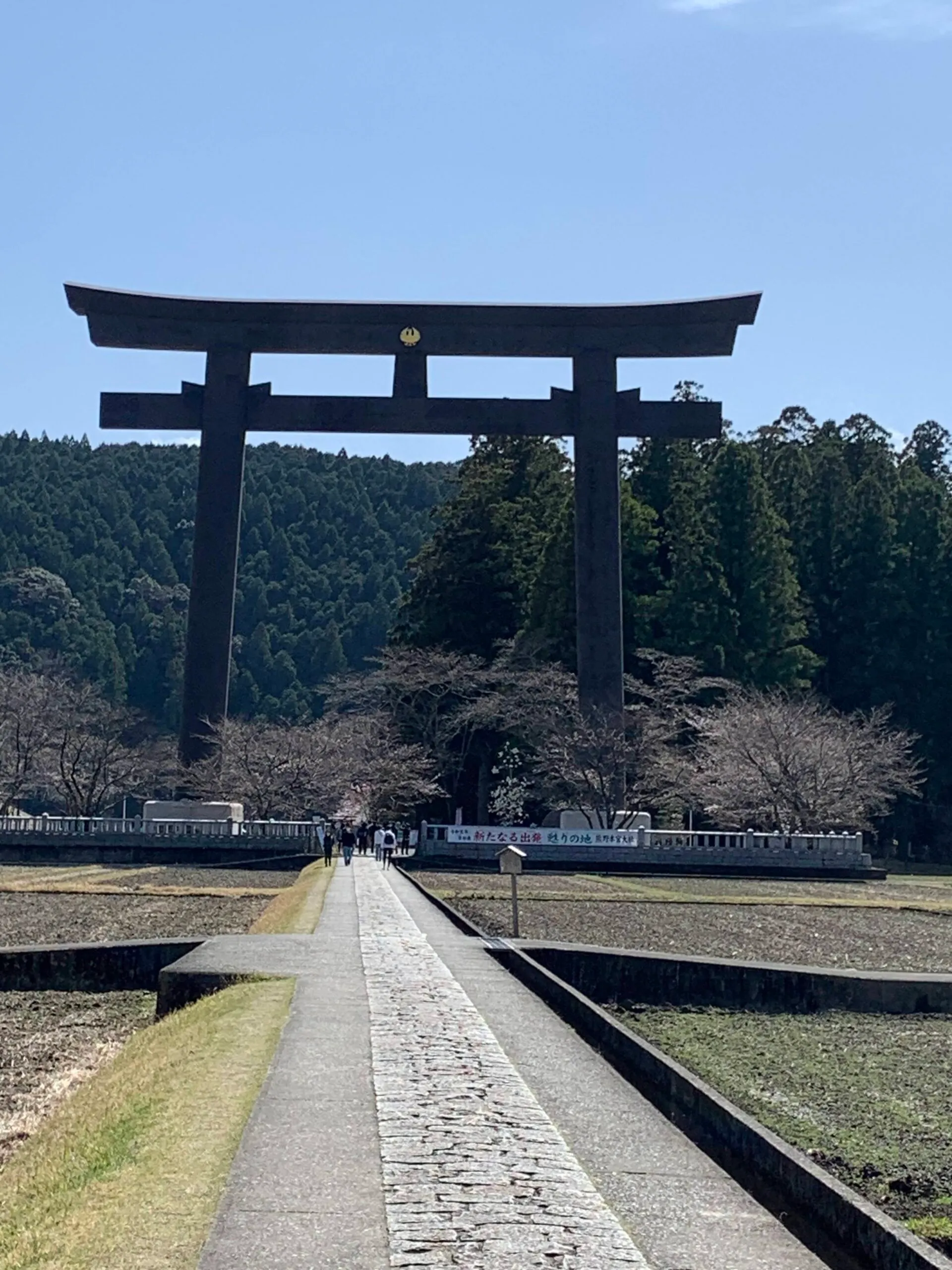
A short walk from the village brought us to Oyunohara, a wide river plain that once held the original Hongu Taisha complex. A devastating flood in 1889 swept much of the shrine away, but the original location is now marked by the immense Oyunohara Torii Gate, the largest in the world. Its scale—11 feet tall and 138 feet wide—is hard to comprehend until you stand beneath it.
Yunomine Onsen & Kawayu Onsen: Rest and Renewal on the Trail
Nestled in a narrow mountain valley, Yunomine Onsen and Kawayu Onsen are recognized as some of Japan’s oldest hot spring villages and offer an immersive—literally—experience. We stayed in Kawayu Onsen and soaked in both private baths at our inn and in the mineral-rich thermal waters that bubble up through the river bed opposite the ryokan. The following day at Yunomine Onsen, we also got to taste eggs hard-boiled in the spring, a unique and tasty snack after a day on the trail.
Nachi Taisha: Reaching the Sacred Coast of Kumano
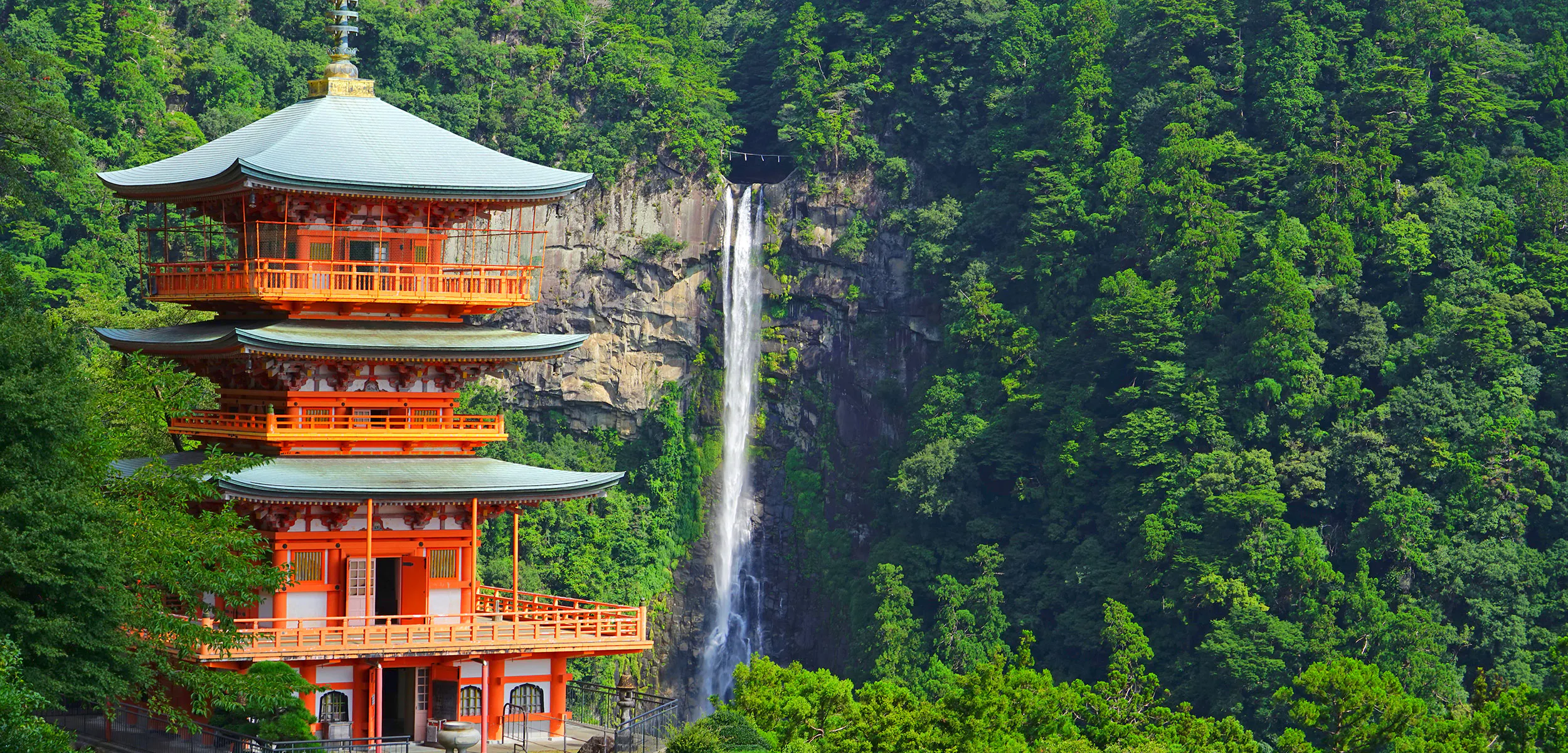
Our journey on the Kumano Kodo culminated at Nachi Taisha. After climbing stone-paved steps, we walked through the vermillion colored torii gate to the main shrine. After exploring the grounds, we came to one of the most iconic scenes in Japan—the tiered pagoda with Nachi Falls—the tallest in Japan—cascading down from the cliffs behind. This was the third shrine of the Kumano Sanzan, and the last of our pilgrimage. A spectacular finale to an unforgettable experience.
Walking the Kumano Kodo wasn’t just a hike! These trails are an immersion into a living cultural landscape, shaped by shrines, spirits, and countless pilgrims before us. The intersection of Buddhism and Shintoism, this route offers a unique look at spiritual tradition. The natural world—from massive cypress trees to steaming hot springs—comes to life as you walk and the shrines—from oji to the Kumano Sanzan—are spellbinding. Taking time to appreciate torii gates, oji shrines, and jizo statues along the way, we felt more connected to the deeper meaning of the trail and to the traditions that continue to thrive in these sacred mountains.
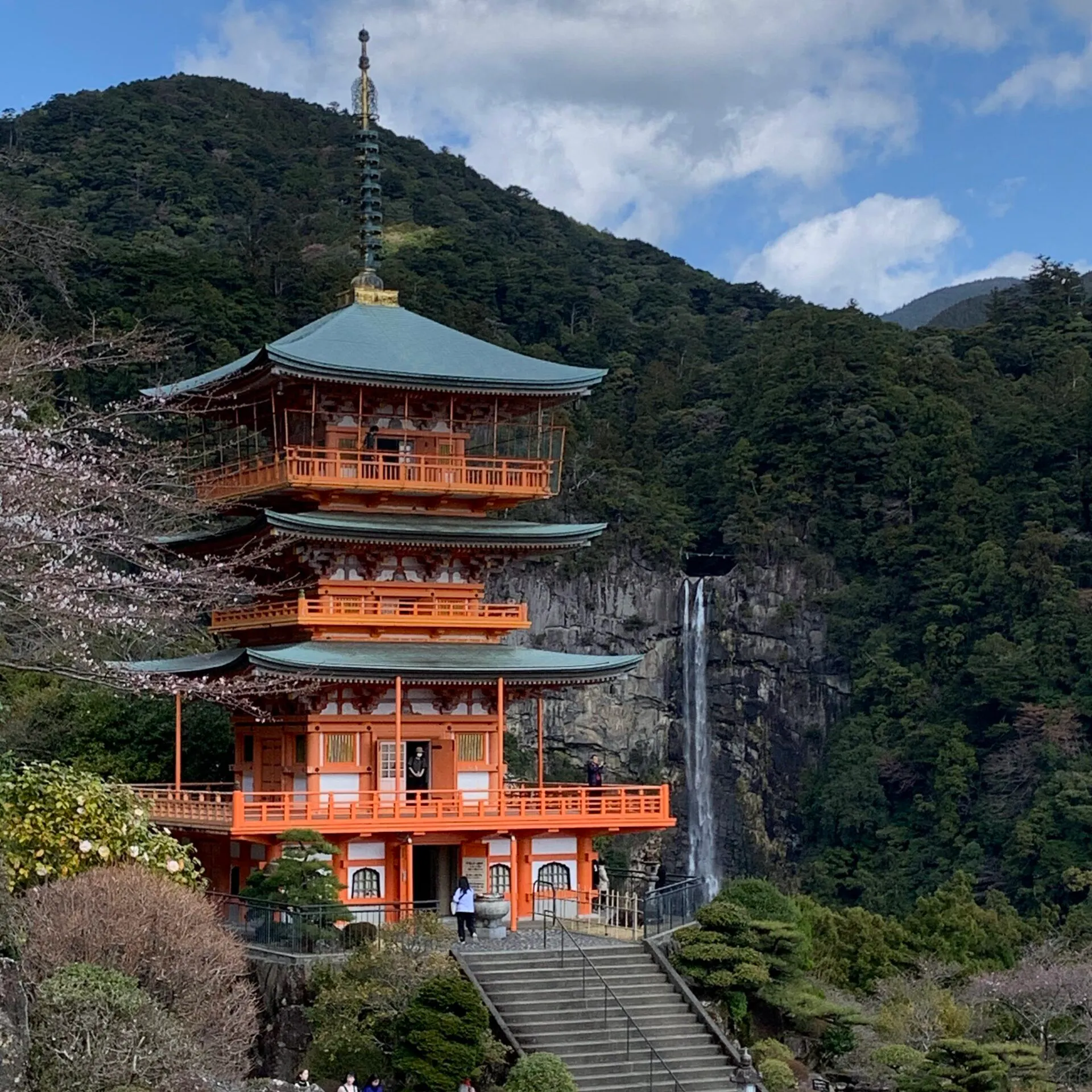
Arriving at Nachi Taisha, the final shrine on our itinerary, we felt the exhilaration of completing the journey and, appropriately enough at this shrine of rebirth, a sense of new beginnings.
Final Thoughts About the Journey
Our experience hiking the Kumano Kodo underscored why it’s one of only two pilgrimage networks in the world to receive UNESCO World Heritage recognition. Whether you walk for spiritual purpose, cultural curiosity, or the joy of being immersed in nature, we found that each step on the Kumano Kodo connected us to a millennium of human history and to the ancient soul of the mountains.

Tip: Many travelers complete both the Kumano Kodo and the Camino de Santiago, to earn an official Dual Pilgrim Certificate. MT Sobek guides can assist with obtaining the necessary stamps for the Kumano Kodo portion, if you let them know in advance of your trip.
Ready to experience this legendary trail for yourself? Click to learn more about MT Sobek’s guided Kumano Kodo Hiking Tour.
Enjoying our content? Add MT Sobek as a Google Preferred Source.
FAQs
To help you plan your own journey, we’ve answered the most common questions about hiking the Kumano Kodo below.
The Kumano Kodo is one of only two pilgrimage routes in the world designated as a UNESCO World Heritage Site, offering a unique blend of Shinto and Buddhist traditions set within a deeply preserved natural landscape.
The ideal seasons for hiking the Kumano Kodo are:
Spring (March–early June): Mild temperatures, and flowering trees and plants and a chance of seeing cherry blossoms.
Autumn (September–November): Crisp air and spectacular fall color across the Kii mountains.
Summer can be very hot and humid, and winter brings chilly nights and occasional icy conditions.
Travelers typically stay in traditional Japanese ryokan or small guesthouses, where they experience tatami rooms, onsen baths, and regional cuisine prepared with local ingredients.
We completed our own hike in mid-April and enjoyed clear skies, warm afternoons, and cool evenings—perfect walking weather. Spring and fall remain the most comfortable seasons, though weather can shift quickly in the mountains. Layers and waterproof gear are key. We learned to keep things simple and streamlined after overpacking for our previous trip—you don’t need a lot to keep comfortable on the trail, and MT Sobek supplied us with a great packing list.
The Kumano Kodo is not a high-altitude hike. The highest passes along the route reach an elevation of 3000 feet.
The highest passes reach roughly 3,000 feet (900 meters), making hiking on the Kumano Kodo accessible to a range of experience levels while still offering invigorating climbs and ridge walks.
Because the pilgrimage routes wind through small, rural hamlets, lodging options are limited—one of the reasons the trail remains uncrowded. Expect to stay in a mix of: family-run guesthouses with futon beds and communal bathrooms; traditional ryokans with tatami rooms and futon beds; and onsen hotels featuring restorative hot-spring baths. Advance reservations are essential. When traveling with MT Sobek, their expert team secures all accommodations for you, ensuring comfort and seamless logistics throughout your journey.
No. While the trail is deeply spiritual, it resonates just as strongly with hikers seeking nature, culture, and movement.
The context really matters here! History, etiquette, and local insight transform the walk from a hike into a pilgrimage of discovery.
Learn More About Adventure Travel in Japan


