
Guided Chile Hiking & Adventure Vacations
MT Sobek has been leading Patagonia trekking adventures since 1974, exploring the breathtaking peaks and valleys of Torres del Paine National Park and beyond. We pioneered the legendary O Circuit Trek, ranked among the world’s top 10 hikes, and continue to guide travelers on the iconic W Trek in Patagonia, with its signature granite towers, the stunning French Valley, and the vast Grey Glacier. We also offer a range of lodge-based and multi-sport adventures that showcase the best of Chilean and Argentine Patagonia with expert local guides, comfortable and premier lodging options, and meticulously crafted itineraries.
Featured Chile Tours
Showing 6 Trips


Why Chile for Your Next Adventure?
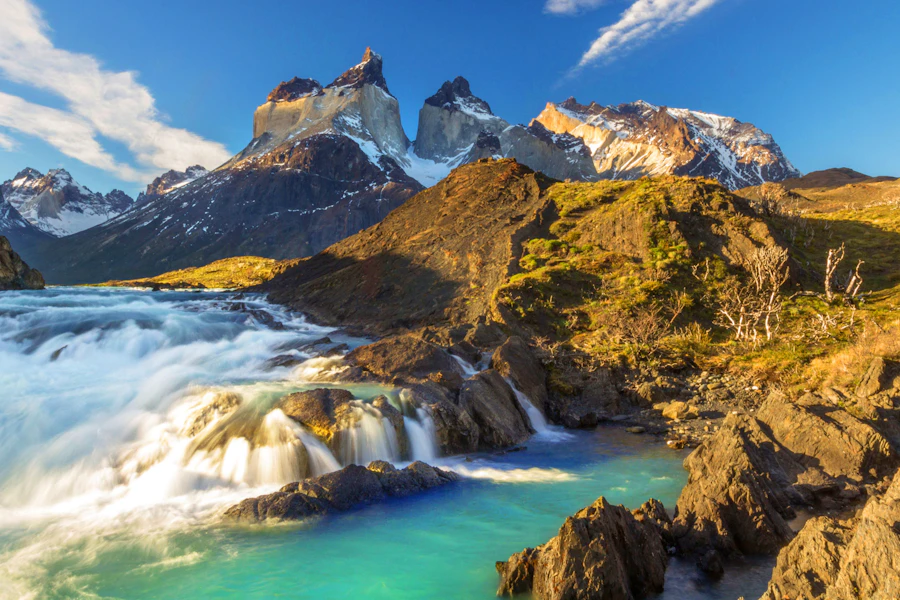
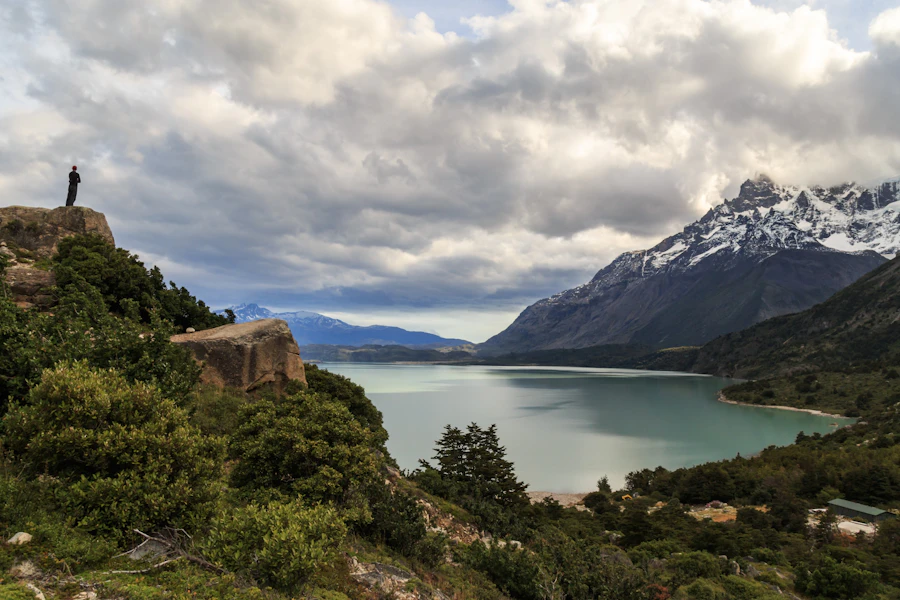
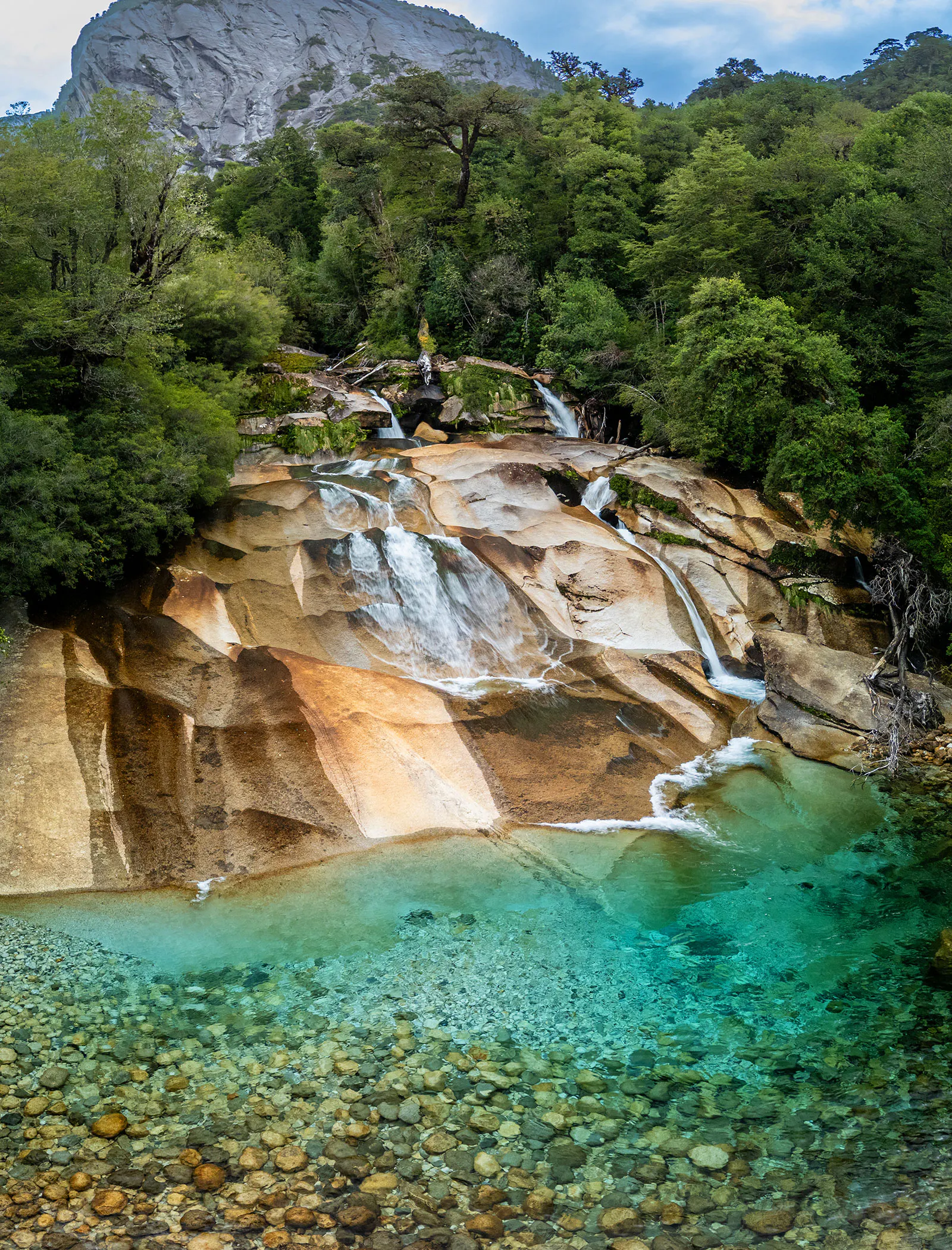
Few destinations pack as much adventure into such a diversity of dramatic landscapes as Chile. In Chilean Patagonia, Torres del Paine National Park brings together monolithic granite peaks, gorgeous turquoise lakes, immense glaciers, windswept grasslands, and some of South America’s most revered hiking trails—like the famous W Trek and O Circuit. Farther north you’ll find one of Patagonia’s best-kept secrets—the Cochamó Valley, a remote stunning area that has been referred to as “the Yosemite of South America.” Or combine the best of Chilean Patagonia with Argentina’s Fitz Roy, Cerro Torre, and Perito Moreno Glacier to experience both sides of the border.
- World-Class Trekking in Torres del Paine — Hike the W Trek, tackle the longer O Circuit, or explore the park on a collection of unforgettable day hikes.
- Remarkable Diversity in a Single Landscape — Experience granite towers, glaciers, forests, alpine lakes, open steppe, and sweeping mountain valleys within Torres del Paine.
- A Wide Variety of Accommodations — Choose the style of adventure you prefer, from boutique hotels and wilderness lodges to refugios and camping.
- Multi-Day Hiking Without Traditional Backpacking — A network of refugios (backcountry huts) and lodges makes it possible to trek from place to place while sleeping in established accommodations.
- Outstanding Wildlife Viewing — Look for guanacos, Andean condors, foxes, rheas, Magellanic woodpeckers, and other wildlife as you explore Chilean Patagonia.
- A Natural Pairing with Argentina — Combine Chile’s Torres del Paine with Fitz Roy, Cerro Torre, and Los Glaciares National Park for an adventure featuring both sides of Patagonia.
What Makes MT Sobek’s Chile Adventures Exceptional
MT Sobek’s legacy in Chile reaches back to the early days of adventure travel in Patagonia—to the 1970s when our founders helped develop famous trekking routes like the W Trek and the O Circuit. That rich experience is especially evident in Torres del Paine, where rather than offering a single way to see the park, MT Sobek has developed an array of adventures to choose from. You can experience Chilean Patagonia at different levels of challenge and comfort—from hiking very demanding, multi-day backcountry routes to enjoying lodge-based adventures with rewarding day hikes. In 2026, we also became the first American company to offer hiking tours to Chile’s Cochamó Valley, opening up a dramatically different side of Patagonia.
What ties these trips together is deep local expertise. Experienced Chilean guides lead the way, while carefully coordinated accommodations, transportation, meals, and trail logistics make complicated journeys through remote areas feel smooth and seamless.
Multiple Ways to Experience Torres del Paine
Choose the iconic W Trek, complete the more demanding O Circuit, or explore the park through day hikes while returning to comfortable accommodations each evening.
Beyond the Famous Trails
Venture into the Cochamó Valley, a less-traveled region of granite walls, forests, glaciers, rivers, and remote mountains that reveals a completely different side of Chilean Patagonia.
Exceptional Chilean Guides
MT Sobek guests consistently highlight their guides as one of the defining parts of their experience, praising their knowledge, leadership, attentiveness, and ability to adapt along the way.
Difficult-to-Secure Logistics Handled for You
Extremely competitive refugios, camps, lodges, transportation, meals, and other arrangements are coordinated in advance—simply fly in and enjoy a turn-key adventure.
Small Groups in Wild Places
Traveling in a small group (our Chile trips are limited to 12-16 guests) makes it easier to move efficiently on the trail, adapt to varying conditions, and enjoy meaningful time with your guides and fellow guests.
Adventures for Different Comfort Levels
MT Sobek’s Chile program ranges from classic hut-to-hut trekking and camping to itineraries combining serious hiking with premier wilderness lodges and even adventure cruises.
Seamless Chile & Argentina Adventures
For travelers who want to experience both sides of Patagonia, many MT Sobek Chile tours do exactly that. We coordinate the border crossing and transportation required to connect Torres del Paine with Argentina’s Fitz Roy and Los Glaciares regions.





FAQs
Chile’s best adventure tours are concentrated in Patagonia near the southern tip of South America, where Torres del Paine National Park is home to some of the continent’s most renowned trekking. The W Trek is the most iconic choice, linking Grey Glacier, the French Valley, Los Cuernos, and the granite Towers. The longer and more demanding O Circuit makes a complete loop around the Paine Massif and traverses the park’s more remote backcountry. Travelers who want more variety can combine Torres del Paine with Argentina’s Los Glaciares National Park or pair hiking with an adventure cruise through the fjords and channels near Cape Horn.
MT Sobek offers all of these approaches, from a 7-day W Trek to the full 12-day O Circuit, as well as cross-border Chile and Argentina adventures with Ultimate Hiking, Hiking with Premier Lodging, and Hiking paired with Expedition Cruise options.
The best time to visit Chile for hiking and adventure travel depends on where you’re headed, but November through April is the sweet spot for Chilean Patagonia. During the Southern Hemisphere’s late spring, summer, and early fall, Torres del Paine has longer days and generally more moderate conditions for marquee hikes such as the W Trek and O Circuit. December through February brings the longest daylight hours—as well as the highest volume of visitors—while November and March can reward hikers with lighter crowds, exploding spring wildflowers, or bursting autumn colors. The region’s weather remains famously mercurial in every season, so wind, rain, sun, and sudden temperature swings are all part of the adventure.
MT Sobek schedules its Chile hiking adventures primarily during the prime trekking window of November to March or early April. This range allows travelers to experience Torres del Paine under a range of conditions, from the long days of midsummer to the russet foliage of early fall.
The best places to hike in Chile span the bone-dry Atacama Desert to the glacier-hewn landscapes of Patagonia. Torres del Paine National Park is the country’s most famous hiking destination. Farther north, Cochamó Valley is Chile’s best kept secret and home to stunning wilderness and a rougher-edged backcountry feel, while Chile’s Lake District offers volcanoes, araucaria forests, and trails around Pucón and Huerquehue National Park. For something altogether different, hikers can explore the salt flats, dunes, and high-elevation desert terrain surrounding San Pedro de Atacama.
For serious trekkers, though, Torres del Paine is nearly impossible to top.
Hiking tours in Chile range from easy-to-moderate day hikes to strenuous, multi-day trekking expeditions and everything in between, so you don’t need to be an expert hiker to experience the country’s amazing trails. In Patagonia, many hikes involve 6 to10 hours on the trail, significant elevation gains and losses, rocky terrain, and rapidly changing weather. The W Trek in Torres del Paine is challenging but attainable for relatively fit hikers, while the longer O Circuit is a more significant undertaking that requires several back-to-back days of strenuous hiking.
MT Sobek rates each Chile itinerary by activity level on a scale of one to five, making it easier to choose a trip that matches your experience and fitness level. Whichever adventure you choose, training so you arrive with good cardiovascular fitness and plenty of recent hiking under your belt will make Chile’s steep climbs, long trail days, and fickle weather much more enjoyable.
The top highlights to see in Chilean Patagonia begin with Torres del Paine National Park, where the granite Towers, the serrated Cuernos del Paine, French Valley, and massive Grey Glacier form one of the most captivating landscapes in South America. Beyond the headline sights, Patagonia rewards travelers with deep turquoise lakes, wind-burnished grasslands, sprawling ice fields, and wildlife that includes guanacos, condors, and, with a bit of luck, pumas. Farther north, the remote Cochamó Valley offers a distinctly different side of Patagonia, with temperate rainforest, crystalline rivers, and colossal granite walls that have earned it comparisons to Yosemite.
Chile can be a rewarding destination to visit independently or on a guided trip. Independent travel works best if you have ample time, enjoy sorting out details like transportation and lodging, and want complete control over your vacation. A guided adventure becomes more valuable in places such as Patagonia, where coveted accommodations, park logistics, trail transfers, border crossings, and famously changeable weather can make an otherwise straightforward trip surprisingly intricate.
MT Sobek handles those moving parts so guests focus on the adventure itself. On our Chile trips, veteran guides lead the way, we arrange accommodations and transportation in advance, and hiking days are woven into a longer, more comprehensive itinerary.
For a hiking trip in Chile, pack non-cotton layers for variable weather conditions. The exact packing list will depend on the specific region you’ll be exploring. In Patagonia, conditions can seesaw from sunshine to cold rain and powerful winds very quickly, so a waterproof-breathable shell, insulating layers, moisture-wicking hiking clothes, broken-in hiking shoes or boots, sun protection, gloves, and a warm hat are especially vital. A comfortable daypack, reusable water bottle, trekking poles, and waterproof protection for anything inside your pack are also important.
For an MT Sobek Chile adventure, you’ll receive a trip-specific packing list tailored to the itinerary, season and accommodations.
Yes. Combining Chile and Argentina is one of the best ways to experience Patagonia because many of the region’s greatest landscapes lie on opposite sides of the international border. Chile’s Torres del Paine National Park offers the famous granite towers, glacial lakes, and multi-day backcountry trekking in refugios, while Argentina’s Los Glaciares National Park is home to Fitz Roy, Cerro Torre, and Perito Moreno Glacier.
MT Sobek has three tours that combine Chile and Argentina, including an Ultimate Patagonia trekking itinerary pairing the W Trek in Torres del Paine with Los Glaciares. There is also a Chile & Argentina hiking tour with premier lodging and a combo adventure that includes an adventure cruise. Transfers, accommodations, guides, and border-crossing logistics are built into the journey, removing much of the complexity of independently connecting the two regions.
Where you stay in Chilean Patagonia depends on your route. Puerto Natales is the primary gateway town to Torres del Paine National Park and a well-situated base for before and after your trek. Staying inside or near the national park puts you much closer to the trailheads for the actual hiking days. Hikers doing the W Trek or O Circuit typically move between mountain refugios and campsites, while lodge-based itineraries provide more modern comforts and amenities while still accessing Patagonia’s iconic trails..
Torres del Paine’s refugios are simple mountain lodges (or huts) situated along the park’s major trekking routes, offering hikers a bunkbed, hot meal, and shelter from Patagonia’s weather after long days on the trail. Rooms are normally dormitory-style and very basic, with shared bathrooms and communal dining areas that foster a lively atmosphere among trekkers from around the world. Many refugios have adjacent campsites, and hikers that choose to camp can still take advantage of the refugios’ showers and hot meals.
Reserving refugios in Torres del Paine can be one of the trickiest parts of planning the W Trek or O Circuit, especially during the peak summer months of December through February. Overnight reservations are mandatory for these routes, space is very limited, and the individual facilities are operated by different concessionaires. This means that independent hikers must piece together availability for several consecutive nights through different companies before committing to a route. Booking six to nine months ahead works best, especially if you want refugio beds rather than campsites. One advantage of hiking Torres del Paine with MT Sobek is that these arrangements are handled for you. On our W Trek, for example, we secure coveted trail lodging, including upgraded double rooms at Refugio Paine Grande rather than the larger dorm rooms most trekkers use.
Yes, you can hike the W Trek without sleeping inside Torres del Paine’s refugios, but you’ll still need reserved overnight accommodations along the route, which can be campsites or nearby lodges and hotels. The most common alternative to refugios is camping at designated campsites, many of which are located near the refugios. Primitive camping outside of designated areas is not permitted in Torres del Paine.
It’s also possible to hike significant portions of the W Trek as day hikes from hotels or lodges, but completing the classic point-to-point route requires staying overnight along the trail. MT Sobek’s W Trek itineraries use a combination of strategically selected accommodations so you can experience the full route without having to coordinate the park’s limited lodging and campsite reservations.
Yes. You can hike Torres del Paine’s O Circuit without sleeping in refugios by camping at designated campsites along the route, but you cannot primitive camp or simply choose where to spend the night. Because the O Circuit travels through more remote backcountry than the W Trek, hikers must follow the circuit’s established route and have the required campsites or refugio accommodations reserved in advance; camping is therefore the main alternative travelers use instead of staying in the refugios. MT Sobek’s O Circuit trek handles these arrangements in advance and uses a mix of campsites and refugios along the route, allowing guests to hike the full circuit without having to stitch together the notoriously complex overnight reservations themselves.
Yes, camping is required for at least two nights, when hiking Torres del Paine’s O Circuit. Accommodations on the more remote backside of the Paine Massif are considerably more limited than along the W Trek, and camping is the only option for overnights at Seron and Los Perros. For other sections of the route, refugios with hut-style accommodations offer an alternative to camping.
MT Sobek’s O Circuit itinerary does include three nights of camping, using designated campsites between stays at refugios to make the complete journey around the massif possible. For travelers who want to experience the O Circuit with MT Sobek, expect some camping as part of the adventure.
Chile’s mountain refugios, particularly those in Torres del Paine, are simple and rustic but well equipped for their remote locations. Most offer bunk-style sleeping rooms, shared bathrooms, hot showers, and communal dining areas. Many serve hot breakfasts and dinners, and prepare box lunches for the next day’s hike. Some of the larger refugios, such as Grey and Paine Grande, also have small shops, bars and heated common areas, although amenities such as Wi-Fi and charging can be patchy.
Food at Torres del Paine’s refugios is simple, hearty, and intended for hungry hikers, with most offering breakfast, packed lunches, and a substantial dinner. Meals often vary by refugio but typical fare includes soups, pasta, rice, meat or chicken, vegetables, bread, fruit, and desserts, with vegetarian and other dietary options often available if requested in advance.
Share Your Chile Adventure | #mtsobek


