
Japan Kyoto to Tokyo Nakasendo Trail Walking Tour
Ancient Trails, Sacred Temples & Bamboo Forests


- Available: March, April, May, September, October, November
- Activity: Level 3
- Accommodations: Comfortable Hotels, Rustic Lodging
Highlights
- Explore Kyoto's ancient temples, UNESCO-listed Kinkaku-ji and Ryoan-ji, and the bamboo forest of Arashiyama
- Journey to Nara's Todai-ji, scenic and sacred Koyasan, and electric Tokyo
- Follow shoguns' shadows along the spectacular Nakasendo Way through medieval towns, lush valleys, and misty forests
Itinerary
Arrive in Kyoto
Day 1
Welcome to Japan! Meet the group at the hotel in Kyoto and convene for a welcome dinner at a restaurant in the city center. With over 1,000 Buddhist temples, sublime gardens, and excellent cuisine, it's easy to see why Kyoto has been voted Travel+Leisure's Best Overall City two years in a row!
Accommodation: Hotel Granvia Kyoto
Accommodation: Hotel Vischio KyotoMeals: Dinner
Explore Kyoto's Magnificent Temples & Gardens
Day 2
This morning transfer to Arashiyama, a beautiful area in northwest Kyoto known for spring cherry blossoms, dramatic autumn foliage, forested mountains and Togetsu-kyo Bridge over the Katsura River. Visit the famous bamboo groves and Tenryu-ji Temple. Enjoy time in the vicinity for an early lunch on your own, then gather and continue on to Ryoanji to see its famous rock garden. Then, head to the extraordinary 14th Century Kinkaku-ji or Golden Pavilion - named for its top two stories covered in gold leaf. Explore the Zen Buddhist temple's magnificent Japanese strolling garden and mirror pond before returning to our hotel to freshen up before dinner.
Accommodation: Hotel Granvia Kyoto
Accommodation: Hotel Vischio KyotoActivity: 8 hours/5-6 miles city walking with negligible elevation gain or loss
Transportation: Public transportation by local train and bus within Kyoto
Meals: Breakfast, Dinner
Journey to Sacred Koyasan
Day 3
Travel to Koyasan, a bowl-shaped valley filled with stands of cedar trees 2600 feet up in the mountains of the Kii Peninsula. Since the 9th century, when the priest Kukai (also known as Kobo Daishi) founded the first temple and the shingon sect of Buddhism, Koyasan has been a place of religious devotion and ceremony. Today there are more than 100 monasteries, many of which have shukubo (temple lodgings). Visit Kongobu-ji temple and enjoy a guided walk through the vast Okuno-in cemetery, with thousands of graves and memorials to feudal lords and other past luminaries before arriving at one of the elegant shukubo (pilgrims' lodgings), run by the monks, and dine on shojin-ryori (Buddhist vegetarian cuisine). Your main suitcase will be transferred by courier this morning from Kyoto, and you will be without your luggage for two nights; you'll need a small weekender bag and/or daypack to carry your essentials for two nights. Note: Depending on availability, travel from Kyoto to Koyasan by direct bus or take the more traditional route by train, cable car, and local bus accompanied by your guide.
Accommodation: Shojoshin-in Shukubo-Koyasan
Accommodation: Eko-in
Accommodation: Mitsugon-inActivity: 3-4 hours/4-5 miles walking between modes of transportation and at Okuno-in cemetery
Transportation: 3 hours by direct bus (if available ) or 4 hours total by local trains, cable car & bus
Meals: Breakfast, Lunch, Dinner
Ride the Train to Nara
Day 4
This morning you will have the opportunity to get up early to join in the Buddhist service at the temple. After breakfast travel onward by bus, funicular and then connecting trains to Nara. On a much smaller scale than Kyoto, Nara was established in 710 AD as Japan's capital, and is home to the famous Nara park, where the semi-tame deer roam. Walk to Kasuga Taisha Shrine, a Shinto shrine established in the 8th century. Stone lanterns line the path to the entrance, and inside hundreds of bronze lanterns hang from the building. Continue with a hike up a series of stairs and inclines to the summit of Mount Wakakusa for a marvelous view of the city (guests are welcome to do just a portion of this climb and turn back earlier to await the group at the bottom if they prefer).
Accommodation: Hotel Nikko Nara
Accommodation: Piazza Hotel NaraActivity: 2 hours/3 miles walking plus 2 hours/2 miles hiking with 730' elevation gain & 730' loss
Transportation: 4 hours total by local bus, cable car, and trains (multiple segments)
Meals: Breakfast, Lunch
Explore Nara and the Kiso Valley
Day 5
This morning, begin with a visit to Todaiji Temple—an architectural marvel and the world’s largest wooden building—home to one of Japan’s largest bronze Buddha statues. Afterwards, journey by local train to Kyoto then by bullet train and another local train to the scenic Kiso Valley, where the ancient Nakasendo trail winds through the mountains. Once a vital route connecting Kyoto and Edo (now Tokyo), the Nakasendo—meaning “road through the mountains”—is lined with well-preserved post towns. Thanks to the dedication of local residents, many traditional machiya (traditional wooden houses) have been lovingly restored and transformed into welcoming inns. Settle into your own Japanese-style inn in time for dinner, where your luggage, transferred from Kyoto, will be waiting.
Accommodation: Hanasarasa Inn
Activity: 3-4 hours/4-5 miles walking between modes of transportation and at Nara's Todaiji temple
Transportation: 5 hours total by local buses and trains (multiple shorter segments)
Meals: Breakfast, Lunch, Dinner
Discover Magome & Hike a Forested Trail to Tsumago
Day 6
Explore the small town of Magome before walking over Magome Pass (2,625') to the village of Tsumago-juku. The trail rises gently, passing through another small village before reaching Magome Pass and then descending on a mixed paved and dirt trail through forest to Tsumago-juku. This small village has many restored machiya houses lining the main street, and there are small shops selling local crafts as well as snacks such as gohei-mochi, rice paste covered in miso and nut-based sauce. After sightseeing in Tsumago, take a short ride to your accommodation.
Accommodation: Keigetsu
Activity: 3-4 hours/5.2 miles hiking with 1,070' elevation gain & 1,410' elevation loss
Transportation: Short transfers by private van
Meals: Breakfast, Lunch, Dinner
Follow the Old Nakasendo from Nagiso to Nenoue Toge
Day 7
Today you'll continue your journey through the Kiso Valley and along the Nakasendo, walking a forested route from Nagiso to Nenoue Touge. Enjoy the lovely trail along empty country lanes and paths that weave their way beside rice fields and the gardens of village houses. From Nenoue Toge (where the trail turns into paved road) travel by private vehicle to Kiso Fukushima. and stay at a ryokan with its own hot spring. There are more than three thousand named hot springs in Japan, fed by Japan's abundant volcanic activity. Soak your muscles after your hike with a quintessential Japanese onsen experience! Your main suitcase will be transferred by courier to Tokyo, and you will be without your luggage for two nights; you'll need a small weekender bag and/or daypack to carry your essentials for two nights.
Accommodation: Komanoyu Ryokan-Kiso Fukushima
Accommodation: Onyado Tsutaya
Accommodation: Tsutaya Tokinoyado KazariActivity: 5-6 hours/8 miles of hiking with 2129' ascent and 750' descent
Transportation: 2-hour private transfers
Meals: Breakfast, Lunch, Dinner
Climb to Torii Pass & Explore Narai-juku Village
Day 8
After a short train ride to Yabuhara, climb to Torii Pass, with good views over the Kiso Valley. In early spring, snow may dust on the mountaintops, but from mid-April onward the scenery is lush, green forest. Come early afternoon arrive in the well-preserved village of Narai-juku. Your ryokan dates back over 200 years and is typical of the merchant houses that line the village's main street. Take time to explore the atmospheric village, and perhaps try one of the local specialties.
Accommodation: Iseya Ryokan-Narai, Kiso Valley
Activity: 3-4 hours/4 miles hiking with 1,130' elevation gain & 885' elevation loss
Transportation: 15-minute train ride
Meals: Breakfast, Lunch, Dinner
Meet a Lacquer-Ware Artisan in Hirasawa, Transfer to Tokyo
Day 9
After breakfast in Narai-juku, take a short local train journey to Hirasawa, renowned for its lacquer-ware artisans. Stop in at a workshop and meet local artisans before a 3-plus-hour train journey to Tokyo (changing trains twice en route). Check in to your Tokyo hotel, where the luggage transferred from Day 7 will be waiting for you. Enjoy free time to explore, before dinner at your leisure.
Accommodation: Celestine Tokyo Shiba
Activity: Walking ~1 hour total between transportation elements
Transportation: 3.5 hours total by train (multiple segments)
Meals: Breakfast, Lunch
Tour Tokyo's Top Sights
Day 10
Today's Tokyo tour includes walks around Nihonbashi, the elegant Ginza shopping district, and the Imperial Palace. The contrast of the Imperial Palace's large grounds, deep moat, and historic buildings with downtown Tokyo's modern office buildings reflects Japan's twin identities of modernity and tradition. Enjoy free time for lunch on your own, then visit the Meiji Shrine, a beautiful place of quiet reflection located within an evergreen forest. Also stop briefly to see the bustling entertainment area of Shibuya. Return to the hotel before your farewell dinner.
Accommodation: Celestine Tokyo Shiba
Activity: 8 hours/5-6 miles city walking with negligible elevation gain or loss
Transportation: Public transportation by local train and subway within Tokyo
Meals: Breakfast, Dinner
Depart from Tokyo
Day 11
Transfer by pre-booked shared taxi to either Narita Airport or Haneda Airport, according to your homeward-bound flights.
Transportation: Pre-booked shared taxi transfers to Narita and Haneda airports
Meals: Breakfast
Why Travel With Us?
MT Sobek has been operating award-winning adventures in Asia since 1969, working with the best local guides to ensure an immersive and unforgettable adventure.
Perfected over 20 years, this popular 11-day Kyoto to Tokyo adventure is a well-paced walking tour into the heart of Japan. Explore idyllic landscapes and stay at charming shukubo and ryokan.
Our local expert guides go the extra mile and are the perfect travel companions. Come away with a deep understanding of Kyoto, Tokyo, and the historic Nakasendo Trail.
Know Before You Book
Meals
Meals are usually Japanese cuisine, including many breakfasts, and seating is often on cushions on the floor. We're not able to arrange 100% fish-free or 100% gluten-free meals.
Transportation
Most of the transfers involve different modes of public transportation. We transfer luggage ahead on two occasions, while you carry a small duffel and backpack with your essentials for two nights each time.
Accommodation
Five nights of the trip are at traditional lodgings that have futon beds atop mat floors, with shared bathing and toilet facilities for 2-4 of those nights. At hotels, most rooms have two beds rather than one double bed. Solo travelers who have a single room at hotels, may be asked to share a room with a same-gender traveler at the traditional lodgings.
Dates & Prices
Price is per person, double occupancy in USD.
The earlier you book, the more choice of available dates you’ll have and once you book, your price is guaranteed.
Your Guides
The best people to immerse you in a destination are the ones who live there, which is why we feature local Adventure Guides on our trips. Here are a few that you might meet on this adventure.

Tomomi S.
Tomomi was born and raised in Tokyo. After completing her degree in international relations, she studied in the UK and the US. Later she lived in Hawaii and Israel for years and traveled extensively in Europe, the US and Middle East. She now lives in Tokyo, close to its center and loves gardening, walking, cycling and yoga. Tomomi enjoys guiding and sharing her knowledge of both traditional and urban cultures of Japan. Meet Tomomi on MT Sobek's adventures in Japan.

Toshi K.
Toshiyuki was born in Nagano Prefecture, Japan, and grew up in Sekiyama in Niigata Prefecture. His interest in travel became apparent from the very moment he played with a globe as a child and it turned into a life-long passion. After graduating from university in 1978, he moved to Canada and now divides his time between Canada and Japan. Toshiyuki has guided the Nakasendo and Kumano Kodo trails since 2013. He has traveled to over 200 cities in 25 countries in America, Europe, and Asia.

Atsuko I.
Atsuko was born in Osaka, an old merchant city, and brought up in Kamakura, an ancient capital of samurais, and that was just the start of her lifelong interest in Japanese culture. After college, she moved around the globe, communicating with people from many cultures. Returning to Japan, she knew she wanted to share her culture with travelers. Starting as a volunteer guide at the Edo-Tokyo Museum, she now leads guests throughout the country, revealing the art of Japanese thinking and living.
Activity Level
This trip is rated activity level 3. Moderately paced hikes of up to eight miles a day through the Japanese countryside, visiting villages, temples, and artisan workshops. Plus two days of extensive city walking and cultural touring, linked by scenic train rides.
Learn more about activity levels here.
Activity Snapshot
Day 2
8 hours/5-6 miles city walking with negligible elevation gain or loss
Day 3
3-4 hours/4-5 miles walking between modes of transportation and at Okuno-in cemetery
Day 4
2 hours/3 miles walking plus 2 hours/2 miles hiking with 730' elevation gain & 730' loss
Day 5
3-4 hours/4-5 miles walking between modes of transportation and at Nara's Todaiji temple
Day 6
3-4 hours/5.2 miles hiking with 1,070' elevation gain & 1,410' elevation loss
Day 7
5-6 hours/8 miles of hiking with 2129' ascent and 750' descent
Day 8
3-4 hours/4 miles hiking with 1,130' elevation gain & 885' elevation loss
Day 9
Walking ~1 hour total between transportation elements
Day 10
8 hours/5-6 miles city walking with negligible elevation gain or loss
*Mileage and elevation change information is approximate and may vary slightly depending on trail conditions, weather, and route adjustments, and the guide’s discretion.
Accommodations
Enjoy stays in traditional ryokans (inns) — many with onsen (hot springs) — and comfortable hotels with modern amenities.
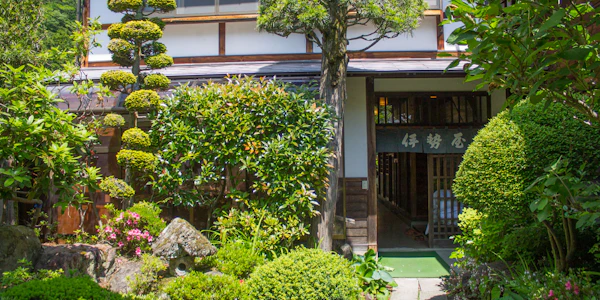
Iseya Ryokan-Narai, Kiso Valley
Iseya is a traditional minshuku established in 1818. The friendly, family-run inn occupies the original wooden building and a newer annex. There are 10 tatami-mat guest rooms, several guest toilets and wash basins, plus two rooms with Kiso umbrella pine tubs for bathing. Wi-Fi is available in the rooms. Meals are Japanese-style set menus featuring local specialties.

Komanoyu Ryokan-Kiso Fukushima
Komanoyu has lovely, big onsen baths with indoor and outdoor sections (separate baths for men and women). Just grab your traditional Japanese towel for modesty and pad down to the bathing space for complete relaxation. Sleep well atop futons in the spacious guest rooms, and enjoy traditional Japanese dishes. Wi-Fi is available in the lobby area.

Shojoshin-in Shukubo-Koyasan
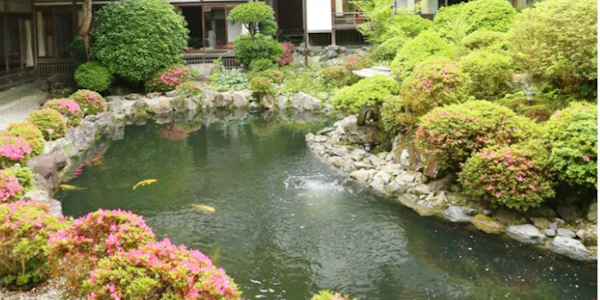
Shojoshin-in is a shukubo, or lodging, in a Buddhist temple. In fact Shojoshin-in is attached to one of Mount Koya's oldest Buddhist temples! Built as a thatched hut more than 1,150 years ago, today it boasts attractive 150-year-old buildings with 22 guest rooms and two large communal bathing areas — one for men and one for women — with beautiful Hinoki cypress wood bathtubs.

Hotel Granvia Kyoto
The Hotel Granvia Kyoto is a four star property easily accessible within the JR Kyoto Station. Its sleek architectural decor is paired with modern amenities in each room, such as complimentary Wi-Fi, electric kettles and flat screen TVs. Guests can choose to relax in the hot tub, wander through the thousands of pieces of art work on the property or walk over to the Kyoto Tower.

Hotel Nikko Nara
Situated in the center of Nara prefecture, Hotel Nikko Nara is a four-star relaxing retreat with a Japanese-style bath house, fitness center, spa and massage facilities. Each room offers complimentary Wi-Fi, a coffee/tea kettle and a flat-screen TV. Dine at one of the hotel's four restaurants featuring European, Chinese, and Japanese cuisine or take short stroll to any of the local restaurants nearby.
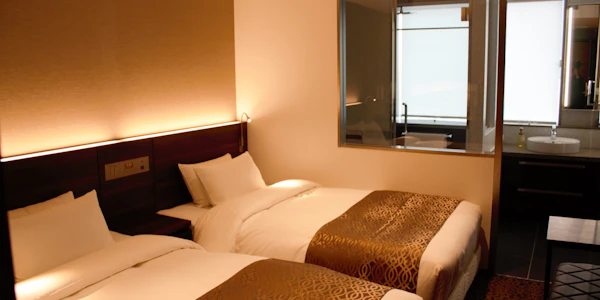
Piazza Hotel Nara
A fusion of Japanese and European sleek design, the Piazza Hotel Nara is a short walk from Nara Park and offers many modern amenities, including complimentary Wi-Fi. Watch as chefs cook authentic Teppanyaki-style dishes in front of your table at the live dining restaurant. Afterwards, head over to the hotel's jazz bar for live musical performances or relax with cocktails on the rooftop terrace.

Onyado Tsutaya
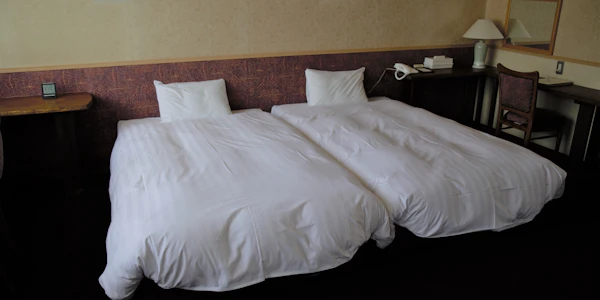
Hanasarasa Inn
Hotel Hanasarasa is located in the Nakatsugawa Onsen area, sitting at the base of Mount Ena. It is close to Magome, gateway to our walk on the Nakasendo Trail. The hotel's baths are onsen baths (mineral hot springs) and the baths in this area are known for their beautifying properties! Adjoining the hotel is a larger onsen facility with a selection of indoor and outdoor hot springs baths and swimming pools. Meals at the facility showcase local cuisine, including river fish and the Hida beef of Gifu prefecture. Rooms are equipped with en suite toilets and other amenities.

Eko-in

Keigetsu

Celestine Tokyo Shiba
Mitsugon-in

Hotel Vischio Kyoto

Tsutaya Tokinoyado Kazari
Weather
Spring and fall temperatures range from 50°F to the high 70°'s F, and there is a fair chance of rain.
FAQs
Trip Overview
This well-paced 11-day adventure offers a deep immersion into the heart of Japan, transitioning from the imperial history of Kyoto to the modern energy of Tokyo. Along the way, you’ll follow the historic Nakasendo trail, exploring misty forests and well-preserved post towns while enjoying traditional hospitality in an authentic shukobo and at family-run inns.
Legacy of Local Expertise: Operating in Asia since 1969, MT Sobek’s top-rated local guides share deep insights into the culture and history of the Nakasendo trail.
Authentic Cultural Immersion: Experience the contrast of old and new through stays in a traditional shukubo (temple lodge) and at ryokans (inns), many featuring therapeutic onsen (hot springs).
Historic Trade Routes: Journey on a network of ancient trade routes once used by feudal lords, walking between restored machiya (wooden houses) in idyllic Kiso Valley villages.
Seamless Experience: Enjoy a thoughtful and balanced blend of vigorous nature walks and city exploration, linked by Japan’s world-class train system and a clever luggage-forwarding service.
The landscape is at its most enchanting and temperatures are generally moderate in spring and fall. Spring offers the possibility of cherry blossoms and lush greenery, while the autumn months provide a backdrop of dramatic foliage and stable, crisp air for walking. You can experience Japan Kyoto to Tokyo Walking during these prime months.
March to May - Spring: Temperatures range from 50°F to 76°F as the landscape comes alive, making it a popular window for cultural discovery and hiking. To maximize your chances of witnessing Japan’s legendary cherry blossoms, consider a departure between late March and early April. Precise timing can vary from year to year depending on weather conditions, and this is a very popular time for visitors.
September to November - Late Summer and Early Autumn: During these months, expect warmer daytime highs in the 70s°F and 80s°F or higher at times in September. In November, maple and cherry trees turn vibrant shades of red and gold, with temperatures averaging 48°F to 55°F— ideal for vigorous hiking.
The standard minimum age for this trip is 18. This itinerary is designed with adult travelers in mind, based on daily activity levels, accommodations, and overall group experience. Families or groups with younger children should check out our private departures .
You will be on your feet for much of each day, combining moderate trail hiking with extensive city walking. The challenge comes from the cumulative fatigue of back-to-back active days and navigating varied surfaces like stone steps and forest roots.
Sustained Daily Activity: Expect to spend much of the day walking or hiking, covering three to eight miles daily during both nature hikes and cultural touring in Kyoto and Tokyo.
Varied Terrain: You’ll be hiking on a mix of paved paths and rustic forest trails with exposed tree roots and rustic stone steps that can be slippery when wet. Hiking poles are helpful to maintain balance, and on downhill sections with loose rock.
Elevation Changes: You will encounter steady climbs and descents, ranging from 730 feet to 2,129 feet over the course of each day.
Urban Adventure: Enjoy the energy of Japan’s cities as your guide helps you navigate train stations, city centers, stairs, and transport connections. You’ll travel with your daypack and a small personal bag, keeping essentials close while your main luggage is forwarded separately.
Arriving and Departing
Once your reservation with MT Sobek is finalized, we'll notify you of your trip's status. After your departure is confirmed to operate, flights and travel arrangements may be purchased. While we can often confirm departures in advance, some decisions may be finalized closer to final payment. We strongly advise checking directly with your Adventure Coordinator before purchasing any non-refundable air arrangements. For expert assistance with your flight plans, we recommend reaching out to Exito Travel at 800-655-4053 or via email at mtsobek@exitotravel.com .
Once your booking is finalized and the trip is confirmed, you may purchase your flights after consulting your Adventure Coordinator.
Arrival: Arrive at Kansai International Airport (KIX) or Itami International Airport (ITM) by 3:00 pm on Day 1 to allow time to transfer on your own to your Kyoto hotel in time for the 6:00 pm orientation. Arriving at least one day early is strongly recommended to adjust to the time zone and avoid travel delays.
Departure: You may schedule your departure from Tokyo Narita International Airport (NRT) or Haneda International Airport (HND) anytime on Day 11, as a pre-booked shared taxi transfer is included. Transfers are timed to ensure you arrive at the airport in plenty of time for your flight; two to two and a half hours prior to departure.
If arriving early in Kyoto, we recommend staying at our group hotel, the Hotel Granvia Kyoto . For late departures from Tokyo, we suggest the Celestine Tokyo Shiba . You’ll book any extra nights directly with the hotel. If you book your own reservations at the group hotels for pre- and/or post-tour nights, it may be necessary to change rooms between the group stay and your independent nights. The best way to potentially avoid this is to book a room in the same category as our group blocks:
Granvia Kyoto: Standard Twin Rooms with View (280 sq. ft.) for guests booked in a single or twin on the group tour; Standard Double Rooms (258 sq. ft.) for guests booked in a double on the group tour.
Celestine Tokyo Shiba: Standard Queen Rooms (204 sq. ft.) for guests booked in a single on the group tour; Superior Twin Rooms (301 sq. ft.) for guests booked in a double or twin on the group tour.
A valid passport is required to enter Japan. Most countries require that passports be valid for at least six months beyond the end of your trip and contain at least one blank page for entry stamps. US citizens do not need a visa for stays under 90 days. Non-US citizens should consult their local embassy or consulate to confirm current entry requirements.
Before traveling, visit the Visit Japan Web website to upload your passport information and complete the customs questionnaire. This will expedite immigration processing upon arrival and can simplify claims for tax-free shopping.
If you are arriving into Tokyo instead of Osaka to start this trip, or if you are booking back-to-back journeys with our Japan Kumano Kodo Walking and Hiking trip, we suggest booking the Shinkansen train between Tokyo and Kyoto or Osaka. We recommend downloading the Smart-EX app to book tickets and reserve seats in advance. While there is no cost savings for booking early, it secures your seat; reservations typically open one month prior to travel. Because train service is frequent, you can even book on the day of travel if you do not require a specific departure time.
Transportation and Transfers
Arrival transfers are not included; guests transfer independently from the Osaka airports to the Kyoto hotel. For arrivals into Kansai International Airport (KIX), we recommend taking the Haruka Limited Express to Kyoto Station (approximately 70-80 minutes). For arrivals into Itami International Airport (ITM), we recommend the airport shuttle limousine bus (approximately 50-60 minutes), which drops off at the south side of Kyoto Station. Our hotels in Kyoto are located alongside the station, just a short walk from the platform or bus stop. Detailed instructions for these methods will be sent in your Final Details email approximately one month prior to departure.
Departure transfers are included and will be provided via pre-booked shared taxi from the group hotel in Tokyo to either Narita (NRT) or Haneda (HND) airports on Day 11. Transfers are timed to ensure you arrive at the airport in plenty of time for your flight; two to two and a half hours prior to departure.
Fitness, Terrain and Trail Expectations
This rewarding trip requires good physical stamina for long days on your feet. You’ll combine three to eight hours of daily hiking with several miles of city walking, often navigating stairs and train stations.
Elevation Expectations: While the trail elevations are modest on this trip, on Day 7 you’ll gain 2,129 feet over the course of eight miles and on Day 8 you’ll hike the 1,130 feet to Torii Pass.
Uneven Terrain: Trails on the Nakasendo are well-marked but include uneven rustic sections with stone steps and exposed tree roots that require surefootedness, especially when damp. Trekking poles are useful for maintaining balance and close-toed shoes are essential.
Active Full Days: The challenge is the "all-day" nature of the trip, from early morning temple services to evening walks, with five to eight miles of activity most days.
City Walking: Cultural touring days in Kyoto and Tokyo involve up to six miles of walking on pavement, which can be just as demanding as the mountain trails.
We recommend starting a consistent training regimen at least three to six months before your trip to build a solid cardio base and leg strength. Because this trip involves stone steps, preparing your knees and joints for climbing and descending is essential for your comfort.
Cardio Base: Engage in activities like hiking, biking, or swimming for 40 to 60 minutes, four to five times per week.
Hike with Elevation: Include at least one full-day hike per week on hilly or rustic trails to simulate Nakasendo conditions.
Stair Training: Incorporate stair climbs into your routine to prepare for the numerous stone steps found at temples and on trail passes.
Gear Break-in: Use your training sessions to fully break in your waterproof hiking boots and get used to walking with a daypack.
Accommodations and Meals
Accommodations are a highlight of the journey, offering a mix of modern city hotels and traditional Japanese countryside inns. You will stay in Western-style hotels in Kyoto, Nara and Tokyo, and spend five nights in a traditional shukubo, ryokans or minshukus along the pilgrimage trail.
Traditional Ryokans: Rooms at these inns feature minimalist design with tatami (straw) mat floors, paper screens and seating on cushions or low chairs. You will sleep on traditional individual thin futon beds that are laid out for you in the evening. You will remove your shoes once inside your room and change into the provided slippers. Shoes must never be worn on the tatami. Different slippers are provided exclusively for use in the bathrooms. Lightweight cotton robes called yukatas are provided for all guests to wear to dinners (optional) and to the communal baths (furo) while staying at traditional lodgings.
Onsen Culture: Ryokans are cherished for their natural hot spring baths (onsen), which are ideal for soaking after a hike. Bathing is typically done in gender-segregated communal facilities. To maintain the purity of the water, bathing suits are typically not allowed in the onsens. Local etiquette requires thoroughly washing with soap in the shower area before entering the onsen itself. We’re often asked about tattoo etiquette regarding onsen visits. Please reach out to your Adventure Coordinator for information on the cultural considerations of visiting onsens.
Ensuite & Shared Bathroom Facilities: At western-style hotels in Kyoto, Nara, and Tokyo, rooms have ensuite baths. On nights 3, 5, 7, and 8, you will use communal single-gender bathing facilities rather than an ensuite bath, and on nights 3 and 8, toilets and sinks are also shared down the hall and rooms are separated by thin sliding screens—making earplugs a helpful addition.
Room Configuration: In Japan, double rooms (with one large bed) are relatively rare for city hotels. Most rooms are twin rooms with two beds (twin-size beds or oversized twin or full-size beds). Additionally, double rooms are usually smaller than twin rooms at our Western-style hotels, so we recommend that guests who are sharing a room stick with twin room accommodations throughout the trip. For shukubo, ryokan, and minshuku stays, note that rooms are always set up with one individual futon per person.
Shukubo Experience: The shukubo is an authentic Buddhist temple lodging attended by young monks in training. Guests will have the opportunity to attend morning prayers with the monks during their stay.
Food is a cornerstone of this journey, celebrating Japan’s passion for fresh, seasonal ingredients and artful presentation. While group meals mostly feature authentic Japanese cuisine, we include a few Western-style meals for variety.
Some meals at traditional inns involve an authentic dining experience sitting on cushions on the floor at low tables. When dining in this style, you are welcome to sit in a position that is most comfortable for you.
Breakfasts at the Western-style hotels in Kyoto, Nara, and Tokyo are buffets featuring both Western and Japanese dishes, including juices, coffee, and tea. At the traditional inns, a Japanese breakfast is served, which may consist of grilled fish, rice or rice porridge, miso soup, savory custard, and steamed or pickled vegetables.
Group lunches and dinners will mostly feature Japanese cuisine, though a few meals will be western style for variety's sake. Japanese cuisine reflects a passion for fresh, seasonal foods and artful presentations. Seafood, vegetables, rice, and soy products play a predominant role. Matcha, a finely ground green tea, is an integral part of tea ceremonies and soy sauce, miso paste, and seaweed are common seasonings across the country.
While a limited amount of guide-selected beer and wine is included with your welcome and farewell dinners, additional alcohol is available for purchase.
For guests following vegetarian or vegan diets, we are happy to request meals without apparent animal products; however, meals entirely free of fish traces are not possible due to the ubiquitous use of dashi (broth flavored with dried fish). If you choose not to eat dishes containing dashi, you may need to supplement your meals with your own snacks. Similarly, we cannot guarantee 100% gluten-free meals as soy sauce and miso—core Japanese seasonings—contain gluten and are difficult to avoid. We can request meals that exclude wheat noodles, tempura, and breaded items to support your needs.
Let us know about your dietary restrictions and food allergies as soon as possible, ideally at or before the time of booking, so we can advise and coordinate with guides, hotels, and restaurants. Guests should also list these on their Participant Information Form. Once the tour begins, it is generally not possible to accommodate new dietary requests or changes.
Yes, a limited number of single rooms are available on this trip. About a third of our travelers go solo, and single room inventory often books up quickly! You can find more information on solo traveler options here . While single rooms are guaranteed in Kyoto, Nara, and Tokyo, traditional inns in the countryside have limited space. While rare, guests with single reservations may be asked to share a twin room with another MT Sobek traveler of the same gender for up to five nights at these traditional inns.
Packing and Gear
Japan experiences four distinct seasons, and because our trips run during the spring and fall when rain is common and temperatures can vary widely, dressing in layers is the key to staying comfortable throughout the day.
Your outermost layer should be a waterproof, breathable rain jacket and rain pants to keep you warm and dry, supplemented by a fleece jacket or warm layer as necessary. We recommend packing synthetic or wool/synthetic blend clothing, as these fabrics provide the best insulation, wick away perspiration, and dry quickly; we strongly discourage the use of cotton garments in cold or wet conditions.
On hiking days, we recommend long-sleeved shirts and long pants to protect from insects.
Essential footwear includes sturdy, waterproof hiking boots, and you will also want fresh socks for the evenings when you remove your shoes in traditional lodgings.
A detailed packing list will be provided to help you prepare.
Yes, hiking poles with rubber tips are essential for this trip. They provide necessary stability on the deep, uneven stone steps and slippery tree roots found along the Nakasendo trail. We strongly recommend training with your poles before the trip to get comfortable with them on hilly terrain. Plan to bring your own trekking poles and pack them in your checked luggage rather than your carry-on bag.
Guests should plan to bring one main piece of luggage, your daypack, AND a small, lightweight personal bag or zippered tote. To provide an authentic and manageable travel experience, we utilize Japan’s takuhaibin courier system to forward your main suitcase twice: from Day 3 to Day 5, and from Day 7 to Day 9. You will have your full luggage for the nights of Day 1, 2, 5, 6, 9, and 10. On the intervening two-night stretches, you’ll carry a daypack and a lightweight personal bag or zippered tote for your essentials while navigating trains and buses.
While you’re on the trail, we handle the transport of your personal bag to the inn so you only ever carry your daypack on the actual hikes.
When staying at traditional Japanese lodgings, take advantage of the provided toiletries, towels, slippers, and yukata (cotton robes). It is normal to wear the yukata for dining and relaxing, even outdoors, meaning you do not need to pack extra evening clothing for these nights.
We include the forwarding of one larger item of baggage per person, with a maximum weight of 25kg/55lbs and a maximum combined length, width, and depth of 160 cm/63 inches. If you choose to travel with two larger items of baggage, our Adventure Guide is happy to arrange forwarding for both pieces. In this case, you will be asked to pay locally for the second item, which is typically the equivalent of around $25 per bag for each instance of forwarding (price subject to change). If traveling with valuables or fragile items, we recommend keeping them with you while hiking.
Laundry service is offered at the hotels for an additional charge; it is not available at the traditional inns (though there are coin-operated self-service laundry machines at or nearby some of the inns). Check with the front desk for fees and availability. You can also hand-wash a few quick-drying items in your room and hang them up to dry, but please make sure you check with the ryokan/minshuku first about where you can hang things to dry, because drying laundry over tatami mats can damage them beyond repair.
On-the-Ground Travel Tips
Japan's weather varies significantly by season, requiring a versatile layering system and rain gear to stay comfortable.
March & April: Expect daytime highs in the 50s°F and 60s°F, with cooler evenings in the high 30s°F to 40s°F.
May: Daytime temperatures can reach the mid-70s°F, with trail temperatures averaging 64°F to 70°F, though it remains cooler in the mountain valleys of the Nakasendo.
September: This month can see highs in the mid-80s°F or higher with high humidity, making lightweight wicking fabrics a priority.
October & November: Highs average in the 50s° to 70s°F, with cooler evenings in the 40s°F, perfect for active walking and soaking in hot springs.
The local currency is the Japanese Yen (JPY). While credit cards are accepted in major cities, Japan remains a cash-heavy society. In the countryside and small towns, many shops and restaurants are cash-only.
Please keep in mind that banks in Japan typically close at 3:00 pm on weekdays, and since hiking days often keep you on the trail until later, you will generally not return to town until after banking hours. For the most convenient access to cash, we suggest using ATM machines located in post offices or 24/7 convenience stores like 7-11, Lawson, or Family Mart, which frequently accept foreign bank cards.
Health and Safety
Yes, we strongly recommend purchasing travel insurance for all trips. Travel insurance can help cover trip cancellations or interruptions, medical expenses, emergency evacuation, travel delays, and other unexpected situations. We offer travel insurance with Arch RoamRight and will be happy to provide you with a quote. Please see our Travel Resources page for more information.
Your MT Sobek guides have a professional Japanese guide license and are trained in first aid, CPR and safety protocols. They carry a group first aid kit, but it is important to remember that medical facilities may be far away and medical care in remote areas can be delayed.
Check with the US Centers for Disease and Control Prevention (CDC) for information on recommended immunizations, and/or your local travel clinic or healthcare provider for health concerns at your destination.
Staying healthy on the trail begins with proper pre-trip preparation and consistent daily self-care. To maintain your well-being, we recommend hydrating consistently by drinking plenty of water and using powdered electrolytes to replenish minerals lost through sweat.
Foot care is equally essential; address any hot spots or blisters early with moleskin or Compeed patches, and ensure your toenails are trimmed to prevent discomfort during long descents.
Maintain good hygiene by washing or sanitizing your hands frequently—especially before meals and after using public transportation—is a simple but effective way to stay well.
Prioritize rest and recovery each evening by taking advantage of the rejuvenating hot spring onsens to soothe tired muscles and recharge for the next day's adventure.
Trail Support and Emergencies
Extensions and Local Exploration
If you have extra time in Kyoto, we recommend exploring the Gion district to see traditional teahouses or visiting the Fushimi Inari Shrine’s famous red gates.
In Tokyo, you might enjoy visiting the Tsukiji Outer Market for fresh sushi, exploring the high-tech Shinjuku district, or taking a peaceful stroll through Ueno Park. Both cities offer endless opportunities for world-class dining, museums, and hidden neighborhood temples.
To help navigate unique considerations for traveling independently in Japan, like public transportation and language challenges, some guests use popular online day-guide services to help plan their free time. Please feel free to reach out to us for more information.