Nepal Gokyo Lakes Trekking Tour

Epic Peaks of the Himalaya


Discover the legendary Khumbu on a quieter, less-traveled route with five-star views of the Himalayan giants. Follow the classic Everest Base Camp trail to Namche Bazaar, then branch off toward peaceful Gokyo Valley. Trek through Sherpa villages, rhododendron forests, and across prayer-flagged bridges to reach the sacred turquoise Gokyo Lakes. Surrounded by towering Himalayan peaks, enjoy sweeping views of Everest, Cho Oyu, Lhotse, and Makalu and summit Gokyo Ri for a breathtaking panorama of the world's highest mountains.

14 Days • 13 Nights

Discover the legendary Khumbu on a quieter, less-traveled route with five-star views of the Himalayan giants. Follow the classic Everest Base Camp trail to Namche Bazaar, then branch off toward peaceful Gokyo Valley. Trek through Sherpa villages, rhododendron forests, and across prayer-flagged bridges to reach the sacred turquoise Gokyo Lakes. Surrounded by towering Himalayan peaks, enjoy sweeping views of Everest, Cho Oyu, Lhotse, and Makalu and summit Gokyo Ri for a breathtaking panorama of the world's highest mountains.

Array
(
    [0] => Array
        (
            [DisplayOrder] => 1
            [HighlightText] => 

Trek a quieter Everest route through UNSECO-protected Sagarmatha National Park to sacred Gokyo Lakes

[Description] => Trek a quieter Everest route through UNSECO-protected Sagarmatha National Park to sacred Gokyo Lakes [Image] => [VideoLink] => ) [1] => Array ( [DisplayOrder] => 2 [HighlightText] =>

Be awed by incredible views of Everest, Ama Dablam, Cho Oyu, Lhotse, and Makalu along the trail

[Description] => Be awed by incredible views of Everest, Ama Dablam, Cho Oyu, Lhotse, and Makalu along the trail [Image] => [VideoLink] => ) [2] => Array ( [DisplayOrder] => 3 [HighlightText] =>

Experience Sherpa culture in mountain villages and visit Kathmandu’s temples and shrines

[Description] => Experience Sherpa culture in mountain villages and visit Kathmandu's temples and shrines [Image] => [VideoLink] => ) [3] => Array ( [DisplayOrder] => 4 [HighlightText] => [Description] => lake [Image] => https://mts-wp-uploads.s3.us-west-1.amazonaws.com/trips/APN_gallery2.jpg [VideoLink] => ) [4] => Array ( [DisplayOrder] => 5 [HighlightText] => [Description] => bridge [Image] => https://mts-wp-uploads.s3.us-west-1.amazonaws.com/trips/APN_Gallery5.jpg [VideoLink] => ) [5] => Array ( [DisplayOrder] => 6 [HighlightText] => [Description] => namche [Image] => https://mts-wp-uploads.s3.us-west-1.amazonaws.com/trips/APN_Gallery3.jpg [VideoLink] => ) [6] => Array ( [DisplayOrder] => 6 [HighlightText] => [Description] => yaks and chorten [Image] => https://mts-wp-uploads.s3.us-west-1.amazonaws.com/trips/hp_hero3_kha_2880x1620.jpg [VideoLink] => ) [7] => Array ( [DisplayOrder] => 7 [HighlightText] => [Description] => hiker [Image] => https://mts-wp-uploads.s3.us-west-1.amazonaws.com/trips/APN_753519394.jpg [VideoLink] => ) [8] => Array ( [DisplayOrder] => 7 [HighlightText] => [Description] => yoga pose [Image] => https://mts-wp-uploads.s3.us-west-1.amazonaws.com/trips/hp_hero5_apn_2880x1620.jpg [VideoLink] => ) [9] => Array ( [DisplayOrder] => 8 [HighlightText] => [Description] => masks [Image] => https://mts-wp-uploads.s3.us-west-1.amazonaws.com/trips/hp_hero2_apn_2880x1620.jpg [VideoLink] => ) [10] => Array ( [DisplayOrder] => 9 [HighlightText] => [Description] => early morning hiker [Image] => https://mts-wp-uploads.s3.us-west-1.amazonaws.com/trips/gallery2_apn.jpg [VideoLink] => ) [11] => Array ( [DisplayOrder] => 10 [HighlightText] => [Description] => musk deer [Image] => https://mts-wp-uploads.s3.us-west-1.amazonaws.com/trips/5829526hp_hero15_kha_2880x1620.jpg [VideoLink] => ) [12] => Array ( [DisplayOrder] => 10 [HighlightText] => [Description] => icy hikers [Image] => https://mts-wp-uploads.s3.us-west-1.amazonaws.com/trips/hp_hero1_apn_2880x1620.jpg [VideoLink] => ) [13] => Array ( [DisplayOrder] => 11 [HighlightText] => [Description] => kathmandu [Image] => https://mts-wp-uploads.s3.us-west-1.amazonaws.com/trips/APN_Gallery4.jpg [VideoLink] => ) [14] => Array ( [DisplayOrder] => 12 [HighlightText] => [Description] => relaxing at tea house [Image] => https://mts-wp-uploads.s3.us-west-1.amazonaws.com/trips/gallery1_apn.jpg [VideoLink] => ) [15] => Array ( [DisplayOrder] => 13 [HighlightText] => [Description] => lake [Image] => https://mts-wp-uploads.s3.us-west-1.amazonaws.com/trips/APN_gallery.jpg [VideoLink] => ) [16] => Array ( [DisplayOrder] => 14 [HighlightText] => [Description] => flags [Image] => https://mts-wp-uploads.s3.us-west-1.amazonaws.com/trips/APN_2118449543.jpg [VideoLink] => ) [17] => Array ( [DisplayOrder] => 15 [HighlightText] => [Description] => female hiker [Image] => https://mts-wp-uploads.s3.us-west-1.amazonaws.com/trips/APN_588383306.jpg [VideoLink] => ) [18] => Array ( [DisplayOrder] => 96 [HighlightText] => [Description] => square 1 [Image] => https://mts-wp-uploads.s3.us-west-1.amazonaws.com/trips/nepal_apn_square_1.jpg [VideoLink] => ) [19] => Array ( [DisplayOrder] => 97 [HighlightText] => [Description] => square 2 [Image] => https://mts-wp-uploads.s3.us-west-1.amazonaws.com/trips/nepal_apn_square_2.jpg [VideoLink] => ) [20] => Array ( [DisplayOrder] => 98 [HighlightText] => [Description] => square 3 [Image] => https://mts-wp-uploads.s3.us-west-1.amazonaws.com/trips/nepal_apn_square_3.jpg [VideoLink] => ) )

Highlights


  • Trek a quieter Everest route through UNSECO-protected Sagarmatha National Park to sacred Gokyo Lakes
  • Be awed by incredible views of Everest, Ama Dablam, Cho Oyu, Lhotse, and Makalu along the trail
  • Experience Sherpa culture in mountain villages and visit Kathmandu's temples and shrines

Nepal Gokyo Lakes Trekking

Start: Kathmandu, Nepal  End: Kathmandu, Nepal

Itinerary


  • Arrive in Kathmandu

    Day 1

    Welcome to Nepal! You will be met on arrival at Tribhuvan International Airport (KTM) in Kathmandu and transferred to your accommodation. The afternoon is yours to recharge or explore nearby sights. Gather with your fellow travelers and local guides in the evening to discuss your Gokyo Lakes trek. Then, sit down to a welcome dinner at a traditional Nepali restaurant to celebrate the start of your adventure!

    Accommodation: The Soaltee Kathmandu

    Transportation: 30-minute private van transfer

    Meals: Dinner

  • Wander Bhaktapur's Medieval Lanes

    Day 2

    Today you will stretch your legs on a walking tour of enchanting Bhaktapur. The ancient city’s Durbar Square is a UNESCO-listed collection of beautifully preserved palaces, timeless temples, and carved wooden windows that showcase the artistry of the Newar people. Though the city dates to the 12th century, it continues to pulse with life today—red brick streets wind through architectural masterpieces to bustling markets and artisan workshops. Towering above it all is the five-tiered Nyatapola Temple, one of the tallest and most striking temples in Nepal. After lunch, return to your accommodation. Your afternoon is free to relax, explore, or check out the spa. Dinner is on your own to explore restaurants in town or choose one of the options at the hotel.

    Accommodation: The Soaltee Kathmandu

    Activity: 2-3 hours walking tour

    Meals: Breakfast, Lunch

  • Helicopter to Lukla & Trek to Phakding Village

    Day 3

    Begin the day with a thrilling helicopter flight from Kathmandu to Lukla (9,380'), enjoying stunning aerial views of rolling hills, deep valleys, and Himalayan peaks. Then it’s time to lace up your boots and trek into the Khumbu with the peak of Kongde Ri (20,299') towering above. Descend into rhododendron and pine forests and cross suspension bridges to views of sacred Khumbu Yul-Lha. Hike through Sherpa villages where you will discover mani stones, prayer wheels, and stupas before arriving at Phakding (8,563') this afternoon to enjoy river views and relax.

    Accommodation: The Himalayan Phakding Lodge

    Activity: 3.5-4 hours/5.5 miles hiking with 150' elevation gain and 820' elevation loss

    Transportation: 50-minute helicopter flight

    Meals: Breakfast, Lunch, Dinner

  • Trek through Sherpa Villages to Monjo

    Day 4

    The Dudh Koshi (“Milk River”) rushes through the Khumbu Valley in an opalescent surge fed by Himalayan glaciers. Flowing from the high slopes of Mount Everest, its icy, mineral-rich waters carve deep gorges and power past boulders beneath iconic swaying suspension bridges draped in prayer flags. Follow its course today, crossing back and forth over bridges and weaving in and out of forest as you pass the Sherpa villages that line its banks. Catch glimpses of Kusum Kanguru and Thamserku (both over 20,000') before arriving at Monjo (9,301').

    Accommodation: Everest Summit Lodge-Monjo

    Activity: 3.5 hours/4 miles hiking with 800' elevation gain minimal elevation loss

    Meals: Breakfast, Lunch, Dinner

  • Enter Sagarmatha National Park & Trek to Namche Bazaar

    Day 5

    Walk to Sagarmatha National Park, a UNESCO-listed sanctuary encompassing the southern slopes of Mount Everest. Once permits are checked, continue into the Khumbu to again cross the fast-flowing Dudh Koshi and its confluence with the Bhote Koshi by suspension bridges. From here, the real climb begins on a series of switchbacks winding toward your first chance for an Everest view. Continue through pine and rhododendron forest to legendary Namche Bazaar. Visit the Sherpa Museum this afternoon to learn more about Sherpa culture and Everest’s climbing history before settling in at your accommodations.

    Accommodation: Hotel Namche

    Activity: 4.5-5 hours/4.5 miles hiking with 1,985' elevation gain and 150' elevation loss

    Meals: Breakfast, Lunch, Dinner

  • Discover Namche Bazaar & Hike to Everest Views

    Day 6

    Spend this acclimatization day in Namche Bazaar (11,290'), a historic trading hub that became the primary staging point for Everest expeditions after the first successful ascent in 1953. Start the day with a morning hike to Hotel Everest View—the world’s highest hotel—for the best chance of dazzling views of Everest (29,032'), Lhotse (27,940'), and Ama Dablam (22,349') before sitting down to lunch amid these giants. Return to town with time to check out the lively intersection of Sherpa tradition and trekker adrenaline in the many shops and cafes, chatting with locals and other trekkers as you explore. Rest up for another big climb tomorrow.

    Accommodation: Hotel Namche

    Activity: 4-5 hours/3.5miles hiking with 1,445' elevation gain and loss

    Meals: Breakfast, Lunch, Dinner

  • Take the Trail Less Traveled to Phortse Village

    Day 7

    Branching off from the Everest Base Camp buzz, climb steadily above the valley with views of Everest and distant Tengboche. Hike quiet trails past stupas and hamlets, emerging from birch forest to a dramatic panorama of the Gokyo Valley, Ama Dablam, and Thamserku. Follow the ridgeline to Mong La (pass) (13,034') for a spectacular picnic before descending steeply through rhododendron and juniper, the peaks of Ama Dablam, Kangtega, and Thamserku rising ahead. As you near Phortse (12,598'), the landscape softens into terraced fields and stone houses perched high above the Dudh Koshi Valley. Spend the afternoon on your own, exploring the monastery, chortens, and mani walls, and experiencing Sherpa culture in this traditional village known for its mountaineers and only reachable on foot.

    Accommodation: Phortse Guest House

    Activity: 6-7 hours/7 miles hiking with 2,790' elevation gain and 1,345' elevation loss

    Meals: Breakfast, Lunch, Dinner

  • Reach Dole in the Heart of the Himalayas

    Day 8

    Drop into the Dudh Kosi Valley, descending through rhododendrons and fragrant pines to the valley floor. Cross the rushing river, then climb up the other side via switchbacks through woodlands that gradually reveal magnificent views of Cho Oyu (26,864'). Continuing into alpine yak meadows you might be lucky enough to spot a rare white-bellied musk deer in the wild. Arrive in the peaceful village of Dole (13,248'), with time for a short acclimatization hike with a panoramic vista before settling in for the evening.

    Accommodation: Yeti Inn-Dole

    Activity: 4 hours/4 miles hiking with 2.067' elevation gain and 1,772' elevation loss

    Meals: Breakfast, Lunch, Dinner

  • Hike to Machhermo Surrounded by Snowclad Peaks

    Day 9

    Leaving Dole in the morning, climb above the tree line into open alpine terrain, where the landscape widens and views stretch across the Khumbu. Traverse broad meadows and stands of smaller rhododendrons, passing seasonal herder settlements. The trail undulates, revealing ever-changing perspectives of the valley below and soaring peaks all around, including Cho Oyu. Pass yak pastures, stupas, and prayer flags as you approach Machhermo (14,665'), a remote village at the foot of massive Ngozumpa Glacier. A strategic acclimatization stop on the way to Everest, Machhermo is also famous for an encounter between a yak herder and the fabled yeti, reported in 1974.

    Accommodation: Machhermo Lodge

    Activity: 4-5 hours/4.5 miles hiking with 1,870' elevation gain and 720' elevation loss

    Meals: Breakfast, Lunch, Dinner

  • Explore the Spellbinding Gokyo Lakes

    Day 10

    Once again, you climb through jaw-dropping scenery with the Machhermo Valley disappearing below and the Himalayan giants all around you. The Dudh Kosi plunges down into valleys, under bridges, and along villages, a vital source of water in the Khumbu. Cross the river to its headwaters—the Gokyo Lakes. The terrain evens to a stark, high-altitude landscape of rock and glacial moraine, as you walk alongside the first lake’s shimmering turquoise surface, then explore the second, and arrive at the magnificent Third Lake to find a sensational amphitheater of snow-covered peaks beyond the jewel-like water.

    Accommodation: Gokyo Resort

    Activity: 4-5 hours/4.3 miles hiking with 1,310' elevation gain and 230' elevation loss

    Meals: Breakfast, Lunch, Dinner

  • Summit Gokyo Ri for Epic Views of Everest, Cho Oyu & Lhotse

    Day 11

    Set out before dawn, crossing the glacial stream that feeds Gokyo Third Lake and carefully navigating rocky trails with headlamps. Begin to climb the mountain's stark peak on a series of switchbacks. Dawn breaks about halfway up to the summit, and golden light washes over the Himalaya as you continue to the top of Gokyo Ri (17,575'), where a breathtaking panorama of a towering white peaks—including Mount Everest, Cho Oyu, Lhotse, and Makalu—rise above the shimmering Gokyo Lakes and Ngozumpa Glacier below. After absorbing this remarkable moment and snapping photos galore, descend back to your accommodation.

    Accommodation: Gokyo Resort

    Activity: 4 hours/2.5 miles hiking with 1,860' elevation gain and loss

    Meals: Breakfast, Lunch, Dinner

  • Helicopter to Kathmandu

    Day 12

    Take off from Gokyo on an exhilarating helicopter flight to Kathmandu via Lukla. Enjoy a panorama of snow-capped peaks, terraced hillsides, and remote mountain villages from above. The stark alpine terrain gradually transitions into green hills and terraced farmland as Kathmandu approaches, and your high-altitude Himalayan trek comes to a close. The afternoon is free to explore or relax—or take advantage of the spa—you’ve earned it! This day is intentionally flexible in case flights are delayed.

    Accommodation: The Soaltee Kathmandu

    Transportation: 60-minute helicopter flight

    Meals: Breakfast

  • Explore a Hindu Temple & Buddhist Stupa in Kathmandu

    Day 13

    Discover Kathmandu’s mix of Hinduism and Buddhism with visits to two UNESCO-listed sites. Begin at bustling Pashupatinath Temple, where sacred Hindu rituals unfold along the Bagmati River and saffron-robed sadhus (ascetics) meditate among the many surrounding smaller temples. Continue to Boudhanath Stupa, one of the largest in the world, encircled by prayer wheels and shrines. Stupas contain Buddhist relics and you can join pilgrims and devotees, walking clockwise around its base—a sign of devotion and respect. Lunch is on your own to explore Kathmandu’s many excellent restaurants and perhaps do a little souvenir shopping. This evening, gather with your group and guides for a farewell dinner to celebrate your journey and share memories of your Himalayan adventure together.

    Accommodation: The Soaltee Kathmandu

    Activity: Cultural touring

    Meals: Breakfast, Dinner

  • Depart Kathmandu

    Day 14

    Bid farewell to Nepal, carrying memories of high mountain passes, turquoise lakes, and Sherpa villages. You will be transferred to Kathmandu’s Tribhuvan International Airport for your onward flight.

    Transportation: 30-minute private van transfer

    Meals: Breakfast

Why Travel With Us?


  • Travel with the pioneering company that has led trekking trips in the Everest region since 1969. This is where adventure travel started!
  • Get all the views and high-altitude hiking that the Everest Base Camp route offers, but on quieter trails for a more personal experience. This trip also visits the stunning Gokyo Lakes.
  • Trust MT Sobek's professional local guides on this expert-led Himalayan trek. You will have insider access to Sherpa villages and a Hindu temple for an immersive experience.

Know Before You Book


Internal Flights: It's important to note that the Nepali government has the authority to make the final decision on the type of aircraft used for the flights between Kathmandu and Lukla, and this decision is subject to change at any time. It may be either a scheduled flight or helicopter. Your itinerary is thoughtfully designed with a flexible final day to accommodate the region's unpredictable mountain weather. Flights to and from Lukla may be delayed or cancelled—sometimes for extended periods. While such interruptions are unusual, please be aware that they can impact onward international travel plans.

Dates & Prices


Price is per person, double occupancy in USD.

The earlier you book, the more choice of available dates you’ll have and once you book, your price is guaranteed.

2027


  • Apr 21 - May 04, 2027
    $8,495 price per person dbl occ
    Which Includes:
    $2,300 internal airfare
    Optional:
    +$1,200 Single Occupancy
    Available
  • Oct 20 - Nov 02, 2027
    $8,495 price per person dbl occ
    Which Includes:
    $2,300 internal airfare
    Optional:
    +$1,200 Single Occupancy
    Available
  • Nov 10 - 23, 2027
    $8,495 price per person dbl occ
    Which Includes:
    $2,300 internal airfare
    Optional:
    +$1,200 Single Occupancy
    Available
  • Go Private
  • Go Custom
  • Inclusions

Go Private

Go Private with MT Sobek


Gather your favorite travel companions—family, friends, colleagues, or club—and enjoy an exclusive departure that’s easy to book and completely unforgettable.

Private Trip Request

Private Trip Requirements


A 25% non-refundable deposit is required to confirm your private departure.

Minimum age for guests on this trip is 18 years old.

Choose Your Own Travel Dates


March, April, May, October, November

Private Trip Pricing: 2027


7 to 10 guests from $8,495 per person double occupancy

5 to 6 guests from $11,095 per person double occupancy

4 guests from $9,295 per person double occupancy

Included Costs:

Internal Airfare: $2,300

Optional:

$1,200 Single Occupancy

*Seasonal rates may apply.

*Trip pricing on the website is provided as an estimate and is subject to change based on rates at the time of request and seasonality.

Go Custom

Create Your Very Own Adventure


Dreaming of a trip designed just for you?

  • Our award-winning travel experts craft custom adventures—perfect for families, couples, and and groups.
  • Enjoy insider access, expert guides, and decades of on-the-ground experience. Since 1969.

Custom Trip Details


  • This is a sample itinerary. Let us work with you to perfect an adventure tailored specifically to you.
  • Deposit: A 25% non-refundable deposit is required once your itinerary is confirmed.

When to Start Planning


Plan ahead for the best experience.

  • Early planning secures preferred accommodations, top guides, and the widest range of activities.
  • Ideal planning window: 6+ months before travel
  • Short-notice trips (under 3 months): Availability may be limited

Travel Dates


March, April, May, October, November

Let's start designing your adventure!

Inclusions

Price Includes


  • Expertise and services of our experienced adventure guides
  • All accommodations as noted in the itinerary
  • All breakfasts, almost all lunches and dinners as noted in the itinerary
  • Snacks and water between meals
  • Additional regional guides and experts on many trips
  • Comprehensive Trip Planner with detailed pre-trip information
  • Private guided tours at historic sites, museums, wineries and other select attractions as noted in the itinerary
  • Special events and other select attractions as mentioned in the itinerary
  • All gratuities at hotels and restaurants
  • Equipment and experienced guides for activities as described in the itinerary
  • Park and other entry fees (unless otherwise noted)
  • Fares for trains, ferries and other modes of travel as listed in the itinerary
  • Select transfers as mentioned in the itinerary
  • Baggage transfers and porterage

Price Does Not Include


  • International airfare, airport taxes, and excess baggage fees
  • Alcoholic beverages (MT Sobek provides wine at select events)
  • Gratuities for MT Sobek guides and guide-drivers
  • Travel Protection Program
  • Personal expenses

Contact An Expert


800-974-0300

Need help picking your next adventure? Call us to answer your questions.

Your Guides


The best people to immerse you in a destination are the ones who live there, which is why we feature local Adventure Guides on our trips. Here are a few that you might meet on this adventure.
Binoy R.

Binoy R.

Raised in the Himalayas and schooled in Darjeeling, Binoy has always been passionate about trekking and mountaineering. In addition to being a top guide on MT Sobek’s Everest Base Camp and Everest Lodge to Lodge adventures, he has undertaken an Advance Mountaineering Course from the Himalayan Mountaineering Institute in Darjeeling and is well-versed in Wilderness First Aid. Binoy has climbed many peaks in the Nepal and Sikkim Himalaya, and enjoys studying the region’s flora and fauna. Above all, he is eager to share the wonders of his home country with you.
Pranoy R.

Pranoy R.

Pranoy was born in Nepal, studied in Darjeeling, India, and has always been a travel enthusiast. Since 1999, he has led numerous treks and tours to Nepal, Tibet and India, and has enormous experience in the field. Pranoy successfully completed his basic mountaineering course at the Himalayan Mountaineering Institute of Darjeeling with grade 'A' certificate and is trained in wilderness medicine. In addition to being fluent in English, Nepali, and Hindi, he speaks basic Tibetan and Chinese. Pranoy is very keen on birds, plants, and flowers, and he looks forward to sharing his knowledge with you on the trek.

Array
(
    [itinerary] => Array
        (
            [0] => Array
                (
                    [DayFrom] => 1
                    [DayTo] => 1
                    [Headline] => Arrive in Kathmandu
                    [ActivityOverview] => 
                    [EstimatedLength] => 
                    [ActivityLevel] => 
                    [ItinBlock] => 

Welcome to Nepal! You will be met on arrival at Tribhuvan International Airport (KTM) in Kathmandu and transferred to your accommodation. The afternoon is yours to recharge or explore nearby sights. Gather with your fellow travelers and local guides in the evening to discuss your Gokyo Lakes trek. Then, sit down to a welcome dinner at a traditional Nepali restaurant to celebrate the start of your adventure!

[Breakfast] => 0 [Lunch] => 0 [Dinner] => 1 [Travel_Type] => 30-minute private van transfer [Quotation] => [Quotation_Attribution] => [Quotation_Location] => [Itinerary_Location] => [Latitude] => 27.70034 [Longitude] => 85.2909 ) [1] => Array ( [DayFrom] => 2 [DayTo] => 2 [Headline] => Wander Bhaktapur\'s Medieval Lanes [ActivityOverview] => 2-3 hours walking tour [EstimatedLength] => [ActivityLevel] => [ItinBlock] =>

Today you will stretch your legs on a walking tour of enchanting Bhaktapur. The ancient city’s Durbar Square is a UNESCO-listed collection of beautifully preserved palaces, timeless temples, and carved wooden windows that showcase the artistry of the Newar people. Though the city dates to the 12th century, it continues to pulse with life today—red brick streets wind through architectural masterpieces to bustling markets and artisan workshops. Towering above it all is the five-tiered Nyatapola Temple, one of the tallest and most striking temples in Nepal. After lunch, return to your accommodation. Your afternoon is free to relax, explore, or check out the spa. Dinner is on your own to explore restaurants in town or choose one of the options at the hotel.

[Breakfast] => 1 [Lunch] => 1 [Dinner] => 0 [Travel_Type] => [Quotation] => [Quotation_Attribution] => [Quotation_Location] => [Itinerary_Location] => [Latitude] => 27.70034 [Longitude] => 85.2909 ) [2] => Array ( [DayFrom] => 3 [DayTo] => 3 [Headline] => Helicopter to Lukla & Trek to Phakding Village [ActivityOverview] => 3.5-4 hours/5.5 miles hiking with 150\' elevation gain and 820\' elevation loss [EstimatedLength] => [ActivityLevel] => [ItinBlock] =>

Begin the day with a thrilling helicopter flight from Kathmandu to Lukla (9,380\'), enjoying stunning aerial views of rolling hills, deep valleys, and Himalayan peaks. Then it’s time to lace up your boots and trek into the Khumbu with the peak of Kongde Ri (20,299\') towering above. Descend into rhododendron and pine forests and cross suspension bridges to views of sacred Khumbu Yul-Lha. Hike through Sherpa villages where you will discover mani stones, prayer wheels, and stupas before arriving at Phakding (8,563\') this afternoon to enjoy river views and relax.

[Breakfast] => 1 [Lunch] => 1 [Dinner] => 1 [Travel_Type] => 50-minute helicopter flight [Quotation] => [Quotation_Attribution] => [Quotation_Location] => [Itinerary_Location] => [Latitude] => 27.7426 [Longitude] => 86.7122 ) [3] => Array ( [DayFrom] => 4 [DayTo] => 4 [Headline] => Trek through Sherpa Villages to Monjo [ActivityOverview] => 3.5 hours/4 miles hiking with 800\' elevation gain minimal elevation loss [EstimatedLength] => [ActivityLevel] => [ItinBlock] =>

The Dudh Koshi (“Milk River”) rushes through the Khumbu Valley in an opalescent surge fed by Himalayan glaciers. Flowing from the high slopes of Mount Everest, its icy, mineral-rich waters carve deep gorges and power past boulders beneath iconic swaying suspension bridges draped in prayer flags. Follow its course today, crossing back and forth over bridges and weaving in and out of forest as you pass the Sherpa villages that line its banks. Catch glimpses of Kusum Kanguru and Thamserku (both over 20,000\') before arriving at Monjo (9,301\').

[Breakfast] => 1 [Lunch] => 1 [Dinner] => 1 [Travel_Type] => [Quotation] => [Quotation_Attribution] => [Quotation_Location] => [Itinerary_Location] => [Latitude] => 27.765 [Longitude] => 86.722 ) [4] => Array ( [DayFrom] => 5 [DayTo] => 5 [Headline] => Enter Sagarmatha National Park & Trek to Namche Bazaar [ActivityOverview] => 4.5-5 hours/4.5 miles hiking with 1,985\' elevation gain and 150\' elevation loss [EstimatedLength] => [ActivityLevel] => [ItinBlock] =>

Walk to Sagarmatha National Park, a UNESCO-listed sanctuary encompassing the southern slopes of Mount Everest. Once permits are checked, continue into the Khumbu to again cross the fast-flowing Dudh Koshi and its confluence with the Bhote Koshi by suspension bridges. From here, the real climb begins on a series of switchbacks winding toward your first chance for an Everest view. Continue through pine and rhododendron forest to legendary Namche Bazaar. Visit the Sherpa Museum this afternoon to learn more about Sherpa culture and Everest’s climbing history before settling in at your accommodations.

[Breakfast] => 1 [Lunch] => 1 [Dinner] => 1 [Travel_Type] => [Quotation] => [Quotation_Attribution] => [Quotation_Location] => [Itinerary_Location] => [Latitude] => 27.804 [Longitude] => 86.709 ) [5] => Array ( [DayFrom] => 6 [DayTo] => 6 [Headline] => Discover Namche Bazaar & Hike to Everest Views [ActivityOverview] => 4-5 hours/3.5miles hiking with 1,445\' elevation gain and loss [EstimatedLength] => [ActivityLevel] => [ItinBlock] =>

Spend this acclimatization day in Namche Bazaar (11,290\'), a historic trading hub that became the primary staging point for Everest expeditions after the first successful ascent in 1953. Start the day with a morning hike to Hotel Everest View—the world’s highest hotel—for the best chance of dazzling views of Everest (29,032\'), Lhotse (27,940\'), and Ama Dablam (22,349\') before sitting down to lunch amid these giants. Return to town with time to check out the lively intersection of Sherpa tradition and trekker adrenaline in the many shops and cafes, chatting with locals and other trekkers as you explore. Rest up for another big climb tomorrow.

[Breakfast] => 1 [Lunch] => 1 [Dinner] => 1 [Travel_Type] => [Quotation] => [Quotation_Attribution] => [Quotation_Location] => [Itinerary_Location] => [Latitude] => 27.804 [Longitude] => 86.709 ) [6] => Array ( [DayFrom] => 7 [DayTo] => 7 [Headline] => Take the Trail Less Traveled to Phortse Village [ActivityOverview] => 6-7 hours/7 miles hiking with 2,790\' elevation gain and 1,345\' elevation loss [EstimatedLength] => [ActivityLevel] => [ItinBlock] =>

Branching off from the Everest Base Camp buzz, climb steadily above the valley with views of Everest and distant Tengboche. Hike quiet trails past stupas and hamlets, emerging from birch forest to a dramatic panorama of the Gokyo Valley, Ama Dablam, and Thamserku. Follow the ridgeline to Mong La (pass) (13,034\') for a spectacular picnic before descending steeply through rhododendron and juniper, the peaks of Ama Dablam, Kangtega, and Thamserku rising ahead. As you near Phortse (12,598\'), the landscape softens into terraced fields and stone houses perched high above the Dudh Koshi Valley. Spend the afternoon on your own, exploring the monastery, chortens, and mani walls, and experiencing Sherpa culture in this traditional village known for its mountaineers and only reachable on foot.

[Breakfast] => 1 [Lunch] => 1 [Dinner] => 1 [Travel_Type] => [Quotation] => [Quotation_Attribution] => [Quotation_Location] => [Itinerary_Location] => [Latitude] => 27.846 [Longitude] => 86.748 ) [7] => Array ( [DayFrom] => 8 [DayTo] => 8 [Headline] => Reach Dole in the Heart of the Himalayas [ActivityOverview] => 4 hours/4 miles hiking with 2.067\' elevation gain and 1,772\' elevation loss [EstimatedLength] => [ActivityLevel] => [ItinBlock] =>

Drop into the Dudh Kosi Valley, descending through rhododendrons and fragrant pines to the valley floor. Cross the rushing river, then climb up the other side via switchbacks through woodlands that gradually reveal magnificent views of Cho Oyu (26,864\'). Continuing into alpine yak meadows you might be lucky enough to spot a rare white-bellied musk deer in the wild. Arrive in the peaceful village of Dole (13,248\'), with time for a short acclimatization hike with a panoramic vista before settling in for the evening.

[Breakfast] => 1 [Lunch] => 1 [Dinner] => 1 [Travel_Type] => [Quotation] => [Quotation_Attribution] => [Quotation_Location] => [Itinerary_Location] => [Latitude] => 27.867 [Longitude] => 86.73 ) [8] => Array ( [DayFrom] => 9 [DayTo] => 9 [Headline] => Hike to Machhermo Surrounded by Snowclad Peaks [ActivityOverview] => 4-5 hours/4.5 miles hiking with 1,870\' elevation gain and 720\' elevation loss [EstimatedLength] => [ActivityLevel] => [ItinBlock] =>

Leaving Dole in the morning, climb above the tree line into open alpine terrain, where the landscape widens and views stretch across the Khumbu. Traverse broad meadows and stands of smaller rhododendrons, passing seasonal herder settlements. The trail undulates, revealing ever-changing perspectives of the valley below and soaring peaks all around, including Cho Oyu. Pass yak pastures, stupas, and prayer flags as you approach Machhermo (14,665\'), a remote village at the foot of massive Ngozumpa Glacier. A strategic acclimatization stop on the way to Everest, Machhermo is also famous for an encounter between a yak herder and the fabled yeti, reported in 1974.

[Breakfast] => 1 [Lunch] => 1 [Dinner] => 1 [Travel_Type] => [Quotation] => [Quotation_Attribution] => [Quotation_Location] => [Itinerary_Location] => [Latitude] => 27.902 [Longitude] => 86.715 ) [9] => Array ( [DayFrom] => 10 [DayTo] => 10 [Headline] => Explore the Spellbinding Gokyo Lakes [ActivityOverview] => 4-5 hours/4.3 miles hiking with 1,310\' elevation gain and 230\' elevation loss [EstimatedLength] => [ActivityLevel] => [ItinBlock] =>

Once again, you climb through jaw-dropping scenery with the Machhermo Valley disappearing below and the Himalayan giants all around you. The Dudh Kosi plunges down into valleys, under bridges, and along villages, a vital source of water in the Khumbu. Cross the river to its headwaters—the Gokyo Lakes. The terrain evens to a stark, high-altitude landscape of rock and glacial moraine, as you walk alongside the first lake’s shimmering turquoise surface, then explore the second, and arrive at the magnificent Third Lake to find a sensational amphitheater of snow-covered peaks beyond the jewel-like water.

[Breakfast] => 1 [Lunch] => 1 [Dinner] => 1 [Travel_Type] => [Quotation] => [Quotation_Attribution] => [Quotation_Location] => [Itinerary_Location] => [Latitude] => 27.95 [Longitude] => 86.69 ) [10] => Array ( [DayFrom] => 11 [DayTo] => 11 [Headline] => Summit Gokyo Ri for Epic Views of Everest, Cho Oyu & Lhotse [ActivityOverview] => 4 hours/2.5 miles hiking with 1,860\' elevation gain and loss [EstimatedLength] => [ActivityLevel] => [ItinBlock] =>

Set out before dawn, crossing the glacial stream that feeds Gokyo Third Lake and carefully navigating rocky trails with headlamps. Begin to climb the mountain\'s stark peak on a series of switchbacks. Dawn breaks about halfway up to the summit, and golden light washes over the Himalaya as you continue to the top of Gokyo Ri (17,575\'), where a breathtaking panorama of a towering white peaks—including Mount Everest, Cho Oyu, Lhotse, and Makalu—rise above the shimmering Gokyo Lakes and Ngozumpa Glacier below. After absorbing this remarkable moment and snapping photos galore, descend back to your accommodation.

[Breakfast] => 1 [Lunch] => 1 [Dinner] => 1 [Travel_Type] => [Quotation] => [Quotation_Attribution] => [Quotation_Location] => [Itinerary_Location] => [Latitude] => 27.95 [Longitude] => 86.69 ) [11] => Array ( [DayFrom] => 12 [DayTo] => 12 [Headline] => Helicopter to Kathmandu [ActivityOverview] => [EstimatedLength] => [ActivityLevel] => [ItinBlock] =>

Take off from Gokyo on an exhilarating helicopter flight to Kathmandu via Lukla. Enjoy a panorama of snow-capped peaks, terraced hillsides, and remote mountain villages from above. The stark alpine terrain gradually transitions into green hills and terraced farmland as Kathmandu approaches, and your high-altitude Himalayan trek comes to a close. The afternoon is free to explore or relax—or take advantage of the spa—you’ve earned it! This day is intentionally flexible in case flights are delayed.

[Breakfast] => 1 [Lunch] => 0 [Dinner] => 0 [Travel_Type] => 60-minute helicopter flight [Quotation] => [Quotation_Attribution] => [Quotation_Location] => [Itinerary_Location] => [Latitude] => 27.70034 [Longitude] => 85.2909 ) [12] => Array ( [DayFrom] => 13 [DayTo] => 13 [Headline] => Explore a Hindu Temple & Buddhist Stupa in Kathmandu [ActivityOverview] => Cultural touring [EstimatedLength] => [ActivityLevel] => [ItinBlock] =>

Discover Kathmandu’s mix of Hinduism and Buddhism with visits to two UNESCO-listed sites. Begin at bustling Pashupatinath Temple, where sacred Hindu rituals unfold along the Bagmati River and saffron-robed sadhus (ascetics) meditate among the many surrounding smaller temples. Continue to Boudhanath Stupa, one of the largest in the world, encircled by prayer wheels and shrines. Stupas contain Buddhist relics and you can join pilgrims and devotees, walking clockwise around its base—a sign of devotion and respect. Lunch is on your own to explore Kathmandu’s many excellent restaurants and perhaps do a little souvenir shopping. This evening, gather with your group and guides for a farewell dinner to celebrate your journey and share memories of your Himalayan adventure together.

[Breakfast] => 1 [Lunch] => 0 [Dinner] => 1 [Travel_Type] => [Quotation] => [Quotation_Attribution] => [Quotation_Location] => [Itinerary_Location] => [Latitude] => 27.70034 [Longitude] => 85.2909 ) [13] => Array ( [DayFrom] => 14 [DayTo] => 14 [Headline] => Depart Kathmandu [ActivityOverview] => [EstimatedLength] => [ActivityLevel] => [ItinBlock] =>

Bid farewell to Nepal, carrying memories of high mountain passes, turquoise lakes, and Sherpa villages. You will be transferred to Kathmandu’s Tribhuvan International Airport for your onward flight.

[Breakfast] => 1 [Lunch] => 0 [Dinner] => 0 [Travel_Type] => 30-minute private van transfer [Quotation] => [Quotation_Attribution] => [Quotation_Location] => [Itinerary_Location] => [Latitude] => 27.699 [Longitude] => 85.356 ) ) [ActivityHighlight] => This trip includes moderate to challenging hiking at high altitudes up to 17,575 feet. You will cover between 2.5 and 8 miles each day on rugged mountain terrain. You must be in excellent physical condition for this trek. [Trip_Level] => 4 )

Activity Level


This trip is rated activity level 4. This trip includes moderate to challenging hiking at high altitudes up to 17,575 feet. You will cover between 2.5 and 8 miles each day on rugged mountain terrain. You must be in excellent physical condition for this trek.
Learn more about activity levels here.

Activity Snapshot

Day 2

2-3 hours walking tour

Day 3

3.5-4 hours/5.5 miles hiking with 150' elevation gain and 820' elevation loss

Day 4

3.5 hours/4 miles hiking with 800' elevation gain minimal elevation loss

Day 5

4.5-5 hours/4.5 miles hiking with 1,985' elevation gain and 150' elevation loss

Day 6

4-5 hours/3.5miles hiking with 1,445' elevation gain and loss

Day 7

6-7 hours/7 miles hiking with 2,790' elevation gain and 1,345' elevation loss

Day 8

4 hours/4 miles hiking with 2.067' elevation gain and 1,772' elevation loss

Day 9

4-5 hours/4.5 miles hiking with 1,870' elevation gain and 720' elevation loss

Day 10

4-5 hours/4.3 miles hiking with 1,310' elevation gain and 230' elevation loss

Day 11

4 hours/2.5 miles hiking with 1,860' elevation gain and loss

Day 13

Cultural touring

*Mileage and elevation change information is approximate and may vary slightly depending on trail conditions, weather, and route adjustments, and the guide’s discretion.

Accommodations


Comfortable and rustic mountain accommodation in Nepalese inns and lodges, plus four nights at a 5-star hotel in Kathmandu.
Everest Summit Lodge-Monjo

Tucked into forested hills above the village and the Dudh Koshi River, Everest Summit Lodge Monjo offers a tranquil Himalayan escape. Comfortable rooms feature warm wood interiors, cozy beds, and large windows that invite in natural light and mountain views. Surrounded by pine trees and terraced landscapes with magnificent Thamsrku rising behind, the setting is spectacular and hot tea and warm staff make every guest feel welcome.

Hotel Namche
Hotel Namche

Right in the heart of Namche Bazaar, Namche Hotel offers comfort and convenience with excellent mountain views. Rooms feature private bathrooms with hot showers, while a warm dining room serves satisfying meals after a day on the trail. A small gift shop adds charm, and the location places you within easy walking distance of bakeries, shops, and scenic acclimatization viewpoints overlooking the surrounding Himalayan peaks.

Machhermo Lodge
Machhermo Lodge

Tucked into a quiet valley of yak pastures, Machhermo Lodge is surrounded by sweeping mountain views. The cozy heated dining room serves Himalayan specialties and Western favorites and is well-known for its pastries and bread. Rooms are simple, with ensuite squat toilets and shared bathrooms with hot water bucket showers. The stone lodge is set around a courtyard with an enclosed walkway keeping the warmth of the sun inside.

Yeti Inn-Dole
Yeti Inn-Dole

On the northern side of the stream that bisects the village of Dole, Yeti Inn is a friendly stop along the Gokyo route. The stone lodge is set amid yak pastures and wilderness in the Dudh Koshi River Valley. Basic twin rooms offer simple comfort, with private bathrooms and shared showers, while the dining room hums with trekkers swapping stories over hot meals and bakery treats.

Gokyo Resort
Gokyo Resort
Overlooking the village and beautiful Gokyo Lake, the mountain views from Gokyo Resort are unparalleled. Inside this modern thick-walled lodge is a warm welcome, wood paneled reception, and a dining room with floor-to-ceiling windows to soak up the scenery while enjoying a meal or an espresso. Simple, comfortable rooms feature ensuite bathrooms with hot showers and phenomenal views. Relax and immerse yourself in the high-altitude landscape of Gokyo Lakes.
The Soaltee Kathmandu
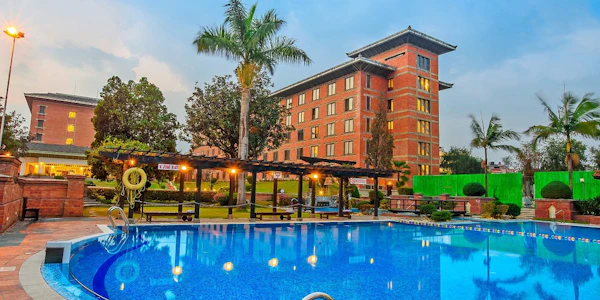
A modern hotel with elegant style, the Soaltee Kathmandu is a 5-star Deluxe hotel surrounded by lush gardens and views of the majestic Himalaya mountains. The hotel features well-appointed rooms with modern amenities and traditional touches. Guests can relax by the outdoor pool or unwind with a massage at the spa. The restaurants showcase a diverse range of culinary delights with both local and international flavors.
The Himalayan Phakding Lodge

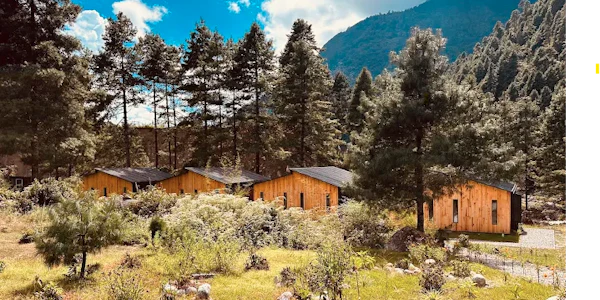
Set beside the Dudh Koshi, The Himalayan Phakding Lodge offers 14 pinewood cottages nestled into the forest and feature stylish interiors, ensuite bathrooms with hot showers, underfloor heating, and private decks overlooking the river. The cozy, contemporary dining room serves fresh hearty meals with a serene alpine view. With hearty meals in the contemporary dining room and hot soaking tub onsite, this lodge is a peaceful retreat after a day on the trail.

Phortse Guest House
Phortse Guest House

Set within the traditional village of Phortse, Phortse Guest House offers an authentic teahouse experience shaped by Sherpa hospitality. Simple twin-bedded rooms are paired with shared bathrooms and showers, while the cozy dining room serves home-cooked meals in a welcoming, family-run setting. Surrounded by terraced fields and soaring peaks, it's a place to slow down, connect with local life, and take in sweeping Himalayan views.

Weather


Autumn daytime temperatures: 45 to 65F; autumn nighttime temperatures 10 to 35F. Rain or snow possible. Spring temperatures 5 to 10F warmer than autumn.

 
Apr
May
Oct
Nov
Gokyo Ri 
High
Low
High
Low
High
Low
High
Low
Gokyo Ri
40
19
50
31
45
28
37
15
Kathmandu 
High
Low
High
Low
High
Low
High
Low
Kathmandu
83
55
84
61
79
57
73
47

FAQs


Trip Overview
What makes MT Sobek's Nepal Gokyo Lakes Trekking trip unique?

This expedition offers a profound immersion into Nepal’s legendary Everest region, the Khumbu, blending iconic Himalayan vistas with the tranquility of quieter, less-traveled trails. Since our first Nepal trek in 1969, we’ve specialized in building authentic connections in this remote region. You will journey from Namche Bazaar to the sacred, turquoise Gokyo Lakes, summiting Gokyo Ri for unparalleled views of four 26,000-foot peaks.

Legacy of Local Expertise: MT Sobek began leading the first groups of US commercial trekkers to Everest Base Camp in 1969. Our deep roots in the Khumbu provide extraordinary local insight and access.

The Trail Less Traveled: Enjoy the same legendary high-altitude vistas and mountain majesty that make the classic Everest Base Camp trek famous, then set off on a tranquil, less-traveled route that visits the stunning turquoise Gokyo Lakes and a Himalayan panorama including Mount Everest, Cho Oyu, Lhotse, and Makalu.

Expert-Led Trekking & Cultural Experiences: Trek in the footsteps of legends and gain insider access to traditional Sherpa villages like Phortse. Explore UNESCO-listed sites including Bhaktapur and the sacred Pashupatinath Temple.

When is the best time to experience Nepal Gokyo Lakes Trekking?

Spring and autumn are the best months for trekking. These seasons provide the clearest views of the Himalayas and the most comfortable temperatures for long days on the trail, avoiding the summer monsoon and the winter cold.

March to May: Trek through blooming rhododendron forests while heading into the high Khumbu. Daytime and nighttime temperatures are slightly warmer than in the fall, and climbing expeditions are on their way to Everest Base Camp.

October to November: Temperatures are slightly cooler than in spring, making for crisp, clear skies and prime views of the Himalayas.

What is the group size for this trip?
The typical group size for this trip is between 4 and 12 guests, creating an experience that feels personal, relaxed, and thoughtfully paced. Small group travel allows us to share moments that make a journey truly memorable.
What is the minimum age for this trip?

The standard minimum age for this trip is 18. This itinerary is designed with adult travelers in mind, based on daily activity levels, accommodations, and overall group experience. Families or groups with younger children should check out our private departures .

What makes this a Level 4 trip?

Sustained physical effort is required for high-altitude trekking across rugged, mountain terrain. You should be prepared for consecutive active days with significant elevation changes, reaching a maximum altitude of 17,575 feet. Unpredictable mountain weather and rustic accommodations in remote villages can add to the challenge. Strong fitness and conditioning and a sense of adventure are key to your enjoyment of this trip.

Daily Elevation Gain and Loss: Prepare for daily elevation gains ranging from 800 to 2,790 feet and descents ranging from 150 to 1,860 feet on rugged mountain paths.

High-Altitude Environment: All of the trekking occurs at significant elevation, culminating in the 17,575-foot summit of Gokyo Ri, where the air is considerably thinner. Most of the hikes and overnight stays on this trip will take place above 9,000 feet.

Varied Terrain: You will navigate a mix of forest trails, suspension bridges, stone staircases, and glacial moraine for 2.5 to 7 miles each day.

Will the itinerary change?
We plan the itinerary carefully, but adjustments may be needed due to weather, trail conditions, or other factors. MT Sobek and our guides make thoughtful decisions when needed in real time to keep the experience safe and enjoyable, and any significant changes will be communicated as early and as clearly as possible.

In the Himalaya, mountain weather specifically impacts flights to and from Lukla, which may be delayed or cancelled. Our itinerary is intentionally designed with some flexibility to accommodate these unpredictable conditions. The Nepali government also holds authority over aircraft types, meaning scheduled helicopter flights may be substituted for fixed-wing airplanes at any time.
Arriving and Departing
Where does the trip start and end?
The trip starts and ends in Kathmandu, Nepal.
What airport should I fly into and out of?

You should fly into and out of Tribhuvan International Airport (KTM).

When should I book my flights?
Once your reservation with MT Sobek is finalized, we will notify you of your trip's status. After your departure is confirmed to operate, flights and travel arrangements may be purchased. While we can often confirm departures in advance, some decisions may be finalized closer to final payment.
When should I arrive and depart?

Once your booking is confirmed, please consult with your Adventure Coordinator before purchasing non-refundable airfare. We recommend arriving at least one day early to adjust to the time zone and allow for any international travel delays.

Arrival: Arrive at Tribhuvan International Airport (KTM) by 3:00 pm on Day 1.

Departure: Depart Tribhuvan International Airport (KTM) any time on Day 14. Many guests choose to add extra time at the end of their trip in the event of flight delays returning from Gokyo, or to explore more of Kathmandu.

Who will I meet on Day 1, and where?
After clearing customs and collecting your luggage at Tribhuvan International Airport (KTM), an MT Sobek representative will meet you outside the customs area and escort you to the hotel. This evening, you will meet your MT Sobek guide and fellow travelers in the hotel lobby for a trip orientation and welcome dinner. Specific instructions for your arrival transfer will be provided in your Final Details email.
What hotels do you recommend if I arrive early or stay late?

If you plan to extend your stay in Kathmandu, we recommend booking additional nights at our group hotel, The Soaltee Kathmandu. Reservations may be made directly with the hotel or through your MT Sobek Adventure Coordinator.

Do I need a passport or visa for this trip?

A valid passport is required to enter Nepal. Most countries require that passports be valid for at least six months beyond the end of your trip and contain at least one blank page for entry stamps.

US citizens require a visa for entry into Nepal. You may complete the visa application online or upon arrival at Tribhuvan International Airport (KTM).

If you complete the visa application in advance, print a copy to take with you to Nepal.

Upon arrival, proceed to the payment counter to pay for your visa with US dollars cash; we recommend having exact change, as a 15-day visa is $30 and a 30-day visa is $50.

Once you have your receipt, proceed to the passport control line, where your visa will be officially stamped into your passport.

Non-US citizens should consult their local embassy or consulate to confirm current entry requirements.

How are the internal flights handled?

MT Sobek manages the booking of your internal flights and the trekking permits. You will need to upload a color copy of your passport and passport-sized photo to your guest portal as soon as possible so we can arrange flights and permits.

We typically utilize helicopters instead of scheduled airplane flights. Helicopters are comfortable and convenient, help minimize the risk of weather-related delays, and help avoid potentially long drives to alternative airports. It is important to note that the Nepali government maintains the final authority over the type of aircraft used for these segments—whether a helicopter or scheduled flight—and this decision is subject to change at any time. The cost for these internal flights will appear on your trip statement, and our guides will share all necessary details regarding airport transfers while we are in Nepal.

Transportation and Transfers
Are airport transfers included?
Yes, individual or small group arrival and departure transfers are included according to your individual flight times on Day 1 and Day 14.
Can MT Sobek help arrange a private transfer?
Yes. If you choose to arrive early or stay late in Kathmandu, your provided transfers are still included and scheduled to align with your arrival and departure flight times.
How much time will we spend in vehicles during the trip?
You will have 30-minute private van transfers between the airport and the hotel in Kathmandu on arrival and departure days. Most of your "travel" time will be spent on breathtaking helicopter flights between Kathmandu and Lukla or Gokyo, typically lasting 50 to 60 minutes. On touring days in Kathmandu, expect transfers up to 45 minutes between sites.
Are there any especially long travel days?
Transfers are generally short. The primary travel logistics involve internal flights between Kathmandu and the Khumbu region on Day 3 and Day 12. While these flights are short, they are subject to mountain weather conditions and may involve wait times at the airport.
Fitness, Terrain and Trail Expectations
How difficult is the activity on Nepal Gokyo Lakes Trekking?

This is a moderate to strenuous trekking adventure that requires high physical fitness for 9 consecutive days of hiking at high altitude. You will cover 2.5 to 7 miles per day on rugged mountain paths, reaching a maximum elevation of 17,575 feet at the summit of Gokyo Ri.

Elevation Gain and Loss: Prepare for sustained climbs and descents at high altitude, including a day with 2,790 feet of elevation gain, and long descents on rocky trails.

Mountain Terrain: You will navigate uneven trails and stone staircases, swaying suspension bridges, and rugged glacial moraine.

High Altitude Environment: Most of the trek takes place above 11,000 feet, where the thinner air significantly increases the cardiovascular challenge of every ascent.

Back-to-Back Active Days: With 9 consecutive days of hiking with 2 optional rest days, your body must be prepared to adjust as you gain altitude.

Do I need prior experience?
Prior hiking experience is strongly recommended for your safety and enjoyment. You should be comfortable hiking for multiple hours on consecutive days, navigating uneven, steep terrain. It is highly recommended to have experience hiking in high-altitude environments for this trek.
How should I train or prepare for Nepal Gokyo Lakes Trekking?

Begin with a consistent training program focused on cardiovascular endurance and building lower body strength. We recommend starting at least six months before departure, focusing on activities like hiking, running, or cycling at least four times per week.

Cardio Base: Build a strong foundation through brisk walking, hiking, stair climbing, or cycling for at least 40 to 60 minutes per session.

Hill Conditioning: Include at least one weekly hike on hilly terrain or stairs to simulate the sustained ascents and descents you will encounter in the Khumbu. Incline training on a treadmill or stair machine is helpful for those without access to hilly terrain.

Pack Training: Train with the daypack you'll use on the trip, gradually adding weight until you are comfortable carrying the gear you'll need on the trail, like water, snacks, and extra layers.

Consistency is Key: Steady preparation is more effective than high intensity; aim for regular, manageable workouts to build long-term stamina.

Is there exposure on Nepal Gokyo Lakes Trekking?
The hiking on this trip does not require any technical skills, but the trail crosses numerous suspension bridges over deep river gorges, some spanning well over 300 feet. The bridges sway gently underfoot and are open on the sides, which means exposure to heights in these sections of the trail is a part of the experience. Most trekkers cross without difficulty, but if you have a significant fear of heights it's important to know these crossings are unavoidable on the route. The bridges are well-maintained and are far sturdier than they feel. There's one short section of trail before the first Gokyo lake that has some exposure to heights, but handrails were installed and the trail widened so it's comfortable to hike. Your professional local guides manage the pace and route carefully.
Can I hike at my own pace?

The group hikes together with regular breaks. Guides help manage pacing so everyone can hike comfortably while maintaining safety and group cohesion.

What if I want to skip a day?
All guests should come prepared for the itinerary as designed. Many of the lodges are located in remote areas reachable only by foot, meaning there is no vehicle access to skip a day's trek between lodges. You should plan to complete each scheduled hike from point to point. Days 6 and 11 offer opportunities to skip the day's hike to relax and recover.
How much free time will I have?

Trekking days are active, but you will have downtime on most late afternoons and evenings once you arrive at the lodges to relax and socialize. You will have some free time while in Kathmandu to explore or enjoy the hotel spa.

Accommodations and Meals
What should I expect from accommodations on this trip?

Accommodations on this trip offer a balance of modern luxury and authentic mountain teahouse experiences. In Kathmandu, you will stay in a 5-star hotel with full amenities.

On the trail, lodging reflects nature of the region, ranging from pinewood cottages to simpler, traditional teahouses in the more remote villages. Rooms and beds may be smaller and more basic than you are used to, but we select the best available lodges in each location.

Guestrooms are basic and typically feature two twin beds. Please note that guest rooms are not heated, but electric blankets or hot water bottles are provided.

Most lodges offer ensuite bathrooms and showers; however, some locations—including Phortse and Dole—have shared facilities. In Machhermo, rooms include ensuite squat toilets only, while showers and flush toilets are shared. Some lodges may offer gas-powered showers (“gas geysers”), which we do not recommend. Instead, your guides will provide hot water for sponge bathing each morning and evening.

Common/dining areas are usually heated with propane heaters or traditional stoves fueled by wood or yak dung.

Will I have access to Wi-Fi and electricity?
Wi-Fi and electricity are available at the group hotel in Kathmandu. On the trail, Wi-Fi is extremely limited and typically unavailable. It is offered in some lodges but is not guaranteed and will require a fee that varies greatly by location. Electricity is typically available at all lodges. A small fee may be required to charge your devices, and we recommend bringing extra batteries or a small external power bank. Most portable power banks are allowed on your flights as long as they are kept in your carry-on luggage.
What meals are included?

All breakfasts, and most lunches and dinners are included as noted in the itinerary.

What is the food like on Nepal Gokyo Lakes Trekking?
Meals are both a cultural discovery and essential fuel for your active days. In Kathmandu, hotel buffets blend familiar Western favorites with local Nepali flavors. Once you hit the trail, lodge breakfasts are made to order with oatmeal, muesli, fresh yogurt, and eggs paired with hot coffee or tea.

Our lunches and dinners are hearty, multi-course meals. Enjoy Nepali staples like dal (lentils), rice, and flavorful curries, or opt for Western dishes like pasta and roasted meats. A favorite daily tradition is afternoon tea, where the group gathers with your guides over ginger tea and sweets to celebrate the day's trek as you arrive at each lodge. Beer and wine are included for the welcome and farewell dinners in Kathmandu, but the trip is alcohol-free while on the trail to help you acclimatize and stay healthy. 
Can you accommodate dietary restrictions?

Yes, we can accommodate most common dietary restrictions like vegetarian, vegan, and gluten-free diets. However, due to limited resources and the remoteness of the region, be sure to let us know about your dietary restrictions and food allergies as soon as possible so we can coordinate with guides, hotels, and restaurants. Please also list these on your Participant Information Form.

Are single rooms available?

Yes, a limited number of single rooms are available on this trip. About a third of our travelers go solo, and single room inventory often books up quickly! You can find more information on solo traveler options here .

Are triple rooms available?
Triple rooms are not offered on this trip to ensure all accommodations meet MT Sobek standards for your comfort.
Packing and Gear
What should I pack for Nepal Gokyo Lakes Trekking?
The key to comfort in the Himalaya is a versatile layering system that can handle a wide range of temperatures and conditions. You will need a high-quality down jacket (your own if you prefer, or MT Sobek will provide), waterproof jacket and pants, and sturdy, broken-in hiking boots. Mountain Hardwear down jackets and sleeping bags are available for all guests to use during the trek only, free of charge.

A detailed Packing List will be provided to help you prepare.  
Do I need trekking poles or specialty gear?
Trekking poles are strongly recommended for this trip. They provide essential stability on rugged mountain paths and significantly reduce the strain on your knees during long descents. On flights, trekking poles generally need to be packed in your checked luggage, not in a carry-on bag. If you prefer, you may rent trekking poles for a small fee or purchase a pair in Kathmandu. To rent, be sure to request them from your Adventure Coordinator well in advance of your trip.
What size daypack should I bring?
A 25- to 35-liter daypack is ideal. It should be large enough to carry your water, snacks, sunscreen, extra layers, rain gear, and personal items while trekking during the day. Be sure that your daypack has a rain cover too.
Can I bring more than one bag?

On the trek, guests will need one soft-sided side duffel (no wheeled luggage) and a daypack. Your luggage is transferred from lodge to lodge by porters or pack animals while you hike. Please note a strict weight limit of 15 kg (33 lbs) per person for internal Lukla flights, which includes both checked and carry-on bags combined. Excess luggage can be stored at the hotel in Kathmandu during the trek.

Are there any seasonally required items?
Regardless of the month you travel, you should be prepared for the dynamic mountain weather, where conditions can shift dramatically over the course of a single day. If you are joining us for an early spring or late autumn trek, we highly recommend bringing expedition-weight base layers for extra warmth, particularly at night.
What kind of footwear should I bring for this trip?
You will need sturdy, waterproof high ankle hiking boots with good support, solid soles, and aggressive tread. Train in the boots you plan to hike in—it is critical that your boots are well broken-in before the trip.
Will I have access to laundry during the trip?
Laundry service is available at your hotel in Kathmandu but may take up to 24 hours. On the trail, facilities are limited; we recommend bringing quick-drying synthetic clothing and a small packet of detergent for hand-washing small items.
Should I bring a personal medical kit?
Yes, we recommend bringing a personal kit with basics such as blister care, bandages, ibuprofen, sunscreen, lip protection, and electrolytes. Please also bring a sufficient supply of any personal medications you require.
What should I wear when visiting religious sites?
Before entering any religious site, you must remove your shoes and hat to show proper respect. Your shoulders and knees must be fully covered, so dress accordingly.
On-the-Ground Travel Tips
What is the weather like on Nepal Gokyo Lakes Trekking?

Weather in the Himalayas can vary significantly based on time of year, time of day, and altitude. High mountain environments can shift from intense sun to wind or snow in a matter of hours. While sunny days can be comfortable for trekking, temperatures drop rapidly once the sun sets, especially at high-altitude lodge locations.

Autumn (Oct-Nov) Averages: While trekking, expect daytime temperatures of 45 to 65°F, with nights dropping to 20 to 30°F. Rain or snow is always a possibility. In Kathmandu, expect daytime highs in the 70s to 80s°F and lows in the 50s to 60s°F.

Spring (Mar-May) Averages: While trekking, expect daytime temperatures of 40 to 55°F with nights dropping to 20 to 30°F. Rain or snow is always a possibility. In Kathmandu, expect daytime highs in the 70s to 80s°F and lows in the 50s to 60s°F.

Colder at Altitude: For every 1,000 feet you climb, the temperature typically drops by about 4°F.

What currency should I bring?

The local currency is the Nepalese Rupee. While credit cards are accepted in Kathmandu, you should bring US dollars in cash to pay for your visa fee and to exchange for small purchases and for tipping guides and porters on the trek. Money can be exchanged at the airport upon arrival, at your Kathmandu hotel or a currency exchange, or can be withdrawn from ATMs throughout Kathmandu.

Will I have cell service?
Cell service is generally available in Kathmandu and larger hubs like Namche Bazaar, but coverage is inconsistent and often non-existent in the higher reaches of the Gokyo Valley. We recommend downloading important information for offline access before you head into the mountains.
Will I need electrical adapters or a voltage converter?

Nepal operates on a 230-volt system and uses Type C, D, and M outlets. A useful resource to see images of plug types is www.power-plugs-sockets.com . Check the voltage on your personal electronics chargers to determine if you need a voltage converter.

How much extra money should I budget?
Your land cost includes most major expenses of the trip. We recommend budgeting $500 to $600 for personal expenses such as meals on your own, souvenirs, laundry, and optional tips for your guides and porters.
How is tipping handled on this trip?
Tipping is optional and based on your personal satisfaction with the service provided. As a general guideline, we suggest the equivalent of $175 to $200 per guide, per participant, and $150 to $175 for the Sherpa porters, per participant, which will be split evenly among them. Tips can be in US dollars or local currency, but US dollars are preferred. Gratuities for hotel and restaurant staff are included in your trip price. Tips should be given in cash, as our local teams cannot accept credit cards or money apps. 
Health and Safety
Do you recommend travel insurance?

Yes, we strongly recommend purchasing travel insurance for all trips. Travel insurance can help cover trip cancellations or interruptions, medical expenses, emergency evacuation, travel delays, and other unexpected situations. We offer travel insurance with Arch RoamRight and will be happy to provide you with a quote. Please see our Travel Resources page for more information.

Do I need to be cleared by a doctor to participate?
There is no standard required clearance from a doctor to participate in this trip. You will have an opportunity to discuss your fitness and preparedness for the trip with MT Sobek. If you have medical concerns or questions about fitness, consult your healthcare provider before traveling.
What are the medical and health considerations for trekking at high or extreme altitudes above 14,000 feet?

Trekking at very high altitudes (14,000 to 18,000 feet) introduces severe environmental challenges. Predicting an individual's physical performance at these levels of altitude is difficult. Because lung and heart capacity naturally decrease with age while blood vessels narrow, travelers over the age of 60 should be exceptionally fit, exercise regularly, and possess prior altitude experience before attempting treks above 16,000 feet.

Please review these critical health and medical guidelines before booking:

Cognitive and Physiological Risks: At extreme elevations, limited oxygen cancause forgetfulness, slight confusion, and impaired judgment. Unmanaged altitude sickness can escalate into life-threatening conditions: High-Altitude Pulmonary Edema (HAPE), which causes fluid accumulation in the lungs and suffocating breathlessness even at rest, or High-Altitude Cerebral Edema (HACE), which causes brain swelling, severe confusion, lack of coordination, and altered behavior.

Absolute Medical Contraindications: Due to safety risks in a group environment, the following conditions are considered absolute contraindications for trekking at these elevations:

Congestive heart failure or troublesome cardiac dysrhythmias
Angina brought on by exertion

Emphysema or Chronic Obstructive Pulmonary Disease (COPD)
Insulin-dependent diabetes
Sleep apnea or pulmonary hypertension
Thromboembolic problems or sickle cell disease
Serious psychiatric problems

Relative Medical Contraindications: The following conditions require a transparent, serious discussion with your physician to fully understand the risks before participating:

Prior cardiac bypass surgery
Cold or exercise-induced asthma
Adult-onset (Type 2) diabetes
Anemia, polycythemia, or obesity
Chronic migraines or recurrent pneumothorax
Nasal polyps
Pregnancy

Medication Review: Many common prescriptions can increase your risk profiles at extreme elevations. Ensure your doctor reviews any use of diuretics (which risk dehydration and low potassium), birth control pills or estrogen (which increase thromboembolism risks), and beta-blockers (which decrease exercise capacity).

Pre-Trip Screening Recommendations: An extreme altitude trekker requires optimal red blood cell counts, clear lungs, a strong heart, healthy kidneys, and well-controlled blood pressure. A resting electrocardiogram (EKG) is often inadequate to evaluate your cardiopulmonary function under stress. An exercise "stress" test is strongly suggested for anyone with cardiac risk factors, a history of heart disease, or any traveler over 50 who does not perform regular, sustained aerobic activity.

On-Trail Support: To manage these elevated risks, our expert guiding teams are fully equipped with safety gear, including supplemental oxygen and a Portable Altitude Chamber (PAC).

What medical support is available during the trip?
Your professional local guides are trained in emergency response and carry pulse oximeters to monitor blood oxygen levels throughout the trek, along with supplemental oxygen in the event it is needed. Guides also carry first aid kits and communication devices for use on the trail. While medical facilities are available in Kathmandu and Namche Bazaar, they can be far from remote trail locations above Namche Bazaar.
What kind of challenges should I expect on Nepal Gokyo Lakes Trekking?
The primary challenges on this trek include high altitude, which can affect energy and sleep, sustained elevation gain and losses, and variable mountain weather. Our itinerary includes strategic acclimatization days in Namche Bazaar and Dole to help your body adjust. Your guides manage the daily pace carefully to mitigate these risks and keep the group healthy.
How can I stay healthy during the trip?
Check with the US Centers for Disease Control and Prevention (CDC) for information on recommended immunizations, and/or your local travel clinic or healthcare provider for health concerns at your destination.

Staying healthy in the Himalaya begins with consistent hydration and proper pacing. Drink plenty of water throughout the day and address any "hot spots" or blisters on your feet as soon as they appear using your personal medical kit. Practicing good hand hygiene and prioritizing rest in the evenings will also help you maintain your stamina. 
Trail Support and Emergencies
What if I have an emergency and need to be evacuated?
In the event of an emergency, your guides will assess the situation and take appropriate action based on location and weather conditions. Options for evacuation vary by location and may include helicopter transport, which is commonly used in emergencies and can be expensive. We strongly recommend travel insurance that specifically includes medical evacuation coverage for high-altitude trekking.
Are bathrooms available on the trail?
Bathrooms are available at the mountain lodges. When facilities are not available on the trail, your guides will provide guidance on Leave No Trace practices to ensure we protect the fragile mountain environment.
What is the guide-to-guest ratio?

This trip is typically staffed with at least one professional local guide for every eight guests. A second guide is added for larger groups to ensure personalized attention and safety. Porter support is included on all trips to transport all group gear and personal duffels. Guests carry only a daypack while hiking.

Extensions and Local Exploration
Are trip extensions available before or after Nepal Gokyo Lakes Trekking?
We do not offer any extensions for this itinerary, but if you're planning to arrive early or stay late independently, some recommendations are provided below.
What are the best things to do if I arrive early or stay late?
Kathmandu offers a wealth of cultural and historic exploration beyond what this itinerary covers. You might enjoy wandering the narrow streets of the Thamel district for trekking gear or local handicrafts or visiting the serene Garden of Dreams for a quiet escape from the city bustle.

Many guests also appreciate taking a relaxed day to adjust to the time zone and prepare their gear before heading into the mountains.

For those interested in more history, a visit to the ancient city of Patan offers spectacular Newari architecture and artisan workshops. 

Similar Trips to Nepal Gokyo Lakes Trekking Tour


Inspiration to Explore Tour


Guest Reviews