Discover Los Glaciares National Park
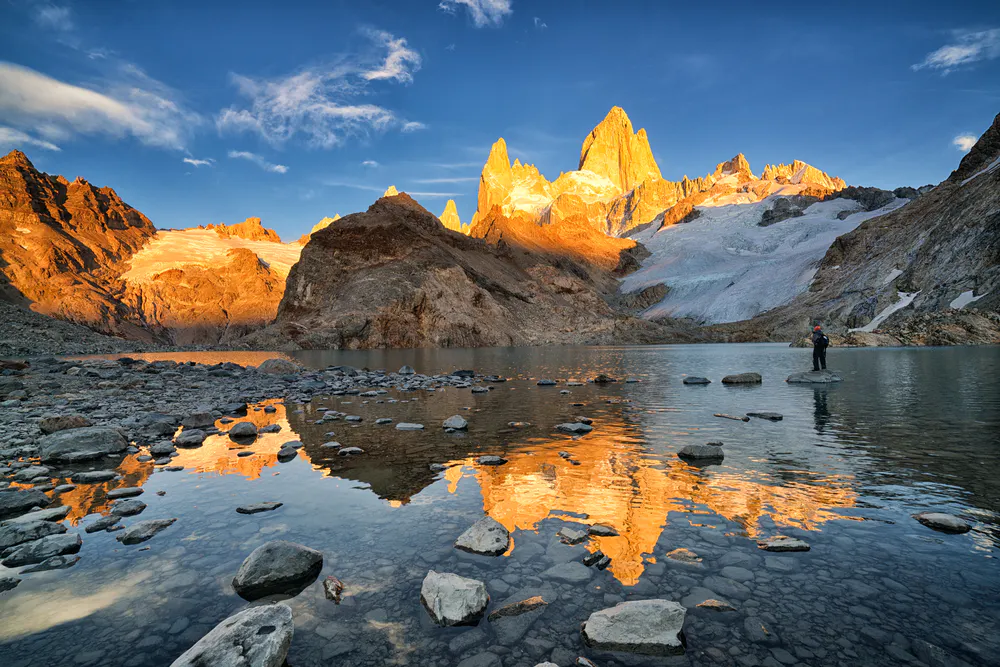
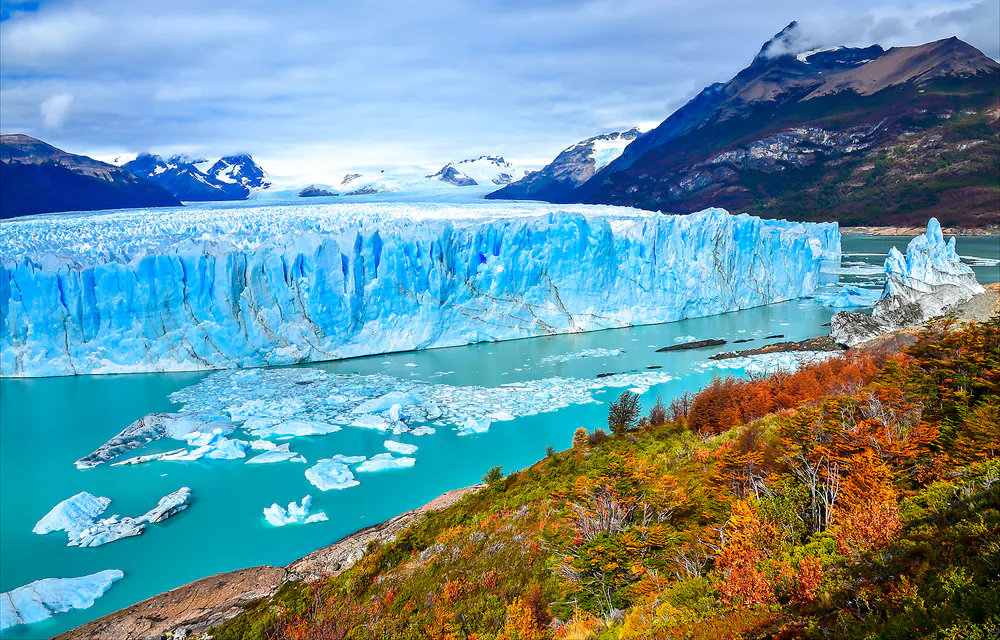
The trails out of El Chalten start modestly, climbing above town and through stands of lenga trees. They wind up into the alpine wonderland of Los Glaciares National Park, with the river snaking below. Fitz Roy begins to show itself—an imposing granite fortress with its signature crown of towering spires. One of the attractions of Argentina’s Los Glaciares, is you can spend a full day walking in these mountains and still return to a hot shower and dinner in town. You can also travel south toward El Calafate where the flavor of the adventure changes. Here, Perito Moreno Glacier fills the view, its fractured ice front towering above Lago Argentino. MT Sobek’s Los Glaciares hiking and trekking tours bring these two sides of the park together, with experienced guides, carefully chosen accommodations, and options ranging from demanding mountain days to more moderate hikes with premier lodging. For a wider journey, you can combine Los Glaciares with Torres del Paine across the border in Chile.
MT Sobek Los Glaciares Hiking Tours


What to Do
Los Glaciares has two main bases for adventure: El Chalten and El Calafate. The mountain town of El Chalten serves as the base for the northern mountain trails beneath Fitz Roy and Cerro Torre, while the town of El Calafate is the standard jumping-off point for Perito Moreno Glacier and southern lake excursions. They belong to the same national park, but they are separated by roughly three hours of driving.
The general feel here differs from the W Trek or O Circuit in Torres del Paine. Around El Chalten, many of the best trails are out-and-back hikes, or routes linked by a short transfer. You can travel light, return to the same room, and choose another valley the following morning. Camping opens up longer journeys, but it isn’t a prerequisite for seeing the park’s iconic mountain landmarks. There are no backcountry huts or refugios in Los Glaciares, like there are in Torres del Paine.


Hiking & Trekking
Fitz Roy and Cerro Torre demand attention, though much of the joy of hiking to them lies along the approach: sheltered stretches of beech forest, pristine glacial-fed creeks, then open moraine where the wind greets you in the high country. The peaks can disappear behind clouds for hours, so allowing several hiking days is a better option than betting the views on one attempt.
The famous trails are varied enough to allow flexibility in how you hike them. A shorter walk to a lookout gives you a proper taste of the mountains; reaching Laguna de los Tres adds a steep, demanding day. These hikes are beneath the climbing routes, rather than to the summits, so expect to earn views of the peaks, not from the peaks.
- Laguna de los Tres: Hike from El Chalten through native forest and past mountain viewpoints to a glacial lake directly below Mount Fitz Roy. The steep, rocky climb at the end makes this one of the area’s more strenuous day hikes. Allow 8–10 hours for approximately 13–15.5 miles, depending on the route.
- Laguna Torre: This trail follows the Fitz Roy River valley from El Chalten to a glacial lake beneath Cerro Torre, with views of glaciers and sharp granite peaks when skies are clear. There are some uphill sections, but much of the route crosses gentler terrain. Plan on approximately 11–12 miles and 7–8 hours, without the optional extension to Mirador Maestri (an add-on hike to a stunning viewpoint).
- Laguna Capri: This is a shorter hike from El Chalten that leads uphill through forests to a blue lake with views of Fitz Roy and its surrounding peaks. The initial climb requires the most effort; and the trail becomes gentler as you approach the lakeshore. Allow 4–5 hours for the approximately 5-mile round trip journey.
- Piedras Blancas Glacier viewpoint: Starting near El Pilar, a short drive north of El Chalten, this forest trail follows the Rio Blanco valley to a viewpoint overlooking Piedras Blancas Glacier. You’ll see the glacier from across the valley rather than walk onto the ice. The round trip hike is approximately 5 miles and takes 4–5 hours, plus transportation to and from the trailhead.
- Loma del Pliegue Tumbado: This demanding hike climbs from the national park visitor center through grassland and forests to an open mountain viewpoint overlooking Laguna Torre, Cerro Torre, and Fitz Roy. Expect a sustained uphill walk and an exposed final section where the wind can be strong. Allow 7–8 hours for approximately 13 miles to the viewpoint and back.
- Los Condores and Las Aguilas viewpoints: These shorter walks begin near the national park visitor center. Los Condores overlooks El Chalten and the surrounding peaks, while Las Aguilas looks across the Patagonian steppe toward Lake Viedma. Allow roughly 1–2 hours and 2.5 miles for Los Condores, or 2–3 hours and about 3.7 miles to visit both.
- Chorrillo del Salto: An easy walk from the northern end of El Chalten follows sections of road and forest trail to a waterfall surrounded by native trees. It’s a good choice for a relaxed half-day outing, with minimal climbing. The round trip from town is approximately 4.3 miles and takes about 3 hours.
MT Sobek’s Ultimate Patagonia itinerary includes Laguna de los Tres and Laguna Torre. The Premier Lodging trip takes a less strenuous approach to the Fitz Roy sector.
Perito Moreno Glacier
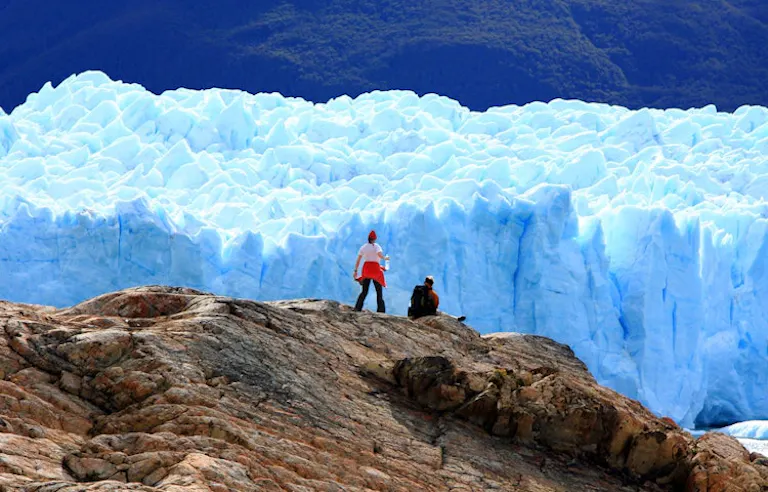
At Perito Moreno, it actually pays off to stop hiking for a bit and simply soak up the views and sounds. The glacier creaks and cracks; occasionally, a piece breaks free and crashes into the lake. Even without calving, the immensity of the glacier and the wilderness that surrounds it is mesmerizing.
A network of viewing walkways provides several angles of the glacier without requiring mountaineering skills. There are stairs and sloping sections, so check the appropriate access route if mobility is a concern. It’s a different physical undertaking from a long El Chalten hike and often a welcome change of pace between days of mountain trekking.
- Walkway visits: Observe the glacier from shore, with the option to move between viewpoints.
- Ice trekking: Separate excursions operated by authorized guide services take participants onto the glacier with professional trip leaders and equipment. Eligibility and fitness requirements vary by company and depend on the outing.
- Boat excursions: Available boating options provide a lake-level perspective while keeping an appropriate distance from the ice front, where calving ice can be hazardous.
MT Sobek’s Ultimate Patagonia and Premier Lodging itineraries include Perito Moreno viewing.

Boat Trips & Guided Kayaking
Lago Argentino’s branching arms extend into country you cannot explore by road. Boat excursions from the El Calafate area offer incredible access to glacier scenery, with some routes visiting the Upsala or Spegazzini sectors. The destinations, landing arrangements, and time ashore depend on the excursion.
Guided kayaking is another way to see the Perito Moreno area from the water. It comes with a different set of considerations: cold water, wind, and the need to respect glacier safety distances. This is an outing you can book with an authorized guide service.

Wildlife & Native Forests
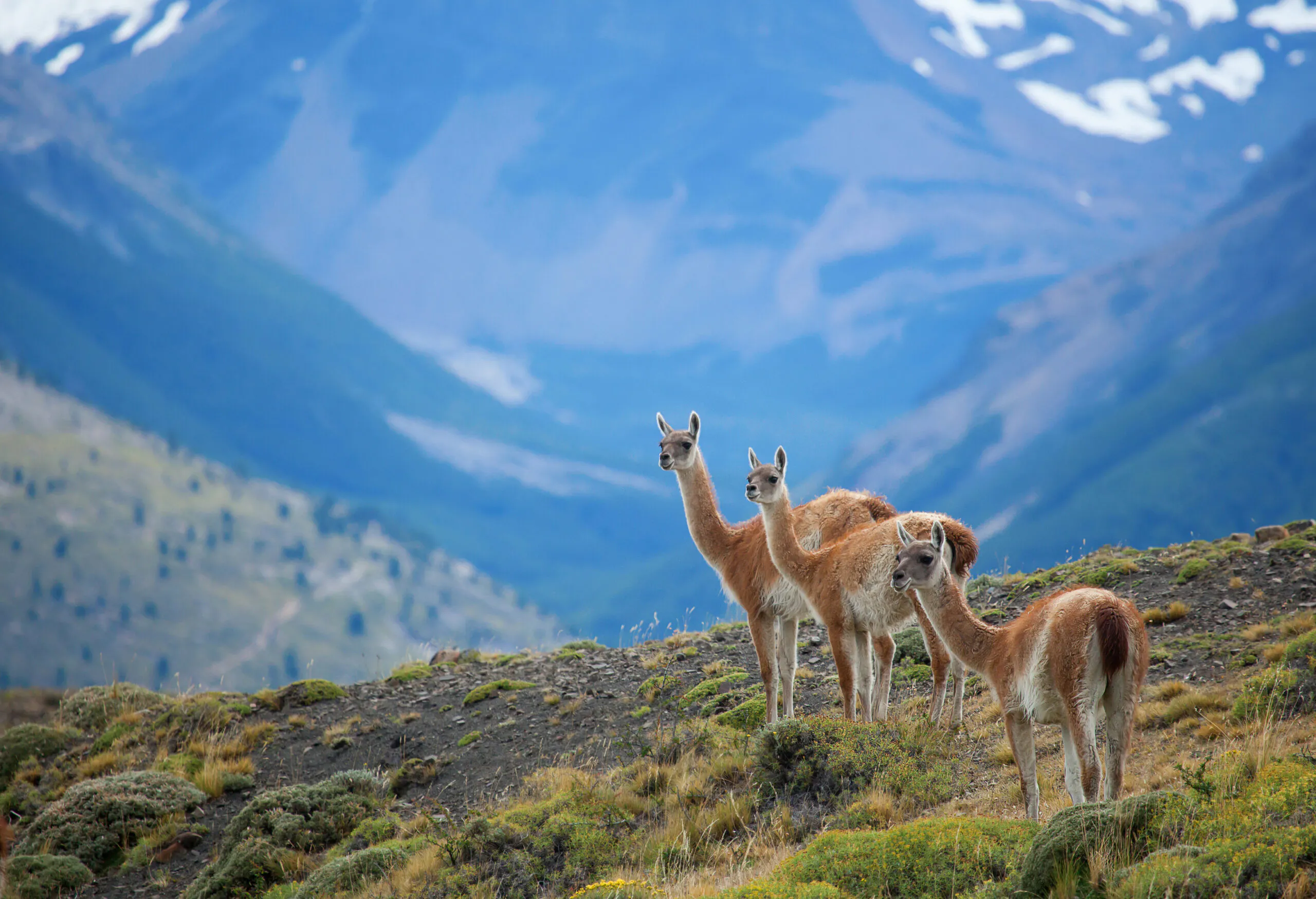
Listen carefully while you walk through the lenga groves. A woodpecker may announce itself before you see it, and a pause in the trees can be as rewarding as another photograph of the skyline. In open country, watch for condors scanning the slopes or guanacos grazing in the open.
Los Glaciares National Park protects both Patagonian forest and steppe. This diversity of habitat is important because the animals you may encounter beside a wooded stream differ from those on the drive between El Calafate and El Chalten.
- Andean condors: Watch the cliffs and rising air above the valleys.
- Magellanic woodpeckers and torrent ducks: Look and listen in suitable forest and river habitats.
- Guanacos: Often associated with the open steppe surrounding the mountain country.
- Huemul: This threatened native deer inhabits the park, but a sighting is a fortunate encounter rather than a dependable feature of a hiking day.
- Foxes and pumas: Both occur in the region. Neither should be promised as part of a standard trekking itinerary.
Always keep your distance, leave animals with an escape route, and let the guide lead the way if there is an encounter.

Horseback Riding & Estancia Country
Beyond the forests, the landscape opens into sheep country: low scrub, long fences, and horizons that recede as you approach them. Estancias and horses have shaped this part of Argentine Patagonia for generations. Spending time here puts the mountain trails into a broader setting.
MT Sobek’s Premier Lodging itinerary includes a horseback outing while staying at EOLO near El Calafate, with an alternative hiking option described in the itinerary. Other ranch visits and rides depend on the trip. Ask what is actually scheduled before treating an estancia experience as part of every Los Glaciares departure.
Combining Los Glaciares with Torres del Paine
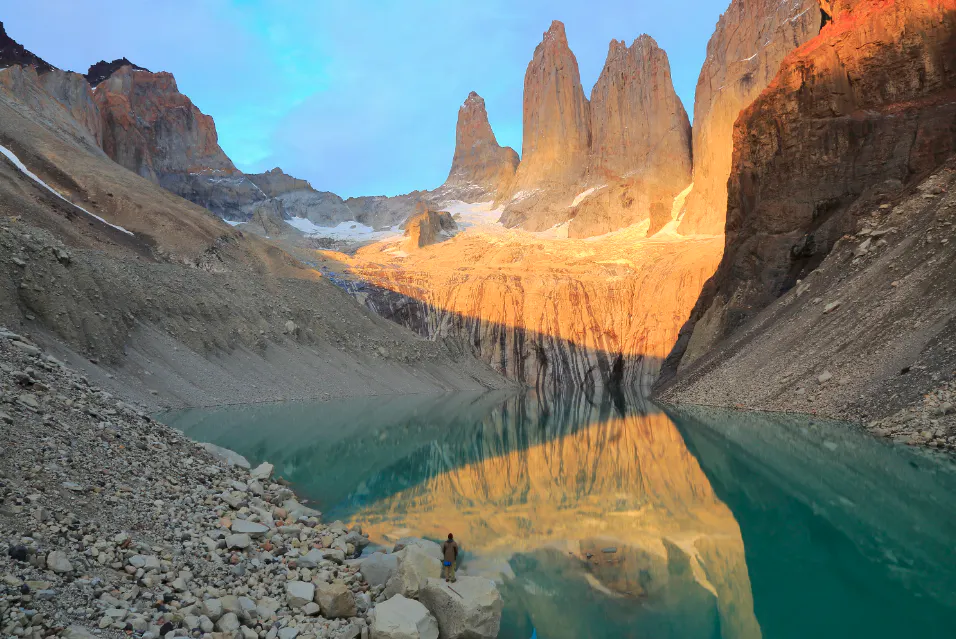
Torres del Paine and Los Glaciares complement one another and together form a more complete experience of Patagonia. Los Glaciares gives you the Fitz Roy and Cerro Torre trail networks, lake journeys, and Perito Moreno Glacier. Torres del Paine adds the Paine Massif, refugios, and the W and O trekking routes.
MT Sobek offers combinations with substantial hiking, premier lodging, and a longer journey extending toward Patagonia’s southern waterways. If you do it on your own, know that crossing between Argentina and Chile takes time, including immigration formalities. Plan the transition between countries as a travel day, with room for delays.
When to Go
For a trip focused on El Chalten’s mountain trails, November through March is the best overall window. December through February brings the longest days and generally mildest temperatures, but it’s also the busiest season. November and March offer excellent alternatives with shoulder-season weather and quieter trails.
Perito Moreno viewing has a longer visiting season than the hiking trails because it doesn’t require a long day of hiking. Whichever season you choose for your Patagonia adventure, be sure to check weather forecasts and plan your activities based on short-term predictions, not seasonal summaries.
January: Long Days in the Mountains
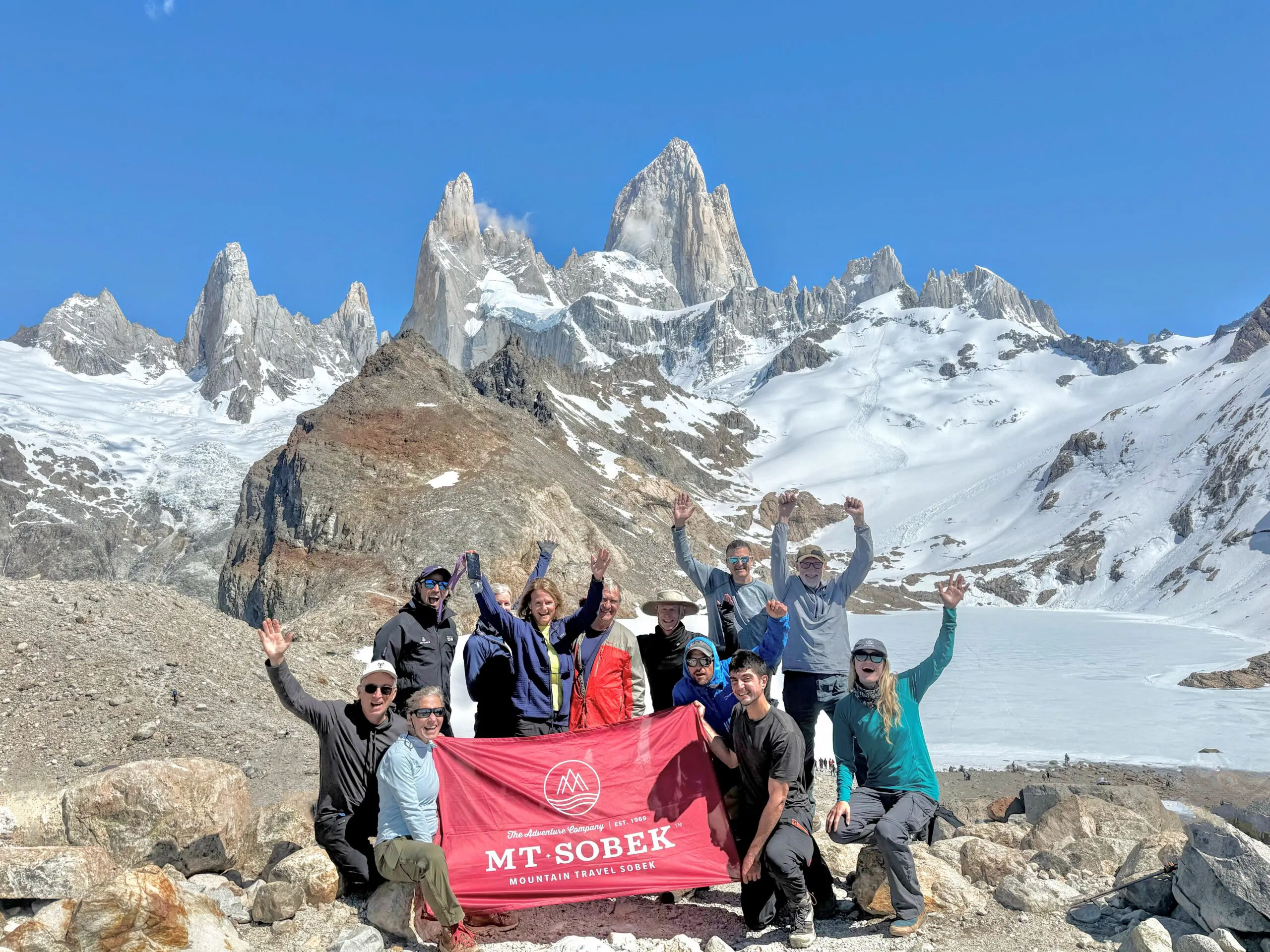
This is one of the best months to visit Los Glaciares. January gives hikers ample daylight and typically the most moderate weather for the park’s longer trails. El Chalten is lively in peak visitation season, and its limited accommodations are in high demand. Even in midsummer, clouds can obscure the peaks, and wind and rain can make any mountain hike more challenging than many people expect.
Downside: Busy trails and high competition for lodging.
Best for: Full-day hikes, combining Los Glaciares with the W Trek or O Circuit and a first visit trip to Argentine Patagonia.
February: Summer Hiking Continued
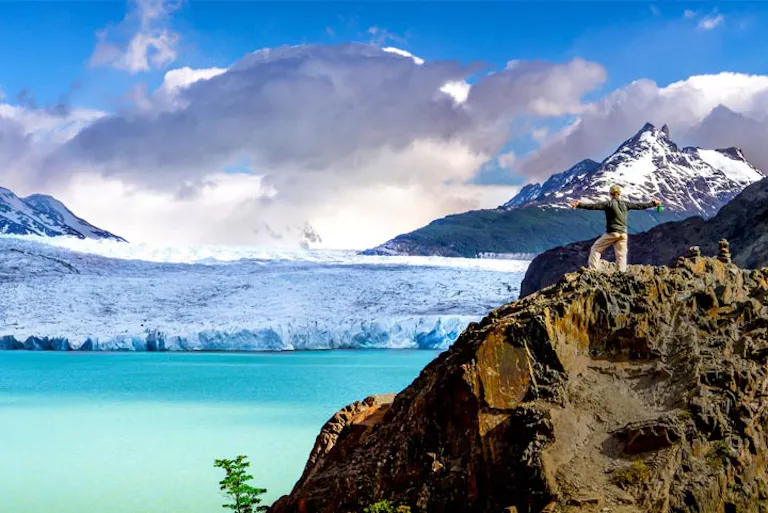
As the last month of the Southern Hemisphere summer, February remains firmly in the peak hiking season. It’s a great month to build an itinerary with several mountain days around El Chalten, then travel south to Calafate and Perito Moreno, and—if you want the full Patagonia hiking experience—include Torres del Paine in Chile as well.
Downside: Popular routes can still be busy in February and hotel reservations continue to be at their most competitive. The summer months can also be very windy.
Best for: Fitz Roy and Cerro Torre hikes with glacier viewing, long days of trekking, combining multiple areas of Patagonia in one longer trip.
March: Turn Toward Autumn

For people who know Patagonia—like MT Sobek guides—March is the best month of the year. Summer demand begins easing off, mornings cool, and autumn color may start painting the tips of the forests’ leaves. Temperatures are still in the moderate zone, particularly in the first half of March, so the trade-off for quieter trails isn’t significant.
Downside: Colder days, especially in the second half of March, and less daylight than midsummer.
Best for: Mountain hiking with early-autumn flavor, increased solitude, less competitive lodging.
April: Forest Color & Shorter Days

If you want to experience Patagonia’s fall colors, April is the time to go. It can bring striking color to the lenga forests, though weather can also be more unpredictable. The higher elevation trails become more susceptible to snow and ice, but most trails typically remain accessible.
Downside: Increasingly limited opportunities for alpine hiking, early winter storms.
Best for: Fall foliage in Patagonia, having Los Glaciares’ trails much to yourself, exciting hiking in early winter weather.
May: A Quieter, Colder Visit
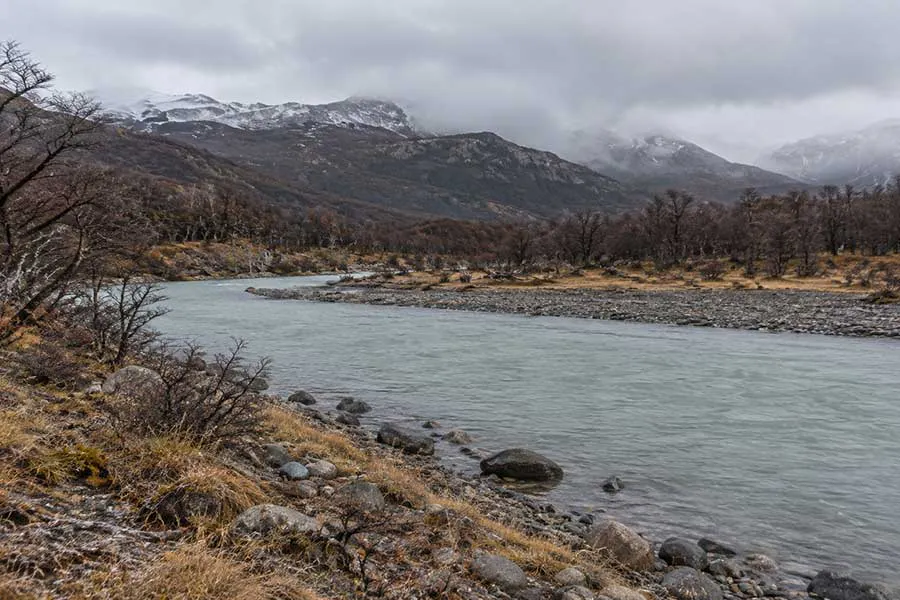
May is the month that normally brings true winter conditions to Los Glaciares. El Chalten’s hiking options narrow, and many seasonal businesses reduce or close down operations. Perito Moreno is a worthwhile focus when road conditions and available services permit.
Downside: Cold, short winter days, reduced services, and closed trails.
Best for: Glacier-focused visits with winter landscapes and solitude.
June: Winter Conditions

In June Patagonia officially enters winter. Snow, ice, and brief daylight reshape the northern trails. Summer route descriptions no longer apply. Any and all mountain outings require appropriate equipment and experience, and it’s recommended to hire mountain guides for serious forays into the backcountry.
Downside: Substantial restrictions with trails, businesses and infrastructure.
Best for: Carefully arranged winter travel, ideally with a local mountain guide.
July: Midwinter
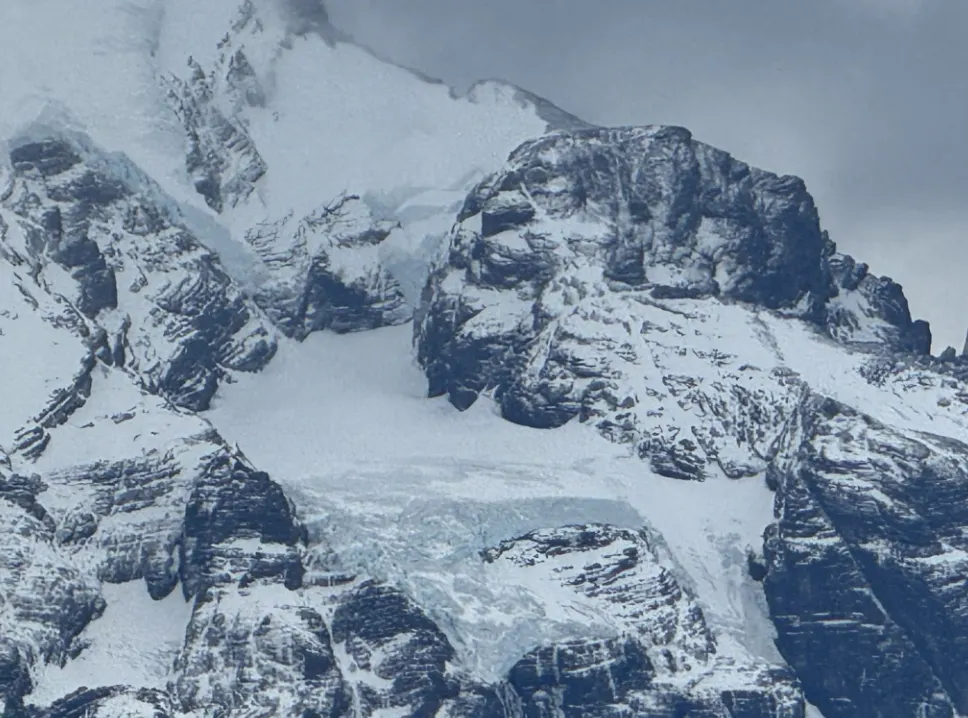
In July the hiking trails of summer are unrecognizable. Frozen ground and snow define the landscape. The hotels are empty, restaurants shuttered, the bustling summer trails are closed, and El Chalten feels like a ghost town. This is a great time of year for winter photography, but do not plan to do any hiking unless you’re prepared for more of a mountaineering experience.
Downside: Winter conditions, restricted mountain access, and drastically reduced tourism infrastructure.
Best for: Specialist winter outings, winter photography and winter mountaineering.
August: More Light, Still Winter

In August the daylight in Patagonia is slowly increasing, but the high country is still blanketed in snow. Although this is the final month of winter, and spring is around the corner, it likely won’t feel that way. Only visit Los Glaciares in August if you are specifically interested in a winter adventure.
Downside: Persistent snow and ice, winter storms, seasonal restrictions and closures.
Best for: Winter adventures, landscape photography.
September: Jolting Into Spring

Spring arrives in Patagonia in fits and starts. September is the first month of spring, but winter is slow to release its grip on Los Glaciares. Lower elevation hikes may be possible while the high country remains inaccessible outside of serious winter mountaineering.
Downside: Persistent winter conditions, closed trails, seasonal restrictions.
Best for: Shorter walks and glacier scenery, winter mountaineering.
October: Hiking Options Expand
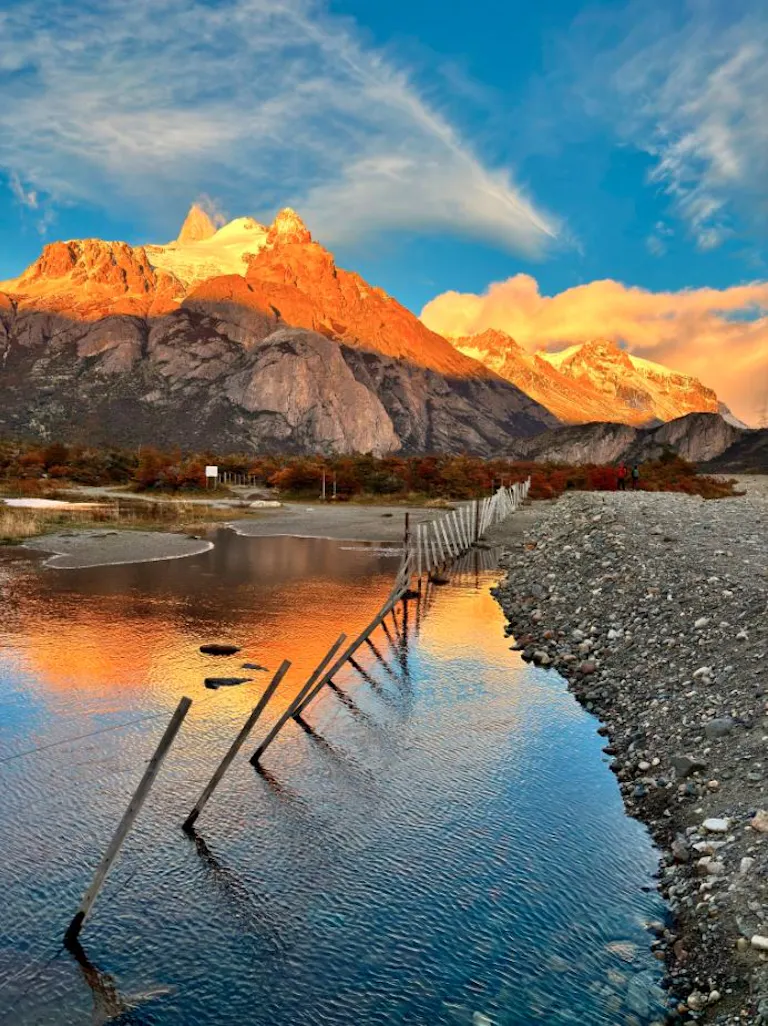
In October, Patagonia becomes accessible again. Longer days bring more possibilities around El Chalten. Snow can linger high on the trails, and spring weather remains unpredictable. Later October is generally a more promising time for trekking than the beginning of the month.
Downside: Shoulder season conditions with unpredictable weather, snow persisting in the high country, and some winter restrictions still in place.
Best for: Opening Los Glaciares for the season, solitude, spring rejuvenation.
November: Summer is Here
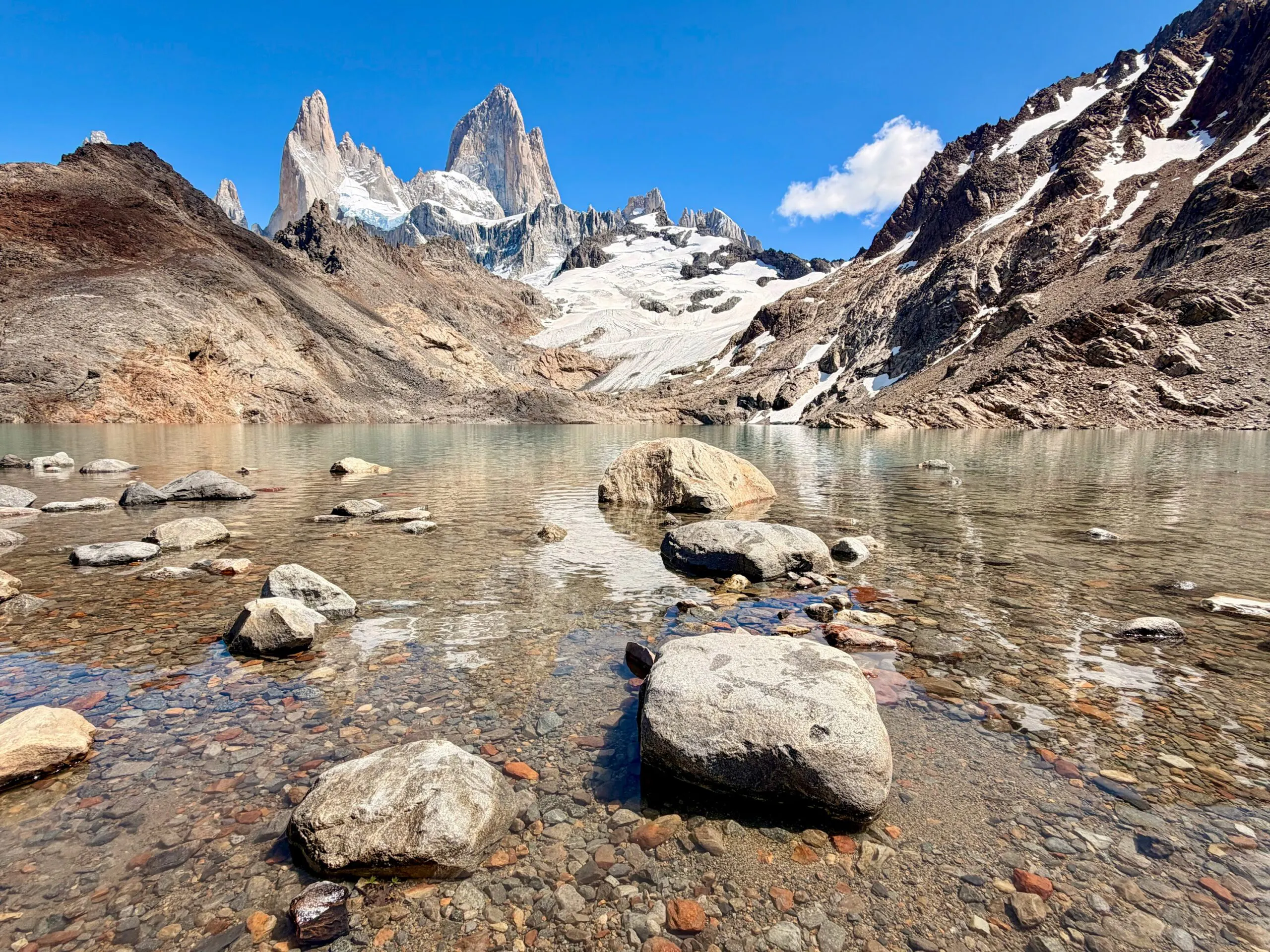
November is a strong month for mountain hiking in Argentine Patagonia, with long days and the main travel season officially underway. This is a great time of year to plan a full itinerary and make the most of El Chalten, El Calafate and adding Torres del Paine into your itinerary.
Downside: Windy and rapidly changing conditions, summer crowds, and demand for accommodations.
Best for: Guided hiking before the peak holiday period.
December: Long Summer Days
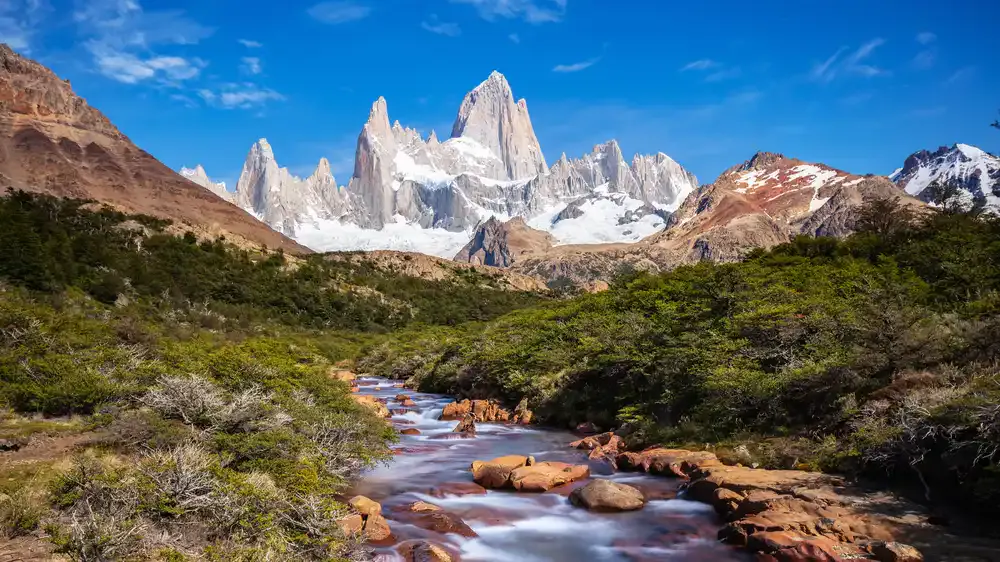
December offers long evenings and an expanded choice of summer activities. Combine hikes with a quieter glacier-viewing day, lake kayaking, or glacier walking. Be sure to reserve early for travel over Christmas and New Year holidays.
Downside: Holiday demand and busy popular trails.
Best for: Trips covering El Chalten, El Calafate, Perito Moreno, and additional Patagonia destinations like Torres del Paine and the Cochamo Valley.
How to Get There
El Calafate is the town that most people fly into to visit Los Glaciares. From here, the road splits your planning into two directions: west toward Perito Moreno, or north toward El Chalten. The park is vast, and choosing the right base for each part of your adventure will save considerable driving time and increase your enjoyment.

Flying to El Calafate
For many international travelers, the usual journey is a flight to Buenos Aires followed by a domestic connection into El Calafate’s Airport (FTE). Check which Buenos Aires airport your connecting flight uses; an international arrival and a domestic departure may require a transfer across the city from Ezeiza International Airport (EZE) to Aeroparque Jorge Newbery (AEP).
Plan a conservative layover period (2+ hours) between flights, and increase it to 3-5 hours if transferring between Buenos Aires airports due to potential traffic delays.
El Calafate to Perito Moreno
The glacier viewing area is roughly 50 miles (80 kilometers) west of El Calafate, with the journey commonly taking about 1.5 hours each way. Tours, transfers, and rental cars are all viable options. Allow plenty of time (4-6+ hours) for the park entrance and walkway sightseeing, and plan a visit to Perito Moreno as a full-day excursion.
El Calafate to El Chalten
Build in approximately 3 hours for the roughly 130-mile (210-kilometer) drive, with extra time for stops or unexpected delays. The paved road crosses open steppe and miles of lake scenery before approaching the mountains. Scheduled buses and arranged transfers connect the towns as well.
El Chalten has no commercial passenger airport. Once there, several major trails begin in and near town, and you can also book shuttles to trailheads farther away like Rio Electrico, Lago del Desierto, and Estancia Los Huemules.
Arriving from Chile
Many people choose to pair Los Glaciares with Torres del Paine via an international border crossing. Carry the required documents and allow time for immigration, customs, and additional driving. Your exact route will depend on where you are staying in Chile.
MT Sobek’s combined Patagonia itineraries include these transfers. Follow the arrival instructions for your selected trip: Premier Lodging starts in El Calafate, while Ultimate Patagonia begins on the Chilean side.
Where to Stay
Choosing the best place to stay is an important aspect of planning your Los Glaciares hiking itinerary. In this region, you typically return to your base (hotel, motel, hostel, etc.) after each day’s hike. This is a key difference from trekking hut to hut in Torres del Paine, where you hike to a different lodge each day and sleep in backcountry shelters.
In terms of where to stay, we recommend staying in or around El Chalten for the northern trails, Cerro Torre and Fitz Roy, and staying in or around El Calafate for Perito Moreno Glacier and the southern lakes.
There are many options for types of properties. Below are key categories of accommodations in the gateway towns and surrounding countryside that put you right in the action for your Patagonia adventure.

Mountain Hotels in El Chalten
El Chalten offers many options for hotels in and near town.
Los Cerros Boutique Hotel gives our Premier Lodging trip a comfortable base in town between hikes. It suits travelers who want the mountain trail network within reach and a modern and welcoming hotel to return to each evening.
Trip using this property: Argentina & Chile Patagonia Hiking with Premier Lodging
Destino Sur Hotel de Montaña & Spa is our hotel of choice on the Ultimate Patagonia adventure, providing a perfect base for the Argentine hiking days.
Trip using this property: Chile & Argentina Ultimate Patagonia Hiking
Luxury Steppe Lodging near El Calafate
There are several lodges outside of El Calafate that offer a different lodging experience than being in town. EOLO sits outside El Calafate in open steppe country. Its dramatic setting adds space, views, beauty and a change of pace between the El Chalten mountains and the Chilean portion of MT Sobek’s Premier Lodging itinerary. It is also the base for visiting Perito Moreno.
Trip using this property: Argentina & Chile Patagonia Hiking with Premier Lodging.


Hotels in El Calafate
El Calafate offers a range of hotels to choose from. We utilize Hotel Posada Los Alamos for Ultimate Patagonia’s stay in El Calafate. A hotel in town is a good choice as a base for visiting the glacier and for border transfers if you’re adding Torres del Paine to your adventure.
Trip using this property: Chile & Argentina Ultimate Patagonia Hiking.
Domes Outside El Chalten
There are unique lodging options in Patagonia, like the Patagonia Eco Domes outside of El Chalten. This specific accommodation is an alternative we use on select Ultimate Patagonia departures. Situated north of town, the property offers individual domes with private bathrooms and a closer-to-the-land setting.
Trip using this property on select departures: Chile & Argentina Ultimate Patagonia Hiking.


Backcountry Camping
Camping around the northern trail network is an option for independently planned or custom multi-day journeys. Poincenot and De Agostini are camps associated with the Fitz Roy and Torre routes. Facilities are basic, and current booking arrangements should be checked before departure.
The hotel-based Los Glaciares portions of Ultimate Patagonia and Premier Lodging do not require backcountry camping. Anyone seeking an overnight trek should discuss the route, equipment, and support as part of a custom request.
FAQs About Hiking Torres del Paine
The best tour depends on your hiking experience and the specific places and trails you most want to explore. MT Sobek’s Ultimate Patagonia adventure includes challenging hikes to Laguna de los Tres and Laguna Torre, plus trekking in Chile’s Torres del Paine. Our Patagonia Hiking with Premier Lodging trip combines less strenuous mountain hikes, Perito Moreno Glacier viewing, and luxury accommodations.
November through March is the strongest overall window for hiking the mountain trails around El Chalten. December through February offers the longest days and generally mildest temperatures, but this is also the most popular season. November and March are good shoulder season alternatives outside the busiest summer period. Perito Moreno viewing is possible over a longer season, but access is subject to weather, road conditions, and available services.
Expect walks through forest and glacial valleys, with rocky ground and more exposed terrain as you approach the higher mountains. Most El Chalten tours return to a hotel or lodge at night. A trip covering the whole destination also includes driving between the northern trails and the southern glacier sector near El Calafate.
Los Glaciares is in Argentina and centers on the Fitz Roy–Cerro Torre mountain country and enormous glaciers such as Perito Moreno. Its famous hiking routes are commonly explored as day trips from El Chalten. Torres del Paine is in Chile and its W Trek and O Circuit are refugio-based or hotel-based, multi-day treks around the Paine Massif. Both parks deserve time, but they offer different ways of experiencing Patagonia—hotel-based day hiking in Los Glaciares, multi-day hut-to-hut trekking in Torres del Paine.
You don’t need mountaineering experience to enjoy many of Los Glaciares’ spectacular hiking trails. There are options for different abilities, from shorter walks to viewpoints to challenging full-day hikes such as Laguna de los Tres. Choose an itinerary that matches your fitness and comfort level on steep, uneven terrain. On an MT Sobek adventure, experienced guides lead the way and help you navigate Patagonia’s often rapidly changing conditions.
No. Several trails offer beautiful views of Fitz Roy without reaching Laguna de los Tres, which requires a steep final ascent. MT Sobek’s Ultimate Patagonia itinerary includes the hike to the lake, while our Premier Lodging adventure explores lower trails and viewpoints in the Fitz Roy area. Check the daily itinerary to choose the experience that suits you.
Yes, you can on a guided ice-trekking excursion, subject to the operator’s current eligibility requirements. There are many viewing platforms that you walk between on your own. The glacier-viewing visits on the MT Sobek itineraries described here do not include guided glacier trekking.
Yes. MT Sobek can help plan a private or custom Patagonia adventure around your choice of accommodation style, interests and timeframe. Our award-winning custom team will help you decide which hikes are essential, whether you want to include Chile, and any additional lake or glacier excursions to add. Feasibility depends on dates, availability, and the activities requested.
Bring broken-in hiking footwear (waterproof is a plus), moisture-wicking base layers, an insulating jacket, waterproof and breathable jacket and pants, a warm hat, gloves, sun protection, and a daypack. Trekking poles help on steep descents and uneven ground. Closely follow the detailed packing list for your specific trip.
For an independent visit covering El Calafate, Perito Moreno, Cerro Torre, Fitz Roy and El Chalten, plan on 5 to 7 days as a useful starting point: several nights around El Chalten and time around El Calafate for Perito Moreno and transfers. A longer stay gives you more chances to see the peaks in clear weather. Combined MT Sobek itineraries divide their days between Argentina and Chile.
Plan your trip to Los Glaciares 6 to 12 months in advance, and start even earlier for travel over Christmas, New Year, or if you want very specific accommodations. Unlike the W Trek and O Circuit, a hotel-based El Chalten trip is not built around reserving a succession of refugios. The main constraints are your tour departure, hotel rooms, flights, and any specialist excursions you’d like to add. For MT Sobek Patagonia hiking tours, it’s best to book your trip a minimum of 4 months in advance, and ideally 6 to 12 months prior.
You can, but the return drive consumes much of the day. It leaves limited time for a long hike or a weather delay. Stay in El Chalten if the mountain trails are a primary reason for your visit; keep El Calafate as the base for the southern glacier sector.
Share Your Los Glaciares Adventure | #mtsobek


Ask an Expert
We want you to have the best adventure, so don’t hesitate to call our expert team of adventure specialists at 800-974-0300 to learn more. Or click the button to use our online contact form.