

Spain & Morocco with Premier Lodging Tour
A Cultural Journey on Foot from Granada to Fes
- Available: April, May, June, September, October
- Activity: Level 2, Level 3
- Accommodations: Luxury Hotels, Comfortable Hotels
Highlights
- Discover centuries of connection through architecture, cuisine, and culture across two continents
- Wander Morocco's blue city, Spain's white villages, and the oldest quarters of Granada and Fes
- Marvel at Mediterranean vistas, limestone landscapes, vineyards, and Rif Mountain waterfalls
Itinerary
Arrive in Granada
Day 1
Welcome to Spain! Arrive in Granada and meet your guides at the train station or airport. Transfer to your hotel where you’ll have time to settle in and relax or do a little exploring on your own. Meet up with the group and guides for a welcome dinner this evening, and an introduction to Andalusia. This southernmost region of Spain was the last remnant of legendary Al-Andalus, and its legacy remains in the distinctive architecture, cuisine, and culture you will discover along the journey.
Accommodation: Hotel Alhambra Palace
Transportation: 25-minute private van transfer
Meals: Dinner
Marvel at the Alhambra Palace & Albayzin
Day 2
Spend an unforgettable morning at the Alhambra, the magnificent Nasrid palace-fortress that crowns Granada. Built as a fortress and transformed into a royal city, this UNESCO-listed masterpiece dazzles with intricate stonework, carved arches, reflective pools, and elegant courtyards. Wander the terraced Generalife gardens, once the grounds of the summer palace, inhaling the scent of orange blossoms under arched lookouts. In the late afternoon, explore the Albayzin, the historic Moorish quarter that was home to everyday life beyond the palace walls. Walk its hilly medieval lanes to picturesque Sacromonte, an old Romani neighborhood known for its cave houses. End the day with dinner and a passionate flamenco performance in one of the caves—a tradition rooted in Southern Spain’s Al-Andalus period.
Accommodation: Hotel Alhambra Palace
Activity: 5 hours walking tours with 450' elevation gain and 200' elevation loss
Transportation: 20-minute private van transfer
Meals: Breakfast, Lunch, Dinner
Explore Frigiliana, Hike & Enjoy the Mediterranean
Day 3
Leave Granada this morning and transfer to Frigiliana, one of Andalusia’s most beautiful pueblos blancos (white-painted towns), a gleaming gem that still preserves its Moorish layout. After exploring its patterned cobbled lanes, flower-draped balconies, and steep stairways, prepare to get your feet wet on a refreshing walk into the Rio Higueron canyon. Hike along—and in—the river as it winds through narrow rock walls, small waterfalls, and lush vegetation. Transfer to Nerja, a classic beach town known for cliffside coves and the Balcon de Europa, its iconic sea-view promenade. Savor a special wood-fired paella lunch at a beachfront chiringuito, then enjoy a flexible afternoon and evening to swim, stroll, and choose your own delicious dinner spot.
Accommodation: Parador de Nerja
Activity: 2 hours/3-4 miles hiking with 1,050' elevation loss
Transportation: 1.5-hour private van transfer
Meals: Breakfast, Lunch
Hike the Karst Formations of Antequera
Day 4
Today you swap sand for stone, heading inland to El Torcal de Antequera Natural Park, a part of the UNESCO-listed Antequera Dolmens Site. This extraordinary karst landscape began as seabed more than 150 million years ago, then rose and eroded into a maze of sculpted limestone towers, stacked slabs, narrow passageways, and otherworldly natural forms. Hike one of the park’s scenic trails, keeping an eye out for wildflowers, birds, and ibex moving across the rock. Continue to the town of Antequera, where the afternoon is free to relax or explore before dinner. We recommend checking out the nearby Bronze Age megalithic tombs called dolmens at the eastern edge of town.
Accommodation: Parador de Antequera
Activity: 2 hours/4 miles hiking with 700' elevation gain and loss
Transportation: 1.5-hour private van transfer
Meals: Breakfast, Lunch, Dinner
Follow the Path of the Mills toward Ronda
Day 5
After breakfast, travel to a pueblo blanco in neighboring Cadiz Province, where you will embark on a gentle village-to-village hike to Setenil de las Bodegas. Follow the river along the Sendero de los Molinos, a medieval cattle route that connected fourteen Al-Andalus water mills with the city of Ronda, passing olive groves, wheat fields, and remnants of ancient mills. Have lunch in Setenil de las Bodegas, built directly beneath the overhanging ledge of a gorge. The village’s houses and lanes tuck into the rock itself, creating cave-like streets with natural stone roofs. Continue by vehicle to Ronda, a dramatic clifftop city split by the deep El Tajo gorge and linked by its famous arched bridge, Puente Nuevo. The old Moorish quarter and newer town stand on opposite sides, creating one of Spain’s most striking urban landscapes.
Accommodation: Hotel Parador Nacional de Ronda
Activity: 1-2 hours/4 miles hiking with 300' elevation gain
Transportation: 2-hour private van transfer
Meals: Breakfast, Lunch, Dinner
Hike Through Ronda Olive Groves & Taste Wines
Day 6
Enjoy an invigorating hike this morning in the rugged hills around Ronda. Departing from the Parador, walk through one of Ronda’s most historic neighborhoods before descending to a trail surrounded by olive groves just outside the old town. The upward views of the gorge and the iconic Puente Nuevo are stunning. Later, travel by vehicle further into Ronda’s countryside for a guided tour and tasting at a local winery, followed by lunch. The vineyard setting is beautiful, with views of rolling hills and rugged limestone outcrops. Return to Ronda for time to explore independently—cross the bridge, wander the old town, or relax on the Parador’s terrace overlooking the gorge before dinner on your own.
Accommodation: Hotel Parador Nacional de Ronda
Activity: 2 hours/4 miles hiking with 800' elevation gain and loss
Transportation: 40-minutes private van transfer
Meals: Breakfast, Lunch
Cross the Strait of Gibraltar to Tangier
Day 7
Set out early for Tarifa, the southernmost point of mainland Spain and the closest European gateway to Morocco. On a clear day, the Rif Mountains rise across the Strait of Gibraltar—a thrilling preview of the journey ahead. This is the fabled location of the “Pillars of Hercules,” the mythic gateway between the known world and the unknown. Board the ferry and cross the legendary waterway where the Atlantic meets the Mediterranean and Europe meets Africa, an ancient conduit between cultures. Arrive in Tangier and transfer to your hotel, then head out on an optional guided walk through the medina, the walled old city whose lanes, gates, markets, and sea-facing position have drawn travelers for centuries. Tonight, enjoy your first Moroccan dinner of the trip.
Accommodation: Fairmont Tazi Palace Tangier
Transportation: 2.5-hour private van transfer + 1-hour ferry ride
Meals: Breakfast, Lunch, Dinner
Discover Chefchaouen's Blue Walls
Day 8
Deep in the Rif Mountains, Chefchaouen is known worldwide for its spellbinding blue walls. Andalusi architectural influences that echo Granada’s Albayzin quarter were brought here as people migrated after the fall of Granada in 1492. Arrive in the “Blue City” in time for a delicious lunch and settle into your riad before exploring the beautiful medina on a guided walking tour. Follow winding lanes past blue stairways, artisan shops, and quiet courtyards up to the Spanish Mosque for an iconic sunset view over the city, mountains, and radiant blue walls below.
Accommodation: Lina Ryad & Spa
Activity: 3-4-hour walking tour with 500' elevation gain and loss
Transportation: 2.5-hour private van transfer
Meals: Breakfast, Lunch, Dinner
Hike in the Rif Mountains
Day 9
Gear up for a scenic hiking adventure in Talassemtane National Park, a protected landscape of russet limestone cliffs, forested pine valleys, and clear mountain water in the Rif Mountains. Follow shaded trails along the river toward the first of the tumbling Akchour Waterfalls, keeping an eye out for birds and other wildlife and lush views of the valley. Pass emerald pools and limestone formations, having worked up an appetite by the time you reach the main falls. Savor a tagine lunch with a view of the cascade and perhaps dip your feet in the water. Return to Chefchaouen for a second evening at your charming riad, with time to relax, revisit favorite lanes, or discover new ones.
Accommodation: Lina Ryad & Spa
Activity: 5 hours/7 miles hiking with 1,650' elevation gain and loss
Transportation: 1.5-hour private van transfer
Meals: Breakfast, Lunch, Dinner
Visit Roman Volubilis & Continue to Fes
Day 10
Depart for Fes, Morocco’s cultural heart, but first stop at Volubilis. A walk through this UNESCO-listed Berber-Roman archaeological site reveals mosaics, columns, arches, and remnants of grand villas on a wide open plain. Passing through the remarkably well-preserved ruins with your guide, imagine the once-thriving city at the edge of the Roman Empire. After a delicious lunch at a local restaurant, continue to Fes and check in to your hotel, with time to freshen up before dinner. Fes is a centuries-old imperial city of tangled medina alleys, bustling souks, artisan workshops, and exquisite Moorish architecture where Morocco’s history unfolds. Enjoy a relaxed evening before tomorrow’s adventure.
Accommodation: Hotel Sahrai
Accommodation: Riad FesActivity: 1-hour walking tour
Transportation: 4.5-hour private van transfer (via Volubilis)
Meals: Breakfast, Lunch, Dinner
Experience the Magic of Ancient Fes
Day 11
Today your guide takes you deep into Fes el-Bali, the sprawling medieval walled medina and one of the great cultural treasures of Morocco. Navigate labyrinthine lanes chock full of souks, artisan workshops, mosques, madrasas, fountains, and centuries of craft tradition in this ancient UNESCO-listed quarter. Visit the iconic Chouara Tannery, one of the oldest tanneries in the world, and explore the intricate tilework and carved arches of Bou Inania Madrasa, a theological school and mosque built in the 14th century. Continue into Fes Jdid, established in the 13th century as an extension of the old city by the Marinid Dynasty. Tonight, gather for a special farewell dinner and toast the journey from Granada’s Al-Andalus palaces to Fes’s Andalusian quarter.
Accommodation: Hotel Sahrai
Accommodation: Riad FesActivity: 4-hour walking tour
Transportation: 20-minute private van transfer
Meals: Breakfast, Lunch, Dinner
Depart from Fes or Rabat
Day 12
After breakfast, transfer to the airport in Fes or Rabat for your onward flight. Leave Morocco with vivid memories of two continents connected by history and geography, from the Alhambra glowing above Granada to white villages tumbling down Andalusian hillsides, across the Strait of Gibraltar to Chefchaouen’s blue Moorish lanes, Rif Mountain waterfalls, and the unforgettable energy of Fes. The Al-Andalus journey ends today, but its architecture, flavors, landscapes, and stories travel home with you.
Transportation: 2-hour private van transfer to the Rabat airport
Meals: Breakfast
Why Travel With Us?
- Since 1969, MT Sobek has pioneered guided hiking adventures around the world, pairing decades of expertise with seamless logistics, trusted local relationships, and a deep respect for the places we explore.
- This rare two-continent journey connects Andalusia and Morocco through their shared Moorish story—linking palaces, pueblos blancos, Mediterranean crossings, Rif Mountain hikes, ancient Roman ruins, and imperial Fes.
- Expert local guides bring Southern Spain and Morocco's Moorish legacy to life through architecture, food, history, and daily culture, adding context and color at every palace, village, vineyard, souk, and trail.
Know Before You Book
Itinerary: Alhambra tickets are limited and often sell out months in advance. To secure your entry, we require passport details and a trip deposit. If your passport is expired, we can use that information to book your permit—just bring both your expired and new passports on the trip. Permits are non-transferable. If no permits are available for your dates, your deposit will be fully refunded.
Dates & Prices
Price is per person, double occupancy in USD.
The earlier you book, the more choice of available dates you’ll have and once you book, your price is guaranteed.
Your Guides
The best people to immerse you in a destination are the ones who live there, which is why we feature local Adventure Guides on our trips. Here are a few that you might meet on this adventure.
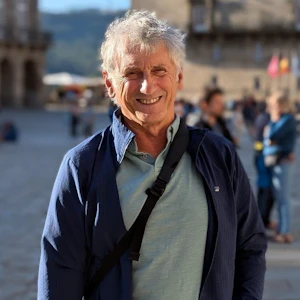
Leo S.
Leo was born in the mountains of Spain’s Basque Country and made his home in Jaca, in the heart of the Pyrenees, where he spends his winters on backcountry skis. He has been guiding in the Pyrenees for many years, as well as in Nepal, Morocco, Tanzania, Peru, Chile, Venezuela, Pakistan, India, and the French Alps. He has also taught skiing in Colorado. He is an International Certified Mountain Guide (UIAGM) and a professional ski instructor (ISIA). Leo is fluent in English, French, and Basque.
Activity Level
This trip is rated activity level 2. Expect moderate day hikes, including walking through a river over uneven, sometimes rocky terrain. Walking tours cover cobbled streets, hills, and stairs. One-hour ferry crossing. Warm climate can add to the challenge.
Learn more about activity levels here.
Activity Snapshot
Day 2
5 hours walking tours with 450' elevation gain and 200' elevation loss
Day 3
2 hours/3-4 miles hiking with 1,050' elevation loss
Day 4
2 hours/4 miles hiking with 700' elevation gain and loss
Day 5
1-2 hours/4 miles hiking with 300' elevation gain
Day 6
2 hours/4 miles hiking with 800' elevation gain and loss
Day 8
3-4-hour walking tour with 500' elevation gain and loss
Day 9
5 hours/7 miles hiking with 1,650' elevation gain and loss
Day 10
1-hour walking tour
Day 11
4-hour walking tour
*Mileage and elevation change information is approximate and may vary slightly depending on trail conditions, weather, and route adjustments, and the guide’s discretion.
Accommodations
A stylish mix of historic Spanish Paradors and palace hotels, a luxury Tangier stay, boutique Chefchaouen riad, and contemporary hotel in Fes.

Hotel Alhambra Palace
A Granada landmark since 1910, Hotel Alhambra Palace brings Moorish-inspired elegance to a spectacular hillside location close to the Alhambra and a short walk into town. Step inside to intricate tilework, carved archways, and stained-glass windows. Spacious rooms are decorated in rich earthy hues with traditional details and Moorish-tiled bathrooms. The terrace offers drinks and snacks with sweeping views over Granada, the Albayzin, and the surrounding mountains.

Hotel Parador Nacional de Ronda
The Parador de Ronda is dramatically positioned at the edge of deep El Tajo gorge just steps from Puente Nuevo, the stunning bridge that connects Ronda's two halves across the gorge. Formerly the town hall and food market, the hotel retains its original architectural details. Guest rooms offer contemporary comfort, and the swimming pool and terrace look across cliffs, countryside, and the old town.

Parador de Nerja

Parador de Antequera
The Parador de Antequera is a modern, comfortable hotel set in the garden district within easy reach of Antequera's historic center. Clean-line design continues into bright, neat rooms with comfy bedding. Grab a sun lounger by the pool and soak up views of the Andalusian landscape, with warm sunsets over the Antequera plain and the UNESCO-listed rock formation, Peña de los Enamorados on the horizon.

Fairmont Tazi Palace Tangier

Lina Ryad & Spa

Hotel Sahrai

Riad Fes
Riad Fes brings refined Moroccan elegance to the ancient city, blending carved wood, zellige tilework, soft light, and Andalusian-Moorish design in a warm, intimate atmosphere. As a Relais & Chateaux property, it offers a polished riad experience with beautiful courtyards, elegant rooms, and serene spaces for unwinding after time in the medina. A contemporary pool area adds a refreshing contrast to the traditional architecture, creating a luxurious retreat in historic Fes.
Weather
Expect warm, generally dry Mediterranean and North African weather, with cooler mountain evenings.
FAQs
Trip Overview
This rare two-continent journey traces the shared Moorish legacy of Southern Spain and Morocco, linking Granada's breathtaking palaces to the vibrant medinas of Fes. Guided by expert local leaders, you will explore white-painted villages, dramatic limestone gorges, and ancient Roman ruins on foot while relaxing each evening in hand-picked premier hotels, historic Paradores, and luxury riads.
Two Continents Connected: Seamlessly travel from Andalusian Europe to North African Morocco across the Strait of Gibraltar, tracing nearly eight centuries of shared Al-Andalus history.
Hand-Picked Premier Lodging: Enjoy an exceptional mix of Spanish Paradores, five-star palace hotels like the Fairmont Tazi Palace, and intimate riads in Chefchaouen and Fes.
Four UNESCO World Heritage Sites: Gain deep cultural access at Granada's Alhambra, the Antequera Dolmens, the Roman ruins of Volubilis, and the medieval medina of Fes.
Curated Trail and Cultural Variety: Experience a rich combination of river canyon walks, karst mountain hikes, winery tastings, and privately guided city tours with expert local leaders.
Traveling in the spring and fall shoulder seasons promises comfortable temperatures for trail hikes and city walks, avoiding the intense heat of peak summer while showcasing the vibrant flora, clear coastal skies, and rich autumn lighting across both continents. We offer this adventure during the optimal spring and autumn months of April, May, June, September, and October.
April to May: Spring brings comfortable walking temperatures, greener vegetation along mountain trails, and colorful wildflowers across the Andalusian countryside and Rif Mountains.
June: June offers long daylight hours, warm coastal weather for Mediterranean beach strolls, and dry, clear trail conditions in the higher limestone ranges. Afternoon temperatures steadily become hotter as the month progresses.
September to October: Autumn brings cooler air, ideal for active hiking, and softer sunlight for photographing blue-washed towns. Early September can still be warm.
The standard minimum age for this trip is 18. This itinerary is designed with adult travelers in mind, based on daily activity levels, accommodations, and overall group experience. Families or groups with children as young as 16 should check out our private departures .
This trip is rated Activity Level 2/3, meaning for some of our planned activities there will be two options: one Level 2 option and one Level 3 option. Hiking reflects a comfortable blend of gentle village-to-village walks and moderate day hikes. The overall physical challenge comes from navigating varied underfoot terrain—such as historic cobblestones, uneven limestone, and shallow riverbeds—along with multi-hour walking tours in the strong Mediterranean sun.
Varied Trail and Village Terrain: Hikes cover 2 to 7 miles daily over a mix of paved town streets, rocky karst paths, mountain trails, and wet or submerged riverbed stones in the Rio Higueron.
Moderate Elevation Changes: Elevation gain and loss range from 300 feet on gentle valley walks to 1,650 feet during the scenic hike in Talassemtane National Park.
Active Daily Duration: Expect 2 to 5 hours of physical activity per day, combining trail hiking with multi-hour standing and walking tours through historic medinas and archaeological sites.
Warm Climate Factor: Hiking in Andalusian and North African weather adds physical demand, requiring steady hydration and proper sun protection throughout the day.
Arriving and Departing
The trip starts in Granada, Spain, and ends in Fes, Morocco.
You can fly into Granada Airport (GRX) in Spain for the start of the trip. Note that flying from the US to Granada Airport often requires 2+ stops en route and can be expensive. Many guests instead fly into Adolfo Suarez Madrid-Barajas Airport (MAD) or Malaga-Costa del Sol Airport (AGP) and connect to Granada by high-speed train. If you choose to route into Madrid or Malaga, you will need to book your train connection accordingly. Many guests use Trainline.com or Renfe.com to make these arrangements.
You can schedule your departing flight from either Fes-Saiss Airport (FEZ) or Rabat-Sale Airport (airport code RBA) in Morocco. Your trips ends on the morning of Day 12, and hotel check-out time is 12:00 pm. Note that the drive time for your transfer from the hotel to Fes airport is about 45 minutes, and to Rabat airport approximately 2 hours; both transfer times may be longer due to traffic. For guests departing out of Casablanca Mohammed V International Airport (CMN), private transfers can be arranged at additional cost. The drive time from Fes to Casablanca airport is around 4 hours.
Once your booking is finalized with MT Sobek and your trip has been confirmed to operate, flights may be purchased. If you are unsure of the status of your trip, check with your Adventure Coordinator prior to booking non-refundable flights.
Arrival: Plan to arrive in Granada, Spain by 5:00 pm on Day 1. An MT Sobek representative will meet you at the Granada train station or airport and transfer you to the hotel, about a 30-minute drive.
Departure: You can schedule your departing flight from Fes (FEZ) or Rabat (RBA) anytime on Day 12 following breakfast.
If you plan to arrive early in Granada or extend your stay in Fes, we recommend booking accommodations at our group hotels, the Hotel Alhambra Palace in Granada and Riad Fes in Fes. Please book extra nights with the hotels directly. When checking into the Hotel Alhambra Palace, let Reservations know that you are with the MT Sobek tour group arriving on Day 1 of date your trip, so that they can try to assign you to the same room. Please do not book a non-refundable rate, as our hotels are subject to change. Note that most hotels allow check-in starting at 3:00 pm.
A valid passport is required to enter Spain and Morocco. Most countries require that passports be valid for at least six months beyond the end of your trip and contain at least one blank page per country for entry stamps. US citizens do not need a visa for stays under 90 days in Spain or Morocco. Non-US citizens should consult their local embassy or consulate to confirm current entry requirements.
Note regarding Alhambra entry: Tickets for the Alhambra are strictly regulated and sell out months in advance. We require your valid passport details upon booking so we can secure your entry permit early.
Transportation and Transfers
Vehicle travel is used to connect historic regions, trailheads, and accommodations efficiently. Most daily transfers range from 20 minutes to 2.5 hours in comfortable private air-conditioned vehicles. On Day 7, you will also take a 1-hour ferry ride across the Strait of Gibraltar from Tarifa, Spain to Tangier, Morocco.
Fitness, Terrain and Trail Expectations
The activity level on this trip is designed for active, fit travelers who enjoy moderate daily physical effort. You will spend between 2 and 5 hours on your feet each day, covering distances of 2 to 7 miles across historic urban centers, countryside trails, and mountain parks.
Vertical Intensity: Elevation changes are moderate, ranging from gentle country walks with a 300-foot change to a maximum gain and loss of 1,650 feet over 7 miles in the Rif Mountains.
Uneven Terrain: Underfoot surfaces include smooth town pavement, steep medieval cobbled streets, loose karst limestone, forest dirt paths, and stepping stones in shallow river water. Guests will need to be steady on all types of terrain.
Activity Variety: Days combine active hikes with cultural discovery. On key hiking days shorter, gentler routes are possible on this Level 2/3 journey.
Environmental Exposure: Hikes take place in sunny, open Mediterranean and North African environments where warm temperatures require pacing, sun gear, and consistent water intake.
Focus on building overall leg strength, balance, and general aerobic endurance. Preparing your body several months in advance will ensure you arrive feeling energetic, steady on uneven terrain, and fully ready to enjoy long active days on foot across two vibrant countries.
Build a Cardio Base: Engage in cardiovascular activities like brisk walking, cycling, or stair climbing 4 times per week for 40 to 60 minutes to boost stamina.
Incorporate Training Hikes: Complete weekly hikes on hilly terrain or stairs to condition your leg muscles for sustained ascents and medieval cobblestones.
Train with a Weighted Daypack: Gradually add 5 to 10 pounds of weight to your daypack during training walks to simulate carrying daily water, layers, and trail essentials.
Break In Your Footwear: Wear your intended hiking boots or trail shoes on all preparation walks to ensure proper fit and prevent blisters on the trail.
Accommodations and Meals
Meals reflect the rich culinary traditions of Southern Spain and Morocco. In Spain, enjoy fresh seafood paella, jamon serrano, tapas, and regional specialties such as porra antequerana (a thick, cold tomato-based soup); fried eggplant drizzled with locally produced molasses; rabo de toro (oxtail stew); or the famous fresh tuna of Tarifa. In Morocco, savor succulent tagines, couscous, pastilla, fresh grilled fish, and aromatic mint tea. Hotel breakfasts are generous buffets featuring eggs, cheeses, cured meats, yogurt, fresh fruit, breads, juices, and coffee.
Note that dinner is served later in Spain than you may be accustomed to, with locals often dining after 9:00 pm. Most restaurants open around 8:00 pm.
A limited amount of beer and wine selected by your guides is included with dinners; additional alcohol is available for purchase. The exception to this is in Chefchaouen, which is technically a dry city; alcohol is served only in a few venues, all located outside of the medina.
Yes, we can accommodate many common restrictions like vegetarian, vegan, and gluten-free diets on this trip with advance notice. Let us know about your dietary restrictions and food allergies as soon as possible, so we can coordinate with guides, hotels, and restaurants. Please also list these on your Participant Information Form.
Yes, a limited number of single rooms are available on this trip. About a third of our travelers go solo, and single room inventory often books up quickly! You can find more information on solo traveler options here .
Packing and Gear
Pack versatile, lightweight layering items made of moisture-wicking synthetic or wool fabrics. Key essentials include broken-in hiking footwear, a 20- to 25-liter daypack, sun protection (hat, sunglasses, sunscreen), a waterproof rain shell, and smart casual attire for evening dinners. A detailed packing list will be provided in your pre-trip materials.
Morocco is a Muslim country with relaxed dress norms in most tourist areas, and women do not need to wear a headscarf. For both men and women, we recommend loose, comfortable clothing that covers the shoulders and knees, especially when visiting medinas, religious sites, and rural villages. A lightweight scarf or overshirt is handy for quickly covering up when needed.
Although the riverbed on Day 3's hike is sometimes dry, you should plan to walk in shallow water. Wear old tennis shoes or running shoes and socks that you do not mind getting wet. Shoes must have good tread to guard against slipping on rocks in the water, and also be closed-toe. Open water shoes such as Tevas or Chacos will not work well.
Bring a 20- to 25-liter daypack equipped with a padded hip belt, shoulder straps, and a fitted waterproof rain cover. It will carry your daily water (2 liters capacity), extra layers, rain jacket, sunscreen, camera, and personal items while walking.
For hiking excursions, bring broken-in, medium-weight hiking or trail running shoes with good, lugged soles for traction. For Day 3's riverbed hike, bring a pair of closed-toe tennis or running shoes with good tread that you do not mind getting wet. Additionally, bring comfortable walking shoes for cultural touring as well as an optional pair of dressier shoes or sandals for dinners in town.
On-the-Ground Travel Tips
Weather transitions from pleasant Mediterranean spring into warm early summer and from the last heat of late summer into crisp autumn across Southern Spain and Morocco. While daytime temperatures are generally comfortable for active hiking and city walking, conditions can range from hot sun in the lowlands to cooler mountain air and fog in El Torcal Natural Park, making light layering and rain protection essential throughout the seasons.
April: Spring brings mild, comfortable walking weather, with average temperatures ranging from 46 to 68°F in Andalusia, 46 to 68°F in Chefchaouen, and 48 to 70°F in Fes.
May: Temperatures warm across the region, averaging 52 to 77°F in Andalusia, 50 to 74°F in Chefchaouen, and 53 to 77°F in Fes, bringing colorful spring blooms along mountain trails.
June: Early summer offers reliable sunshine and clear skies, with warm daytime highs in the upper 70s to mid-80s°F along the coast and inland valleys, paired with fresh breezes at higher elevations.
September: Early autumn features warm, clear days with averages of 57 to 83°F in Andalusia, 58 to 83°F in Chefchaouen, and 61 to 85°F in Fes, along with ideal conditions for exploring Moroccan medinas.
October: Autumn brings crisp, comfortable hiking weather, with averages of 52 to 75°F in Andalusia, 52 to 76°F in Chefchaouen, and 55 to 77°F in Fes, alongside cooler evenings.
Though US dollars and euros are sometimes accepted in Morocco, it is best to exchange your money into local currency. Exchange money only with authorized banks, bureaux de change, or at hotels and be sure to get receipts, which are essential if you wish to reconvert local currency back to US dollars. Bills printed after the year 2020 are more easily exchanged than older dollars.
Cellular coverage is generally reliable throughout Spain and Morocco. Coverage may be spotty in deep mountain gorges or national parks. Contact your cellular carrier prior to departure to enable an international travel plan.
Spain uses Type F electrical outlets, while Morocco uses Type C and E outlets. Both countries operate on 220?240V electricity. Many guests use a universal converter. A useful resource to see images of plug types is Power Plugs Sockets . Check the voltage on your personal electronics chargers to determine if you need a voltage converter. You will have access to electrical outlets at every accommodation to charge your devices nightly.
Your land cost includes most major expenses of the trip. We recommend budgeting for personal expenses such as meals on your own, souvenirs, laundry, and optional tips for your guides and drivers. The local currencies are the euro (EUR) and Moroccan dirham (MAD). Check out the site Xe Currency for current exchange rates.
Tipping is optional but sincerely appreciated. We recommend tipping your MT Sobek adventure guides the equivalent of $150 to $250 per guide, per participant, in local currency, and your assistant guide in Morocco $75 to $125 per participant. For your trip drivers, we recommend $40 to $80 per driver, per participant.
In Morocco, it is acceptable to tip in either local currency or USD (new, large bills only).
Gratuities for local guides, transfer drivers, hotel porters, and restaurant staff are already included in your trip price. Our local teams cannot accept tips via credit card, check, or payment apps, so please obtain cash at local ATMs upon arrival.
Health and Safety
Yes, we strongly recommend purchasing travel insurance for all trips. Travel insurance can help cover trip cancellations or interruptions, medical expenses, emergency evacuation, travel delays, and other unexpected situations. We offer travel insurance with Arch RoamRight and will be happy to provide you with a quote. Please see our Travel Resources page for more information.
Staying healthy on this trip starts with good pre-trip preparation and daily habits. Check with the US Centers for Disease Control and Prevention (CDC) for information on recommended immunizations, and/or your local travel clinic or healthcare provider for health concerns at your destination.
Hydrate consistently throughout the day. In Morocco, drink only filtered or bottled water, including when brushing your teeth.
Foot care is especially important. Wear well-fitting, broken-in footwear, keep your feet dry when possible, and address hot spots or blisters early using moleskin or hydrocolloid patches. Simple steps like trimming toenails before the trip can make a big difference.
Hand hygiene matters as well. Wash or sanitize your hands frequently, particularly before meals. Prioritize rest and recovery in the evenings, and don’t hesitate to talk with your guide about pacing, layering, or minor concerns as they arise. Addressing small issues early is one of the best ways to stay comfortable and enjoy the full experience.
Trail Support and Emergencies
Restroom facilities are readily available at hotels, restaurants, cafes, and historic site visitor centers. During nature hikes where public restrooms are unavailable, your trip leader will provide Leave No Trace guidance for natural breaks.