Why Cochamo Valley is Patagonia’s Best Kept Secret
Inside the dramatic conservation story—and MT Sobek's adventure tour—of South America's most breathtaking hidden wilderness
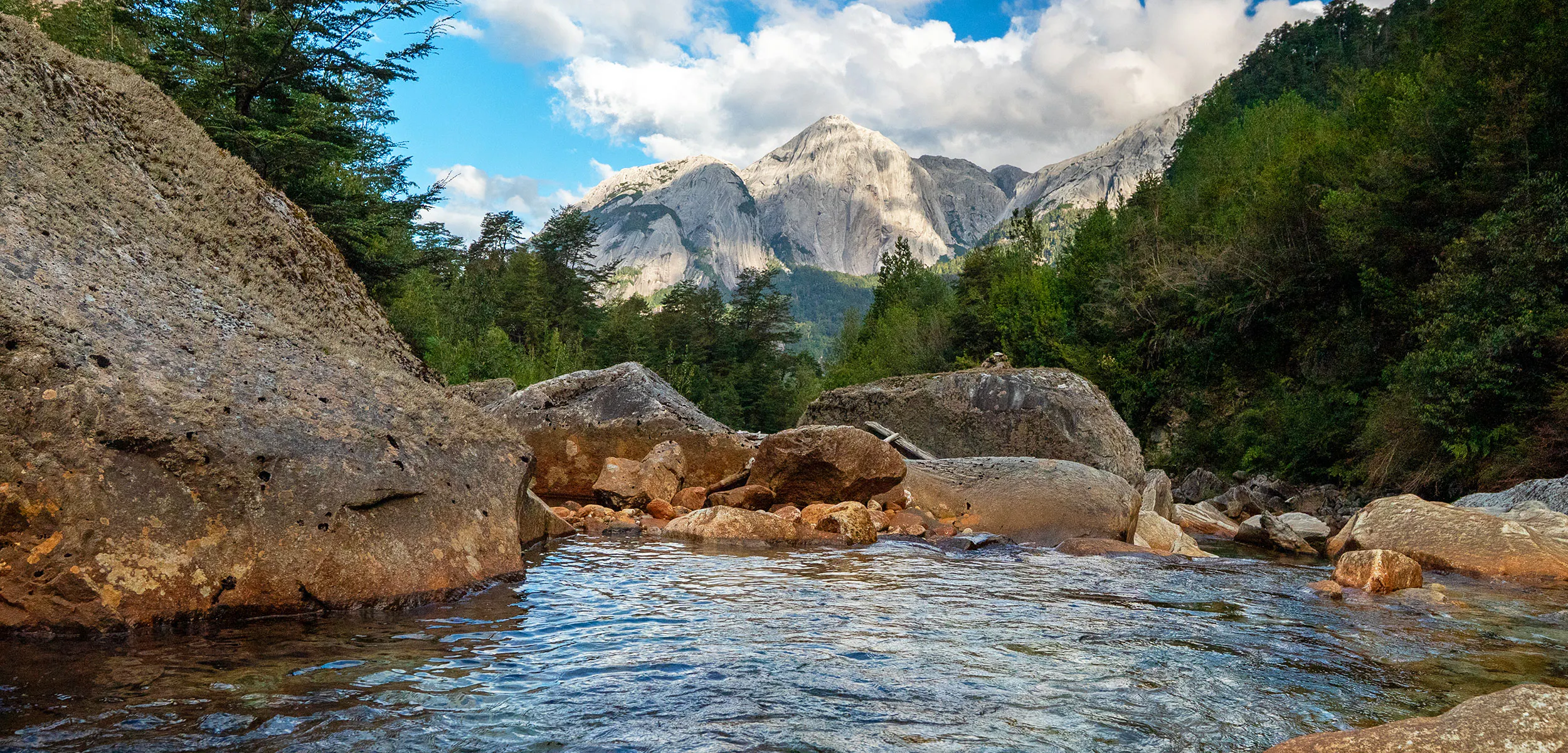
Cochamo Valley: Patagonia’s Best Kept Secret
There is a place in the northern Patagonian Andes that climbers have whispered about for decades—a cathedral of sheer granite rising from emerald rainforest, its rivers the color of glacial turquoise, its ancient trees older than medieval Europe. Most travelers have never heard of it. That, until very recently, was exactly the point.

What Makes the Cochamo Valley so Special
The Cochamo Valley, tucked inside Chile’s Cochamo commune in the Los Lagos region, has long been one of South America’s most jealously guarded wildernesses. Accessible only on foot, the valley has no roads into its heart, no mass tourism infrastructure, and no shortage of people who love it fiercely enough to fight—legally, financially, and publicly—to keep it that way.
In December 2025, that fight reached a milestone: the historic acquisition of the 328,650-acre Fundo Pucheguin as a protected area, secured by a coalition of local and international conservation partners. This is the story of the valley, the people who saved it, and how you can experience it firsthand—with MT Sobek as the valley’s first US commercial adventure partner, chosen to lead the way.
This is the story of the valley, the people who saved it, and the journey that lets you witness it for yourself.
A Valley That Rivals Yosemite—and Surpasses It
Cochamo Valley is often described as “the Yosemite of South America” for its soaring granite walls and dramatic, dome-filled skylines. But those who know it well push back on the comparison—not because it falls short, but because Cochamo has something Yosemite does not: an almost total absence of crowds, infrastructure, or roads. There are no shuttle buses, no visitor centers, no cell service. The only way in is a muddy, beautiful, multi-hour hike on a trail still worked by horses.
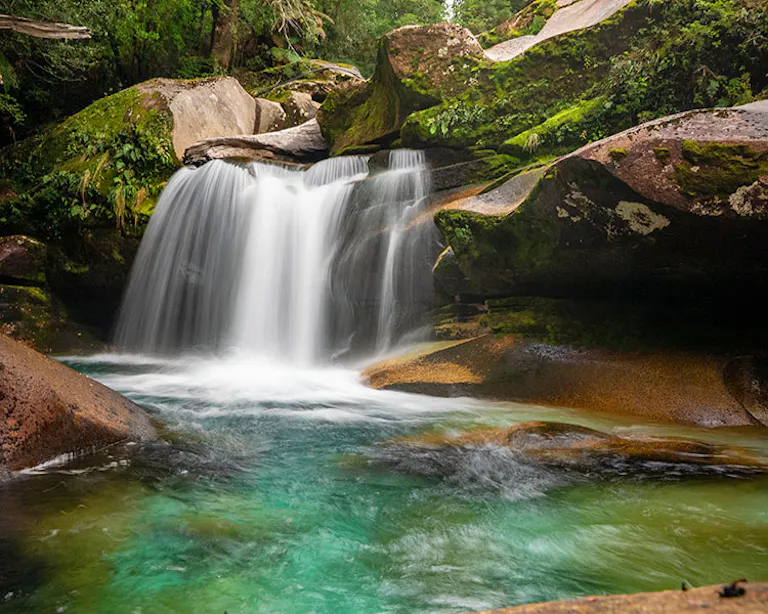
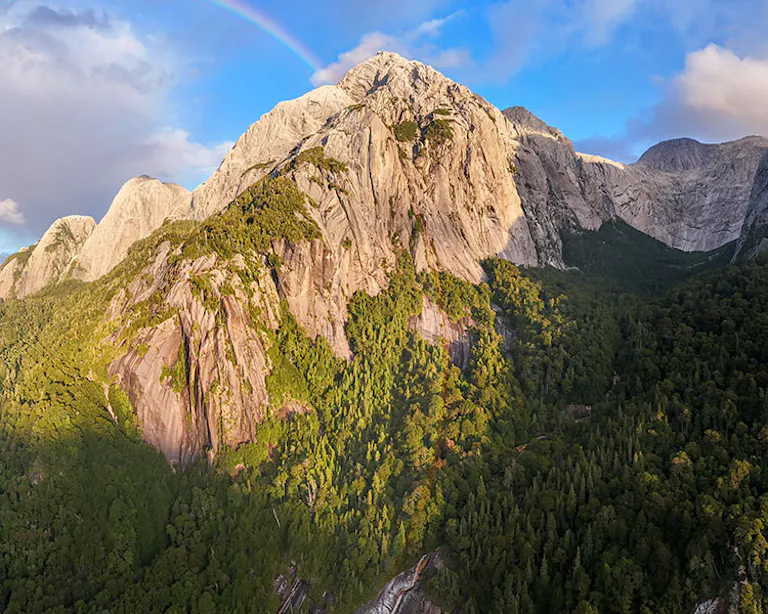
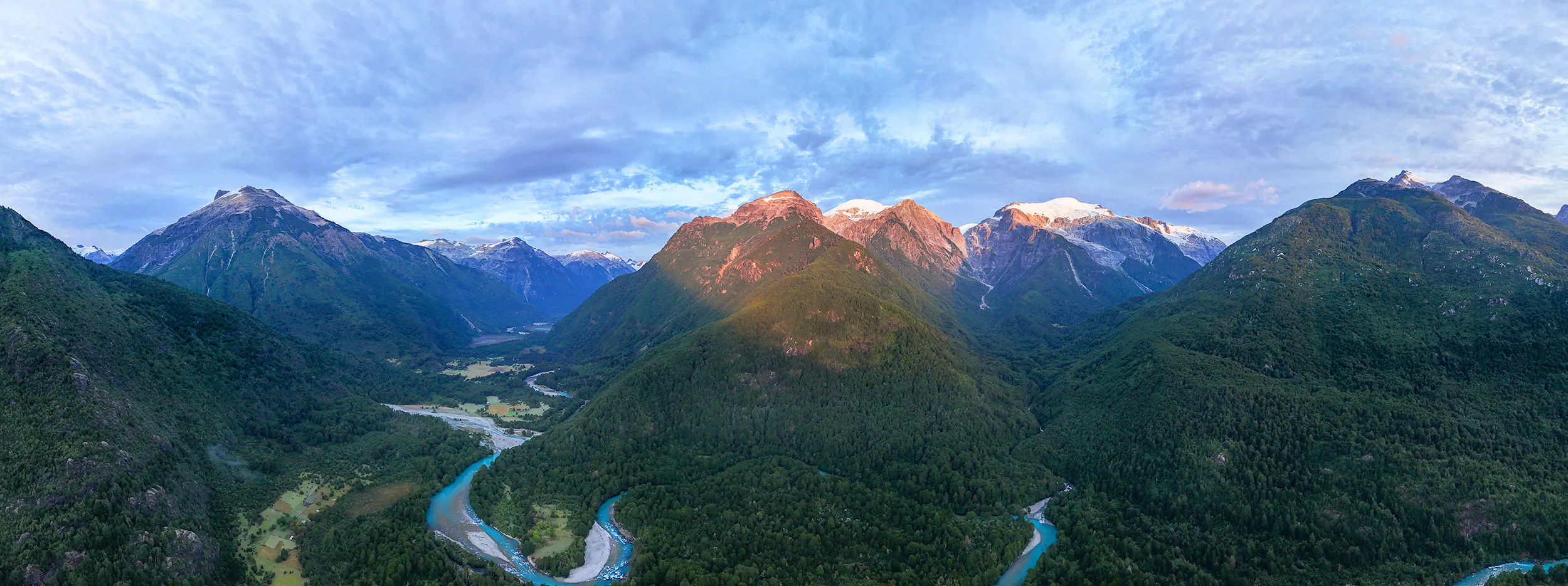
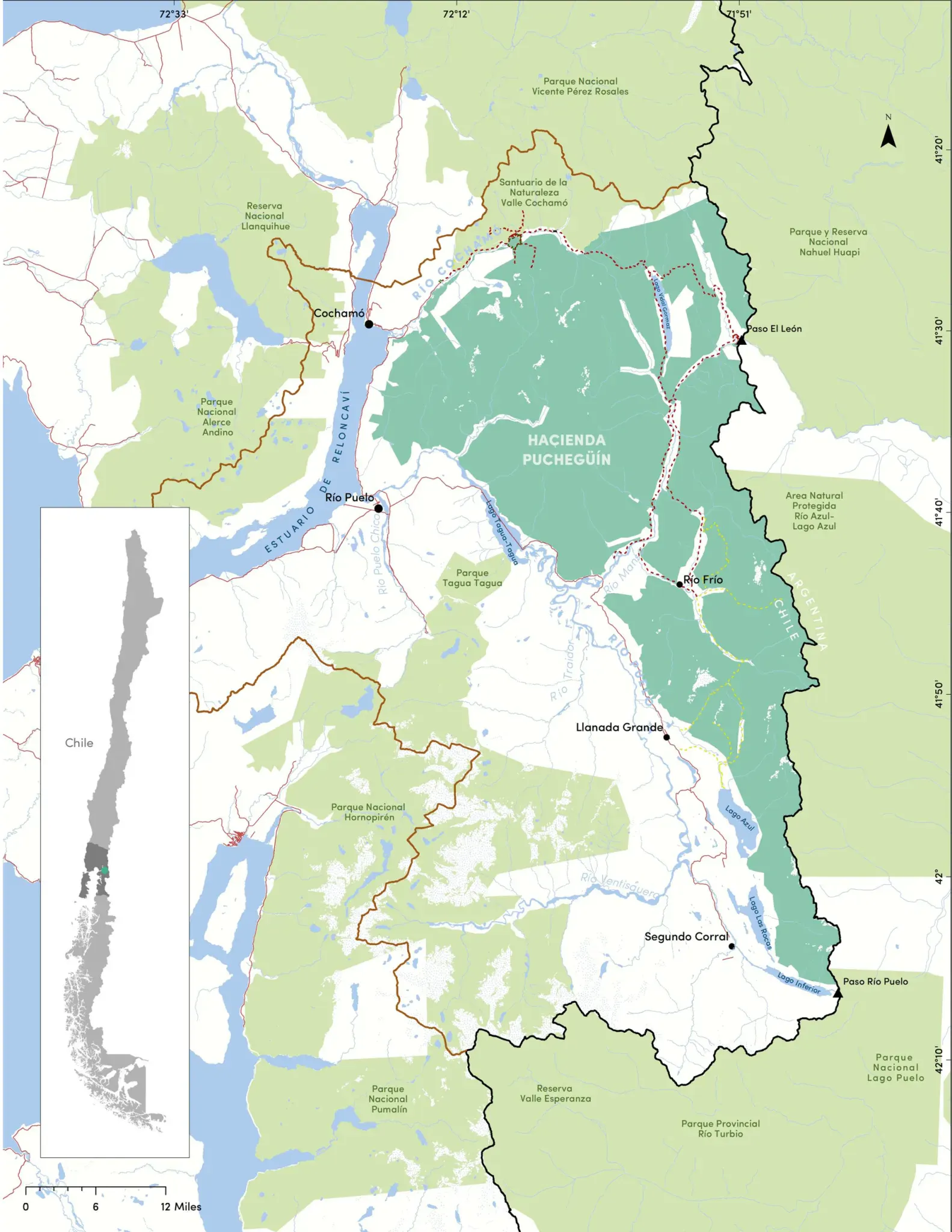
The valley is part of the broader Pucheguin territory—133,000 hectares (approximately 328,650 acres) of intact Patagonian wilderness in a region that buffers more than 1.6 million hectares of Chilean and Argentine national parks, reserves, and sanctuaries. Together, these lands form one of South America’s most critical wildlife corridors: a continuous sweep of protected territory that allows pumas, condors, huemul (Andean deer), and Darwin’s frogs to range freely across the Andes.
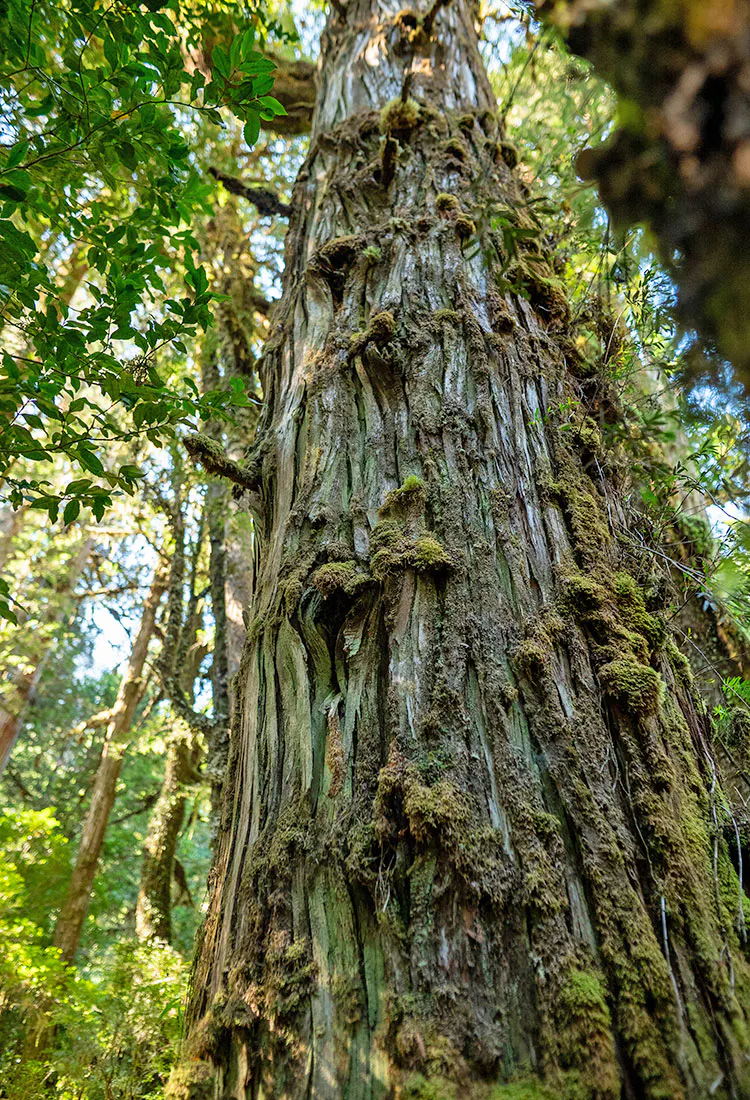
The Alerce: Patagonia’s Ancient Giant
Among Cochamo’s most extraordinary natural features are its alerce forests. An endangered species native to the temperate rainforests of southern Chile and Argentina, the alerce (Fitzroya cupressoides) frequently lives over 3,600 years, with some believed to be as much as 5,000 years old. They can also grow taller than 200 feet, making them one of the world’s oldest and tallest tree species.
Alerces also provide critical information about historical climate conditions. They grow extraordinarily slowly, taking approximately 1,000 years to reach maturity. Their ancient growth rings provide a very accurate, centuries-long record of climate history, including past temperature fluctuations, and fire scars left thousands of years ago.
The Pucheguin territory shelters an estimated 11% of all remaining alerce forests on Earth, a staggering concentration of these ancient giants found nowhere else in such abundance.
The Ventisquero Valley: Frontier Wilderness
Adjacent to Cochamo, the lesser-known Ventisquero Valley represents an even more remote frontier—a valley of unnamed peaks, hanging glaciers, and old-growth forest bordering Hornopiren and Pumalin National Parks. Gaucho culture still thrives here; baqueanos (trackers and land stewards who combine the roles of cowboy, naturalist, and guardian) tend cattle on the same mountain slopes their grandparents worked. It is a living landscape—wild, worked, and deeply human all at once.
Long before the gaucho tradition took root, the valley was the seasonal territory of the Poyas—nomadic hunter-gatherers who ranged across both sides of the Andes, following guanaco herds and gathering forest fruits and roots. Their presence is still visible: two rock art sites near Lago Vidal Gormaz, dated to approximately 1,500 years ago, connect stylistically to dozens of similar sites across the Argentine side of the Manso Valley. The modern settlement of Ventisquero dates only to the early 1900s, when Chilean families—many of Mapuche origin, displaced from Argentine Patagonia as the Argentine government forced out non-European settlers—crossed the Andes on horseback through Paso El Bolson and carved fields from the rainforest with machetes and fire. The founding families—the Rosas, the Pintos, the Gallardos, the Cayuns—are the direct ancestors of the baqueanos and community members who guide and host MT Sobek travelers today.
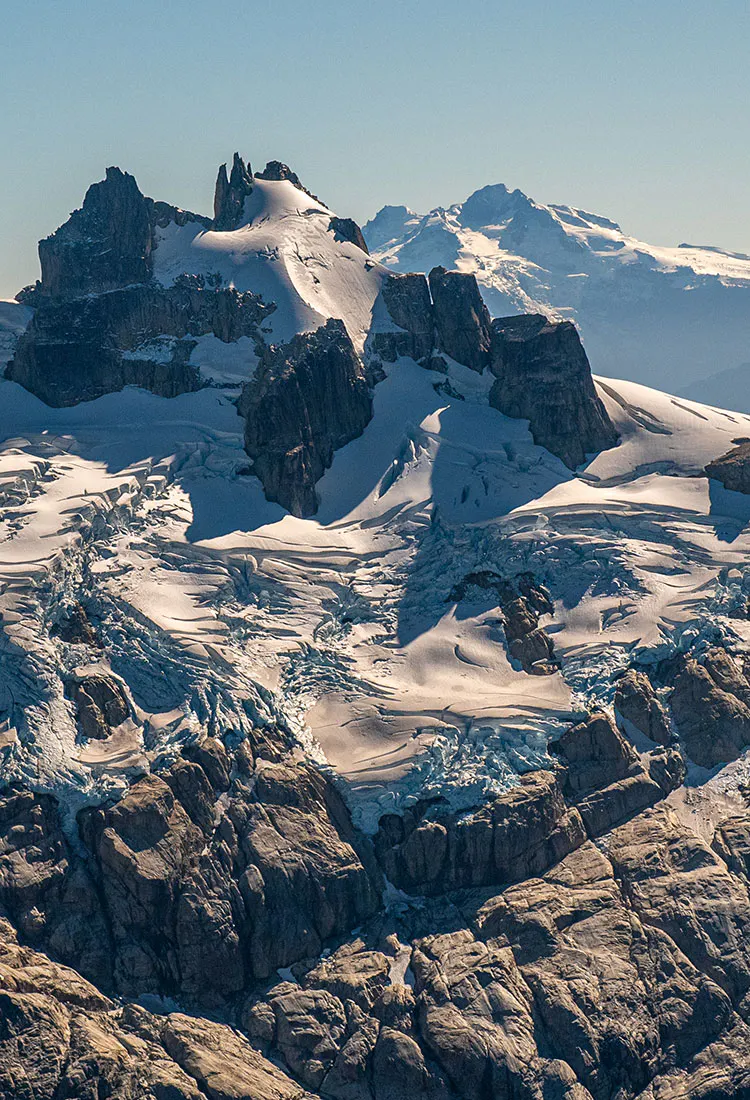
“We will hike beneath 3,000-foot granite walls and massive domes, tracing crystal-clear rivers and turquoise lakes. This region also shelters 11% of the world’s remaining Alerce forests—ancient giants that tower over 200 feet.”
– Andre Labarca, MT Sobek Lead Guide – Cochamo Valley Hiking
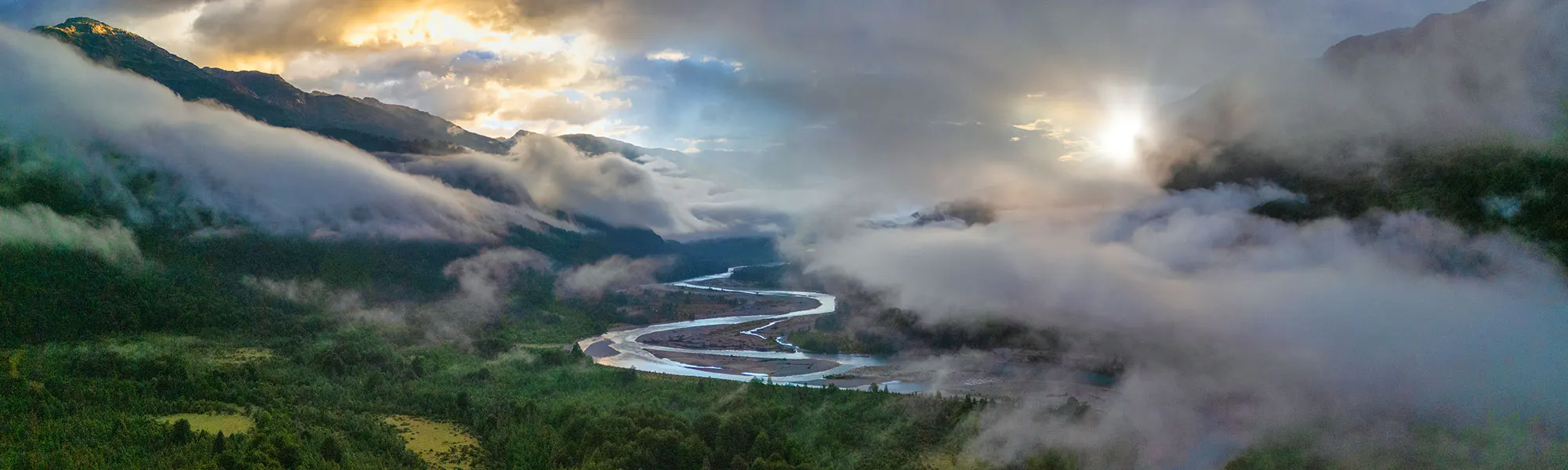
How a Local Movement Saved a Valley—and Then Bought It
This story does not begin with a foundation writing a check or a government agency drawing a line on a map. It begins with one man applying for water rights to a stream on his property—and discovering that seven hydroelectric dams had already been planned for the valley he called home. What followed was two decades of grassroots resistance, legal battles, political campaigning, and ultimately, an audacious $63 million land purchase by a coalition led by the same local community that had been fighting for the valley all along.
It is, in the most literal sense, a David and Goliath story. And David won.
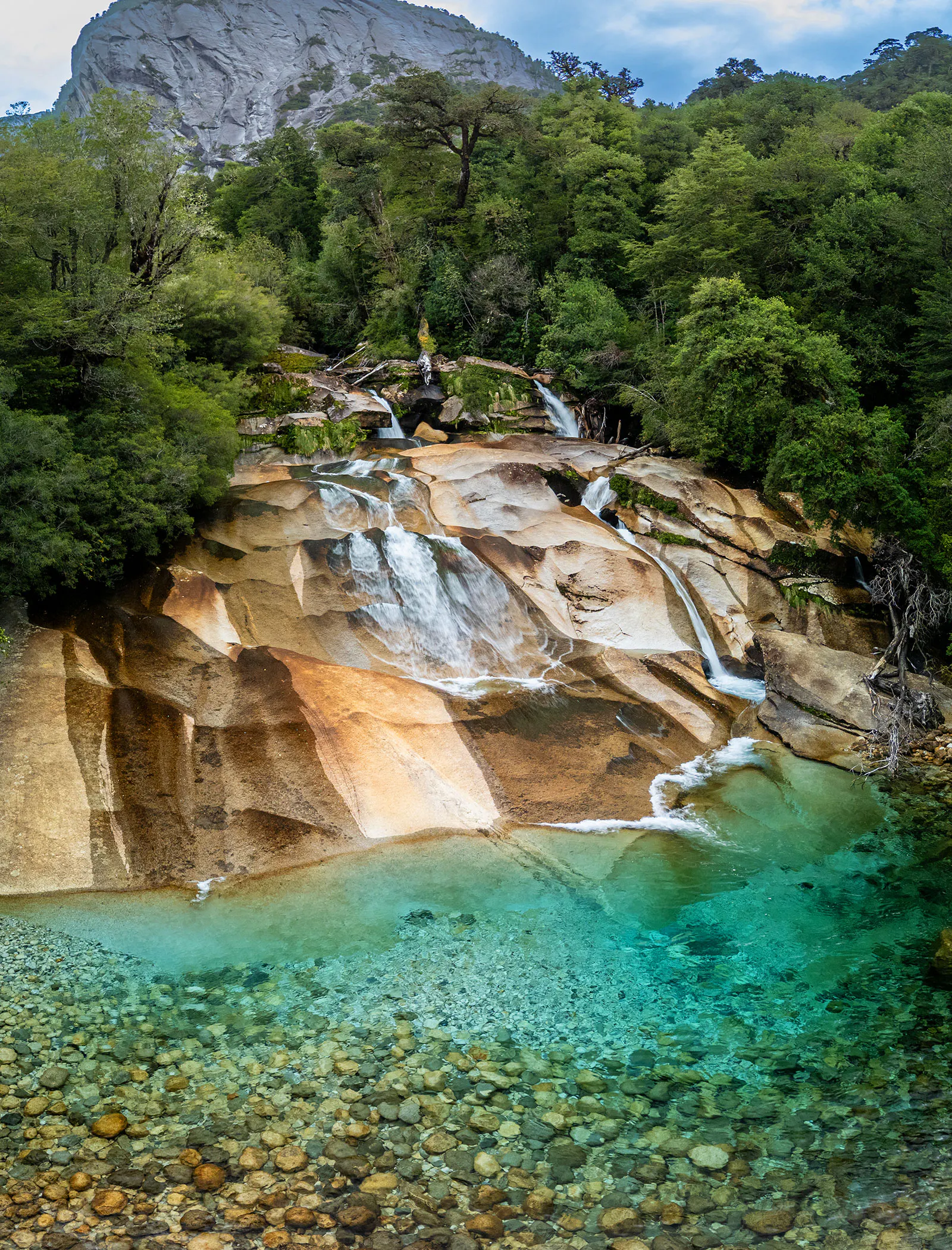
The Fight Begins: One Guide, One Stream, Seven Dams
In 2003, Rodrigo Condeza left the city of Puerto Montt and moved his family into Cochamo Valley. A trained mountain guide with a deep love for remote places, he had spent years leading treks and expeditions through Patagonia’s wildest corners. He bought ten acres deep in the valley and, as any landowner would, applied for water rights to the stream that crossed his property. The application was denied. The stream, he was told, had already been allocated—to a massive hydroelectric project.
What Rodrigo uncovered went far beyond one stream. A developer had quietly filed for water rights across the entire valley, with plans for a chain of seven hydroelectric plants, miles of high-voltage power lines, and industrial infrastructure that would permanently transform one of the last untouched wilderness corridors in northern Patagonia. The valley had no idea what was coming.
Rodrigo began organizing. He joined forces with Daniel Seeliger, an American climber who had been living in the valley since 2004 with his wife Silvina—and who had built the valley’s first campsite for climbers at La Junta. Together with neighbors, local tourism operators, and landowners, they founded a grassroots NGO, Cochamo Conservation, the first of what would eventually become four conservation organizations working in the valley. Over the following months, this small group of residents held roughly 50 meetings with politicians, regional tourism boards, and community organizations across Chile, ending every presentation with the same final slide: an image of Cochamo Valley dried out and stripped bare, with a fork in the trail and a sign reading, “Which path do we choose? Tourism or hydropower? Yosemite or Hetch Hetchy?”
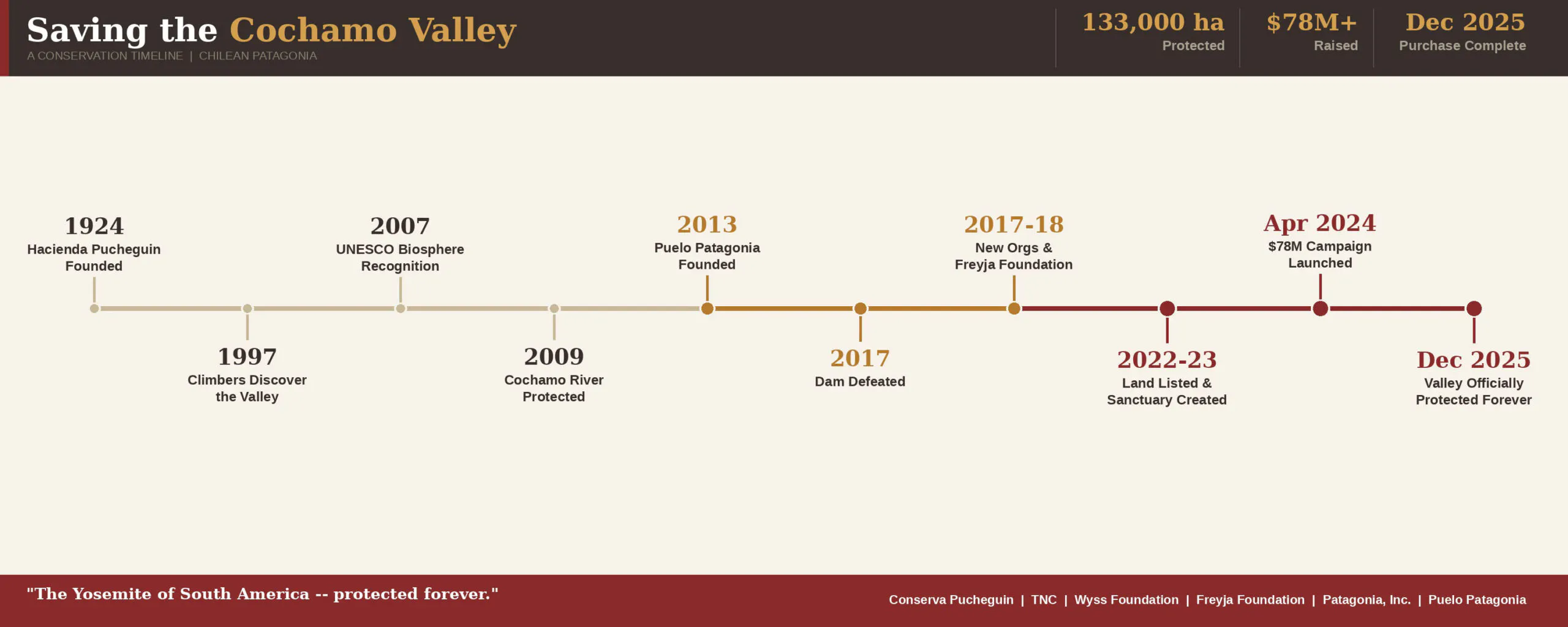
When the legal routes ran out, Rodrigo and his allies went further—purchasing six mining concessions at $1,200 each to physically block potential dam sites. In 2009, their campaign succeeded: Chilean President Michelle Bachelet decreed the Cochamo River basin Chile’s first-ever Water Flow Reserve, protecting it from hydroelectric development. It was an unprecedented victory—and it transformed a small group of local activists into a recognized conservation movement.
A New Threat—and the Birth of Puelo Patagonia
The respite was short-lived. In 2013, a new hydroelectric threat emerged—this time on the neighboring Puelo River, the second major waterway in the commune. The project was backed by a wealthy landowner who also controlled Hacienda Pucheguin, the massive private estate bordering the valley. His ambitions extended well beyond energy: he envisioned hotels, roads, and large-scale development across a territory that locals had spent a decade protecting.
It was at this point that Rodrigo Condeza and Jose Claro—who had arrived in Cochamo County in the early 2000s seeking exactly the kind of isolation and wild connection the valley offered, and who had joined the conservation effort in 2014—formalized their shared mission into a new organization: Puelo Patagonia. Founded in 2013, Puelo Patagonia was built to do more than fight individual battles. Its mission was to protect the full natural and cultural heritage of the Cochamo commune—proactively and permanently.
They had a model to draw on. Beginning in 1991, Douglas Tompkins—founder of The North Face and co-founder of Esprit—had been quietly assembling what would become Parque Pumalin, acquiring hundreds of thousands of hectares of temperate rainforest to the south and west of the valley. Rincon Bonito, the historic fundo (agricultural land) and key wilderness base on the new MT Sobek itinerary in the Ventisquero Valley, was purchased by Tompkins in 1999. He made it a model sustainable farm—a “Predio Demostrativo”—before the land eventually passed to Jose Claro. The Tompkins legacy established both a precedent and a neighboring wilderness buffer that gave the Cochamo conservation movement its conceptual foundation. When Parque Pumalin was formally transferred to the Chilean state in 2018 as Parque Nacional Pumalin Douglas Tompkins, the case was made beyond any doubt: private conservation worked here.
Jose Claro, who serves as a board member of Puelo Patagonia and owns Rincon Bonito, a remote mountain lodge in the adjacent Ventisquero Valley, describes it plainly: “Being an activist is losing 99% of the time and winning 1% of the time. But the 1% matters more than anything.”
Together, Rodrigo and Jose led Puelo Patagonia through a years-long legal and public campaign against the Puelo River dam. In 2017, they won—a Supreme Court ruling halted the project. Frustrated and overextended, the landowner eventually put Hacienda Pucheguin on the market. He asked $150 million. But after years of negotiation—including a remarkable conversation between former adversaries—the two sides reached an agreement at $63 million.
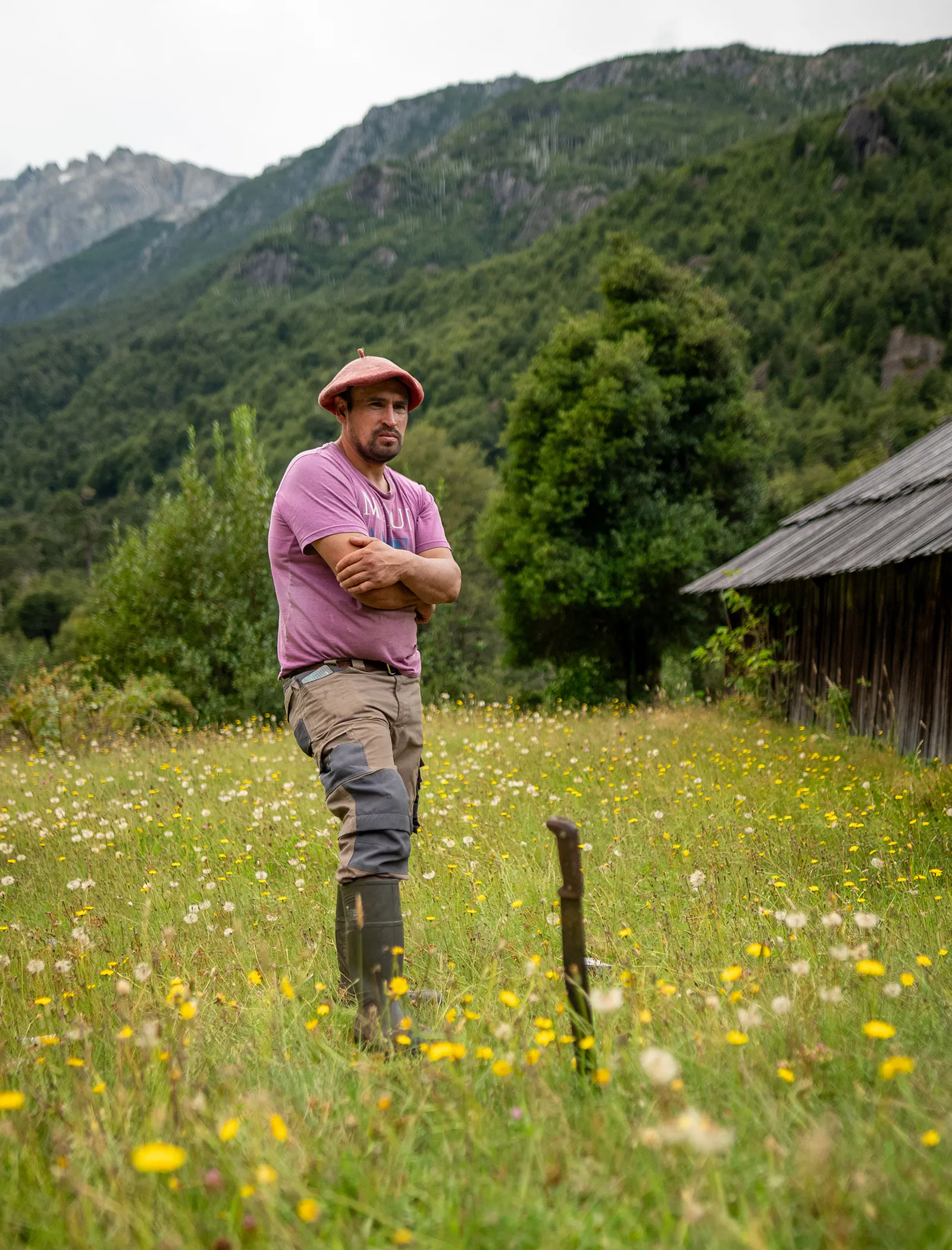
Victory: Purchase Complete
In December 2025, after years of fundraising and negotiation, the purchase was complete. The Conserva Pucheguin Foundation—a new, independent Chilean nonprofit charged with long-term stewardship—took ownership of 133,000 hectares of northern Patagonia wilderness. At least 80% of the territory is slated for strict protection as a future national park; up to 20% will be zoned for multiple use, including low impact tourism, while still remaining a protected conservation area.
It is, as Rodrigo Condeza has described it, a form of environmental alchemy: two decades of resistance transformed into permanent protection, a local fight scaled into a global coalition, a David-and-Goliath story with an ending that surprised everyone—including the people who made it happen.
“This is a historic milestone not only because of the size of the protected area, but also because of how it was achieved: with participation, transparency, and deep respect for the communities that live in Cochamo. That is the foundation on which the next phase will be built.”
– Andres Diez, Executive Director, Puelo Patagonia

The Grassroots Anchor
About Puelo Patagonia
Founded in 2013 by Rodrigo Condeza and colleagues including Jose Claro, Puelo Patagonia is a Chilean nonprofit dedicated to conserving the natural and cultural heritage of the Cochamo commune. Over more than a decade, the organization fought and won multiple battles against hydroelectric development, secured a Nature Sanctuary designation for 11,400 hectares of valley forest, achieved Chile’s second Water Flow Reserve for the Puelo River (only 1% of Chilean rivers hold this status), built a visitor management system through the Organizacion Valle Cochamo to protect the ecosystem from unregulated tourism, established permanent wildlife monitoring programs including huemul tracking, and built a rural volunteer network to sustain gaucho culture. When the moment came to purchase Pucheguin, Puelo Patagonia was the driving force—the organization that led the coalition, built the relationships, and made the deal happen.
The Alliance That Bought a Wilderness
Sixty-three million dollars is not a sum that local NGOs in a remote Chilean valley can raise on their own. Rodrigo and Jose knew that. But they also knew they had something powerful: over a decade of demonstrated results, deep community trust, and a conservation story compelling enough to attract partners who shared their vision. They started calling.
What followed was, in the words of Rodrigo himself, something no one quite believed they were capable of: “We had no business doing this,” he has said. “But we had nerve.” Puelo Patagonia led the campaign, introduced potential donors to the valley, and built the coalition that would eventually raise more than $78 million—exceeding the purchase price and funding long-term stewardship. One by one, major partners joined.
Donor Support
Along with the pivotal organizations listed here, there were two additional groups who contributed in immense ways:
Seattle-area Donors
A significant contribution from Seattle-area philanthropists played a pivotal role in pushing the campaign past the halfway mark when momentum mattered most.
Individual Donors
Hundreds of individual donors, Chilean and international, contributed to the more than $78 million ultimately raised. The campaign was designed from the outset to be broadly participatory, integrating local Chilean donors alongside international supporters. Puelo Patagonia has 200 active members who support the mission annually, including MT Sobek.
Organizational Partners
Puelo Patagonia
The founding anchor and driving force of the entire campaign. Rodrigo Condeza and Jose Claro led every phase: the legal fight, the negotiation with the landowner, the coalition-building, and the fundraising. As the organization with the deepest roots in the Cochamo community, Puelo Patagonia is the reason this conservation outcome was possible at all.
MT Sobek is an organizational member of Puelo Patagonia and supports their work through direct giving.
Wyss Foundation
The first major donor to commit, providing an anchor grant of $15 million that gave the campaign credibility and momentum. Critically, the Wyss Foundation also brought The Nature Conservancy (TNC) into the coalition, who had an established Chilean office and existing relationship with Wyss.
The Nature Conservancy (TNC)
Brought global fundraising expertise, institutional credibility, and proven capacity in large-scale conservation deals to the coalition. TNC’s involvement—both as a formal title co-holder and as a fundraising partner—was instrumental in attracting additional major donors and providing the infrastructure for the acquisition.
Freyja Foundation
An international conservation organization that began supporting conservation in Chile in 2018, had already acquired a critical 309-hectare property at the valley entrance—protecting the only trail access into Cochamo. Brady Robinson, Freyja’s director of philanthropy and a longtime climber with deep ties to the region, helped catalyze the broader campaign. Freyja joined as a formal title co-holder of the Conserva Pucheguin Foundation.
Patagonia, Inc. & Holdfast Collective
Provided both significant funding and prominent public support—a signal to the global conservation community that this campaign deserved worldwide attention. Patagonia, Inc. CEO Ryan Gellert called the acquisition a victory for nature, people, and wildlife, noting that Fundo Pucheguin would become part of a four-million-acre swath of conservation land across Chile and Argentina.
Why Puelo Patagonia Chose MT Sobek as Its First US Partner
When Puelo Patagonia began thinking about tourism—how to manage it, who should lead it, what it should look like—the list of requirements was exacting. The partner had to have deep, proven experience in Patagonia. They had to share the coalition’s values around sustainable development and community benefit. They had to be capable of designing a world-class adventure experience while respecting and amplifying, rather than overshadowing, the local culture and conservation story. And they had to be willing to build something genuinely new—a pilot program for the next generation of responsible travel to Cochamo.
MT Sobek met every criterion.
Over 50 Years of Pioneering Adventure
MT Sobek did not simply enter the adventure travel industry—they created it. In 1969, founders Leo Le Bon, Allen Steck, and Barry Bishop launched Mountain Travel with what was then a radical proposition: that ordinary people, with the right guides and the right preparation, could trek the most remote mountain wilderness on Earth. Their first trip was to Everest Base Camp.
Around the same time, Richard Bangs and his colleagues were making first descents of rivers across the globe, founding Sobek Expeditions in 1973. The two companies merged in 1991, creating MT Sobek: a company with more first descents, inaugural ascents, and off-the-beaten-path discoveries than any peer in the industry.
In Patagonia specifically, MT Sobek’s roots go back to the 1970s. In 1987, they were the first company to circumnavigate the Paine Massif—helping put Torres del Paine on the global adventure map.
For the past 25 years, MT Sobek’s Patagonia operations have been guided by the steady hand of Sergio Mauricio “TC” Bahamondez Montenegro. Born in Punta Arenas and raised in Tierra del Fuego, TC brings a lifelong connection to the region’s wild landscapes—one that deepened further during his years living in Puerto Natales, before he returned to Punta Arenas to be closer to family. He began leading trips for MT Sobek in 2001, and over the years has built and mentored a small, world-class team of MT Sobek guides.
Every guide who leads an MT Sobek Level 4-5 Patagonia hiking trip trains extensively under TC first, ensuring the same uncompromising standard of safety and quality trip after trip. These guides hold the highest level of certification, including Wilderness First Responder training, and are all graduates of the Chilean and Argentine Mountain Guides Association. Beyond their technical expertise, they’re experts in the region’s flora and fauna and can speak fluently to the geological forces that shaped Patagonia’s extraordinary landscapes. Just as importantly, they’re woven into the fabric of the place itself—trusted by local rangers and known throughout the community, a testament to the deep, genuine relationships that define MT Sobek’s presence in Patagonia.
So, when Rodrigo Condeza and Puelo Patagonia began searching for their first US commercial partner in sustainable tourism to Cochamo, TC and MT Sobek, with their legacy of expertise and decades of first-hand experience in Patagonia, were a perfect fit.
What This Partnership Means for Travelers
The Puelo Patagonia–MT Sobek partnership is not simply a commercial arrangement. It is a deliberate model for how adventure tourism can actively contribute to, rather than merely coexist alongside, a conservation mission. MT Sobek designed the itinerary in close collaboration with the organization, building a route that showcases the valley’s greatest natural and cultural assets while directing visitor spending to the local operators, guides, and families who protect it.
For US travelers, this means something rare: the chance to be among the very first American groups to experience a newly protected wilderness, knowing that their presence is not just permitted but genuinely needed—as economic support for the community, as ambassadors for the valley, and as proof that sustainable tourism works.
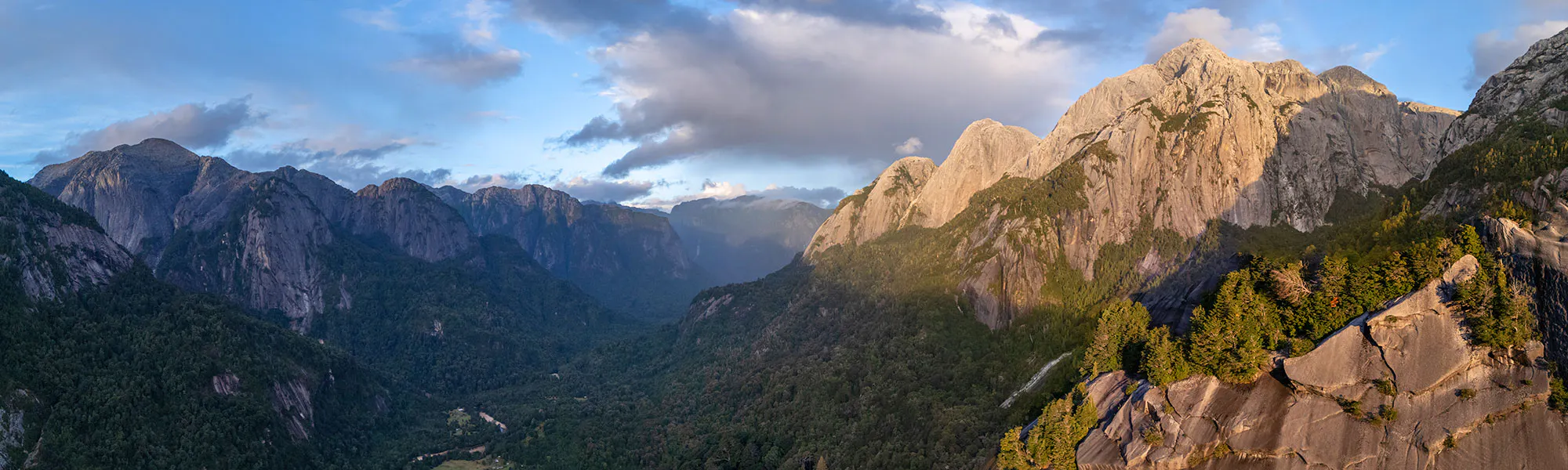
The Journey: 11 Days Into Chile’s Hidden Patagonia
The MT Sobek Chile Patagonia Cochamo Valley Hiking trip is an 11-day, 10-night expedition into two of northern Patagonia’s most spectacular—and least-visited—wilderness corridors. The itinerary was designed in collaboration with Puelo Patagonia to offer exclusive experiences available only to MT Sobek guests, from reserved use of the Rincon Bonito mountain lodge to a private camp and refugio (mountain refuge) at La Junta in the heart of Cochamo Valley.
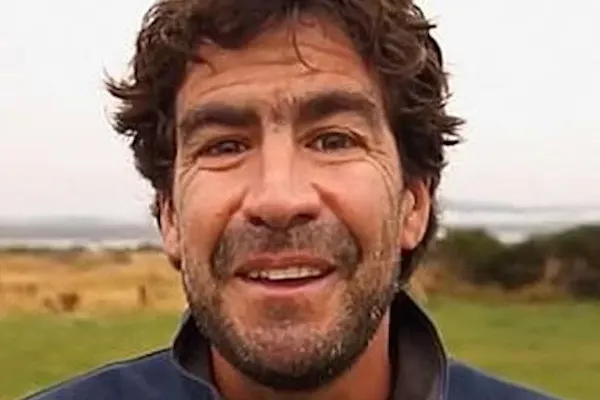
Andre Labarca
MT Sobek Lead Guide – Cochamo Valley Hiking
Andre is an accomplished mountaineer with more than 25 years of climbing and guiding experience in the Peruvian and Patagonian Andes. He grew up in central Chile, fell in love with Patagonia on his first visit, and made it his home for two decades. A veteran of more than ten major Patagonian expeditions—with numerous first ascents to his name, including the Paine Towers in Chile and Alpamayo in Peru—Andre brings both technical mastery and genuine wonder to every trip he leads.
“Having personally scouted our route earlier this year, I can assure you that this landscape is truly magical. For me, contributing to conservation is a vital, non-negotiable part of my profession and my spirit. I consider this maybe the most important work of my life.”
– Andre Labarca, MT Sobek Lead Guide – Cochamo Valley Hiking
Day-by-day Overview
Below is a condensed overview of the 11-day adventure. Full itinerary details are available on the MT Sobek trip page.
Day 1: Arrive in Puerto Montt & Transfer to Puerto Varas
Welcome dinner with guide and fellow travelers. Views of Osorno and Calbuco volcanoes across Lago Llanquihue. Stay: Radisson Hotel Puerto Varas.
Days 2–4: Valle Ventisquero: Into the Frontier
Three days hiking in and around the remote Ventisquero Valley—crossing Lago Tagua Tagua by boat, hiking gaucho trails past unnamed peaks, ascending above the tree line for panoramic Puelo Basin views, and exploring the ancient alerce groves of Valle del Toro. Nights at Rincon Bonito, a mountain lodge reserved exclusively for MT Sobek guests.
Day 5: Packrafting the Ventisquero & Puelo Rivers
A full day on the water: guest gets their own one- or two-person packraft for a 17+ mile descent of crystal-clear Class II–II+ rapids on two rivers, ending with a soak in a lakeside hot tub at Tawa Refugio del Puelo.
Days 6–9: Cochamo Valley: Private Base Camp
Four nights in Cochamo’s heart, based at MT Sobek’s private camp and exclusive-use refugio. Day hikes to the Cochamo Amphitheater (surrounded by 3,000-foot walls), the Trinidad Sur Pass (sweeping 360° panoramas), Toboggan Falls, and a gaucho cultural afternoon. Pack horses carry luggage on the historic trail in and out.
Days 10–11: Return & Celebration
Hike out of Cochamo Valley and return to Puerto Varas for a farewell dinner, then transfer to Puerto Montt for departure.
Every Step Supports a Community and a Conservation Mission
When you book the MT Sobek Cochamo Valley trip, you are not simply purchasing an adventure. You are joining a carefully designed local economy—one built by and for the families, guides, lodge owners, and baqueanos who have lived in and fought for this valley for decades. Roughly half of every MT Sobek trip in Cochamo is made up of services provided directly by local operators: from horse and luggage transfers on the historic trail, to the guides who lead you through the forest, to the meals and beds at lodges built and run by community members. When you spend a night at Rincon Bonito or Cochamo, the money stays in the valley.
That local economy is more layered than it might appear. Valley families still raise cattle, grow potatoes and wheat, produce honey and artisan cheese, and brew small-batch beer. One of the most remarkable seasonal industries is the Morchella (morel) mushroom—a prized edible fungus that grows naturally at the base of the valley’s cipres (cypress) trees each spring, harvested between September and November, dried, and sold to high-end restaurants in France, Germany, and Spain as a gourmet specialty. These are not quaint traditions kept alive for tourists. They are the real economy of a real community—one that sustainable tourism can support without displacing.
The People Behind the MT Sobek Journey
The businesses and individuals who make this trip possible are not vendors—they are the valley’s stewards. People who chose to build their lives here, who stayed when others left, and whose daily livelihoods are now directly connected to the health and protection of the wilderness around them.
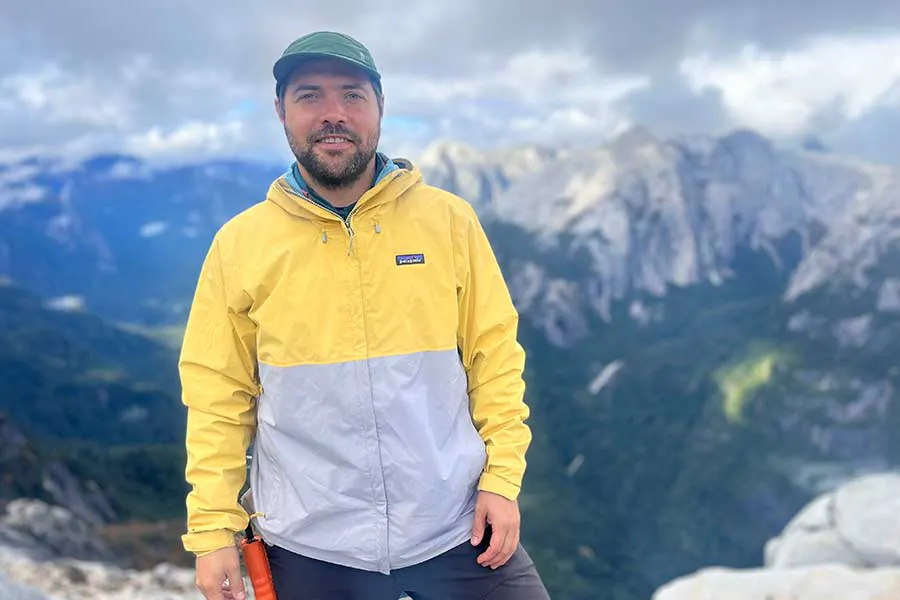
Jose Claro
Board Member, Puelo Patagonia · Owner, Rincon Bonito Lodge
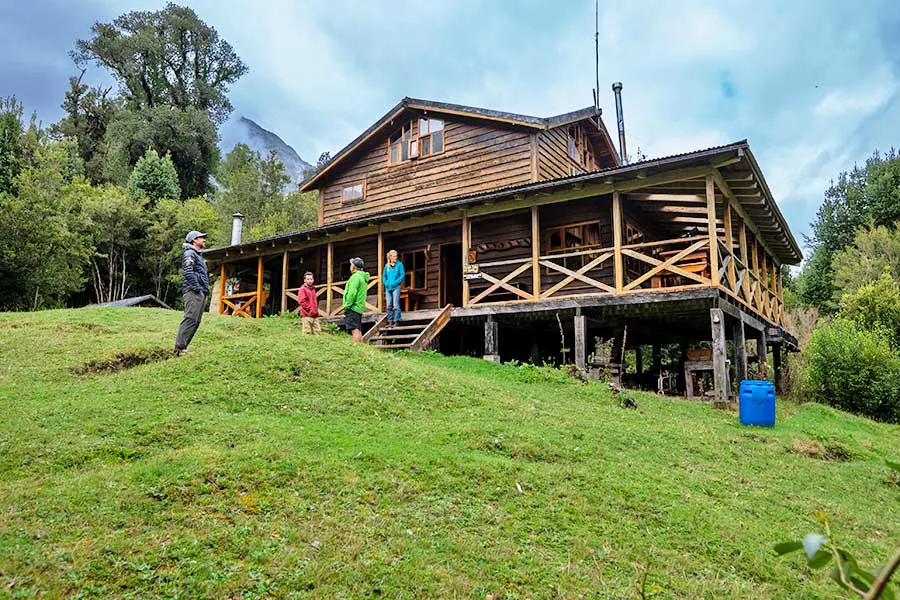
Jose Claro arrived in Cochamo County in the early 2000s looking, as he puts it, for an isolated place to reconnect with nature and find himself. He met Rodrigo Condeza in 2014 and joined the conservation movement that would change the valley’s future. Today he serves as a board member of Puelo Patagonia and owns Rincon Bonito—a remote mountain lodge in the Ventisquero Valley accessible only on foot, reserved entirely for MT Sobek guests. The lodge is not purely a commercial venture: it is a living expression of the same values Jose has spent two decades defending, offering travelers a deep, human-scaled experience of the wilderness while generating income that stays in the community.
Rodrigo Condeza
Board Member, Puelo Patagonia · Director, Conserva Pucheguin
Rodrigo Condeza is a Chilean wilderness guide and conservationist who has spent more than 20 years protecting the Cochamo Valley and Puelo watershed. He co-founded Conservacion Cochamo in 2009, helping secure southern Chile’s first water reserve, then co-founded Puelo Patagonia in 2013, where he continues to be involved as a member of the board. He serves as superintendent of Pucheguin and directs the ambitious Conserva Pucheguin campaign, working with local communities and international partners to protect one of Patagonia’s most spectacular wild landscapes and the communities that call it home.
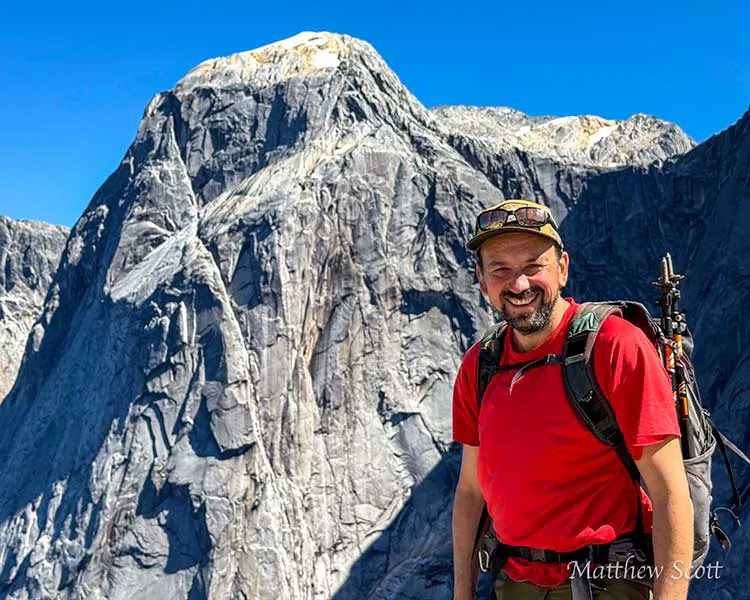
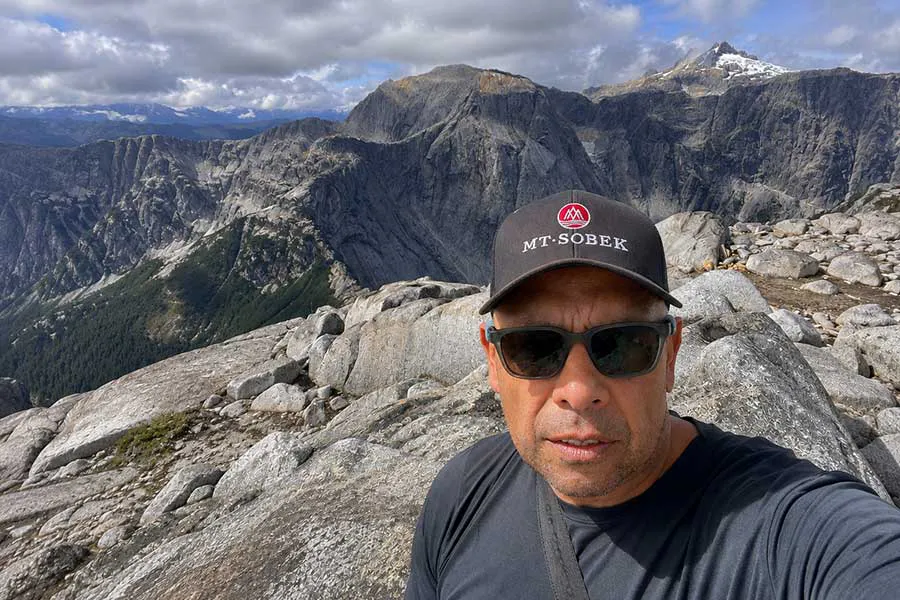
Sergio Mauricio “TC” Bahamondez Montenegro
Head of MT Sobek’s Patagonia Operations
Sergio Bahamondez, known as “TC” has worked with MT Sobek since 2001. He is at the heart of their Patagonia guide team and is a logistics expert in the region. Growing up in the wild beauty of Tierra del Fuego, he developed a love for the outdoors. He holds a degree in Patagonia Biodiversity from Magallanes University and has been a key player in developing a sustainable tourism model with Puelo Patagonia. TC trains MT Sobek guides to the highest standards of knowledge and safety and oversees operations for MT Sobek’s Cochamo Valley Hiking trip.
Daniel Seeliger & Silvina Verdun
Camping La Junta & Refugio Cochamo
Daniel Seeliger and Silvina Verdun met while climbing in Argentina and later settled in the Cochamo Valley, where granite walls were close at hand. Together, they founded Camping La Junta and Refugio Cochamo and spent roughly 20 years building the campground community and campaigning for conservation of the Cochamo Valley. The couple owns the refugio that MT Sobek guests will have exclusive access to while staying in the valley and the funds from these projects go directly into the community.
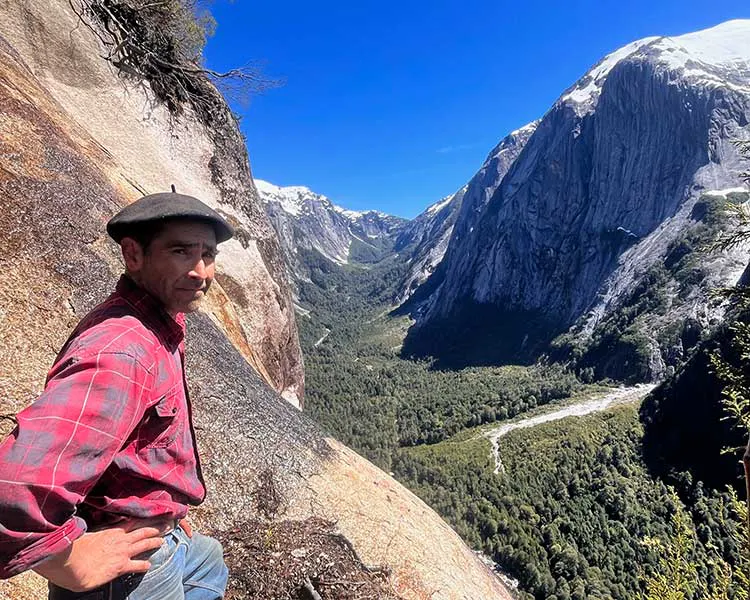
Fabian Sandoval, Fredy Alvarez & Segundo Pinto
Baqueanos
On both legs of the journey, pack horses carry guests’ luggage along mountain trails—a service provided by local baqueanos (horse whisperers, trackers, and land guardians) whose families have worked these valleys for generations. Their knowledge of the terrain, the weather patterns, and the behavior of the animals under their care is deep and irreplaceable. The trails you hike were carved by these same families: for decades, colossal cattle drives originating in the Ventisquero and Segundo Corral valleys would take a month or more, pushing hundreds of head to collection points at Laguna Patas or Estero Hueñu Hueñu, then onward by boat across Lago Llanquihue to Puerto Octay and Osorno. The baqueano tradition kept this remote economy alive. Revenue from MT Sobek trips provides meaningful income that helps make it financially viable for these families to remain on the land.
Diego Ojeda
Head of River Operations, Rincon Bonito
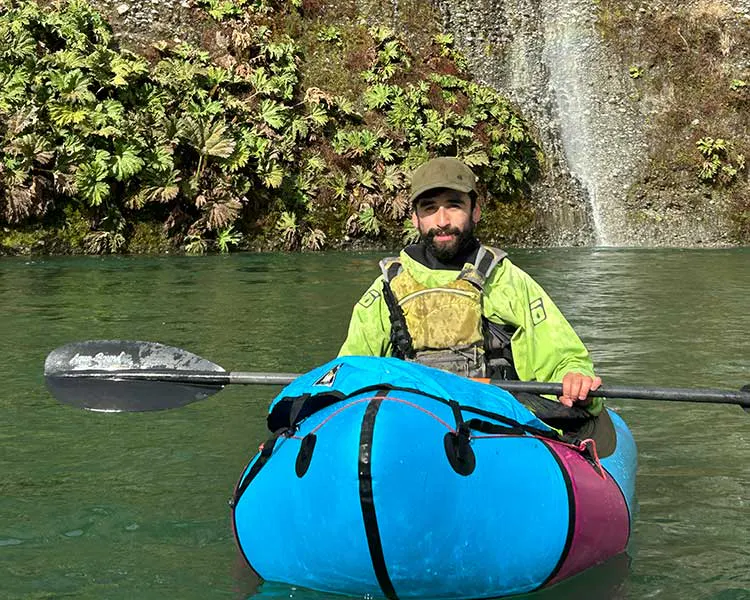
Diego Ojeda’s passion for the water and local bird life led him to become the Head of River Operations at Rincon Bonito. With local river expertise, he oversees the packrafting descent of the Ventisquero and Puelo rivers on Day 5 of the MT Sobek itinerary. Rafting is a sustainable activity that showcases the magnificent Puelo River basin, now protected, thanks to the actions of Puelo Patagonia. The 17+ mile journey down the two rivers is a genuinely unique experience that requires skilled local knowledge of water levels, currents, and conditions that change with the Patagonian seasons.
The Valley Is Waiting. The Moment Is Now.
There are very few places left on Earth where the term “hidden gem” is not a marketing cliche. Cochamo Valley is one of them. Its 3,000-foot granite walls have been admired by climbers for decades, its alerce forests have grown for millennia, and its local community has fought through courts and campaigns to keep it intact—but until now, no organized adventure travel for US visitors has existed.
The MT Sobek Chile Patagonia Cochamo Valley Hiking trip is not just an adventure. It is a chance to bear witness to one of the most remarkable grassroots conservation stories of our time—and to contribute, directly, to the community that made it possible. By booking, you join a local economy built on the idea that nature is worth more intact than developed. You become part of the story.
If you want to go further—to support the conservation mission beyond your trip spending—Puelo Patagonia has giving vehicles through the Marin Community Foundation, and The Nature Conservancy accepts designated gifts for Puelo Patagonia.
“We have a unique opportunity: the local community is looking to us for a vision of how to grow tourism sustainably. Connecting travelers with these awe-inspiring, wild spaces while actively supporting their preservation fulfills our souls.”
– Andre Labarca, MT Sobek Lead Guide – Cochamo Valley Hiking


