5 Things to Know About Moab Hiking
Expert Recommendations On How to Make the Most of Your Visit
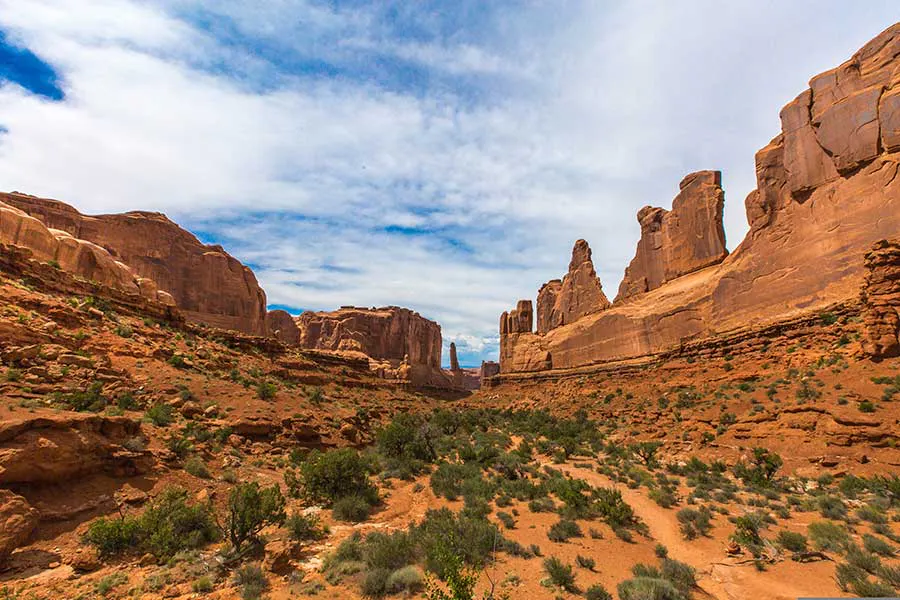
Moab is one of my favorite places in the United States! The town is a vibrant island of wonderful lodges and restaurants surrounded by a vast ocean of deserts, river canyons and mountains. With close proximity to Arches National Park, Canyonlands National Park, the Colorado River, alpine mountain ranges and open canyon country, Moab is an adventure paradise. It’s called the “Adventure Capital of the American west” for a reason. Moab provides easy access to world-class hiking, mountain biking, rafting, rock climbing and canyoneering—many options within 30 minutes of town.
One of the most meaningful ways to experience Moab is by hiking. I have personally spent the equivalent of many months hiking in and around Moab, and there’s always more to see. There’s always another canyon to explore, another peak to climb, another hidden corner of Canyonlands to investigate.
I first visited Moab in the 1990s, and there are some things I wish I’d known back then that would have helped me make the most of my very first visit. That’s what this article is for—to help you make the most of your visit to Moab, especially if you’re there to hike and explore, like I was over 20 years ago. After that first visit, I began guiding hiking and outdoor adventure trips across the Southwest for nearly a decade and a half. I joined the MT Sobek team several years later, and am proud to work with an organization that has been pioneering hiking, rafting and multi-adventure tours in Utah and beyond since 1969.
I invite you to read on to learn five critical things to know about Moab hiking.
1. Best Hikes Around Moab
The first thing that would have helped me make the most of my first trip to Moab was to know which hikes are truly worth doing—because the options are endless. The list of places to hike around Moab includes Arches, Canyonlands, Fisher Towers, Castle Valley, the La Sal Mountains, Dead Horse State Park, Castleton Tower, Mill Canyon Dinosaur Track Site and plenty more.
So which hikes are worth doing? Here’s my list of the top 5 hikes around Moab.
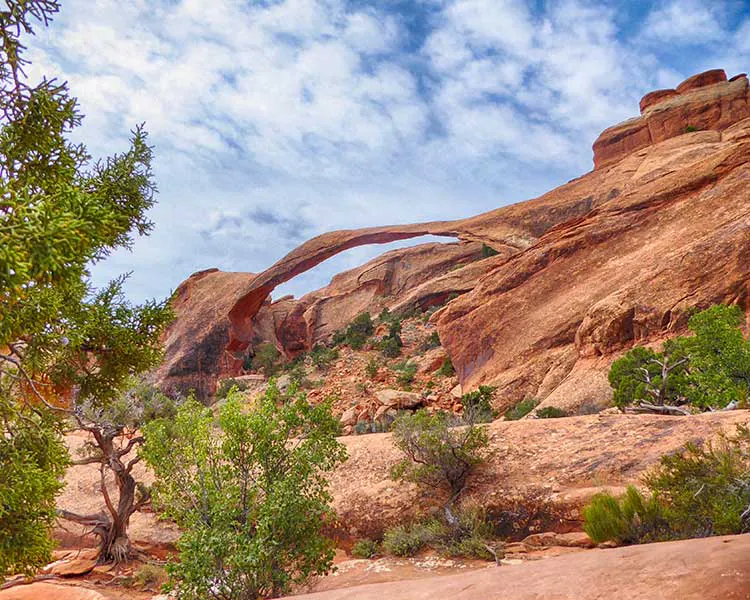
Devils Garden Primitive Loop in Arches
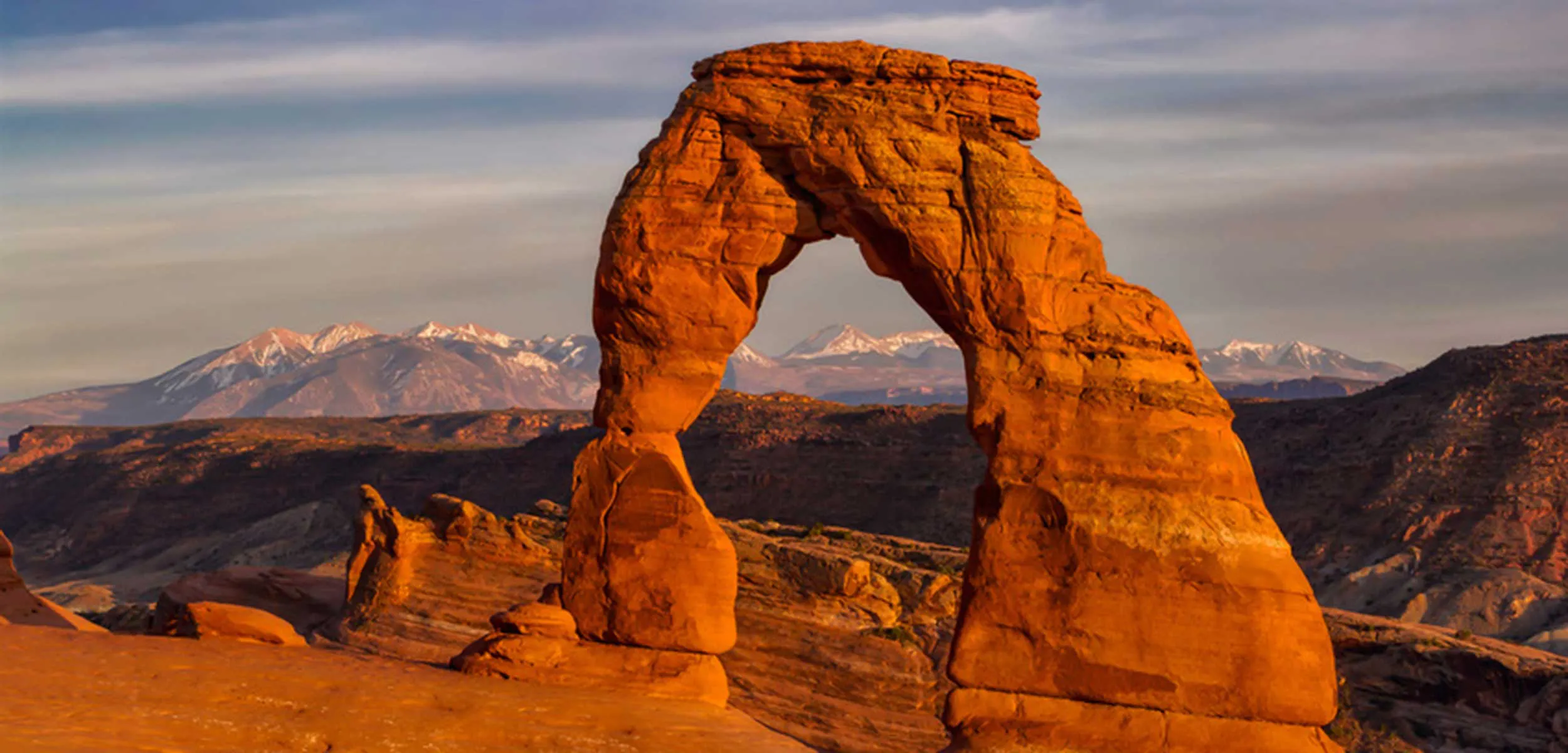
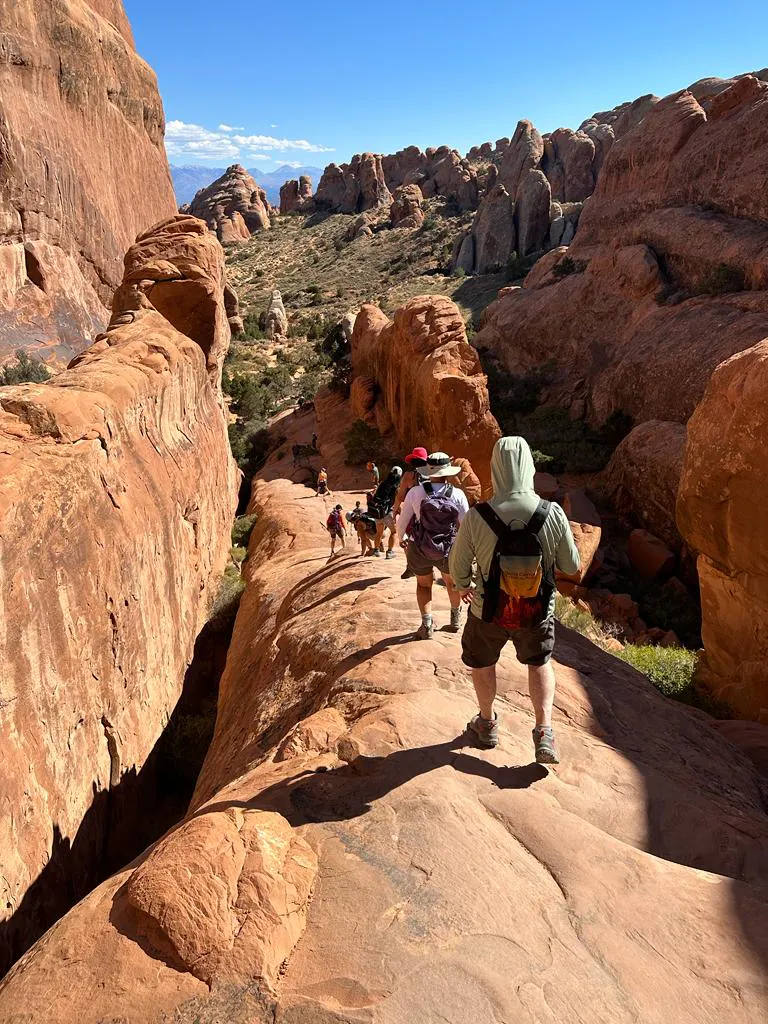
Although busy (even crowded in some areas), Arches National Park is a stunning place and a must-visit destination at the edge of Moab. Most hikes in Arches are relatively short. To make the most of your time here, it’s worth doing the Devils Garden Primitive Loop, which is approximately 8 miles. This fantastic trail takes you past eight arches (including the longest in the world), and through rugged, gorgeous canyon country, slickrock sections and views of the snow-capped La Sal Mountains.
Begin at Devils Garden Campground and hike to Landscape Arch. At the arch, take the Primitive Loop Trail, which will circle you around back to Landscape Arch. Then hike out the way you initially came.
Expert Tips:
- Start early (6 am or earlier) to avoid crowds and get a parking space.
- Load the hike on map software such as GAIA or AllTrails, as navigation can be tricky at times, especially on the Primitive Loop.
- Take the side hikes to see all eight arches.
Fisher Towers
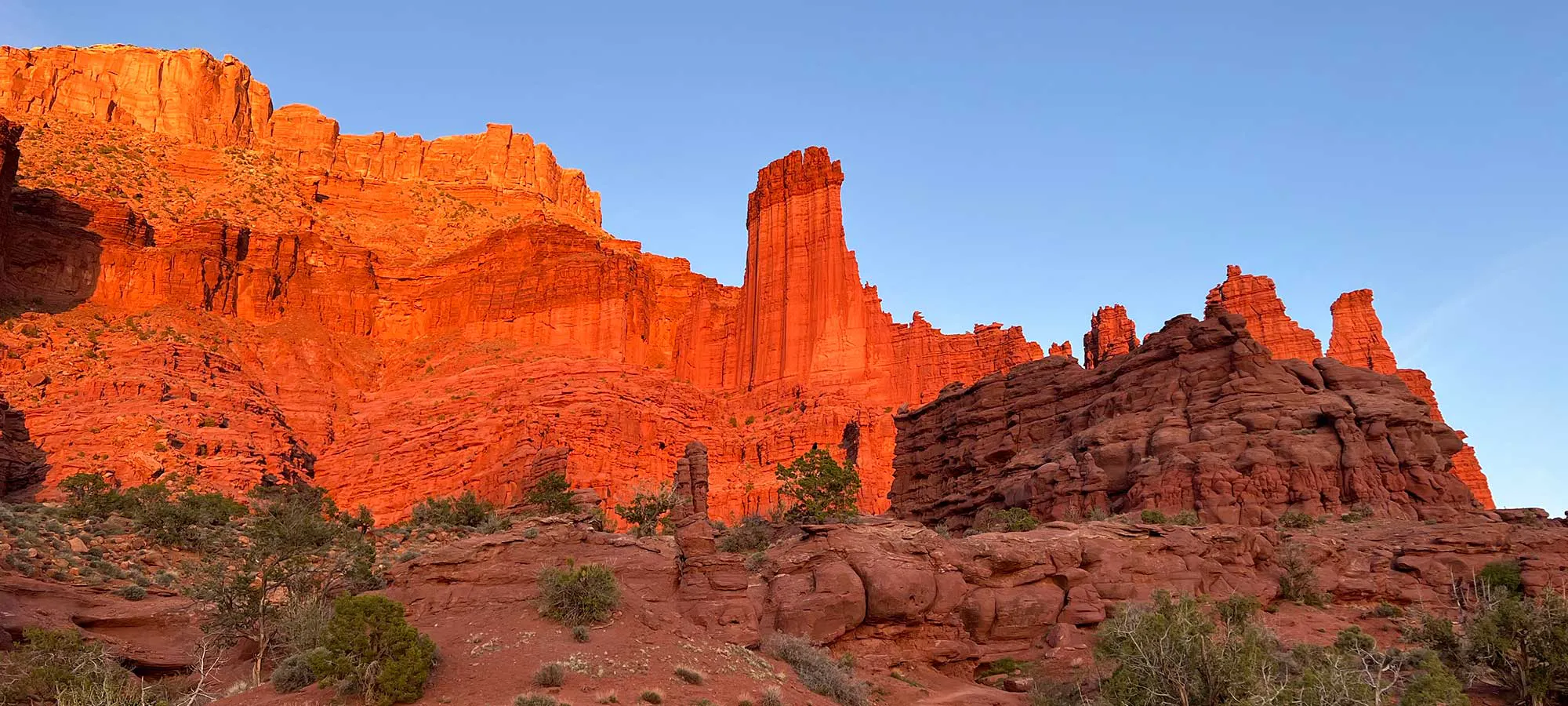
I don’t go to Moab without hiking to Fisher Towers. The trail takes you beneath some of the Moab region’s most impressive sandstone formations, snaking through a landscape of towering sandstone ramparts, knife-blade ridges, and weathered cliffs along the Colorado River corridor east of Moab. The trail climbs and descends over classic canyon country features—pinyon and juniper forests, slickrock benches and rocky ledges. You will see amazing natural features like the Titan—one of the tallest freestanding sandstone towers in North America—and the Echo Tower, a sheer, ribbed wall of sandstone and mudstone. At points during the hike, you will also see the curves and vegetation of the Colorado River in the distance.
Begin at the Fisher Towers Trailhead and follow the well-marked trail. Continue to the trail’s end beneath The Titan. Return the same way for a 4.5-mile round-trip hike.
Expert Tips:
- From May through September, start early. There isn’t much shade on this trail.
- From October through April, you can start later to enjoy the sunshine.
- Bring two-plus liters of water per person, sun protection and snacks.

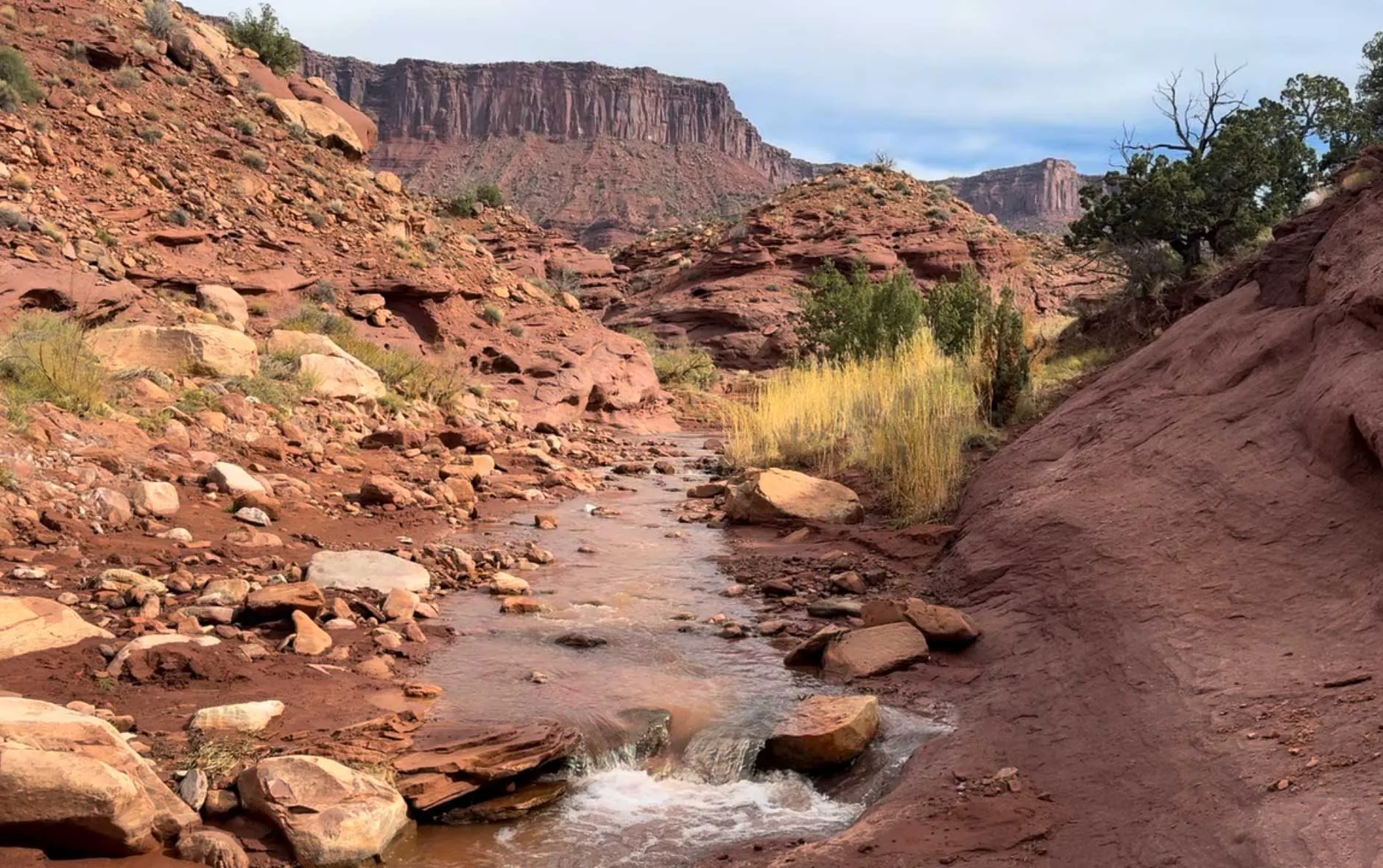
Professor Creek in Castle Valley
One of the most refreshing and surprising hikes near Moab, the Professor Creek hike follows a year-round desert stream into the narrow sandstone walls of Mary Jane Canyon. It ends at a beautiful, hidden waterfall. You will cross the shallow creek dozens of times and hike beneath lush cottonwoods. If you want to walk the line between a riparian habitat and the vast, dry desert, this hike is a perfect choice.
Begin at the Professor Creek Trailhead in Castle Valley. Follow the trail and the creek for approximately four miles to the waterfall. Return the same way for an eight mile hike.
Expert Tips:
- From May through September, start early.
- From October through April, start later to soak up the sunshine.
- Beware of rain in the forecast, which could lead to flash floods.
- As snow melts or after recent rains, this trail can get very muddy.
Lathrop Canyon Trail in Canyonlands
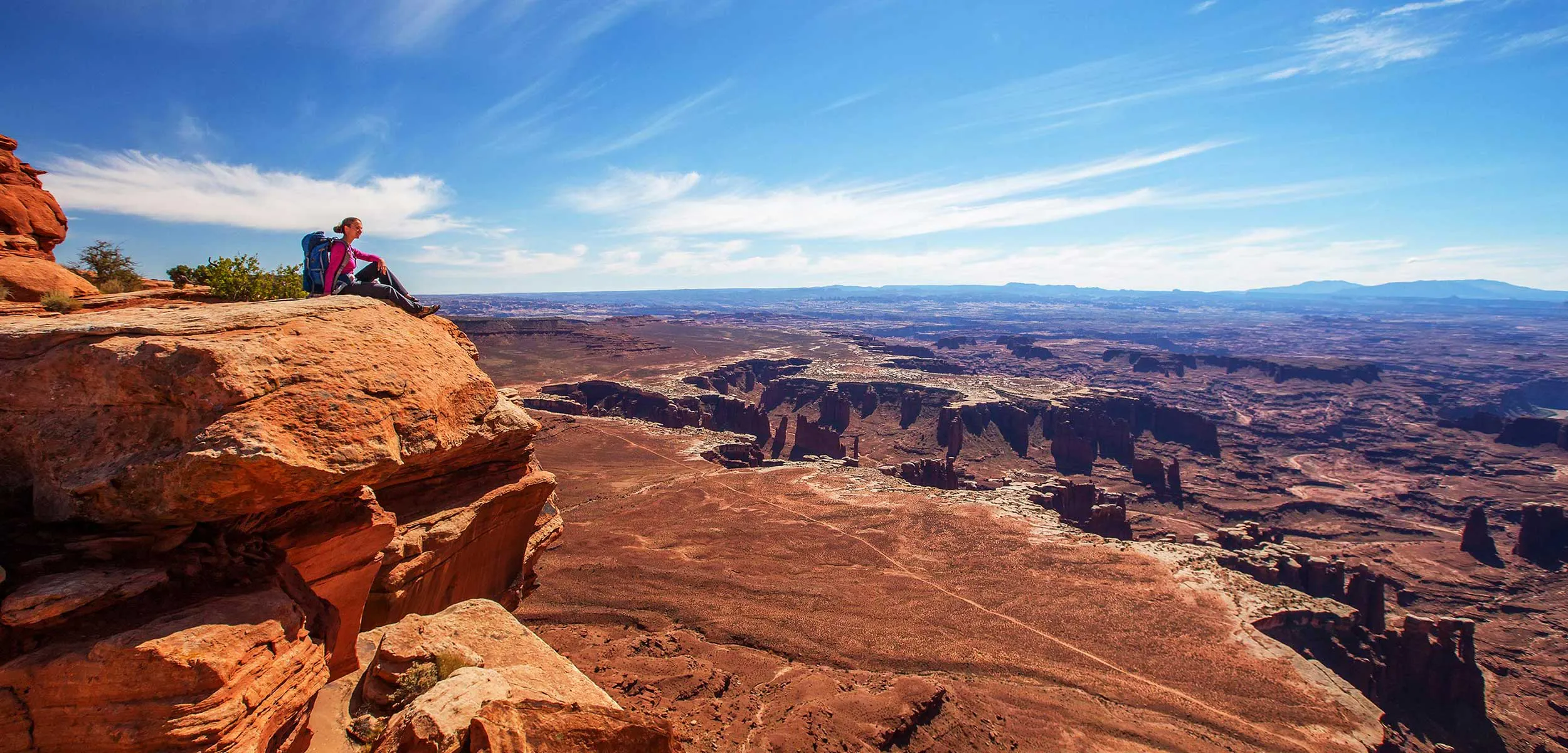
You wouldn’t be doing Moab justice if you didn’t visit Canyonlands National Park. My final two recommendations are here. The first one is Lathrop Canyon Trail, which offers some of the most dramatic viewpoints in Canyonlands. The trail takes you across open desert grasslands and slickrock slabs to the edge of Island in the Sky mesa. As the trail continues along the rim, incredible views begin to unfold. You are gazing out across the Colorado River Canyon to the maze of sandstone cliffs, buttes, and spires of the White Rim.
Start at the Lathrop Trailhead and follow the trail toward the edge of Island in the Sky mesa. After a gradual climb, the route reaches the canyon rim. Continue on or turn around here and retrace your steps to the trailhead for a 5-8 miles round-trip hike.
Expert Tips:
- Do not hike this trail from May through August.
- In April and September, start early as there is no shade on this trail.
- Pack 2-3 liters of water per person, along with snacks.
- Some people appreciate trekking poles on this trail.
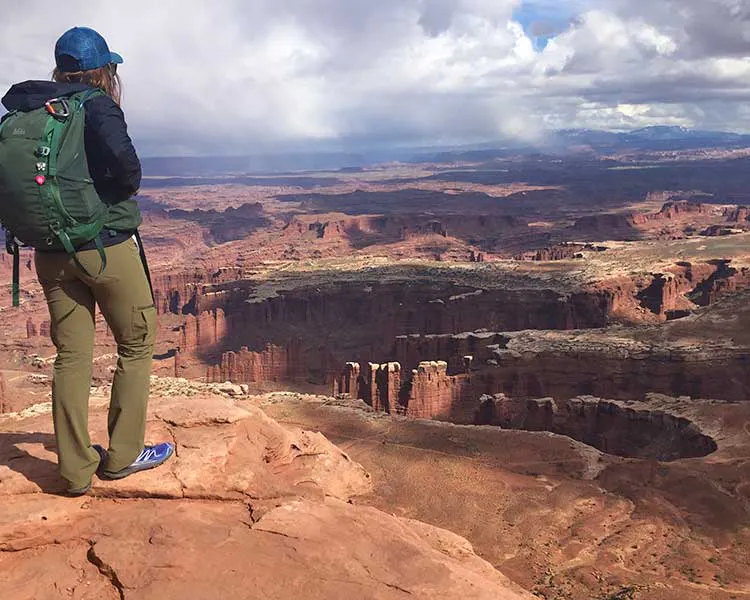
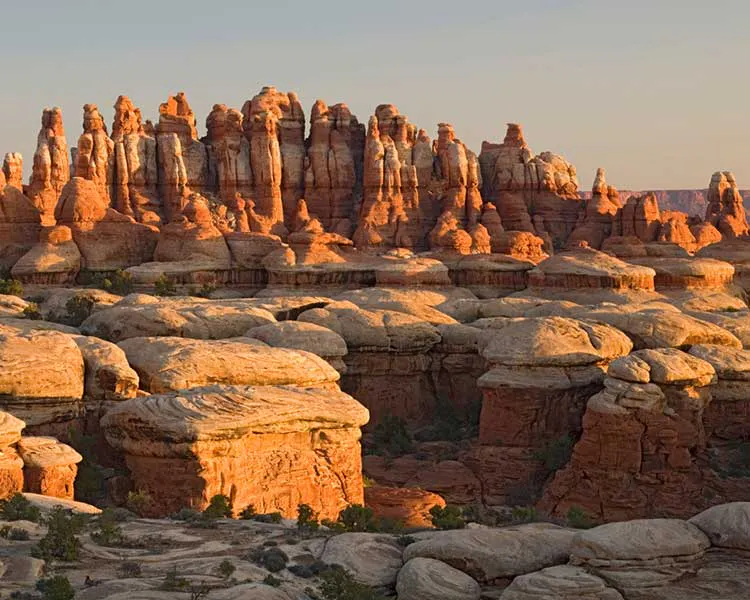
Squaw Flat and Big Spring Canyon Loop
The second of my recommended hikes in Canyonlands, this spectacular loop journey explores the remote Needles District. You will climb from Squaw Flat Campground onto vast slickrock terrain before winding among the brilliant sandstone spires (“needles”) that give the region its name. Panoramic views reveal a complex maze of rocky terrain: sandstone ridges, Druid Arch, giant pinnacles, and rugged canyons. This place is mesmerizing! This is also a loop hike, which means no backtracking and all new scenery for the entire route.
Begin at the Squaw Flat Campground and you will quickly hit a fork after about 200 feet—take the left option. After 15-20 minutes, you will hit another fork and turn right this time to stay on the Squaw Canyon route. You will climb up and over a tall ridge to enter Big Spring Canyon. This part of the trail is not often well-marked. Look for cairns and follow your map or GPS navigation. Loop around back to your starting point for a seven mile hike.
Expert Tips:
- Load this hike into your GAIA or Alltrails app, or have a map. You can also find a fantastic description of this hike here.
- Start early if hiking from May through September.
- Pack a minimum of three liters of water per person and snacks, and plan on a 4-5 hour adventure.
2. The Best Time to Hike Moab
Like much of Utah, Moab hiking is best in the spring or fall. March, April and May are amazing months for great hiking, with moderate temperatures and steadily longer days. However, be aware it can get quite hot by late May. September, October and November are equally as good as the spring, with similar weather. Winter often has moderate temperatures, with quiet trails and wonderful solitude, although snowstorms are possible as well as muddy trails. I recommend avoiding desert hikes in the summer, as June, July and August are often very hot (in the high 90°Fs or higher), the desert trails have little shade, and they often have no water.
Read on for a more detailed breakdown of the seasonal weather in Moab.
Spring in Moab
Spring is a fantastic time to hike Moab—in fact, I believe it’s the best time. If the region has had a relatively we winter, you will begin to see desert wildflowers blooming in April. The creeks are flowing strong from mountain snowmelt, and winter’s chill is loosening its grip more and more as each day passes.
- March: March can still be on the chillier side by desert standards. With an average high of 64° and a low of 35°, it is great hiking weather. The area can still get snowstorms, which will melt quickly but create muddy trails.
- April: April is THE best month for hiking Moab. Average high is 73°, low is 42°. Winter storms are unlikely, and wildflowers are blooming.
- May: May continues to be a great time to be in Moab, early May especially. Average high in May is 83°, with an average low of 50°. Wildflowers are peaking in May, however by late May hot summer temperatures are setting in.
Summer in Moab
Summer is not a great time for hiking in Moab, unless you want to focus solely on the mountain hikes like those in the La Sal Mountain Range. The desert hikes are hot, largely unshaded and mostly without water. By July and August, monsoons have often set in, which lowers temperatures but increases humidity and brings the possibility of flash flooding. The short answer is head to the mountains and avoid the deserts from June through August.
- June: June is when the summer heat really sets in. The average high is 95°, low 59°. This is not a good time for hiking in the desert, but the mountains are exploding with wildflowers, setting the stage for excellent hiking. Colorado River rafting is also a great activity in June.
- July: July continues to be very hot, and then the monsoons typically begin, bringing often severe, localized thunderstorms to the region. Average high is 100°, low is 66°. Flash flooding is a risk this time of year.
- August: August is really an extension of July with heat and monsoons. The average high is 97°, the average low is 64°. Check the weather, and if rain is in the forecast, avoid canyon hiking.
Fall in Moab
Fall is another absolutely fantastic time to hike in and around Moab. The high summer temperatures are tapering off by mid September, and by mid October the crisp air of autumn has fully arrived. The mountains may get dusted with the first snow of the winter season, and the smell of chimney smoke flavors the air.
- September: Early September is an extension of summer in Moab. High temperatures and the possibility of thunderstorms persists well into the month. The average high is 89°, the average low is 54°. However by late September, the temperatures are usually dropping and the summer crowds have fully dissipated.
- October: October is the second best month for hiking in Moab (next to April). With comfortable temperatures, often dry trails and gorgeous weather, it is nearly perfect. The average high is 75°, and the average low is 41°. While still busy, Moab is becoming noticeably quieter by late October, with still fantastic hiking temperatures.
- November: November continues to be a great time of year in Moab. The average high is 58°, the average low is 30°. The mountains may have snow by now, but the desert is still flourishing. Take advantage of nearly perfect hiking weather and cozy nights sitting in front of the fireplace.
Winter in Moab
Winter is the unsung hero of Moab hiking. This is one of my favorite times of year to be here—not because conditions are perfect, but because I have them all to myself. In many ways, Moab is unrecognizable in January compared to May. The town is quiet, the trails are empty and there are no lines to enter Arches and Canyonlands. Snow is a possibility, temperatures can be chilly, and trails can be muddy. However, for me those are prices I’m willing to pay for desert solitude.
- December: December is a lovely time in Moab. Christmas lights and decorations adorn town, and the desert is quiet and empty. The average high is 46°, the average low 22°. This is a wonderful time to explore further into the desert and tackle longer hikes, but beware of the shorter days.
- January: January is the quietest month in Moab, Arches and Canyonlands. If solitude is what you want, this is the time to find it! The average high is 44°, the average low is 21°.
- February: Early February is really an extension of January, but by late February spring is beginning to arrive. This can be a great shoulder time to enjoy the winter solitude but with a little bit of winter’s bite starting to wear off. The average high is 53°, the average low is 27°.
Learn More: Utah Adventure Planning Guide
Note: all of the above temperatures are published by the National Oceanic and Atmospheric Administration.
3. Where to Stay When Hiking Moab
Moab is an amazing town and area when it comes to lodging and camping options, including everything from budget motels to vacation rentals, 4-star and 5-star resorts, private campgrounds, public campgrounds and primitive camping areas. Whether you’re making your decision based on budget, level of comfort, proximity to adventure or all three factors, Moab has plenty to choose from.
DIY Camping
Least Expensive | Most Immersive | Spring & Fall Seasons
Many Moab visitors choose to camp, and there are many different ways to camp in the area. The most luxurious camping can be found in resort campgrounds like Under Canvas Moab. Another option is a private campground, but with fewer amenities, such as Up The Creek Campground near downtown Moab. The Bureau of Land Management (BLM) offers established campgrounds not far from town—two good ones are Grandstaff Campground and Horsethief Campground. BLM campgrounds are available on a first-come, first-serve basis and are generally not reservable in advance. Arches National Park has a campground—Devils Garden Campground—which is well worth staying in if you’re able to secure reservations in advance. Those are reserved at rec.gov and are extremely competitive.
Moab Hotels, B&Bs and Short Term Rentals
Affordable | In Town | Less Competitive
Moab has a wide assortment of motels, hotels and resorts that put you right in the action for enjoying town and exploring the incredible hikes surrounding Moab. Some of my favorite accommodations are the Desert Hills Bed and Breakfast if you’d like a boutique, personalized experience; The Gonzo Inn for a very nice, eclectic hotel; and Wolfe’s Hotel Moab for a more conventional, but very nice and lodge with pool, saunas and a great location.
Out-of-Town Properties
Most Expensive | Stunning Scenery | More Driving
Beyond Moab there are some amazing lodges that allow you to stay more connected with the landscapes around Moab in between your hikes. One of my favorites all-time hotels—not just in Moab, but anywhere—is the Red Cliffs Lodge. Approximately 20 minutes outside of Moab in the stunning Castle Valley, this incredible lodge is located where Castle Creek and the Colorado River converge. It is in one of the most dramatic locations for a modern hotel I’ve ever seen. The rooms are lovely, they have a fantastic restaurant, and there’s great hiking minutes from the property. Another fantastic -out-of-town option is Moab Springs Ranch. Much closer to town, they offer bungalows or townhouses with kitchenettes, a swimming pool, and easy access to Moab.
All-inclusive Tours with Signature Lodging
Greatest Overall Value | Convenient | Carefully Selected Lodging
If you want to spend your time hiking rather than sorting out details and logistics, inn-based hiking tours offer one of the most convenient and most rewarding ways to experience the world-class hiking around Moab. Companies like MT Sobek handle the cumbersome tasks of route planning, local transportation, acquiring necessary permits, planning meals and selecting and reserving accommodations. The removal of this burden allows guests to focus solely on enjoyment and discovery. All-inclusive adventure tours like this are especially valuable in Moab, where lodging reservations often requires nine to twelve-plus months of advance planning.
One of the greatest benefits of joining an MT Sobek Utah hiking tour is the meticulously selected inns that put you right in the action. Depending on the itinerary, guests may stay in boutique lodges, historic inns, comfortable hotels, or premium resorts chosen specially for their location, service, and authentic reflection of the destination.
4. Permits Required to Hike Around Moab
Permits are not required to day hike anywhere near Moab, including Arches National Park and Canyonlands National Park. Permits are required for backcountry camping (i.e. backpacking or multi-day rafting) in the national parks.
While permits are not required, entrance reservations may be required for Arches. The policy has been changing back and forth, so they may or may not be needed. Check in advance and make sure you’re good to go. You can check the current policy by going to Arches Plan Your Visit Webpage.
5. What to Pack for Your Moab Hiking Trip
Most likely, you will be day hiking around Moab, and not backpacking. If you’re embarking on a multi-day backpacking trip, there will be more required than what I’ve included in this list.
For day hiking in Moab, I recommend bringing:
- Sturdy hiking shoes or boots
- Water shoes or sandals—especially if hiking in creeks or on a multi-day trip
- Non-cotton hiking socks
- Sun protection—hat, sunscreen, sunglasses and sun hoody
- Rain gear—waterproof and breathable, jacket only in the summer months, jacket and pants in the spring, fall and winter
- Warmth layers—one light fleece or wool layer in the summer, more the rest of the year.
- Insulated jacket, warm hat and gloves—November through March
- Small first-aid kit
- Backpack—10-40 liters for day hiking
- Trekking poles—optional
- Water—in water bottles, hydration bladder or a combination. 3+ liters per person in the summer, 2+ liters in spring, fall and winter
- Sweet, salty snacks—2-3 times your normal calories intake
Why Explore Utah with MT Sobek
Hiking Utah with MT Sobek means discovering many of the Southwest’s most amazing landscapes with an organization that has been leading the way in adventure travel since 1969. From the dramatic stone bridges of Arches to the desert maze of Canyonlands and the soaring pinnacles of Fisher Towers, we design adventures that mix iconic features with off-the-beaten-path gems. With award-winning guides, small groups, and carefully structured itineraries, MT Sobek guests can focus entirely on the experience of hiking and exploration.
- Comfort and immersion: Rewarding hikes paired with premier lodging and delicious meals create a rewarding and relaxing experience.
- Always small groups: With an average group size of 8-10 guests, you can expect a flexible, personalized experience.
- Decades of expertise: A pioneer in adventure travel since 1969 with a long legacy of leading exceptional hiking and rafting journeys across Utah, the United States, and the world.
- Exceptional guides: Professional, well-trained leaders share insights into local ecology, geology, wildlife, and cultural history, and ensure a commitment to safety and enjoyment throughout the journey.
- Meticulously designed itineraries: We design our Utah tours with a balance of iconic trails and lesser-known highlights for a deeper experience.
- Seamless travel logistics: Permits, transportation, and accommodations are expertly arranged so you can focus on the adventure.
Enjoying our content? Add MT Sobek as a Google Preferred Source.
FAQs
it depends. If you want to get a taste of the area, two to three days is enough. If you want to go deeper, and really explore the area, a minimum of five to six days is required. MT Sobek’s Utah Arches and Canyonlands National Parks Hiking Tour, which is based in Moab, is six days and the majority of guests report that it feels like an appropriate duration.
The best times to hike Moab are spring and fall. The two very best months are April and October, with comfortable daytime highs in the 70°s, and lows in the 40°s—perfect temperatures for hiking and sleeping. Winter can also be a good choice if you prefer solitude and don’t mind highs in the 40°s and 50°s, potential snow and muddy trails.
Learn More: Month by Month Guide to Hiking North America with MT Sobek
Both are very popular options. Hiking on your own provides flexibility, and if you enjoy itinerary planning and details, this is a good choice. If you would rather someone else handle the logistics so you can focus entirely on enjoying the experience, a guided tour may be the better option. Guided Utah adventures provide additional benefits, including fascinating insights shared by your guide, careful planning to minimize waiting or driving, carefully selected lodging, delicious meals and the camaraderie of like-minded travelers.
Learn More: Ultimate Guide to Adventure in the United States
All hiking carries risk. The hiking around Moab can be dangerous if you lack the experience, knowledge or equipment to do it safely and responsibly. Hazards include heat (primarily in the summer months), lack of water, rugged terrain, heights exposure and rattlesnakes. If in doubt, it’s recommended to go with an experienced guide, who can help mitigate these risks.
Yes. Our 6-day Utah Arches and Canyonlands National Parks Hiking Tour is based in Moab and includes several of the amazing hikes mentioned here.
Absolutely. In fact, when people hike Utah’s “Mighty Five” national parks, they often stay in Moab for the Arches and Canyonlands portion of the trip.
Learn More: 5 Things to Know About Hiking Utah’s Might 5 National Parks
Yes, Arches National Park is just minutes from downtown Moab. Canyonlands National Park is also close by—a 35 minute drive to Needles District, 40 minutes to Island in the Sky, and nearly three hours to the Maze.
For most of the year, two liters per person is recommended. If you are hiking in the summer months, or embarking on a longer hike (more than four hours), three-plus liters is appropriate.
You can hike on Bureau of Land Management lands with your dog. Hiking with dogs is not allowed in national parks, including Arches and Canyonlands.
No, reservations are generally not required for Moab hiking unless you are embarking on a multi-day backpacking trip in one of the national parks.
Learn More About Adventure Travel in Utah


