10 Must Do Adventures in Utah
A Guide to our Favorite Adventures in Utah
The great state of Utah is one of the very special places in the American West where outdoor adventure can still feel truly wild. It’s a landscape characterized by towering sandstone cathedrals, dungeon-like slot canyons, airy alpine summits, and deafening rivers—all connected by seeming oceans of open space. For adventurous travelers looking for meaningful, immersive experiences—WAY beyond simply sightseeing—the range of adventures in Utah is extraordinary. Whether you’re drawn to multi-day trekking, technical canyoneering, or expertly guided hiking journeys, this incredible state offers some of the finest adventures in North America.
In his iconic book about the American Southwest, Desert Solitaire, author and conservationist Edward Abbey said this about how to experience adventure in the desert: “A man on foot, on horseback or on a bicycle will see more, feel more, enjoy more in one mile than the motorized tourists can in a hundred miles.”
“A man on foot, on horseback or on a bicycle will see more, feel more, enjoy more in one mile than the motorized tourists can in a hundred miles.”
– Edward Abbey, Desert Solitaire
This list of our 10 favorite Utah adventures is about getting out of your motorized vehicle and setting off on foot or on raft into the unknown. It’s about discovery, exploration and inspiration.
We have compiled our top recommended adventures in Utah—the result of more than 50 years of guiding rafting, hiking and multi-sport journeys on the Colorado Plateau. For MT Sobek-style travelers—those who value wildness, authentic experiences, expert guiding, seamless logistics, and a deeper connection to both each other and the landscape—these ten trips represent the very best of Utah, along with practical, field-tested guidance about how to do them right.
1. Hiking the Narrows in Zion National Park
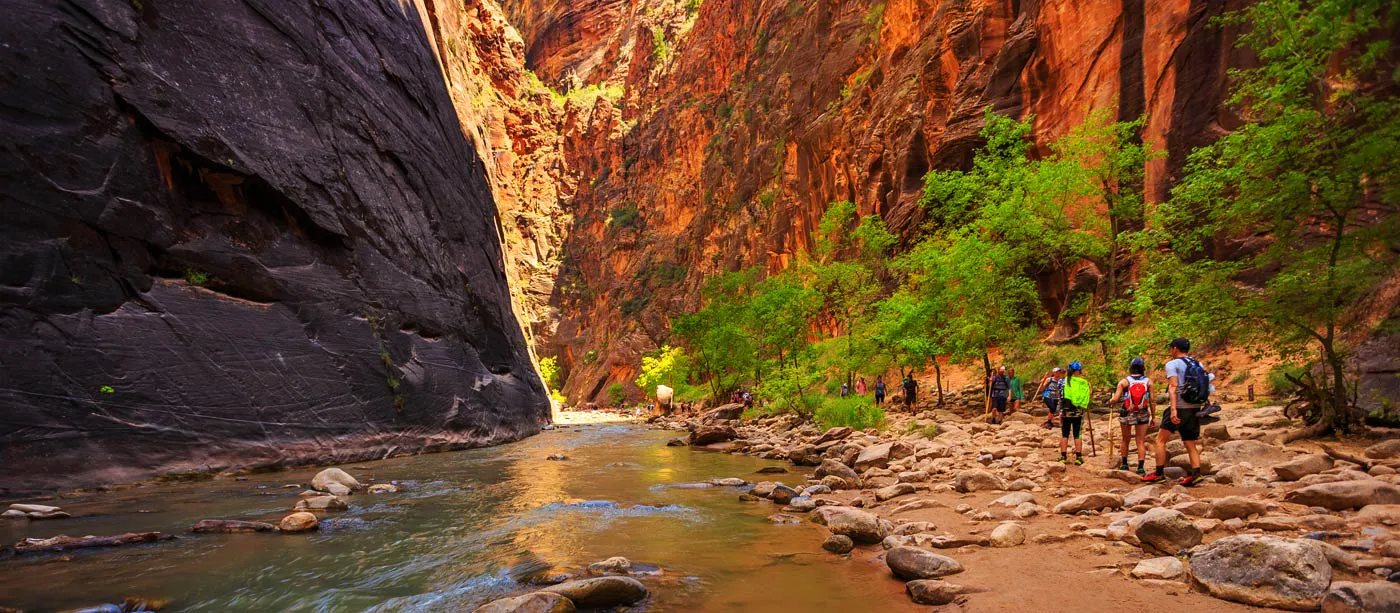
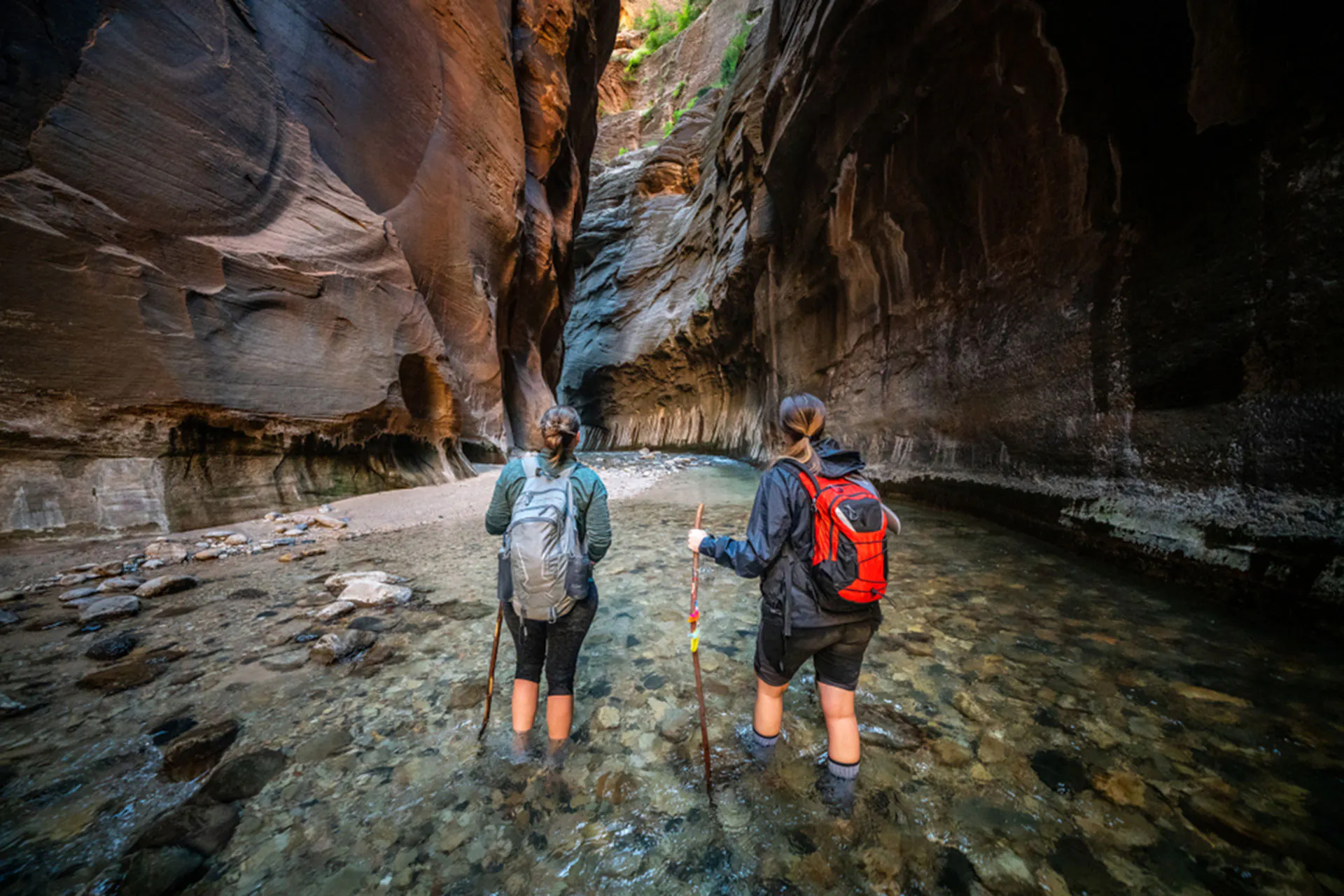
Few hikes in the world are as immersive as the famous Narrows in Zion. Instead of following a trail, you hike directly in the spring-fed waters of the Virgin River, wading through cool currents as sheer canyon walls rise thousands of feet overhead. The experience is equal parts exciting and mesmerizing. Like a spinning kaleidoscope, each bend in the canyon reveals new arrays of light, shadow, and stone.
For guided Utah adventure tours, this is where expert leadership matters most. Water levels, flash flood risk, and route decisions can change daily. With the right guide, you not only increase safety but also gain fascinating insights into the canyon’s geology and ecology.
Adventure Details:
- Key hazard: Flash floods—never enter if storms are possible upstream.
- Bottom-up day hike (most popular): Start at Temple of Sinawava via the park shuttle. Walk the Riverside Walk, then enter the river and go as far upstream as you like (many people turn around at Wall Street, about three to five miles in).
- Top-down thru hike (permit required): A full 16-mile adventure from Chamberlain Ranch, it’s usually done as a very long day or overnight. This is a non-technical, challenging canyon hike. Permit is required.
- Gear essentials: You’ll need neoprene socks, water shoes (or old shoes you don’t mind getting wet), a walking stick or trekking poles (rent in Springdale), and a dry bag for gear.
- Best time: Late spring through fall is typically ideal, but always check flow rates. Avoid more than 150 CFS (cubic feet per second).
- Permits: Not required for bottom-up. Required for Top-down, and available at https://www.recreation.gov/permits/4675339.
- Learn More: Guide to Hiking the Narrows in Zion
“Why go guided? Real-time decision making on water levels and conditions is important, and guides dramatically improve safety and the overall experience.” — MT Sobek Expert Tip

2. Hiking Coyote Gulch in Grand Staircase–Escalante National Monument
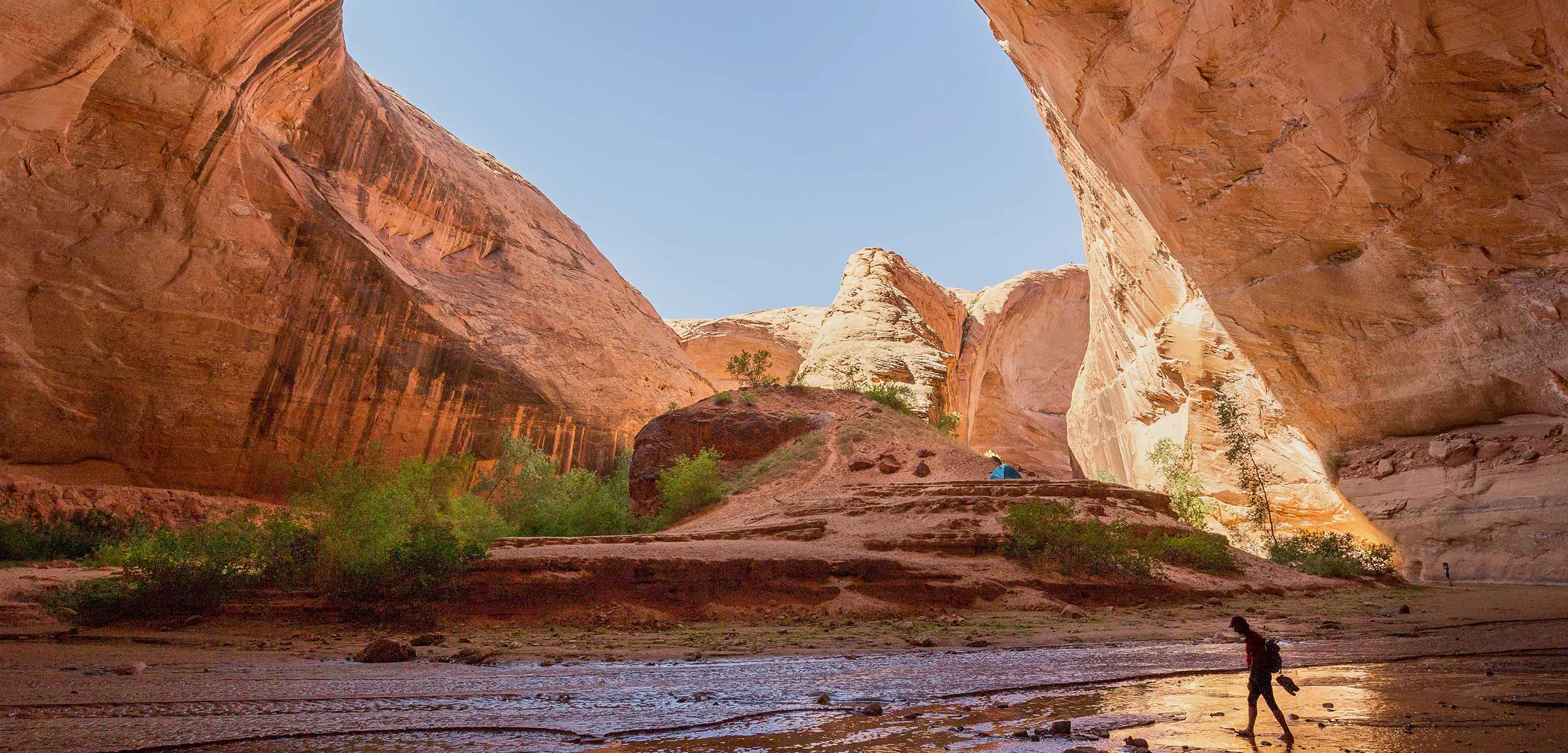
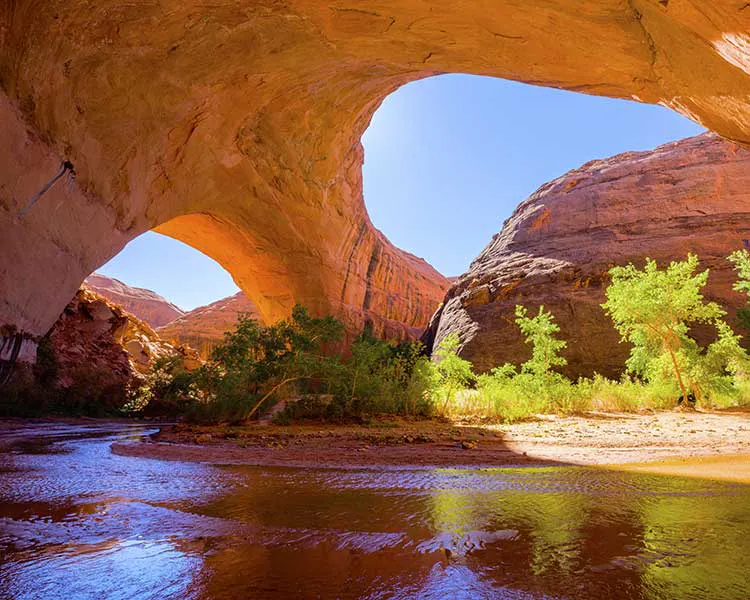
Coyote Gulch is desert hiking at its finest—a hidden corridor of flowing water, natural arches, and lush vegetation tucked deep within a vast sandstone labyrinth. Single-day and multi-day journeys here involve route-finding, sandy trails, and relaxing breaks or camps beneath massive rock formations.
This is one of the most iconic adventures in Utah for those seeking wilderness and immersion. Guided trips elevate the experience with logistical ease, gourmet backcountry meals, and access to lesser-known side hikes and exploration.
Adventure Details:
- Day Hiking (partially technical, rope rquired)
- Begin at the Water Tanks Trailhead.
- Follow the well-worn trail to the edge of Coyote Gulch.
- Descend the technical section using your rope as a hand-line. Hike downstream as far as you prefer.
- Return the same way.
- Distance: 9+ miles
- Hike time: 6-8 hours
- Permits: Not required
- Backpacking (2-3 days):
- Day 1: Enter via Hurricane Wash trailhead (long but gradual, ~8 miles to Coyote Gulch).
- Day 2: Day hike to explore downstream highlights—Jacob Hamblin Arch, Coyote Natural Bridge, Cliff Arch.
- Day 3: Exit via Crack-in-the-Wall (this is a shorter but more technical climb out with a sandy scramble).
- Distance: ~20–25 miles depending on route
- Water: Reliable (filter required)
- Navigation: Mostly straightforward once in canyon, but entry/exit routes require route-finding
- Permits: Free self-issue permit required
“The convenience of having logistics handled, increased safety, joy of learning about local natural and cultural history, specialized side hikes, and elevated backcountry comfort (meals, pacing, gear, support).” — MT Sobek Expert Tip
Tips:
- Start early due to exposed desert hiking to reach the canyon.
- If day hiking, bring a 60 meter rope and know how to set an anchor and use a hand-line.
- Bring sandals or water shoes for creek walking.
- Campsites are abundant on sandy benches.
- This area requires all solid human waste to be carried out, so pack wag bags and know how to use them.
3. Rafting the Colorado River through Westwater Canyon
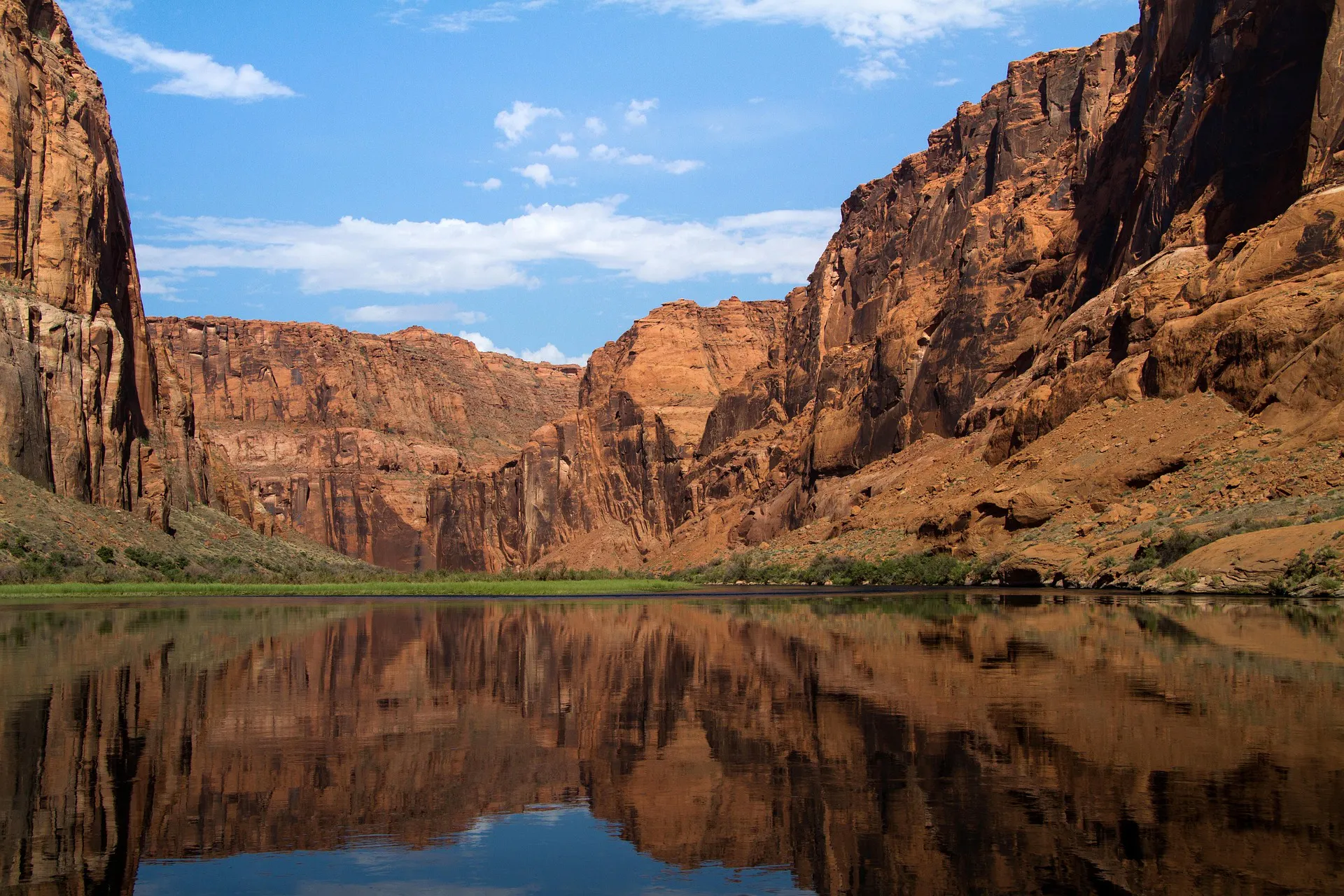
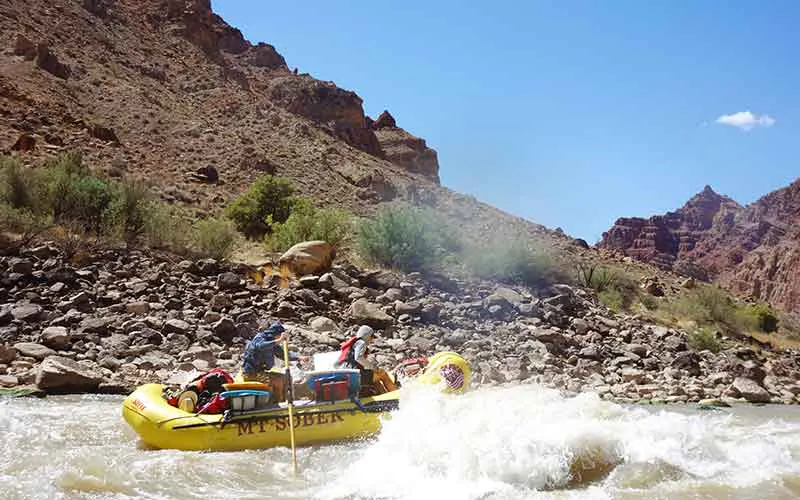
For those craving adrenaline, rafting the Colorado River through Westwater Canyon in eastern Utah delivers powerful Class III and IV rapids set within a dramatic canyon landscape. The contrast between calm stretches and explosive whitewater creates a dynamic, unforgettable journey.
Westwater Canyon is unique for many reasons, one of which is the black, Precambrian rock that forms its inner gorge and contrasts with the surrounding red sandstone. The inner gorge geological layers are more than two billion years old!
High-end Utah adventure tours often combine rafting with riverside camping, allowing you to experience the canyon’s shifting light and silence after the day’s excitement fades.
Adventure Details:
- Trip length: Full-day (most common) or overnight
- Rapids: Class III–IV, including the famous Skull Rapid
- Put-in: Westwater Ranger Station (permit required)
- Season: Spring = higher water/bigger rapids; late summer = lower, more technical boating
“Why does this stand out? This is a perfect blend of adrenaline and remote, scenic canyon immersion.” — MT Sobek Expert Tip
Options:
- Guided rafting (recommended): Ideal for most travelers
- Self-guided: Requires permits, rafting experience, equipment, and shuttle logistics
4. Hike Peek-a-Boo & Spooky Gulch Slot Canyon Loop
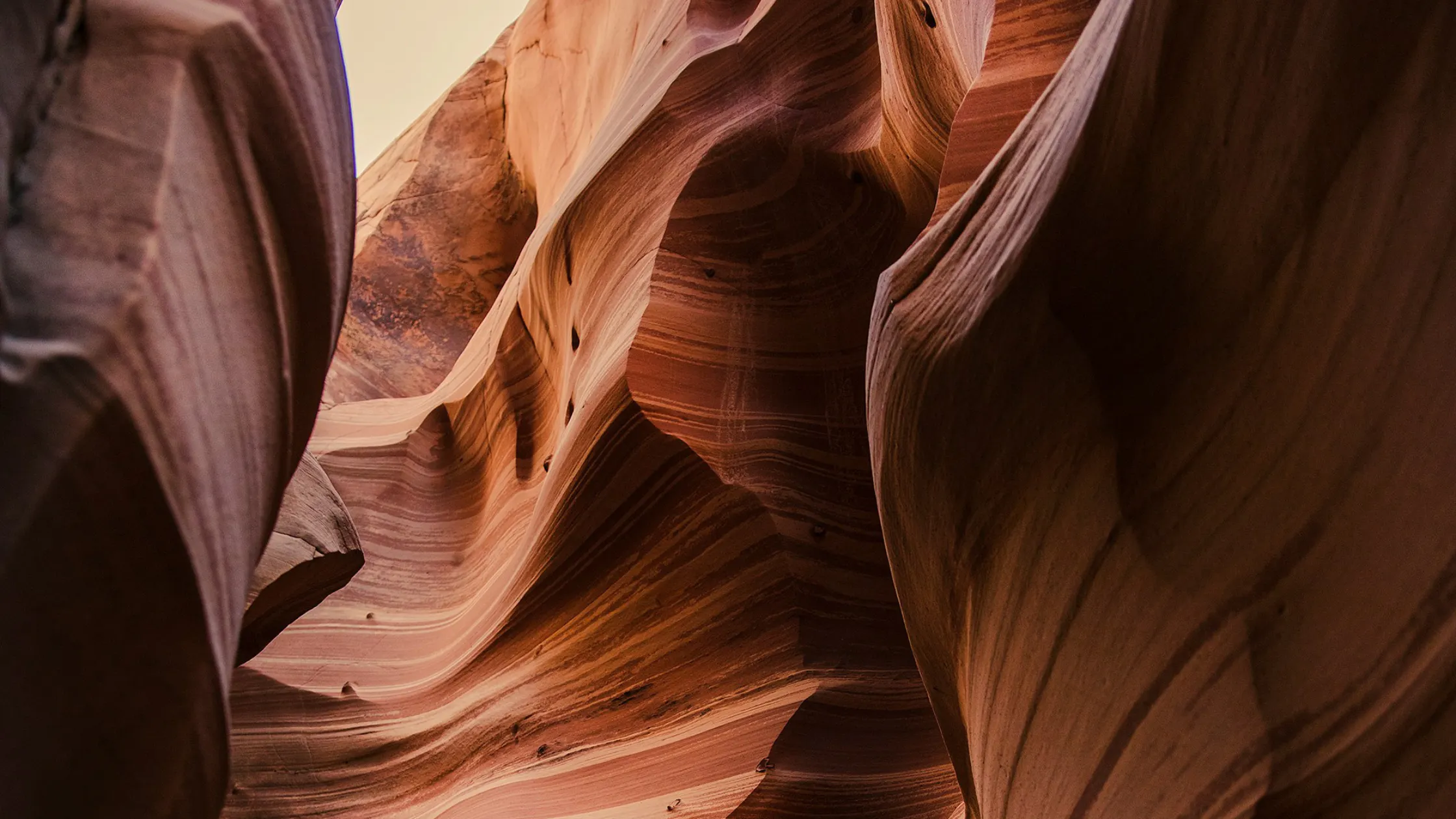
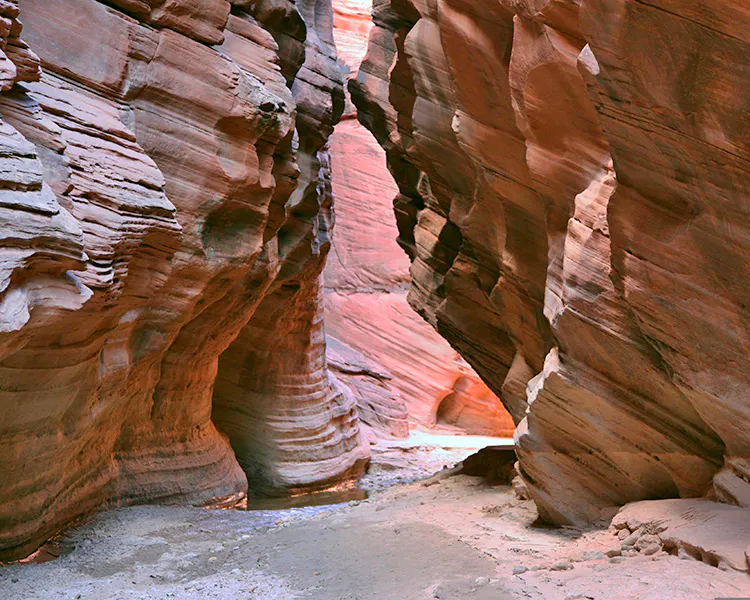
Slot canyons are one of Utah’s most defining characteristics, and the Peek-a-Boo and Spooky loop is one of the most engaging. These slot canyons are in the Grand Staircase-Escalante National Monument in Southern Utah (near the town of Escalante). Expect tight squeezes, sculpted walls, and points where you’ll turn sideways to pass through narrow corridors.
This one-day adventure highlights the directly-experiential nature of Utah adventure—scrambling, squeezing, and navigating through living geology. With a guide, you will gain both confidence and a deeper understanding of these special, fragile, and ancient environments.
Adventure Details:
- Trailhead: Dry Fork (off Hole-in-the-Rock Road)
- Route:
- Hike ~1.5 miles down Dry Fork wash.
- Enter Peek-a-Boo Gulch first (short climb up at entrance).
- Traverse across to Spooky Gulch.
- Exit Spooky and return via wash.
- Distance: ~3–4 miles total
- Time: 2–4 hours
“Why go guided? Navigation between canyons can be confusing, and guides help manage safety and flow through tight sections.” — MT Sobek Expert Tip
Key Considerations:
- Peek-a-Boo involves short sections of scrambling (moderate difficulty).
- Spooky is extremely narrow—some sections require turning sideways.
- No water, but flash flood risk is serious—check weather carefully.
- Gear: Good footwear, small pack, no bulky gear (won’t fit in Spooky)
5. Trekking Bryce Canyon’s Hoodoos
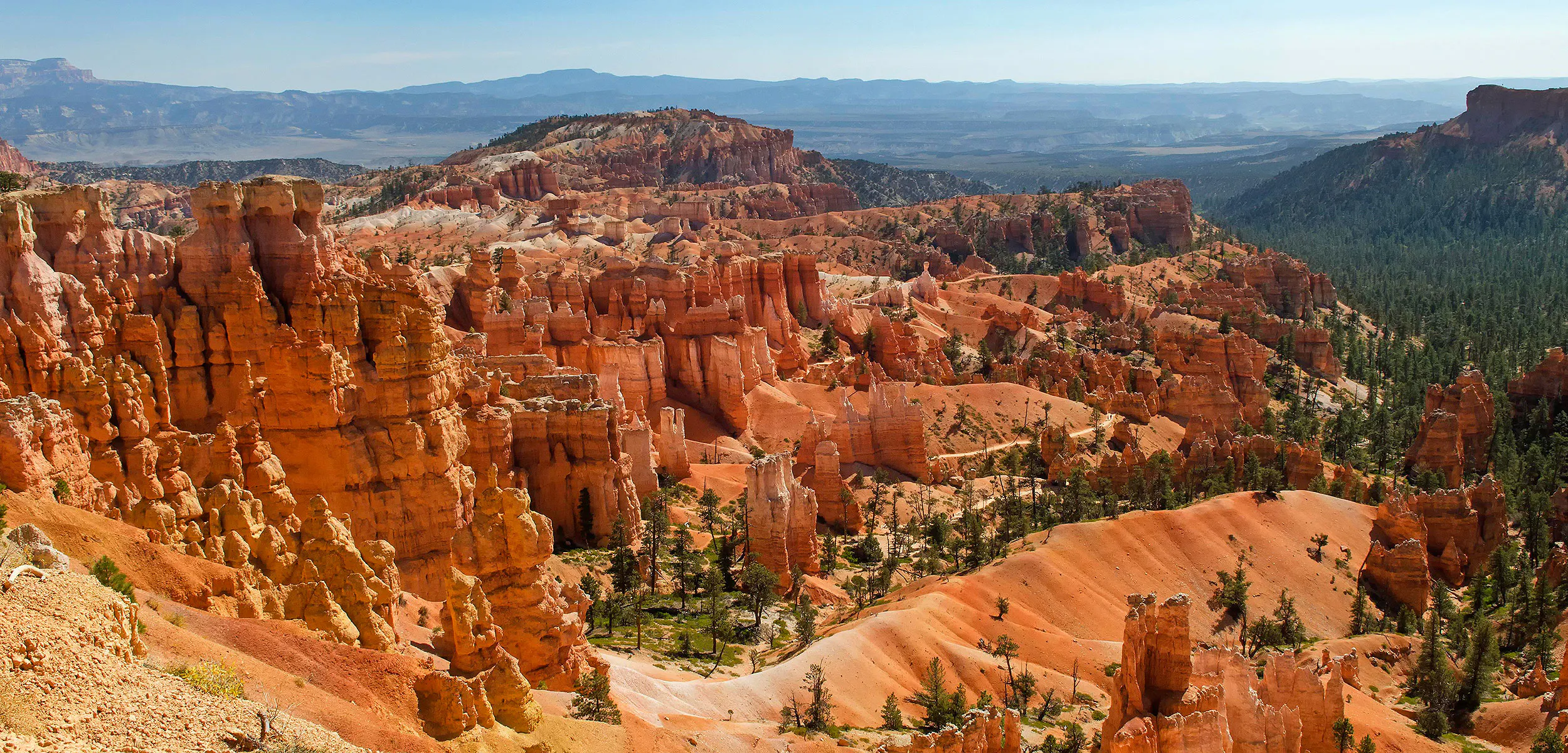
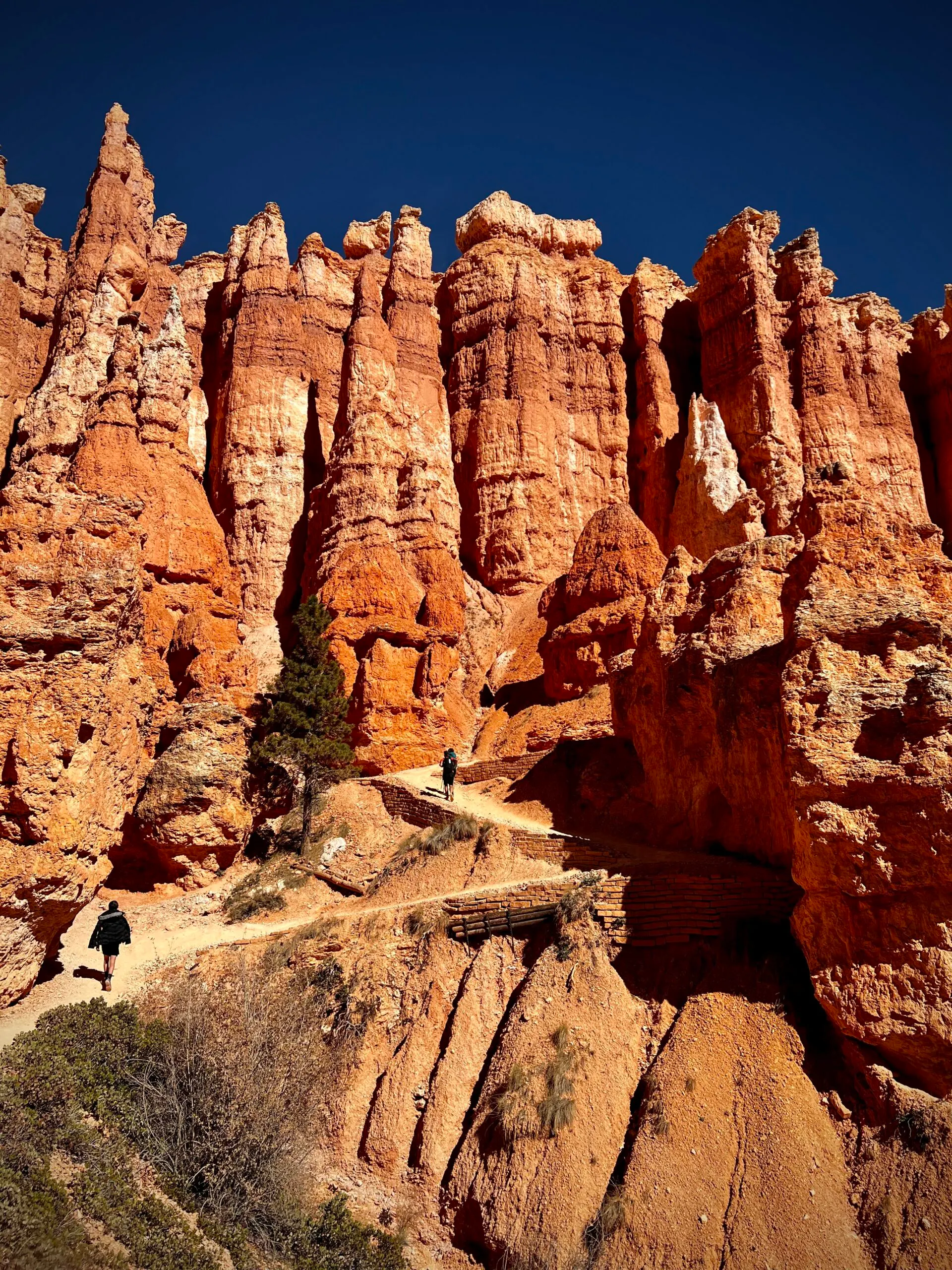
A trip to Utah is not complete without experiencing the other-worldly hoodoos of Bryce Canyon National Park. Descending into the amphitheater of Bryce feels like something out of a dream. Thousands of hoodoos—thin spires of rock—rise in every direction, the most unique of which have earned names like Thor’s Hammer, The Hunter, The Rabbit and Queen Victoria. Bryce’s array of hiking trails offer many great options for exploring the hoodoos.
It’s difficult to believe that natural erosion and uplift created these amazing formations. Hiking amongst them is one of the most iconic adventures in Utah.
Guided Utah adventure tours often combine parks (like Bryce and Zion) and link classic trails with off-the-beaten-path routes, offering a broader perspective while avoiding crowds.
Learn More: Bryce Canyon Hoodoos: A Deep Dive into Nature’s Most Sureal Landscapes
Adventure Details:
- Best route: Navajo Loop + Queen’s Garden (classic loop):
- Start at Sunrise Point
- Descend Queen’s Garden
- Connect to Navajo Loop
- Return via Sunset Point
- Distance: ~3 miles
- Extension: Add Peekaboo Loop for a longer 5- to 6-mile day
- Time: 2–4 hours
Tips:
- Start at sunrise for best light and fewer crowds.
- Elevation is 8,000 to 9,000 feet—pace accordingly.
- Bring layers—temps change quickly.
6. Alpine Hiking in the La Sal Mountains
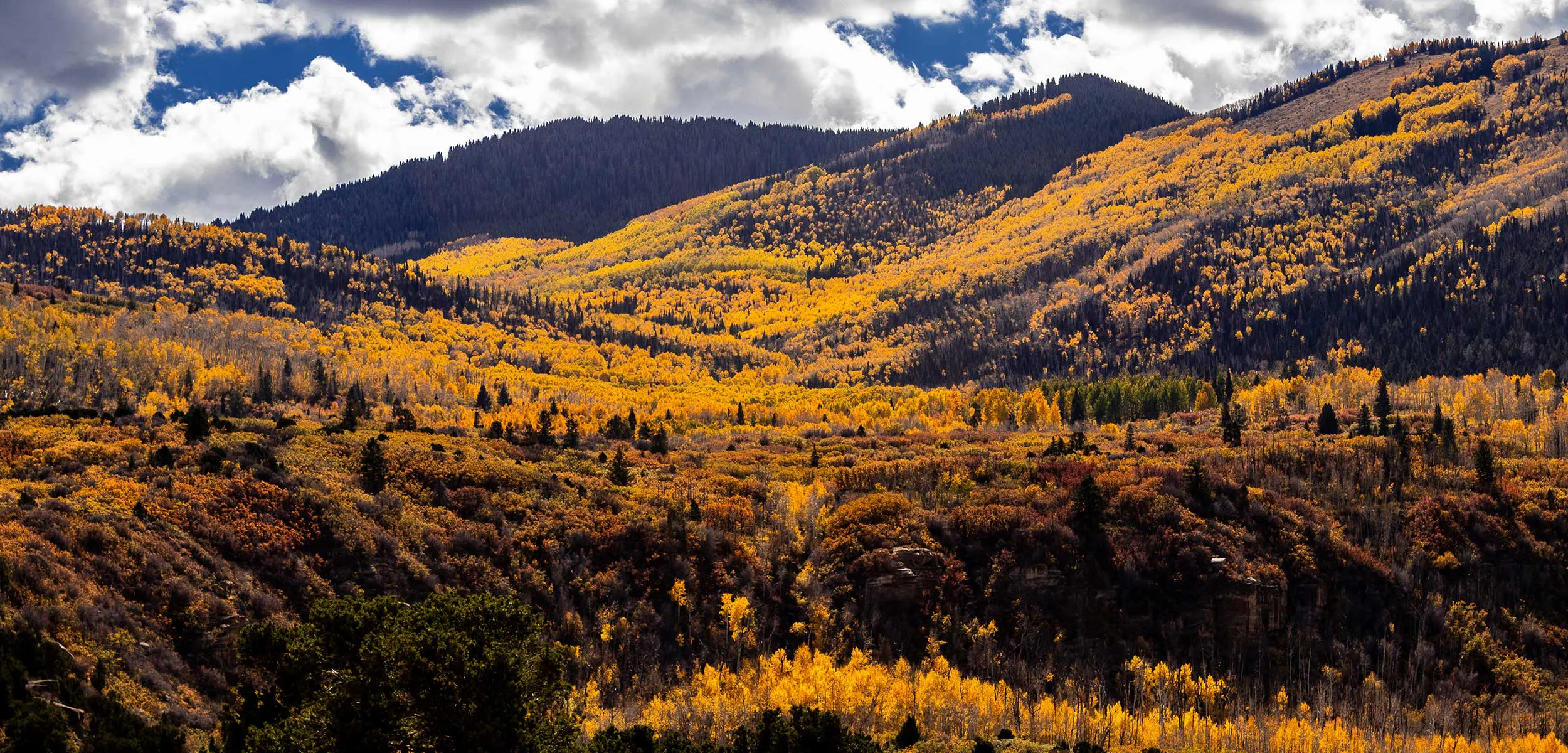
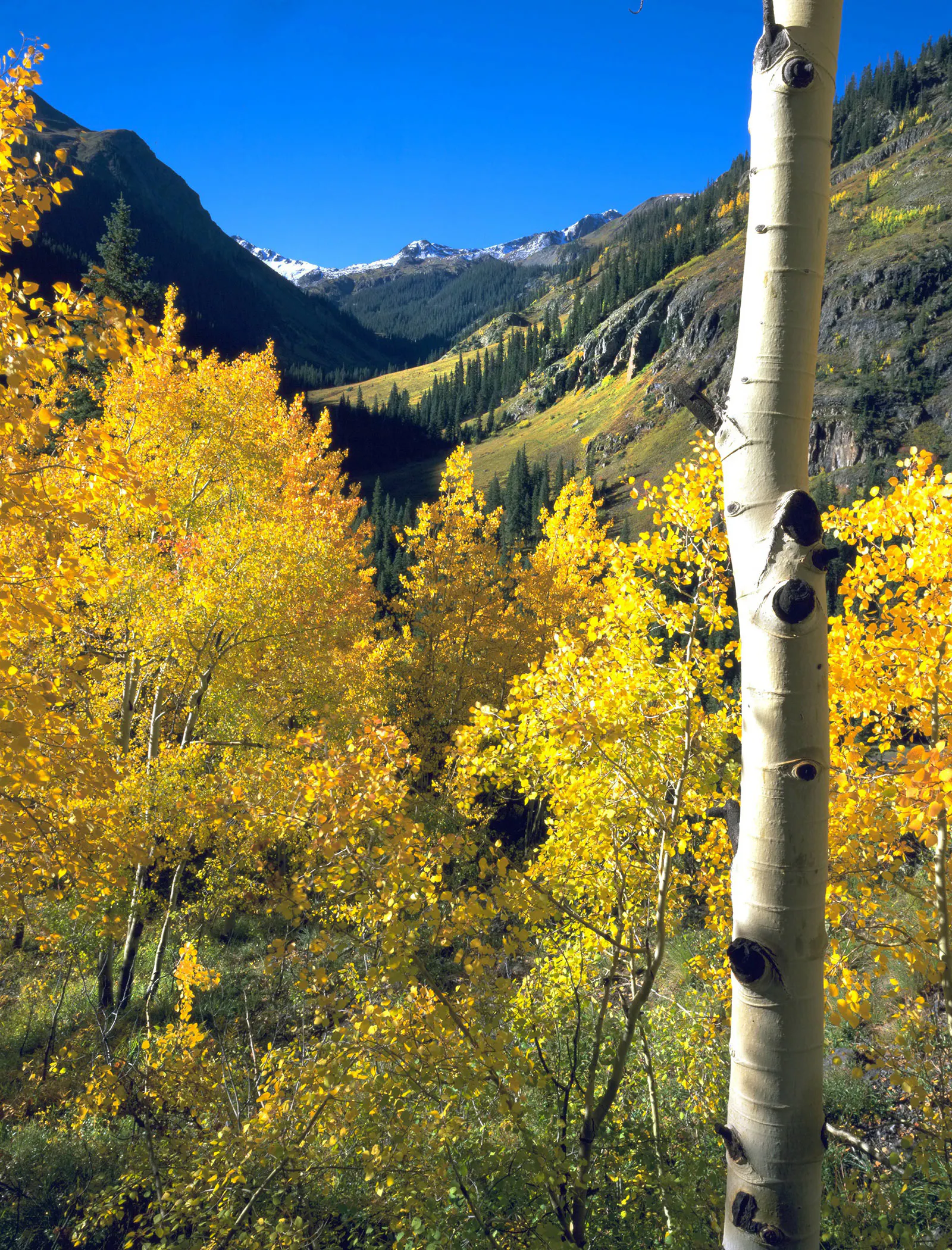
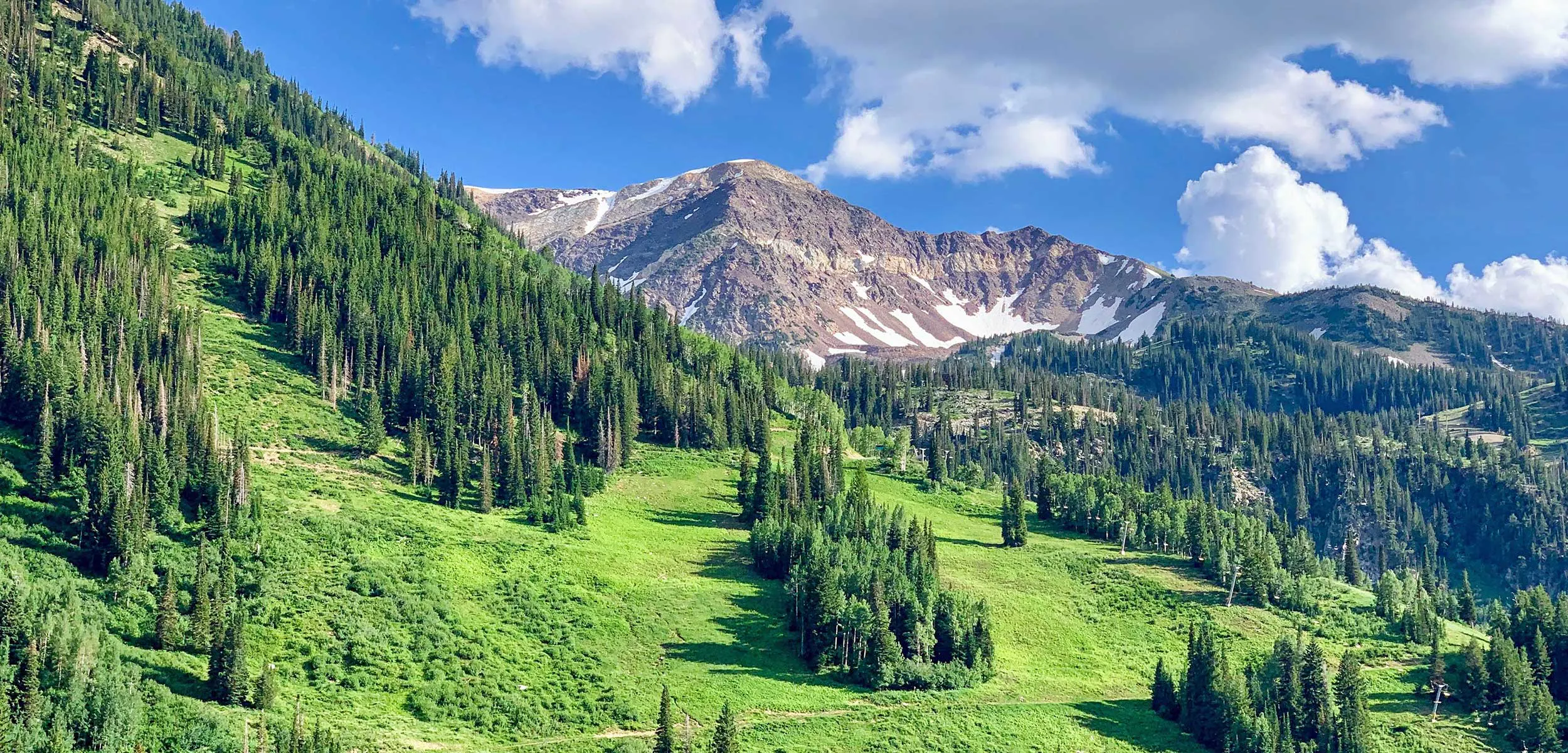
Rising abruptly above the desert near Moab, the La Sal Mountains offer a completely different side of Utah—cool alpine air, wildflower-filled meadows, and snow-capped peaks. Summit hikes here provide sweeping views that stretch from snowy ridgelines to red rock desert far below.
One of the things that makes the La Sal Mountains unique and impressive is their proximity to the classic canyon deserts of Moab, Arches National Park, and Canyonlands National Park. In the summer, when desert temps are soaring into the hundreds (Fahrenheit), the La Sals provide a gorgeous mountain escape just a short drive from Moab.
For travelers seeking diversity in their adventures in Utah, this contrast is unforgettable.
Top hike: Mount Tukuhnikivatz (12,482′)
- Route: Start at Warner Lake
- Distance: ~8 miles round trip
- Gain: ~3,000 feet
- Highlights: Alpine lakes, wildflowers, ridge walking, aspen forests, crystal clear creeks
Tips:
- Best June–September.
- Afternoon thunderstorms common—start early.
- Bring layers—temperatures drop quickly at elevation.
7. Hiking Angels Landing in Zion
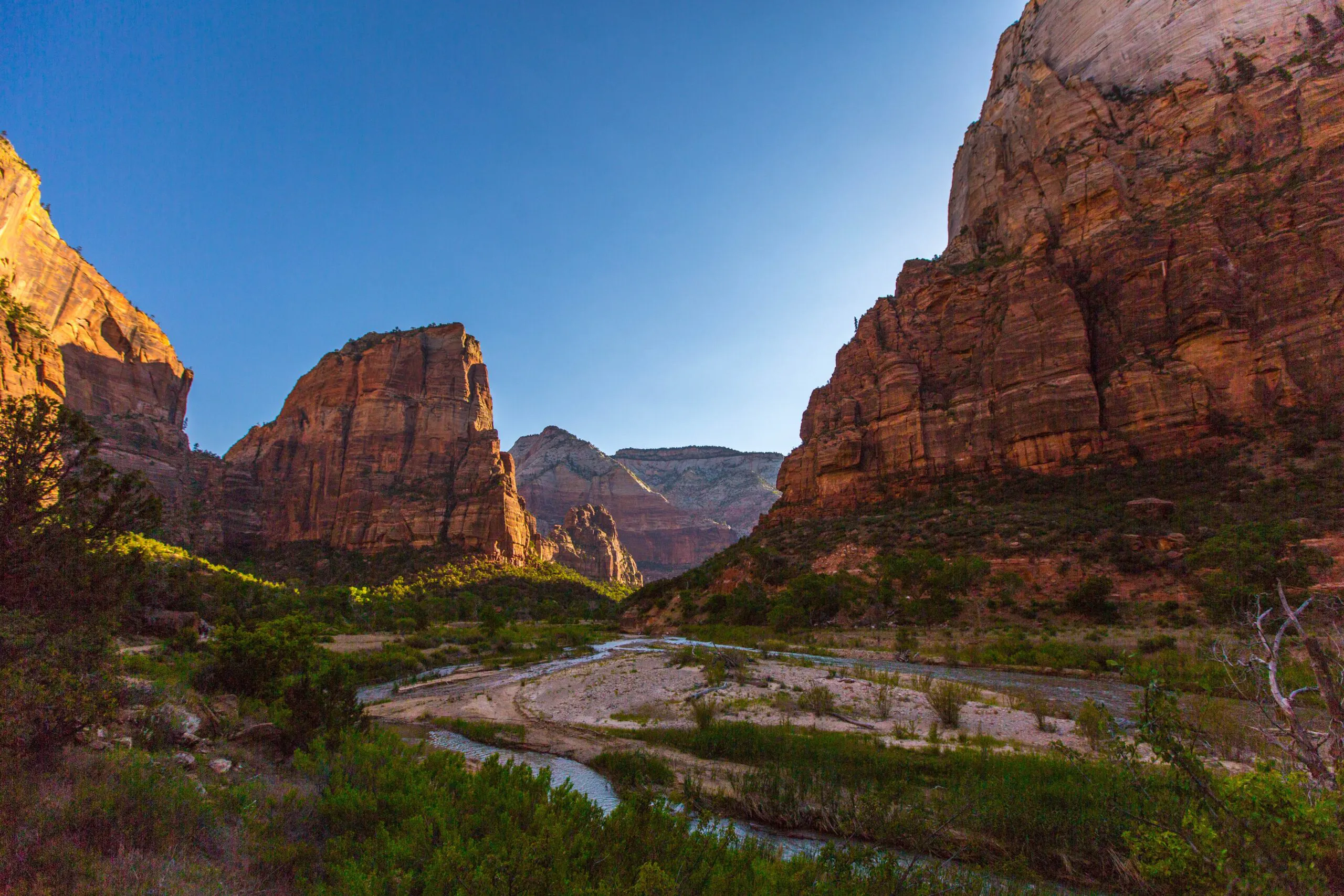
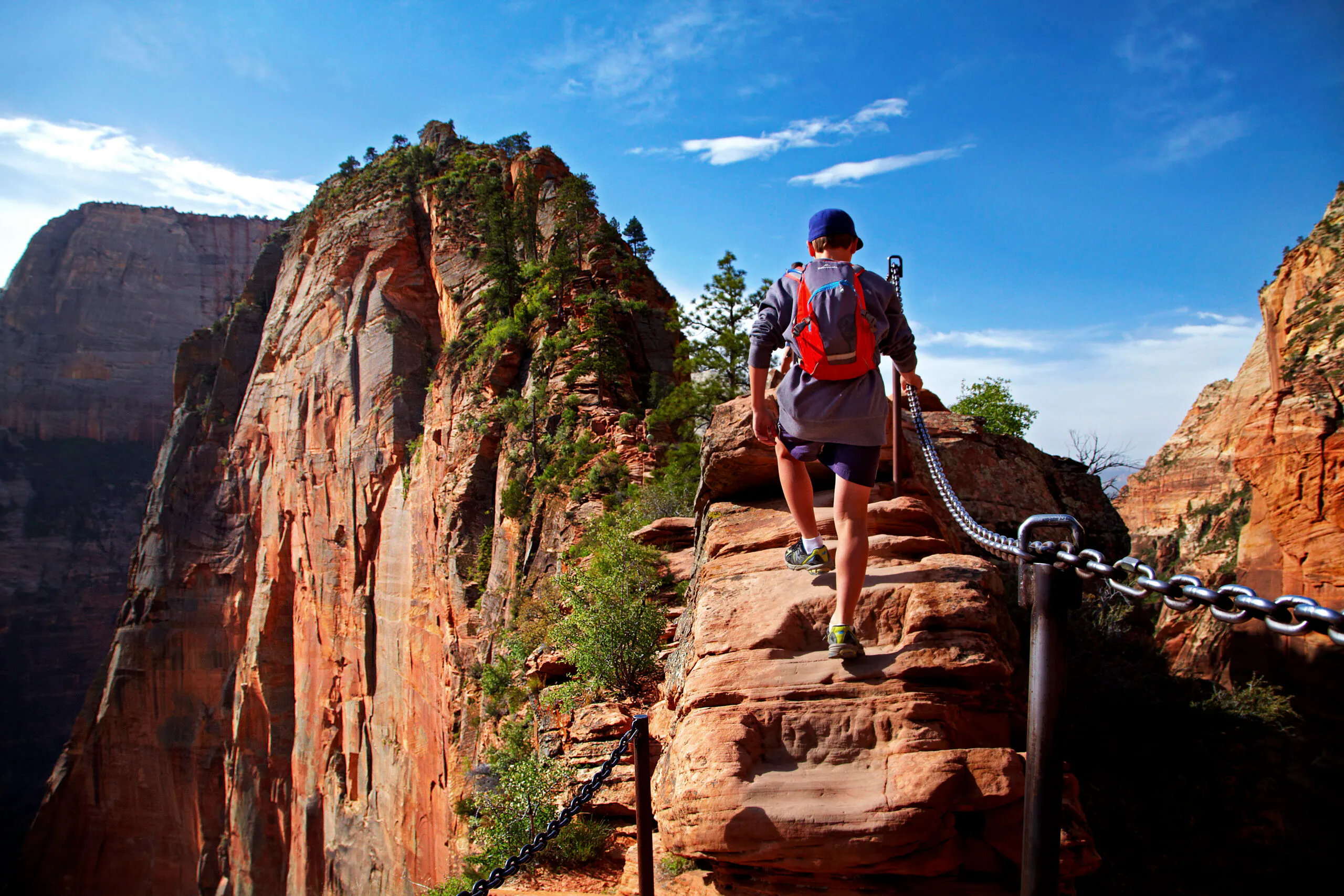
Possibly Utah’s most iconic trail, Angels Landing is a must-do adventure in Zion National Park. This trail takes you up a very well maintained trail to Scout Lookout—a viewpoint that offers spectacular vistas of Zion Canyon, the Virgin River and 1,000-foot sandstone walls in every direction. At Scout Lookout you have a decision to make—stop, take in the views and turn around or, if you have a permit, continue on to the exposed ridge to othe top of Angels Landing. The trail becomes extremely narrow and follows a fin of rock with sheer drop-offs on both sides. The National Park Service has installed chains to hold on to for your safety. The top is a flat area with dizzying, panoramic views of the canyon.
Adventure Details
- Start at the Grotto Shuttle Stop (number 6)
- Hike 1.9 miles to Scout Lookout
- If you have an Angels Landing permit, continue on for 8/10 of a mile
- Return to the Grotto (2.7 mles)
- Hike time: 3-5 hours
Tips:
- Angels Landing permits are issued through a lottery system well in advance, or the day before. The lotteries are handled through rec.gov at https://www.recreation.gov/permits/4675310.
- If you have a serious fear of heights, consider going only to Scout Lookout and back.
- On the upper section, take your time and do not be in a hurry. If people want to pass you, allow them to do so once you’re in a safe position.
- If there is rain or snow in the forecast, or if the trail is snowy or icy, do not continue.
Learn More: Everything You Needd to Know to Hike Angels Landing
8. Scenic Rafting near Moab
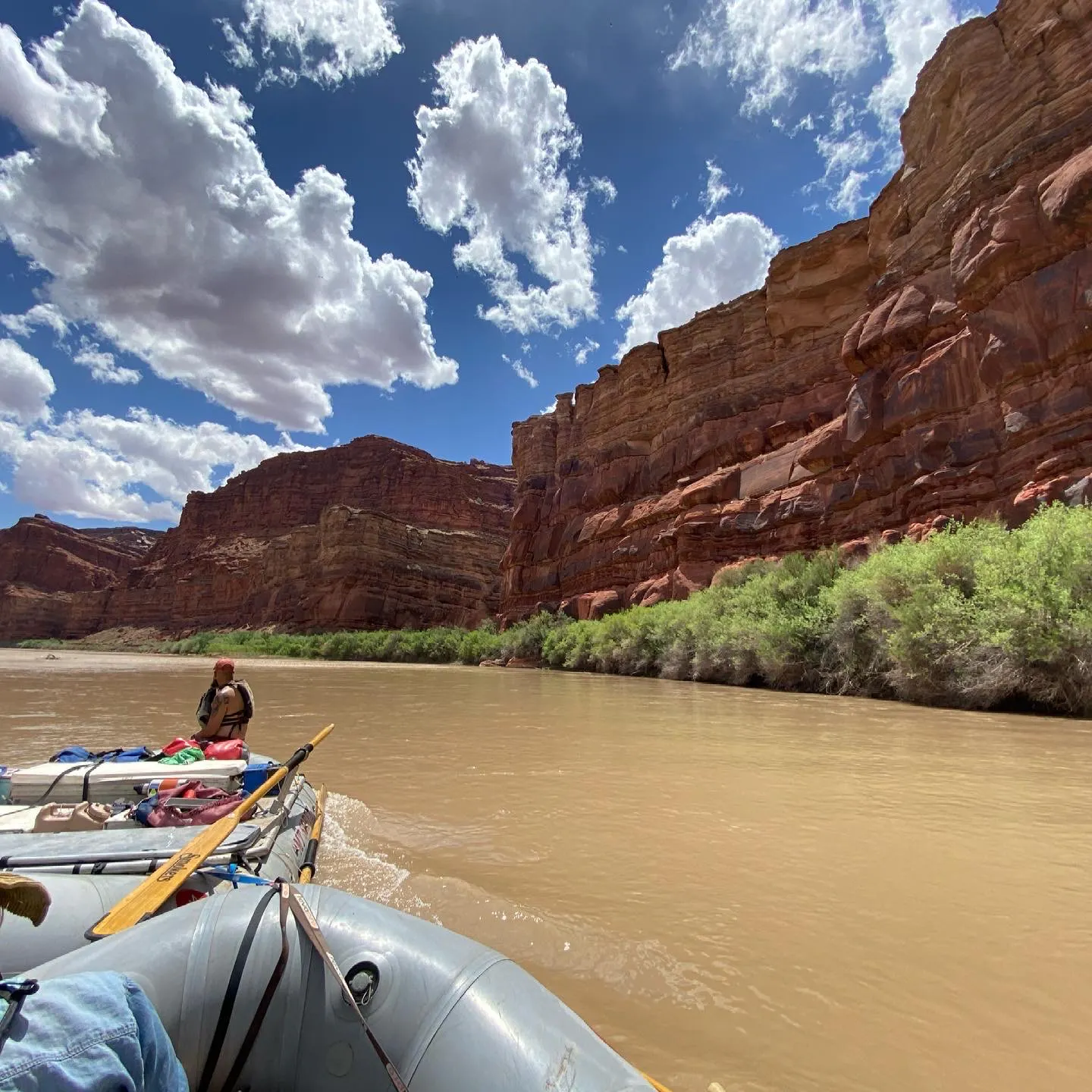
Not all rafting is about adrenaline. The peaceful stretches of the Colorado River near Moab offer relaxing float trips through stunning scenery. These stretches of river are typically no higher than Class I and II, allowing you to drift quietly beneath towering canyon walls, past formations like Fisher Towers, and through the dramatic corridor of Castle Valley, where sheer cliffs rise straight from the water. Unlike whitewater rafting, the focus here is on scenery, wildlife, and atmosphere—watching the light shift across the rock, spotting birds along the riverbanks, and even stopping for a swim on hot days.
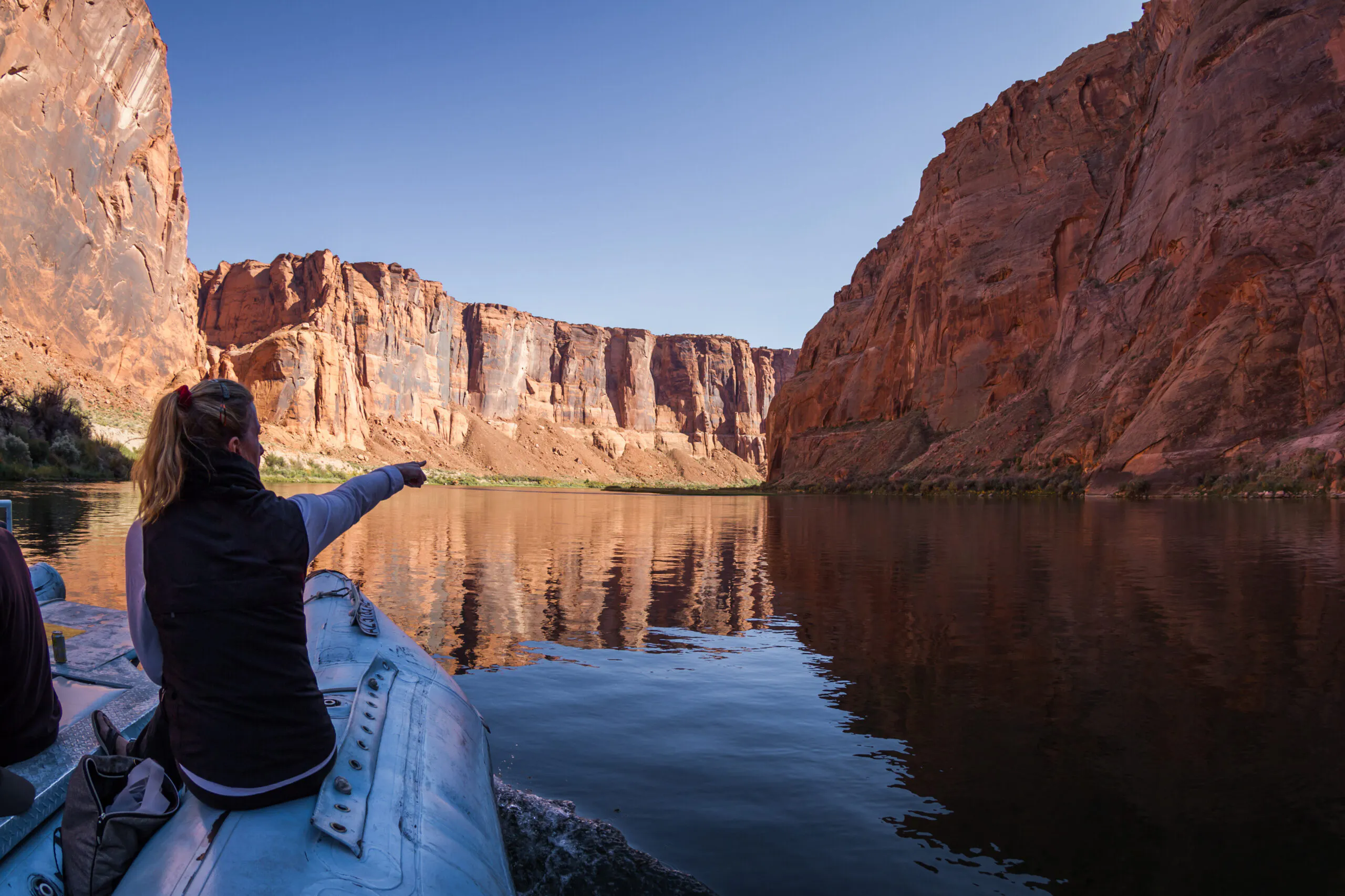
Adventure Details:
- Half-day or full-day trips
- Class I–II rapids (very mild)
- Great for families or recovery days between hikes
Highlights:
- Fisher Towers
- Castle Valley
- Swimming opportunities
“Why guiding is essential? There’s safety, access, and instruction—this is not DIY terrain for most travelers.” — MT Sobek Expert Tip
9. Hiking the Wasatch Range
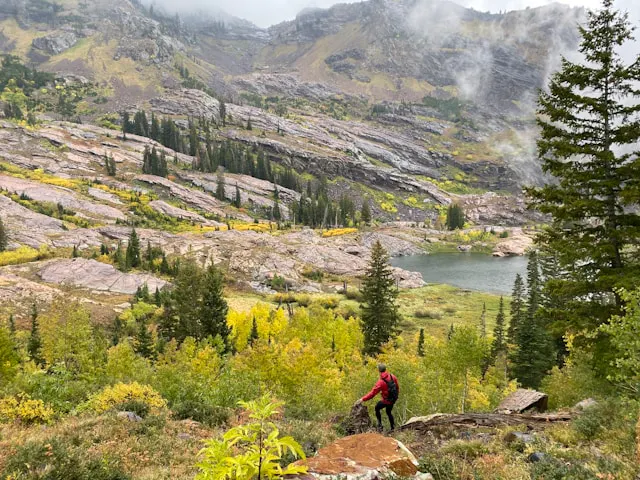
Rising above the Salt Lake Valley, the Wasatch Range offers some of the best alpine hiking in the West, with steep trails, cascading waterfalls, and dramatic peaks. These mountains stretch nearly 160 miles north to south, which means there are lots of great hiking options. Nearly every trail features stunning views and gorgeous alpine scenery. Routes like Lake Blanche or Mount Timpanogos deliver both challenge and beauty.
For those combining multiple Utah adventure tours, the Wasatch provides a refreshing contrast to desert terrain.
Top hikes:
- Lake Blanche: ~6.5 miles RT, steep climb to breathtaking alpine lake beneath Sundial Peak
- Mount Timpanogos: ~14 miles RT, classic summit hike with wildflowers and mountain goats
- Cecret Lake: Short, scenic, gorgeous alpine lake, great for acclimatization
Tips:
- Start early—afternoon storms are common.
- Expect steep hiking.
- Best July–September for snow-free trails.
10. Hike Devils Garden Loop in Arches
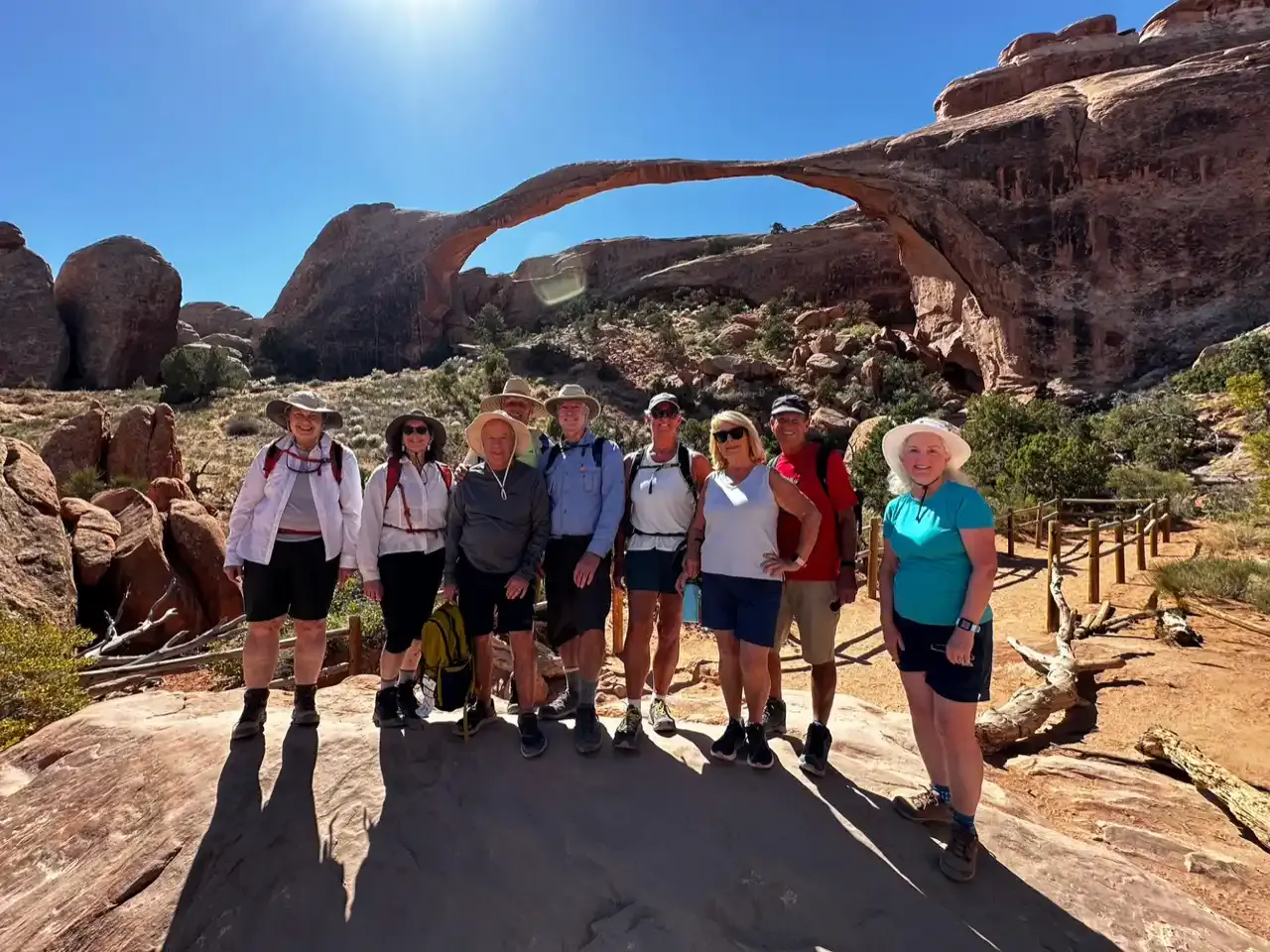
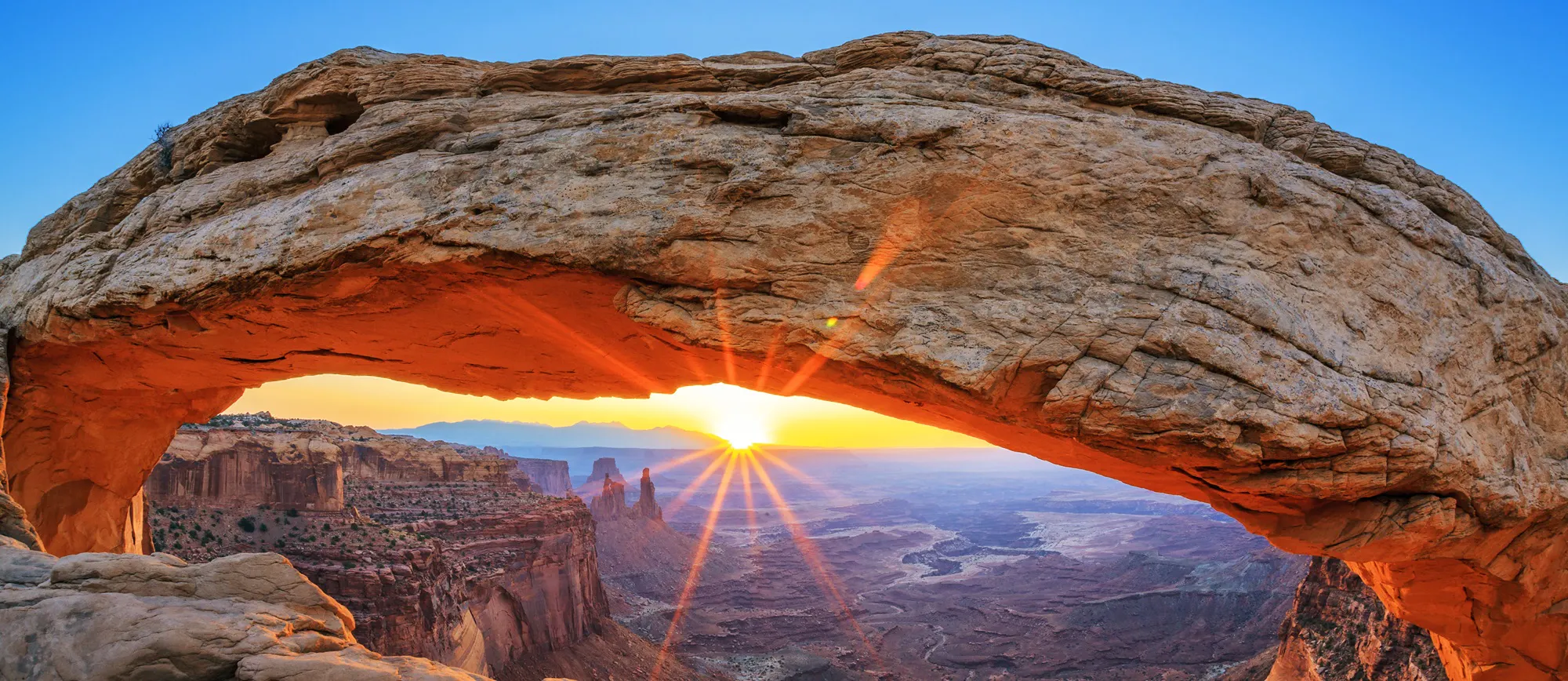
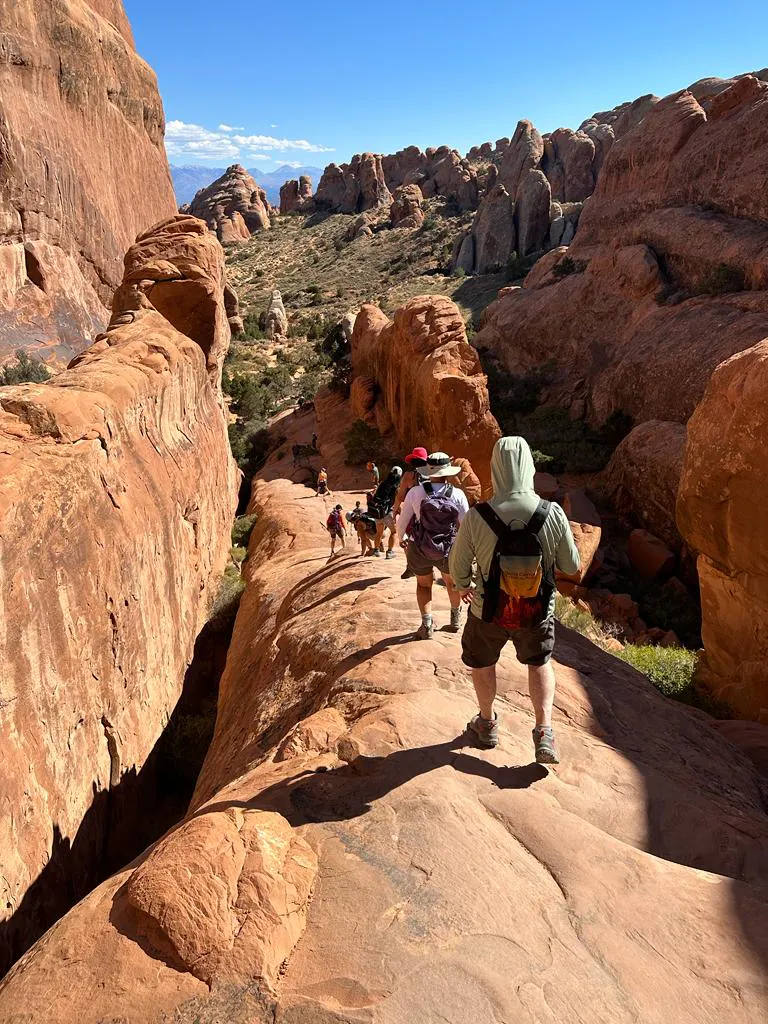
Arches National Park is home to the world’s most voluminous and impressive collection of natural, stone arches. Many of hikes in Arches—such as the very famous one to Delicate Arch—are relatively short. At just under 8 miles, the one fantastic exception is the Devils Garden Loop. The hike begins with a short jaunt to Landscape Arch—the longest stone arch in North America. Many people turn around here, but the entire “primitive loop” offers a far more adventurous journey, weaving through narrow fins, scrambling over rock, and connecting a series of stunning arches. This route introduces light route-finding, narrow ledges, and short sections where hands are required for balance, making it the most technical hike in the park. It also offers four arches and stunning views of the snow-capped La Sal mountains in the distance.
Adventure Details:
- Common start: Devils Garden Campground
- Hike just under a mile (.9 miles) to Landscape Arch
- Continue on past Partition Arch, then Navajo Arch and finally Double O Arch
- From Double O Arch, follow the Primitive Trail (routefinding required) back to the start
- Hike time: 4-6 hours
“We recommend doing the Devils Garden Primitive Loop in a clockwise direction, starting with Landscape Arch, then on to Double O Arch to the Primitive Loop.” — MT Sobek Expert Tip
Tips:
- Pack sun protection, water (2+ liters each) and snacks
- We recommend doing the Devils Garden Primitive Loop in a clockwise direction, starting with Landscape Arch, then on to Double O Arch to the Primitive Loop.
- Get an early start (possibly before sunup) from May through September.
- To ensure you get a parking spot, start early year round (6 am).
- Bring a map and compass or GPS app on your phone with the route pre-loaded.
Why Choose Guided Utah Adventure Tours
While many of these routes can be done independently, guided travel transforms the experience:
- Expert navigation and safety
- Optimized itineraries (less trial and error)
- Deeper interpretation of geology and culture
- Comfort in remote environments
For MT Sobek guests, this means less time worrying about logistics—and more time immersed in the landscape.
Final Thoughts: The Best Adventures in Utah
The greatest adventures in Utah aren’t defined by a single destination—they’re defined by contrast and depth. You can hike through rivers, summit alpine peaks, descend slot canyons, and sleep beneath desert arches—all in one journey.
The key is thoughtful planning: choosing the right season, the right routes, and when appropriate, the right guides. Utah rewards those who approach it with curiosity and respect—and offers experiences that stay with you long after the trip ends.
Why explore Utah with MT Sobek?
Exploring Utah with MT Sobek means hiking some of the state’s most spectacular landscapes with a company that has been pioneering adventure travel since 1969. From the narrow slot canyons of Zion to the geological wonders of Capitol Reef, MT Sobek designs journeys that combine iconic destinations with lesser-known trails. With expert guides, small groups, and thoughtfully crafted itineraries, travelers can focus on the experience of the hike while the logistics are handled seamlessly.
- Decades of expertise: A pioneer in adventure travel since 1969 with a long legacy of leading exceptional hiking and rafting journeys across Utah, the United States, and the world.
- Expert guides: Knowledgeable leaders share insights into local ecology, geology, wildlife, and cultural history, and ensure a commitment to safety and enjoyment throughout the journey.
- Carefully designed itineraries: A balance of iconic trails and hidden gems for a deeper experience of each destination. MT Sobek’s hiking adventures immerse travelers in the natural beauty and cultural heritage of Utah.
- Seamless travel logistics: Permits, transportation, and accommodations are expertly arranged so you can focus on the adventure.
- Comfort and immersion: Rewarding hikes paired with premier lodging and memorable meals create a rewarding and relaxing experience.
Enjoying our content? Add MT Sobek as a Google Preferred Source.

FAQs
Yes. Many guided Utah canyoneering experiences are designed specifically for beginners and include instruction, safety equipment, and manageable rappels. Beginner-friendly routes such as Keyhole Canyon introduce participants to the basics of canyoneering in a controlled environment.
Hiking typically follows established trails, while canyoneering may involve navigating slot canyons, scrambling over obstacles, rappelling with ropes, and occasionally traveling through water. Canyoneering combines hiking with technical adventure skills.
Many first-time visitors choose iconic experiences such as hiking The Narrows in Zion National Park, exploring Bryce Canyon’s hoodoos, rafting near Moab, visiting Capitol Reef National Park, and walking through Utah’s famous slot canyons.
Learn More: Utah Adventure Planning Guide
Spring and fall are often considered the best seasons for exploring Utah’s slot canyons thanks to cooler temperatures and generally more comfortable hiking conditions. Travelers should always monitor weather forecasts because flash floods can occur at any time of year.
Beginner hikers should bring sturdy hiking shoes, sun protection, a wide-brimmed hat, layers for changing temperatures, plenty of water, snacks, and a lightweight daypack. Desert environments often require more water than travelers expect.
Many slot canyons are safe when visited under appropriate weather conditions and with proper preparation. However, flash floods are a serious hazard, so travelers should always review forecasts and local conditions before entering narrow drainages.
Guided hiking tours can significantly enhance your experience by taking care of logistics, reservations, permits, and safety while providing a professional guide with local expertise. Guides can also bring more color to destinations by providing fascinating knowledge about the ecology, geology, and history of the area.
Learn More: Ultimate Adventure Guide to the United States
Hiking The Narrows, exploring Coyote Gulch, walking among Bryce Canyon’s hoodoos, and day hiking in Capitol Reef National Park are excellent choices for travelers seeking dramatic scenery alongside rewarding hiking experiences.
Learn More: Utah Adventure Planning Guide
Bryce has trails of various difficulties. If you prefer an easier hike you can hike the Rim Trail, which has very little elevation gain and loss, and you can turn around at any time. On the other end of the spectrum is the Fairyland Loop, which is 8 miles long and requires a moderately strong level of physical fitness. If you’re looking for a hike in the middle of these examples, consider the Queen’s Garden + Navajo Loop hike.
Learn More: 11 Best Bryce Canyon Hikes
Learn More About Adventure Travel in Utah


