The 5 Best Adventure Activities in Utah
Find the Right Outdoor Adventure For Your Trip to Utah
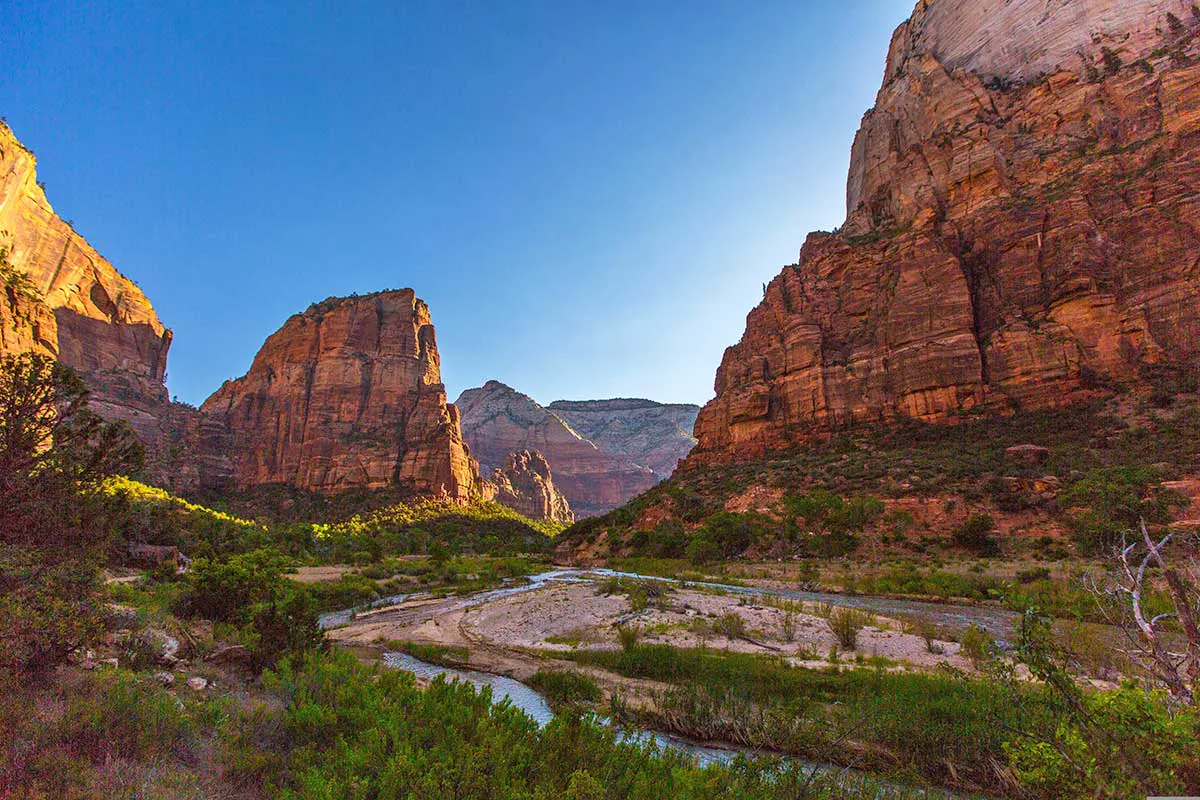
Utah is arguably the United States’ most diverse and spectacular destination for outdoor adventure. It is home to red rock deserts, alpine mountain ranges, mighty rivers, deep canyons and much more. It contains five world-class national parks, nine national monuments, and more than 30 million acres of protected public lands. In terms of activities, Utah boasts some of the world’s most celebrated hiking trails; rock climbing routes in places like Zion National Park and Indian Creek; rafting trips on major rivers like the Colorado River, the Green River and the San Juan River; and canyoneering routes spread out across Canyon Country. It’s a dream location for adventurous travelers, and one of my personal favorites.
In this article, I leverage my 20+ years of experience guiding hiking and rafting tours throughout the Southwest, and my 30+ years of personal adventuring across Utah to create a resource to support you in planning your next adventure. If you’re planning a trip to Utah, this article will help you explore your options for amazing activities and design the perfect outdoor journey based on your interests.
Utah: More Than One Destination
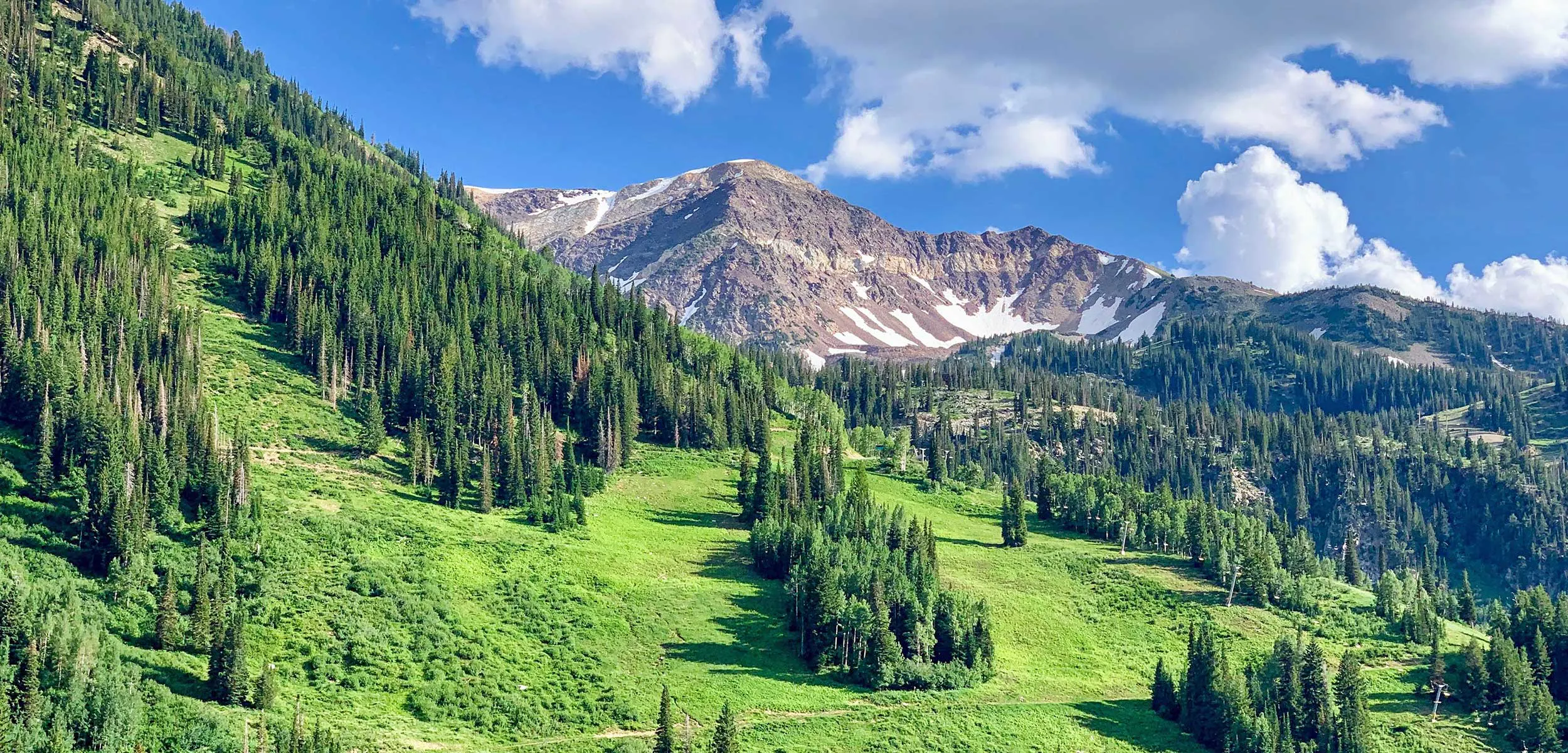
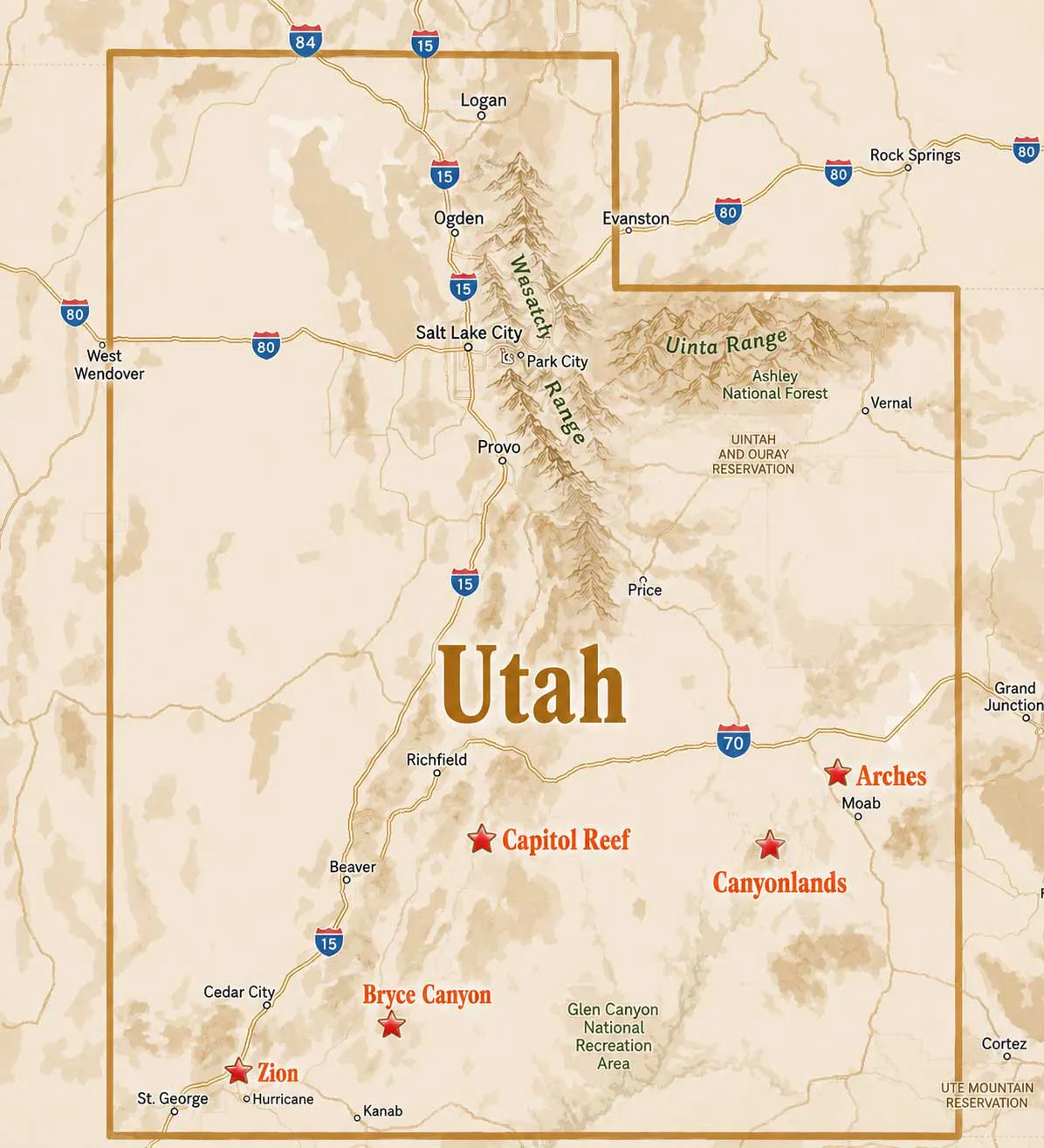
A common mistake people make is thinking of Utah as a single destination. In reality, it’s more accurate and helpful to think of it in terms of distinct regions, each of which offers unique landscapes, characteristics and experiences:
- Southern Utah’s Canyon Country is a high desert landscape characterized by deep canyons, pine-studded plateaus, soaring cliffs, and spring-fed creeks. Elevations range from 3,000 feet to over 12,000 feet. This region includes Utah’s Mighty Five national parks, as well as the Grand Staircase-Escalante National Monument and other public lands managed by the Bureau of Land Management (BLM).
- The Wasatch Range are jagged alpine mountains rising abruptly over the Salt Lake Valley and spanning more than 160 miles south to north from Orem to Logan. Elevations range from 4,000 feet to almost 12,000 feet.
- The Uinta Range just south of the Utah-Wyoming border is home to Utah’s tallest peak and one of the only mountain ranges in the US to run east-west versus north-south. The Uintas are in the northeastern part of the state and range from 7500 feet to over 13,500 feet.
- The Basin and Range Country is part of the Great Basin, a flat desert landscape that extends west across Nevada and is punctuated by parallel, narrow mountain ranges. It includes the Great Salt Lake and is primarily in the western part of the state.
1. Hiking: Utah’s #1 Activity
Why Hiking in Utah is Great
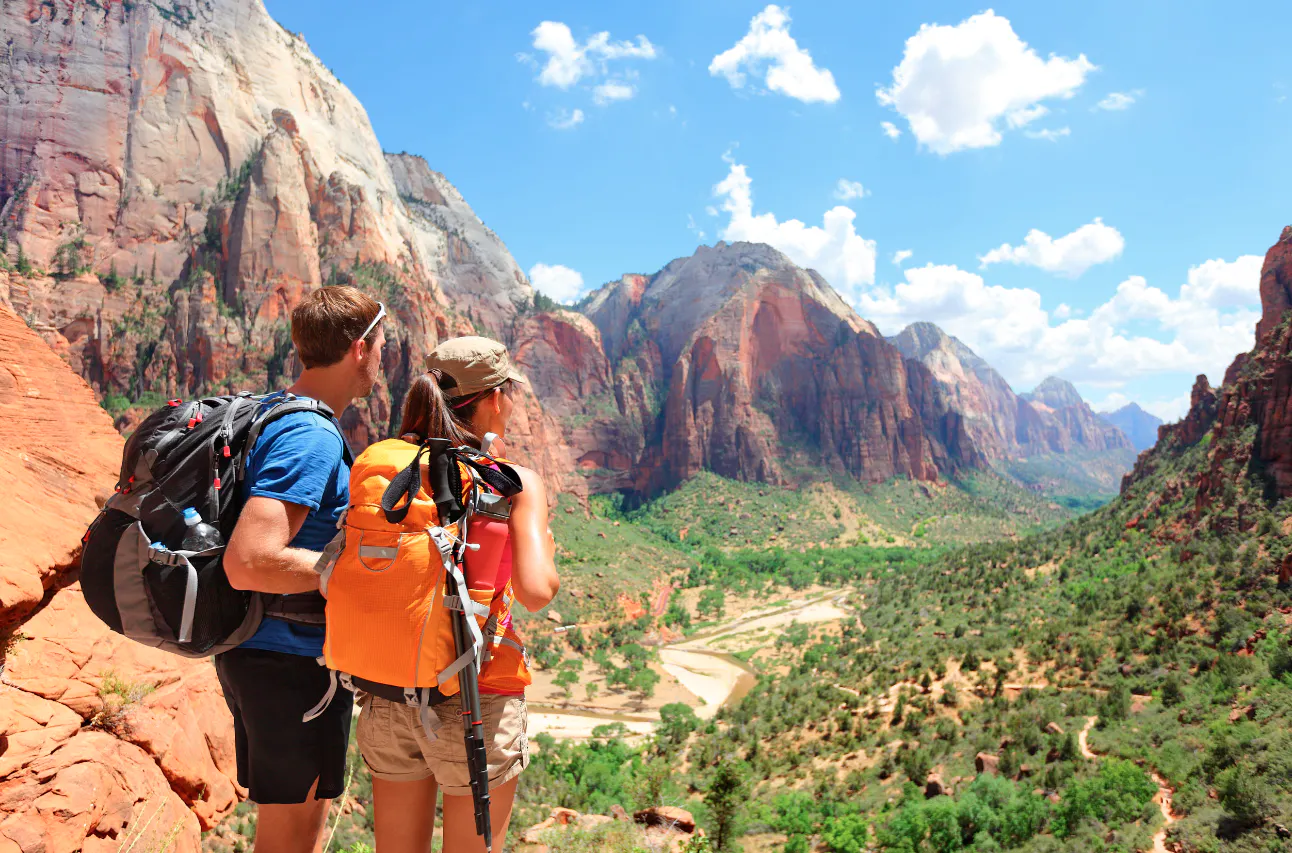
Utah feels like it was made for hiking. It offers the intrepid traveler an almost endless number of options: long hikes, short hikes, desert hikes, mountain hikes, sunset hikes, sunrise hikes, multi-day backpacking trips, peak ascents, creek hikes, waterfall hikes and a lot more. When it comes to hiking, if you can imagine it, there’s a good chance you can find it in Utah.
Where to Hike
Canyon Country & Utah’s Mighty Five National Parks
The most famous and impressive places to hike are the “Mighty Five” national parks of Southern Utah’s Canyon Country, which includes:
- Zion National Park
- Bryce Canyon National Park
- Capitol Reef National Park
- Canyonlands National Park
- Arches National Park
Each of these parks boasts spectacular, iconic hikes that will stick with you long after you’ve returned home. Some of the more noteworthy hikes include Angels Landing in Zion, the Narrows in Zion, Fairyland Loop in Bryce Canyon, Navajo Knobs in Capitol Reef, the Devil’s Garden Loop in Arches and Chesler Park Loop in Canyonlands.
If you’re interested in multi-day backpacking, consider the nearby Grand Staircase-Escalante National Monument where the Boulder Mail Trail and Coyote Gulch are two of Utah’s best Canyon Country backpacking adventures.
Learn More:
- The 11 Best Bryce Canyon Hikes
- The 10 Best Hikes in Zion National Park
- 8 Must Do Slot Canyon Hikes in Utah
The Wasatch Range
Utah’s most prominent and famous mountain range, the Wasatch span over 160 miles, towering above the Salt Lake Valley. These mountains are jagged, snow-capped guardians of Utah’s most populated corridor. They are also a dream hiking destination if you love mountains as much as I do.
Little Cottonwood Canyon and Big Cottonwood Canyon provide two of the best access points to enter the Wasatch Range. You can embark on exceptional day hikes like Red Pine Lake and White Pine Lake from Little Cottonwood, and Desolation Lake from Big Cottonwood.
You can also set off on fantastic multi-day backpacking trips into these mountains. One of the most noteworthy trips is an ascent of Mount Nebo (11,928′) — the Wasatch’s tallest peak. This is usually done as a 2-day or 3-day backpacking trip.
The Uintas
One of the only mountain ranges in the United States to run east-west versus north-south, the Uintas are exceptional for more reasons than just that fact. Almost touching the Wyoming-Utah border, these mountains are also some of Utah’s most remote and least-visited. They offer fantastic day hiking and backpacking.
One of the best trips in the range is an ascent of Kings Peak (13,528′), Utah’s tallest mountain. Normally done as a 3-4 day backcountry excursion, it is a challenging and rewarding adventure.
Moab
Moab offers a wonderful combination of desert and mountain hiking. Surrounded by Arches and Canyonlands national parks and other exceptional desert areas like Fisher Towers and Castle Valley, Moab provides quick and easy access to the deserts. It is also tucked in between these parks and the snow-capped La Sal Mountains — one of Utah’s best kept secrets. With crystal clear mountain creeks, alpine peaks and vibrant aspen forests, the La Sals offer a refreshing escape from the heat of the desert, especially from May through September.
When to Hike
Follow these guidelines for timing your hiking adventure:
- Spring (March-May): Desert temps are mild, days are getting longer and the mountains are still buried in snow. Stick to the Mighty Five and other Canyon Country hiking destinations like the Grand Staircase-Escalante National Monument.
- Summer (June-August): Plan on hiking in the mountains. The desert parks are scorching hot this time of year, averaging close to or over 100° fahrenheit. The mountains — on the other hand — are bursting with wildflowers, rushing creeks and lush meadows.
- Fall (September-November): Autumn is excellent everywhere in Utah, depending on which part of the fall season we’re talking about. In September stick to the mountains while Southern Utah’s lingering summer heat wears off. In October and November, it’s time to start thinking about the deserts again, as winter’s icy fingers creep into the mountains, and the Mighty Five’s temperatures cool off to ideal hiking temps (70° to 80°).
- Winter (December-February): Unless you’re ready to strap on the snowshoes, winter hiking is best in Southern Utah. This is arguably Utah’s mosts underrated season. The trails are mostly empty, there are no lines for shuttle buses, and the daytime temperatures are surprisingly mild (50° to 60°).
What to Pack
- Sturdy hiking shoes or boots
- Water shoes or sandals—especially if hiking in creeks or on a multi-day trip
- Non-cotton hiking socks
- Sun protection—hat, sunscreen, sunglasses and sun hoody
- Rain gear—waterproof and breathable, jacket only in the summer months, jacket and pants in the spring, fall and winter
- Warmth layers—one light fleece or wool layer in the summer, more the rest of the year.
- Insulated jacket, warm hat and gloves—November through March
- Small first-aid kit
- Backpack—10-40 liters for day hiking, 50-70 liters for backpacking
- Trekking poles—optional but recommended
- Water—in water bottles, hydration bladder or a combination. 3+ liters per person in the summer, 2+ liters in spring, fall and winter
- Sweet, salty snacks—2-3 times your normal calories intake
- Camping gear—tent, sleeping bag, sleeping pad, water treatment, emergency communication device, stove and cookware if on a multi-day trip
Explore with MT Sobek on guided Utah hiking tours.

2. Rafting: Mighty Desert Rivers
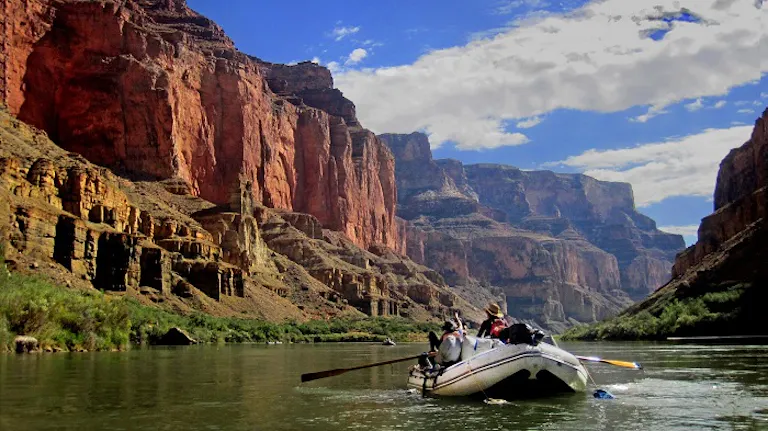
Why Rafting in Utah is Great
Southern Utah is part of a geological phenomenon called the Grand Staircase of the Colorado Plateau. When tectonic uplift pushed the Rocky Mountains high into the sky millions of years ago, it also created a vast, elevated bench (the Colorado Plateau) and series of steps (the Grand Staircase) to the lower elevations. As snow melts from the high peaks of the Rockies, it feeds streams and rivers that descend through the Staircase, eventually reaching the ocean. This process has created some of North America’s most famous and impressive rivers like the Colorado, the Green and the San Juan.
Over millions of years, these rivers carved deep, elaborate canyons through soft sedimentary layers like sandstone, shale and mudstone. On Utah rafting trips, the rivers provide the excitement, while the canyons create the beautiful setting. No river journey (other than possibly the Middle Fork of the Salmon Rafting Trip in Idaho) captures this magical combination quite like Utah.
Where to Raft
Colorado River Through Cataract Canyon
The most famous rafting trip in Utah is Cataract Canyon on the Colorado River. For multiple days you will descend through remote sections of Canyonlands National Park, past famous rapids and perfect beach camps. The trip starts with relaxing flat water but eventually enters a very tumultuous section with big rapids and high excitement. This river is typically floated in 3-5 days, covers approximately 100 miles and has up to Class V rapids.
Green River Through Desolation Canyon
The Green River through Desolation Canyon provides the remote wilderness immersion of Cataract Canyon but with less severe rapids. Desolation Canyon is an isolated, rugged section of the Green River that slices 84 miles through the Tavaputs Plateau, at times thousands of feet below the rim. Desolation Canyon is typically floated in 4-6 days, covers 80+ miles and has up to Class III rapids.
San Juan River
Finally, there is the San Juan River. Flowing out of Colorado’s stunning San Juan Mountains, this mighty river heads west into Utah. The San Juan is more mellow than the Colorado or the Green, but that doesn’t detract from its quality. An excellent family trip, it is more about where you are than what you’re doing. It’s less about thrills, and more about adapting to the natural rhythms of life on the river. The San Juan is typically floated in 2-7 days, covers 27-84 miles (depending on the section) and has up to Class III rapids.
When to Raft
Follow these guidelines for timing your rafting adventure:
- If you’re interested in bigger, faster rapids go in April or May, when the rivers are at peak flow.
- If you’re looking for a more immersive and less adrenaline-fueled experience, consider June through September.
- July and August provide the best conditions for swimming.
What to Pack
- Sturdy hiking shoes or boots
- Water shoes or sandals
- Swim shorts or swimsuit
- Non-cotton hiking socks
- Sun protection—hat, sunscreen, sunglasses and sun hoody
- Rain gear—waterproof and breathable, jacket only in the summer months, jacket and pants in the spring, fall and winter
- Warmth layers—one light fleece or wool layer in the summer, more the rest of the year.
- Insulated jacket, warm hat and gloves—November through March
- Small first-aid kit
- Backpack—10-40 liters
- Water—in water bottles, hydration bladder or a combination. 3+ liters per person in the summer, 2+ liters in spring, fall and winter
- Sweet, salty snacks—2-3 times your normal calories intake
- Camping gear—tent, sleeping bag, sleeping pad, water treatment, emergency communication device, stove and cookware if on a multi-day trip
- River gear—raft or kayaks, PFDs, paddles, rescue equipment
Check out OARS’ Utah rafting adventures.
3. Mountain Biking: Find the Flow

Why Mountain Biking in Utah is Great
Utah is one of the world’s premier mountain biking destinations, offering an unparalleled combination of spectacular scenery, exciting terrain, and a year-round riding season. Choose between red rock deserts and lush alpine mountains. Embark on multi-day bike-packing journeys through remote landscapes, or take on exciting single track at lift-serve ski areas. When it comes to mountain biking, Utah has it all — all year long.
Where to Bike
Moab
Moab is the epicenter of Utah mountain biking, and the US capital for desert riding. You can camp on the shores of the Colorado River or stay in modern, luxury lodging and enjoy spectacular trails like Slickrock, Porcupine Rim, Navajo Rocks, and the Klondike Bluffs.
Park City
Boasting more than 450 miles of interconnected single-track trails, Park City is loved by many for its smooth flow trails, lift-served riding at ski areas (like Deer Valley), and gorgeous alpine rides through aspens and wildflower-laden meadows.
St. George & Hurricane
If one area were to rival Moab’s dominance with mountain biking in Utah, it would be St. George. Southern Utah offers fantastic year-round riding on trails such as Gooseberry Mesa, Barrel Roll and Zen Trail. This area’s combination of slickrock, fast riding, and warm winter temps makes it one of the United States’ best winter biking destinations.
Brian Head & Cedar City
Brian Head and Cedar City offer higher-elevation riding for cooler summer temperatures. Brian Head Ski Area also provides lift-served downhill terrain near cross-country trails that take you through beautiful mountain landscapes.
Wasatch Mountains
Trails around Salt Lake City, Ogden, and the Cottonwood Canyons provide mountain biking access to the Wasatch Range. However, this riding is not for beginners or the faint-of-heart. Nearly all of the rides include strenuous climbs out of the foothills, but for hardy souls up to the challenge, the payoff is breathtaking alpine scenery and thrilling descents.
Richfield & Beaver
In recent years, central Utah near the confluence of I-15 and I-70 has become increasingly recognized as a hidden gem, with abundant single-track trails like those in the Pahvant Trail System and Beaver’s growing trail network offering outstanding riding with far fewer people.
When to Bike
Follow these guidelines for timing your mountain biking adventure:
- Spring (March-May): Focus on Moab, St. George and Hurricane
- Summer (June-August): Shift to Brian Head, the Wasatch, Richfield and Beaver
- Fall (September-November): In September stick to the mountains and watch the aspen change colors, then in October and November it’s time to return to the deserts.
- Winter (December-February): Stick to the low elevation deserts around St. George and Hurricane.
What to Pack
- Sturdy hiking or cycling shoes
- Non-cotton active socks
- Sun protection—hat, sunscreen, sunglasses and sun hoody
- Rain gear—waterproof and breathable, jacket only in the summer months, jacket and pants in the spring, fall and winter
- Warmth layers—one light fleece or wool layer in the summer, more the rest of the year.
- Small first-aid kit
- Backpack—10-40 liters
- Water—in water bottles, hydration bladder or a combination. 3+ liters per person in the summer, 2+ liters in spring, fall and winter
- Sweet, salty snacks—2-3 times your normal calories intake
Explore single-day and multi-day guided mountain biking trips in Utah.
4. Canyoneering: Exploring the Depths
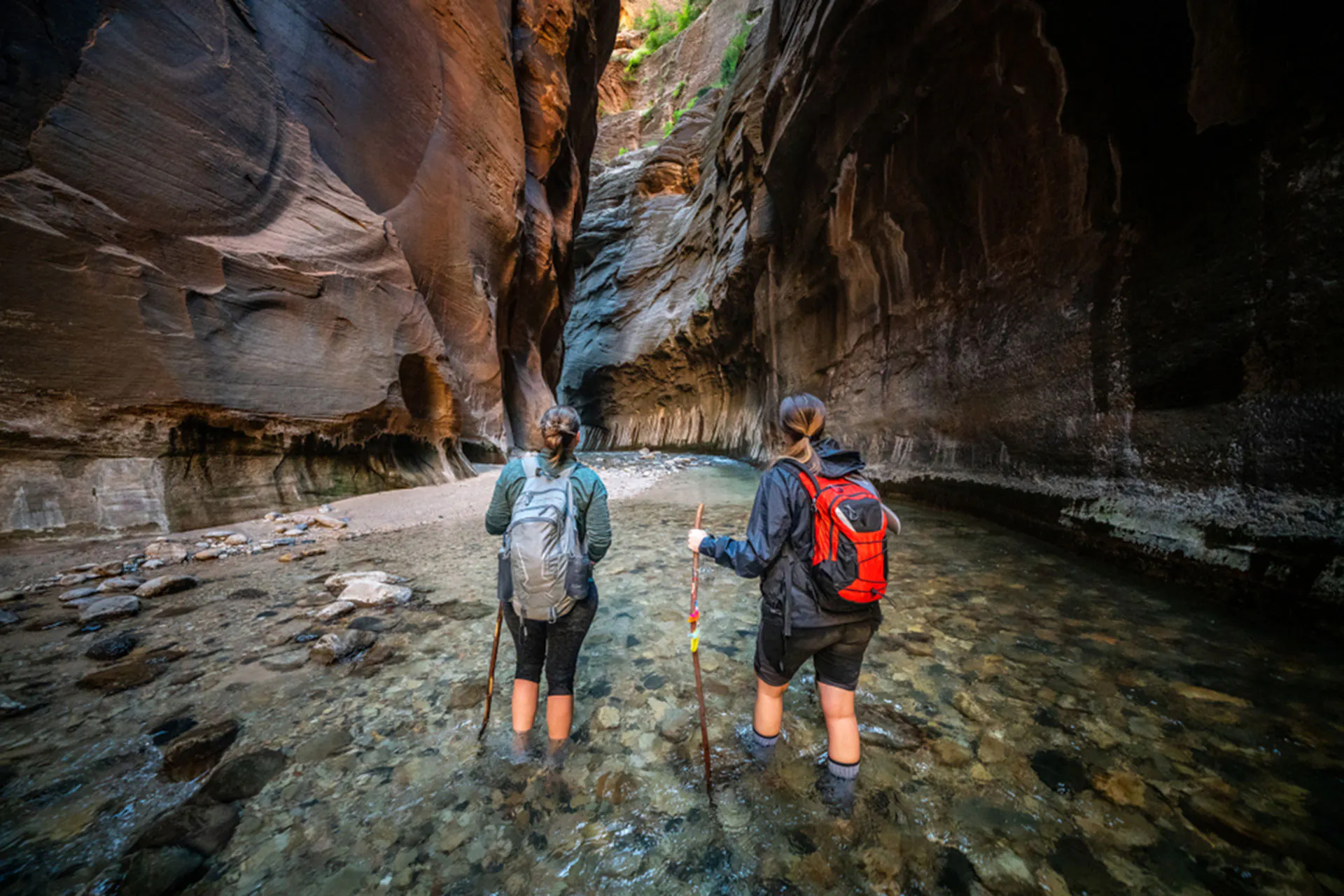
Why Canyoneering in Utah is Great
Utah is the canyoneering capital of the world. It is home to thousands of slot canyons that slice hundreds or thousands of feet through sedimentary rock layers — an erosional process that happened over millions of years. There are areas in Australia, Europe and the Middle East that come close to rivaling Utah’s impressive canyons, but no other place matches the volume or stunning nature of Utah’s canyons.
Where to Go Canyoneering
Zion National Park
Widely considered the birthplace of modern canyoneering, Zion is home to many of the world’s most iconic slot canyons, including The Narrows, The Subway, Mystery Canyon, and Pine Creek. Guided canyoneering tours are available in Springdale, Utah.
Grand Staircase-Escalante National Monument
Grand Staircase–Escalante contains one of the highest concentrations of slot canyons on Earth, ranging from easy walk-through corridors to challenging technical descents. Its vast wilderness, beautiful scenery, and remote feel make it a favorite among adventurous explorers. Guided canyoneering is available in the nearby town of Escalante, Utah.
North Wash
North Wash is popular for its stunning variety of technical canyons packed into a relatively small area. With dozens of classic routes and easy access, it’s one of the best places in Utah to learn canyoneering as a beginner. Guided canyoneering is available in nearby Hanksville.
Robbers Roost
Remote and rugged, Robbers Roost offers an authentic backcountry canyoneering experience with long, committing slot canyons and plenty of solitude. Originally a historic outlaw hideout, it is only appropriate for experienced canyoneers who are very familiar with navigation, rappelling and self-reliance.
San Rafael Swell
From a canyoneering perspective, San Rafael Swell has a little bit of everything: from family-friendly slot canyons to technical routes into deep sandstone chambers. Its accessibility, scenic beauty, and relatively light visitation make it an excellent alternative to Zion.
Moab
Known primarily for rock climbing and mountain biking, Moab also offers excellent technical canyons surrounded by breathtaking red rock scenery. It’s an ideal destination for combining canyoneering with hiking, mountain biking, and visits to nearby Arches National Park and Canyonlands National Park.
When to Go Canyoneering
Spring (April through early June) and fall (September through October) are generally the best times to go canyoneering in Utah, offering comfortable temperatures and ideal conditions for both hiking (which is often required) and technical descents. Summer can bring extreme desert heat and dangerous, life-threatening flash floods, especially in narrow slot canyons. Winter offers quieter trails and cooler hiking weather, but icy conditions, cold water (that may rarely see sunlight), and short days make technical canyons much more challenging.
What to Pack
- Sturdy hiking shoes or boots
- Water shoes or sandals
- Non-cotton hiking socks
- Sun protection—hat, sunscreen, sunglasses and sun hoody
- Rain gear—waterproof and breathable, jacket only in the summer months, jacket and pants in the spring, fall and winter
- Warmth layers—one light fleece or wool layer in the summer, more the rest of the year.
- Insulated jacket, warm hat and gloves—November through March
- Small first-aid kit
- Backpack—10-40 liters
- Water—in water bottles, hydration bladder or a combination. 3+ liters per person in the summer, 2+ liters in spring, fall and winter
- Sweet, salty snacks—2-3 times your normal calories intake
- Technical gear—harness, helmet, rope (usually 60-80 meters), rappel device, anchor equipment
- Wet suit—if doing a canyon that requires swimming, especially in the cooler months of October-April
Go with a guide on a Zion canyoneering adventure, or Moab canyoneering tour.
5. Rock Climbing: Exploring the Heights
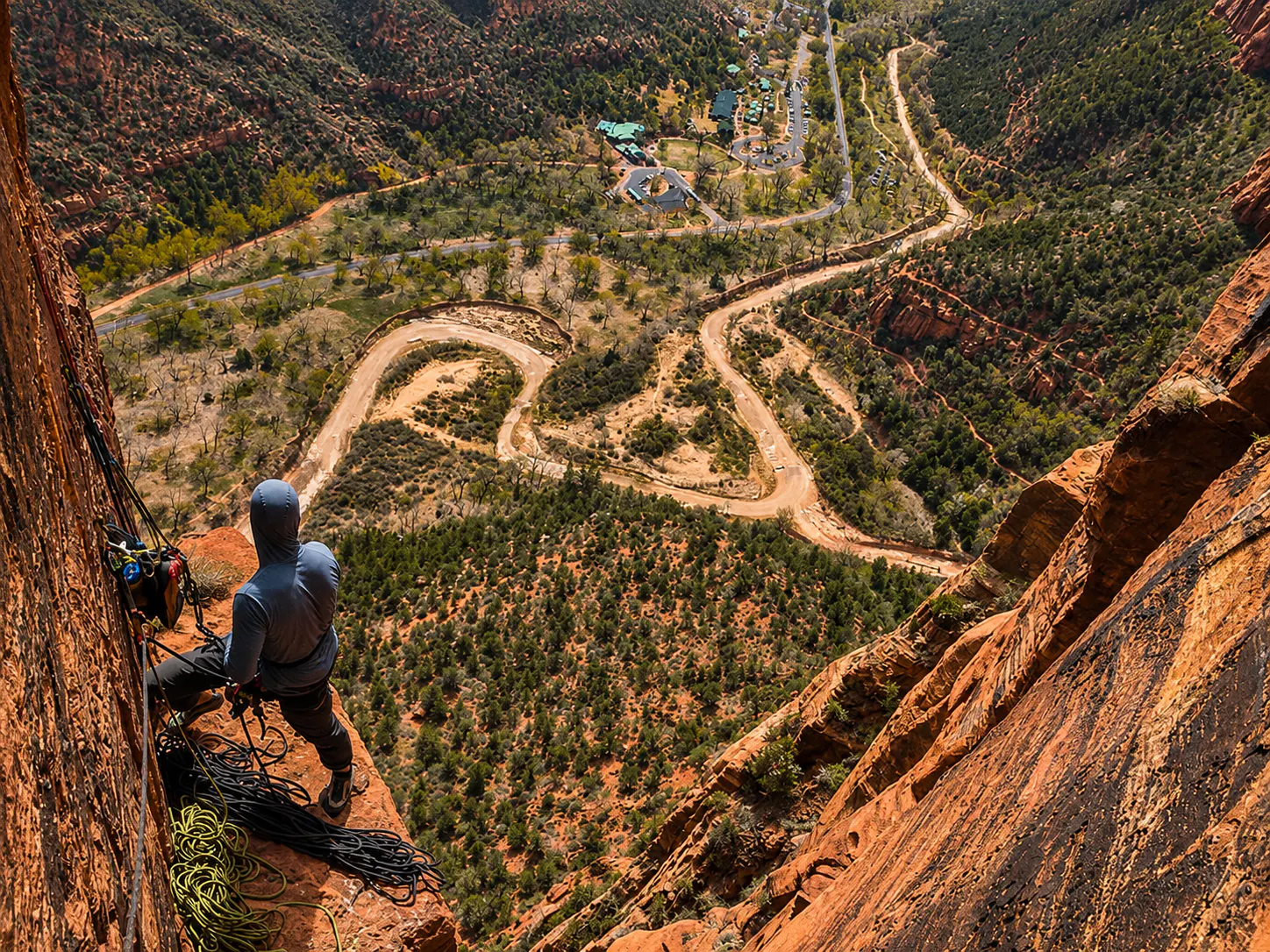
Why Climbing in Utah is Great
Like hiking and mountain biking, climbing is a year-round activity in Utah. There are excellent places to climb in every season. Utah is perhaps most famous for its desert climbing on the towering sandstone cliffs of Zion, the desert towers near Moab and the perfect cracks of Indian Creek. However, there is quality summer climbing as well in places like LIttle Cottonwood Canyon and the La Sal Mountains.
Where to Climb
Zion National Park
Zion is at the top of my list of places to climb in Utah for several reasons. First, the climbing is fantastic, and the scenery is even better. Second, there are excellent guide services who can take novice or experienced climbers on routes that will inspire you. Third, it offers a solid 8-10 months of good climbing weather each year, especially if you’re willing to chase the sun (in winter) or the shade (in summer). Some excellent climbs in Zion include Led by Sheep, Ashtar Command and Iron Messiah.
Moab
Deserving of the title “Adventure Capital of the World,” Moab is home to essentially all outdoor sports, and that includes rock climbing. Surrounded by endless sandstone cliffs, canyons and mesas, Moab unsurprisingly offers hundreds of routes in close proximity to town. In the spring and fall, check out Wall Street, Potash Road and Castle Valley. In the summer, head up into the La Sal Mountains for excellent high country climbing on diorite and limestone crags.
Indian Creek
Even though it is often considered part of the greater Moab area, when it comes to climbing Indian Creek deserves its own section. One of the most famous and revered climbing areas in the US, this remarkable place offers not only spectacular climbing, but also a surprisingly spiritual connection to the land. Known for its “splitter” cracks and traditional climbing (where climbers place protection in cracks in the rock), it’s highly recommended to hire a climbing guide here unless you are an experienced “trad” climber.
Little Cottonwood Canyon
For summer outings, or if you’re staying in or near Salt Lake City, Little Cottonwood Canyon boasts spectacular climbing on bullet-hard granite. With more than 1,000 routes and a gorgeous mountain setting, this isn’t a place you visit just once. Guided climbing services are available.
When to Climb
Follow these guidelines for timing your rock climbing adventure:
- Spring (March-May): Zion National Park, Moab’s desert climbs, Indian Creek and other lower-elevation destinations are at their best.
- Summer (June-August): If you’re in the Moab area, climb in the La Sal Mountains. Otherwise look for mountain areas like Little Cottonwood Canyon.
- Fall (September-November): Like spring, this is the time for desert climbing.
- Winter (December-February): Be cautious, as ice can form even on desert climbs. Look for climbing at the lowest elevations — places like Zion and St. George.
What to Pack
- Sturdy hiking shoes or boots
- Non-cotton hiking socks
- Sun protection—hat, sunscreen, sunglasses and sun hoody
- Rain gear—waterproof and breathable, jacket only in the summer months, jacket and pants in the spring, fall and winter
- Warmth layers—one light fleece or wool layer in the summer, more the rest of the year.
- Insulated jacket, warm hat and gloves—November through March
- Small first-aid kit
- Climbing backpack—10-30 liters
- Water—in water bottles, hydration bladder or a combination. 3+ liters per person in the summer, 2+ liters in spring, fall and winter
- Sweet, salty snacks—2-3 times your normal calories intake
- Technical gear—harness, helmet, rope (usually 60-80 meters), rock protection, rappel device, anchor equipment, possible tag line for the descent
Ascend with experts on a guided Utah rock climbing experience.
Join a Guided Trip or Do It On Your Own?
Whether to join a guided adventure trip or travel independently is an important question. The short answer is that if you are in doubt, hire a guide. All adventure activities in Utah are potentially dangerous, with hazards ranging from intense heat to heights exposure, and from water scarcity to flash floods.
If you are new to an activity that has technical aspects, like climbing, rafting or canyoneering, then I very strongly recommend joining a guided trip. If the activity does not have technical aspects, such as hiking and mountain biking, joining a high quality small-group tour has significant benefits. A guide can bring a destination to life in ways that make your visit much more meaningful and educational. Additionally, the tour company handles itinerary planning, logistical details, meals and much more so you can focus on enjoying all Utah has to offer.
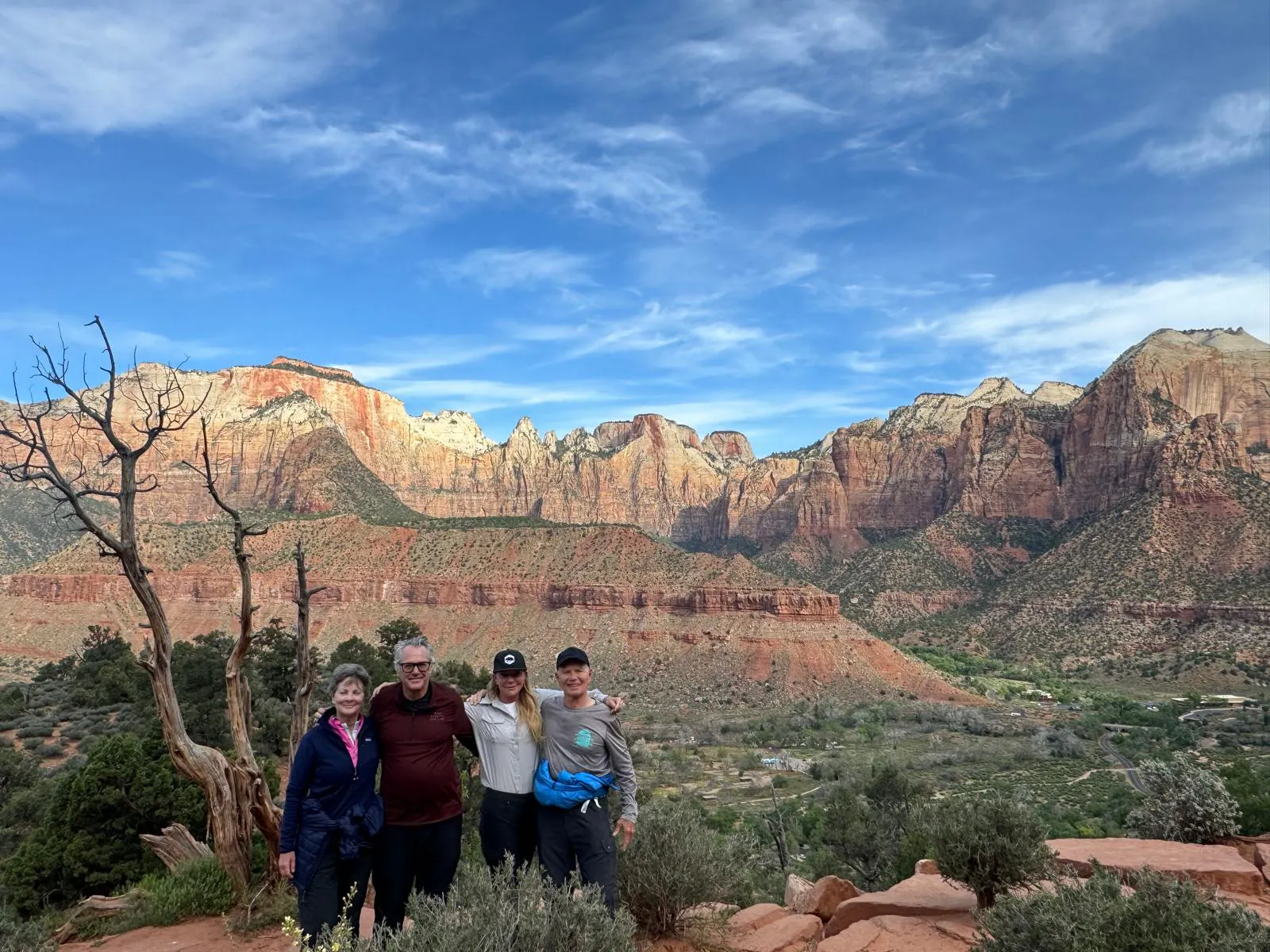
Why Explore Utah with MT Sobek
Hiking Utah with MT Sobek means exploring some of the state’s most spectacular landscapes with a company that has been pioneering adventure travel since 1969. From the narrow slot canyons of Zion to the geological wonders of Capitol Reef, MT Sobek designs journeys that combine iconic destinations with lesser-known trails. With expert guides, small groups, and thoughtfully crafted itineraries, travelers can focus on the experience of the hike while the logistics are handled seamlessly.
- Comfort and immersion: Rewarding hikes paired with premier lodging and memorable meals create a rewarding and relaxing experience.
- Decades of expertise: A pioneer in adventure travel since 1969 with a long legacy of leading exceptional hiking and rafting journeys across Utah, the United States, and the world.
- Expert guides: Knowledgeable leaders share insights into local ecology, geology, wildlife, and cultural history, and ensure a commitment to safety and enjoyment throughout the journey.
- Carefully designed itineraries: A balance of iconic trails and hidden gems for a deeper experience of each destination. MT Sobek’s hiking adventures immerse travelers in the natural beauty and cultural heritage of Utah.
- Seamless travel logistics: Permits, transportation, and accommodations are expertly arranged so you can focus on the adventure.
FAQs
Spring (March–May) and fall (September–November) offer the best combination of pleasant weather, lighter crowds, and ideal conditions for desert hiking, rafting, mountain biking, and canyoneering. Summer is perfect for higher-elevation destinations like the Wasatch and Uintas but can be extremely hot in the desert. Winter brings world-class skiing, snowshoeing in the mountains and quiet, pristine desert hiking.
A week is enough time to experience two or three regions, such as Zion, Bryce Canyon and the Grand Staircase-Escalante; or Arches, Canyonlands and Capitol Reef. For a more comprehensive adventure that includes the Mighty Five national parks plus add-ons like the La Sals, Fisher Towers or Castle Valley, plan on 10–14 days.
Pack lightweight layers, rain gear, sturdy hiking shoes, sun protection, and plenty of water (either in water bottles or a hydration bladder). Utah’s weather can change quickly, so be prepared for a variety of conditions. If you plan to raft, climb, mountain bike, canyoneer, or backpack, bring activity-specific gear or book with a guided adventure company that provides the appropriate equipment.
You may. Some of Utah’s most popular experiences require advance planning. Permits or reservations are required to hike Angels Landing, and embark on overnight backpacking, river rafting and technical canyoneering trips.
Absolutely. Utah offers everything from easy hikes and family-friendly rafting trips to guided slot canyon tours and beginner mountain biking trails. More experienced adventurers will also find challenging backpacking routes, technical canyons, exciting river rapids and world-class rock climbing.
Both options can be rewarding, depending on your experience and goals. Independent travelers enjoy maximum flexibility, while guided adventures provide expert local knowledge, logistics, permits, equipment, and access to more obscure highlights, allowing you to spend more time enjoying Utah’s spectacular landscapes and less time planning.
Learn More About Adventure Travel in Utah


