The 11 Best Bryce Canyon Hikes
Explore Our Expert Team's Hiking Recommendations in Bryce Canyon National Park
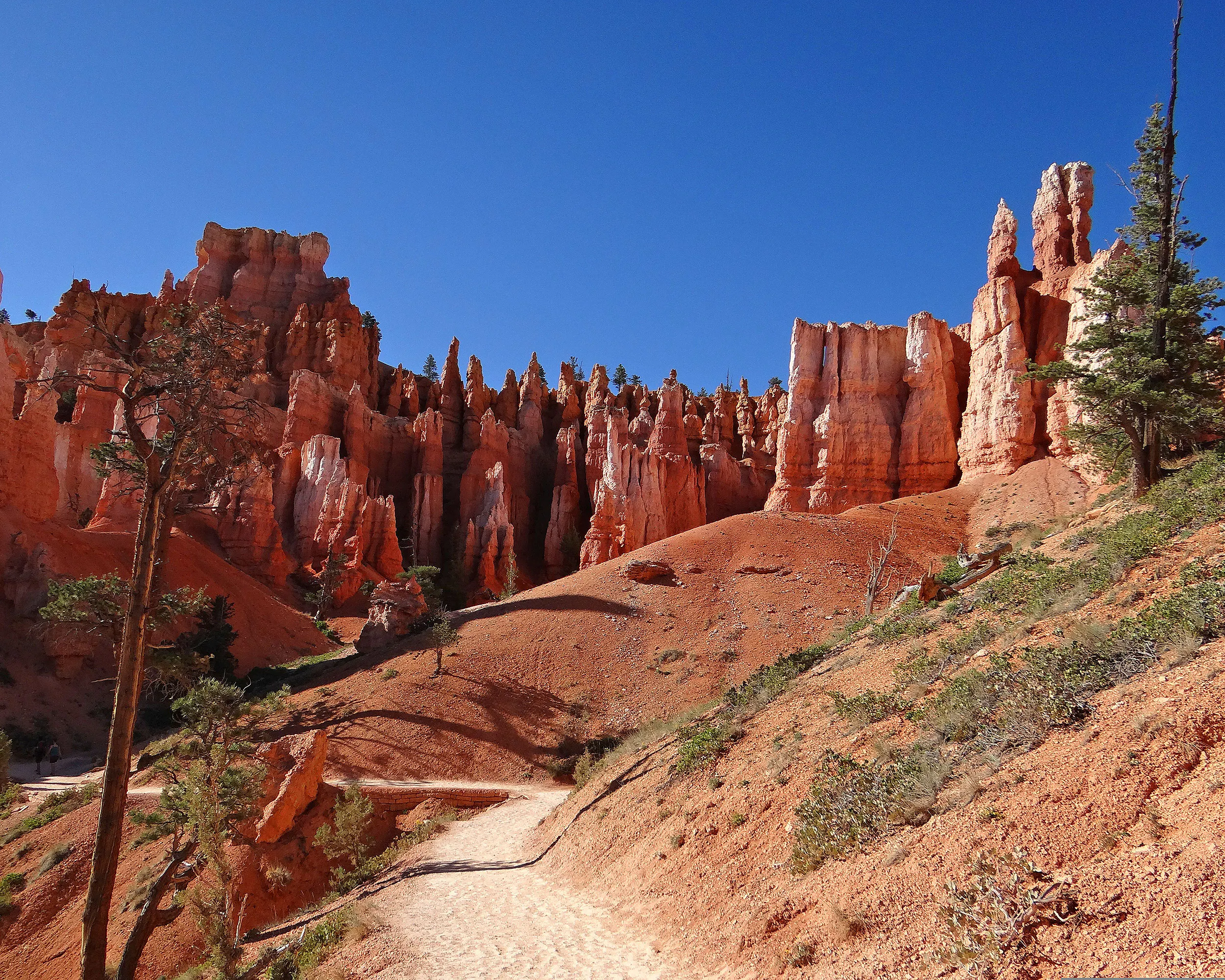
If you’re in search of the best Bryce Canyon hikes for an upcoming Utah national park vacation, you’re in for a truly unique North American travel experience. Nowhere else in the world combines the surreal geological formations, stunning views, well-maintained trails, and high-elevation mountain and desert landscapes quite like Bryce Canyon National Park. Known for its dense concentration of hoodoos—spire-like, sedimentary rock formations glowing in shades of red, orange, and pink—Bryce offers some of the most visually stunning hiking in the American Southwest.
To find identify the best hikes in Bryce Canyon National Park, I leveraged my owner experience leading hiking and adventure tours across Utah and Arizona for more than 20 years. I also turned to our team of North America adventure experts at MT Sobek—who have been providing world-class hiking and rafting tours across the US for more than five decades. With our combined experience and knowledge, we compiled our list of favorite hikes in Bryce. Whether you’re looking for short scenic walks along the rim or deeper descents into the iconic canyon amphitheater, our list covers the best Bryce Canyon hikes for every type of adventurer, along with tips, strategy, and seasonal insights to help you gain the most out of your Utah national park visit.
Why Bryce Canyon Hiking Is So Special
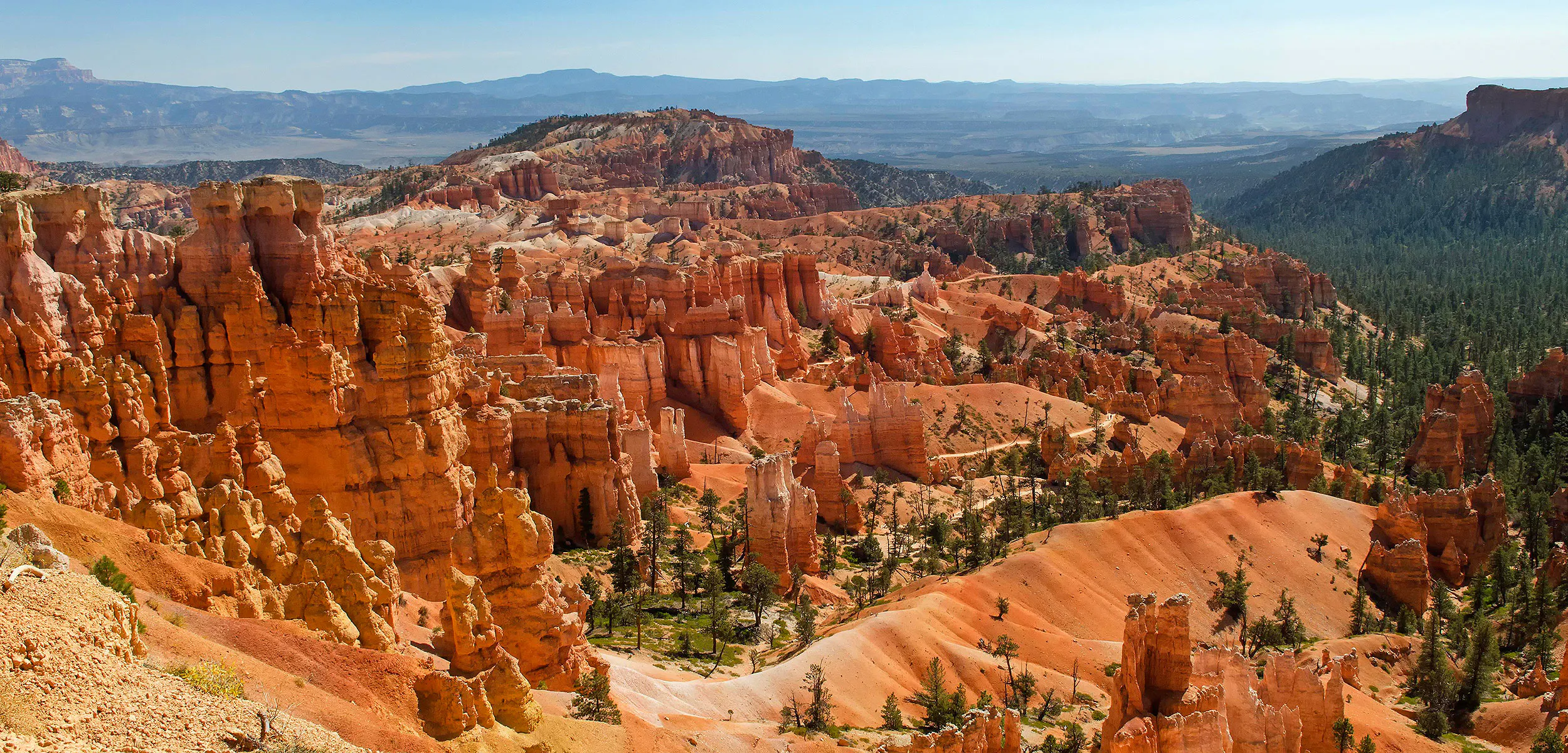
Bryce Canyon shares some attributes with other national parks in Utah and the American Southwest, but has several distinguishing characteristics. What truly separates Bryce Canyon from other parks are its famous hoodoos, its stunning amphitheaters, and its high elevation.
Hoodoos
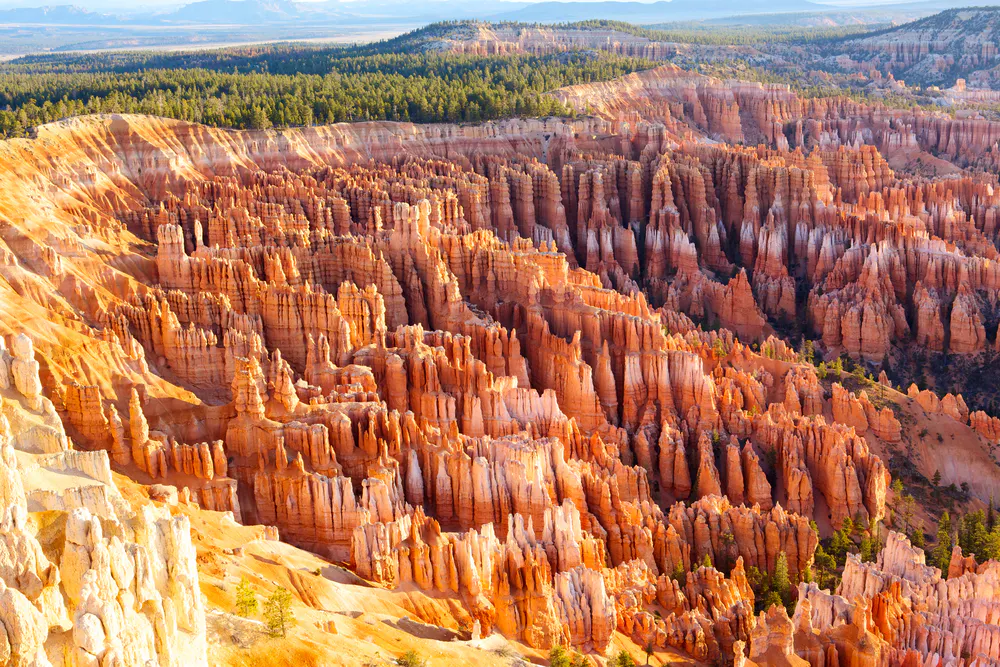
The hoodoos of Bryce Canyon National Park are unlike anything else on Earth, both in terms of their sheer density and how they are formed. While similar spire-like rock features exist in scattered places around the world, nowhere—and I mean nowhere—matches Bryce for the sheer concentration and scale of these formations. It’s estimated that Bryce has over 50,000 hoodoos! Sculpted over millions of years by frost wedging, erosion, and a unique combination of limestone and sedimentary rock (like shale and sandstone), each hoodoo takes on its own shape—some resembling towers, others delicate fins or even mythical figures. What makes them especially striking is how they catch and reflect the bright desert light, shifting in color from deep red to soft pink and orange throughout the day.
Learn More: Bryce Canyon Hoodoos: A Deep Dive into Nature’s Most Surreal Landscape
Amphitheaters
The amphitheaters of Bryce Canyon National Park are a defining feature of the park’s iconic landscapes, forming a series of massive, natural bowls carved out of the edge of the Paunsaugunt Plateau. Unlike canyons, which are shaped mostly by rivers and flash floods, Bryce’s amphitheaters were created through erosion and frost wedging, which gradually carved out the rock into sweeping, open depressions filled with hoodoos. The largest and most famous, Bryce Amphitheater, stretches for miles and contains the park’s densest concentration of hoodoos, creating an almost intentional-looking scene of spires, fins, and ridgelines.
High Elevation
Part of what makes Bryce Canyon especially unique among desert landscapes is its surprisingly high elevation, with most viewpoints and trails sitting between 8,000 and 9,000 feet. This elevation creates a cooler climate than many nearby Utah national parks, meaning summer days are more comfortable for hiking and nights can be refreshingly crisp. It also supports ecosystems you wouldn’t expect in a desert setting, including towering stands of ponderosa pine and ancient bristlecone pines. Perhaps most striking, the elevation leads to snow blanketing the hoodoos in winter, creating a dramatic contrast of pure white against red rock that’s rarely seen in other desert environments.
This accessibility combined with otherworldly scenery makes Bryce Canyon hiking one of the most rewarding outdoor experiences in the United States.
Learn More: Best Dark Sky Parks to Go Stargazing in the US


Best Bryce Canyon Hikes
Trails and Features Table
| Trail | Distance | Difficulty | Highlights |
|---|---|---|---|
| Navajo Loop | 1.3 miles | Moderate | Wall Street, close-up hoodoos |
| Queen’s Garden | 1.8 miles | Easy-Moderate | Gradual descent, iconic formations |
| Navajo + Queen’s Garden Loop | 2.9 miles | Moderate | Best overall hike in Bryce |
| Peekaboo Loop | 5.5 miles | Moderate | Remote feel, classic hoodoos |
| Fairyland Loop | 8 miles | Moderate | Fewer crowds, expansive views |
| Riggs Spring Loop | 8.6 miles | Moderate | Solitude, Conifer Forests |
| Under-the-Rim Trail | 23 miles | Strenuous | Backpacking trip, traverse park |
| Swamp Canyon Loop | 4 miles | Moderate | Quiet trail with iconic hoodoos |
| Rim Trail | Up to 11 miles | Easy | Panoramic overlooks |
| Mossy Cave Trail | 0.8 miles | Easy | Waterfall and steam |
| Bristlecone Loop | 1 mile | Easy | Ancient trees, high elevation views |
Navajo Loop Trail
Distance: 1.3 miles
Duration: 1-2 hours
Difficulty: Moderate
Starting Trailhead: Sunset Point
Ending Trailhead: Sunset Point
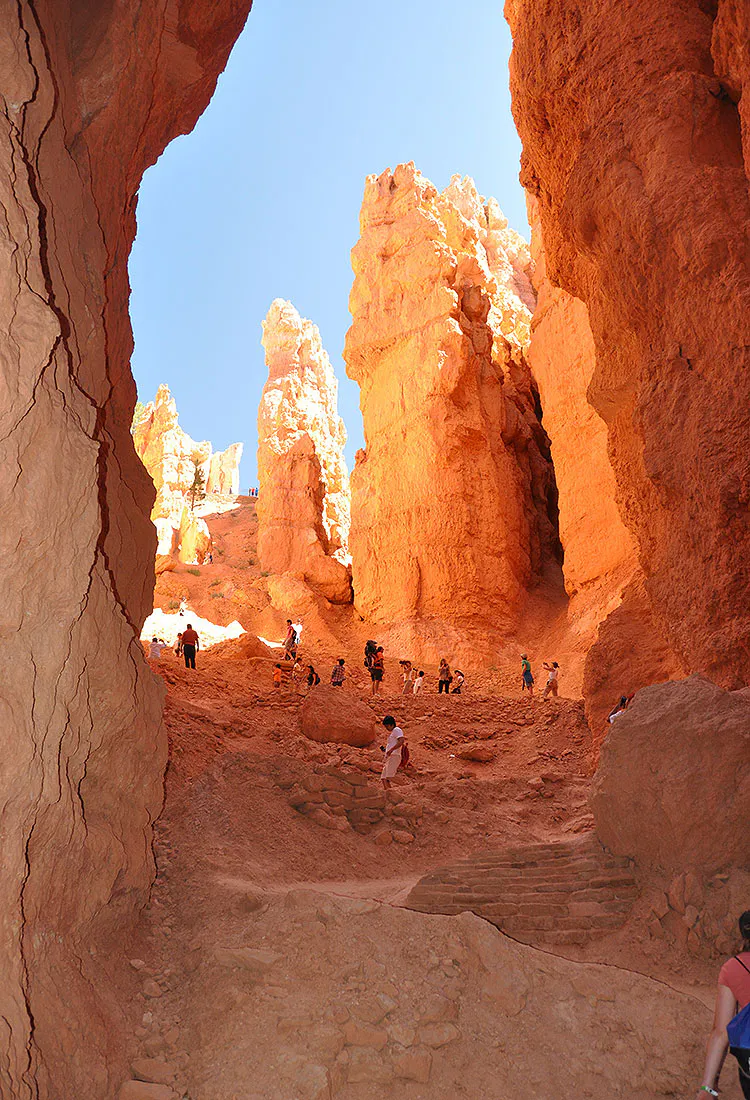
The Navajo Loop is one of the most famous Bryce Canyon hikes and offers a classic experience of the park in a relatively short distance. This trail is also one of our favorite recommendations if you’re short on time or do not want to take on a longer hike. It’s accessible, dramatic, and delivers some of the park’s most stunning scenery.
The trail descends steep switchbacks from Sunset Point into the canyon, quickly entering a world of towering hoodoos. The section known as “Wall Street” is particularly memorable, where sheer sedimentary walls close in around you, forming a tight, canyon-like corridor.
At the bottom of the descent, the trail opens into a forested basin decorated with Douglas fir trees, before climbing back up to the trailhead via another series of switchbacks.
What makes it special:
- Immersion in the dramatic world of hoodoos in Bryce Amphitheater
- Significant elevation change over a short distance
- One of the most visually stunning trails in the park
Because of its steep descent and ascent, this trail is best done early in the day to avoid crowds and heat.
Queen’s Garden Trail
Distance: 1.8 miles
Duration: 2-3 hours
Difficulty: Easy-moderate
Starting Trailhead: Sunrise Point
Ending Trailhead: Sunrise Point
If you’re looking for one of the most accessible Bryce Canyon hikes that delivers dramatic Utah scenery, Queen’s Garden is a fantastic choice.
Starting at Sunrise Point, the Queen’s Garden Trail gently descends into the canyon, offering a more gradual experience than its steeper cousin, Navajo Loop. Along the way, you’ll pass hoodoos that resemble castles, spires, and even a formation said to look like Queen Victoria!
This trail is ideal for:
- First-time visitors
- Families
- Those adjusting to the altitude
The hike down feels easy compared to other Bryce trails, but remember: what goes down must come back up!
Queen’s Garden + Navajo Loop
Distance: 2.9 miles
Duration: 3-4 hours
Difficulty: Moderate
Starting Trailhead: Sunrise Point
Ending Trailhead: Sunset Point
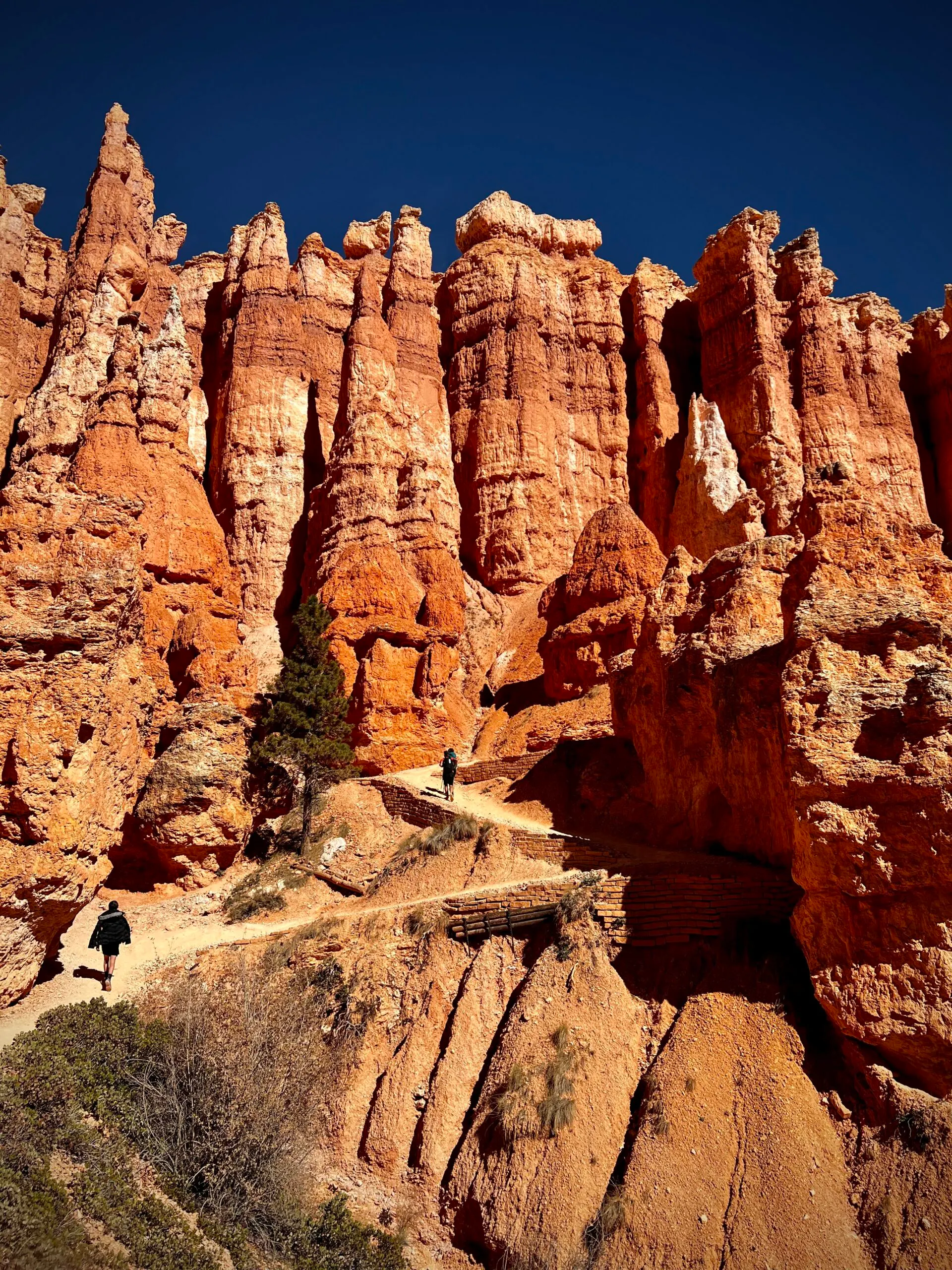
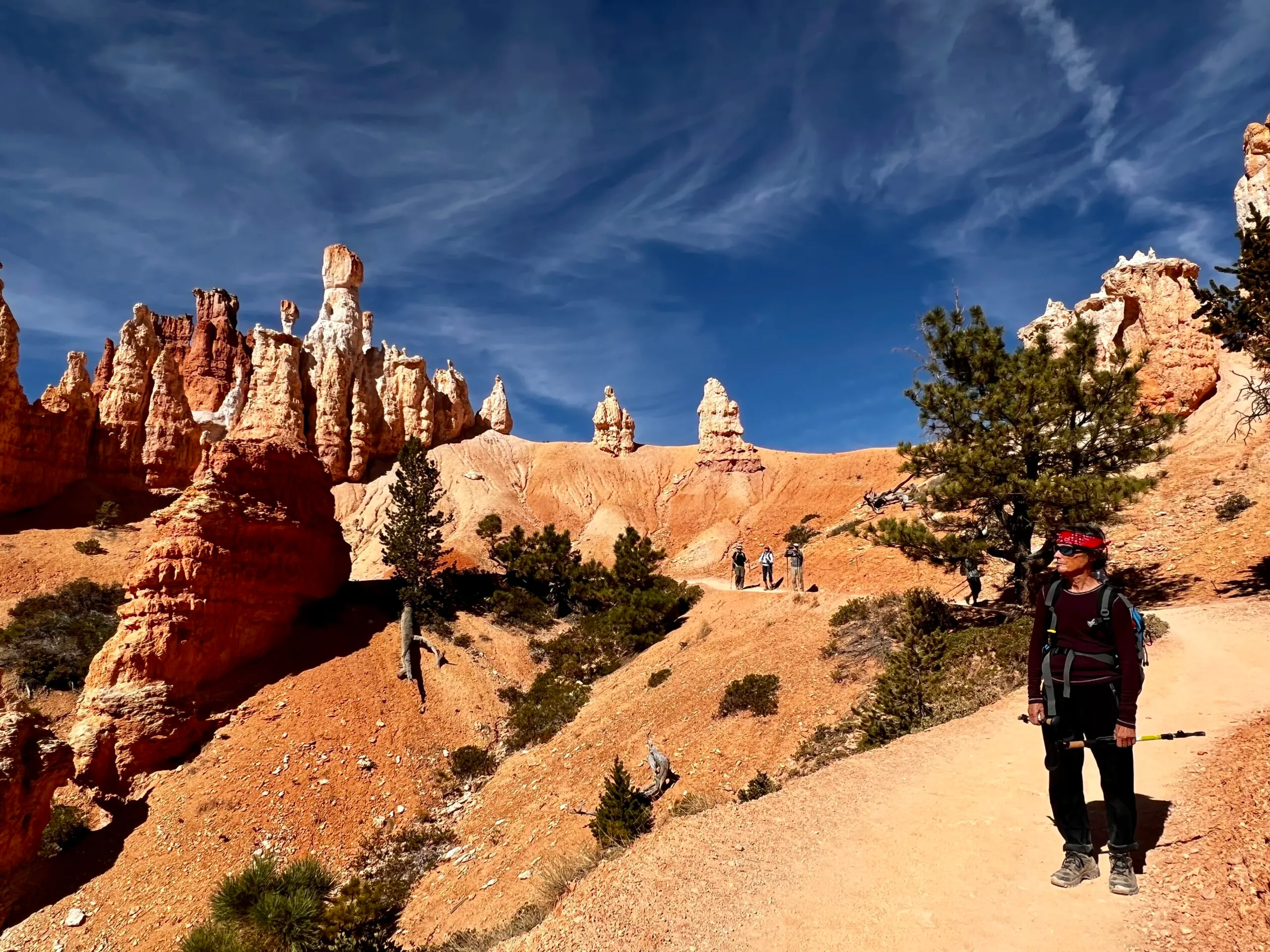
This is our team’s favorite hike in Bryce. If you only do one hike, make it this one. Combining Queen’s Garden with Navajo Loop creates a 2.9-mile circuit that showcases much of what makes this park one of Utah’s most famous.
You get the dramatic switchbacks and narrow corridors of the Navajo Loop, paired with the gentler, scenic descent of Queen’s Garden. The loop offers tremendous variety, constantly shifting views, and a perfect introduction to Bryce’s geology.
I recommend starting at Sunrise Point, descending on Queen’s Garden and finishing on the Navajo Loop to Sunset Point. You can then return to your starting point (Sunrise Point) via a .5 mile paved walking path.
Most hikers find:
- The clockwise route (down Queen’s Garden, up Navajo) feels more satisfying
- Early morning light enhances the colors dramatically
- This loop delivers the highest reward-to-effort ratio in the park
Peekaboo Loop Trail
Distance: 5.5 miles
Duration: 3-5 hours
Difficulty: Moderate
Starting Trailhead: Bryce Point
Ending Trailhead: Bryce Point
For those seeking a more extensive and physically demanding experience, the Peekaboo Loop is one of the best Bryce Canyon hikes.
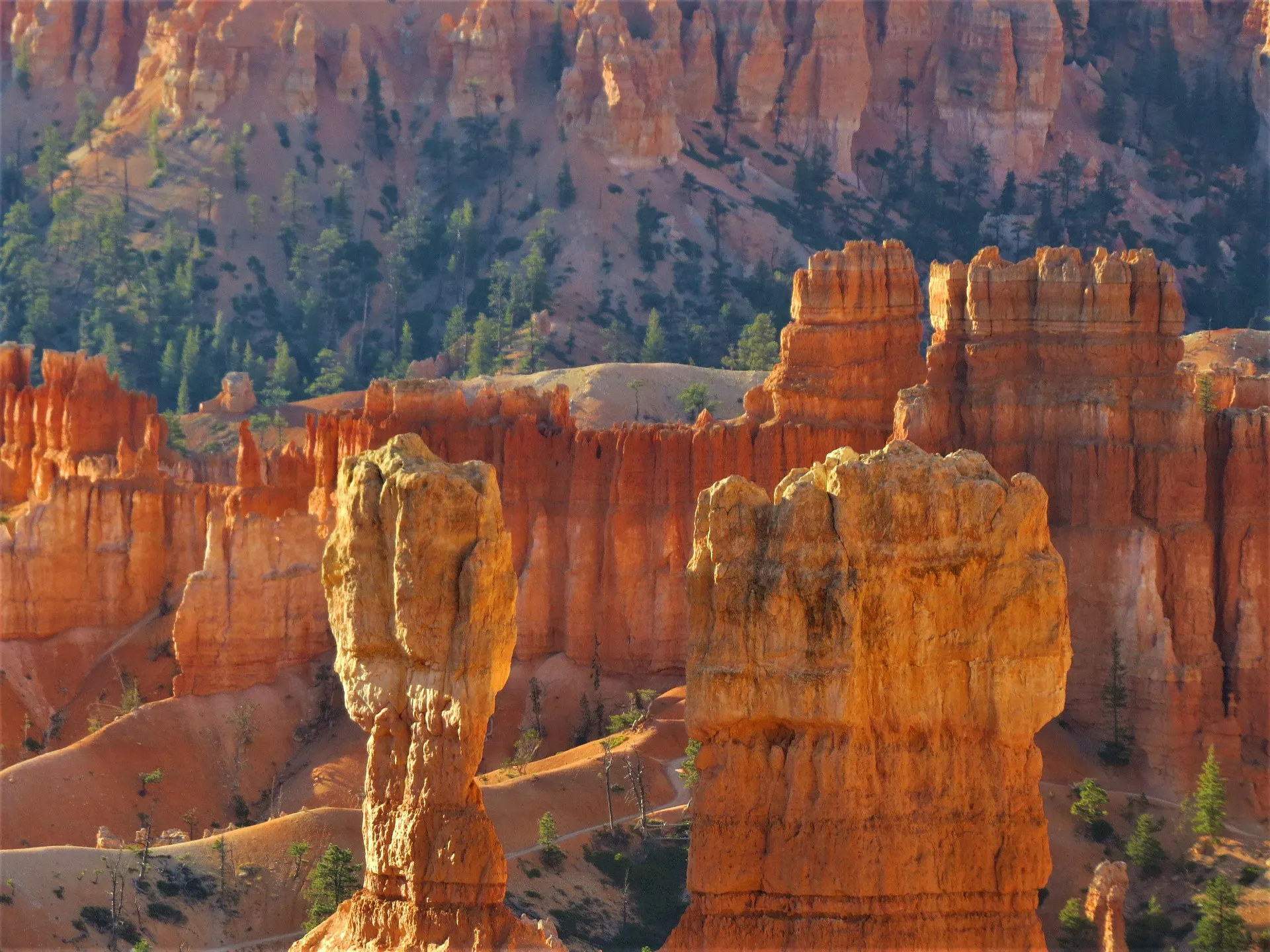
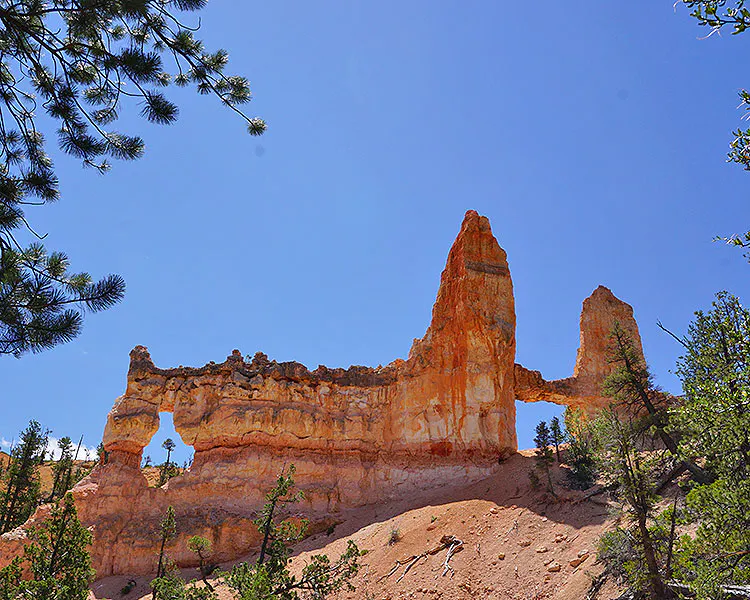
Beginning at Bryce Point, this 5.5-mile trail dives deep into Bryce Amphitheater and winds through a fabulous labyrinth of hoodoos. You’ll encounter natural windows, arches, and soaring formations that feel far more remote than the main amphitheater trails like Navajo Loop and Queen’s Garden.
Unlike the more popular routes, Peekaboo offers:
- Fewer crowds
- Greater solitude
- Longer stretches between viewpoints
The elevation gain is significant, and the trail can feel exposed in sections, so bring plenty of water and start early.
Fairyland Loop Trail
Distance: 8 miles
Duration: 4-6 hours
Difficulty: Moderate
Starting Trailhead: Fairyland Point
Ending Trailhead: Fairyland Point
This trail is one of our favorites to do with MT Sobek guests as part of our premier, small group Utah hiking tours. If you’re looking for an authentic, more remote experience of Bryce without needing a permit, Fairyland Loop is arguably the most underrated of Bryce Canyon’s hikes—which also makes it less crowded as well.
This eight-mile loop starts near Fairyland Point and descends into a less-visited section of the park. The landscape feels more expansive, with sweeping views, stunning hoodoo gardens and fewer hikers.
You’ll pass through:
- Towering hoodoo gardens
- Narrow ridgelines
- Forested sections with ponderosa pine and Douglas fir
This is a fulfilling hike that rewards you with a sense of desert solitude that’s rare in Bryce Canyon.
Riggs Spring Loop
Distance: 8.6 miles
Duration: 2-3 hours
Difficulty: Moderate
Starting Trailhead: Rainbow & Yovimpa Viewpoints
Ending Trailhead: Rainbow & Yovimpa Viewpoints
The Riggs Spring Loop is one of the most rewarding hikes in Bryce Canyon National Park if you’re looking for solitude, forested hiking, and gorgeous views beyond the park’s hoodoo-filled amphitheaters.
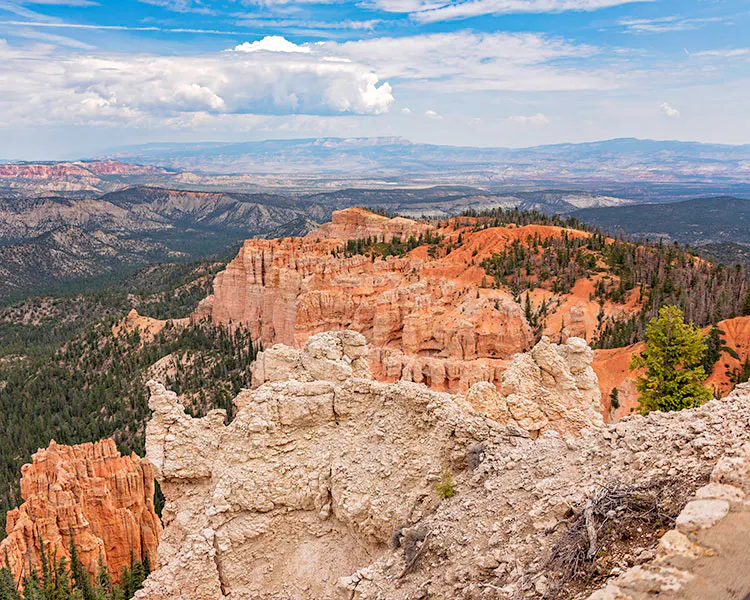
Beginning in the park’s southern section near Rainbow Point, this moderate loop hike winds through high-elevation spruce, fir, and ancient bristlecone pine forests before descending to the lush waters of Riggs Spring. Along the way, hikers enjoy panoramic overlooks across the colorful vistas of Bryce Canyon and the bast wilderness of the Grand Staircase-Escalante region.
Perfect for:
- Adventurous hikers looking for more solitude
- Hot days when shade and water are welcome
- An add-on hike to a 3 or 4 day visit after doing the hoodoo hikes
Under the Rim Trail
Distance: 23 miles
Duration: 2-3 days
Difficulty: Strenuous
Starting Trailhead: Rainbow & Yovimpa Viewpoints
Ending Trailhead: Bryce Point
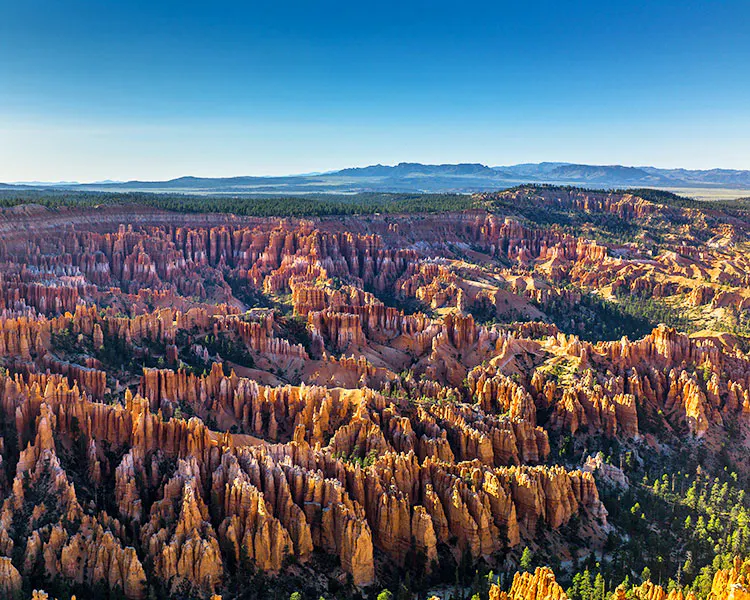
The Under-the-Rim Trail is Bryce Canyon National Park’s best and most popular backpacking trip. It crosses the length of the park beneath the colorful cliffs and amphitheaters that define Bryce’s remarkable landscapes.
Stretching from Rainbow Point in the south to Bryce Point in the north, the trail descends below the park’s famous rim to explore a quieter world of towering hoodoos, quiet canyons, conifer forests, and high-desert wilderness. There are 8 campsites along this route, all of which must be reserved in advanced through Bryce’s permit system.
Highlights include:
- The peace and quiet of sunrises and sunsets in the backcountry
- Desert creeks and springs
- Iconic views of Bryce’s hoodoos and amphitheaters
Swamp Canyon Loop
Distance: 4 miles
Duration: 2-3 hours
Difficulty: Moderate
Starting Trailhead: Swamp Canyon Loop Trailhead
Ending Trailhead: Swamp Canyon Loop Trailhead
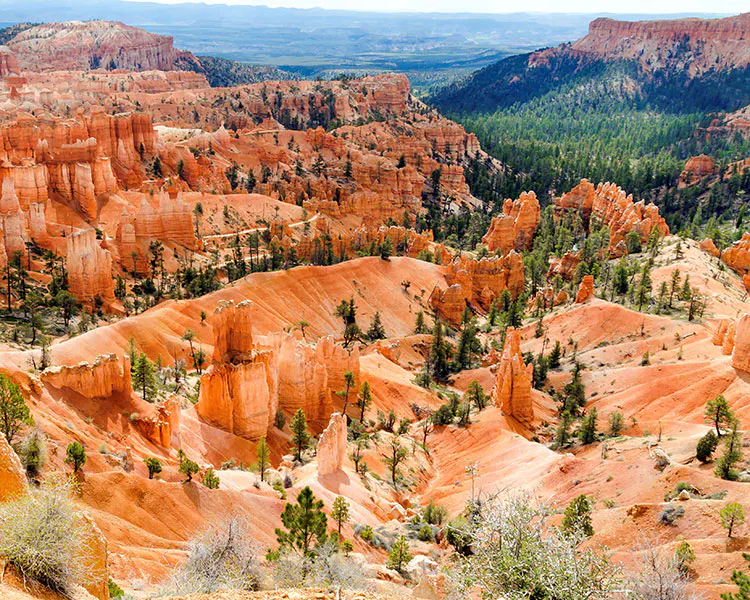
I feel strongly that Swamp Canyon Loop is one of Bryce Canyon National Park’s most underrated hikes, offering a peaceful alternative to the park’s busier trails while showcasing many of the geological features that make Bryce so amazing.
Beginning near Swamp Canyon Overlook along the scenic drive, the trail descends into a colorful amphitheater of hoodoos, fins, and sandstone spires before winding through pinyon-juniper woodland and open desert terrain. The route provides an intimate look at Bryce Canyon’s unique geology without the crowds often found on the park’s more famous hikes.
You’ll experience:
- Classic gardens of hoodoos
- Refreshing solitude
- Sweeping views of Bryce’s colorful landscapes
Rim Trail
Distance: Up to 11 miles
Duration: 1-6 hours
Difficulty: Easy
Starting Trailhead: Bryce Point
Ending Trailhead: Varies
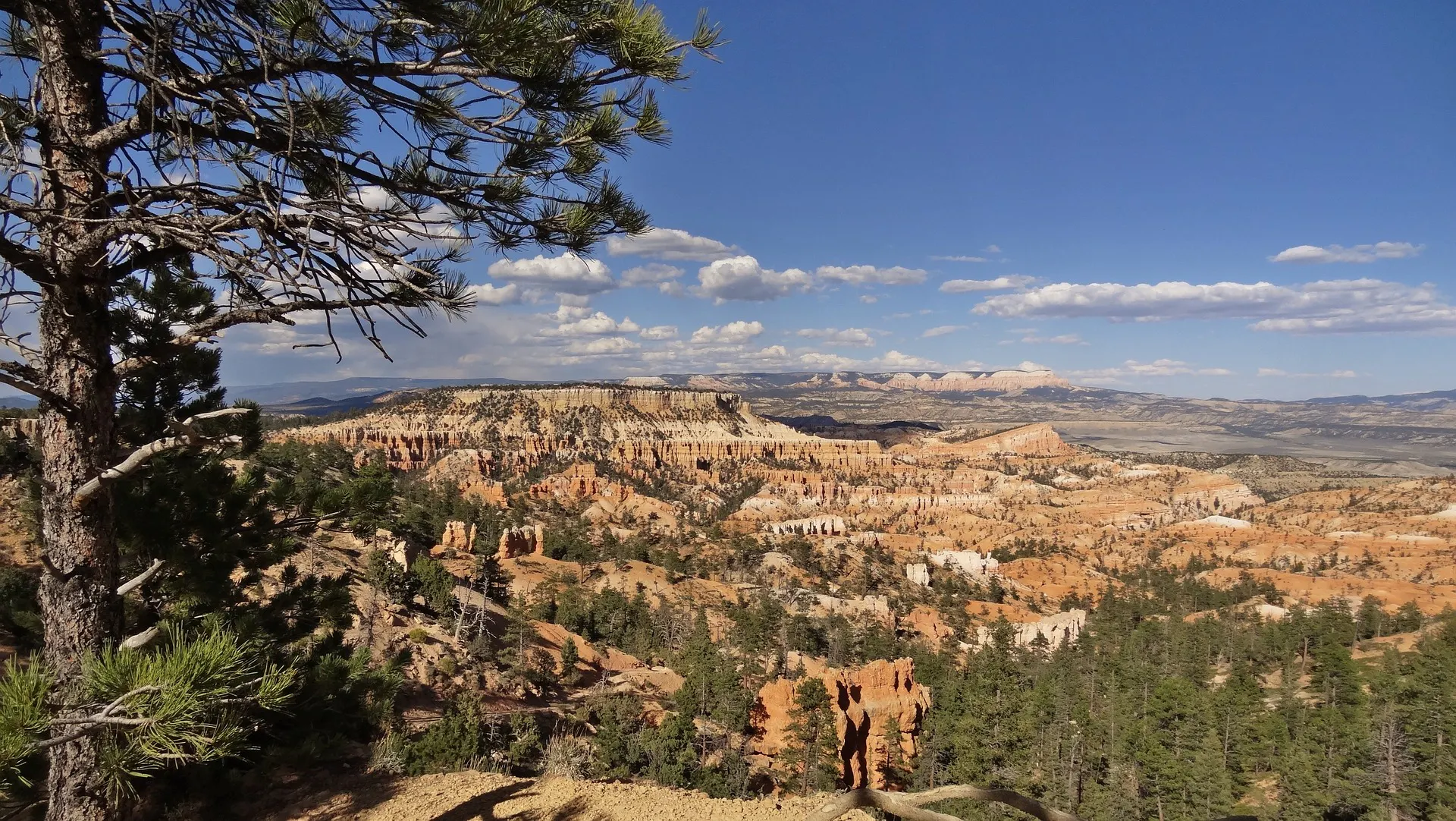
The Rim Trail is one of the most flexible Bryce Canyon hikes, stretching roughly 11 miles along the edge of the amphitheater. It offers an out-and-back walk with little elevation change and constant, panoramic views.
You can tailor this hike for exactly the time and distance you want to invest in the experience by turning around at any time—in fact, most visitors choose shorter sections between key viewpoints like:
- Sunrise Point
- Sunset Point
- Inspiration Point
- Bryce Point
This trail is mostly flat and accessible, making it ideal for:
- Sunrise or sunset walks
- Scenic photography
- Night stargazing walks
The Rim Trail offers a completely different perspective compared to hiking below the rim. You’re constantly looking out over the hoodoos rather than walking among them.
Mossy Cave Trail
Distance: .8 miles
Duration: ~1 hour
Difficulty: Easy
Starting Trailhead: Mossy Cave Trailhead on Highway 12
Ending Trailhead: Mossy Cave Trailhead
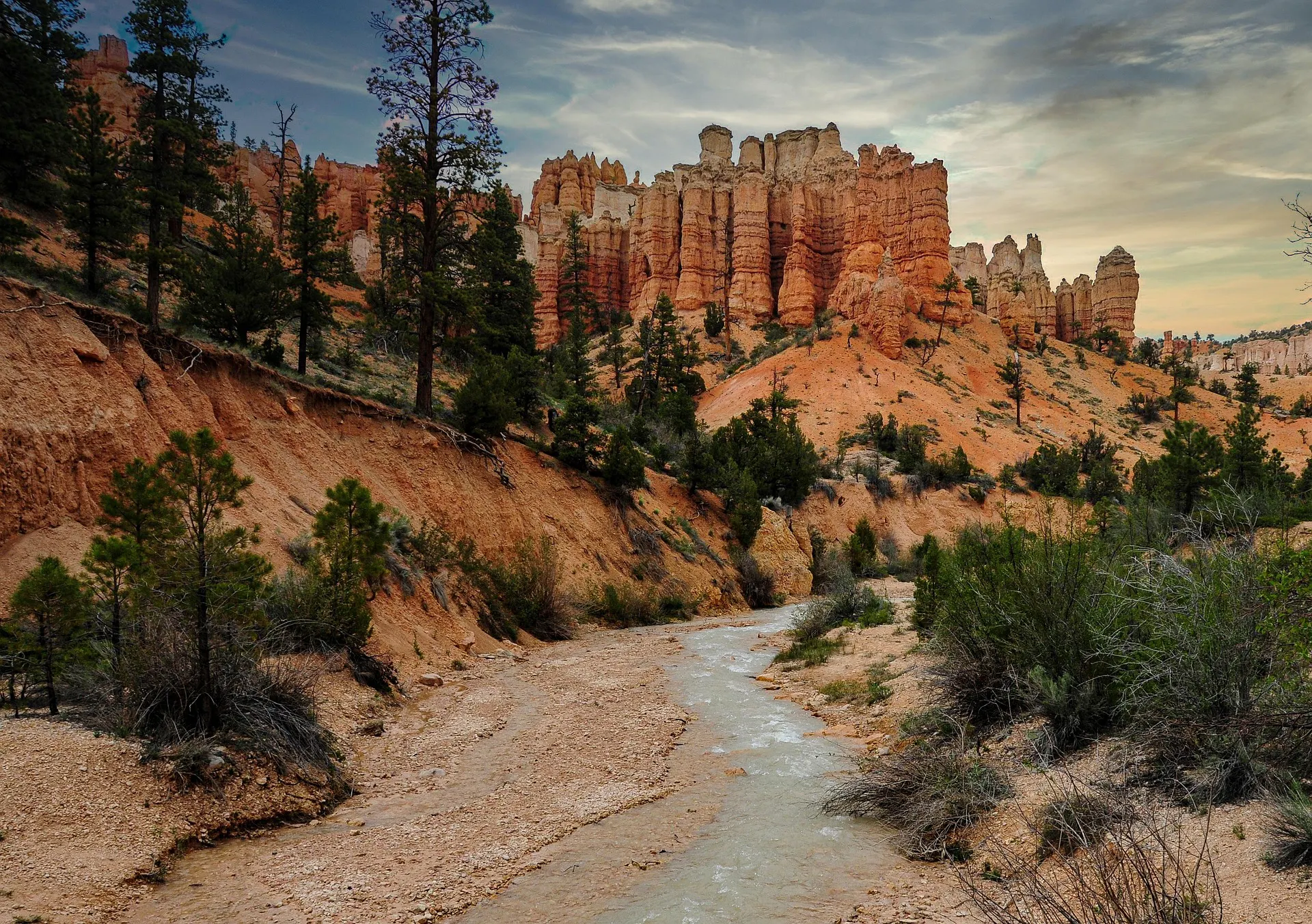
Located in the northern section of the park, Mossy Cave Trail is a short and easy hike that offers a different kind of Bryce experience.
Instead of hoodoos dominating the landscape, you’ll follow a stream to a small waterfall and a mossy grotto. It’s a fantastic option if you’re short on time, want a quick, family-friendly outing, or are looking for a refreshing oasis on a hot day.
Highlights include:
- Quick access from the road
- A rare water feature in Bryce Canyon
- Easy terrain
Bristlecone Loop Trail
Distance: 1 mile
Duration: 1-1.5 hours
Difficulty: Easy
Starting Trailhead: Rainbow & Yovimpa Viewpoints
Ending Trailhead: Rainbow & Yovimpa Viewpoints
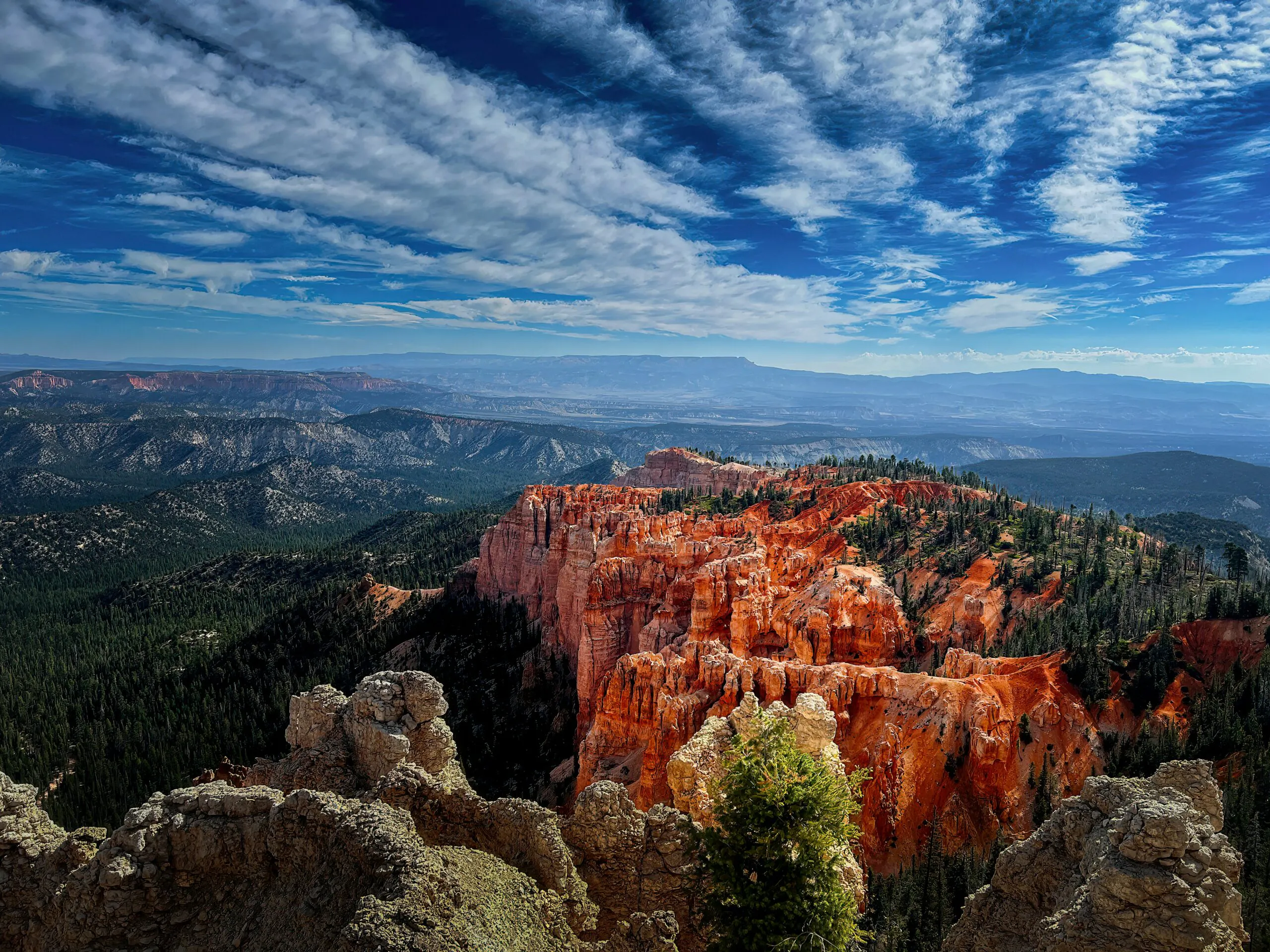
At over 9,000 feet in elevation, the Bristlecone Loop offers a cooler, quieter alternative to the main amphitheater hikes.
This trail winds through ancient bristlecone pines. These are some of the oldest living trees on Earth (some more than 1,600 years old). This short, fantastic hike provides sweeping views of classic southern Utah landscapes.
It’s a short, peaceful hike that feels worlds away from the busier sections of the park.
When to Hike Bryce Canyon
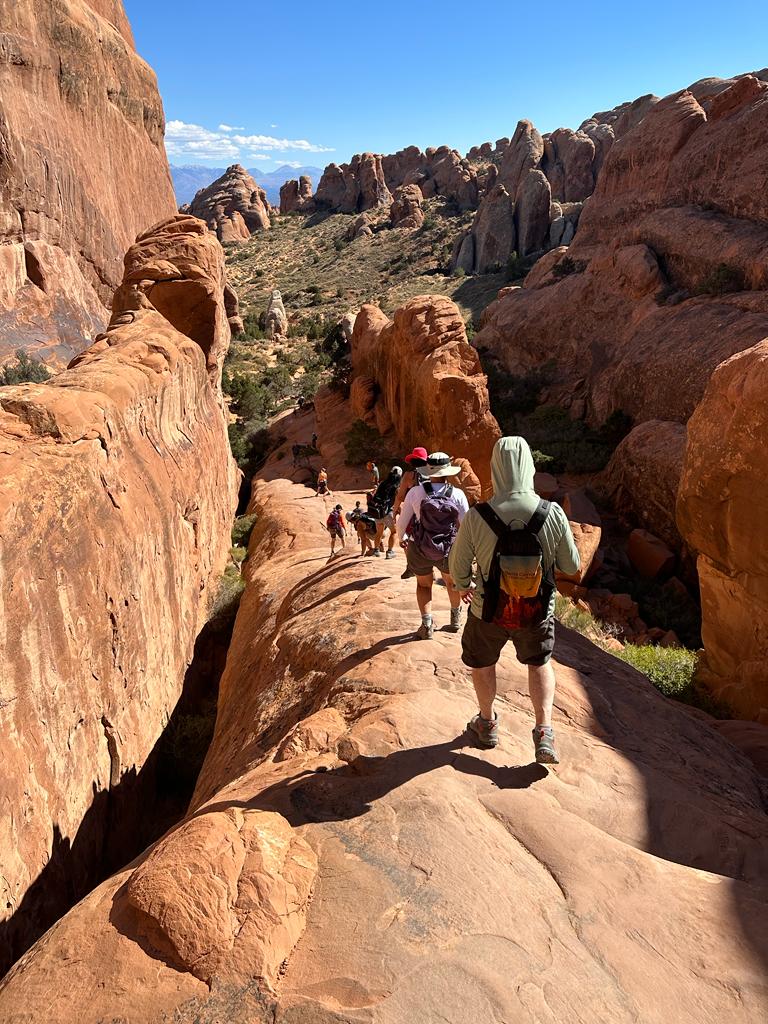
Timing plays a critical role in your experience of hiking Bryce Canyon.
Spring (March–May):
Cool temperatures and blooming wildflowers make this an excellent time to visit. Some trails may still have snow or ice early in the season, especially in March.
Summer (June–August):
Warm days and cool nights are ideal for hiking, but this is also peak season. Start early to avoid crowds and afternoon thunderstorms.
Fall (September–November):
Fewer visitors and crisp air make fall one of the best times for Bryce Canyon hikes. Colors become even more vivid under clear skies, and the few deciduous trees transform into shades of yellow and orange.
Winter (December–February):
Snow transforms Bryce into a completely different landscape. While some trails may be icy, the contrast of white snow against red hoodoos is stunning.

What to Pack for Your Hike
Packing appropriately for your Bryce Canyon hike is essential. Although many of the trails are short, some—like the Fairyland Loop, Riggs Spring Loop and Under the Rim Trail—are longer adventures, and having the correct clothing, food, water and safety items is critical for your safety and enjoyment.
Clothing
- Sturdy hiking shoes or boots
- Non-cotton hiking socks
- Nylon hiking shorts or pants
- Sun hoody or lightweight hiking shirt
- Baseball-style cap or wide-brimmed hat
- Sunglasses
- Lightweight fleece or wool layer
- Rain jacket
- Rain pants (on 4+ mile hikes)
- Warm hat and gloves (November-March)
- Down or synthetic insulated jacket (November -March)
Gear
- Backpack (20-30 liters)
- Trekking poles (optional, best for long hikes)
- Headlamp (always recommended)
- Sunscreen
- 1st aid kit
- Blister kit
Food & Water
- 2+ liters of water (more in the summer or on a longer hike)
- Electrolyte mix
- Trail snacks
- Lunch
Why Explore Utah with MT Sobek?
Exploring Utah with MT Sobek means hiking some of the state’s most spectacular landscapes with a company that has been pioneering adventure travel since 1969. From the narrow slot canyons of Zion to the geological wonders of Capitol Reef, MT Sobek designs journeys that combine iconic destinations with lesser-known trails. With expert guides, small groups, and thoughtfully crafted itineraries, travelers can focus on the experience of the hike while the logistics are handled seamlessly.
- Decades of expertise: A pioneer in adventure travel since 1969 with a long legacy of leading exceptional hiking and rafting journeys across Utah, the United States, and the world.
- Expert guides: Knowledgeable leaders share insights into local ecology, geology, wildlife, and cultural history, and ensure a commitment to safety and enjoyment throughout the journey.
- Carefully designed itineraries: A balance of iconic trails and hidden gems for a deeper experience of each destination. MT Sobek’s hiking adventures immerse travelers in the natural beauty and cultural heritage of Utah.
- Seamless travel logistics: Permits, transportation, and accommodations are expertly arranged so you can focus on the adventure.
- Comfort and immersion: Rewarding hikes paired with premier lodging and memorable meals create a rewarding and relaxing experience.
Learn More:
How to Plan a National Parks Trip
Enjoying our content? Add MT Sobek as a Google Preferred Source.

FAQs
At 8,000–9,000 feet, hikers may feel the altitude more than expected. Slower pacing, hydration, and gradual acclimatization are key.
Absolutely. Bryce Canyon pairs exceptionally well with Zion National Park and Kodachrome Basin, and many travelers visit multiple parks on one itinerary.
Yes. Trails like Queen’s Garden and the Rim Trail offer incredible scenery without narrow ledges or exposure.
Bryce Canyon’s amphitheaters, dense hoodoo formations, and high elevation create a landscape unlike any other park in Utah.
Very much so. Spring and fall offer cooler temperatures and fewer crowds, while winter brings dramatic snow-covered hoodoos.
Yes. MT Sobek offers custom itineraries that can adjust hiking difficulty, accommodations, trip length, and combine Bryce with nearby parks.
Key considerations include altitude, sun exposure, and icy trails in winter and spring. Trekking poles and layered clothing are highly recommended.
Guided hiking tours can significantly enhance your experience by taking care of logistics, reservations, permits, and safety while providing a professional guide with local expertise. Guides can also bring more color to destinations by providing fascinating knowledge about the ecology, geology, and history of the area.
Most hiking tours combine Bryce with other national parks like Zion, Arches and Canyonlands. Because of this, the average trip length is 4-6 days. Tours that cover all of the Mighty Five national parks tend to be 8-10 days in length.
Bryce has trails of various difficulties. If you prefer an easier hike you can hike the Rim Trail, which has very little elevation gain and loss, and you can turn around at any time. On the other end of the spectrum is the Fairyland Loop, which is 8 miles long and requires a moderately strong level of physical fitness. If you’re looking for a hike in the middle of these examples, consider the Queen’s Garden + Navajo Loop hike.
Learn More About Adventure Travel in Utah


