The 6 Best Adventure Destinations in the United States
Explore Your Options and Plan the Adventure of a Lifetime
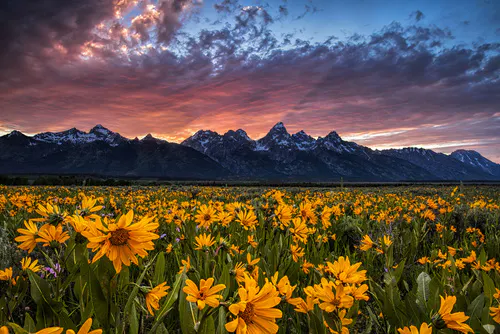
The United States stands alone when it comes to the diversity of adventure opportunities it offers compared to nearly every other country in the world. Within a single nation (and sometimes even within a single state), adventurous travelers can hike beneath towering sandstone cliffs, raft mile-deep canyons, trek deep into alpine mountain ranges, kayak across pristine lakes and much more. From the glaciers of Alaska to the deserts of the Southwest and the forests of the Appalachian Mountains, the variety of landscapes and outdoor experiences in the United States is radically extraordinary.
For adventure travelers, the United States offers something that is sadly and increasingly rare in the world: vast, protected wilderness areas that are accessible, well-managed, and fantastically varied. The National Park Service, the United States Forest Service, the Bureau of Land Management and many regional state parks collectively protect hundreds of millions of acres of public lands—not a small amount of which is designated wilderness where no roads or motorized devices are allowed. This unrivaled amount of terrain made accessible to the public for nominal—or zero—fees is perhaps the most significant contribution ever made to those of us whose souls breathe adventure like the body breathes oxygen.
Whether you’re seeking challenging mountain treks, multi-day rafting expeditions, wildlife encounters, or scenic hiking journeys, the U.S. provides seemingly endless opportunities for exploration.
Since 1969 MT Sobek has been pioneering new ways for guests to experience the United States’ stunning national parks, wild rivers and public lands. We produced this guide to highlight the landscapes, experiences, and destinations that we believe make this country one of the world’s very best adventure vacation destinations. Don’t take our word for it. Find an adventure or destination in this article that appeals to you and go check it out for yourself—you won’t be disappointed!
What Makes the United States a Top Adventure Destination
We believe that one of the most exciting attributes of adventure vacations in the United States is the country’s stunning geographic diversity. In just a handful of hours of flying, driving or even cycling, the landscape you’re in can change dramatically — from alpine peaks to coastal forests to desert canyons.
Some of the most famous adventure destinations in the USA include:
- the granite cliffs and waterfalls of Yosemite National Park
- the geothermal basins and abundant wildlife habitats of Yellowstone National Park
- the dramatic, stratified depths of Grand Canyon National Park
- the boundless and wild backcountry of Denali National Park and Preserve
- the sandstone formations, slot canyons and desert oases of Utah’s “Mighty 5” national parks
As spectacular as these destinations are, they represent only a tiny portion of the country’s world-class outdoor opportunities. An astonishing 828 million acres of public lands (roughly 36% of the United States’ total land mass) form the stage for adventure here, allowing travelers to experience an almost endless number of possible options for outdoor recreation.
“An astonishing 828 million acres of public lands (roughly 36% of the United States’ total land mass) form the stage for adventure here, allowing travelers to experience an almost endless number of possible options for outdoor recreation.” – MT Sobek adventure experts
Another advantage of adventure travel in the United States is infrastructure. Trail systems, ranger services, backcountry management, wildfire mitigation and control, permit systems and conservation initiatives help ensure that these stunning landscapes remain accessible to the public while protecting their ecological and recreational integrity.
The 6 Best Adventure Destinations in the United States
From an adventure perspective, we divide the United States into six regions that are exceptional for hiking, rafting, mountain biking, climbing, mountaineering, canyoneering, paddling, photography and other outdoor activities. Below are what we believe are the six most compelling regions for adventure in the United States. We invite you to read on, find the destination that speaks the most to you, and start planning an expeience you’ll never forget!
- The Sierra Nevada: California
- The Rocky Mountains: New Mexico to Montana
- The Far North: Alaska
- The Southwest: Arizona and Utah
- The Pacific Northwest: Oregon and Washington
- Appalachia Mountains: North Carolina and Tennessee

1. The Sierra Nevada: California
The Sierra Nevada mountain range is our team’s favorite adventure destination in the US. You may think it’s because we’re based in California, but that’s not it, we promise! We love the Sierra because of its sparkling granite domes, thundering waterfalls and pristine alpine wilderness.
“We love the Sierra because of its sparkling granite domes, thundering waterfalls and pristine alpine wilderness.” – MT Sobek Adventure Experts
The Sierra stretches across nearly the entire length of California from south to north. Famously coined the “The Range of Light” by revered conservationist John Muir, the Sierra Nevada is home to some of the most spectacular hiking, backpacking, climbing and rafting adventures in North America. Colossal granite domes, pristine mountain lakes, thundering rivers crashing down from the high country, and towering, snow-capped peaks characterize this breathtaking landscape.
Recommended Adventure Vacations in the Sierra Nevada
- Hotel-based day hiking in Yosemite National Park
- Camping-based day hiking in Yosemite or Lake Tahoe
- Backpacking a section of the John Muir Trail
- Rafting and Kayaking in Yosemite
- Backpacking and Summiting Mount Whitney in Sequoia National Park
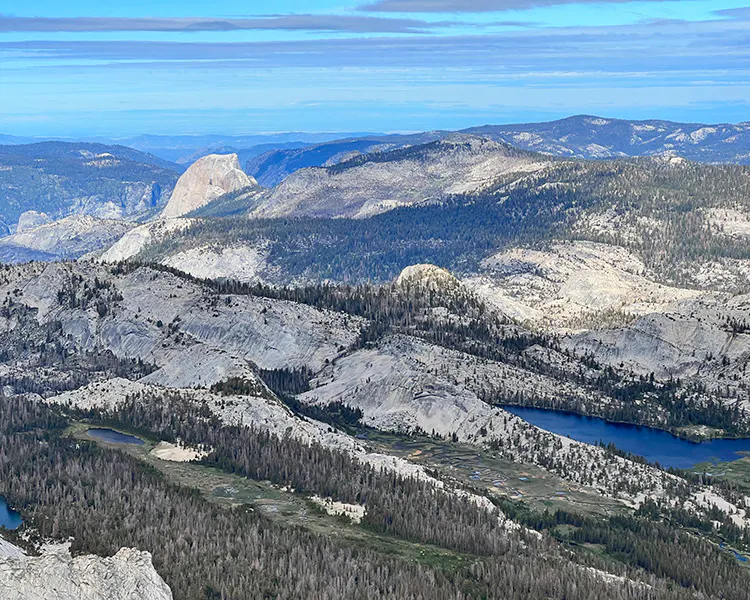
Yosemite National Park
At the heart of the Sierra Nevada is Yosemite National Park, where imposing granite cliffs such as El Capitan, Half Dome and Mount Watkins rise above verdant river valleys and plunging waterfalls. In Yosemite Valley, you can choose between many spectacular trails. The Mist Trail to Vernal and Nevada Falls (~6 miles), the Yosemite Falls Trail (~7.5 miles), or the Panorama Trail from Glacier Point to Yosemite Valley (~9.5 miles) are noteworthy options for day hikes.
Hiking Half Dome is a bucket list experience for many adventurous travelers, and justifiably so. It is perhaps Yosemite’s most famous landmark, and a stunning monolithic feature of the Valley. Formed over hundreds of millions of years, roughly 30% of the original dome was carved away by glaciers. Half Dome is a 16-mile roundtrip hike with 4,800 feet of elevation gain and loss. It can be done as a long day hike (10-16 hours), or as a 2-3 day backpacking trip.
Beyond Yosemite Valley, you can explore remote alpine terrain in the park’s backcountry and along routes like the Grand Canyon of the Tuolumne, the High Sierra Trail and the John Muir Trail.
Yosemite is also an excellent white water rafting destination. Guided ½ day and full day white water rafting tours are available on the Merced River and the Tuolumne River. Both river offer fun, exciting rafting through dramatic scenery.
The Sierra Nevada is a dream destination for backpackers and trekkers who enjoy high mountain scenery, crystal-clear lakes, and hikes that are as rewarding as they are challenging.
Sequoia – Kings Canyon National Parks
Sequoia and Kings Canyon National Parks (SEKI) sit 150 miles south of Yosemite and feature some of the most wild and imposing mountains in the Sierra Nevada. One of the most impressive highlights of SEKI is Mount Whitney, the tallest peak in the Continental United States. At 14,505 feet, the summit of Whitney towers above the surrounding peaks. Reaching the summit requires strenuous hiking and scrambling over very rugged terrain. It can be done as a very long day hike, or as a multi-day backpacking trip.
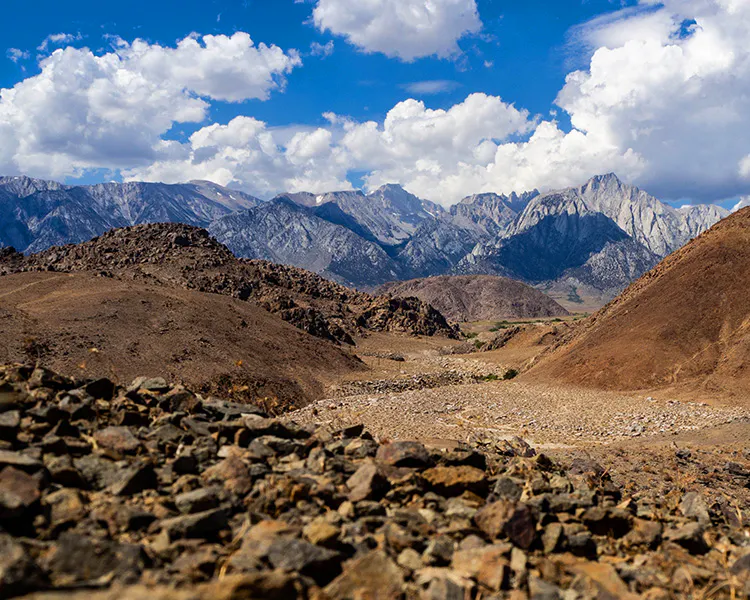
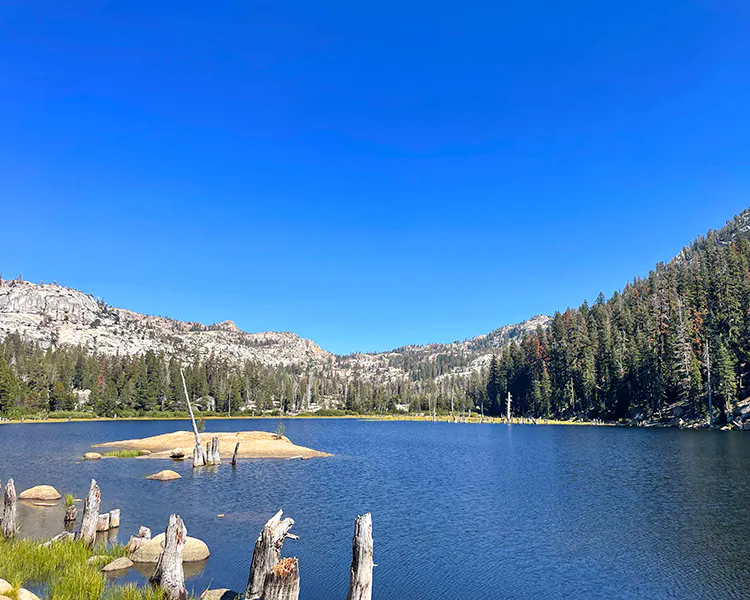
National Forest Lands in the Sierra Nevada
If you’re looking for more solitude, less infrastructure and as much stunning scenery as the national parks, California’s vast forest service lands offer exactly that.
“If you’re looking for more solitude, less infrastructure and as much stunning scenery as the national parks, California’s vast forest service lands offer exactly that.” – MT Sobek Adventure Experts
From south to north, the Sierra Nevada has the Sequoia, Inyo, Sierra, Stanislaus, Humboldt-Toiyabe, Eldorado, Tahoe and Plumas National Forests. Combined, these areas create nearly 12 million acres of well-preserved, world-class mountain terrain with roaring rivers, pristine alpine lakes, lush meadow systems, thundering waterfalls, towering cliffs, abundant wildlife and more.

2. The Rocky Mountains: New Mexico to Montana
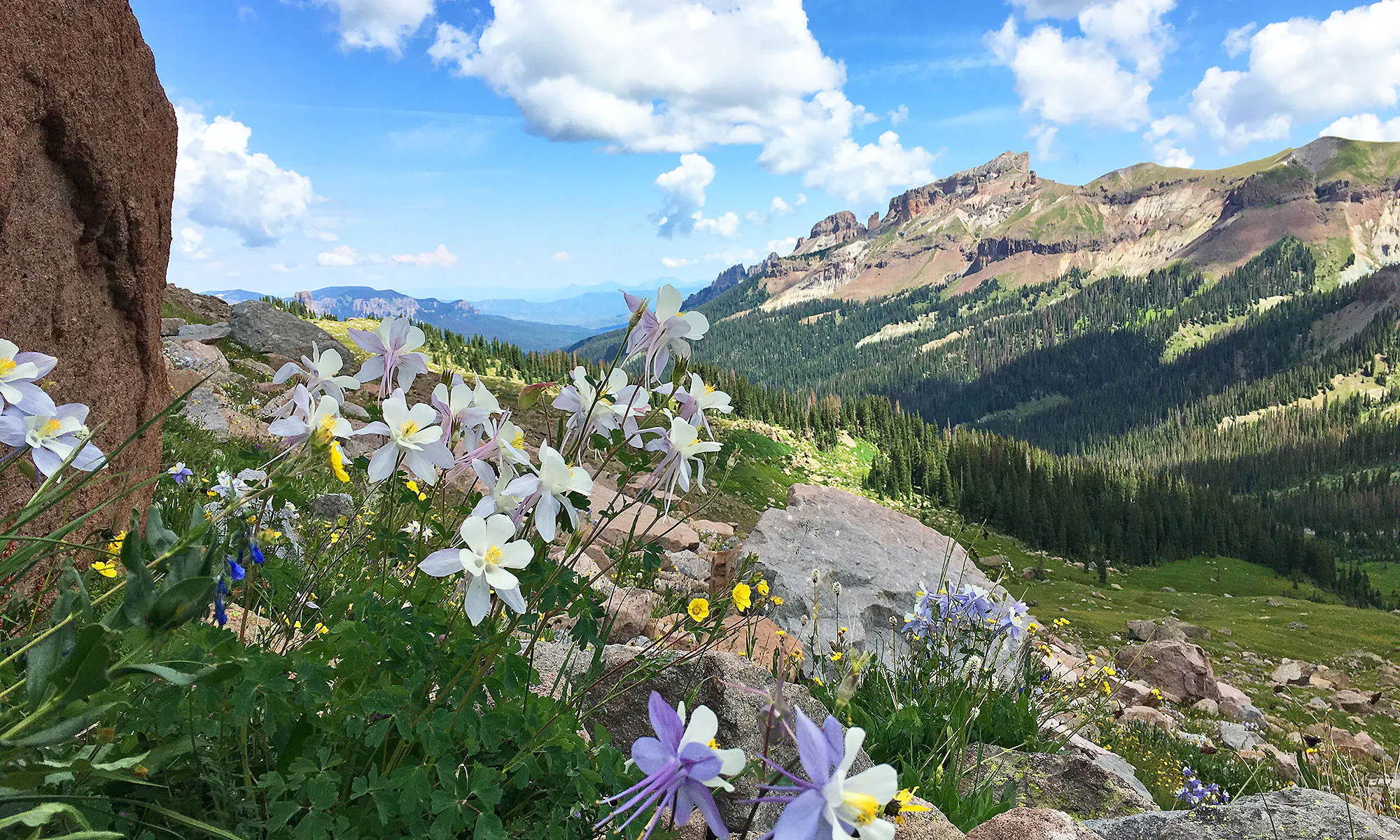
Our next favorite region for adventure is the massive and diverse Rocky Mountain Range. Stretching across six western states (New Mexico, Colorado, Utah, Wyoming, Montana and Idaho) and spanning the distance from Mexico to Canada, the Rocky Mountains were made for adventure vacations. Jagged alpine summits, glacial-carved valleys, glass-clear alpine lakes and rich pine and spruce forests mixed with quaking aspen characterize some of the Rocky Mountains’ most breathtaking hiking environments.
Recommended Adventure Vacations in the Rocky Mountains
- Hotel-based day hiking and kayaking in Yellowstone and the Tetons
- Hotel-based day hiking in Glacier National Park
- Wildlife viewing, geothermal exploration and hiking in Yellowstone
- Backpacking in the San Juan Mountains of Colorado or the Sawtooths of Idaho
- Alpine rock climbing in the Wind River Range of Wyoming
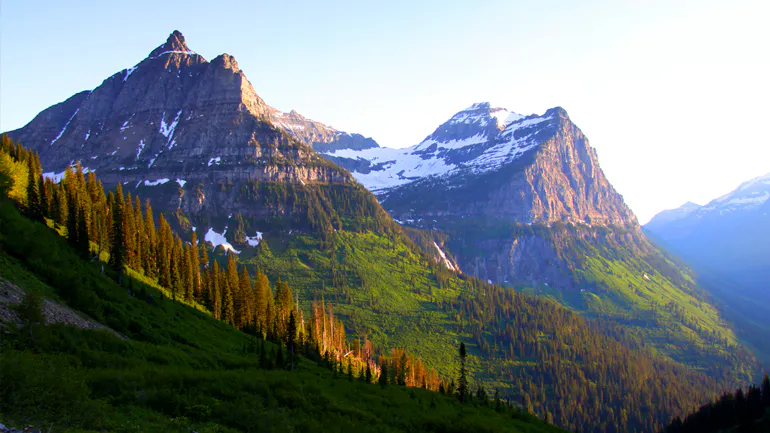
Glacier National Park
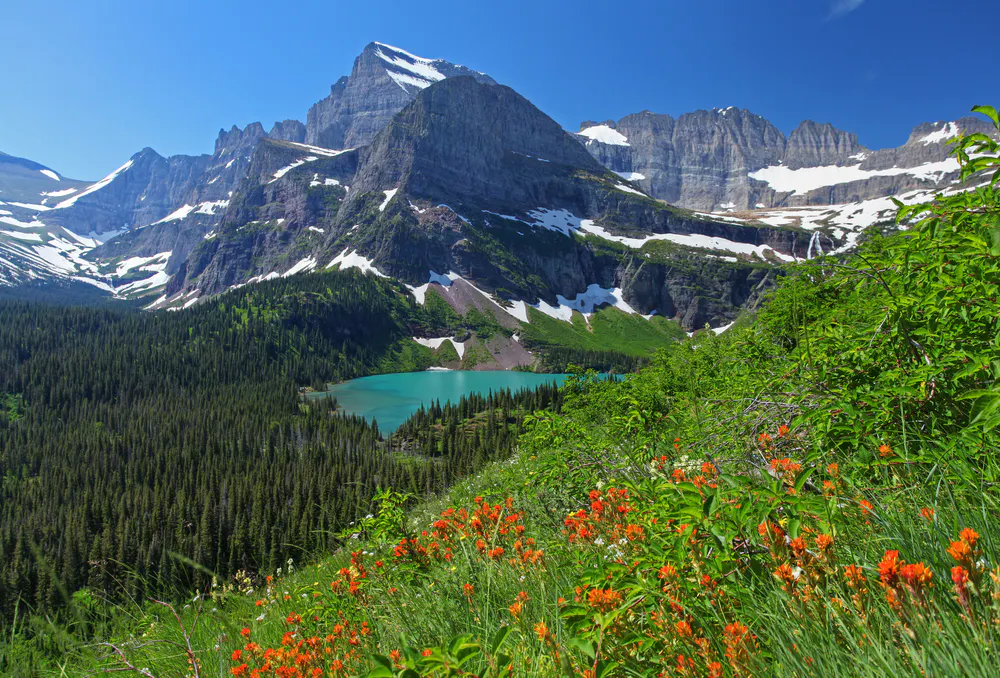
One of the most spectacular regions of the Rockies lies in Glacier National Park, where rugged peaks and glacial-fed, turquoise lakes create uniquely breathtaking scenery. The park’s famous Grinnell Glacier Trail takes you past stunning views of the surrounding peaks, alpine lakes and ancient glaciers (~11 miles).
Another recommended option in Glacier is the Iceberg Lake Trail (~9.5 miles) which reveals iconic mountain landscapes on the way to one of the most picturesque lakes in the Rocky Mountains.
Whitewater rafting tours on the South Fork of the Flathead River are also available, making Glacier a classic multi-sport destination.
Yellowstone National Park
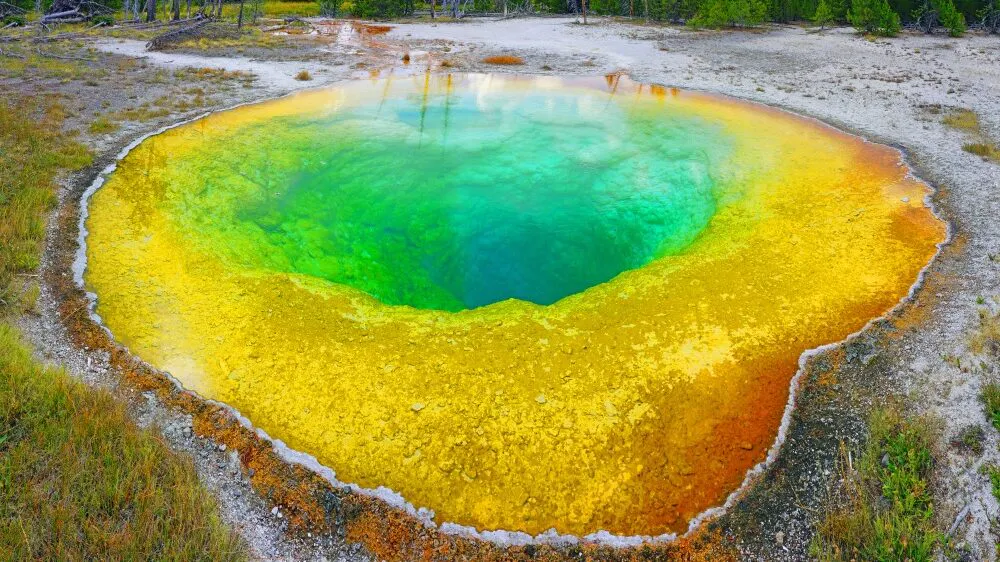
America’s first national park, Yellowstone is a premier adventure destination. With more than 10,000 thermal features that include geysers, hot springs, mud pots and more, Yellowstone is profoundly unique—there’s literally nowhere else like it on Earth. Beyond the thermal activity, Yellowstone features diverse landscapes that range from massive clear water lakes, alpine peaks, vast meadows, gorgeous waterfalls and rich wildlife habitat.
“With more than 10,000 thermal features that include geysers, hot springs, mud pots and more, Yellowstone is profoundly unique—there’s literally nowhere else like it on Earth.” – MT Sobek Adventure Experts
Hiking to the Grand Canyon of the Yellowstone River is a gorgeous journey through Lodgepole Pine forests to a 20-mile long, 1200’ deep chasm carved out over millions of years by the longest undammed river in the United States. With vibrant white, yellow and pink rocks and two thundering waterfalls, it is an unforgettable adventure.
Kayaking Yellowstone Lake is another noteworthy adventure for those who love open water and expansive mountain views.
Grand Teton National Park
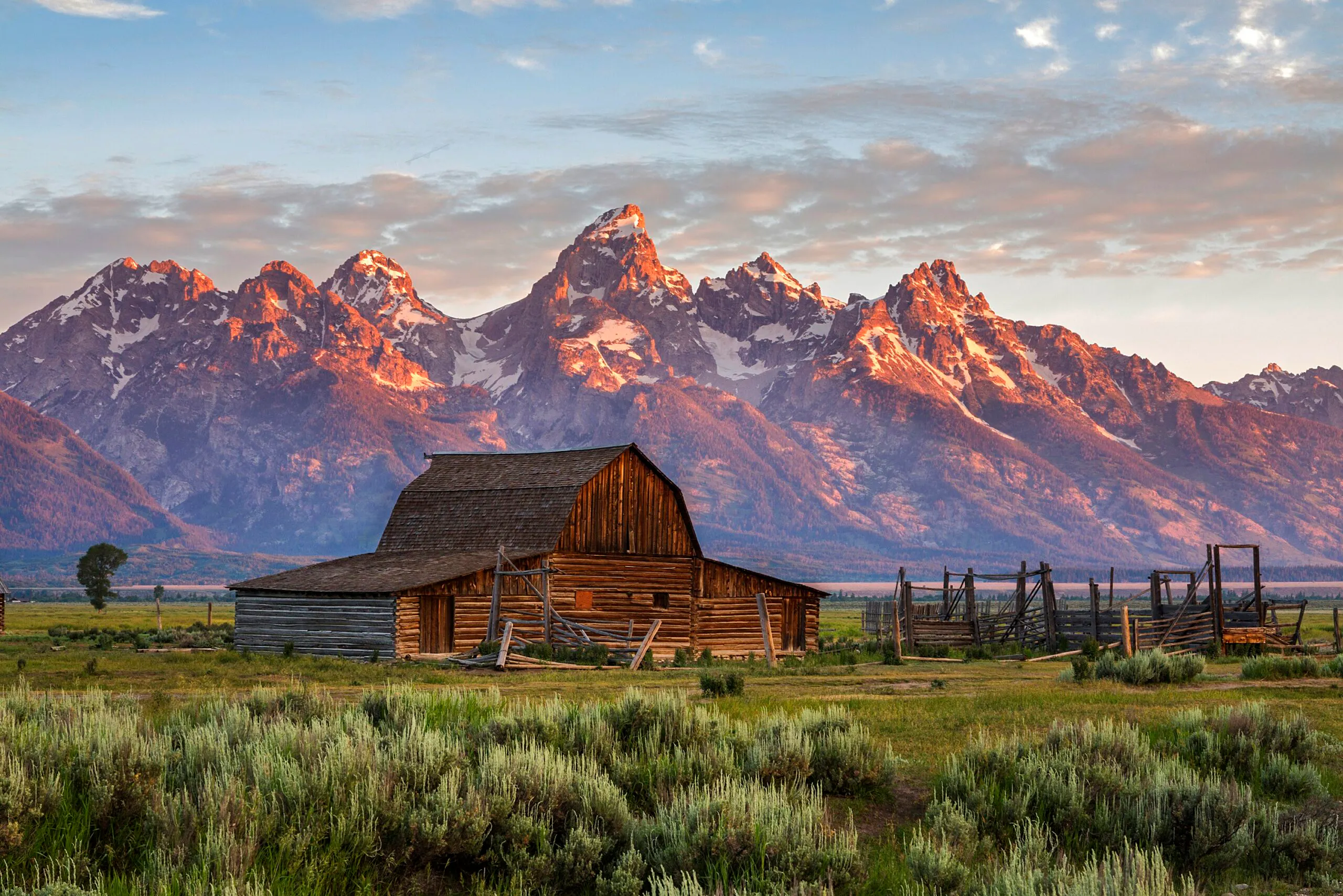
Soaring abruptly into the sky from valley meadows, the Tetons comprise one of the most iconic mountain landscapes in the United States. The craggy peaks of Grand Teton National Park — including the mighty Grand Teton — form a dramatic skyline over alpine lakes, meandering rivers, and grassy valleys.
With almost no foothills, the Tetons surge straight into the sky, offering one of the most photogenic landscapes in the United States. Wildlife is abundant here, with opportunities to see moose, elk, bison, wolves, and even bears roaming the park’s protected ecosystems.
For intrepid travelers, Grand Teton National Park offers a wide range of options for outdoor adventure. Scenic hiking trails lead to glacial lakes like Delta Lake (9 miles), Lake Solitude (5 miles) and Jenny Lake Loop (8 miles) as well as into the rugged backcountry wilderness. Flowing through the park, the Snake River provides fantastic opportunities for rafting the Tetons and wildlife viewing. There are also plenty of climbing and mountaineering opportunities, like climbing the Grand Teton, multi-pitch climbing in Death Canyon and more.
Whether trekking beneath the signature peaks, kayaking on lakes, or simply appreciating the gorgeous, open landscapes, the Tetons deliver a classic Rocky Mountain experience that feels both wild and accessible.
National Forest Lands in the Rocky Mountains
The Rocky Mountains are home to vast amounts of land managed by the United States Forest Service (USFS). These lands include different levels of wilderness conservation. Inside designated wilderness areas — like the Weminuche Wilderness in Southwestern Colorado or the Bridger Wilderness in Wyoming — there are no roads and motors or mechanized transport of any kind are not allowed, including bicycles. Outside of wilderness you will find established roads, and motorized and mechanized travel are permitted.
“These lands feature deep, remote backcountry; pristine rivers and lakes; abundant wildlife habitat; soaring alpine peaks and almost endless opportunities for human-powered adventure.” – MT Sobek Adventure Experts
If you’re interested in hiking, backpacking, kayaking, rafting, mountain biking, climbing, mountaineering, wildlife photography, skiing and snowshoeing, USFS lands offer a less-structured and abundant resource for exploration. A complete list of wilderness areas in the United States will give you an idea of where to start planning your trip.

3. The Far North: Alaska
Alaska can feel far away—that’s because it is! It offers an almost international feel in the US. That’s why it’s one of our favorite destinations.
“Alaska can feel far away—that’s because it is! It offers an almost international feel in the US. That’s why it’s one of our favorite destinations.” – MT Sobek Adventure Experts
For hikers who want to explore remote, expansive wilderness, few destinations compete with Alaska. Everything is BIG here. Sprawling mountain ranges, massive glaciers, giant rivers and vast tundra valleys characterize Alaska’s wild nature.
MT Sobek has been operating hiking, rafting and multi-adventure tours in Alaska since the early 1970s, making us a pioneer in Alaska adventure travel.
Our top recommended adventure vacations in Alaska are:
- Raft the Alsek River, Tatshenshini River or Hulahula River
- Kayak and hike Kenai Fjords National Park
- Multi-sport Exploration from Prince William Sound to Denali
- Hike the Wrangell-St. Elias Range
- Explore Glacier Bay National Park to the Chilkat Range
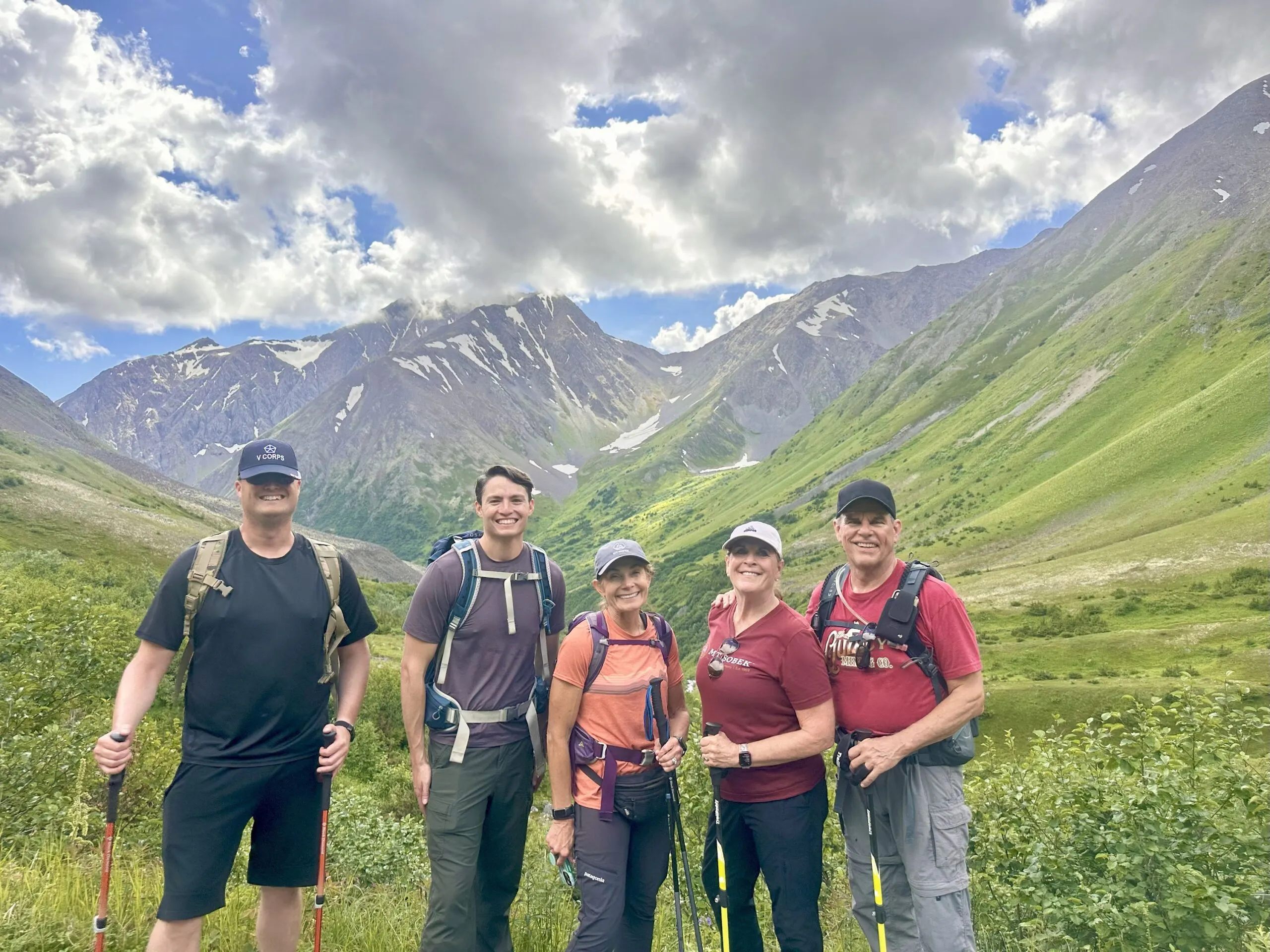
Denali National Park & Preserve
Dominated by 20,310-foot Denali (also known as Mount McKinley), the highest peak in North America, Denali National Park & Preserve is a place where wilderness still dominates. More than six million acres of tundra, braided rivers, glacial valleys, and rugged mountains provide habitat for grizzly bears, caribou, moose, wolves, Dall sheep and many other species of wildlife. Unlike most national parks, much of Denali’s backcountry remains trail-free, allowing adventurous travelers to experience a level of freedom and solitude that has largely disappeared in most places in the United States.
On MT Sobek’s Alaska Prince William Sound to Denali Multi-Adventure Tour we combine many iconic Alaska experiences, including hiking on the ancient Matanuska Glacier, kayaking among floating icebergs on Valdez Glacier Lake, cruising through the fjords and tidewater glaciers of Prince William Sound, and exploring the vast wilderness surrounding Denali. You will also venture into the heart of the Chugach Mountains on the spectacular Crow Pass Trail, ride the historic Alaska Railroad through some of the state’s most dramatic scenery, and hike Curry Ridge for sweeping views of the Alaska Range and North America’s highest peak.
Kenai Fjords National Park
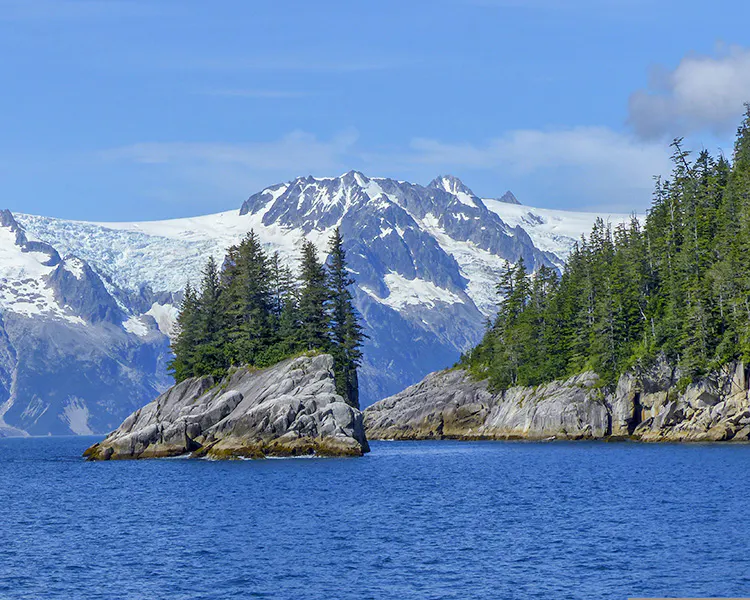
Along Alaska’s spectacular southern coast, Kenai Fjords National Park showcases a dramatic confluence of mountains, glaciers, and ocean. Dozens of glaciers flow from the vast Harding Icefield toward the sea, creating a landscape where towering ice walls, deep fjords, and abundant wildlife define every adventure. Humpback whales, orcas, sea otters, harbor seals, and puffins are commonly spotted throughout the park’s rich marine ecosystem.
The park’s signature adventure is the Harding Icefield Trail (8.2 miles round trip), a challenging climb that rewards hikers with views of one of North America’s largest icefields stretching to the horizon. For an even closer connection to this icy wilderness, sea kayaking expeditions into Aialik Bay allow paddlers to glide among icebergs beneath tidewater glaciers, while multi-day coastal backpacking trips along Resurrection Bay combine rugged beaches, remote campsites, and stunning mountain scenery. The Curry Ridge Trail (7.5 miles round trip) climbs through lush forests and alpine meadows to sweeping viewpoints overlooking the glacier-carved fjords, snow-capped peaks, and icy waters that make Alaska’s Kenai Peninsula one of the state’s most spectacular hiking destinations.
Wrangell-St. Elias National Park & Preserve
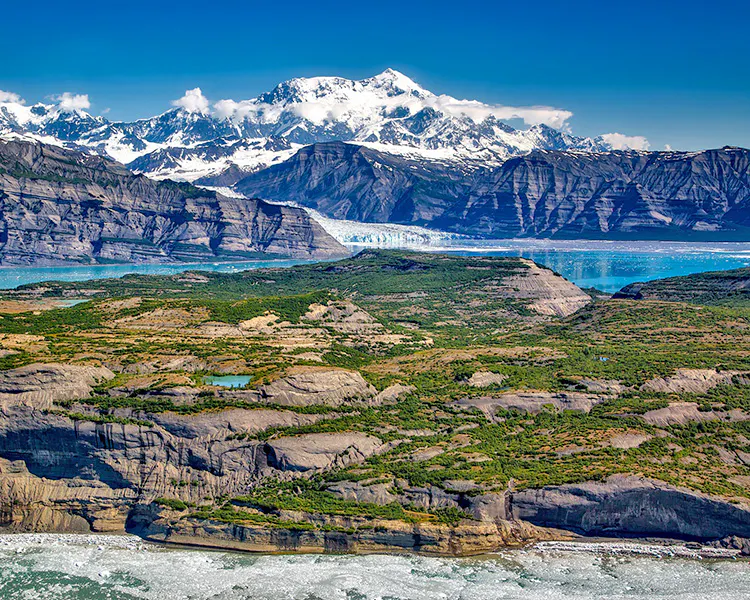
At more than 13 million acres, Wrangell-St. Elias National Park & Preserve is the largest national park in the United States and one of the planet’s great wildernesses. Enormous glaciers, wild rivers, historic mining towns, and nine of the nation’s sixteen highest peaks combine to create an adventure destination of unmatched scale and diversity.
The park’s most popular experience is hiking on Root Glacier (6 to 10 miles round trip depending on route), where travelers can walk directly across ancient ice while exploring crevasses and brilliant blue formations. Nearby, the historic towns of Kennicott and McCarthy offer a charming blend of history and outdoor adventure, while remote backpacking routes along the Nabesna Road corridor provide access to vast stretches of wilderness where solitude remains one of Alaska’s greatest attractions.

4. The Southwest: Arizona and Utah
The American Southwest is what truly separates the United States from other amazing countries. Many places have mountains and coastlines, but to have vast, accessible, gorgeous deserts too—that’s a game-changer.
“Many places have mountains and coastlines, but to have vast, accessible, gorgeous deserts too—that’s a game-changer.” – MT Sobek Adventure Experts
The desert and canyon landscapes of the American Southwest are home to some of the most unique and spectacular scenery in North America. Over millions of years, rivers and erosion have carved complex, impressive canyon systems through deep layers of sandstone and limestone.
Over 10-14 days, you can combine the 3 subregions in the Southwest—Grand Canyon, Sedona and Utah’s Mighty 5—into one unforgettable Southwest hiking adventure.
Recommended Adventure Vacations in Arizona and Utah
- Hotel-based day hiking to Utah’s Mighty Five national parks
- Hotel-based day hiking in Grand Canyon National Park
- Hike to Phantom Ranch in the Grand Canyon
- Backpack Paria Canyon and Buckskin Gulch in Utah
- Hotel-based day hiking in Sedona, Arizona
Grand Canyon National Park
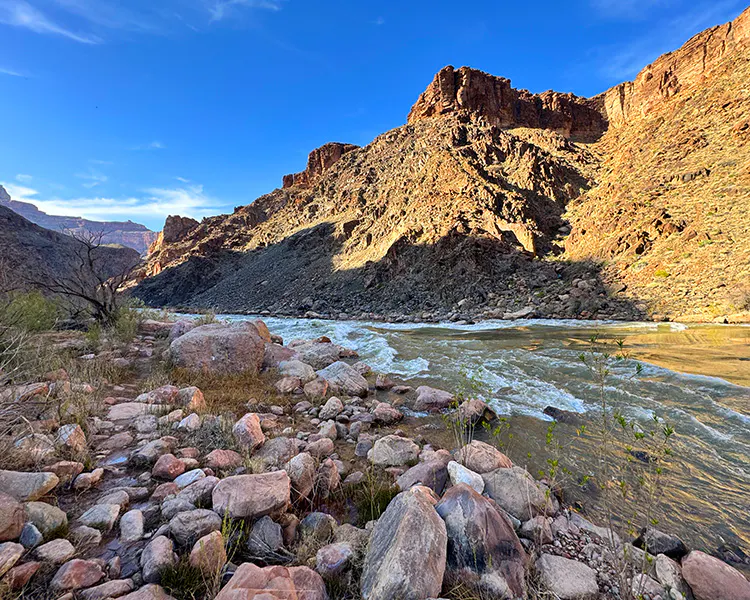
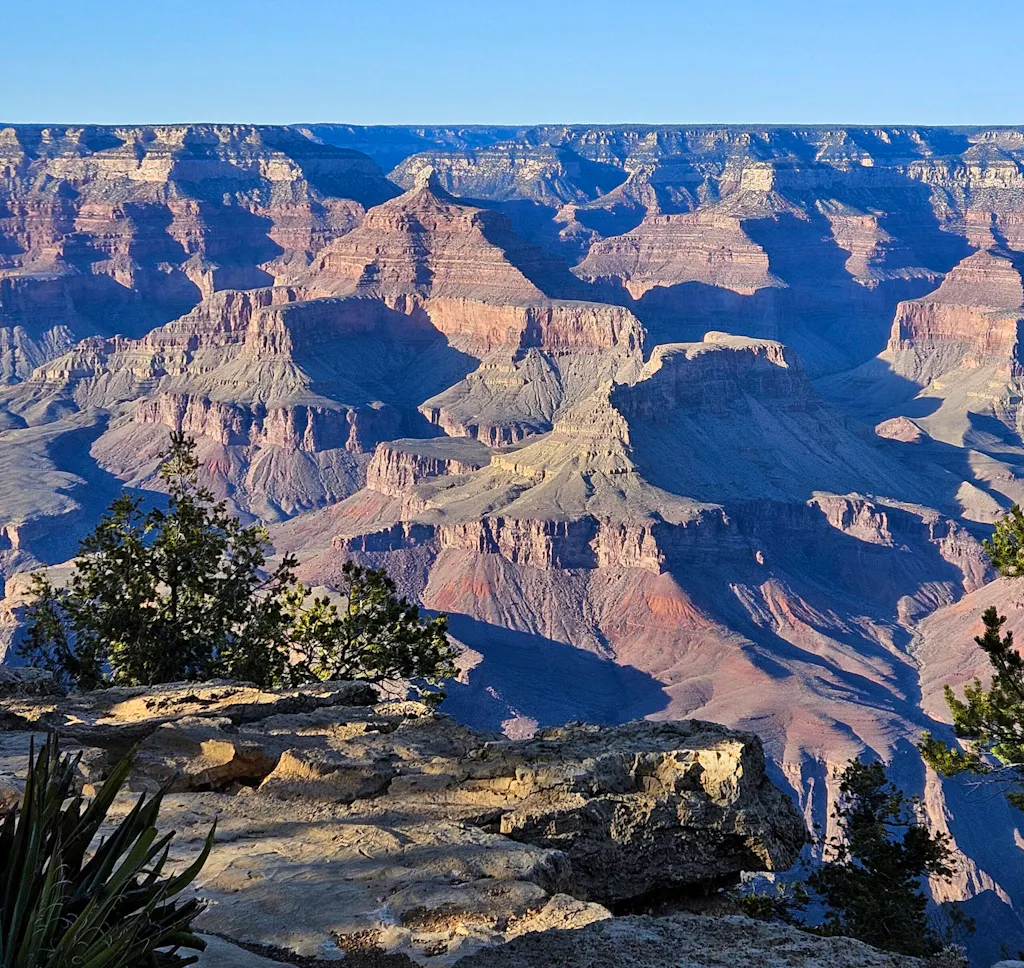
The most widely known destination in the American Southwest is Grand Canyon National Park, where hikers can descend nearly a mile from the canyon rim to the inner gorge and the shores of the Colorado River. The journey takes hikers through geological layers representing nearly two billion years of earth’s history.
The most popular and famous way to experience Grand Canyon is hiking rim to rim, which takes adventurous hikers from one rim, down to the bottom of the canyon, and up the other side (21-24 miles). For people with less time, a day hike on the South Kaibab Trail or Bright Angel Trail provides breathtaking views as you descend part of the way into the canyon before climbing back out (3-6 miles). If you are looking for more solitude, a backpacking trip into the Canyon is a great choice, and there are many routes to choose from including entry points via the Hermit Trail, Grandview Trail and the North Rim’s Bill Hall Trail. Check out Grand Canyon’s backcountry information center page to learn more.
Utah’s Mighty Five National Parks
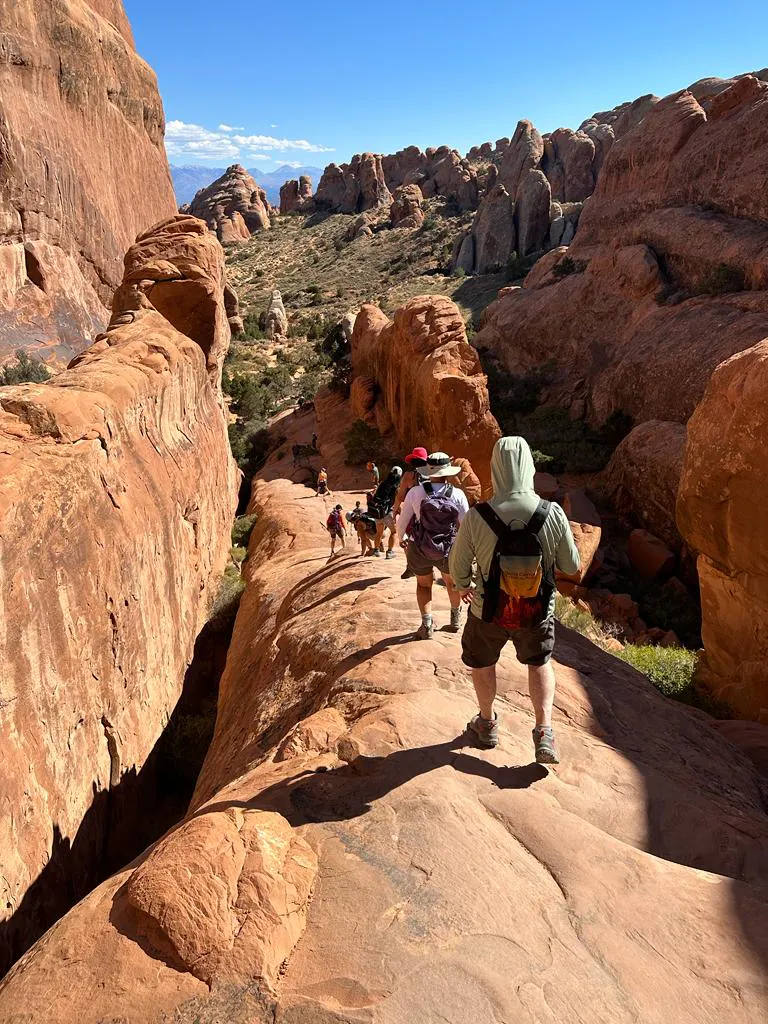
Utah’s iconic “Mighty 5” national parks, including Zion, Bryce Canyon, Arches, Capitol Reef and Canyonlands are another extremely worthwhile adventure destination in the Southwest. These parks offer an equally spectacular variety of desert landscapes including narrow slot canyons, towering sandstone cliffs, and colorful rock formations.
To create the best value in each park, consider these highly recommended adventures. In Zion, hiking the Narrows gives you an other-worldly slot canyon experience in a desert creek (3-9 miles), and hiking Angels Landing is one of America’s most exciting trauks with stunning views of Zion Canyon (5 miles). In Bryce, the Queen’s Garden–Navajo–Peekaboo Loop is a 6.4 mile hike that perfectly showcases the park’s surreal hoodoos. In Arches, the Devil’s Garden Loop is an 8-mile trail with arches, canyons, views of the La Sal Mountains and more. The Chesler Park Loop (combined with the Joint Trail) in Canyonlands will show you pinnacles, high desert grasslands and narrow slot canyons (11 miles). Finally, in Capitol Reef the Navajo Knobs Trail (~10 miles) takes you to iconic views of the park’s most famous geological feature—the Waterpocket Fold.
Sedona, Arizona
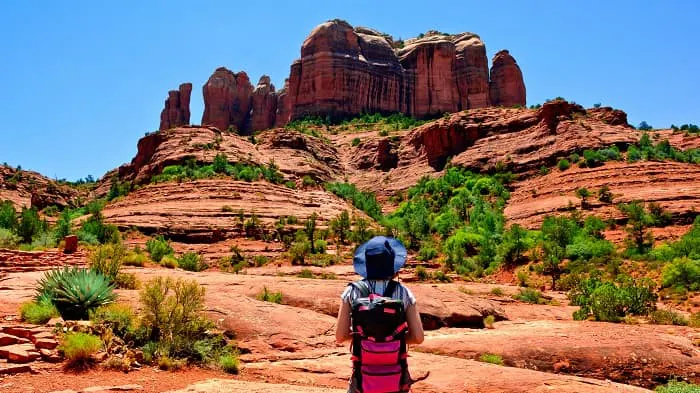
Sedona, Arizona is another destination in the Southwest worth visiting. With gorgeous red rock formations and canyons, hundreds of miles of hiking trails, desert creeks and fantastic hotels and restaurants, Sedona is a world class adventure mecca.
Hikers can tackle iconic trails such as Cathedral Rock (1.2 miles round trip), Devil’s Bridge (4.2 miles round trip), and the world famous West Fork Trail (6.5 miles round trip), while mountain bikers enjoy more than 250 miles of world-class singletrack winding through red rock mesas and pine forests. Jeep tours venture deep into rugged backcountry terrain, rock climbers test their skills on sandstone spires, and paddlers can kayak or paddleboard the nearby Verde River. For a truly unforgettable perspective, sunrise hot air balloon flights reveal Sedona’s glowing red cliffs and vast desert landscapes from above, making it easy to see why this Arizona destination has become a bucket-list adventure travel destination.
5. The Pacific Northwest: Oregon and Washington
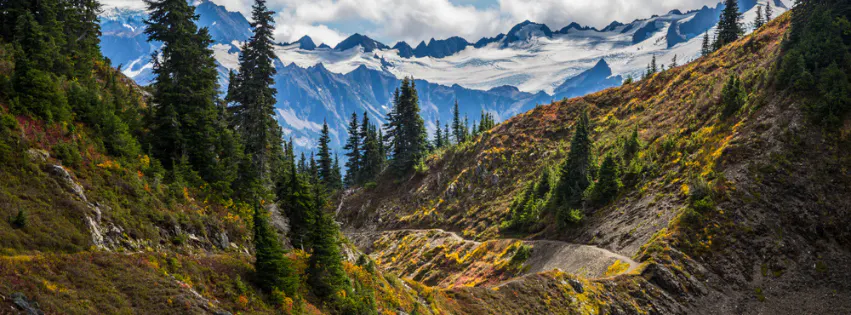
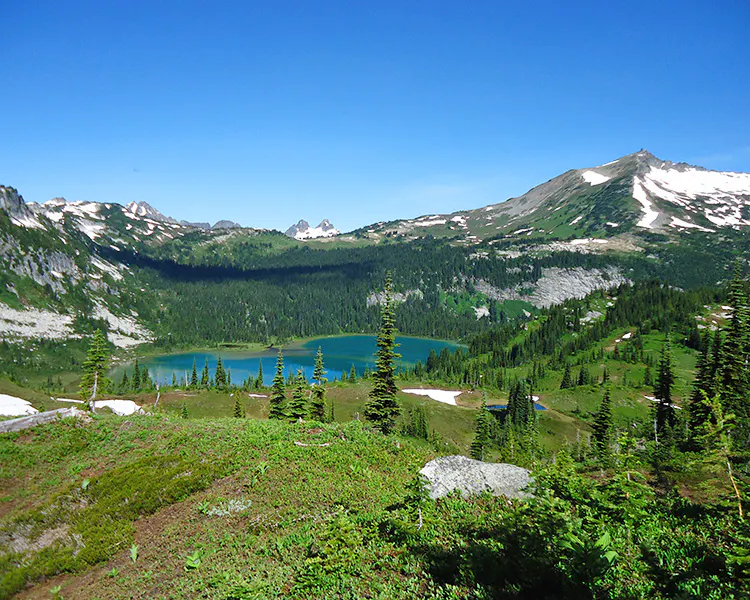
Our number five pick is the great Pacific Northwest because of its extraordinary combination of picturesque mountains, old growth forests, and rugged coastlines. Encompassing the states of Washington and Oregon, the region is famous for its dramatic landscapes shaped by glaciers, volcanoes, and the powerful forces of the Pacific Ocean. You can hike through temperate rainforests where everything is draped in moss, explore alpine meadows below snow-capped volcanoes, or walk along remote beaches where waves rhythmically crash into coastal cliffs.
Whether hiking through rich evergreen forests, paddling gorgeous coastal waters, or summitting alpine peaks, the Pacific Northwest offers some of the most varied and dramatic adventure travel opportunities in the United States.
Recommended Adventure Vacations in the Pacific Northwest
- Hotel-based day hiking and kayaking in Olympic National Park
- Kayak, hike and whale-watch in the San Juan Islands of Washington
- Guided climb of Mount Rainier
- Backpacking in North Cascades National Park
- Backpacking in Oregon’s Three Sisters Wilderness
Olympic & Mount Rainier National Parks
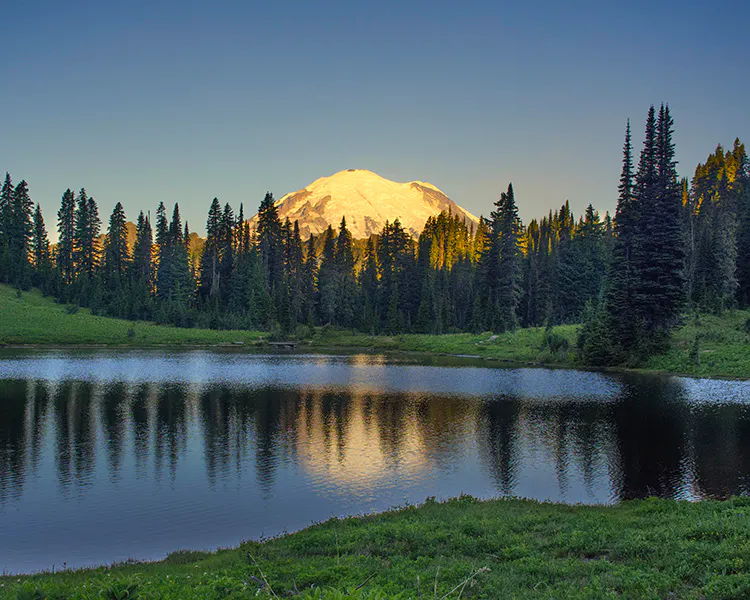
The Pacific Northwest is home to two of America’s most spectacular adventure destinations: Olympic National Park and Mount Rainier National Park. In Olympic, hikers can experience an extraordinary diversity of environments, from the moss-draped old-growth forests of the Hoh Rain Forest to the alpine meadows of Hurricane Ridge and the wild coastline at Shi Shi Beach. For those seeking a bigger adventure, the trek to Blue Glacier (17.6 miles round-trip) showcases the park’s dramatic wilderness, while countless shorter trails reveal pristine lakes, waterfalls, and sweeping mountain vistas.
Just a few hours away, Mount Rainier towers above Washington’s forests and valleys, creating one of the most iconic hiking destinations in North America. The Skyline Trail (5.5 miles) at Paradise is considered by many to be the park’s signature hike, offering close-up views of glaciers, waterfalls, and wildflower meadows, while the Burroughs Mountain Trail (9 miles) and Summerland Trail (8.5 miles) provide breathtaking alpine scenery.
Pacific Northwest National Forests
The national forests and wilderness areas of Oregon offer some of the finest mountain adventures in the Pacific Northwest. In the Three Sisters Wilderness, hikers traverse volcanic landscapes shaped by ancient lava flows, alpine lakes, and high peaks along sections of the Pacific Crest Trail. The Green Lakes Trail (9 miles round-trip) provides a classic introduction to the region, while the Three Sisters Loop (approximately 50 miles) is considered one of the premier backpacking routes in the West. Nearby, Mount Hood dominates the skyline with glacier-clad slopes and wildflower-filled meadows.
Across the Columbia River in Washington, the rugged wilderness areas surrounding the Cascades offer equally unforgettable experiences. The Enchantments, one of the most sought-after hiking destinations in North America, feature a chain of turquoise alpine lakes, granite spires, and golden larch forests connected by the challenging Enchantments Traverse (18 miles). Farther south, the Goat Rocks Wilderness offers some of the most dramatic ridge walking anywhere on the Pacific Crest Trail. Hikers crossing the Knife Edge section are rewarded with panoramic views stretching from Mount Rainier to Mount Adams and Mount Hood.
6. Appalachia Mountains: North Carolina & Tennessee
Last, but certainly not least, is the eastern cousin to the Rocky Mountains—the historic and culturally-rich Appalachian Mountain Range. The Appalachians are a bit like grandparents—what they may lack in youthful exuberance, they more than make up for in depth and character.
“The Appalachians are a bit like grandparents—what they may lack in youthful exuberance, they more than make up for in depth and character.” – MT Sobek Adventure Experts
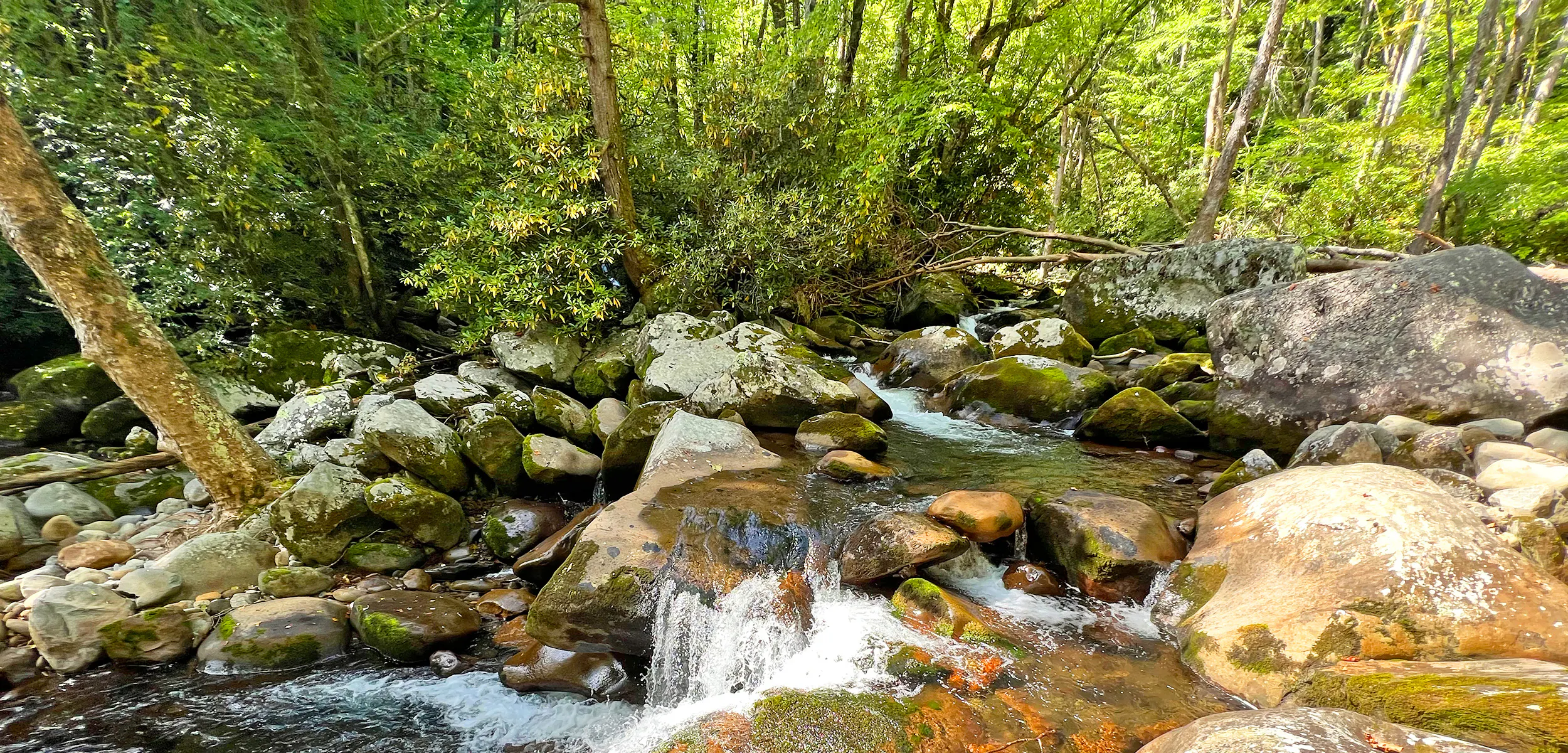
The Appalachian Mountains offer very different adventures from the jagged peaks and open deserts of the American West. These ancient mountains—which have eroded down from their peak height of 14,000+ feet over hundreds of millions of years—stretch more than 1,500 miles from Alabama to Canada and are covered in rich forests, timbered ridgelines, and incredible biodiversity. For hikers and outdoor travelers, Appalachia provides a landscape of misty mountain views, cascading waterfalls, thousands of miles of cold creeks and rivers, and quiet wilderness trails that are deeply connected to the natural and cultural history of the United States.
The most famous route through the region is the Appalachian Trail (AT), which winds more than 2,000 miles along the crest of the mountains, dipping in and out of valleys. Many people enjoy “section hiking” the AT, by tackling short portions of it at a time.
Beyond the AT, adventurous travelers can explore spectacular destinations like Great Smoky Mountains National Park, Shenandoah National Park, and the Blue Ridge Mountains. Explore Smokies views on a hike to Charlies Bunion (8 miles) or to Andrews Blad (3.5 miles). Or enjoy a guided rafting tour on the Nantahala or French Broad Rivers.
Whether trekking along forested ridgelines, paddling mountain lakes, or hiking among brilliant fall foliage, Appalachia offers a quieter but deeply enriching style of adventure rooted in nature, culture, and tradition.
Recommended Adventure Vacations in the Appalachian Mountains
- Hotel-based hiking in the Great Smoky Mountains
- Backpack a portion of the Appalachian Trail
- Raft the Nantahala or French Broad River
- Kayak and camp Fontana Lake in the Smokies
- Hike up for a sunset dinner on a grassy bald
Adventure Activities Across the United States
Outdoor adventure in the United States is not at all limited to hiking. These six destinations offer a wide range of outdoor experiences across a dramatic variety of landscapes.
Hiking and Backpacking
Hiking is one of the most popular and enriching ways to experience the USA’s national parks and wild spaces. Trails range from short scenic walks to multi-day backpacking expeditions through wild and remote country, and everything in between. Increasingly, hikers are tackling what used to be multi-day backpacking trips as long day hikes, such as Half Dome in Yosemite, Rim to Rim in Grand Canyon and Longs Peak in Rocky Mountain National Park.
Legendary long-distance trails include the Appalachian Trail, which stretches more than 2,000 miles along the Appalachian Mountains; the Continental Divide, which traverses the Rocky Mountains from Mexico to Canada; and the Pacific Crest Trail, which connects Southern California to Northern Washington over 2,650 miles. All of these exceptional long trails can be hiked in sections to enjoy them in bit-size chunks.
Across the United States, there are countless trails to choose from that lead through national parks, state parks, national forests, and other types of conserved areas. If you prefer an all-inclusive, premier adventure experience consider joining a guided hiking tour.
Top 3 Recommended National Parks for Hiking and Backpacking
Whitewater Rafting
The United States is home to some of the world’s most famous whitewater rivers. Multi-day rafting trips allow you to experience remote wilderness that is inaccessible by road, and without having to backpack in.
One of the most celebrated rafting adventures is the Middle Fork of the Salmon River, which flows through the vast Frank Church-River of No Return Wilderness. This journey combines thrilling rapids with scenic campsites, hot springs, and thriving wildlife.
Other legendary rafting experiences take place on the Colorado River as it winds through Canyonlands and Grand Canyon national parks, glacial-fed rivers in Alaska like the Alsek and Tatshenshini Rivers, and the Rogue River in Oregon.
Top 3 Recommended Rivers for Multi-day Whitewater Rafting
- Salmon River in Idaho
- Colorado River in the Grand Canyon
- Alsek River in Alaska
Kayaking and Canoeing
If you who prefer exploring by water, kayaking and canoeing offers a unique way to experience the USA’s wild and natural places.
One of the most famous paddling destinations is the Boundary Waters Canoe Area Wilderness in Minnesota, a network of pristine lakes and forested islands located along the U.S.–Canada border. Other noteworthy kayaking and canoeing destinations include Yellowstone Lake, the Green River through Utah and countless rivers and lakes across the east coast.
Top 3 Recommended Areas for Multi-day Kayaking and Canoeing
- Jackson Lake and the Snake River in the Tetons
- Salmon River in Idaho
- Boundary Waters Canoe Wilderness Area in Minnesota
Skiing and Snowshoeing
When winter blankets the American West and Northeast, the United States transforms into a playground for snow sports enthusiasts, with skiing and snowshoeing offering two very different but equally rewarding ways to experience North America’s most peaceful season. From the champagne powder of Utah’s Wasatch Range and the massive vertical drops of Colorado’s Rockies to the legendary storm cycles of Lake Tahoe and the charming New England ski towns of Vermont and New Hampshire, the United States has a ski destination for every style and skill level.
For those who prefer a quieter communion with the winter wilderness, snowshoeing offers access to landscapes that skiers rarely see — hushed forests draped in snow, frozen alpine lakes, and backcountry meadows that feel a world away from the ski resort crowds. National parks like Yellowstone, Rocky Mountain, and Olympic transform into serene, uncrowded versions of themselves, and snowshoe trails wind through terrain that rewards patience and curiosity in equal measure. Guided snowshoe tours at many parks and resorts provide an educational layer, with naturalists and rangers pointing out animal tracks, winter ecology, and the subtle beauty of a landscape in hibernation.
Top 3 Recommended Areas for Skiing and Snowshoeing
- Colorado Rockies
- Utah’s Wasatch Range
- Yellowstone National Park
Climbing and Mountaineering
The United States is home to some of the most legendary climbing terrain on the planet, from the 3,000-feet high granite walls of Yosemite Valley — where big wall climbing was essentially invented — to the volcanic spires of the Pacific Northwest, the sandstone towers of the desert Southwest, and the rugged alpine routes of the Alaska Range. Sport climbers and trad enthusiasts flock to destinations like Red River Gorge in Kentucky, the Gunks in New York, and the iconic crags of Joshua Tree, while those drawn to high summits find no shortage of ambition-worthy objectives, from the glaciated flanks of Mount Rainier to the knife-edge ridges of the Colorado Fourteeners. With terrain spanning every difficulty grade and climbing style, the country rewards beginners and seasoned alpinists alike.
For those ready to step beyond the climbing gym or single-pitch crag, mountaineering opens up a dimension of adventure that combines physical endurance, technical skill, and a deep respect for the mountain environment. Guided ascents of peaks like Mount Rainier in Washington, Denali in Alaska, and the Grand Teton in Wyoming offer structured introductions to glacier travel, crampon technique, and rope management, with experienced guides providing both safety and context for the wild landscapes above treeline. These objectives demand preparation and commitment, but the reward — standing on a summit earned through days of effort, with the world spread out far below — is one of the most rewarding experiences adventure travel has to offer.
Top 3 Recommended Areas for Climbing and Mountaineering
- Yosemite National Park
- Grand Teton National Park
- Denali National Park and Preserve
Wildlife Viewing
Many of the United States’ national parks and wilderness areas provide outstanding opportunities to observe wildlife in their natural habitats.
Yellowstone National Park is particularly well known for its abundant wildlife, including bison, wolves, elk, and bears. Similarly, Denali National Park offers some of the best wildlife viewing opportunities in North America. Other, lesser famous wildlife parks, like Rocky Mountain National Park, Olympic National Park and Great Smoky Mountains National Park also offer excellent opportunities to see animals in their natural habitats.
Top 3 Recommended National Parks for Wildlife Viewing
Best Time of Year for Adventure in the United States
Because of the country’s immense geographic diversity, the best time for adventure travel varies by region.
Spring (March–May)
Spring is ideal for desert destinations in the Southwest, where temperatures are mild and they get little to no snow. Lower-elevation mountain areas like Yosemite Valley, the Appalachia Mountains and the foothills of the Rocky Mountains also often become accessible in late spring.
Summer (June–August)
Summer is the prime season for mountain hiking in Alaska, the Sierra Nevada, the Rocky Mountains, and the Pacific Northwest. It is also the best time for rafting in Idaho, Alaska and the Rocky Mountains.
Fall (September–October)
Many mountain destinations like Yosemite, Yellowstone and Glacier are excellent in September, with crisp temperatures, fewer crowds and beautiful autumn colors. Fall is the most spectacular time in Appalachia, as an explosion of fall colors spreads north from the Great Smoky Mountains to the Northeast from September through November. Last but not least, fall is a beautiful time in the canyon and desert destinations of the western states, like Grand Canyon, Zion and Canyonlands.
Winter (November-February)
Winter is a particularly great time to explore lower-elevation desert parks like Joshua Tree and Death Valley or Grand Canyon. Utah’s national parks are also wonderful in winter, but can be chilly. Finally, snowshoeing and skiing in the mountain parks like Yellowstone and Rocky Mountain National Park are fulfilling winter adventures.
Planning an Adventure Trip in the United States
Planning an adventure vacation in the United States requires intentional preparation, particularly when visiting national parks and other wild areas.
Important considerations include:
- researching seasonal weather conditions and checking upcoming forecasts
- securing necessary permits for backcountry trips, or hotel and camping reservations for frontcountry trips
- purchasing and packing appropriate gear for the area and the activities you plan on undertaking
- understanding safety guidelines as they pertain to wildlife, weather, exposure and more
We recommend planning your national park trip in the United States 1 year or more in advance. Hotel reservations, campsites and backcountry permits all become available months in advance, and often more than 6 months prior.
Why Outdoor Adventure in the United States Is So Rewarding
Outdoor adventure in the United States offers a rare combination of breathtaking landscapes, accessible wilderness areas, and extensive infrastructure. The USA’s national parks and protected lands provide extraordinary opportunities to explore the outdoors while preserving the land for future generations.
From mountain peaks launching into the sky above treeline and valleys carved by ancient glaciers to remote desert canyons and rugged coastal wilderness, the United States offers a dramatic range of ecosystems to explore. Whether hiking through granite mountain ranges like the Sierra Nevada, rafting wild rivers like Idaho’s Salmon River, or trekking across vast desert landscapes like Death Valley, adventurous travelers will find a bottomless well of inspiration in America’s wild places.
For people who are passionate about the outdoors, the United States is not just a destination—it is an entire continent of adventure waiting to be discovered.
Why Should I Hike the United States with MT Sobek?
Hiking the United States with MT Sobek means exploring the country’s most spectacular landscapes with a company that has been pioneering adventure travel for decades. Since 1969, MT Sobek has crafted expertly designed journeys that combine iconic destinations with lesser-known trails, giving travelers deeper access to places like Yellowstone, Alaska’s wilderness, and the canyonlands of the American Southwest.
Small groups, experienced guides, and carefully planned itineraries allow guests to focus on the experience of the journey while the logistics—permits, transportation, and accommodations—are handled seamlessly.
MT Sobek’s hiking adventures are designed to immerse travelers in the natural beauty and cultural heritage of each destination. Expert guides share insight into local ecology, geology, and history while ensuring safety and comfort along the trail. Whether trekking along alpine ridges, exploring desert canyons, or hiking among towering forests, guests enjoy a balance of rewarding hikes, premier lodging, and delightful meals—creating a USA adventure that is both enriching and effortless.
Enjoying our content? Add MT Sobek as a Google Preferred Source.

FAQs
Top adventure destinations include Yosemite, Yellowstone, Glacier, Grand Canyon, Utah’s Mighty Five, Alaska, and the Pacific Northwest, offering world‑class hiking, rafting, wildlife viewing, and alpine exploration.
Many popular parks require permits for backcountry hiking, backpacking, or peak‑access routes like Half Dome. These permits are often issued months in advance.
Guided trips provide expert local knowledge, safety support, permit management, and seamless logistics—making them especially valuable in remote or complex environments.
Yes, with proper planning it is reasonably safe. However, all outdoor adventure carries risk, which typically involve weather, terrain, navigation, and wildlife. Adventurous travelers in the US should prepare with appropriate gear, understand local conditions, and consider hiring guides for a higher margin of safety.
The best time depends on the region. Summer is ideal for mountain destinations like Alaska and the Rockies, while spring and fall are best for desert parks such as Utah and Arizona.
It’s best to plan 6–12 months in advance, especially for popular parks, peak seasons, and trips requiring permits or in‑park lodging.
Learn More About Adventure Travel in the United States


