Ultimate Guide to Adventure Travel in North America
Plan an Unforgettable Adventure in the USA, Canada and Mexico
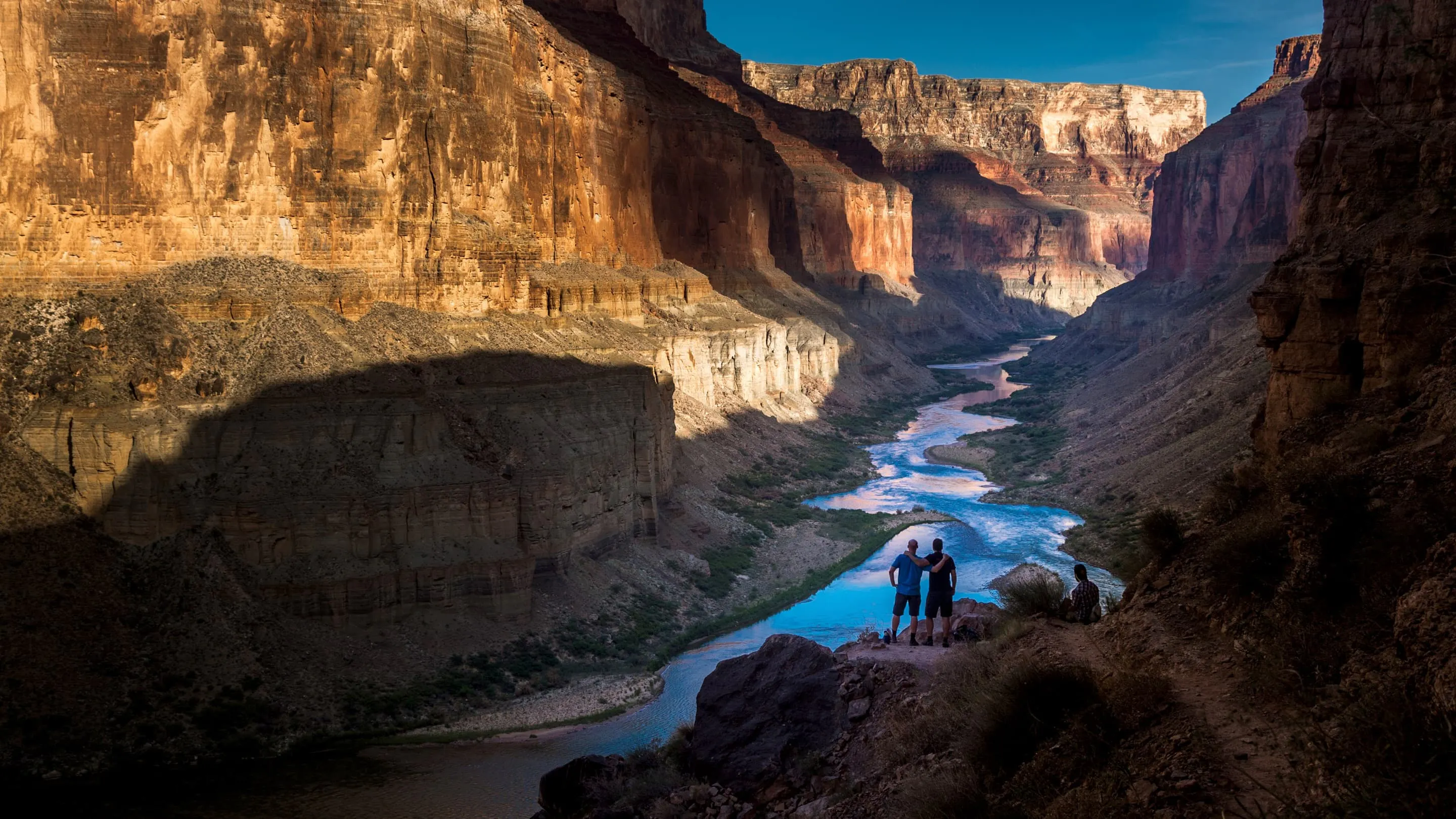
The North American continent is one of the most expansive, diverse and truly inspiring adventure travel destinations in the world. From soaring mountain ranges and snow-capped volcanoes to vast deserts and rugged coastlines, North America offers a spectacular variety of ecosystems and landscapes to explore! Whether you want to trek through alpine valleys, raft legendary rivers, hike the Southwest’s dramatic canyon trails, or experience remote Alaskan wilderness far from crowds, North America delivers opportunities for world-class adventure in every season.
This guide, produced by the adventure experts at MT Sobek, explores our favorite regions, experiences, and specific destinations for adventure travel across the United States, Canada, and Mexico. This guide will help you decide on the best places to go and know what to expect when planning your next unforgettable adventure vacation in North America.
Please Note: this article is an informational guide to general adventure travel in North America. If you’re interested in a guided adventure trip, see our North America Adventure Travel & Tours page.
Why North America is Perfect for Adventure Travel
North America stands out as a premier adventure destination because of its phenomenal geographic diversity and pristine, well-protected wilderness areas. The continent is home to tens of thousands of miles of hiking trails, hundreds of national parks and wilderness areas, and vast ecosystems that remain quite wild today.
Some of the biggest advantages North America offers adventure travelers are:
- Hundreds of millions of acres of protected public lands, particularly in the USA and Canada
- Extensive trail systems for hiking and biking
- A variety of ecosystems with unique climates for year-round adventure
- A diversity of outdoor activities to choose from
- Wildlife viewing in some of the world’s richest and most abundant habitats
The combination of diverse, dramatic landscapes and modern, reliable infrastructure makes North America ideal for everything from trekking expeditions, mountain biking journeys and white water rafting excursions to wildlife viewing, photography and national park road trips.
The Best Regions for Adventure Travel in North America
While there is an abundance of adventure opportunities to choose from across North America, we want to highlight several places noteworthy for their exceptional allure. These are the places we love to go for adventure.
Alaska and the Far North
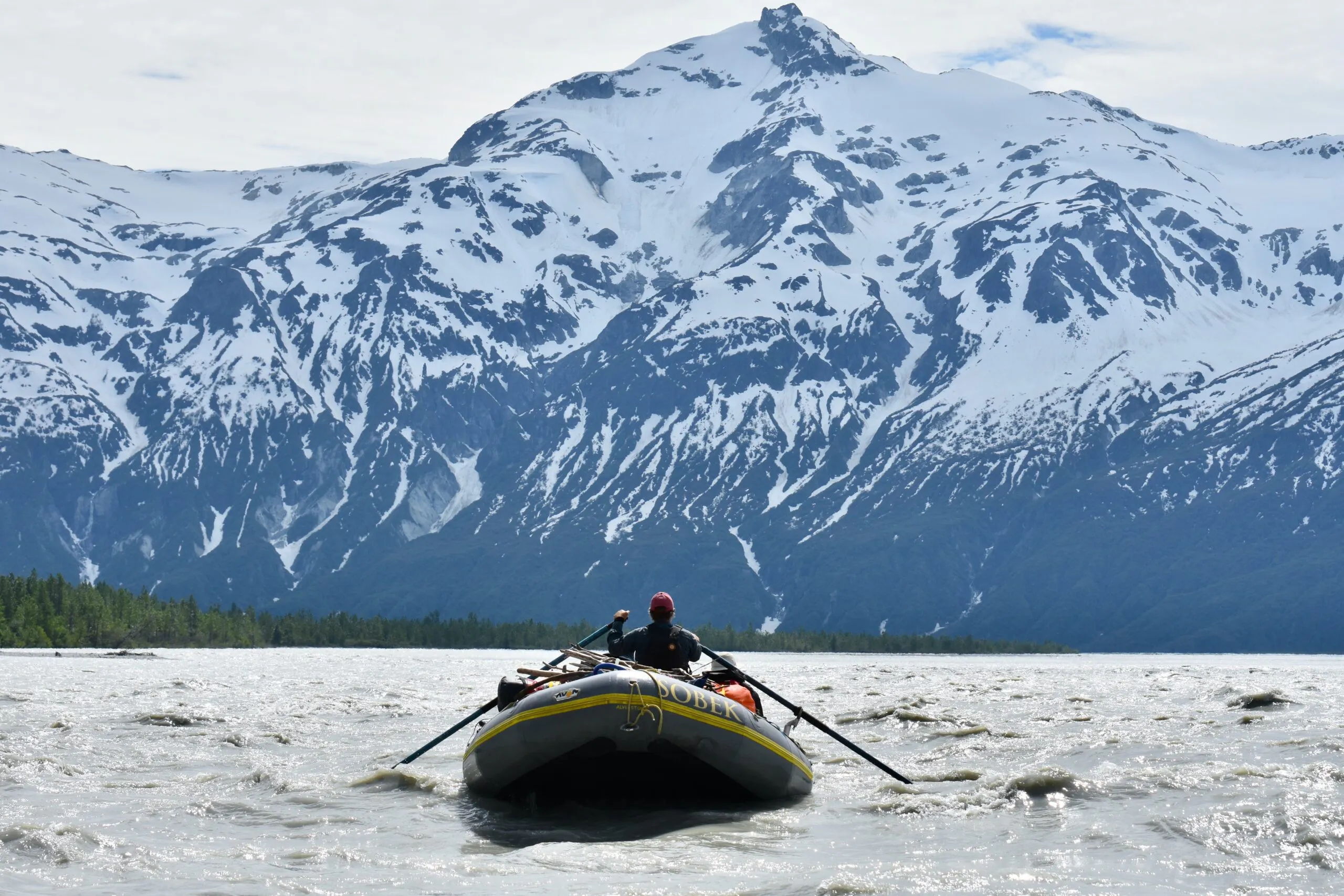
Few places on Earth match the wild and immense scale of Alaska. Seemingly endless, wild national parks, ancient glaciers, and glaciated mountain ranges make this region one of North America’s most inspiring destinations for all types of adventure.
You can explore vast wilderness areas such as Denali National Park and Preserve, home to North America’s tallest mountain (the summit of Denali reaches 20,310 feet). You can hike the accessible and gorgeous Chugach Range outside of Anchorage; fly to remote cabins to observe brown bears in the wild in Katmai National Park; embark on expeditions into the deep wilderness of the Wrangell–St. Elias or Alaska Ranges; or venture into the coastal fjords and glacial valleys of Kenai Fjords National Park.
Popular Alaska adventures include:
- Day hiking and glacier trekking
- Wildlife expeditions to see bears, moose, and whales
- Multi-day wilderness hiking, backpacking, and rafting
- Sea kayaking in protected straits and channels
- Mountain biking and extended road cycling trips
- Mountaineering and climbing
When to Go: Alaska is best visited during the summer months, when the days are long and the temperatures are moderate. Early fall is also an excellent time for adventure in Alaska; however, by mid September the rainy season normally begins in earnest.
Permits: Permits are not required for day hiking in Alaska. For backcountry backpacking, camping, and rafting trips, permits are required in some high use areas like Denali and Kenai Fjords National Parks and along the Alsek-Tatshenshini River.
The Canadian Rockies
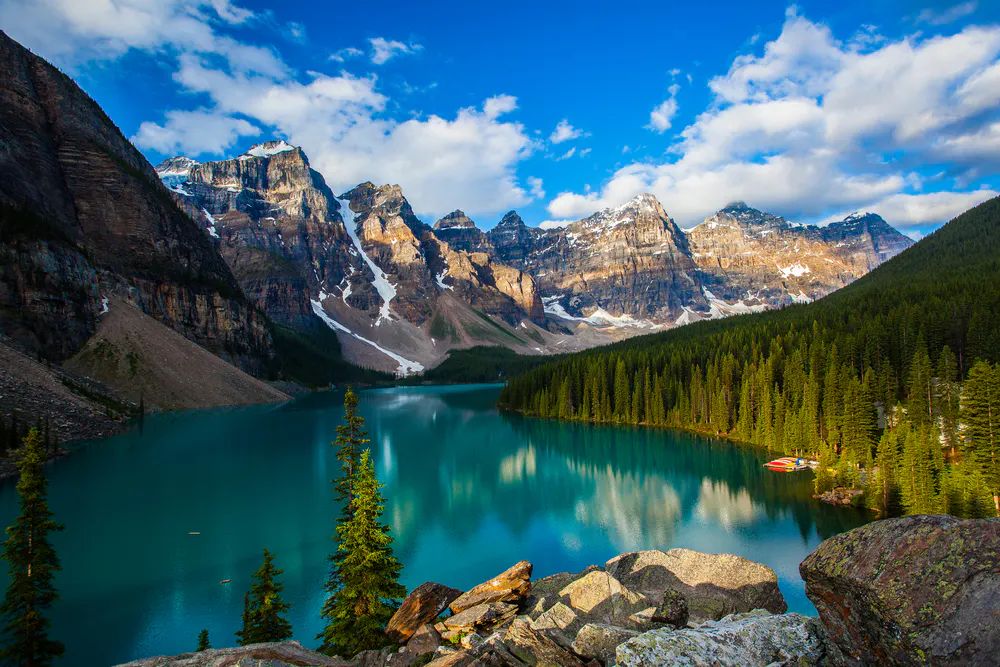
The dramatic peaks, glacial-fed turquoise lakes, roaring rivers and charming mountain towns of the Canadian Rockies are one of our top picks for adventure travel, and deserve wholeheartedly to be on your bucket list. Jagged summits, ancient glaciers, and alpine meadows dominate the region.
Two of the most famous parks are Banff and Jasper National Parks, which together offer hundreds of miles of spectacular hiking trails. Several other parks—Yoho, Kootenay, and Mount Robson to name a few—combine with Banff and Jasper to form a vast network of protected lands in one of the world’s most visually impressive mountain ranges.
Adventure travelers come here for:
- Alpine trekking, backpacking, and mountaineering expeditions
- Glacier and icefield exploration
- Wildlife viewing for elk, mountain goats, and bears
- Scenic mountain road cycling
- Canoeing and rafting on pristine mountain lakes and rivers
When to Go: Summer and early fall (June-September) are ideal seasons for trekking and rafting in the Canadian Rockies, when snow has melted, trails are accessible and rivers are at medium flow.
Permits: Permits are not required to day hike in the Canadian Rockies. Permits are required for all backcountry backpacking, camping, and rafting.
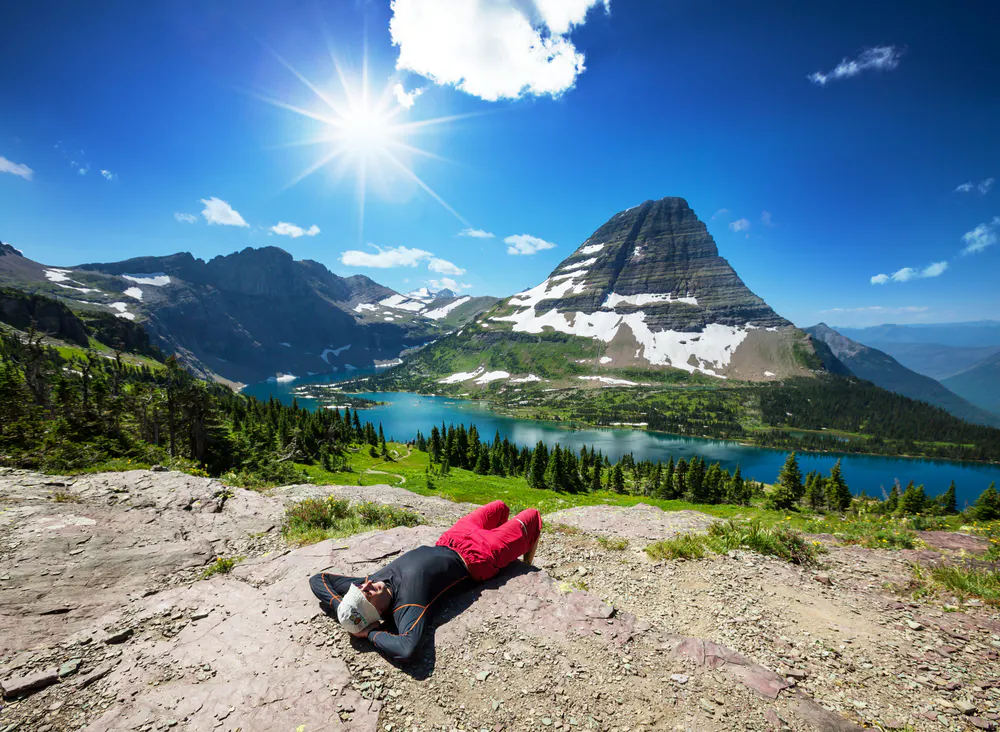
America’s Rocky Mountains
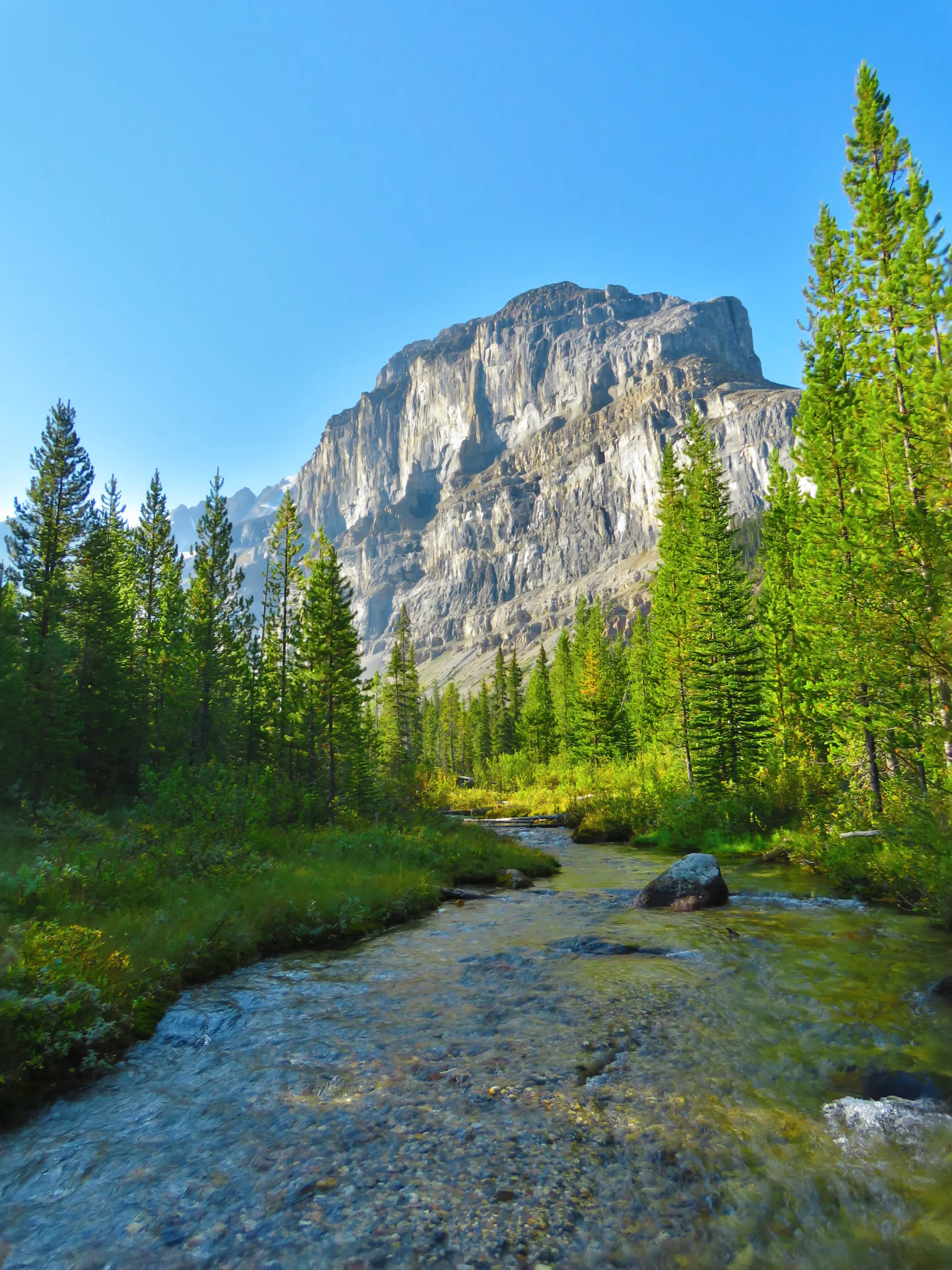
The Rocky Mountains in the USA are home to some of North America’s most iconic national parks, and they are some of our personal favorites. From granite peaks and alpine lakes to roaring geysers and deep river canyons, the Rockies offer boundless opportunities for adventure.
Several parks are particularly noteworthy for their hiking and outdoor adventure.
Glacier National Park
Montana’s Glacier National Park offers some of the most scenic mountain trekking in North America. Glacial valleys, pristine alpine lakes, spectacular mountain views, and wildlife-rich meadows create an unforgettable wilderness experience.
Rocky Mountain National Park
Sometimes overlooked in favor of Yellowstone, the Tetons or Glacier, Rocky Mountain National Park is one of the crown jewel parks of America, combining breathtaking alpine landscapes with unmatched accessibility. Here, the high country of the Rockies is within reach of a wide range of visitors. The majority of the park’s highlights—including alpine lakes, craggy peaks, and lush river valleys—are accessible via day hiking. Additionally, Trail Ridge Road—the highest paved highway in America—allows visitors to experience a high alpine wonderland by vehicle.
Yellowstone National Park
America’s first national park, Yellowstone offers tremendous opportunity for adventurous travelers, and is one of our top recommendations. With more than 10,000 geysers and thermal features, gorgeous mountain scenery, abundant wildlife and crystal clear lakes and rivers, Yellowstone is an outdoor adventure wonderland. Whether you hike to wildlife areas, waterfalls and hot springs, or to summit a peak, Yellowstone is likely to leave you in awe.
Grand Teton National Park
Easily and often combined with Yellowstone, the Tetons are perhaps America’s most iconic and dramatic mountain range. Rising sharply from the valleys below, the Tetons tower ominously over the surrounding landscapes. They offer remarkable opportunities for hiking, mountaineering, lake kayaking and canoeing, cycling, wildlife viewing and photography.
When to Go: for Rocky Mountain destinations like Yellowstone, the Tetons, Glacier and Rocky Mountain National Parks, summer (June-September) is best for most adventures, including hiking and rafting. May can offer quality hiking and exciting rafting in lower elevations like northern Yellowstone and the foothills of Rocky Mountain National Park. Autumn (October-November) is a beautiful time to appreciate the fall colors and bugling elk.
Permits: Permits are not required for most day hikes in national parks in the Rocky Mountains. All national parks require permits for backcountry camping, backpacking, and rafting.
The Rockies are also known for exceptional rafting, climbing, cycling, mountain biking, photography, wildlife, and backcountry adventures.
Utah’s Canyon Country
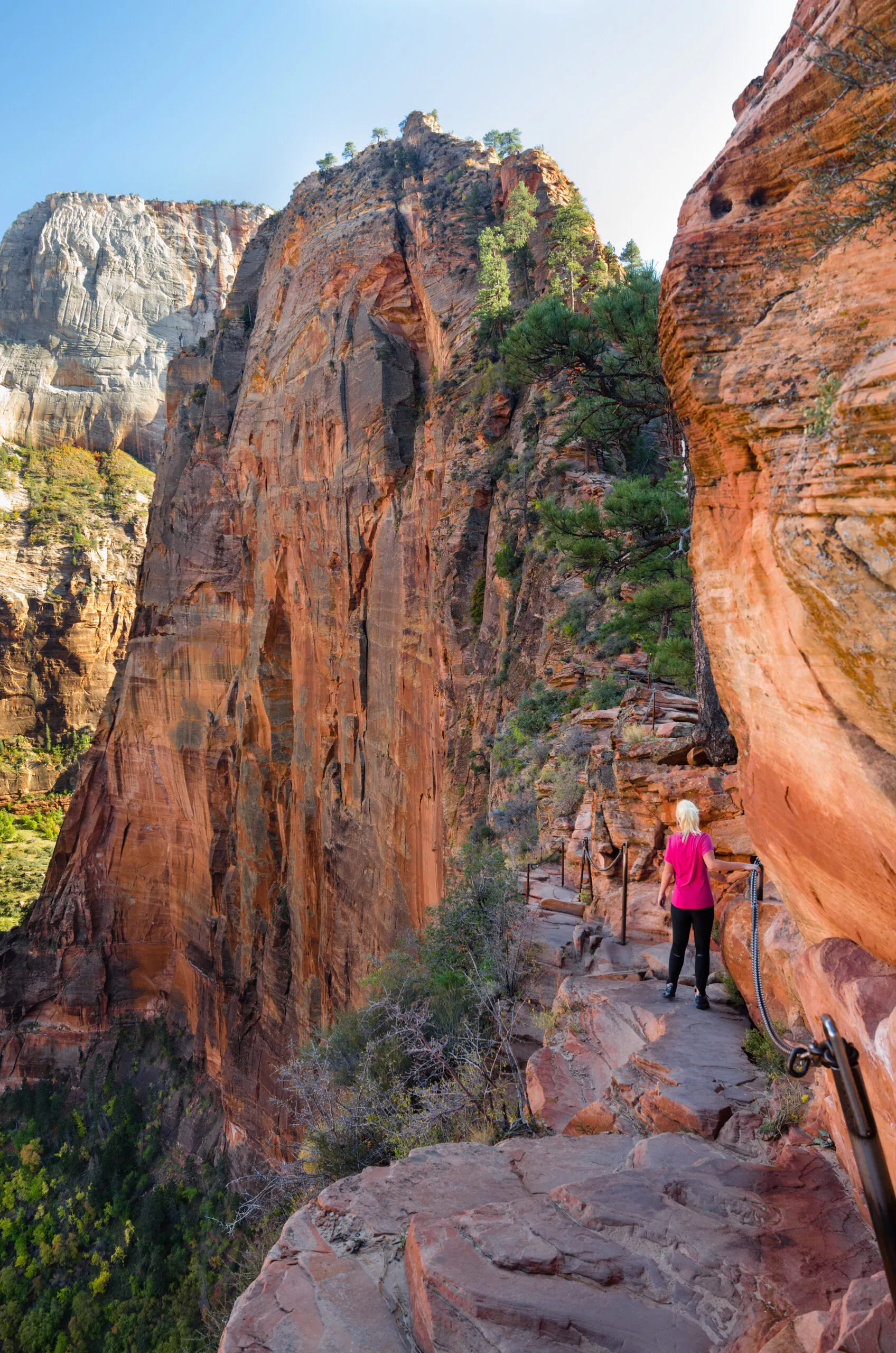
The red rock landscapes of southern Utah offer a completely different type of adventure than the mountainous areas like Yellowstone and Glacier National Park. Utah’s canyon country is characterized by sandstone cliffs thousands of feet high, winding slot canyons, spring-fed desert creeks, oceans of slickrock, and pine-studded plateaus.
Utah’s famous “Mighty Five” national parks include:
- Zion National Park
- Bryce Canyon National Park
- Arches National Park
- Canyonlands National Park
- Capitol Reef National Park
Adventures in this region often include:
- Hiking tunnel-like slot canyons
- Trekking to desert arches, towers and hoodoos
- Mountain biking on thousands of miles of established trails
- Road cycling between remote towns and national parks
When to Go: Spring and fall are the best seasons for hiking Utah, when temperatures are cooler.
Permits: Some hikes in Utah require permits, including Zion’s Angels Landing and the full (14-mile) Virgin River Narrows. For all other day hikes, permits are not required. Permits are required for all backcountry camping, backpacking, and rafting in Utah’s parks.
The Pacific Northwest
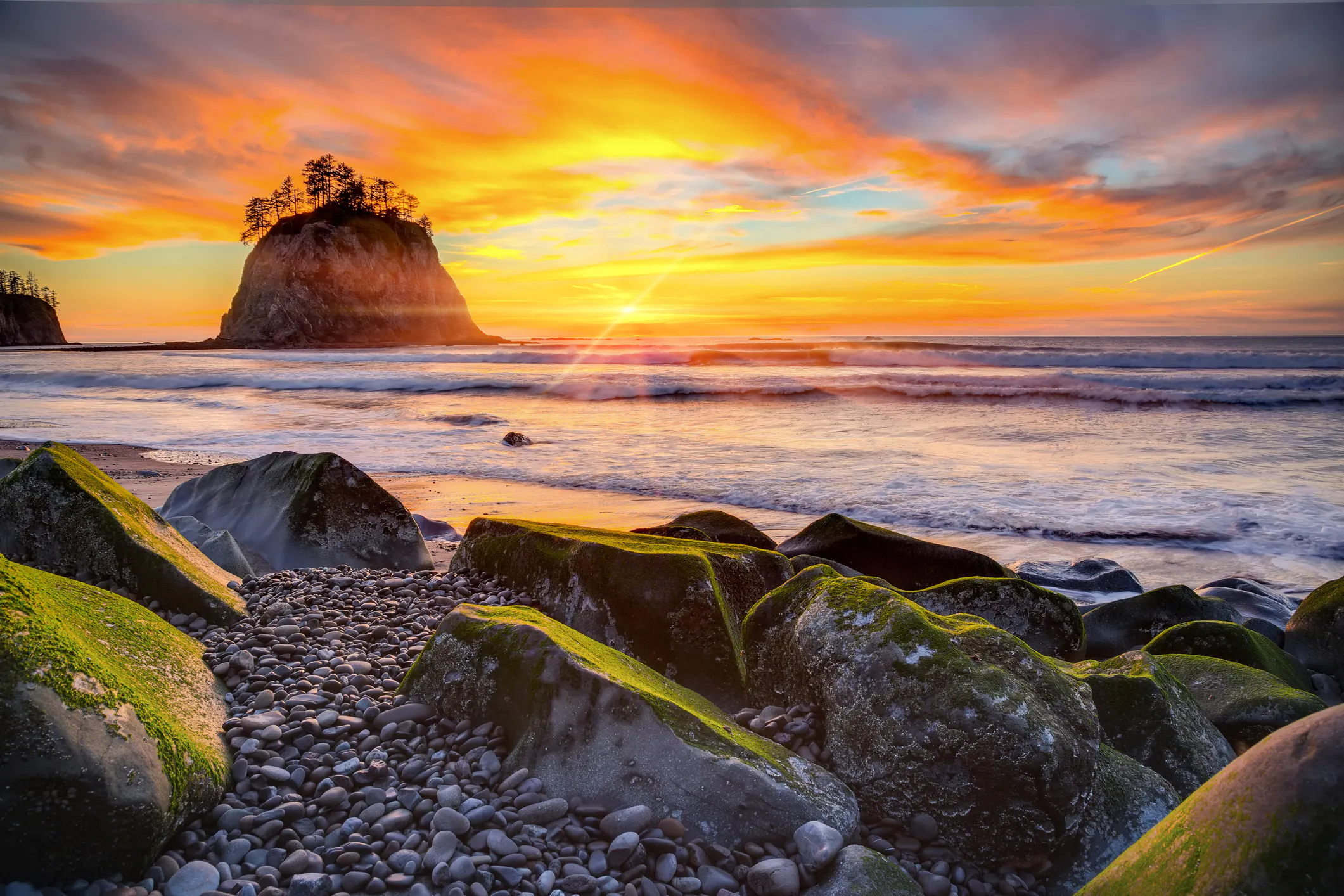
The temperate rainforests and volcanic peaks of the Pacific Northwest create one of North America’s most amazing hiking destinations. The landscapes of Washington and Oregon are an ideal setting for adventure, where mountains rise above dense evergreen forests and dramatic coastlines.
One of the region’s highlights is Olympic National Park, which features temperate rainforests, alpine ridges with ocean views, and wild Pacific beaches.
Outdoor enthusiasts also flock to the Cascade Range (including North Cascades National Park and Mount Rainier National Park) for alpine trekking and mountaineering.
When to Go: Summer and early fall are the best seasons for hiking the Pacific Northwest, when drier, warmer weather and long days dominate.
Permits: Day hikes in Olympic, Mount Rainier, and North Cascades do not require permits. All parks require permits for backcountry camping, backpacking, and rafting.
The Appalachian Mountains
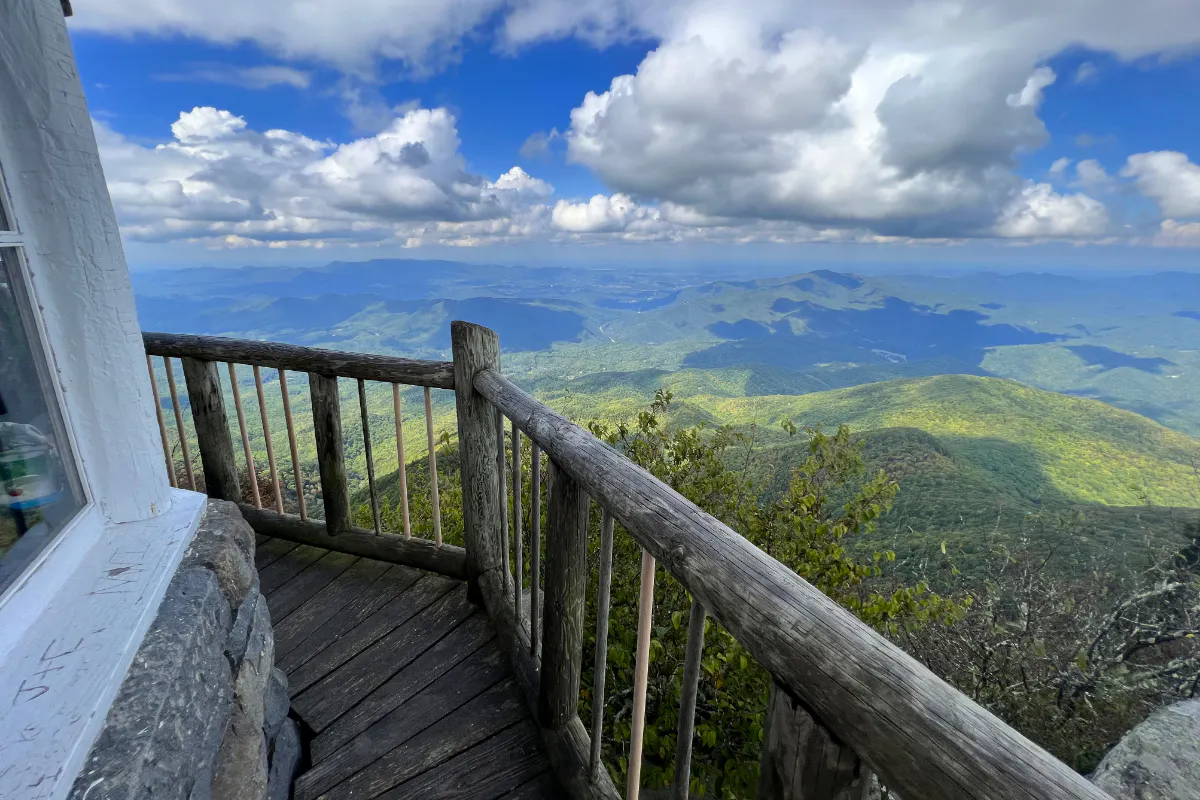
Adventure opportunities in the United States go far beyond Alaska and the American West. On the East Coast, extending from Alabama to Canada, is the timeless Appalachian Mountain Range.
Adventure in the Appalachian Mountains offers a unique blend of scenic beauty, rich ecosystems, and historic hiking trails. The range features forested ridges, rolling peaks, waterfalls, and expansive wilderness areas ideal for hiking and backpacking, whether it’s for a day or for a month.
One of the most famous routes is the Appalachian Trail (AT), a legendary, 2,190-mile path that winds through fourteen states across the crest of the range. Adventurous visitors can trek sections of the AT through lush mountain forests with staggering biodiversity, cross grassy balds with panoramic views, and encounter abundant wildlife. Whether enjoying a lodge-based Appalachian hiking tour or a multi-day backpacking journey, the Appalachians offer accessible yet rewarding adventures across some of North America’s most historic and beloved mountains.
When to Go: The Appalachian Mountains are best from spring through fall. Autumn is the most popular time of year in Appalachia because of the spectacular fall foliage.
Permits: Permits are not required to day hike, they are required to backcountry camp, backpack, or raft.
Mexico’s Copper Canyon
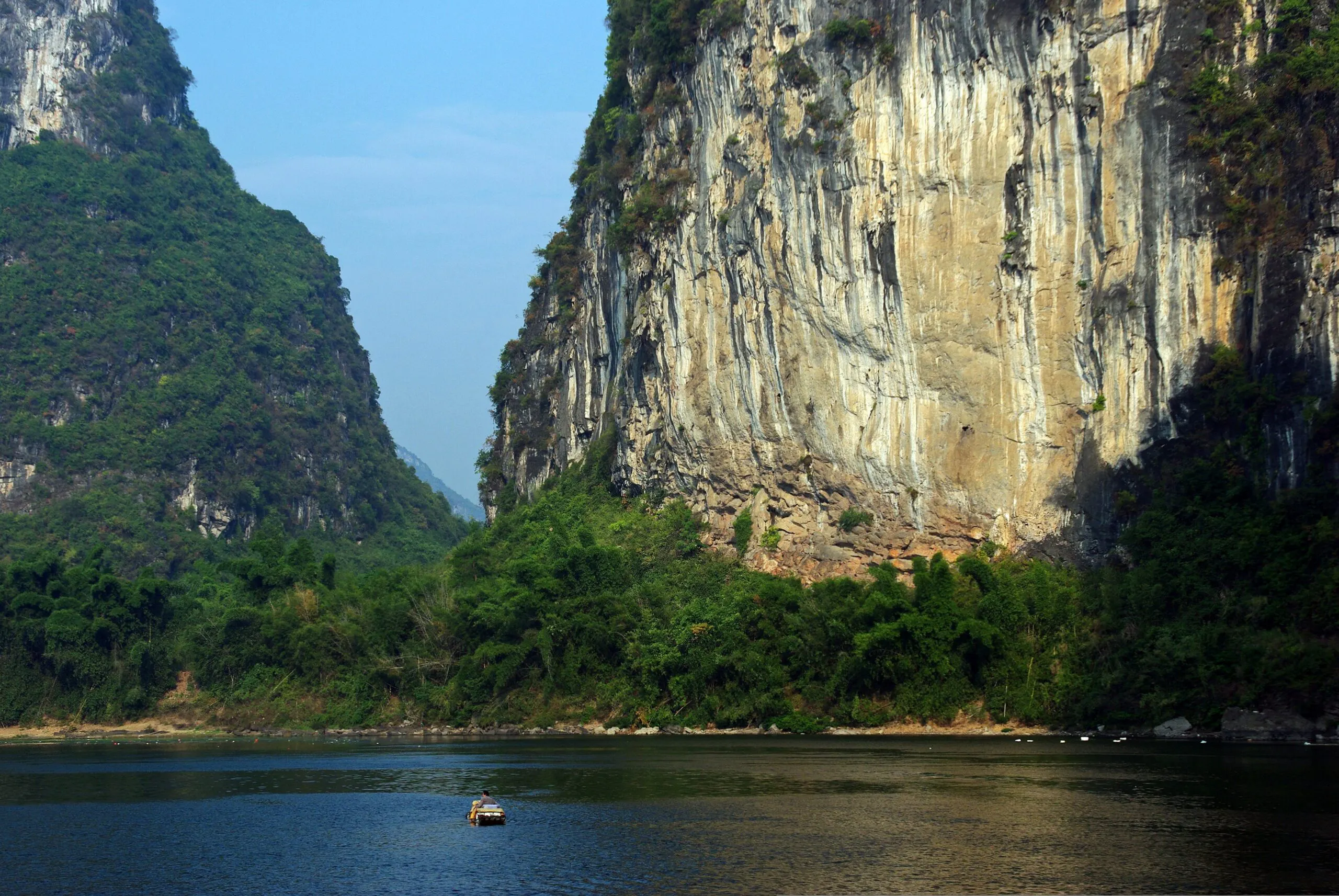
Adventure travel in Mexico extends beyond beaches and historic cities. The enormous canyon system known as Copper Canyon is larger and deeper in places than the Grand Canyon.
Travelers can explore remote trails, indigenous villages, and dramatic canyon viewpoints while trekking through this unique and spectacular landscape.
When to Go: Copper Canyon is best in the late fall, winter and early spring due to hot temperatures the rest of the year.
Permits: Permits are not required to hike Copper Canyon.
Arizona: Grand Canyon and Sedona
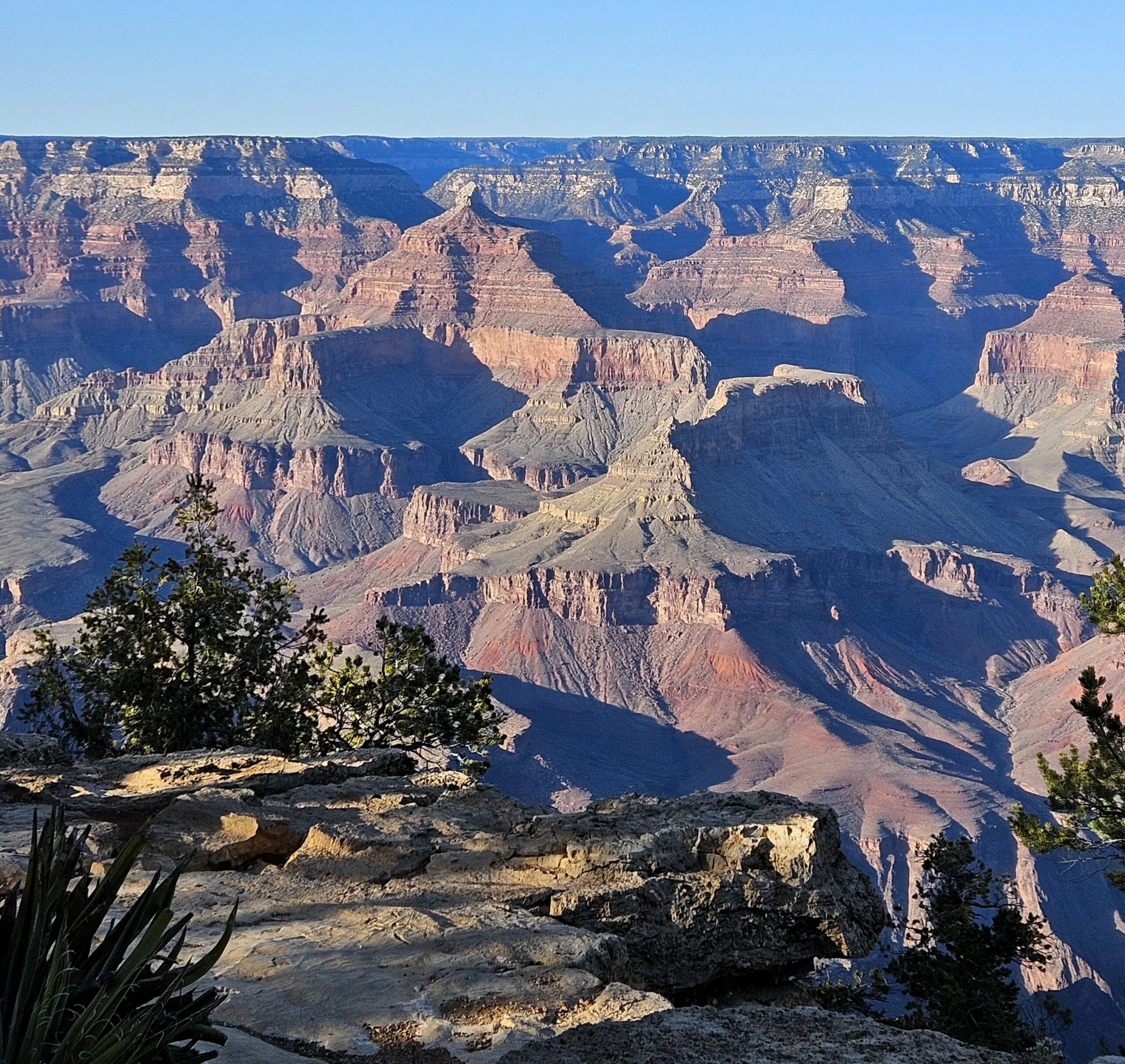
Adventure in the American Southwest finds its most striking expression in Northern Arizona. Here, Grand Canyon National Park and the red rock landscapes surrounding Sedona showcase the raw beauty, geological drama, and spiritual mystique of the high desert. From the immense scale of the Grand Canyon to Sedona’s sculpted sandstone formations, this region offers a uniquely memorable setting for hiking and adventure.
Hiking in the Grand Canyon and Sedona delivers a combination of experiences that complement each other perfectly. In the Grand Canyon, trails descend from the rim into a vast labyrinth of stratified rock layers, where every mile reveals new perspectives and the Colorado River glimmers far below. Routes like the Bright Angel Trail and South Kaibab Trail challenge hikers with serious elevation changes and breathtaking views. In Sedona, the terrain shifts to a more intimate but equally compelling environment—networks of trails weave through towering red rock buttes, hidden canyons, arches, and high desert mesas. Iconic hikes like Cathedral Rock and Devil’s Bridge combine easy-moderate trail walking with dramatic scenery, making Sedona a favorite for both casual hikers and seasoned adventurers.
When to Go: Spring (March–May) and fall (September–November) are the best times to visit, with moderate temperatures ideal for hiking. Summer can be extremely hot when hiking in the Grand Canyon, especially below the rim, while Sedona remains more accessible year-round with cooler mornings and evenings.
Permits: Permits are required for overnight backpacking in the Grand Canyon and must be secured in advance. Day hiking does not require a permit. Sedona trails generally do not require permits for hiking, though Red Rock Passes are required for parking at many trailheads.
California: Yosemite and Sequoia–Kings Canyon
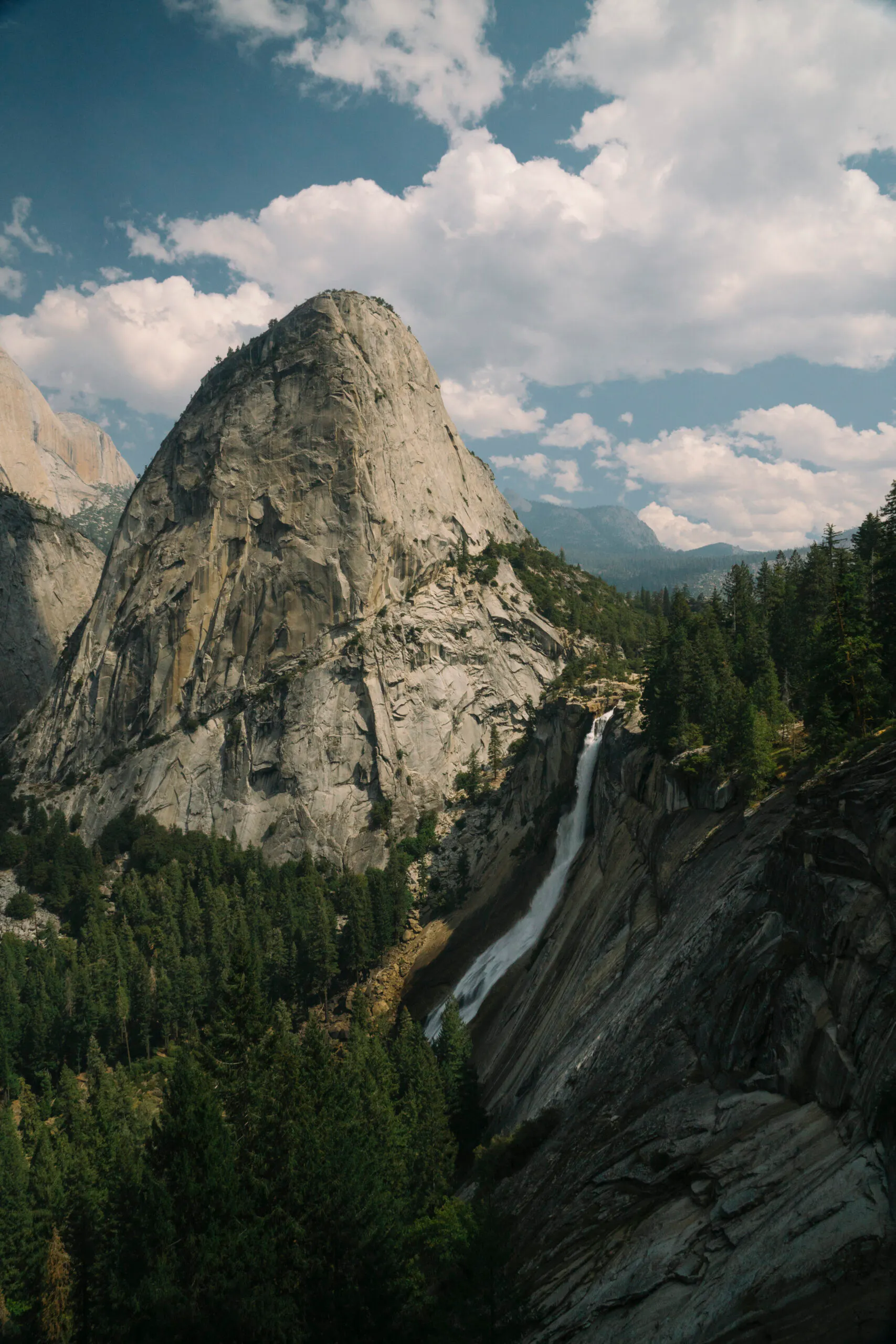
Yosemite National Park and Sequoia and Kings Canyon National Parks are legendary mountains characterized by massive granite walls, ancient forests of giant trees, and some of the most celebrated hiking terrain in North America. Together, these parks showcase the dramatic heart of the Sierra Nevada Mountains, where glacial valleys, alpine lakes, and high mountain passes create a world-class setting for adventure.
Hiking in Yosemite and Sequoia–Kings Canyon offers a powerful mix of scale and variety. In Yosemite, sheer cliffs like El Capitan and Half Dome soar above the valley floor, while trails wind past massive waterfalls, through peaceful meadows, and into high alpine terrain with sweeping views. To the south, Sequoia and Kings Canyon reveal a quieter, equally awe-inspiring world that is home to the largest trees on Earth. These parks feature deep river canyons, high alpine peaks, and vast wilderness areas that are truly remote. Whether trekking to iconic viewpoints, exploring high country basins, or walking beneath towering giant sequoias, the experience of these parks blends world-famous highlights with magical moments of solitude and connection with nature.
When to Go: Late spring through fall offers the best access, with June through September providing ideal conditions for high-elevation hiking. Waterfalls in Yosemite typically peak in late spring, while late summer and early fall bring more stable weather and fewer crowds.
Permits: Permits are required for overnight backpacking trips in both parks and are highly competitive in peak season. Day hiking generally does not require a permit (Half Dome being the primary exception), though reservations may be needed for park entry during busy periods.
Northern Canada
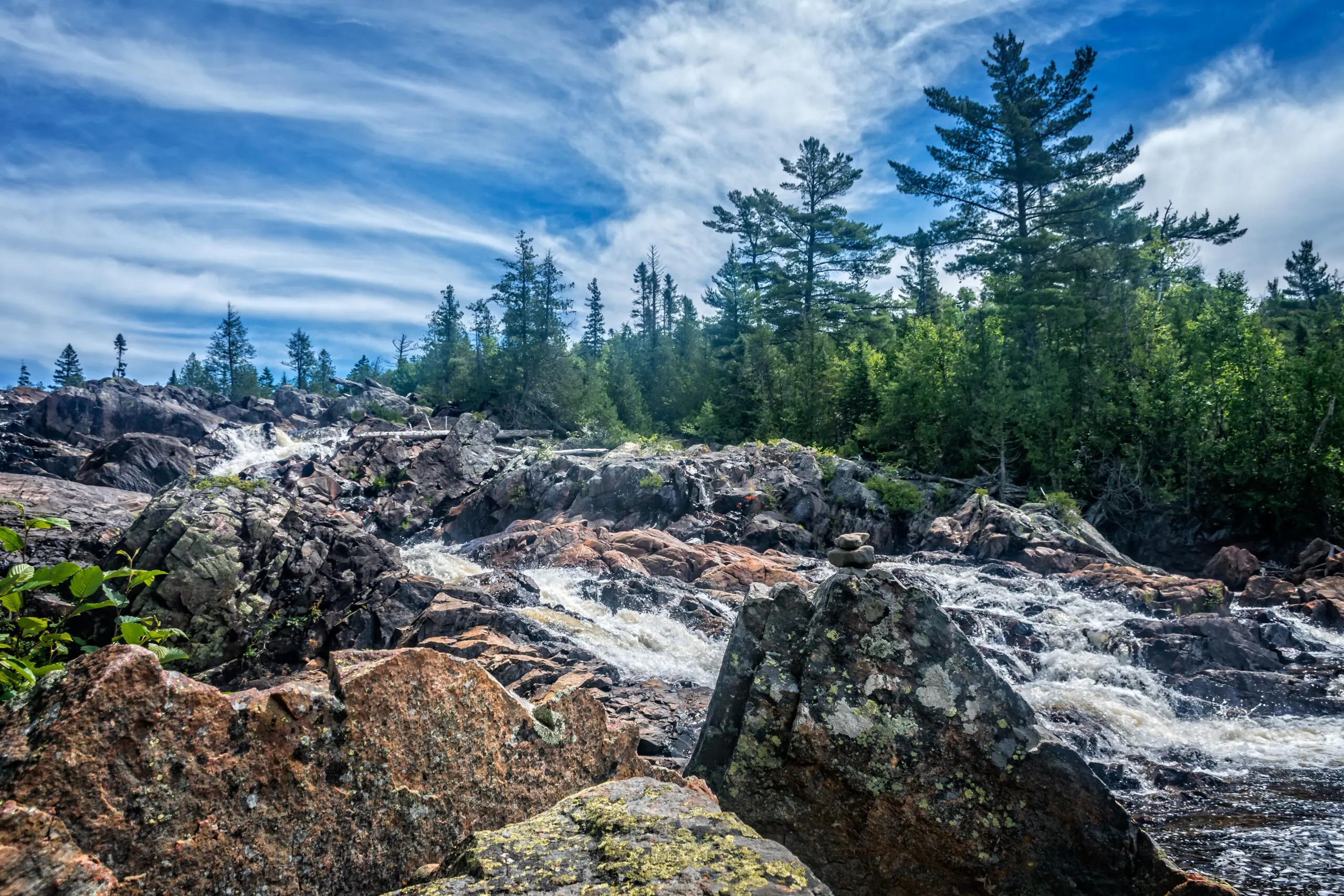
Canoeing through the vast wilderness of northern Canada is one of the most immersive adventure travel experiences in North America. Boundless networks of pristine lakes and meandering rivers stretch across remote landscapes where boreal forests, granite peaks, towering cliffs, and tundra dominate the horizon. Paddling these quiet waterways allows travelers to move through the landscape in the same way Indigenous peoples and early explorers once did—gliding between lakes, portaging along historic routes, and camping beside clear northern waters under expansive skies.
Some of the most celebrated canoeing destinations include the legendary waterways of Nahanni National Park Reserve and the vast interconnected lakes of Wood Buffalo National Park. In these remote regions, wildlife sightings are common, with opportunities to spot moose, bears, caribou, and bald eagles. For adventure travelers seeking solitude and a deep connection with nature, canoeing northern Canada provides a rare chance to explore one of the last great wilderness regions in the world.
When to Go: Northern Canada is best explored in the summer months of June through August.
Permits: Permits are required for most activities in Northern Canada’s national park reserves.
Top Adventure Activities in North America
North America’s varied landscapes provide a wide range of outdoor adventures to choose from.
Hiking and Trekking
Hiking and trekking are the most popular forms of adventure travel in North America. Thousands of miles of trails wind through mountains, forests, deserts, canyons, and coastal landscapes.
Our top recommended trekking areas are:
- Utah’s canyon hikes in Zion, Bryce, and the “Mighty 5” national parks
- California’s Yosemite and High Sierra trails
- The Northern Rockies in Montana and Wyoming, including Yellowstone and Glacier
- The Canadian Rockies backcountry
- Alaska’s extensive wilderness
- The Appalachian Mountain Range, including the Great Smoky Mountains and the White Mountains
Backpacking
An extended and more immersive form of hiking, backpacking is a very popular way to explore North America’s vast wilderness areas and national parks. Carrying all of their camping equipment and food in a backpack, hikers are self-sufficient for multiple days and nights in the backcountry.
Some of the most iconic places for backpacking are the Rocky Mountains of Colorado, Wyoming, Montana, Idaho and Canada; the Sierra Nevada Range in California, the canyons and deserts of Arizona and Utah, the Cascade Range in Washington State and the Appalachian Mountains on the East Coast
Snowshoeing and Skiing
Very popular forms of winter outdoor recreation in North America, snowshoeing and skiing open up a world of adventure in snow-covered landscapes. Snowshoeing is essentially a winter form of hiking. The snowshoes support you in not sinking so low into the snow that you are unable to progress. There are two primary forms of skiing: cross-country skiing and downhill skiing. Cross-country skiing is a form of travel across snow on skis that create traction uphill and glide downhill. Downhill skiing is a resort-style form of skiing where mechanical lifts carry skiers up the mountain and they then glide back down the mountain.
Mountainous areas like the Sierra Nevada Range in California, the Cascades in the Pacific Northwest, the Canadian Rockies, the America Rockies and the Appalachian Mountains are great for snowshoeing and skiing.
Canyoneering
Canyoneering is one of the most adventurous ways to explore the hidden landscapes of North America, especially in the Southwestern USA. This adventurous activity combines hiking, scrambling, rappelling, and sometimes swimming to travel through narrow slot canyons and rugged gorges carved by water over millions of years. Some of the most famous canyoneering destinations can be found in the desert canyon country of Arizona and Utah, where imposing sandstone walls, winding passages, and sculpted rock formations create the backdrop for adventure.
Whitewater Rafting
Rafting is one of our favorite and most recommended ways to experience North America’s wild places. Several of the region’s rivers are world-famous for white water rafting adventures. Among the most legendary are the Colorado River through the Grand Canyon, the Salmon River in Idaho, and several wild rivers in Alaska.
Multi-day rafting expeditions offer thrilling rapids combined with opportunities to explore side canyons, waterfalls, hidden beaches, clear night skies, and enriching camaraderie with your fellow adventurers.
Mountain Biking and Road Cycling
Mountain biking and road cycling are among the most versatile and rewarding ways to experience adventure travel in North America, offering everything from leisurely scenic rides to challenging, high-endurance routes. Across the continent, cyclists can explore a remarkable range of landscapes—pedaling along coastal highways in California, winding through vineyard-lined backroads in British Columbia, climbing iconic alpine passes in the Rockies, or cruising quiet desert roads in places like Utah and Arizona. For those seeking more rugged terrain, mountain biking unlocks an entirely different dimension of adventure, with world-class trail systems in destinations like Moab, Whistler, and Asheville.
Climbing and Mountaineering
North America offers some of the most legendary climbing and mountaineering objectives on Earth. Whether you are rock climbing on desert towers, learning alpine skills on Mount Baker, scrambling along airy ridgelines in the Canadian Rockies, or attempting iconic summits like Denali, the continent delivers a spectacular range of experiences for every experience level. With enough experience or expert guides, proper preparation, and carefully designed itineraries, these adventures become not only accessible. They become deeply meaningful ways to experience the raw power and beauty of nature, and opportunities to explore one’s own limits in the process.
Wildlife Expeditions
North America is home to an extraordinary range of wildlife. Travelers may encounter:
- Bears: black bears and grizzly bears across all mountain destinations
- Wolves: primarily in Alaska, Wyoming, Montana, Idaho, the Canadian Rockies, and Minnesota
- Moose: mostly in Colorado, Alaska, the Northern Rockies, and the Northeast
- Elk: found across all mountain destinations in the Western USA and Canda
- Bison: abundant around Yellowstone National Park
- Bald eagles: can be seen in almost all national parks and wilderness areas
North America’s national parks and wilderness regions provide some of the best wildlife viewing opportunities in the world.
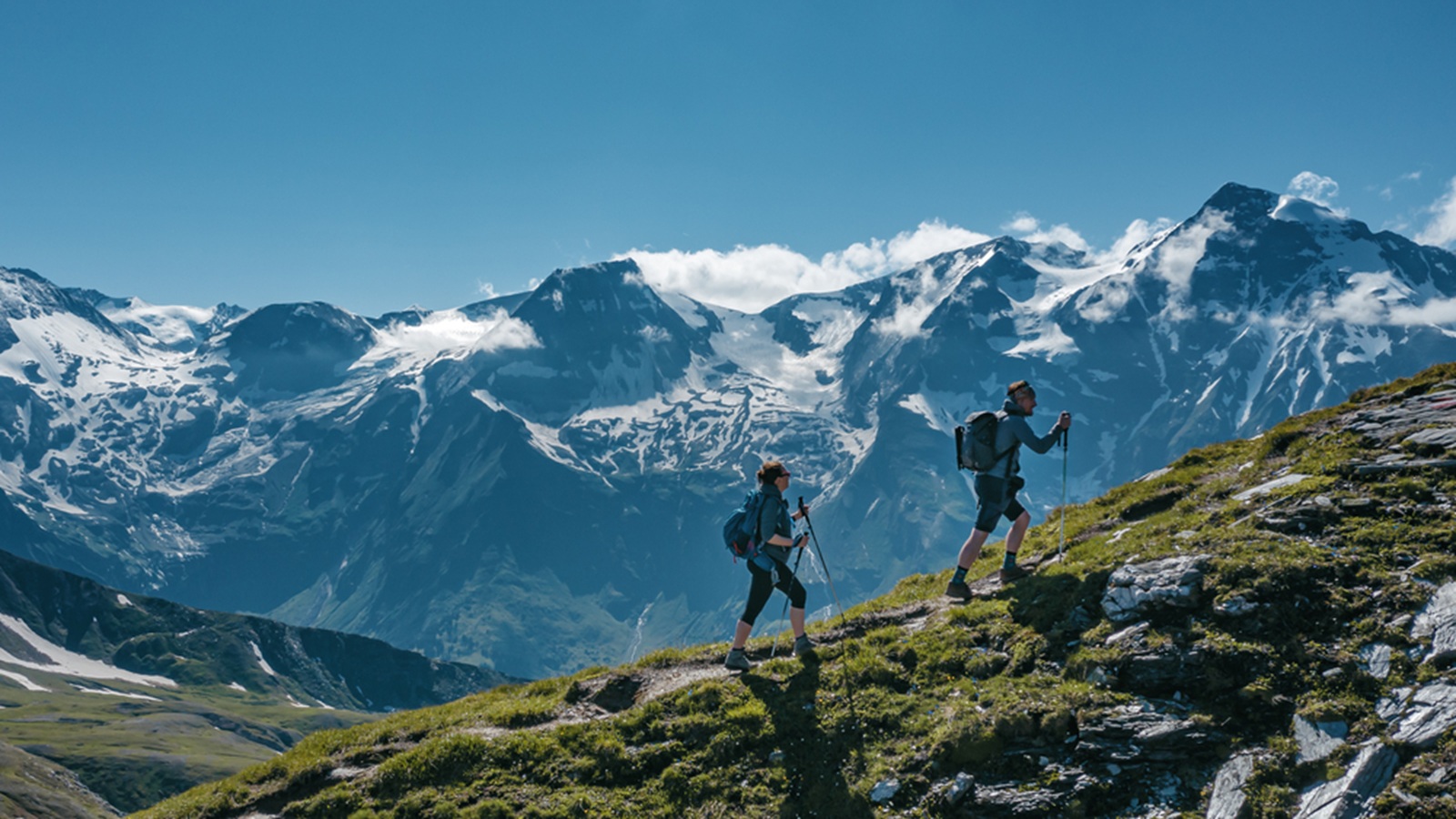
When to Go Adventure Traveling in North America
Because North America spans many climates, adventure travel is possible year-round.
Summer: Mountain Adventures
Summer is the best season for exploring alpine regions such as Alaska, the Pacific Northwest, the Canadian Rockies, the Rocky Mountains, and the Sierra Nevada. Snow has melted from high-elevation trails, and long daylight hours make extended exploration possible.
Spring and Fall: High Desert and Low Mountain Adventures
Desert regions like Utah and Arizona are ideal during spring and fall when daytime temperatures are comfortable for hiking and biking. Lower elevation mountain destinations—such as Yosemite Valley and the Appalachian Mountains—can also be excellent in spring and fall. The Appalachian Mountains’ fall foliage season of September–November is a gorgeous time of year to hike and adventure there.
Winter: Low Desert and Coastal Destinations
In winter, if you want to avoid snow we recommend heading to warmer destinations such as Hawaii, the American Southwest, or Mexico’s canyon regions. Death Valley, Grand Canyon, Zion, Arches, and Canyonlands are also excellent winter adventure destinations. If you want to embark on winter adventures involving snowshoes and skis, this is the perfect season in all mountain destinations.
Adventure Travel Activities by Destination and Season
| Destination | Spring (Mar–May) | Summer (Jun–Aug) | Fall (Sept–Nov) | Winter (Dec–Feb) |
|---|---|---|---|---|
| Alaska | Snowshoeing, Coastal Hiking | Hiking, Rafting, Backpacking, Climbing, Biking | Hiking, Biking | Snowshoeing, Skiing |
| Canadian Rockies | Snowshoeing, Skiing | Hiking, Rafting, Backpacking, Climbing, Biking | Hiking, Rafting, Backpacking, Climbing, Biking | Snowshoeing, Skiing |
| Rocky Mountains | Snowshoeing, Skiing | Hiking, Rafting, Backpacking, Climbing, Biking | Hiking, Rafting, Backpacking, Climbing, Biking | Snowshoeing, Skiing |
| Utah’s Canyon Country | Hiking, Rafting, Backpacking, Climbing, Biking | Hiking, Rafting, Backpacking, Climbing, Biking | Hiking, Rafting, Backpacking, Climbing, Biking | Hiking, Biking |
| Pacific Northwest | Hiking, Biking, Snowshoeing, Skiing | Hiking, Rafting, Kayaking, Backpacking, Climbing, Biking | Hiking, Rafting, Kayaking, Backpacking, Climbing, Biking | Snowshoeing, Skiing |
| The Appalachian Mountains | Hiking, Rafting, Kayaking, Backpacking, Biking | Hiking, Rafting, Kayaking, Backpacking, Biking | Hiking, Rafting, Kayaking, Backpacking, Biking | Hiking, Biking, Snowshoeing, Skiing |
| Copper Canyon | Hiking, Rafting, Backpacking, Biking | Avoid due to heat | Hiking, Rafting, Backpacking, Biking | Hiking, Rafting, Backpacking, Biking |
| Arizona | Hiking, Rafting, Backpacking, Biking | Avoid due to heat | Hiking, Rafting, Backpacking, Biking | Hiking, Backpacking, Biking |
| California | Hiking, Rafting, Backpacking, Biking | Hiking, Rafting, Backpacking, Biking | Hiking, Rafting, Backpacking, Biking | Snowshoeing, Skiing |
| Northern Canada | Avoid due to cold, wet weather | Hiking, Rafting, Backpacking, Biking | Avoid due to cold, wet weather | Snowshoeing, Skiing |
Guided Adventures vs. Independent Travel
Intrepid travelers in North America can choose between guided adventure tours and independent exploration, and both are excellent options.
Guided trips offer several advantages:
- Professional guides with local expertise
- Assistance with permits and logistics
- Carefully designed itineraries
- Enhanced safety in remote environments
Independent travelers, on the other hand, may prefer the flexibility of planning their own routes and schedules.
Both options provide rewarding ways to experience North America’s extraordinary landscapes.


Planning Your North America Adventure
When planning an adventure trip, we recommend considering several factors:
- Activities: decide first on the activity or activities you want to pursue. This decision will influence where you choose to go. Use the table above to determine which activities are best for each season and destination.
- Season: Weather and trail accessibility vary widely by region, so take the time to select the right destination at the right time for your desired activity.
- Experience level: Choose destinations, hikes or adventures appropriate for your fitness, skill, and experience level.
- Permits: Many national parks require advance permits for backcountry travel (backpacking, rafting and mountaineering). Plan in advance and know whether permits are required for the adventure you’re seeking. Some very popular day hikes require permits
- Gear: Proper clothing, navigation tools, and safety equipment are essential. Ensure you are prepared with the right gear. See below for a packing list table.
Preparation will help ensure a safe and enjoyable journey.
Suggested Packing List Table
What to pack for your adventure depends on where you will be and the season of your adventure. Below is a table that illustrates what to pack for the various regions of North America and the season you’re there.
Desert Areas = Sedona, Grand Canyon, Utah national parks, Joshua Tree, Death Valley, Copper Canyon
Mountain Areas = Alaska, Canadian Rockies, Pacific Northwest, Rocky Mountains, Sierra Nevada Range, Appalachia Range
| Item | Desert Areas | Mountain Areas | ||
|---|---|---|---|---|
| Nov-Mar | Apr-Oct | May-Sept | Oct-Apr | |
| Hiking Shoes |  | | | |
| Wool Socks | | | | |
| Base Layer | | — | | |
| Sun Hoody | | | | — |
| Fleece Shirt | | | | |
| Down Jacket | | — | | |
| Rain Jacket | | | | |
| Rain Pants | | — | | |
| Hiking Pants | | | | |
| Hiking Shorts | — | | | — |
| Warm Hat | | — | | |
| Fleece Gloves | | — | | |
| Backpack | | | | |
| Trekking Poles | | | | |
| Hiking Crampons | | — | — | |
Why Hike & Raft North America with MT Sobek
Hiking or rafting North America with MT Sobek means exploring the continent’s most spectacular landscapes with a company that has been pioneering adventure travel for decades. Since 1969, MT Sobek has crafted expertly designed journeys that combine iconic destinations with lesser-known trails, giving travelers deeper access to places like the Canadian Rockies, Alaska’s wilderness, and the canyonlands of the American Southwest.
Small groups, experienced guides, and carefully planned itineraries allow guests to focus on the experience of the journey while the logistics—permits, transportation, and accommodations—are handled seamlessly.
MT Sobek’s hiking and rafting adventures are designed to immerse travelers in the natural beauty and cultural heritage of each destination. Expert guides share insight into local ecology, geology, and history while ensuring safety and comfort along the trail. Whether trekking along alpine ridges, exploring desert canyons, or rafting epic rivers, guests enjoy a balance of rewarding adventure, premier lodging or camping, and delightful meals—creating a North American adventure that is both enriching and effortless.
Enjoying our content? Add MT Sobek as a Google Preferred Source.

FAQs
The best time depends on the region and activity. Summer (June–September) is ideal for mountain adventures in the Rockies, Sierra Nevada, and Alaska. Spring and fall are best for desert destinations like Utah and Arizona. Winter opens up opportunities for skiing, snowshoeing, and northern lights experiences in the mountains, and peaceful hiking in the deserts and canyons.
Most national parks and some wilderness areas require permits, especially for overnight backpacking and rafting trips. Day hiking and cycling rarely require permits, except on very popular trails like Half Dome and Angels Landing. Climbing and canyoneering rarely require permits.
Both options have value, but guided tours offer major advantages—logistics, permits, safety, and expert interpretation of landscapes and culture. In remote or complex environments like Alaska or the Grand Canyon, guided trips often provide a smoother and safer experience.
Yes, with proper planning it is safe. Risks typically involve weather, terrain, navigation, and wildlife. Travelers should prepare with appropriate gear, understand local conditions, and consider hiring guides for a higher margin of safety.
Beginner-friendly adventures include guided or independent hikes in national parks, most of which offer plenty of beginner-friendly walks. Rafting on calmer river sections like the Colorado River near Moab, and lodge-based or inn-to-inn hiking trips that reduce logistical complexity are also great options for beginners.
Learn More About Adventure Travel in North America


