7 Best Places to Hike in North America
The Hiking Destinations We Love in North America
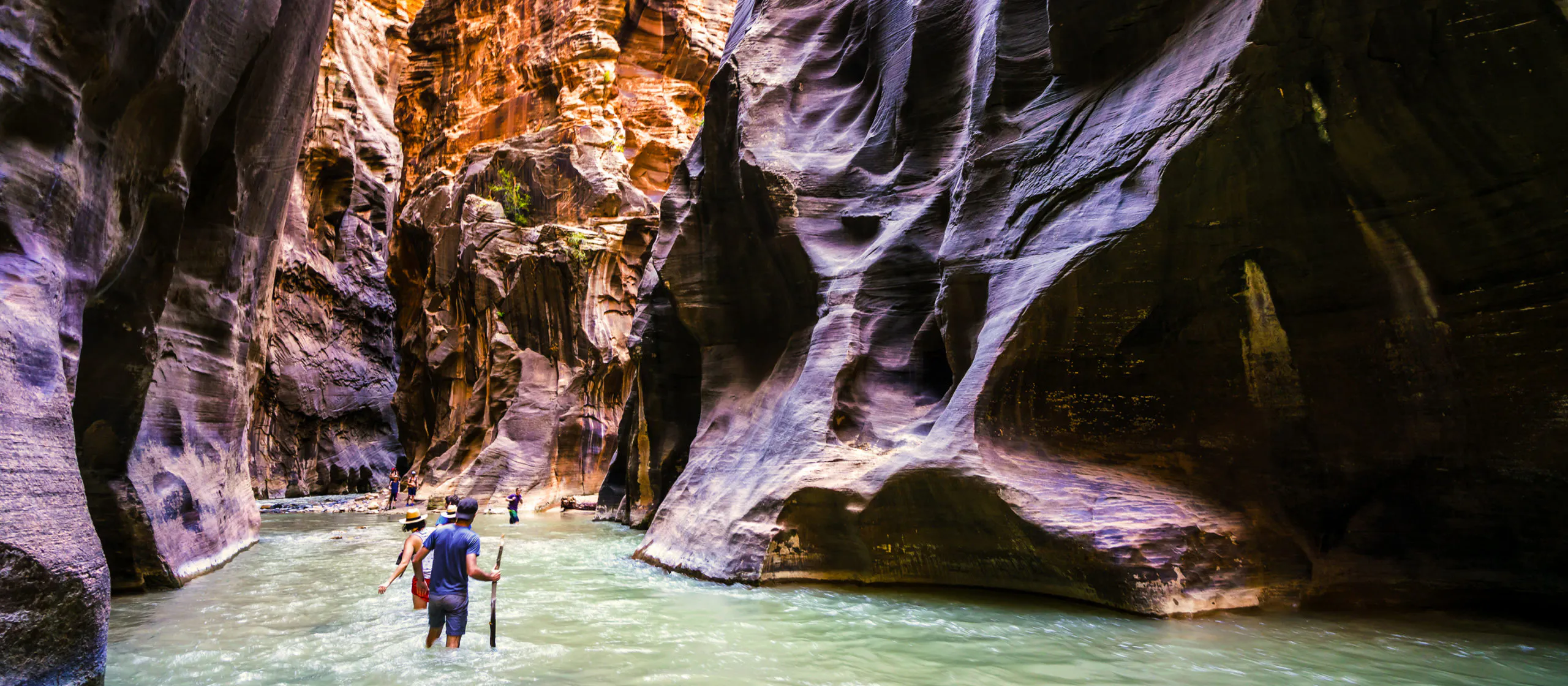
There’s a particular kind of hunger that takes hold after a long winter, or an extended stretch of city life—a craving not just for fresh air and nature, but for real wildness. For the ache in your legs after a long day on the trail, the smell of pine trees and sage, the unique satisfaction of collapsing into your bed or your tent knowing you earned every ounce of the gratification you feel.
North America has been feeding that hunger for generations. And despite what the Instagram crowds at Angel’s Landing or the waitlists for Whitney permits might suggest, this continent still holds more untamed, soul-expanding wilderness than most trekkers will ever manage to cover in a lifetime. From the vast mountain ranges and tundra of Alaska to the biodiverse forests of Appalachia, from the desert canyon country of the Colorado Plateau to the glacier-draped ranges of the Canadian Rockies, the terrain here is extraordinary, varied, and—when you approach it with a healthy perspective and the right preparation—intensely rewarding.
At MT Sobek, we’ve been leading expedition-style treks, multi-day adventure journeys, and guided hiking tours across North America for more than five decades. We’ve learned which routes deliver the most powerful experiences, which seasons unlock the most remote access, and how to move through the wilderness in a way that deepens both the joy of hiking and your connection to the land beneath your boots. What follows is our honest assessment of the continent’s finest hiking destinations—the places our guides return to year after year, not because the job demands it, but because the landscapes keep calling them back. This is our focused list of the best places to hike in North America—our favorite hiking destinations that we are confident you will fall in love with. This is the list we give our friends and family when they ask for our expert guidance on where to go hiking next.
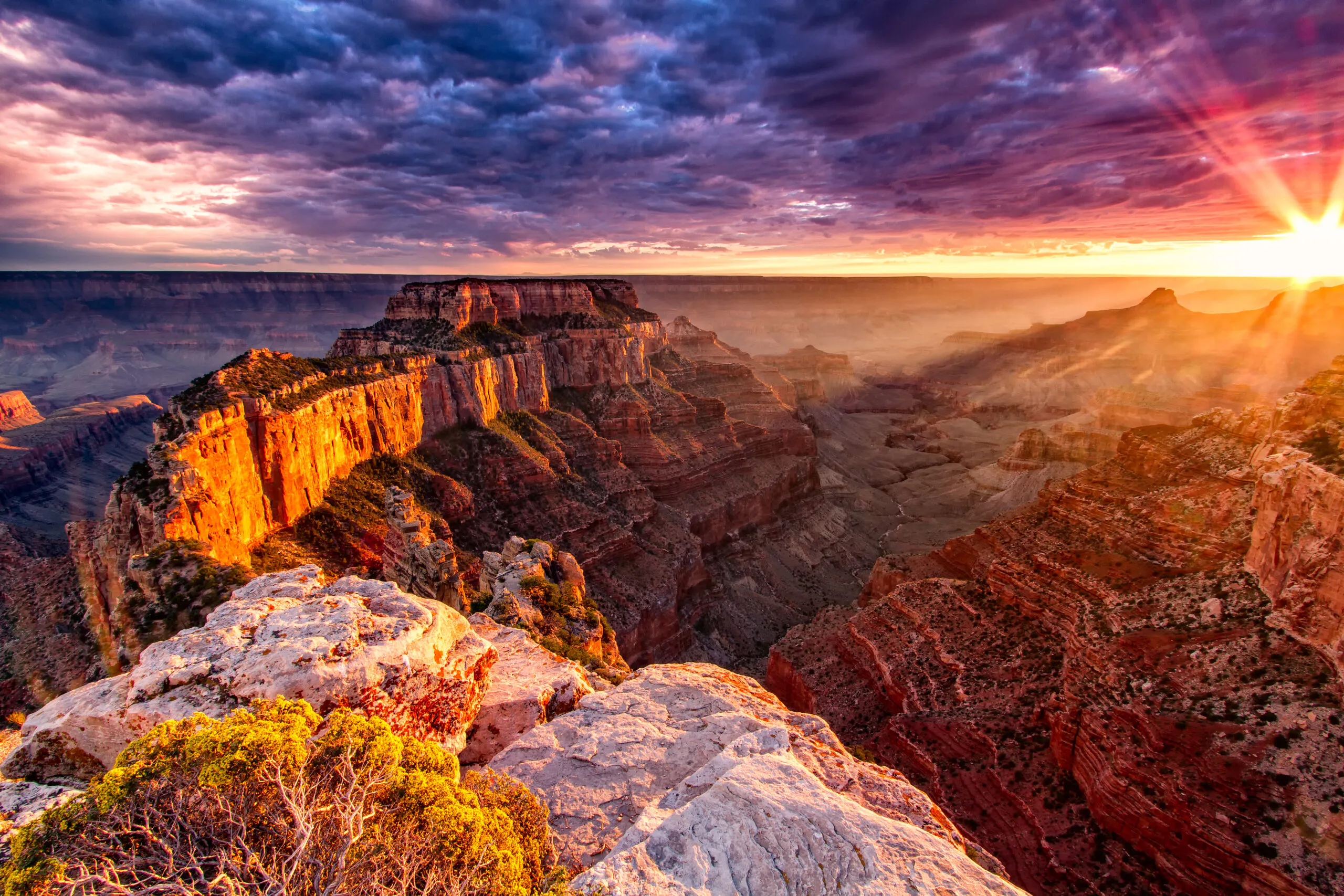
1. The Colorado Plateau: Grand Canyon, Sedona & Utah
Desert hiking demands a unique and specific mindset. The dangers are real—summer temperatures that can kill, water sources miles apart, and terrain that disorients even experienced trekkers. But the desert also offers something no green mountain range can: a quality of silence, space, and geological scale that leaves you in awe. The desert will also surprise you with its lush oases, diverse wildlife, and dramatic rock formations.
The Colorado Plateau encompasses the canyon country of Utah, Arizona, Colorado, and New Mexico. This dramatic region boasts some of the most remarkable desert trekking terrain in the world, and is one of our favorite places to hike in North America. Hiking the Grand Canyon is such a remarkable and unique experience, that it alone easily deserves a top-three spot on this list. But the Grand Canyon is just the most famous part of the Colorado Plateau. Utah’s Escalante region offers richly rewarding canyon trekking—slot canyons barely wide enough for your shoulders, natural arches spanning hundreds of feet, ancient Ancestral Puebloan ruins tucked into sandstone alcoves. The Mighty 5 national parks of Utah (Zion, Bryce, Capitol Reef, Arches and Canyonlands) are also, collectively or individually, world-class hiking destinations. And Sedona’s dramatic red rock formations and spring-fed creeks beckon hikers from all over the world to come sample its breathtaking landscapes.
Best for: Canyon trekking, desert hiking and backpacking, canyoneering
Hiking season: Year round (summer heat from mid-May to mid-September can be unpleasant and even dangerous)
MT Sobek angle: Our desert trekking itineraries in Utah, Arizona, and California are carefully designed and timed to maximize access to the most dramatic canyon country terrain in North America.
Learn More: Utah hiking tours | Grand Canyon hiking Tours
Colorado Plateau: Iconic Hikes
Angels Landing (Zion National Park)
Distance: ~5.4 miles round trip | Time: 3–5 hours | Difficulty: Hard
Angels Landing is one of the most exciting hikes in the USA. The final ridge traverse follows a narrow fin of rock with dizzying, 1,000-foot drop-offs on both sides. There are chains bolted to the rock that you can use for balance. However, it still demands focus and agility. The reward is a breathtaking view into Zion Canyon and the Virgin River. Permits are required. Learn everything you need to know to hike Angels Landing.
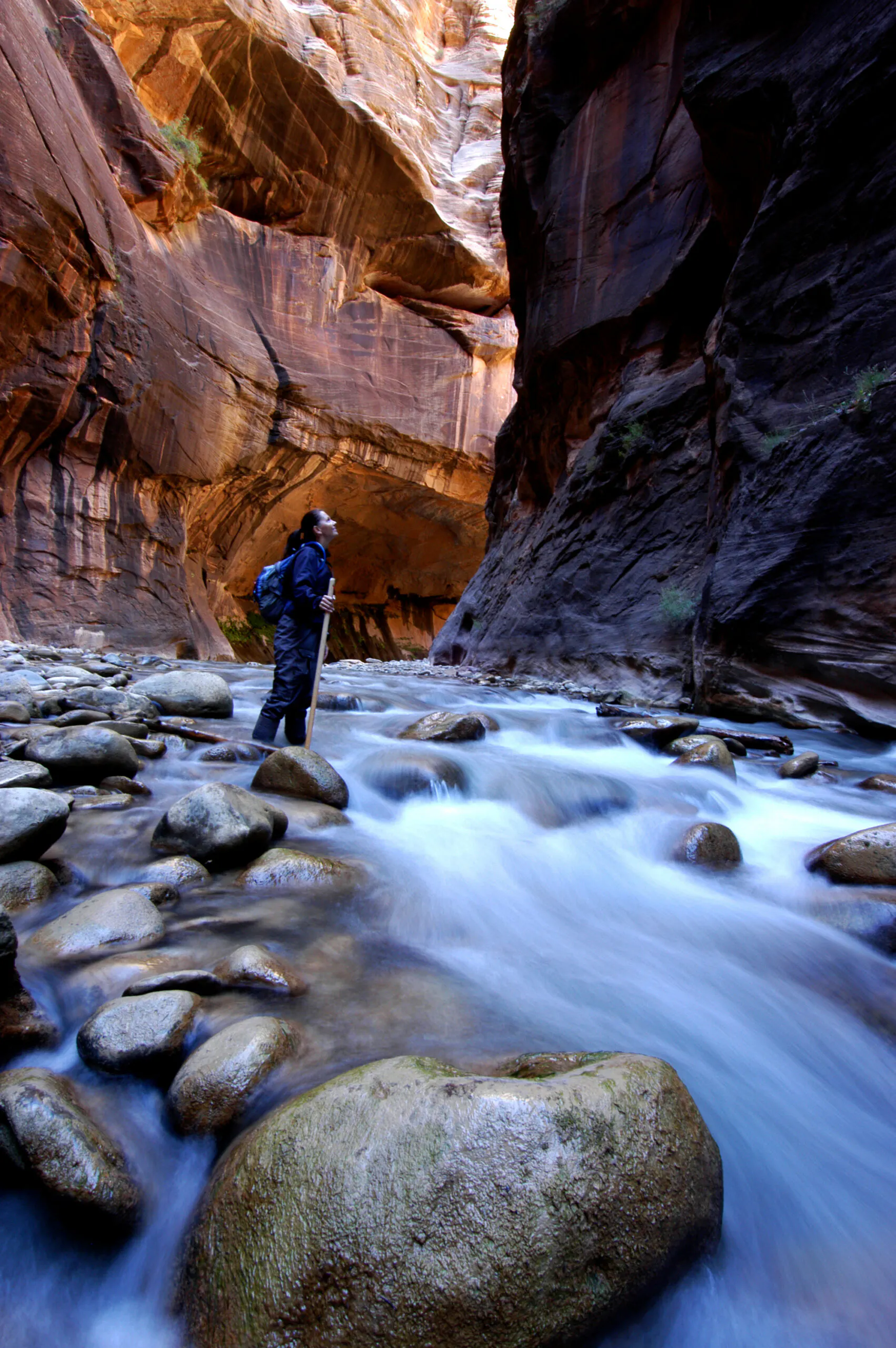
The Narrows (Bottom-Up) (Zion National Park)
Distance: Up to ~9–10 miles round trip | Time: 4–8 hours | Difficulty: Moderate
Walking in the Virgin River itself with thousand-foot canyon walls rising up above you will likely feel completely different from almost any other hike you’ve done. The experience is intimate, physical, and truly awe-inspiring. It’s Utah slot canyon hiking at its finest. You can turn around at any time, so go as far as you’d like. Learn everything you need to know to hike the Narrows in Zion.
Phantom Ranch via South Kaibab or Bright Angel (Grand Canyon)
Distance: ~14–20+ miles round trip | Time: 1–3 days | Difficulty: Very Hard
Hiking to Phantom Ranch is an experience you’re likely to remember forever. Phantom Ranch is the only lodge inside the Grand Canyon, and it sits just a short distance from the mighty Colorado River. What makes the Phantom Ranch experience so unique is the accomplishment of hiking to the bottom of the Grand Canyon, and then having the comfort of an actual bed, delicious meals, and a cold, spring-fed creek. Phantom Ranch reservations become available one year in advance, are issued via a lottery, and are extremely competitive.
Colorado Plateau: Hidden Gems
Coyote Gulch (Grand Staircase-Escalante National Monument)
Distance: ~20–30 miles | Time: 2–4 days | Difficulty: Moderate–Hard
Coyote Gulch, in Utah, is a magical hike with flowing water, massive alcoves, natural arches, and sandy campsites beneath lush cottonwoods. It’s immersive and peaceful, the kind of place where you settle into a rhythm and lose track of time. Packing out all waste, including human waste, is required so be prepared.
Needles District Backpacking (Canyonlands National Park)
Distance: ~15–30+ miles | Time: 2–4 days | Difficulty: Moderate–Hard
A hike in the Needles District of Canyonlands National Park takes you to sandstone fins, across open slickrock, into hidden valleys, and more. It doesn’t have the instant recognition of Zion or Arches, but the experience offers solitude, wildness and true Utah adventure.
Buckskin Gulch (Paria Canyon-Vermilion Cliffs Wilderness)
Distance: ~13–21 miles | Time: 1–2 days | Difficulty: Moderate–Hard
Utah’s Buckskin Gulch is one of the longest and most dramatic slot canyons in the world. The farther you go, the more the walls close in, the light shifts constantly, and the sense of scale contracts—what before felt open and vast now feels tight, intimate, and contained. Check the weather before going because flash floods pose a serious risk.
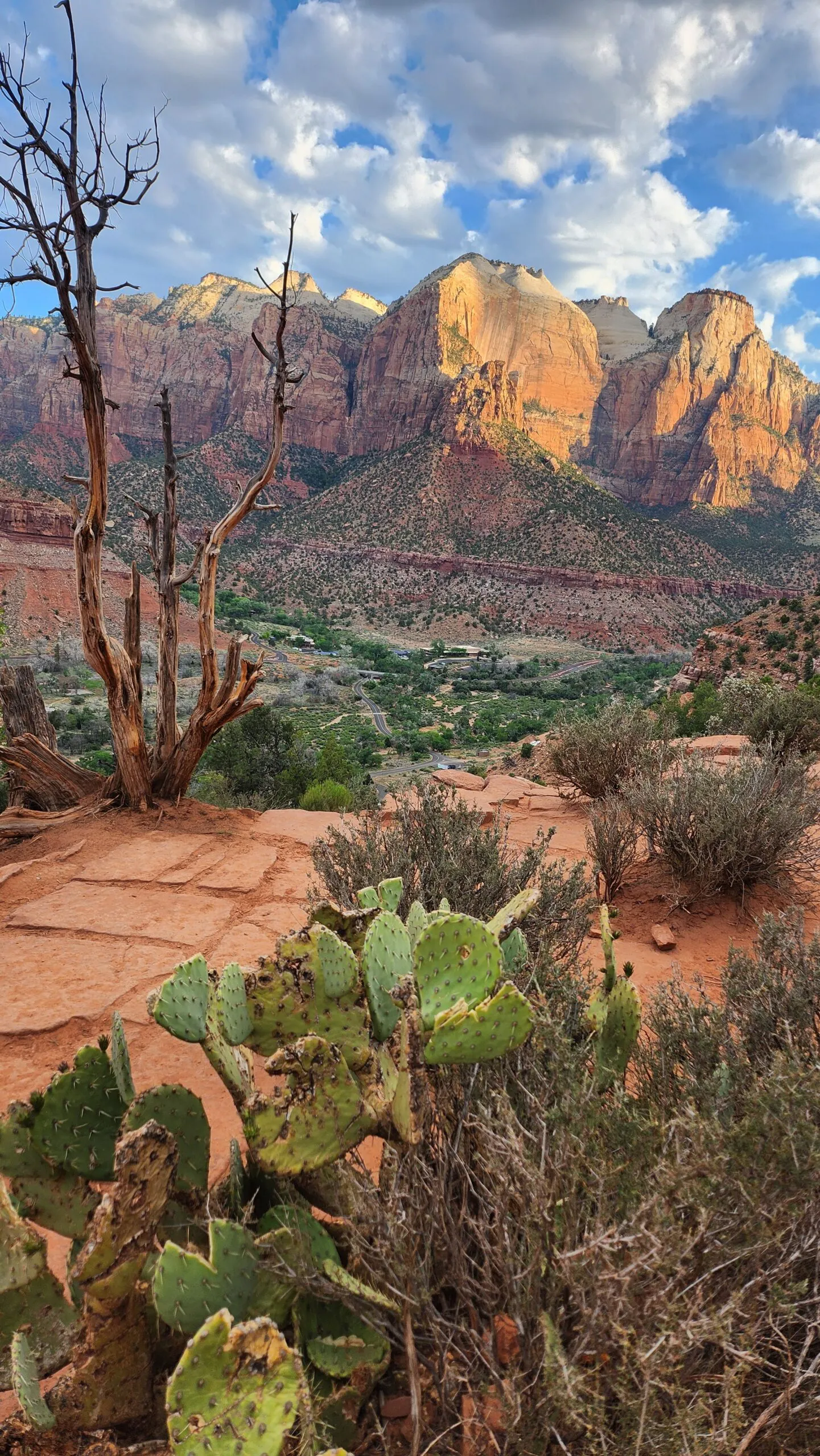

2. The Sierra Nevada: The Range of Light
John Muir called it the “Range of Light,” and after a week moving through its high country, you will understand why. The Sierra Nevada runs roughly 400 miles down the spine of California, a single massive granite uplift that rises from the Central Valley into a chain of peaks topping out above 14,000 feet before dropping steeply into the Great Basin desert of Eastern California and Nevada. It is one of the most cherished and beautiful mountain ranges in the world—and for long-distance hikers and backcountry trekkers, it offers arguably the finest alpine terrain in the continental United States.
What distinguishes Sierra trekking from nearly every other range on this list is the quality of the stone itself. This is glacier-polished, light-colored Sierra granite—firm underfoot, reliable for scrambling, and dramatic in late-afternoon alpenglow. Pair its amazing geology with the range’s consistently clear summer skies, the extraordinary density of alpine lakes, and the sheer scale of the backcountry, and you have a trekking destination that holds up to any comparison. This trail represents some of the very best available hiking in California.
Best for: Hotel-based day hiking, long-distance trail trekking, alpine backpacking
Peak season: Late June through September (snow often lingers on high passes well into July)
MT Sobek angle: Our Sierra adventures focus primarily on Yosemite, and highlight the best hikes in the park paired with premier lodging, fantastic meals, and expert leadership.
Learn More: Yosemite hiking tours
Sierra Nevada: Iconic Hikes
Half Dome (Yosemite National Park)
Distance: ~14–16 miles round trip | Time: 10–14 hours | Difficulty: Very Hard
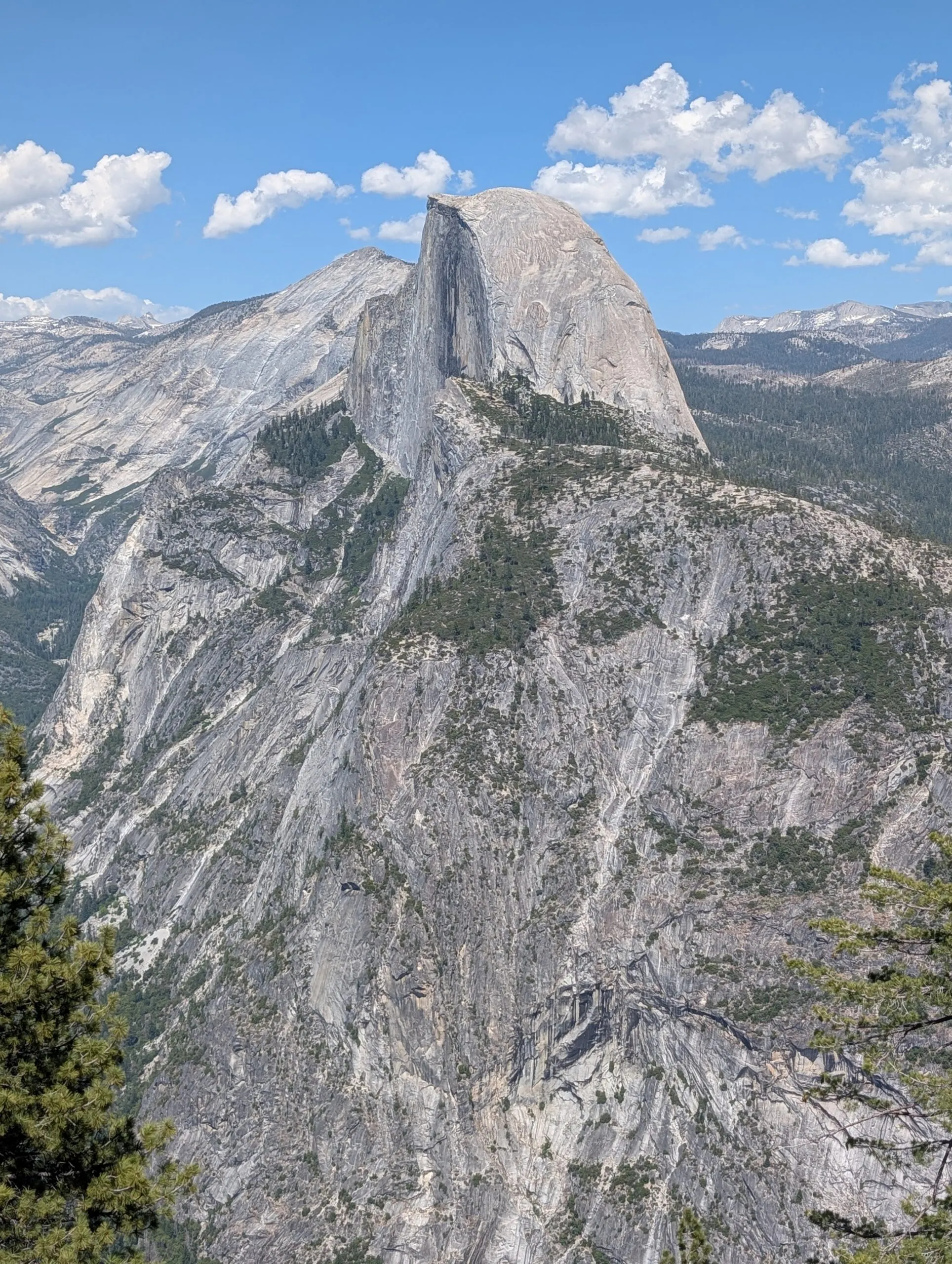
Half Dome is one of the most famous hikes in the country, and it earns that reputation. The long approach builds anticipation (~7 miles), but everything changes once you reach “the cables.” Ascending the cables is physical, exposed, and mentally demanding, making the summit that much more satisfying. Standing on top, looking out over Yosemite Valley and the High Sierra, is an impressive accomplishment.
Panorama Trail to Vernal and Nevada Falls (Yosemite National Park)
Distance: ~10 miles | Time: 5–7 hours | Difficulty: Moderate
These two waterfalls are some of the most famous and impressive falls in the Valley, and represent some of the best hiking in Yosemite. The Panorama Trail offers a quieter hike and gorgeous views of Half Dome as well as Yosemite Falls. Nearly 600 feet high, Nevada Falls offers a view down into the floor of the Yosemite Valley. Then hike down the famous Mist Trail to the 317-foot-tall Nevada Falls, and finish in the Valley. Doing it this way requires a shuttle to Glacier Point. You can also hike it as a loop and forego the shuttle (7 miles).
John Muir Trail (Multiple parks and wilderness areas)
Distance: ~211 miles | Time: 2–3 weeks | Difficulty: Hard
The John Muir Trail is the crown jewel hike of the Sierra. It links together the most spectacular terrain in the range—Yosemite, Kings Canyon, Sequoia, Mount Whitney—through a continuous high-alpine journey. What makes it so special isn’t any one moment or location, but the full, authentic immersion into the wilderness that happens over two to three weeks.
Sierra Nevada: Hidden Gems
Gaylor and Granite Lakes (Yosemite National Park)
Distance: ~5 miles (varies) | Time: 3 hours | Difficulty: Moderate
This hike begins at Gaylor Lake Trailhead, just under 10,000 feet. It starts with a climb and offers stunning views of Mount Dana. It’s not long before you reach Middle Gaylor Lake and Upper Gaylor Lake. Along the trail, soak up impressive vistas across Moraine Flat to the rugged mountains beyond. Reaching the top of the pass (10,861′), you’re rewarded with awe-inspiring views of the granite peaks along the Sierra Crest.
Big Pine Lakes and Palisade Glacier (Inyo National Forest)
Distance: ~15–18 miles round trip | Time: 1–2 days | Difficulty: Moderate–Hard
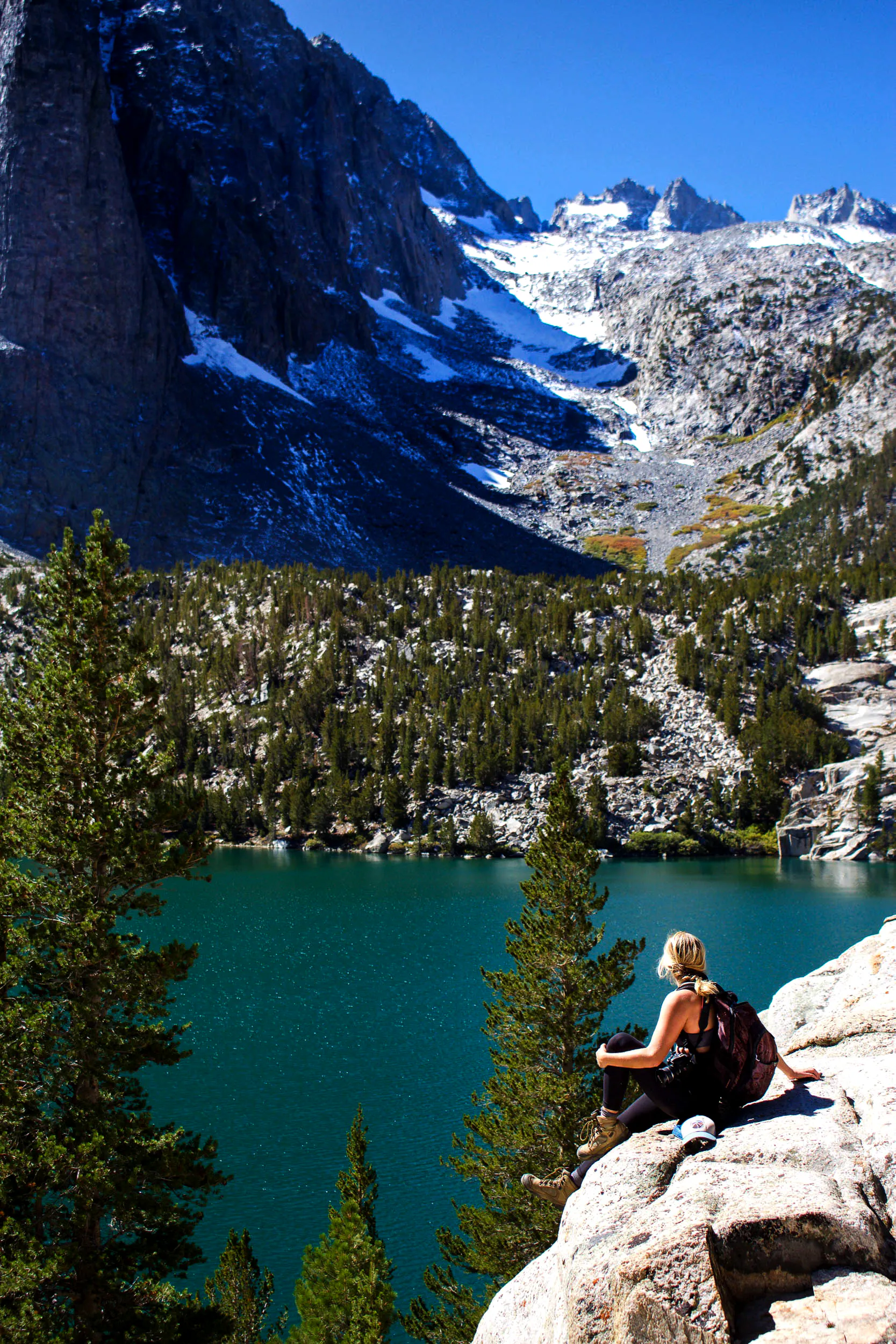
The rich, turquoise color of the lakes on this impressive hike seems almost fake at first, especially set against sharp granite peaks. As you push higher toward the glacier, the landscape becomes even more dramatic. Palisade Glacier offers a relatively short trip with tremendous payoffs that can be done as a day hike or backpacking trip.
Emigrant Wilderness Loop (Emigrant Wilderness)
Distance: ~20–35 miles | Time: 2–4 days | Difficulty: Moderate
The Emigrant Wilderness is where you go to have the majesty of the Sierra to yourself. Rolling granite, open meadows, and pristine lakes define the landscape, and you can build your own route without the pressure of strict itineraries. Head into the wilderness and create your itinerary as you go.
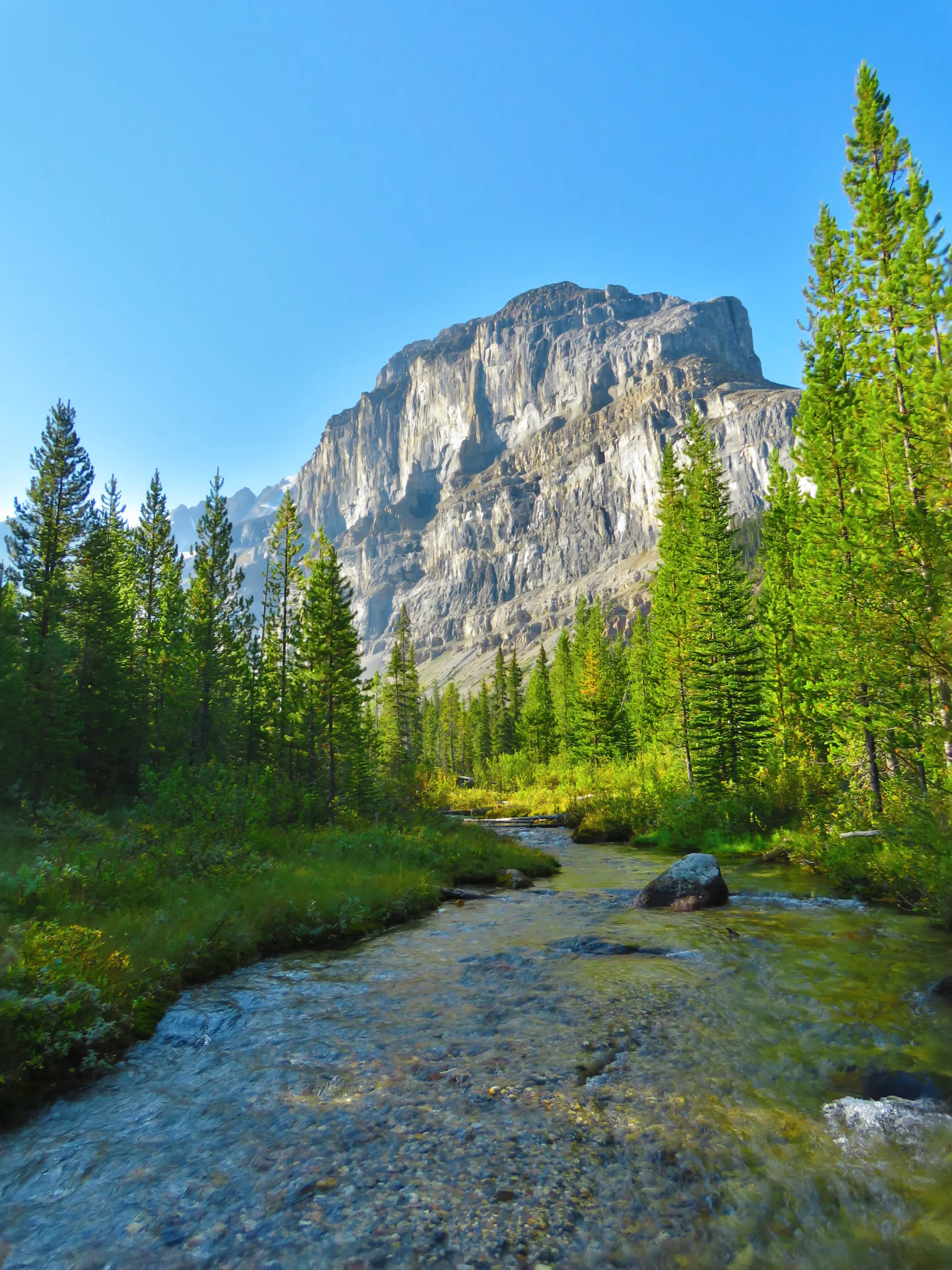
3. The Canadian Rockies: Alpine Hiking at Its Finest
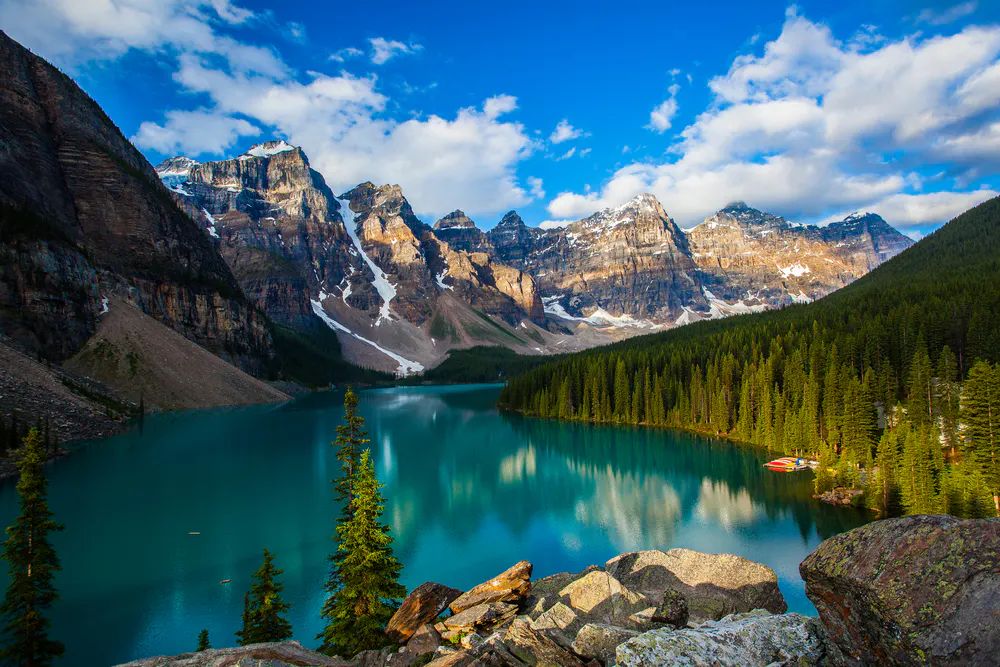
If you could build the perfect hiking destination from scratch, you’d probably end up with something similar to the Canadian Rockies. Jagged limestone peaks, vibrant turquoise lakes, permanent snowfields, meadows that bloom so explosively in late July they look like a postcard—this is a landscape that stops experienced trekkers in their tracks, awestruck by the beauty in front of them.
Canada’s Rocky Mountains offer a remarkable range of trekking options, making them one of the very best places to hike in North America. Choose from well-groomed trails through Banff and Jasper National Parks to serious, remote, multi-day routes that require navigation skills, bear safety measures, and a very healthy respect for mountain weather.
Best for: Lodge-based hiking, multi-day backpacking, high-altitude trekking, alpine photography
Hiking season: June through mid-September
MT Sobek angle: We operate guided trekking adventures through the Canadian Rockies that pair trail access with lodge accommodations, making serious alpine terrain accessible to a wider range of fitness levels.
Learn More: Canada hiking and rafting tours
Canadian Rockies: Iconic Hikes
Skyline Trail (Jasper National Park)
Distance: ~27 miles (44 km) one-way | Time: 2–3 days | Difficulty: Moderate–Hard
This is arguably the most classic backpacking trip in the Canadian Rockies, and justifiably so. What makes this trek unforgettable is how long you remain above the tree line, traversing alpine ridge after alpine ridge with panoramic mountain views. It also offers a tremendous amount of scenery and adventure in what is for most people a short, two- or three-day hike. Permits are required, so plan in advance.
Plain of Six Glaciers (Banff National Park)
Distance: ~9 miles (14.5 km) round trip | Time: 4–6 hours | Difficulty: Moderate
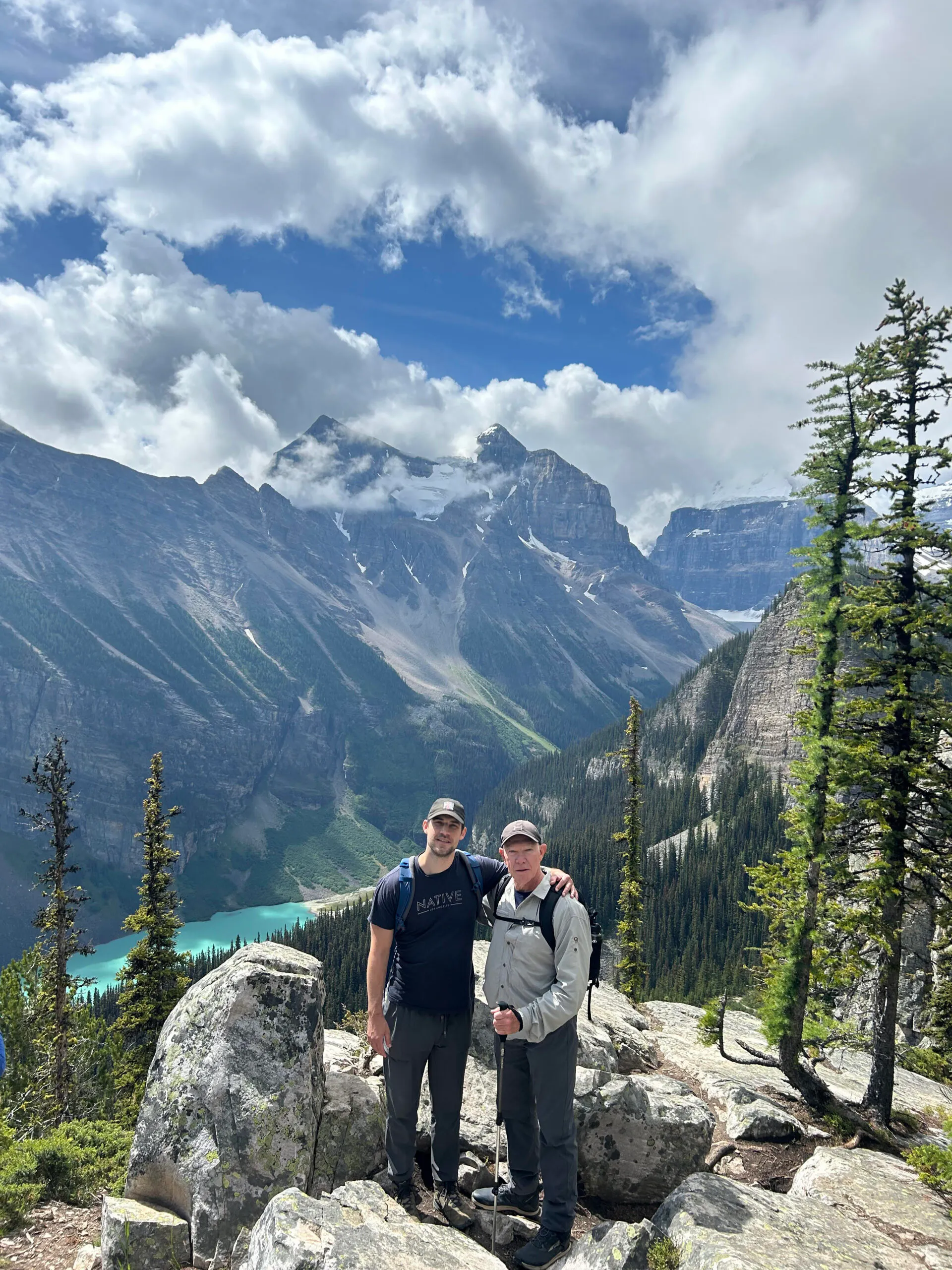
This trail is Banff at its finest. Starting in the heart of the gorgeous Lake Louise area, you begin hiking. With every step, the number of other hikers decreases and the drama surrounding you increases. The turnaround point is a famous tea house with a stunning glacier view, where you can order a hot drink and a snack.
Larch Valley and Sentinel Pass (Banff National Park)
Distance: ~7–8 miles (11–13 km) round trip | Time: 4–6 hours | Difficulty: Moderate
In late September, this hike (which is always fantastic) becomes something magical. Golden larch trees illuminate the first section, which is a valley hike. Then you climb into dramatic alpine terrain at Sentinel Pass with views that are vast and awe-inspiring. This hike is popular, so it’s recommended to start early to beat the crowds.
Canadian Rockies: Hidden Gems
Rockwall Trail (Kootenay National Park)
Distance: ~34 miles (55 km) point-to-point | Time: 3–5 days | Difficulty: Hard
If the Skyline Trail is the most iconic hike in the Canadian Rockies, the Rockwall is the locals’ favorite. On this extraordinary trip, you’re traversing a massive limestone escarpment, crossing high passes, and camping in remote, pristine valleys. It’s longer and requires more commitment than many other options—and that’s one of the reasons that it feels so rewarding. Permits are required for this trip, so plan in advance.
Iceline Trail (Yoho National Park)
Distance: ~12–13 miles (20 km) loop | Time: 6–8 hours | Difficulty: Moderate–Hard
This is the hike we’re often surprised isn’t more famous. You climb quickly into glaciers, moraines, and waterfalls, then traverse a high alpine bench with stunning views the entire way. This hike can be done in a day or as a multi-day adventure. Either way, it beautifully combines breathtaking scenery with accessibility. If done as a backpacking trip, permits are required.
Tonquin Valley (Jasper National Park)
Distance: ~27–30 miles (43–48 km) | Time: 3–4 days | Difficulty: Moderate–Hard
Tonquin Valley offers incredible scenery and deep solitude. The jagged Ramparts soar dramatically above quiet lakes, and the overall vibe feels much more remote than the distance it takes to get here. The scenery on this hike isn’t quite as dramatic as other hikes in Banff and Jasper, but it’s the solitude that makes this hike a true gem.
4. Alaska: Wilderness on a Grand Scale
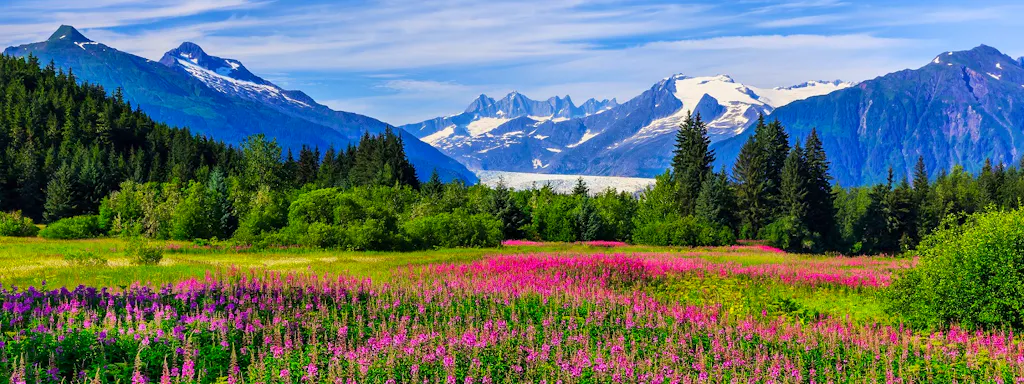
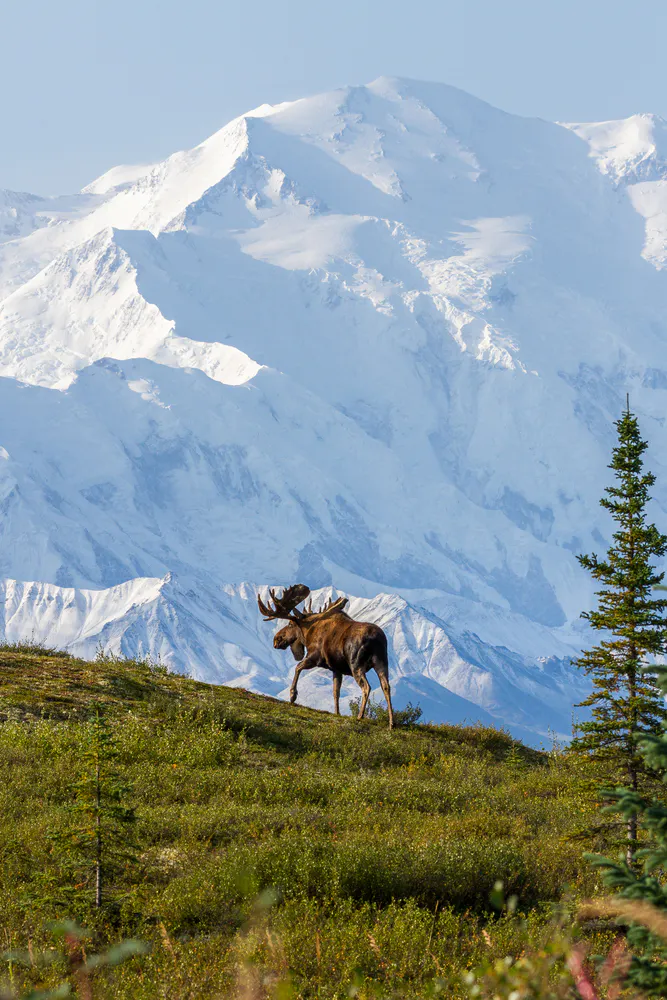
Alaska is not subtle, nor does it feel timid. The bold scale of this state alone is enough to reconfigure your idea of what “wilderness” means. Standing in the middle of Denali National Park—one of the largest protected land areas on Earth—you understand almost immediately why experienced trekkers talk about this place in hushed, almost reverent tones.
Unlike most national parks in the United States, Denali has almost no maintained trails. The park’s backcountry is divided into large units, and experienced trekkers move through it independently. Hiking here involves route-finding, river crossings, and ridge traverses that require a genuine respect for mountainous terrain and unpredictable subarctic weather. These characteristics are precisely what make it one of the most compelling wilderness trekking destinations in the world. You’re not following a predetermined path, carved out by park rangers. You’re reading the land itself and determining your own destiny.
Best for: Multi-day wilderness backpacking, glacier trekking, off-trail route-finding, expedition-style hiking
Hiking season: Mid-June through August
MT Sobek angle: Our Alaska adventure tours integrate hiking with float trips, sea kayaking, and wildlife watching for a complete expedition experience.
Learn More: Alaska hiking and rafting tours
Alaska: Iconic Hikes
Harding Icefield Trail (Kenai Fjords National Park)
Distance: ~8.2 miles round trip | Time: 6–8 hours | Difficulty: Hard
This is one of Alaska’s most classic hikes, and it’s one that keeps getting better the higher you climb. You start in dense forest, then break into alpine terrain, and suddenly you’re staring out over a vast sea of ice. The scale of the Harding Icefield is difficult to grasp—it feels endless. This is an arduous hike, but the payoff is one of the most unique and dramatic viewpoints anywhere in the USA.
Savage Alpine Trail (Denali National Park)
Distance: ~4 miles one-way | Time: 3–5 hours | Difficulty: Moderate–Hard
This is one of the few maintained trails in Denali that still offers the park’s wild feel. The trail takes you above a broad valley into open tundra with massive views. It offers a wonderful taste of Denali’s wild, expansive adventure on a relatively short, accessible hike.
Exit Glacier Overlook & Beyond (Kenai Fjords National Park)
Distance: 2–6+ miles (depending on extension) | Time: 1–4 hours | Difficulty: Easy–Moderate
Exit Glacier is one of the most accessible glacier hikes in Alaska, but don’t be fooled by its short distance—it packs a powerful experience into half a day. You can keep it short with a walk to the overlook, or push farther toward the icefield for a longer, more immersive experience. What stands out with this hike is how quickly you go from a casual walk to standing at the edge of something ancient and powerful.
Alaska: Hidden Gems
Kesugi Ridge Trail (Denali State Park)
Distance: ~27–30 miles | Time: 2–4 days | Difficulty: Moderate–Hard
If you want Denali views without the crowds or bus logistics, this is the hike for you. The trail undulates along a high ridge with consistent views of Denali (on a clear day), rolling tundra, and alpine lakes. It feels remote but not overly technical, and the rhythm of the terrain makes it one of the most satisfying multi-day hikes in Alaska.
Lost Lake Trail (Chugach National Forest)
Distance: ~13–16 miles round trip | Time: Full day or overnight | Difficulty: Moderate
This hike surprises many people. You climb out of coastal forest into wide-open alpine terrain dotted with tarns, then arrive at Lost Lake, which feels far more remote than it should be after seven to eight miles of hiking. The contrast—from lush landscapes to open tundra—makes it feel like multiple hikes packed into one.
Crow Pass Trail (Chugach State Park)
Distance: ~21 miles point-to-point | Time: 1–2 days | Difficulty: Moderate–Hard
This hike encapsulates all that is unique and impressive about Alaska: glaciers, river crossings, historic mining remnants, and a very authentic sense of adventure. The scenery here is expansive and impressive, with broad river valleys, high passes, and alpine peaks. It can be done as a long day hike, or as a two- or three-day backpacking adventure.
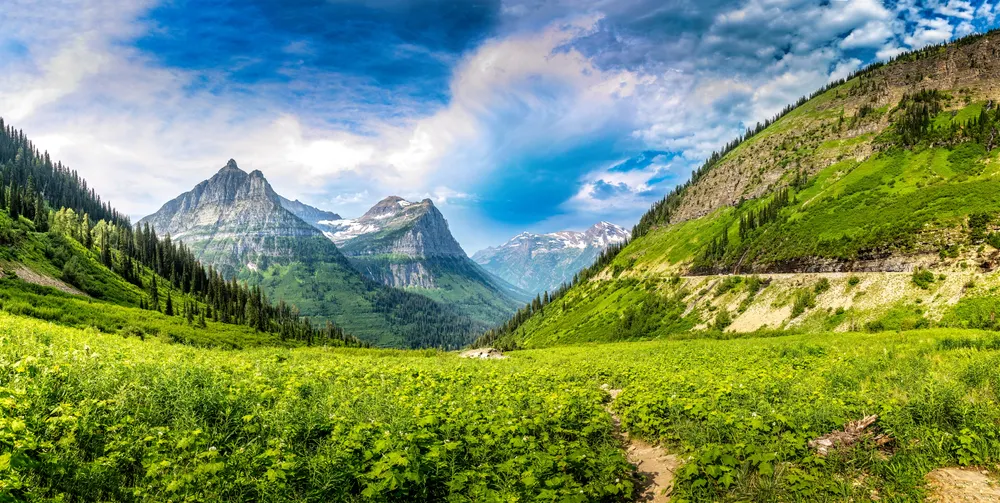
5. The American Rockies: Glacier, Yellowstone & the Colorado High Country
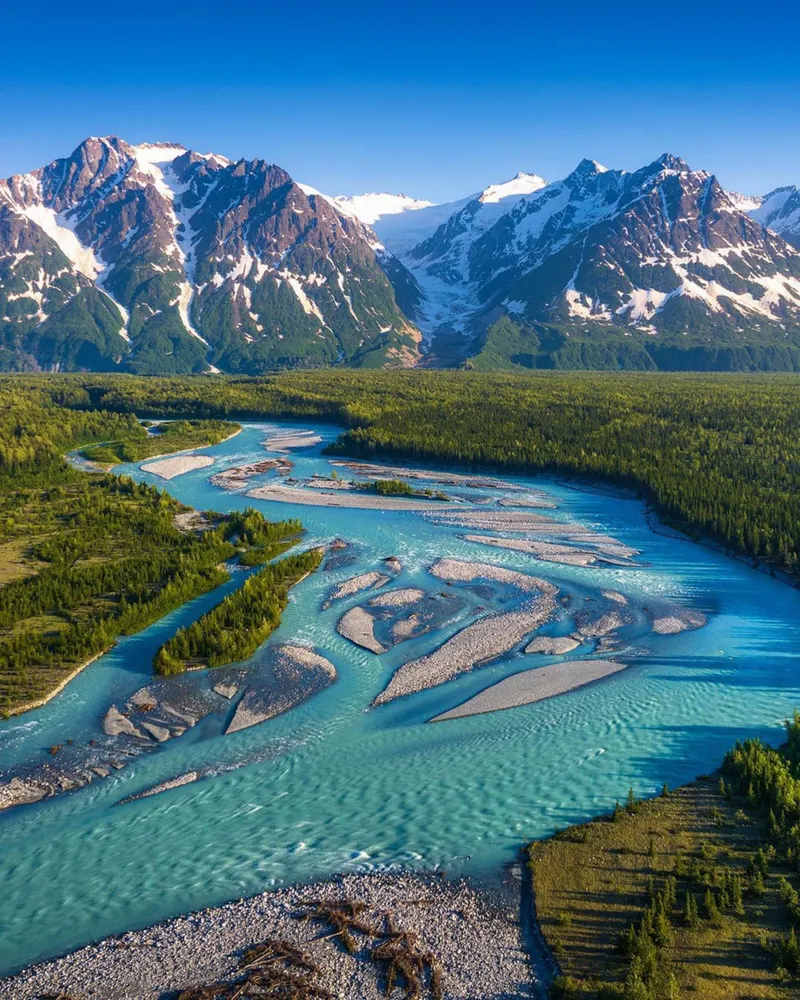
The American Rockies stretch from the Montana-Canada border to southern New Mexico, representing some of the most geologically dramatic and ecologically rich terrain in the world. Unlike the Sierra Nevada’s consistent granite composition, the US Rockies are a mosaic, with each sub-range expressing its own distinct character, its unique terrain. Three destinations in the Rockies stand above the rest, not just for the quality of their trails but for the depth of the experiences they offer.
Glacier National Park in northwestern Montana is, without question, one of the great hiking destinations on the planet. The numbers alone are staggering: over 700 miles of maintained trails, 130 named lakes, and a jagged skyline of carved peaks and hanging valleys left behind by the glaciers that gave the park its name. But statistics don’t remotely capture the actual experience of moving through this dramatic landscape. To really understand the magic of Glacier, you must be there to witness the rose-hued alpenglow illuminating peaks at sunset, the silence of an alpine cirque early in the morning, the satisfaction of cresting over a pass and gazing down on a valley you couldn’t have imagined an hour before. Hiking in Glacier National Park is unforgettable.
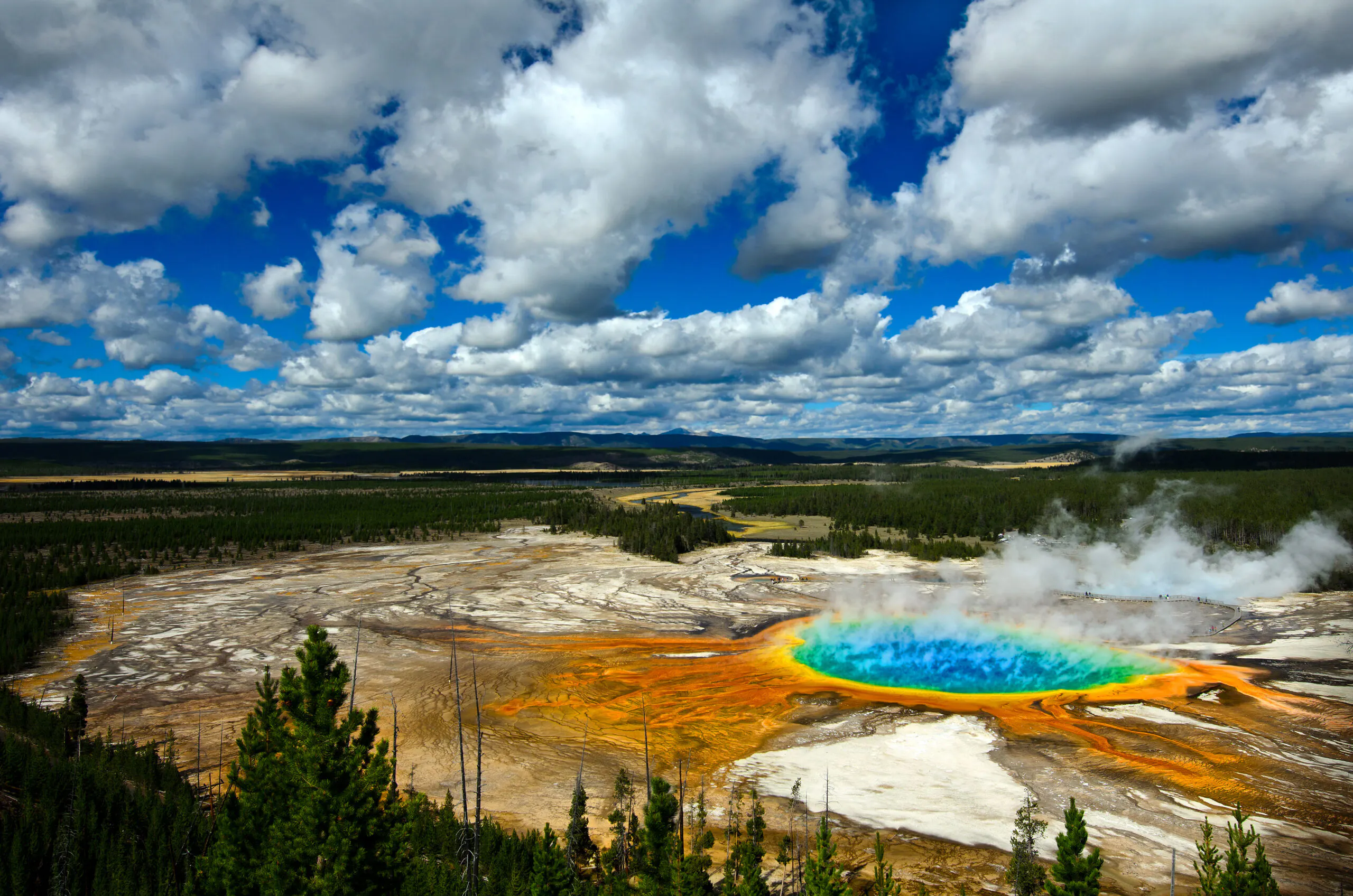
Yellowstone occupies a category entirely its own. It is not, primarily, an alpine trekking destination. But dismissing it as merely a geothermal spectacle is a massive mistake that shortchanges one of the most extraordinary wilderness hiking environments in the country. Yellowstone’s backcountry covers nearly 2.2 million acres, and is pure wilderness where bison herds move through thermal basins, wolves howl across valleys at dawn, and the trail systems extend for hundreds of miles beyond the geyser boardwalks.
Rocky Mountain National Park in Colorado offers a third flavor of Rockies trekking. The park’s Trail Ridge Road climbs above 12,000 feet, but it’s the terrain below the road and well off it—in the Wild Basin, the Rawah Wilderness, the Never Summer Mountains— is where the truly unforgettable hiking happens. The Longs Peak massif, at 14,259 feet the park’s signature summit, stands watch over the rest of the park. Here, more than 350 miles of hiking trails spread out across the mountains, taking hikers to remote lakes, over high passes, and into glacial-carved cirques.
Taken together, these three parks represent the full range of what Rocky Mountain trekking delivers: the raw wilderness and dramatic relief of Glacier’s impressive peaks, the geological wonders and vast wilderness of Yellowstone’s backcountry, and the accessible-yet-serious high-altitude hiking of Colorado’s Front Range.
Best for: Mountain hiking and backpacking, wildlife photography, long-distance trail expeditions, peak bagging
Peak season: July through mid-September (Glacier’s high passes may hold snow through late June)
MT Sobek angle: Our American Rockies trips focus on Yellowstone hiking tours and Glacier National Park adventures, where guests can enjoy unique itineraries that showcase the wonders of these parks. On lodge-based tours, we include a mix of iconic and off-the-beaten-path hikes to waterfalls, geysers, glaciers and much more.
Learn More: Yellowstone hiking tours | Glacier National Park hiking tour
American Rockies: Iconic Hikes
Grinnell Glacier Trail (Glacier National Park)
Distance: ~10–11 miles round trip | Time: 5–7 hours | Difficulty: Moderate–Hard
The hike to Grinnell Glacier progresses beautifully. You pass turquoise lakes, climb steadily, and eventually arrive face-to-face with one of the park’s most iconic glaciers—Grinnell.
Sky Pond via Glacier Gorge (Rocky Mountain National Park)
Distance: ~9 miles round trip | Time: 5–7 hours | Difficulty: Moderate–Hard
Sky Pond is one of the most robust hikes in the Rockies. It includes waterfalls, alpine lakes, and a final scramble beside a cascading stream leading you to Sky Pond. Sky “Pond” (a gorgeous alpine lake) is surrounded by soaring, jagged peaks.
Fairy Falls to Grand Prismatic Overlook (Yellowstone National Park)
Distance: ~5–6 miles round trip | Time: 2–4 hours | Difficulty: Easy–Moderate
Yellowstone isn’t always thought of as a hiking destination, but this route proves otherwise. You’re walking through lodgepole forests toward a massive waterfall, then climbing slightly for a awe-inspiring view of the Grand Prismatic Spring (one of Yellowstone’s most colorful and dramatic geothermal features).
American Rockies: Hidden Gems
Ptarmigan Tunnel (Glacier National Park)
Distance: ~10–11 miles round trip | Time: 5–7 hours | Difficulty: Moderate–Hard
Like reading a book, the hike to Ptarmigan Tunnel is a journey through progressing chapters—first meadows, then valleys, and finally a 250-foot-long carved tunnel through the mountain itself. At the end of the tunnel, you are gifted a spectacular view of a hanging valley with alpine lakes, and jagged peaks beyond.
Lamar Valley Backcountry (Yellowstone National Park)
Distance: Variable (multi-day options) | Time: 2–4 days | Difficulty: Moderate–Hard
Lamar Valley is Yellowstone at its wildest. Instead of boardwalks and crowds, you’re hiking through vast meadow systems and river valleys where bison, wolves, and bears roam. The hiking is about open space, wildlife, and pristine wilderness.
North Inlet / Tonahutu Loop (Rocky Mountain National Park)
Distance: ~20–30 miles loop | Time: 2–4 days | Difficulty: Moderate–Hard
Most people experience Rocky Mountain National Park from the east side, but this route takes you into a quieter, more remote corner of the park near Grand Lake, CO. With deep forests, lush meadows, and alpine passes but without the crowds, this area offers the highlights of the Rockies combined with solitude.
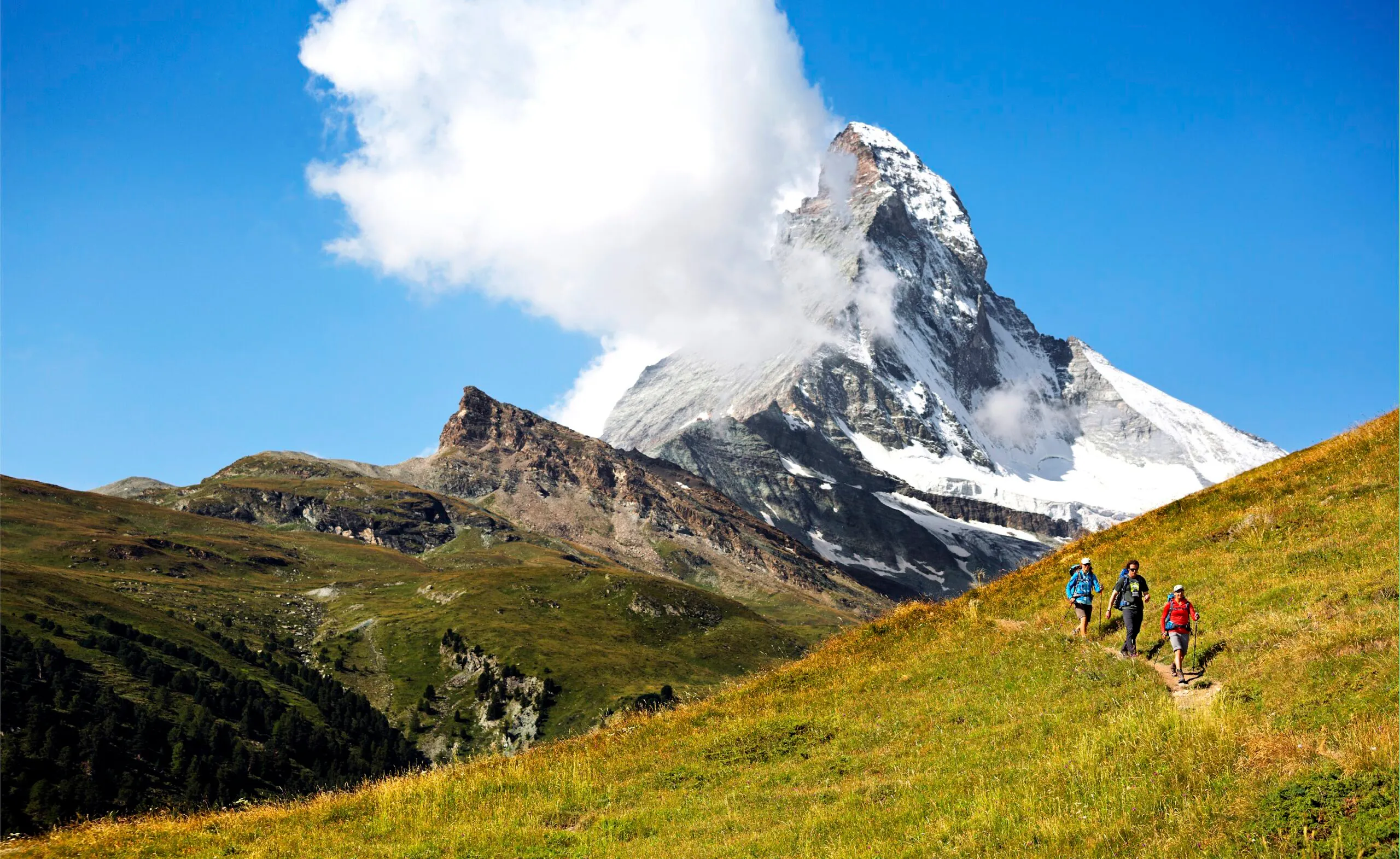

6. The Pacific Crest & Cascade Volcanoes: Washington & Oregon’s Crown Jewels
The Pacific Northwest is a hiker’s dream, with more options for world-class trekking than you could achieve in a lifetime. The Cascade Range is a volcanic chain of peaks that offer seemingly endless hiking options. Alternating between dense old-growth forest, volcanic moonscapes and glacier-draped peaks—it is unlike anything else in the lower 48.
Washington’s North Cascades deserve far more attention than they typically receive. The range is wilder than the Sierra Nevada, more rugged than the American Rockies, and densely packed with high-altitude lakes, glacier-carved valleys, and challenging ridge routes.
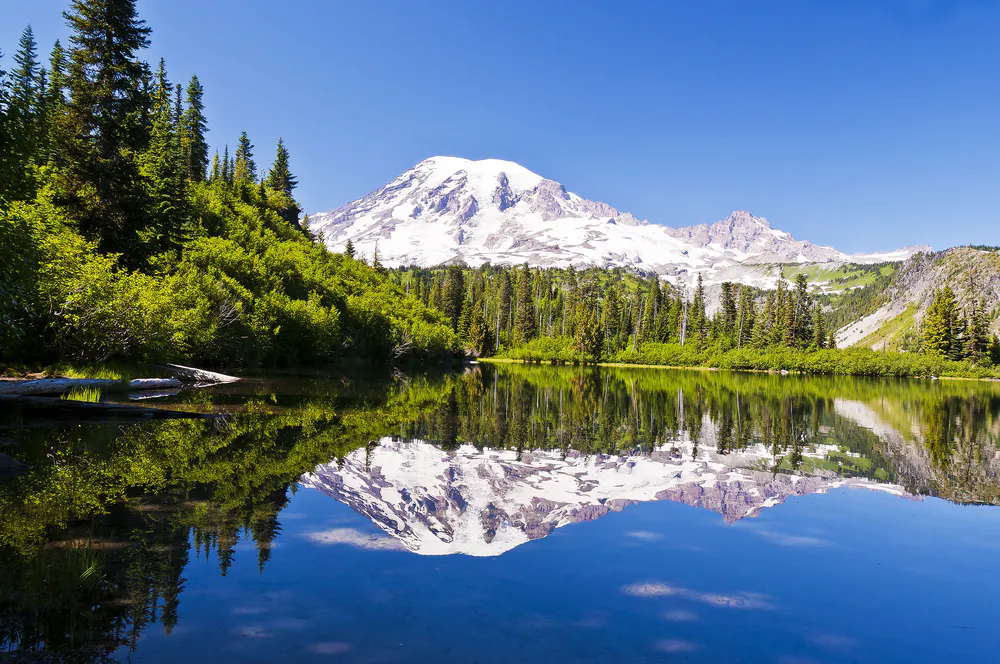
Mount Rainier National Park is home to arguably the single finest long-distance trekking route in the Pacific Northwest. The Wonderland Trail crosses every ecosystem on the mountain’s flanks, from dense temperate rainforest at lower elevations to permanent glaciers and exposed ridgelines near the top.
Three Sisters Wilderness in Oregon offers some of the most accessible yet rewarding high-altitude hiking in the Cascades. The volcanic landscape around the Three Sisters peaks—North, Middle, and South—provides extraordinary terrain for day hiking and multi-day trekking.
Best for: Day hiking, multi-day trekking, and backpacking
Peak season: July through September
MT Sobek angle: We offer adventure tours that combine kayaking, hiking, and whale watching on the San Juan Islands as well as custom hiking and trekking options throughout Washington State and the Cascades.
Learn More: Kayaking, Hiking and Whale Watching on the San Juan Islands Tour
Washington: Iconic Hikes
Cascade Pass and Sahale Arm (North Cascades National Park)
Distance: ~12 miles round trip | Time: 1-3 days | Difficulty: Moderate–Hard
The hike to Cascade Pass is pure North Cascades—sheer peaks, glaciers, and an iconic, jagged skyline that feels more similar to the Alps than anywhere else in the USA. The climb to Cascade Pass is beautiful, but continuing out onto Sahale Arm is what makes it unforgettable. You’re traversing a narrow ridge with panoramic views that go on forever—one of the best adventures in the state of Washington.
The Enchantments Traverse (Alpine Lakes Wilderness)
Distance: ~18–20 miles (point-to-point) | Time: 1-3 days | Difficulty: Very Hard
The Enchantments Traverse is one of the most sought-after hikes in the country—and justifiably so. Granite basins, turquoise lakes, larch forests, and mountain goats characterize the experience. It’s demanding, difficult to secure permits, and often crowded, but once you’re deep in the backcountry, every step feels absolutely worth it.
Mount Rainier Skyline Trail (Mount Rainier National Park)
Distance: ~5–6 miles loop | Time: 3–5 hours | Difficulty: Moderate
The Skyline Trail is the most accessible way to experience Rainier’s alpine environment. Wildflowers, glaciers, and close-up views of the mountain make it feel far grander than its short mileage suggests.
Washington: Hidden Gems
Spider Gap – Buck Creek Pass Loop (Glacier Peak Wilderness)
Distance: ~35–40 miles | Time: 3–5 days | Difficulty: Hard
The Spider Gap – Buck Creek Pass Loop offers a revelatory wilderness experience. You cross a glacier, hike through high alpine basins, and camp beneath towering peaks—often with far fewer people than many comparable routes.
Camp Muir (Mount Rainier National Park)
Distance: ~9 miles | Time: 5-7 hours | Difficulty: Hard
Camp Muir (10,188′) serves as the base camp for many climbers attempting to summit Mount Rainier. The hike to Camp Muir is a highly demanding trek that offers breathtaking views up at the volcano and down to the valleys below.
Goat Rocks Traverse (Goat Rocks Wilderness)
Distance: ~12–20 miles | Time: 1–2 days | Difficulty: Moderate–Hard
The Goat Rocks Traverse delivers big scenery without crowds. The Knife Edge is the highlight of the trip—a narrow, dramatic ridge with spectacular views of Mount Rainier and Mount Adams.
7. Appalachian High Country: The East’s Wild Heart
The Appalachian Mountains don’t announce themselves the way the Rockies, Cascades, and Sierra Nevada do. There are no 14,000-foot peaks, no glaciers, no volcanoes. What the Appalachians offer instead is something subtler and, in its own way, deeper. These are ancient, weathered mountains covered in one of the most biologically diverse forest ecosystems on the planet. Connected by thousands of miles of trails, hiking options range from gentle ridgeline walks to seriously demanding backcountry routes.
The southern Appalachians—encompassing the Great Smoky Mountains, the Blue Ridge, and Black Mountains of North Carolina, and the high balds of Tennessee and Virginia—offer some of the finest hiking terrain east of the Mississippi. Great Smoky Mountains National Park, the most visited national park in the country, boasts genuine wilderness in its backcountry that most day-trippers never reach.
Further north, Vermont’s Long Trail—the oldest long-distance hiking trail in the United States, predating the Appalachian Trail—traverses the full length of the Green Mountains. It is one of the great thru-hiking routes in the East, less crowded than the AT and arguably more honest in its wildness.
In New Hampshire, the White Mountains are a rugged, scenic range, famous for being home to the highest peaks in the Northeast, including 6,288-foot Mount Washington. Famous for their extreme weather, 1,400+ miles of trails, full-service backcountry huts, and steep granite terrain, they are a premier destination for hiking.
In Maine, Baxter State Park and the surrounding North Maine Woods represent the most remote and demanding hiking terrain in the eastern United States. The approach to Katahdin—the northern terminus of the Appalachian Trail—is one of the most exciting and technically demanding hikes in the country: an adrenaline-fueled scramble along a ridgeline so narrow it barely accommodates two hikers passing in opposite directions.
Best for: Forest trekking, ridge walking, long-distance trail hiking, spring wildflower expeditions, biodiversity exploration
Peak season: May–June and September–October
MT Sobek angle: Our Appalachian program focuses on Great Smoky Mountains hiking in Tennessee, offering guests an opportunity to discover the magic of Appalachia in style.
Learn More: Smoky Mountains Hiking Tours
Appalachia: Iconic Hikes
Presidential Traverse (White Mountains, New Hampshire)
Distance: ~20–23 miles | Time: 1–2 days | Difficulty: Very Hard
The Presidential Traverse is as close as the Appalachians get to a true alpine adventure, and it’s spot on. Long stretches above the tree line, panoramic views, and constantly shifting weather make it scenic and exciting. On a clear day, several sections of this trip are some of the most rewarding alpine ridge hikes in the country.
Mount LeConte via Alum Cave (Great Smoky Mountains, Tennessee)
Distance: ~11 miles round trip | Time: 1 day | Difficulty: Hard
This trip is classic Smokies hiking at its best—lush forests, dramatic rock features, and a consistent climb to one of the most beloved summits in the range. The trail and the views progress and change—the payoff is a quiet perch far above the misty ridgelines that characterize the Appalachians.
McAfee Knob (Appalachian Trail, Virginia)
Distance: ~8 miles round trip | Time: 1 day | Difficulty: Moderate to Hard
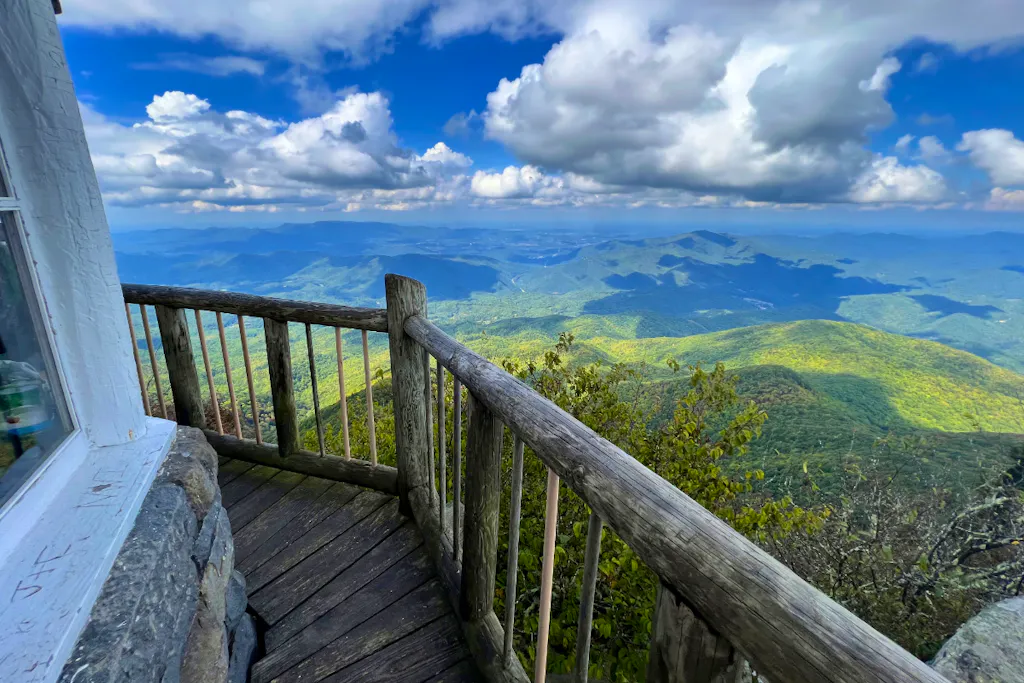
Reaching McAfee Knob is an iconic Appalachian Trail moment—a rock ledge, wide-open views, the sense of standing out over the Blue Ridge. It’s popular, but it still feels incredibly special.
Appalachia: Hidden Gems
Art Loeb Trail (Pisgah National Forest, North Carolina)
Distance: ~30 miles | Time: 2–4 days | Difficulty: Hard
The Art Loeb Trail is one of the highest quality, under-the-radar hiking routes in the East. It’s rugged, beautiful, and surprisingly wild, with long ridgeline stretches that break out of the forest just long enough to remind you how big the landscape really is. Its stunningly white quartz outcroppings are another highlight.
Dolly Sods Loop (Monongahela National Forest, West Virginia)
Distance: ~15–20 miles | Time: 2–3 days | Difficulty: Moderate
Dolly Sods feels completely different from anywhere else in the Appalachians. Open plateaus, boggy meadows, and wind-shaped trees give it a northern, almost subalpine character. It’s quieter, a little other-worldly in the best way, and perfect if you want something truly distinct.
Grayson Highlands & Mount Rogers Loop (Virginia)
Distance: ~13–18 miles | Time: 2–3 days | Difficulty: Moderate
Grayson Highlands has a softness to it—rolling highlands, wild ponies, and open views that stretch for tens of miles. It’s not as shocking or dramatic as some routes, but that’s part of the appeal. It’s a trip to settle into, to immerse yourself into the landscape, and it lingers with you long after you leave.
Choosing the Right Hiking Destination
With so many spectacular landscapes to explore, choosing where to hike in North America often depends on several factors:
Season: Mountain regions (Yosemite, Glacier, Canadian Rockies, Yellowstone, etc.) are best in summer, while high desert landscapes (Grand Canyon, Zion, Bryce, etc.) are ideal in spring or fall, and low desert destinations (Death Valley, Joshua Tree, etc.) are most comfortable in winter.
Type of Adventure: Some parks, like Arches, Bryce, Zion and Joshua Tree, offer primarily day hiking opportunities. Other areas, such as Yosemite, Yellowstone, Glacier and Grand Canyon, provide a mix of fantastic day hiking and backcountry routes.
Travel Style (Guided or Independent): Some hikers prefer independent hiking trips, while others enjoy guided hiking journeys with expert local knowledge. Which you prefer may influence the destination you choose.
Natural Features: What is it you’re most interested in? Wildlife, waterfalls, alpine lakes, roaring rivers, deep canyons, geologic formations, mountain meadows, history. Select a region or park with the features you’re most excited to experience. See the table below to quickly find the right destination for the features you’re interested in.
Destinations and Features Table
Checkmark = Ideal destination for the feature (* = season dependent)
| Waterfalls* | Wildlife | Peak Bagging | Wildflowers* | Geothermal Features | Rock Formations | |
|---|---|---|---|---|---|---|
| Colorado Plateau |  | | ||||
| Sierra Nevada | | | | | ||
| Canadian Rockies | | | | | ||
| Alaska | | | | | | |
| American Rockies | | | | | | |
| Pacific Northwest | | | | | ||
| Appalachia | | |
Why Hike North America with MT Sobek?
Hiking North America with MT Sobek means exploring some of the continent’s most spectacular landscapes with a company that has been pioneering adventure travel since 1969. From the alpine peaks of the Canadian Rockies to Alaska’s vast wilderness and the canyonlands of the American Southwest, MT Sobek designs journeys that combine iconic destinations with lesser-known trails. With expert guides, small groups, and thoughtfully crafted itineraries, travelers can focus on the experience of the hike while the logistics are handled seamlessly.
Why hike North America with MT Sobek:
- Decades of expertise: A pioneer in adventure travel since 1969 with a long legacy of leading exceptional hiking and rafting journeys across North America and the world.
- Expert guides: Knowledgeable leaders share insights into local ecology, geology, wildlife, and cultural history, and ensure a commitment to safety and enjoyment throughout the journey.
- Carefully designed itineraries: A balance of iconic trails and hidden gems for a deeper experience of each destination. MT Sobek’s hiking adventures immerse travelers in the natural beauty and cultural heritage of each destination.
- Seamless travel logistics: Permits, transportation, and accommodations are expertly arranged so you can focus on the adventure.
- Comfort and immersion: Rewarding hikes paired with premier lodging and memorable meals create a rewarding and relaxing experience.
Enjoying our content? Add MT Sobek as a Google Preferred Source.

FAQs
Hiking in North America is generally safe with proper preparation, experience, and knowledge. The biggest risks are weather, steep terrain, wildlife encounters, river crossings, and navigation errors. Carrying proper gear, checking conditions, and understanding the terrain are essential for safety. Joining a North America adventure tour is an excellent way to increase safety and enjoyment.
Learn More: Ultimate Guide to Adventure Travel in North America
Wildlife in North America varies by region but can include elk, deer, pronghorn, bison, moose, mountain goats, bears, mountain lions, coyotes, bobcats, a variety of birds and snakes, and even seals and whales along coastal trails. Parks like Denali and Yellowstone are especially known for abundant wildlife viewing opportunities.
Top national parks for hiking include Yosemite, Glacier, Grand Canyon, Zion, Bryce, Arches, Banff, Jasper, Rocky Mountain, Olympic, and Denali. Each park offers a distinct landscape and iconic hikes that define the region.
The best time to hike depends on the region. Summer (June through September) is ideal for mountain hiking in places like the Rockies and Sierra Nevada, while spring and fall are better for desert destinations like Zion and the Grand Canyon. Alaska and the Canadian Rockies have shorter peak seasons, typically July through early September.
Learn More: Monthly Guide to Hiking North America with MT Sobek
The vast majority of day hikes in North America do not require permits. Exceptions include Half Dome in Yosemite and Angel’s Landing in Zion. Most national parks require permits for overnight backcountry trips. In general, wilderness areas do not require permits for day hiking or backpacking, but some itineraries—especially in very popular areas like California and Utah—do require permits.
Guided hiking tours can significantly enhance your experience by taking care of logistics, reservations, permits, and safety while providing a professional guide with local expertise. Guides can also bring more color to destinations by providing fascinating knowledge about the ecology, geology, and history of the area.
Learn More: North America Hiking & Trekking Tours
Learn More About Adventure Travel in North America


