The Best US Outdoor Adventure Destinations by Season
Find the perfect outdoor activity and location based on when you can travel
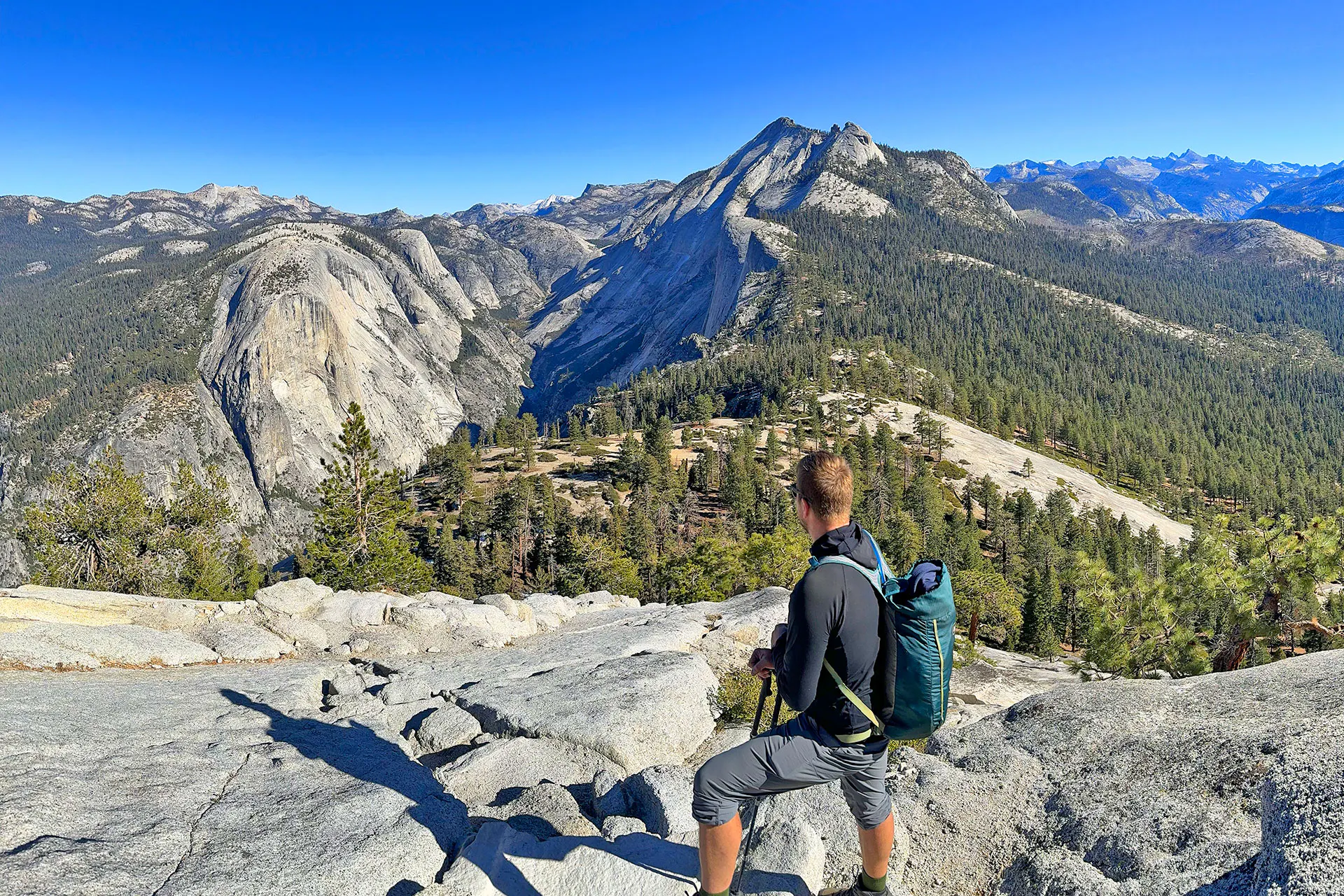
There’s a moment on almost every trip—usually right when I lace up my boots or shoulder my pack—when the question hits me: Am I doing this at the right time? To be fair, my timing is usually spot on, but the question arises nonetheless—a final mental check-in before hitting the trail, pushing into the river, or roping up for the first pitch.
In the United States, adventure timing isn’t simply a logistical detail; it’s the difference between an annoying slog and a wildflower explosion, between a full trailhead parking lot and a quiet alpine sunrise, between overheating on a scorching canyon hike or walking the same trail in safe and comfortable temperatures. This country is vast enough to hold every season at once, which means there’s always somewhere that’s just right if you know how to look for it.
I don’t want this article to be a list of “best months” copied from a brochure. My intention is that it serves as a broad-level field guide built on how destinations actually feel: the smell of thawing, water-soaked earth; the hum of thousands of cicadas; the first bite of frost and smell of chimney smoke; the insulating silence of falling snow. We’ll move through the year the way hikers move across the landscape—chasing weather windows, dodging crowds, and finding those sweet spots when destinations display their best side.
Spring (March–May)
Key Takeaways:
- The Southwest’s mid to high elevation deserts—Utah’s national parks, Big Bend, Grand Canyon, Sedona—are at their best for hiking and canyoneering.
- The West’s rivers swell with snowmelt and this is rafting’s most exciting season, as well as the season of the largest waterfalls.
- The East’s mountains become accessible for hiking and kayaking earlier than the mountains in the West.
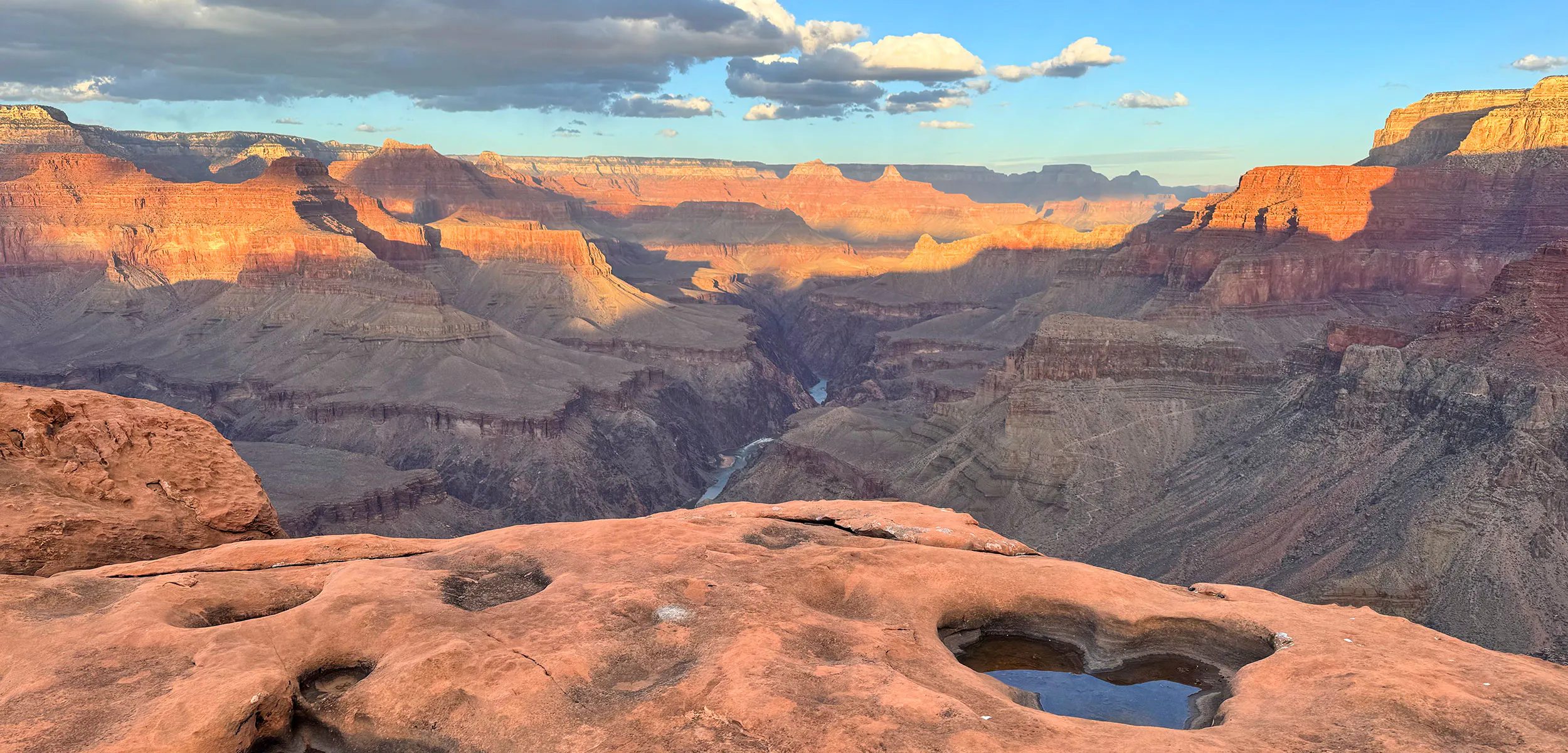
Spring in the US doesn’t arrive all at once, like the flip of a switch. Instead it creeps, thrusts, retreats, lunges, and gradually unfolds—more like a game of tug-of-war or a locomotive coming to life. It begins in the deserts, rolling through the lowest elevations, spreading to the higher deserts, creeping into the foothills, then ascending into the mountains and finally painting the high country a vibrant green as leaves explode across Aspen forests. If you physically follow this annual progression, you can literally stretch spring into a two-month-long highlight reel.
Southwest: Desert Bloom & Canyon Light
Utah | Death Valley & Joshua Tree | Big Bend | Grand Canyon | Sedona
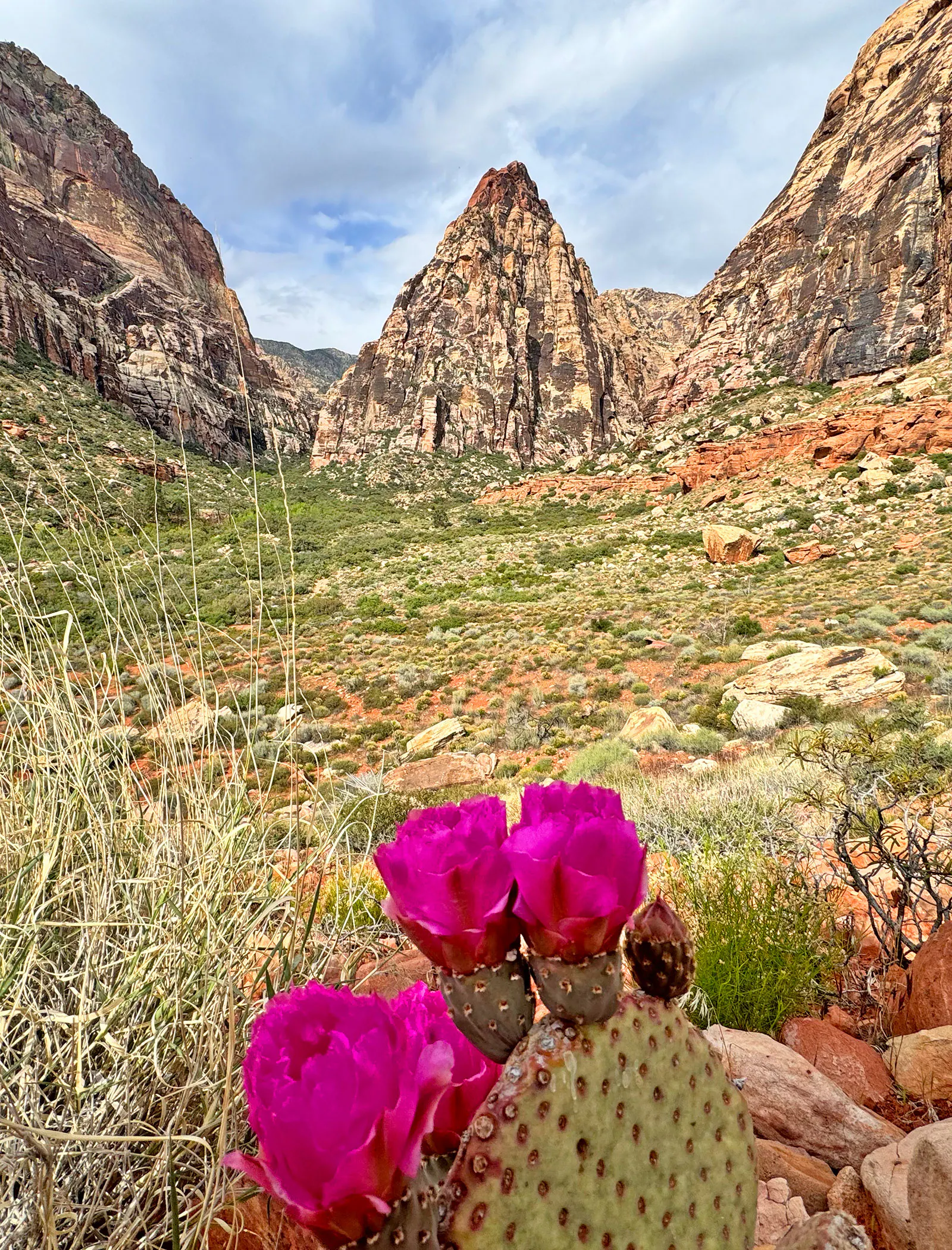
In March and April, the American Southwest begins to wake from its winter sleep. Days are warm but not punishing, nights are cool, and the light has a sharpness you only get when the air is dry and crisp. Crowds haven’t yet arrived, and residual winter solitude still lingers over the land.
This is the moment for places like Zion National Park, where sandstone canyon walls glow red and yellow in brilliant morning light, and the Virgin River runs cold, clear, and deep—a sparkling ribbon oasis winding through desert canyons lined by Cottonwoods. Hike the exciting Angels Landing Trail before the heat builds, or tackle the Narrows while the water still carries the invigorating chill of recent snow-melt.
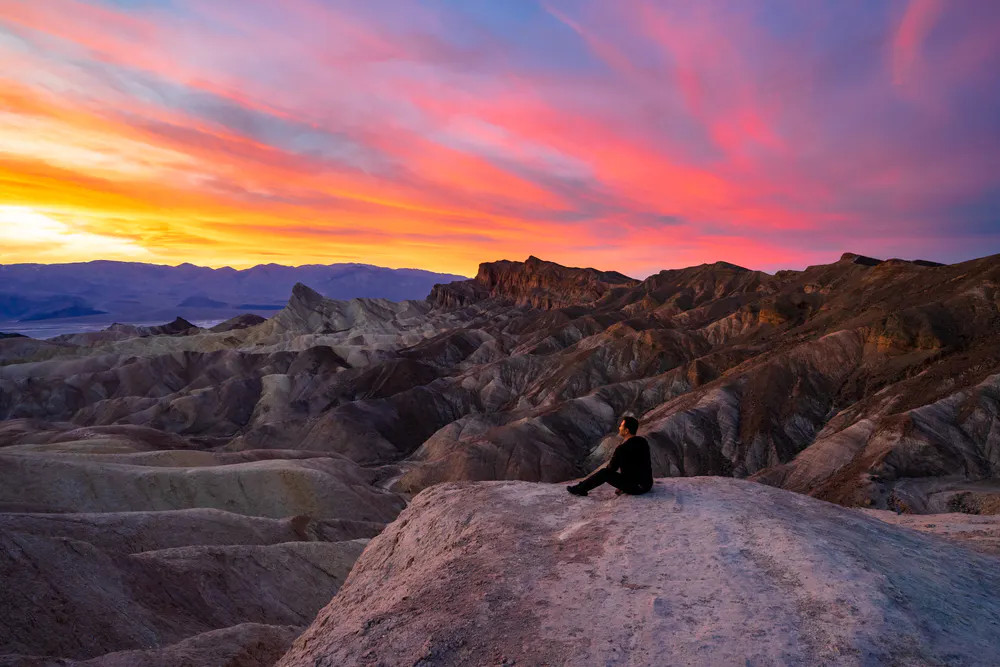
Several hours away, Death Valley National Park transforms into a mesmerizing miracle of life. If it’s been a wet winter and early spring, the desert floor will erupt in radiant wildflowers—gold, purple, and white stretching across desert basins that are usually all rock and sand. Even without a bloom, temperatures are fantastic, making long hikes and backcountry exploration not only possible, but inviting.
Further south and to the east (in Western Texas), Big Bend National Park offers one of the most underrated spring hiking experiences in the country. Flowering desert mountains, the Rio Grande River carving its way through crumbling limestone canyons, and a sky so vast it feels almost theatrical—this is United States adventure travel at its best.
Other fantastic spring destinations in the desert Southwest include all of southern Utah’s national parks (Zion, Bryce, Capitol Reef, Arches, and Canyonlands), Grand Canyon National Park, Sedona’s red rock landscapes, and Joshua Tree National Park.
Spring Runoff: When Rivers Wake Up
Colorado River | Green River | San Juan River
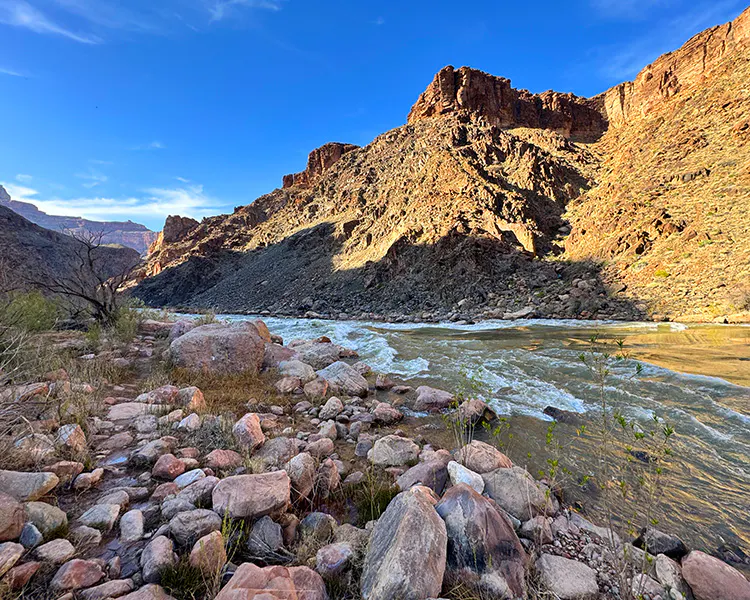
On rivers like the Colorado River, Green River and San Juan River, late May through June often brings higher flows, bigger waves, and a raw energy you simply won’t find later in the season. Rapids tend to run harder and bigger, and even familiar stretches of water can feel new.
If you can hit this brief window in the American West just right, you will witness a fantastic display of the dramatic power of nature. The rivers roar and tremble with kinetic energy. This is spring runoff season—arguably the most exhilarating time of year to be on America’s rivers.
Spring rafting isn’t for everyone. The water is colder, the stakes are higher, and conditions can change quickly. But for those willing to lean in, it delivers something unique: the sense that you’re grabbing this place by the tail right at the moment it wakes up.
Note: all three of these rivers — Colorado, Green and San Juan — are dam-controlled. Traditionally, spring snow-melt from the Rocky Mountains was sufficient enough that more water was released through the dams in the spring. However, the Western US is in a severe, prolonged drought and the reservoirs are extremely low. Until the reservoirs are able to re-fill, the river flows will be more consistent year round, with less dramatic seasonal fluctuations.
Waterfalls & Renewal in the West
Yosemite | Yellowstone | Glacier | Alaska
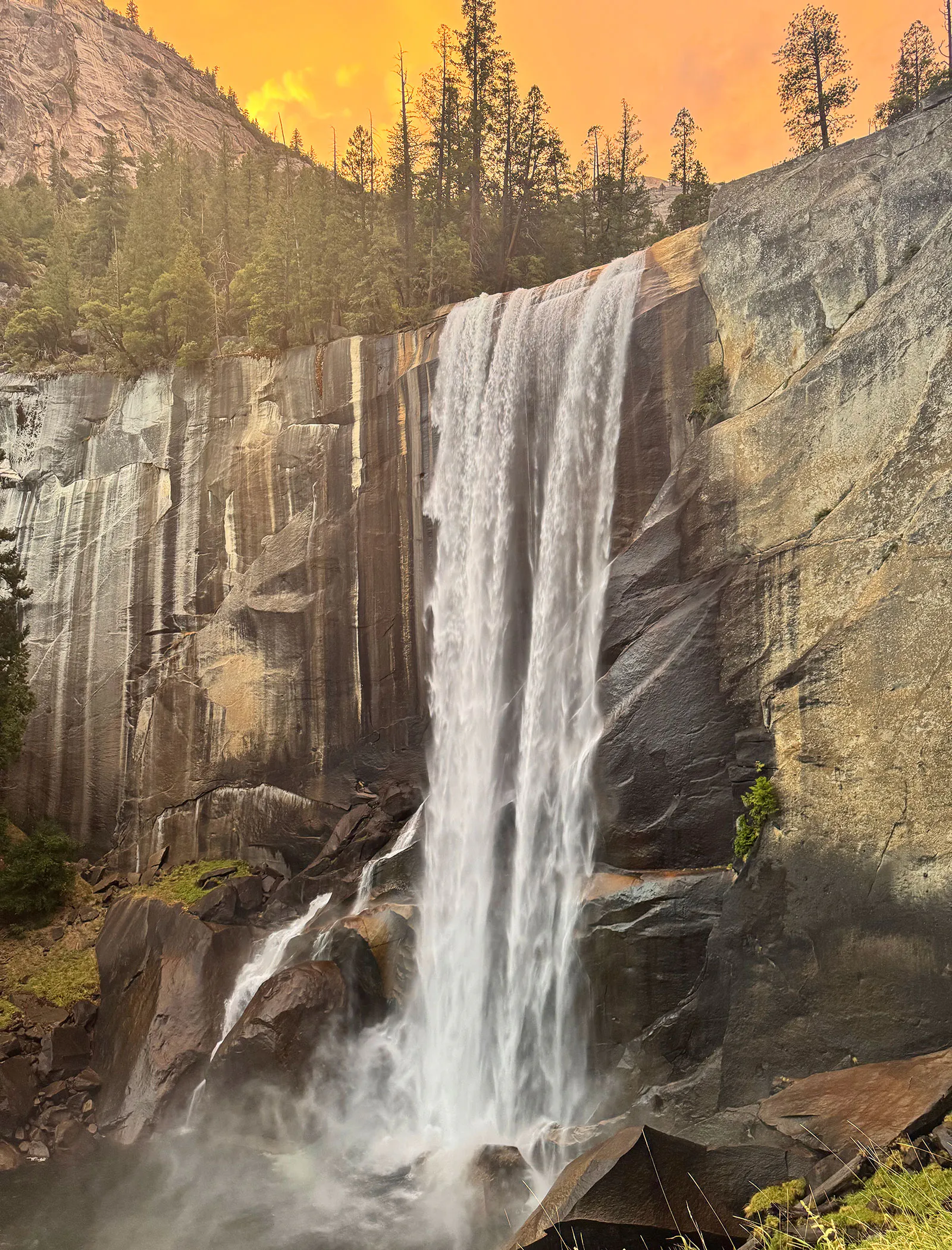
As spring pushes north, snow begins to melt in the mountains, feeding rivers and creeks which crash down over waterfalls. Nowhere is this more dramatic than in Yosemite National Park, where waterfalls thunder thousands of feet down granite walls at full force in the spring months.
April and May are prime time in Yosemite Valley, which is at a relatively low elevation of ~4000 feet (the high country, which is at an elevation of 8,500+ feet), will not open until mid summer). In the Valley, crowds haven’t yet peaked, the valley is lush and vibrant, and every trail seems to lead to an impressive cascade. Mist rises from Yosemite Falls, soaking hikers who dare to get close enough—a small price to pay for standing in the presence of something so awe-inspiring and powerful.
Other fantastic destinations for spring waterfalls are Yellowstone, Glacier National Park and Alaska.
Great Smoky Mountains Reborn
Great Smoky Mountains National Park
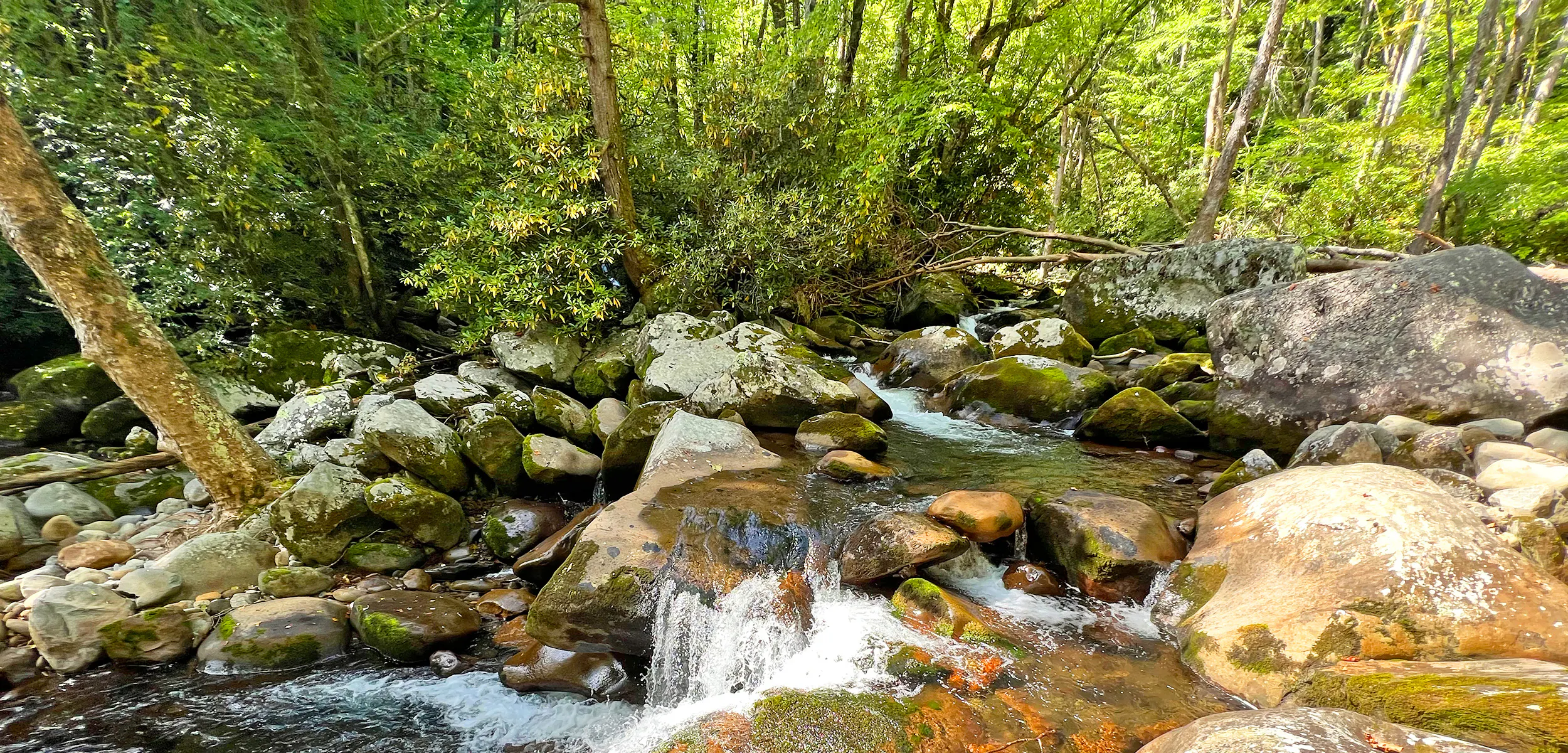
Spring in Great Smoky Mountains National Park progresses gradually, like a slow climb up the mountains themselves, beginning in the lower elevations in March and eventually reaching the high ridgelines by May. As winter retreats, the forest floor burst to life with one of the most celebrated wildflower displays in North America—trillium, violets, and bloodroot carpet the woods. Waterfalls run strong with seasonal rains, mist hangs in the valleys in the mornings, and the air carries a fresh, green scent of life renewed. Temperatures are mild and inviting, though weather can change quickly.
Summer (June–August)
Key Takeaways:
- Summer is the peak season for almost all mountain destinations, including Glacier, Yellowstone, Yosemite and Alaska.
- This generally the time of year to avoid the desert parks like Grand Canyon, Zion and Joshua Tree due to extreme heat.
- Rafting, kayaking and coastal adventures—like those in Washington and Maine—are refreshing in the summer months.
Summer is when many people choose to travel—and for good reason. School’s out, trails are open, and the high elevations are in their prime season for beauty and access. But summer in the US is a tale of two climates: oppressive and potentially dangerous heat at low elevations and near-perfect conditions in the mountains.
Alpine Access: The West at Its Best
Glacier | Yellowstone | Yosemite
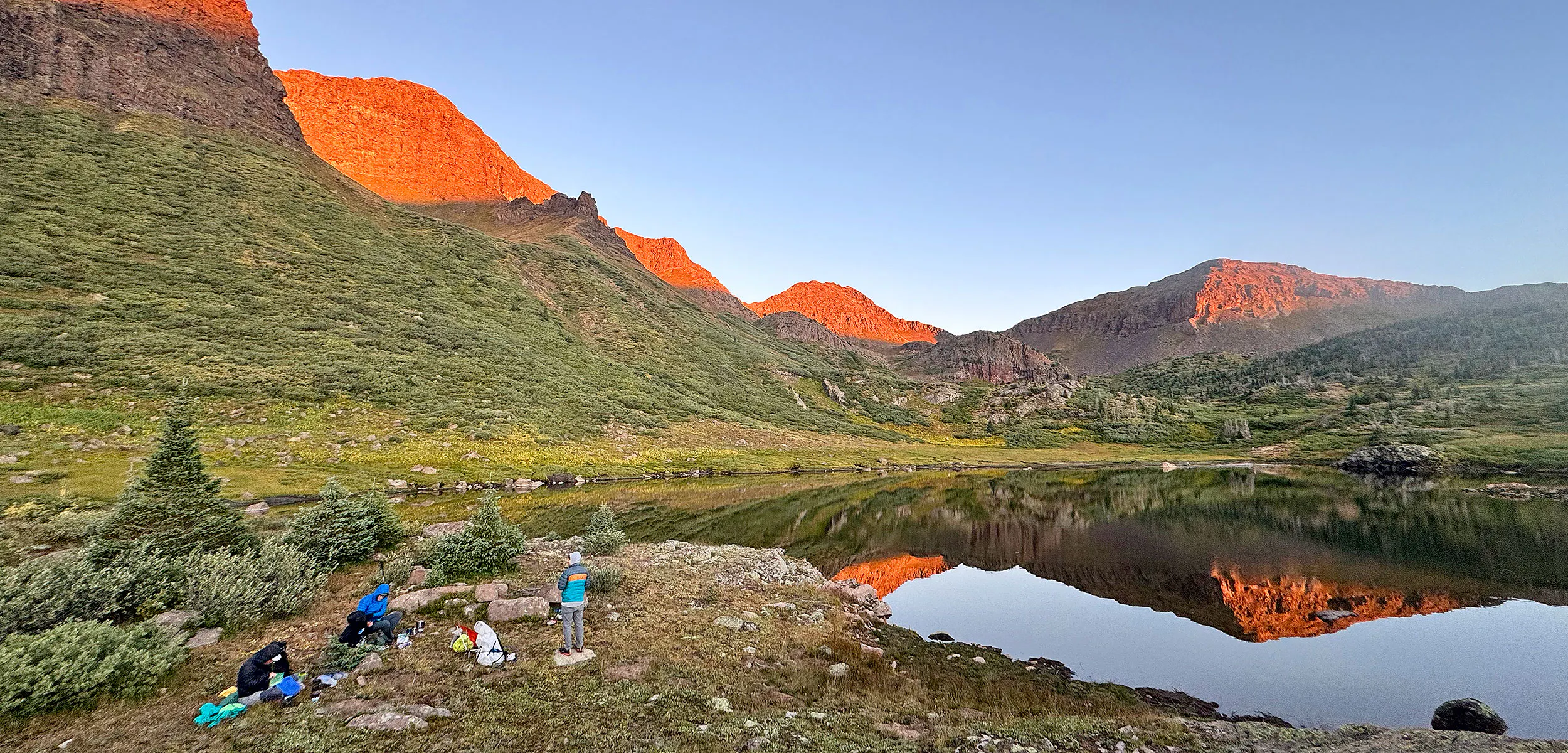
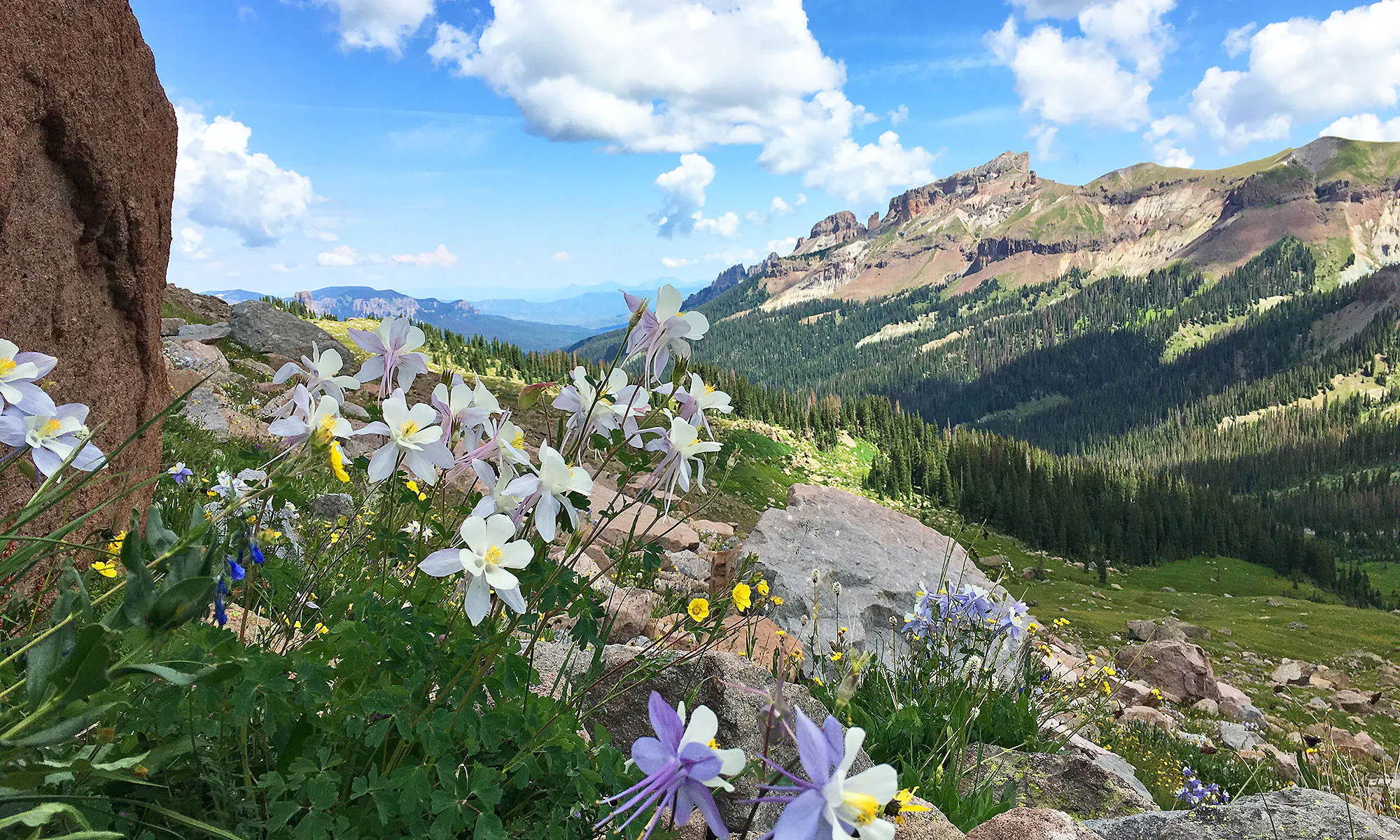
By late June, the mountain snowpack across the Western United States’ mountain ranges begins to retreat from higher elevations. This shift opens up alpine playgrounds that are inaccessible for most of the year (except by ski, snowshoe or snowmobile).
In Glacier National Park, the famous Going-to-the-Sun Road typically clears by early summer, unlocking a dramatic landscape of jagged peaks, ancient glaciers, turquoise lakes, and wildlife-rich valleys. Hikes like the ones to Grinnell Glacier and Avalanche Lake offer breathtaking views that feel a lot like the Alps.
Further south, Yellowstone National Park delivers iconic, American summer hiking: vast meadows, rich wildlife, and other-worldly geothermal features. Hikes like Lonestar Geyser, the Grand Canyon of the Yellowstone River, and Fairy Falls will maximize your time in Yellowstone.
By July, Yosemite Valley’s waterfalls have receded, temperatures in the Valley are rising into the 90s, and the summer crowds have arrived. However, another — equally as beautiful — world has opened up in Yosemite National Park: the high country. At an elevation of 8,500+ feet, Yosemite’s high country hiking offers gorgeous alpine scenery, moderate temperatures and stunning destinations like Glen Aulin, Lyell Canyon and Cathedral Lakes.
In addition to national parks, countless wilderness areas managed by the United States Forest Service offer extraordinary adventure—places like the San Juan mountains in Colorado, the Sawtooths in Idaho, and the White Mountains of New Hampshire.
Water, Forests & Coasts
Maine | Washington State
If mountains aren’t your thing, summer is also prime time for exploring lakes, rivers, and coastlines.
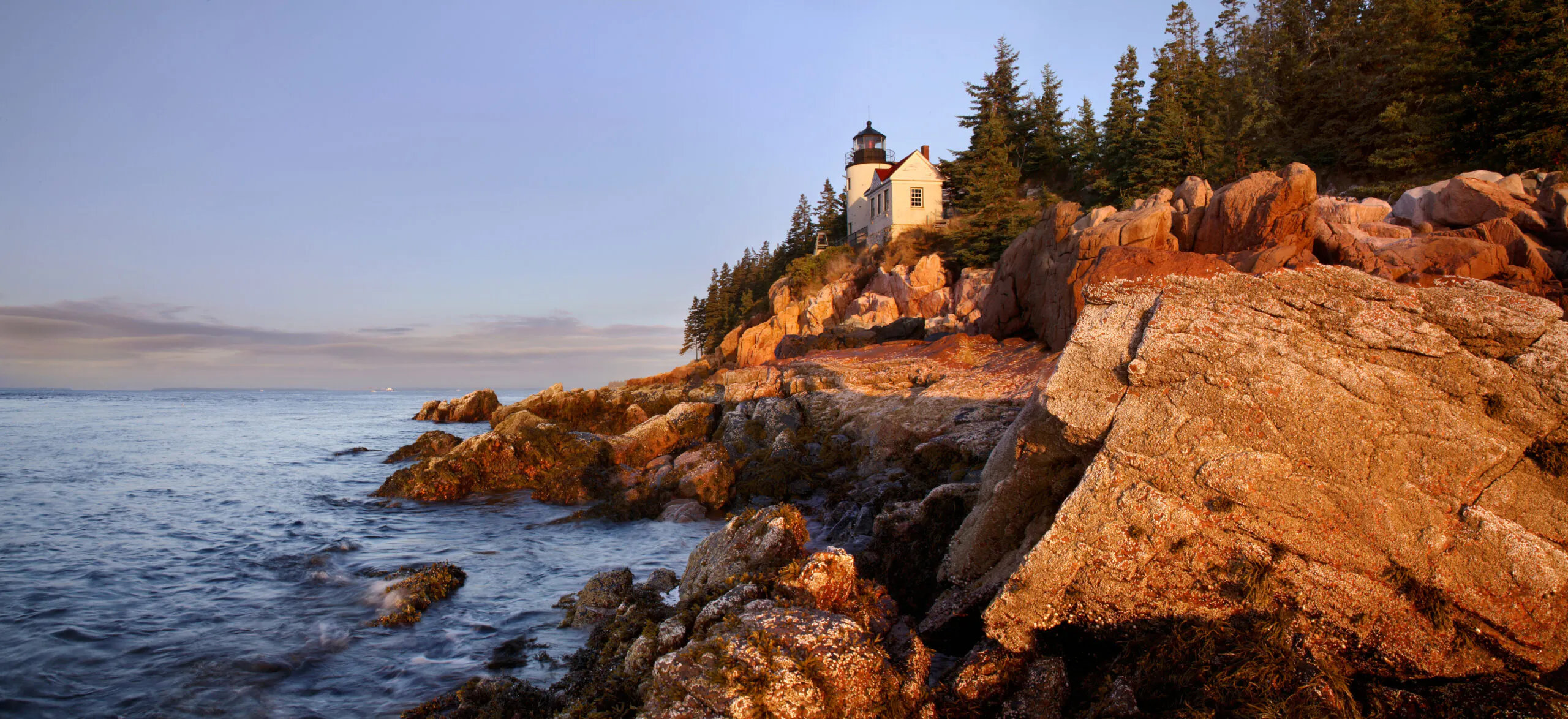
In Acadia National Park, the massive Atlantic Ocean crashes against granite shores while cool sea breezes keep temperatures comfortable and refreshing. Sunrise from Cadillac Mountain—one of the first places to catch the sun in the US—is worth an early wake-up and hike.
Out west, countless mountain and alpine lakes become swimmable. Rivers run clear and cold — perfect for fishing, swimming and tubing. Washington State is also in its prime, offering exceptional coastal kayaking and hiking adventures.
Summer Rafting: Long Days, Warm Water & the Rhythm of the River
Idaho | Alaska | Tetons
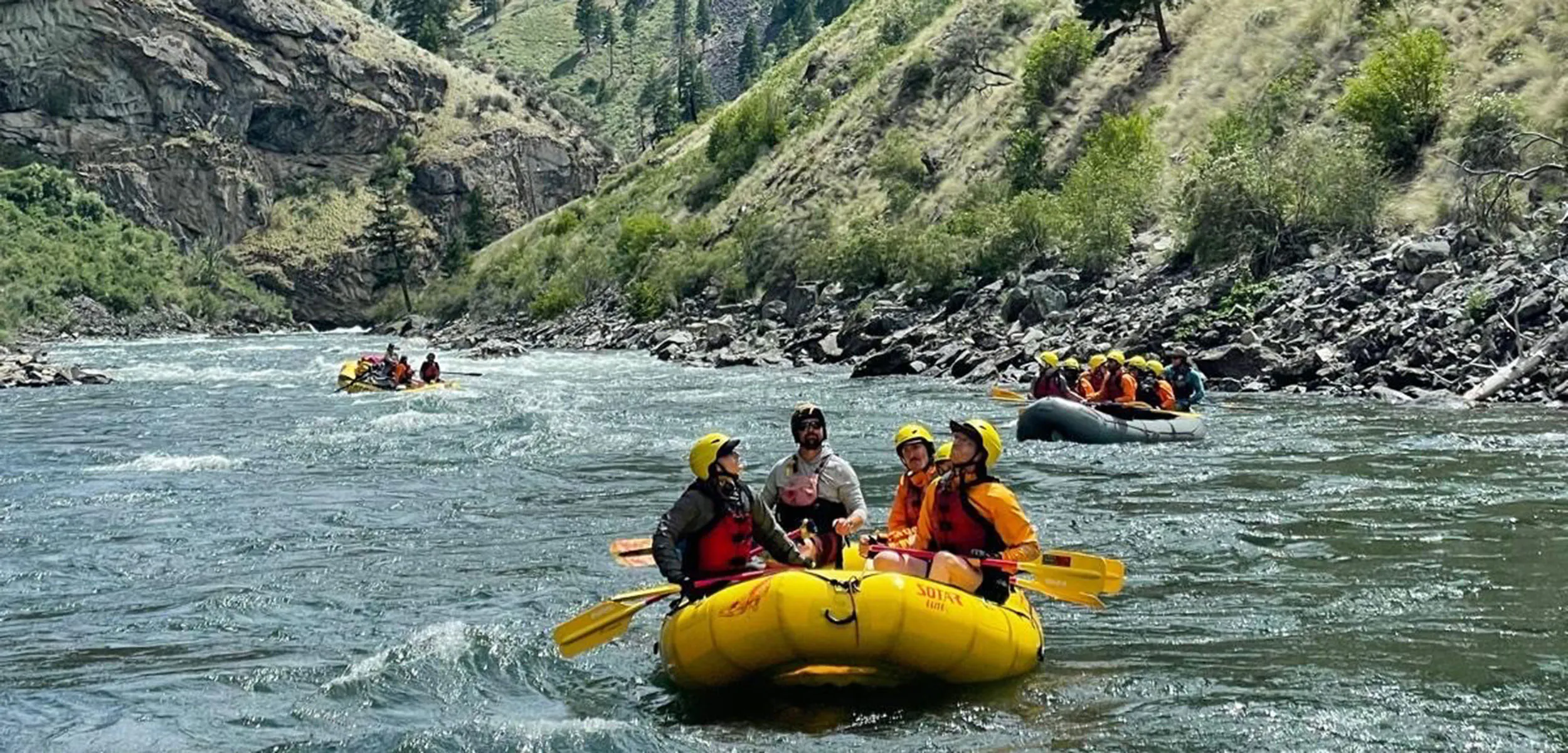
By the time summer settles in, the rivers have found their stride. The exhilaration and chaos of spring runoff transforms into an experience that is more predictable, but no less exciting. Fun lines through frothy rapids, warmer water, and long days feel built for time on the river. Multi-day rafting trips are much less about conquering anything and more about immersing yourself into the rhythms of the river and the canyon ecosystems.
On stretches like the Middle Fork of the Salmon River in Idaho and the Tatshenshini River in Alaska, July through early September offers that perfect balance: exciting but manageable rapids, gorgeous scenery, and campfires that linger into golden evenings. You’ll drift between moments of adrenaline and calm—one minute threading through whitewater, the next floating quietly beneath canyon walls or gazing up at glaciated peaks.
One of the wonderful things about summer rafting is there’s time to relax—on sandy beaches, around riverside camps, under wide open skies or the midnight sun of Alaska.
The Reality Check: Heat and Crowds and How to Navigate Them
Let’s be very clear that summer also comes with trade-offs. National parks can be very crowded, and popular trails sometimes get extremely busy. Meanwhile, desert destinations like the Grand Canyon and Southern Utah national parks become dangerously hot by midday.
So what are the solutions? First, avoid some destinations in the summer, such as the very low elevation deserts of Death Valley and Joshua Tree, where temperatures can peak above 120° and there’s little shade. If you’re going to hike in Grand Canyon or Utah in the summer, be prepared.
How to Stay Safe in the Heat: Desert Hiking in the Summer
- Start hiking well before sunup, especially if doing a long hike like Rim to Rim (the cooler night temperatures are your best friend in the desert during the summer)
- Seek higher elevations like those in Bryce Canyon National Park (every 1,000 feet drops temperature ~3–5°F)
- Stay wet when hiking in the desert and hydrate, hydrate, hydrate (you may need as much as 2+ gallons of water per person per day in the heat of the summer)
- Eat an abundance of sweet, salty snacks to avoid hyponatremia
- Cover up with cooling fabrics like cotton or bamboo (sun hoodies are highly recommended)
Fall (September–November)
Key Takeaways:
- Early fall—September—is a fantastic time to be in the mountains and the deserts, with moderate temperatures and thinner crowds than summer.
- The fall colors of October and November offer one of the most scenic displays of the year in the Rockies, Appalachia and Alaska.
- The higher elevation deserts like Grand Canyon, Sedona and Utah’s Mighty Five national parks enter their second peak season (the first being spring).
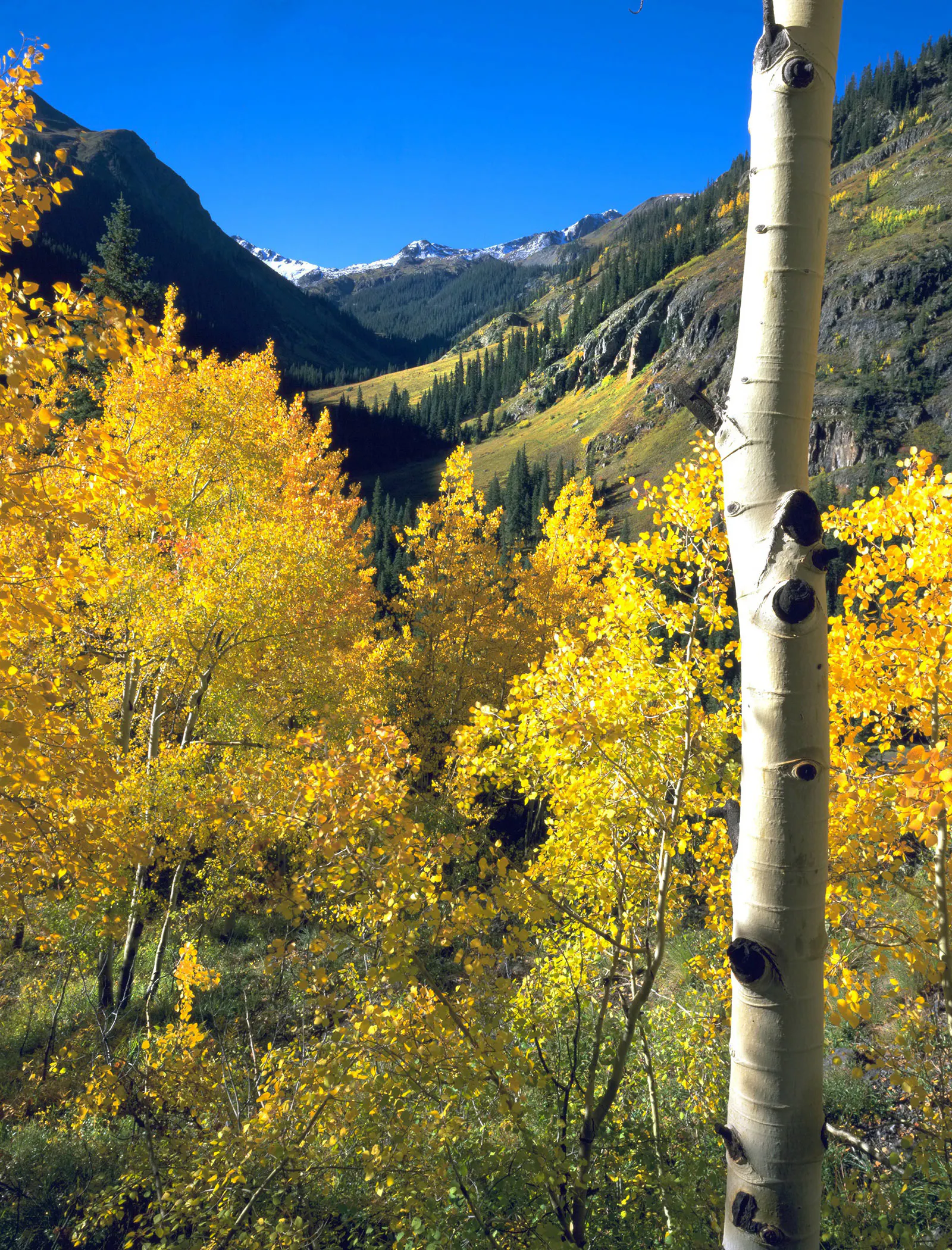
Over the last 20 years, I’ve asked many of the guests on my US hiking and adventure trips — many of whom are seasoned travelers — what their favorite season is. A very high number of them have said fall, and justifiably so. Autumn in the US is arguably the very best time of year for adventure travel: fewer crowds, moderate weather in mountains and deserts, and exploding displays of fall foliage.
The Golden West
Tetons | Utah National Parks | Yellowstone | Glacier
In September, mountains across the Western states are still clinging to summer’s longer days and inviting temperatures, but the mood is changing. The air is becoming sharper, mornings crisper, and the faint scent of chimney smoke begins to touch the air.
In Grand Teton National Park, aspen forests turn brilliant gold against the iconic Tetons skyline, and the wildlife becomes more active as animals prepare for winter. Elk bugling echoes across meadows and through valleys at dawn—a sound that feels ancient, a warning that winter is coming.
Further south, Zion National Park merges back into its prime season. The intense summer heat fades, making longer hikes possible again, while cottonwood trees along the river add a splash of yellow to the red rock landscape.
New England’s Fire Season
Maine | Tennessee
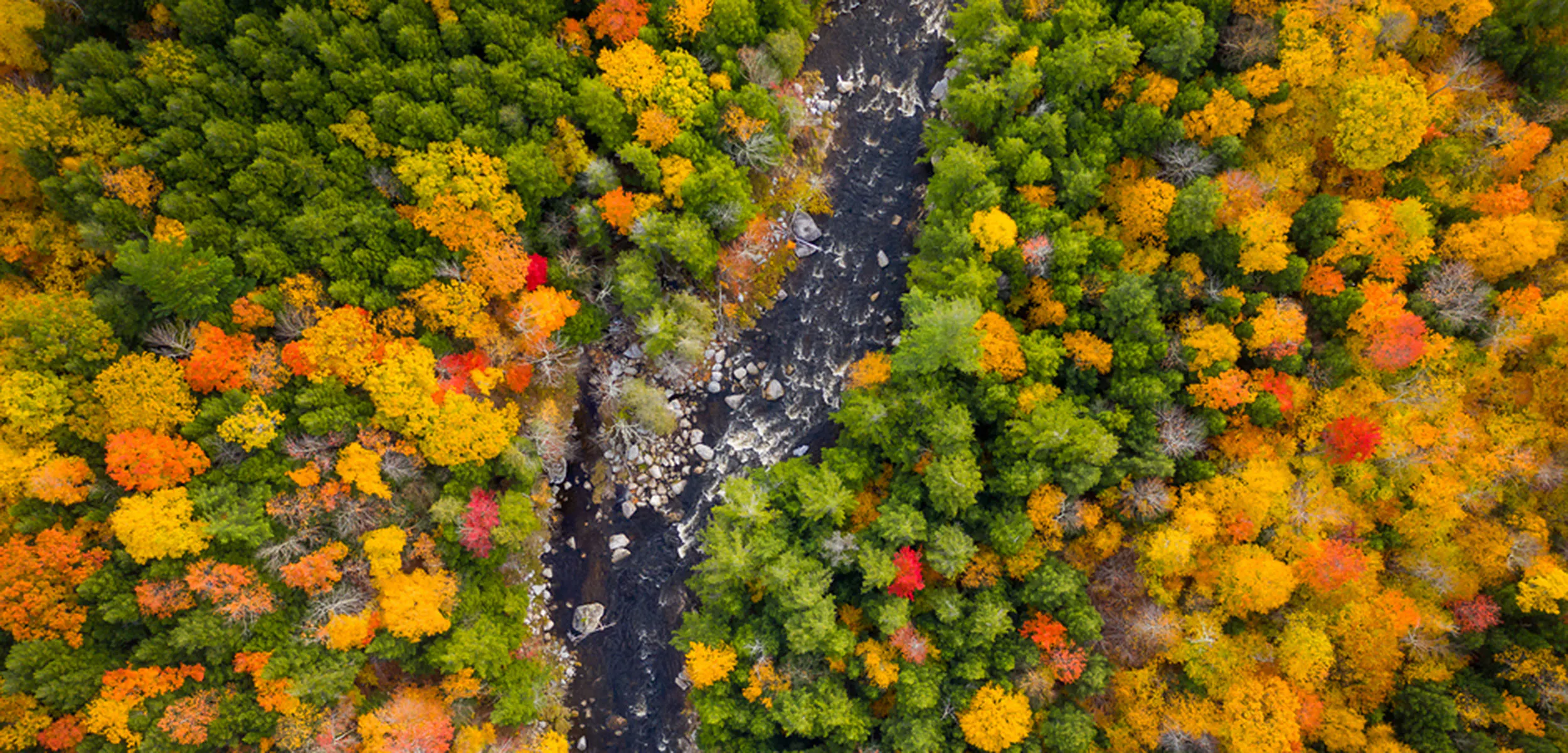
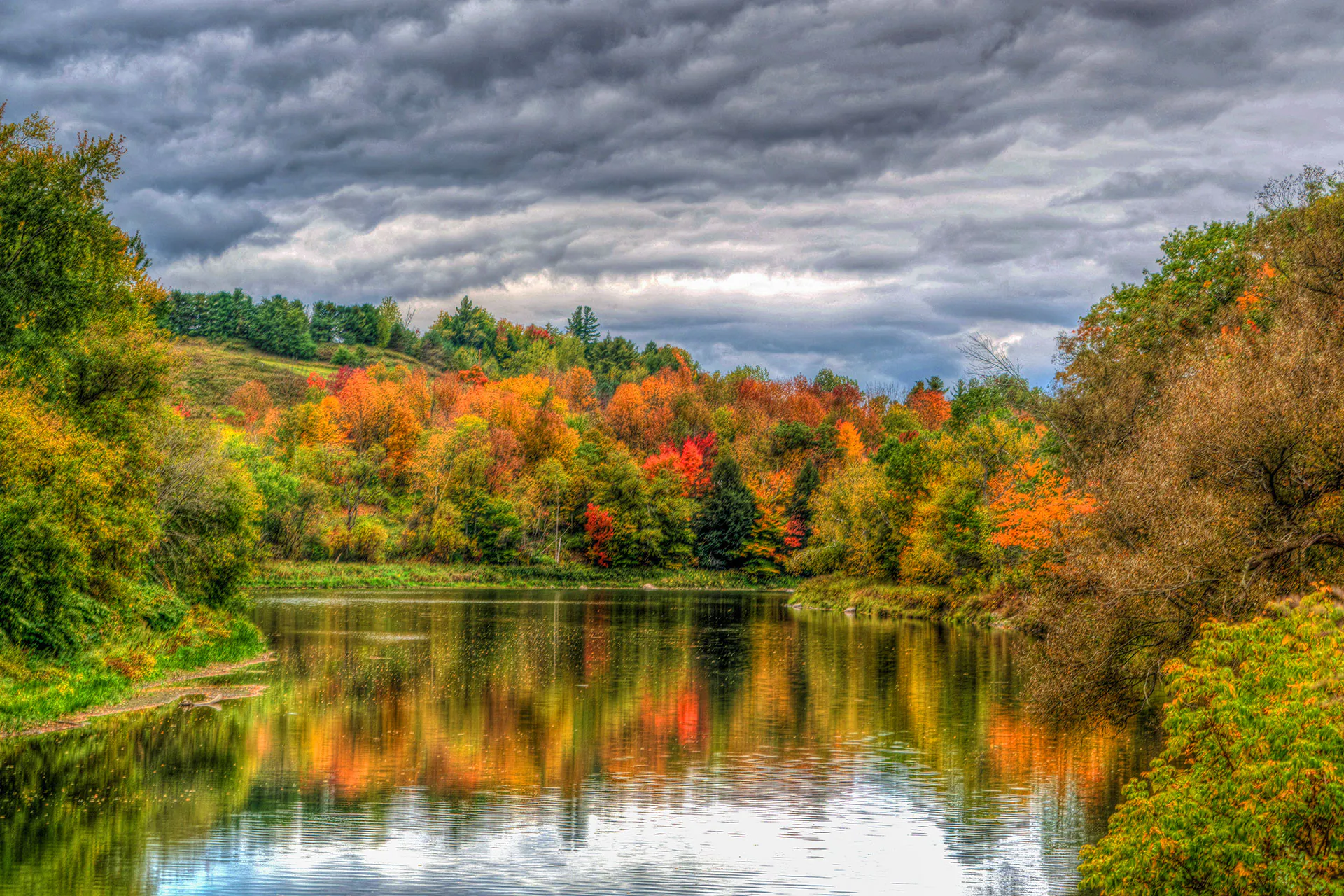
On the opposite side of the country, fall bursts onto the scene with theatrical flair. In the White Mountains of New Hampshire and across New England, deciduous forests evolve into a spectrum of reds, pinks, oranges, purples, and yellows. The colors can be so vibrant, they almost seem imaginary.
Timing fall foliage is everything. Peak foliage moves like a wave—starting in the northern regions in late September and rolling south along the crest of the Appalachian Mountains through October. Catch it right, and you’ll find yourself hiking through landscapes that feel like postcards.
Deserts Return
Grand Canyon | Sedona | Utah National Parks | Joshua Tree & Death Valley
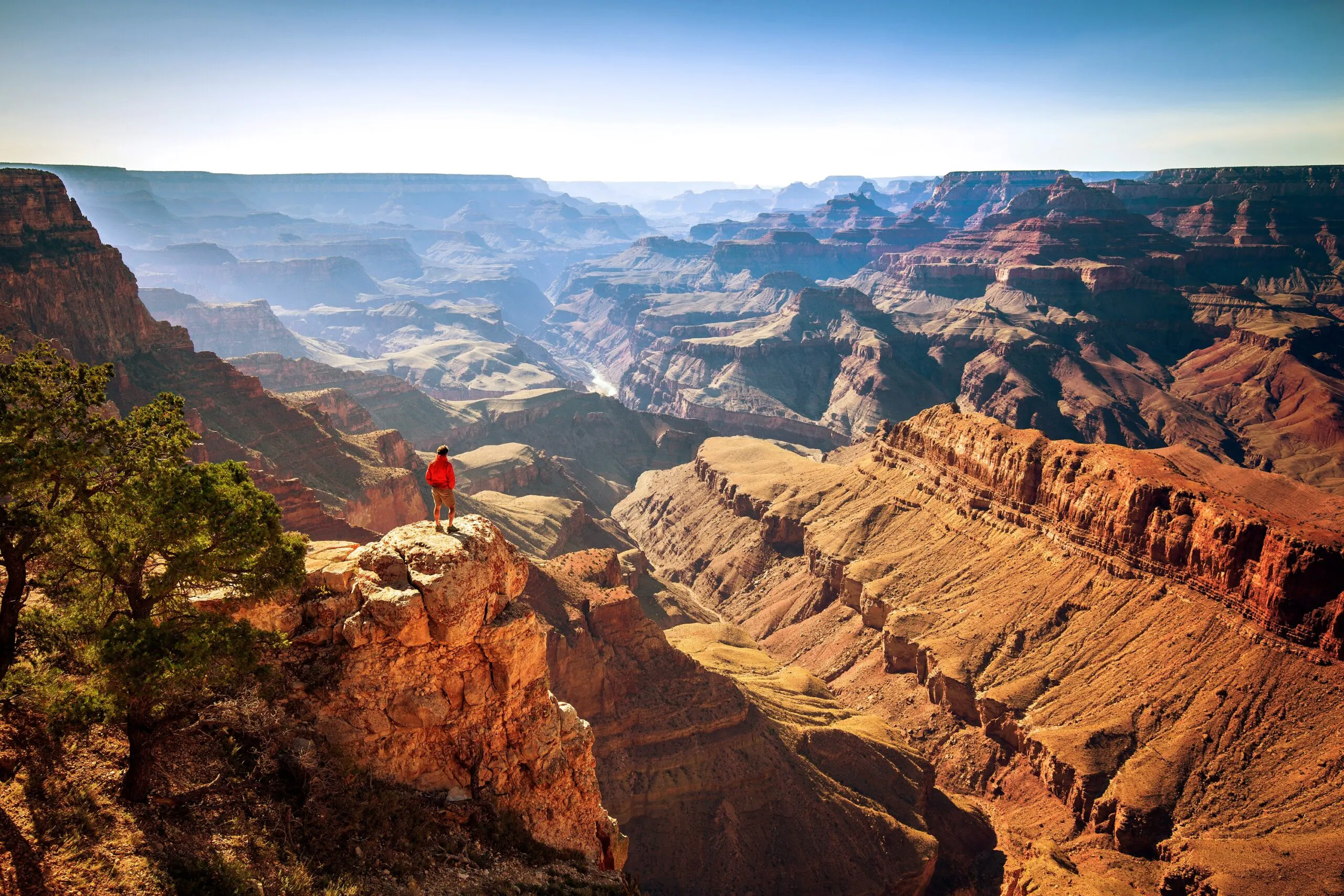
By October and November, the deserts enter their second peak season of the year. Temperatures descend back into comfortable and safe ranges, and places like Arches National Park become accessible again for full-day exploration.
Other desert destinations — Grand Canyon, Bryce, Canyonlands, Capitol Reef, and Grand Staircase-Escalante — all re-enter their prime. Summer crowds thin, days shorten and the pace of the natural world begins to slow down.
Why Fall Works Almost Everywhere
The amazing thing about fall is that it’s good across most destinations — mountains and deserts alike.
What makes fall excellent across most of the United States:
- Fewer crowds than summer at all destinations
- More comfortable temperatures at all destinations (mountains in September, deserts in October and November)
- Unique seasonal highlights (fall foliage, elk bugling, active bears)
- More predictable weather patterns
Winter (December–February)
Key Takeaways:
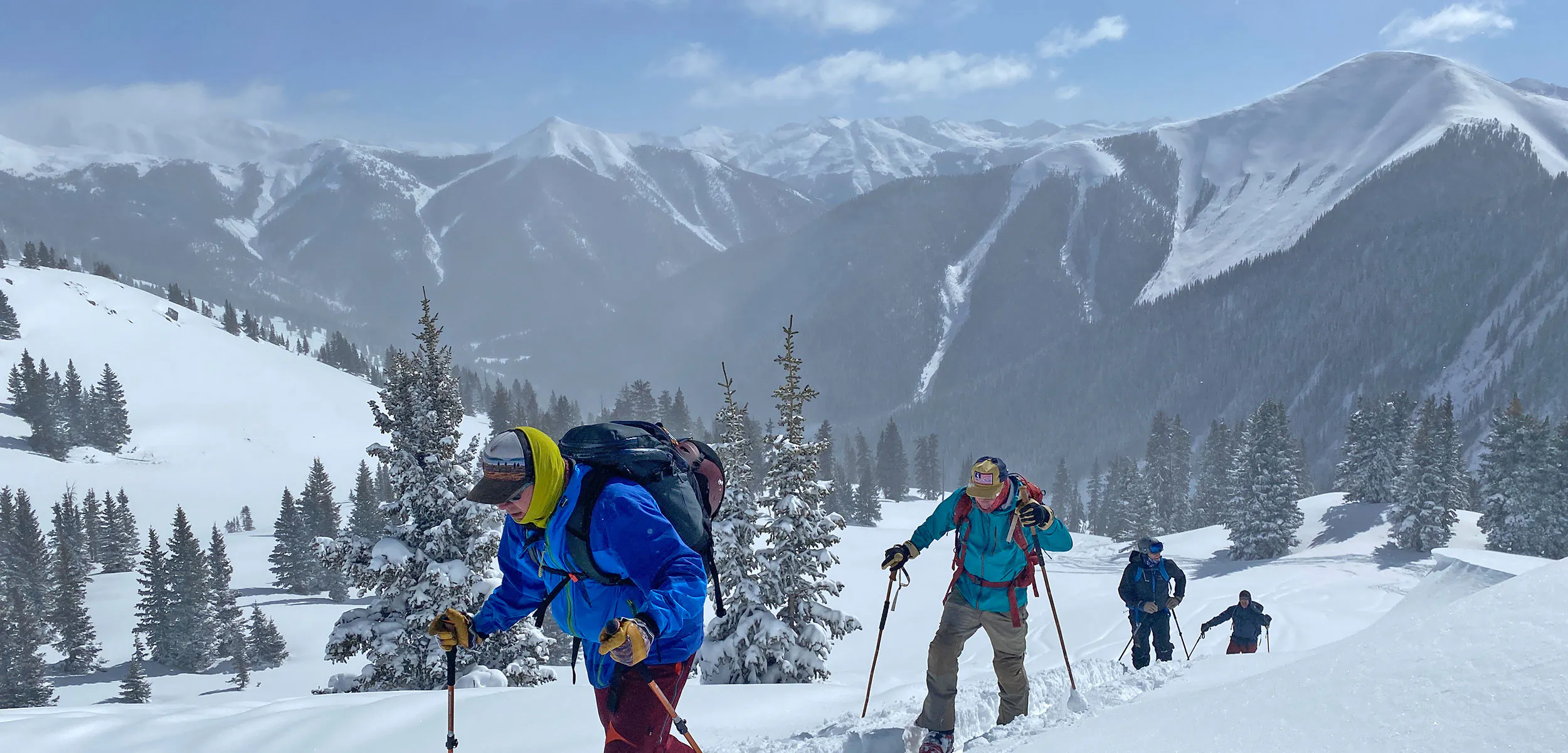
- The mountains offer solitude and dramatic scenery for those willing to strap on skis or snowshoes.
- The lower elevation desert parks like Joshua Tree and Death Valley are in their prime season, with perfect hiking temperatures.
- The higher elevation desert parks like Bryce Canyon and Grand Canyon are accessible but can snowy and cold in places.
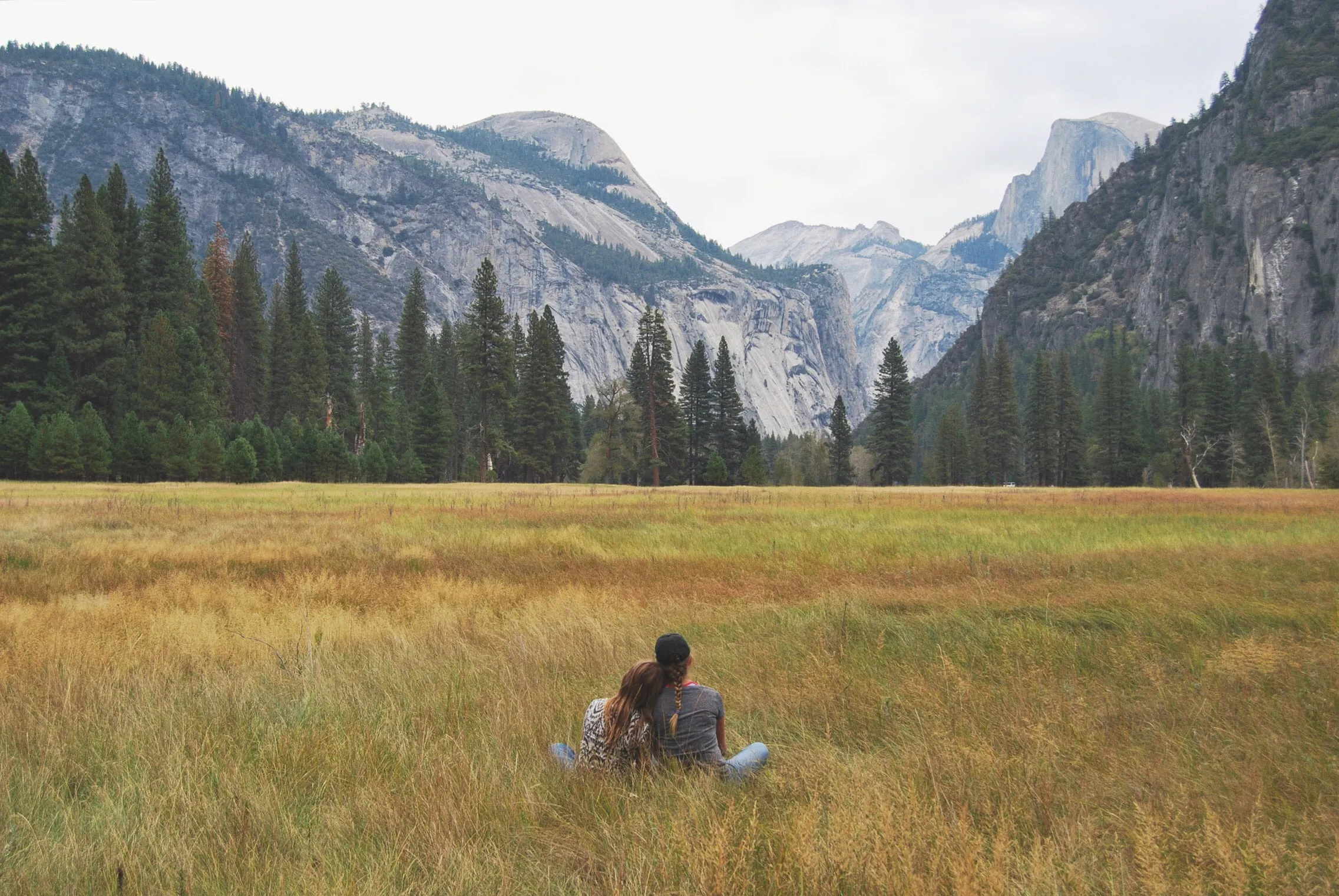
Winter is without question the most peaceful season in America’s public lands and national parks. Trails disappear under feet of snow, roads close, whole sections of national parks are shuttered, and the landscape drifts into a deep sleep. For travelers willing to embrace the cold in the mountains, it offers a completely different kind of reward.
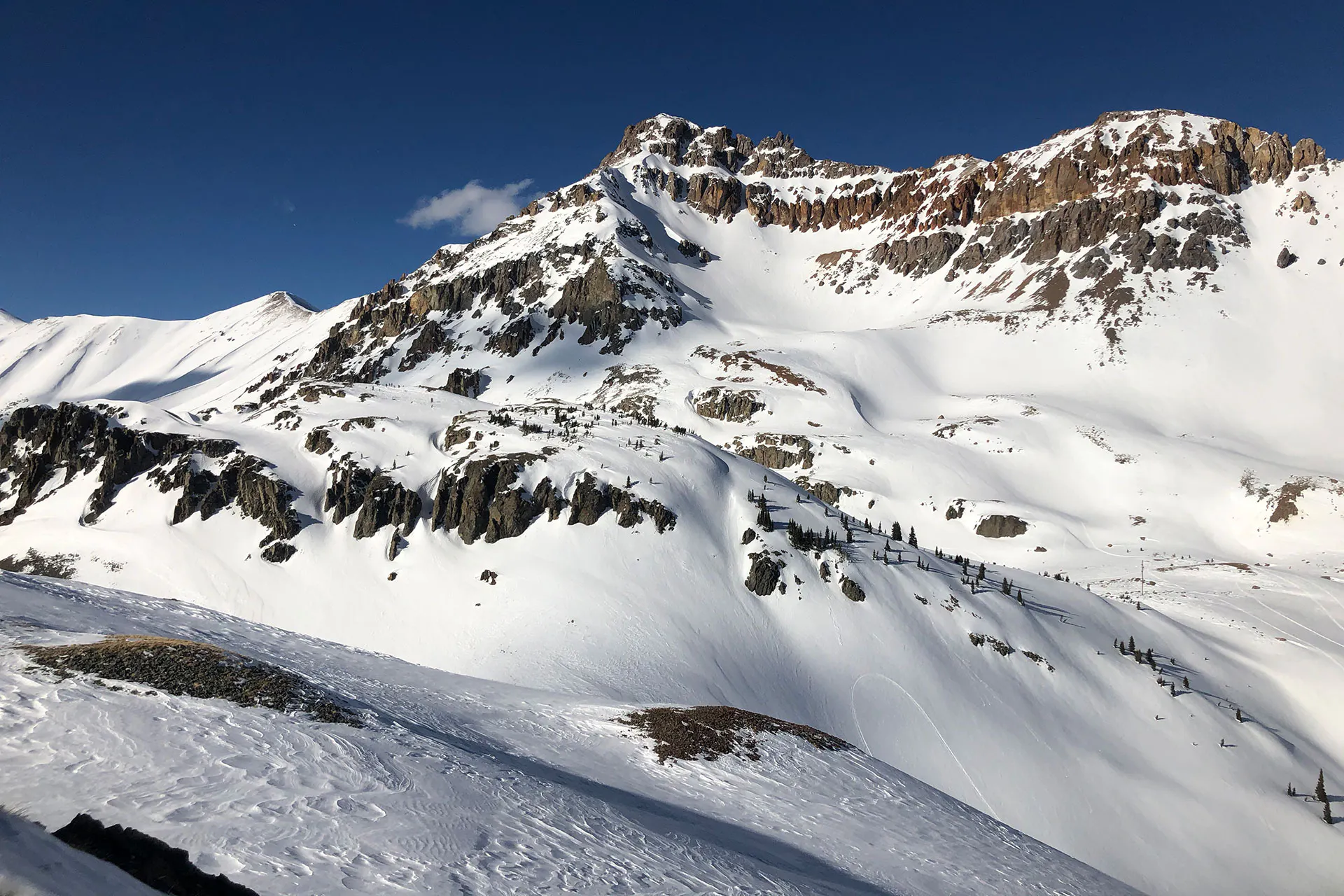
Snow-Covered Mountains
In Yellowstone National Park, winter transforms the park into unrecognizable landscape compared to the summer time. Clouds of steam rise from geothermal features into frigid air, bison graze at a snail’s pace in snow-covered valleys, and the usual national park crowds are nowhere to be found.
Access is limited—often by snowcoach or guided ski tour—but that’s part of the appeal. Being in Yellowstone in the winter is a magical experience.
Other mountain parks—Glacier, Yosemite, Mount Rainier, Rocky Mountain—are also frozen in blankets of snow. If you love adventure, then planning a ski or snowshoe trip is a rewarding way to celebrate the winter season.
Desert Winter: The Secret Peak Season
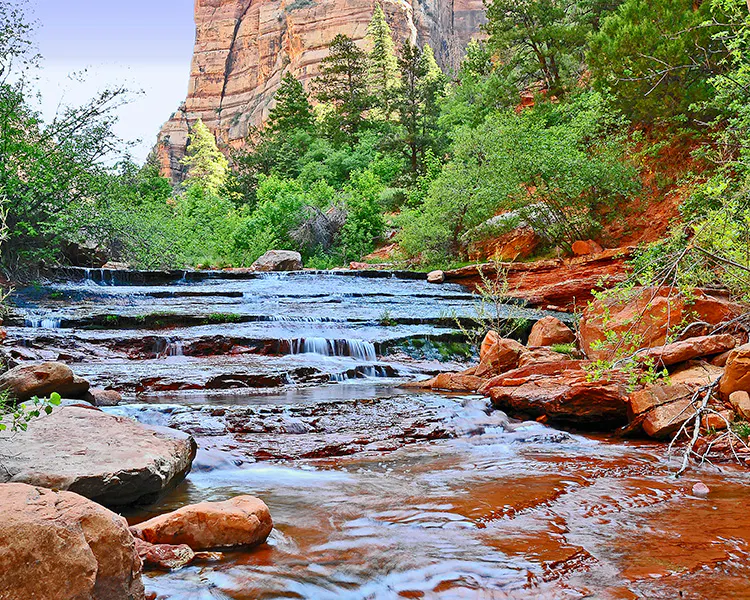
While mountains freeze under winter snowpacks, deserts — especially low-elevation deserts like Joshua Tree, Death Valley and the bottom of Grand Canyon — thrive in their peak adventure seasons. Winter is arguably the best time to explore many areas of the American Southwest.
In Joshua Tree National Park, daytime temperatures hover in the 50s and 60s, perfect for hiking, climbing, or simply exploring the wonderful rock formations and surreal forests of Dr. Seuss-like trees. Nights are cold but clear, offering some of the most dramatic night skies in the country.
Death Valley National Park feels specially designed as a winter escape. Home to the lowest point in the USA — Bad Water Basin at 282 feet below sea level — and very comfortable winter weather, it offers a perfect hiking, cycling, or mountain climbing vacation from December through February.
Grand Canyon National Park and Southern Utah’s spectacular “Mighty Five” national parks are also excellent winter adventure destinations.
Human-Powered Winter Travel
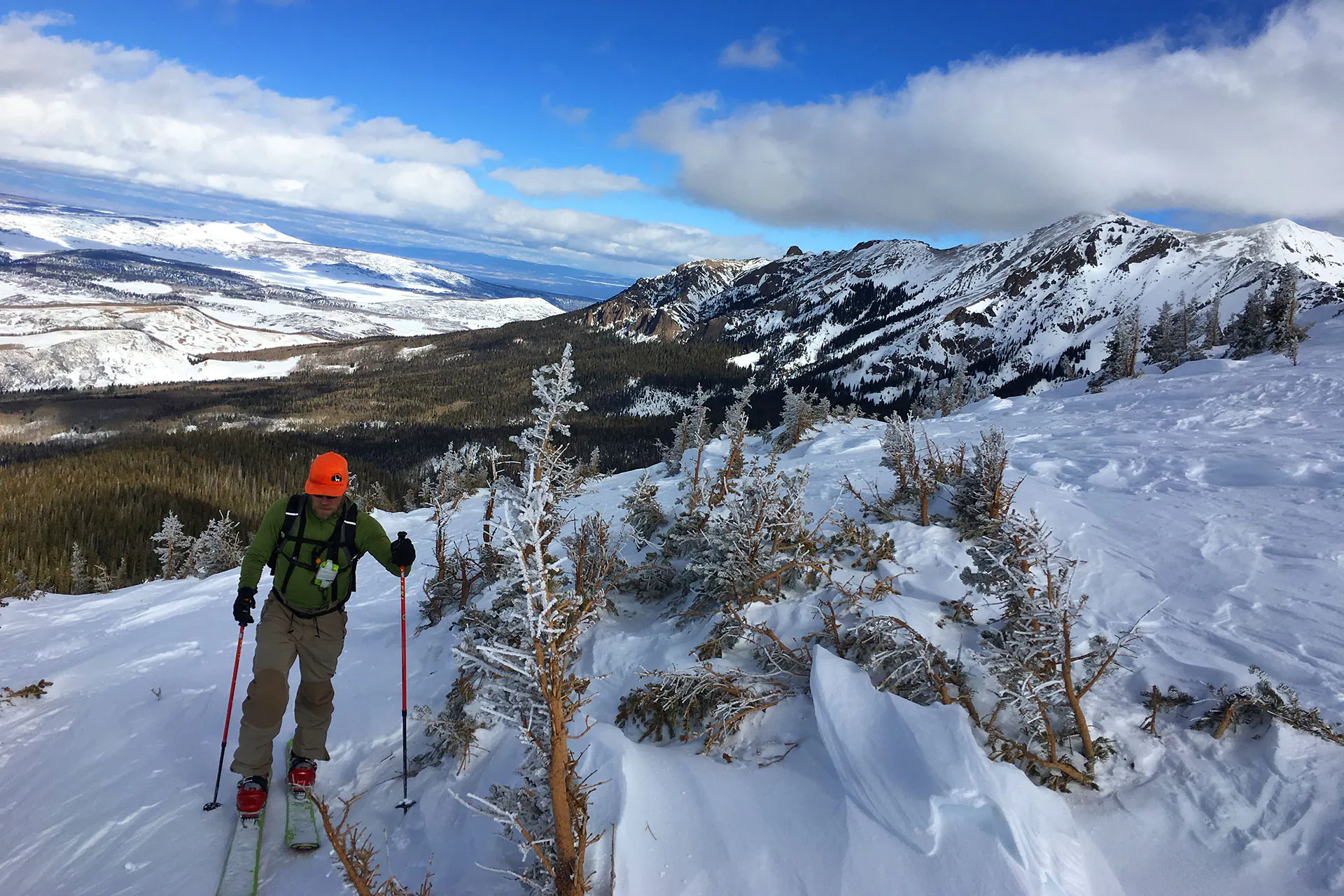
For those who lean into adventure, winter opens up entirely new activities:
- Snowshoeing through silent forests
- Cross-country skiing across frozen landscapes
- Backcountry skiing in remote mountain terrain
- Hiking in quiet desert landscapes
It’s slower, more peaceful, and often more physically demanding—but also more intimate.
Cheat Sheet to Timing Your Adventure Right
If there’s one “seasonal” takeaway I’ve had in the last 20 years of guiding US adventure tours and hiking trips, it’s that the “best time” to travel in the US is a moving target. Not only does it shift by season, by destination, and by type of adventure — it also moves year to year, especially as the effects of climate change increase and disrupt traditional weather patterns.
Below is a table showing my personal recommendations of when is the best time for each type of adventure at each destination. It is based on the most recent conditions, including longer, warmer springs; prolonged, hotter summers; later falls; and shorter winters.
Ideal Timing Based on Activity and Destination
| Hiking & Trekking | Rafting & Kayaking | Wildlife Viewing | Multi-Adventure | Snow Travel | |
|---|---|---|---|---|---|
| Alaska (AK) | Jun-Aug | Jun-Aug | Jun-Aug | Jun-Aug | Jan-Mar |
| Appalachia N. (ME, NH, NY, VT) | Jun-Sept | Jun-Sept | Jun-Sept | Jun-Sept | Dec-Feb |
| Appalachia S. (NC, TN, VA) | Apr-May, Sept-Nov | May-Oct | Apr-Nov | May-Oct | Dec-Feb |
| Southwest (AZ, NM, UT) | Mar-May, Oct-Nov | May-Sept | Mar-Oct | May-Sept | Dec-Feb |
| Pacific NW (WA, OR) | Jun-Sept | Jun-Sept | Jun-Sept | Jun-Sept | Dec-Mar |
| Rockies (CO, ID, MT, WY) | June-Sept | June-Sept | June-Sept | June-Sept | Dec-Mar |
| Sierra (CA) | June-Sept | May-Sept | May-Oct | May-Sept | Dec-Apr |
| S. California (CA) | Dec-Feb | Nov-Mar | Nov-Mar | Nov-Mar | Dec-Feb |
Why Explore the Seasons in the United States with MT Sobek?
Exploring the US with MT Sobek means hiking or rafting some of the country’s most spectacular landscapes with a company that has been pioneering adventure travel since 1969. From the alpine peaks of Glacier National Park to Alaska’s vast wilderness and the canyonlands of the American Southwest, MT Sobek designs journeys that combine iconic destinations with lesser-known trails. With expert guides, small groups, and thoughtfully crafted itineraries, travelers can focus on the experience of the hike while the logistics are handled seamlessly.
Why explore North America with MT Sobek:
- Decades of expertise: A pioneer in adventure travel since 1969 with a long legacy of leading exceptional hiking and rafting journeys across the US and the world.
- Expert guides: Knowledgeable leaders share insights into local ecology, geology, wildlife, and cultural history, and ensure a commitment to safety and enjoyment throughout the journey.
- Carefully designed itineraries: A balance of iconic trails and hidden gems for a deeper experience of each destination. MT Sobek’s hiking adventures immerse travelers in the natural beauty and cultural heritage of each destination.
- Seamless travel logistics: Permits, transportation, and accommodations are expertly arranged so you can focus on the adventure.
- Comfort and immersion: Rewarding hikes paired with premier lodging and memorable meals create a rewarding and relaxing experience.

FAQs
The US is a larger and diverse country, and there is great place to hike in every season. Spring is best in high desert destinations like Southern Utah’s national parks, the Grand Canyon and Sedona. Summer is best in mountain destinations like Yosemite, Yellowstone and Glacier. Fall is great everywhere, but is especially brilliant in the Great Smoky Mountains when fall foliage is at its peak. Winter is best in the lower elevation deserts like Joshua Tree and Death Valley national parks.
The best time to raft in the US depends on what sort of experience you’re looking for. If you want maximum excitement, consider April-June, when snow-melt swells rivers to their peak flows. If you’re interested in a more immersive, multi-day experience the rafting season is May through September.
America’s national parks are very worth visiting, regardless of how busy they are. However, to avoid crowds and increase your enjoyment, consider these steps:
– Travel during shoulder seasons: February and November in the deserts, June and September in the mountains
– Start early: to avoid crowded hiking trails, start early which can often mean at or before sunrise
– Consider winter travel: winter is the most underrated season in America’s national parks
– Avoid the classics: look for obscure highlights and avoid the classics like Old Faithful, Yosemite Falls and Bright Angel Trail
Climate change is disrupting traditional seasonal weather patterns. In general, winter is shorter and summer is longer. Desert destinations like Zion and Arches are opening up earlier (February to early March) and becoming hot sooner (late April or May). Mountain destinations like Glacier and Yellowstone are often accessible earlier (in May and June), and the season is lasting longer (well into October). Watch for increases in severe weather events and climate-related disruptions like forest fires, floods, landslides and heat waves.
The US offers an almost endless number of options for adventure. Some classic adventures include hiking Rim to Rim in the Grand Canyon, rafting the Middle Fork of the Salmon River, hiking Utah’s Mighty Five National Parks and rafting the wild rivers of Alaska. To learn more check out our Ultimate Guide to Adventure Travel in the United States.
Learn More About Adventure Travel in the United States


