Bryce Canyon Hoodoos: A Deep Dive Into Nature’s Most Surreal Landscape
A Complete Guide to Bryce Canyon Hoodoos
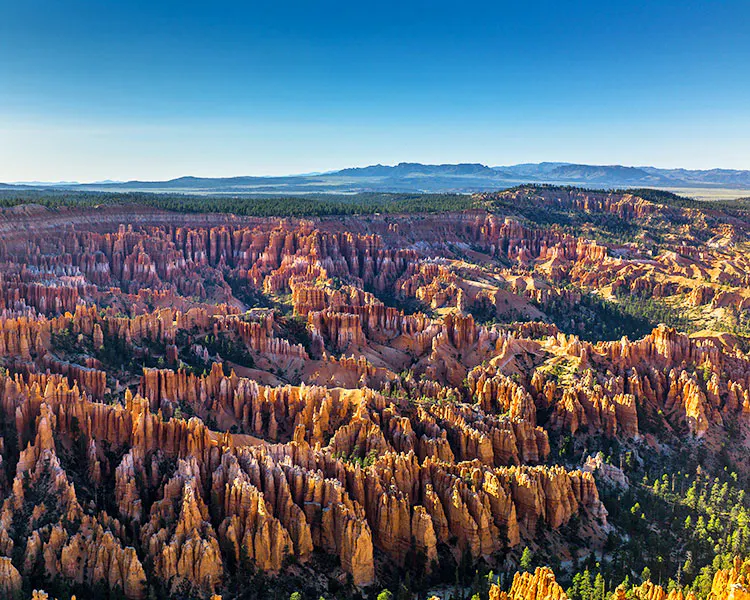
Here at MT Sobek, we have an always-changing list of our favorite national parks, and one of our top current picks is Bryce Canyon. It is a must-visit destination in the heart of Utah’s canyon country. Several attributes make Bryce Canyon uniquely spectacular: its high elevation range from 6,600-9,100 feet, its mix of mountain and desert ecosystems, its proximity to other world-class parks like Zion, and—last but far from least—its incredibly rock formations called “hoodoos.”
What many people do not know is just how rare, complex, and awe-inspiring these formations actually are. In Bryce Canyon National Park, hoodoos aren’t just a feature—they are the defining characteristic of the landscape, rising in vast numbers from stately amphitheaters and transforming the plateau into a surreal, fantastical landscape that feels more like something from Alice in Wonderland than the state of Utah.
This guide explores everything you need to know about Bryce Canyon hoodoos—from how they form and why they’re so special, to where to see the best examples and how to make the most of your visit to Bryce Canyon.
Table of Contents
- What Are Hoodoos?
- Where the Name “Hoodoo” Comes From
- Why Bryce Canyon Has So Many Hoodoos
- The Science Behind Bryce Canyon Hoodoos
- Why Are Bryce Canyon Hoodoos Red, Orange and White?
- Bryce Amphitheater: The Heart of the Hoodoos
- The Most Impressive & Famous Individual Hoodoos in Bryce Canyon
- The Best Ways to Experience Bryce Canyon Hoodoos
- Photography Tips for Bryce Canyon Hoodoos
- Conservation: Protecting the Hoodoos
- Final Thoughts: More Than Just Rock Formations
- FAQs
Key Takeaways
- Hoodoos are towering, narrow spires composed of sedimentary rock with varying levels of hardness.
- Bryce Canyon’s hoodoos form gradually as erosion transforms deep sedimentary layers into fins, windows and arches before leaving behind isolated spires.
- Bryce Canyon has more hoodoos than anywhere else because of three distinct characteristics: high elevation, sedimentary rock layers, and frequent freeze-thaw cycles.
- Some of the most iconic hoodoos include Thor’s Hammer, Queen Victoria, Cathedral, Wall of Windows and Tower Bridge
- The best hiking trails for Bryce Canyon’s hoodoos include Navajo Loop, Queen’s Garden, Peekaboo Loop, and Fairyland Loop.
What Are Hoodoos?
Hoodoos are tall, thin spires of sedimentary rock that rise from the ground, often resembling towers, chimneys, lighthouses or other abstract shapes.
What makes Bryce Canyon hoodoos especially striking is their amazing variety. Some stand as slender columns barely wider than a person, while others form towering, castle-like structures. Many appear to balance precariously, as if they may fall at any moment, and are topped with harder rock layers that protect the softer stone beneath.
Geologically speaking, hoodoos are formed through a combination of several natural forces:
- Differential erosion (upper layers of hard rock protecting softer, lower layers)
- Freeze-thaw cycles (known as “frost wedging”)
- Rainwater erosion
The result of these forces is a landscape that appears as much divinely sculpted as it does a random circumstance of nature. They create an environment that feels more like an outdoor art gallery than a typical canyon.
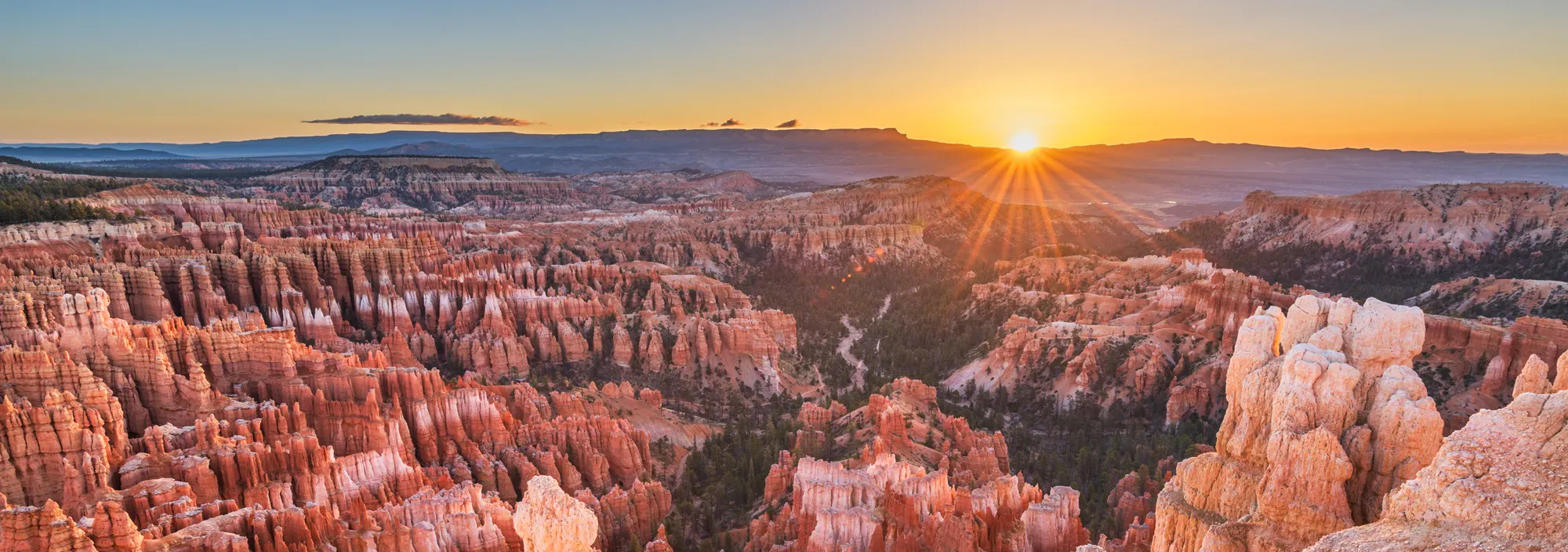
Where the Name “Hoodoo” Comes From
The word “hoodoo” is believed by many experts to come from the word vodun, a West African word for “spirit,” which is also believed to be the origin of the word “voodoo.”
The mysterious history of the word “hoodoo” adds another layer of curiosity to the experience of visiting or hiking Bryce Canyon National Park. The word’s origins are nearly as fascinating as the formations themselves!
Early pioneers of the American West adopted the term “hoodoo” when encountering these strange rock spires, likely because the formations seemed almost supernatural in appearance—like human or animal figures frozen in stone. Add in indigenous stories, such as the Paiute legend of people turned to rock, and the name felt especially fitting.
Today, when we refer to Bryce Canyon hoodoos, we’re not just using a scientific or geological term. We’re invoking a word that carries centuries of cultural meaning, mystery, and imagination. The word reflects the sense that this landscape is not only scientifically unique, but also that it inspires awe in almost all who wander across it.
Many experts believe the term traces its roots to vodun, a West African religion and word for “spirit”—the same root of the word “voodoo.” Spread to the Caribbean through the transatlantic slave trade, it became known as vodou. Later it evolved in the American South to describe a form of folk magic or something that could bring about misfortune or enchantment (“voodoo”). Over time, the word “hoodoo” entered the broader American vocabulary to describe anything mysterious, eerie, or otherworldly.
Why Bryce Canyon Has So Many Hoodoos
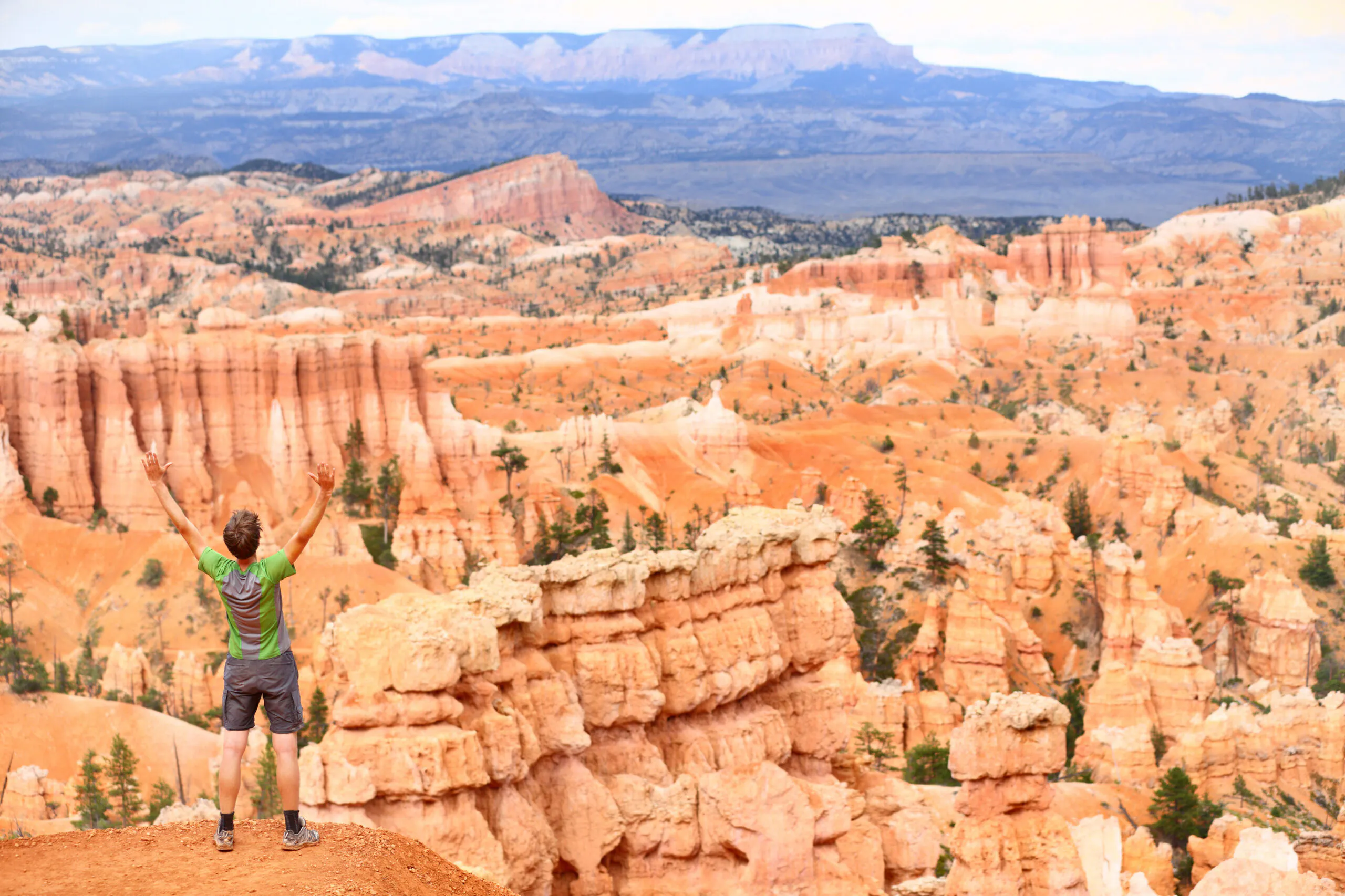
Bryce Canyon has more hoodoos than almost anywhere on Earth because its high elevation, sedimentary rock layers, and frequent freeze-thaw cycles create ideal conditions for hoodoo formation.
There are hoodoos in other parts of the world, but nowhere compares to the density found in Bryce Canyon National Park. Estimates suggest there are over 50,000 hoodoos within the park, making it the highest concentration on Earth!
The reason for this volume comes down to a unique combination of geology and climate.
Bryce Canyon sits atop the Paunsaugunt Plateau, composed largely of layers of sedimentary rock that were deposited millions of years ago in ancient lakes and floodplains. Over time, tectonic uplift raised the plateau thousands of feet, exposing it to the elements of the higher elevations (snow, rain, ice, wind…etc.).
This uplift opened the door for the key ingredient to take hold: freeze-thaw cycles.
Because Bryce sits at high elevation (up to 9,000 feet), temperatures frequently fluctuate above and below freezing. Water seeps into cracks during the day, freezes at night, and expands—gradually splitting the rock apart. Over thousands of years, this process breaks down solid rock into fins, then windows, and eventually isolated hoodoos.
It’s a slow-motion transformation, but one that is always happening, whether visible to the human eye or not.
The Science Behind Bryce Canyon Hoodoos
Bryce Canyon hoodoos form when weathering and erosion gradually transform sedimentary rock into fins, then windows and arches, and finally isolated rock spires. Frost wedging is one of the most important forces driving this process. To fully appreciate Bryce Canyon hoodoos, it helps to understand the step-by-step process that creates them.
1. Rock Layers and Composition
The geological layers that form Bryce Canyon consist of alternating layers of limestone, mudstone, and siltstone. Due to their varying levels of hardness or density, these rock layers erode at different rates, which is a key ingredient for hoodoo formation.
2. Jointing and Cracking
Natural fractures in the rock—officially called joints—create weak points where erosion can begin.
3. Frost Wedging
Water enters these cracks (or joints), freezes, and expands by about 9%. Over time, this repeated expansion widens the cracks and breaks apart the rock. This freeze-thaw process of erosion is called frost wedging.
4. Formation of Fins
As erosion progresses, large vertical slabs of rock called “fins” begin to form.
5. Windows and Arches
Holes develop within fins, eventually creating arches and windows, like those in Arches National Park.
6. Hoodoos
When arches collapse, they leave behind isolated spires—hoodoos.
This entire process can take tens of thousands to millions of years, and it’s still continuing today. Every winter storm, every freeze-thaw cycle contributes to the ongoing evolution of this extraordinary landscape.

Why Are Bryce Canyon Hoodoos Red, Orange & White?
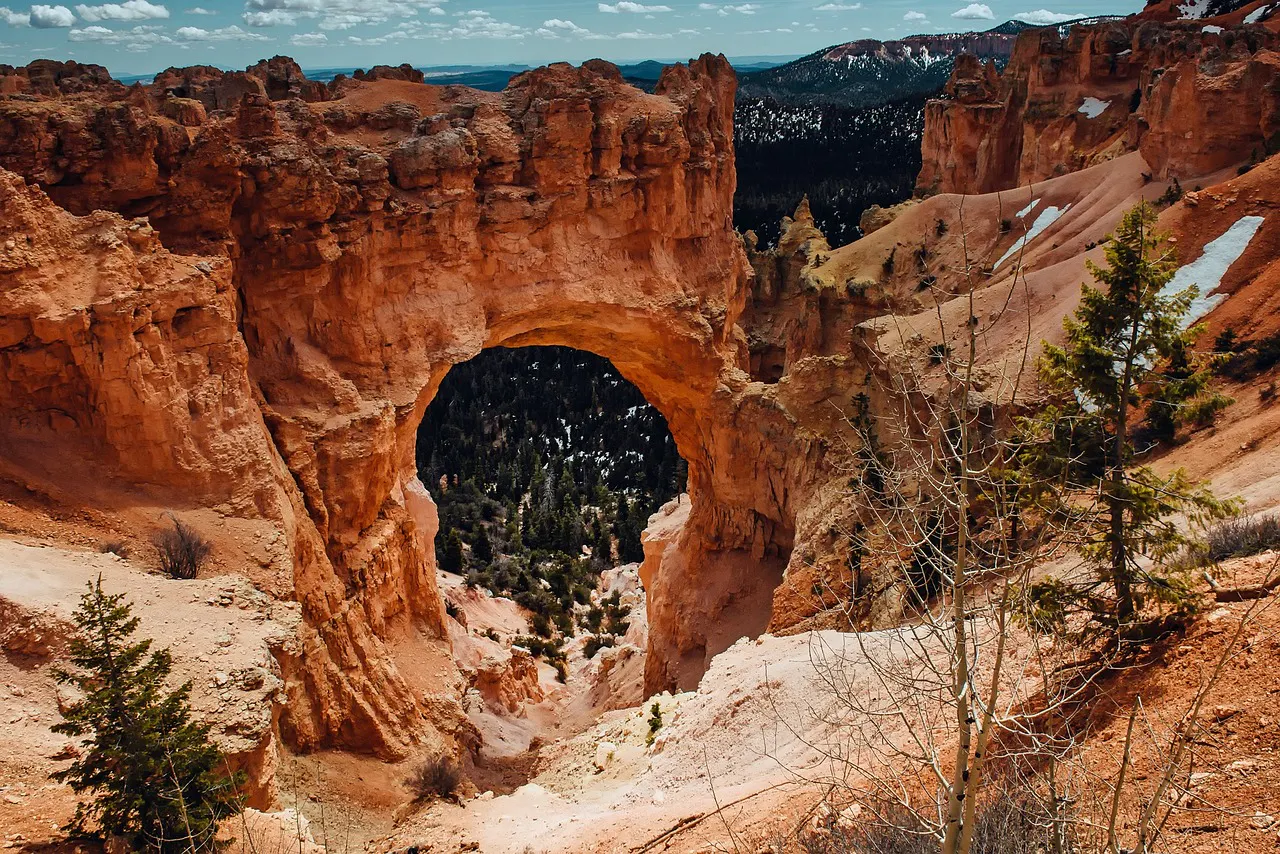
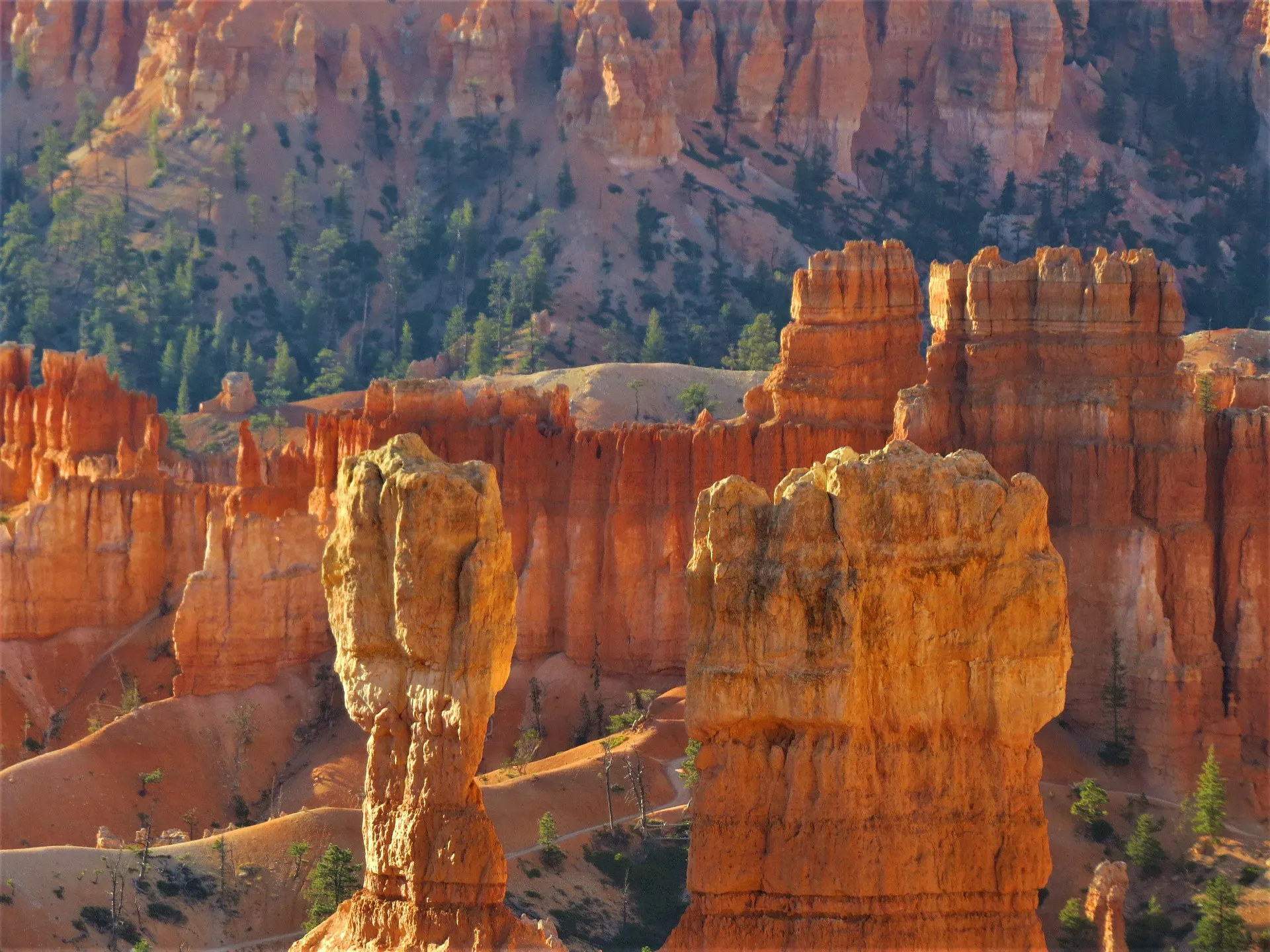
Bryce Canyon’s red, orange and yellow colors primarily come from iron oxides in the rock, while manganese contributes darker and purplish tones and limestone creates lighter white and cream colors. Their impressive color is one of the most captivating aspects of Bryce Canyon hoodoos.
The rocks range from deep reds and oranges to soft pinks and even whites. These colors come from mineral content:
- Iron oxides create reds, oranges, and yellows
- Manganese oxides add purples and darker tones
- Limestone contributes lighter, almost white hues
What makes the experience of exploring Bryce Canyon even more dynamic is how these colors shift and change throughout the day. At sunrise and in the late-day light, the hoodoos seem to glow from within, as low-angle sunlight intensifies their colors. Midday tends to have harsher light and deeper shadows, revealing different textures and details in the formations.
Bryce Amphitheater: The Heart of the Hoodoos
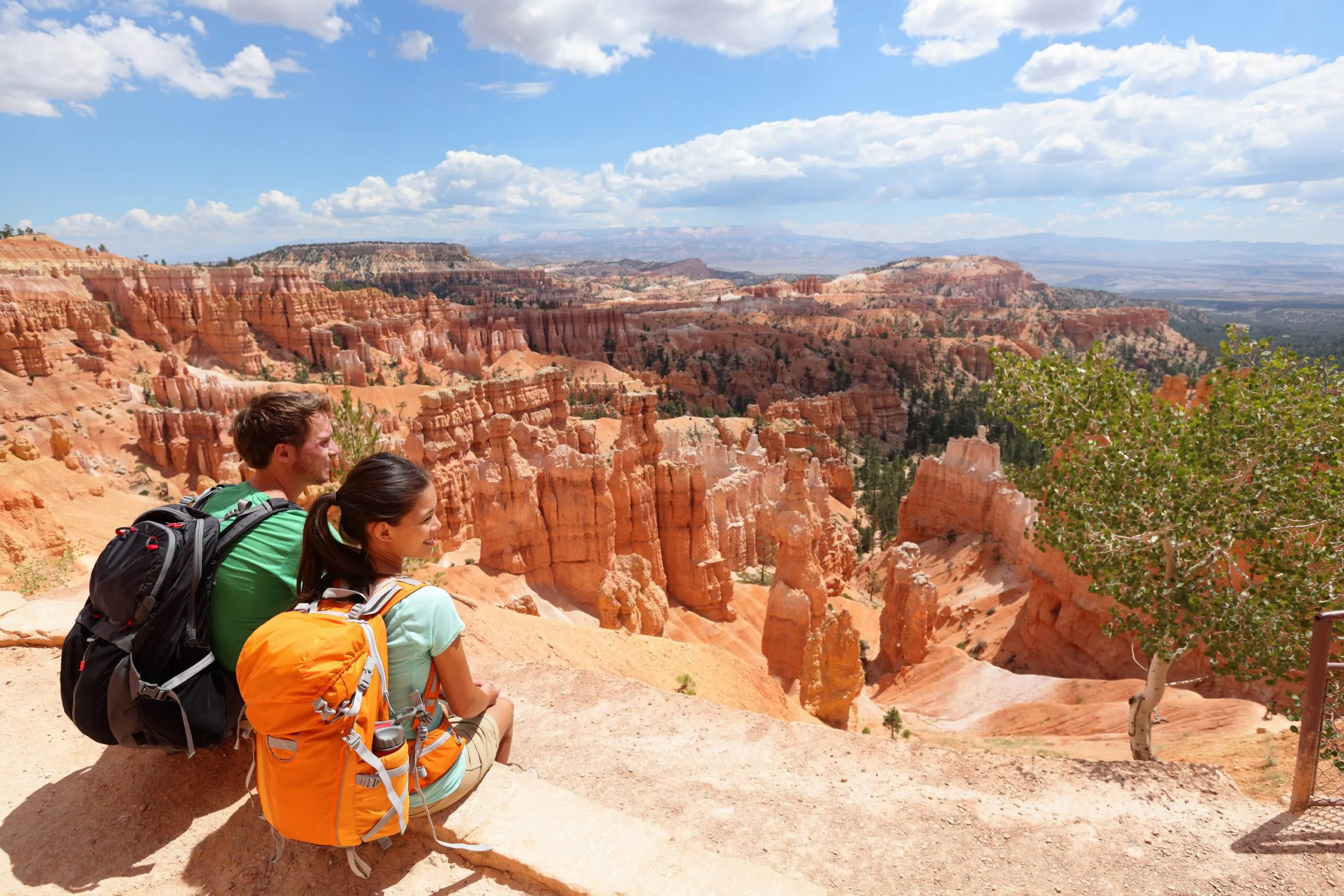
The most famous collection of Bryce Canyon hoodoos is found in the main amphitheater—the largest and densest concentration of hoodoos in the park. From viewpoints along the rim, you can see thousands of hoodoos rising in clustered formations, creating a dynamic, layered landscape that stretches for miles. It’s here that the scale of Bryce truly becomes apparent.
Although one of the busiest parts of the Park, Bryce Amphitheater is well worth the visit. It provides the most dramatic and most direct access to Bryce’s hoodoos. For a complete Bryce Canyon experience, we recommend combining time in Bryce Amphitheater with a quieter area of the park, such as the Fairyland Loop.
MT Sobek Expert Tip
But the real magic happens when you descend into the amphitheater.
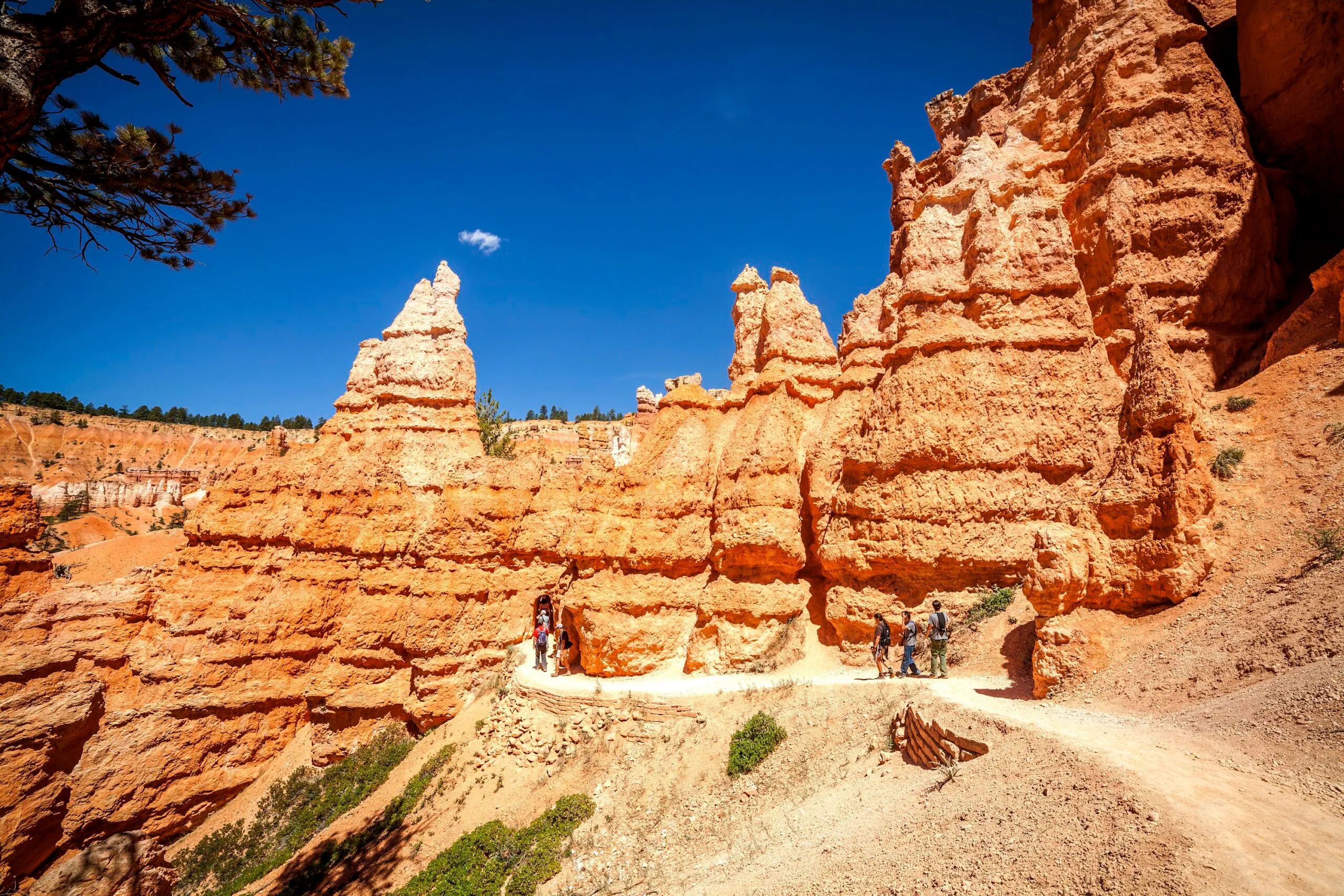
Walking among the hoodoos changes your perspective entirely. What looked like a uniform field from above is actually a labyrinth of towering rock, narrow corridors, and hidden passages.
The Most Impressive & Famous Individual Hoodoos in Bryce Canyon
While the true magic of Bryce Canyon National Park lies in the incredible volume of its unique rock formations, there are a handful of individual hoodoos that have earned legendary status based on their own merits. These peculiar and one-of-a-kind formations capture many people’s imagination because they seem to resemble familiar shapes—castles, people, monuments…etc. Below are some of our personal favorite hoodoos in Bryce.
Thor’s Hammer
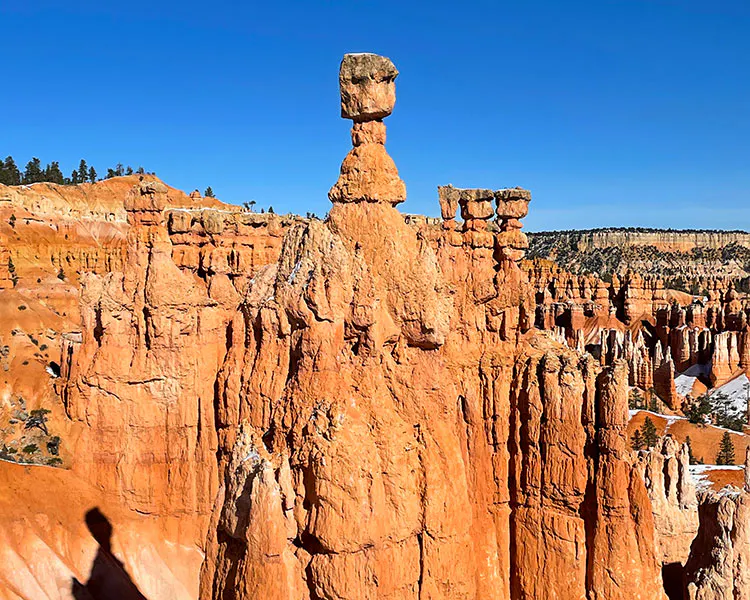
Thor’s Hammer is easily the most famous and photographed of all Bryce Canyon’s hoodoos. Located along the Navajo Loop Trail below Sunset Point, this massive formation features a thick, column-like base topped by a broad cap of harder rock. Its shape is so distinct that it looks almost engineered, like a giant stone mallet ready to splinter the canyon floor. The contrast between the narrow pedestal and the heavy top beautifully illustrates the process of differential erosion that creates hoodoos in the first place.
Queen Victoria
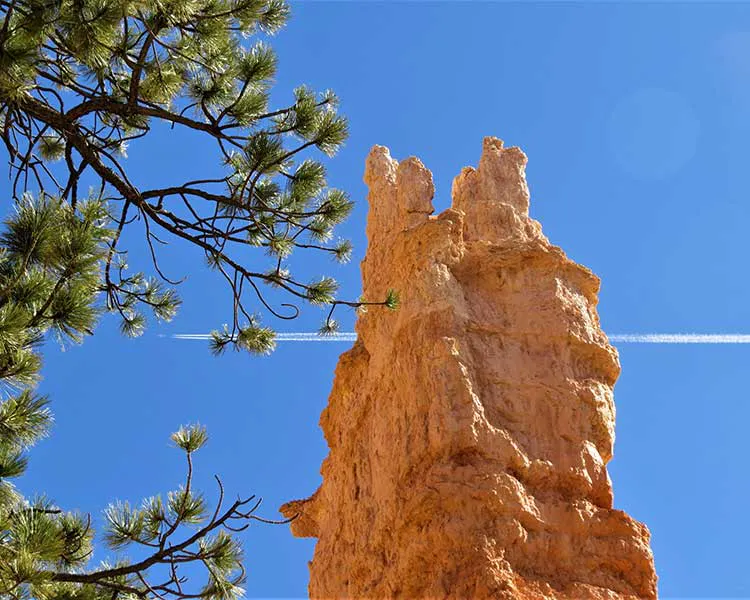
Another well-known formation is Queen Victoria, found along the Queen’s Garden Trail. This hoodoo is said to resemble the 19th century British monarch seated on a throne, and while the likeness requires a bit of creativity, it’s one of the most fantastical examples of how Bryce Canyon invites imagination and interpretation. The surrounding formations add to the illusion, creating what feels like a natural royal court hidden within the canyon.
Peekaboo Trail Hoodoos
Along the Peekaboo Loop Trail, you’ll encounter formations often referred to as the Cathedral or Wall of Windows, where clusters of hoodoos merge into towering, intricately carved facades. These aren’t single spires but rather groups of hoodoos fused together, creating the impression of gothic architecture with arches, alcoves, and vertical columns rising skyward.
Tower Bridge
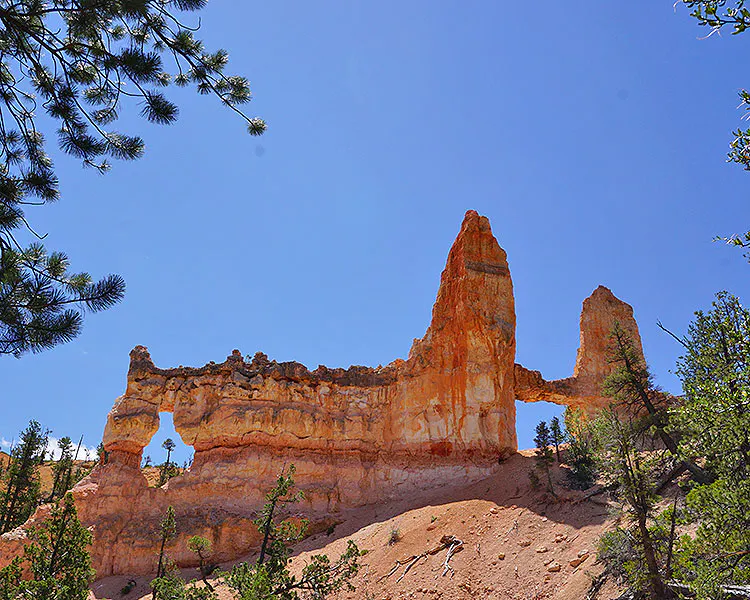
In the Fairyland area, formations like Tower Bridge stand out for their scale and symmetry. This massive structure resembles a natural suspension bridge, with thick rock pillars connected by a horizontal span. It’s one of the best examples of how hoodoos evolve from fins into more complex shapes before eventually eroding further.
What makes these famous hoodoos so compelling isn’t just their size or shape—it’s how they anchor your experience in a landscape that can otherwise feel abstract and infinite. They give you something to recognize, return to, and remember. Yet even these iconic formations are temporary. Over time, they too will crumble and change, reminding us that even the most famous Bryce Canyon hoodoos are part of an ever-evolving natural masterpiece.
The Best Ways to Experience Bryce Canyon Hoodoos
There are two primary ways to experience Bryce Canyon hoodoos: above, from the rim and up-close from within the amphitheaters.
From the Rim
The rim offers sweeping, panoramic views of the amphitheaters. It’s the best way to understand the scale, vertical relief and density of Bryce Canyon’s hoodoo-covered landscape.
Key viewpoints include:
- Sunrise Point
- Sunset Point
- Inspiration Point
- Bryce Point
These vantage points are easily accessible and ideal for photography, especially at sunrise and sunset. Viewing or photographing summer thunderstorms from these vantage points is also spectacular.
From the Trails
To truly connect with Bryce Canyon hoodoos, we recommend hiking down into them, walking among them, and losing yourself in their grandeur.
Top trails include:
- Navajo Loop
- Queen’s Garden
- Peekaboo Loop
- Fairyland Loop
These hikes allow you to walk among the formations, experiencing their size, texture, and intricate details up close.
Learn more: read about the 11 Best Hikes in Bryce Canyon.
Combining Navajo Loop and Queen’s Garden is a perfect way to experience the hoodoos, and extend your hike into a longer experience. We recommend starting at Sunrise Point, hiking down Queen’s Garden and ascending the Navajo Loop back to the rim at Sunset Point. This will leave you .5 mile from your starting point, which you can access via a paved trail.
MT SOBEK EXPERT TIP
The Spiritual & Cultural Meaning of Hoodoos
Long before Bryce Canyon became a national park, the hoodoos held deep cultural significance for Indigenous peoples, particularly the Paiute.
According to Paiute legend, the hoodoos are the “Legend People,” ancient beings who were turned to stone by the trickster Coyote as punishment for doing wrong. This interpretation adds another layer of mystique and timelessness to the landscape, transforming it from a geological wonder into a place of storytelling and contemplation.
When you walk among Bryce Canyon hoodoos, it’s easy to see why these formations inspired such narratives. Many appear almost human in form, suspended mid-motion, standing in silent rows across the canyon like ancient, giant people frozen in time.
Are Bryce Canyon Hoodoos Still Changing?
Yes. Bryce Canyon’s hoodoos are constantly changing as weathering and erosion continue to reshape the rock. One of the most fascinating aspects of Bryce Canyon hoodoos is that they are very temporary, and in a constant state of evolution.
Each hoodoo is a stage in an ongoing process of erosion. Eventually, every spire will collapse, replaced by new formations being shaped elsewhere in the park.
In geological terms, Bryce Canyon is relatively young, and still actively changing all the time.
This means that the landscape you see today won’t look exactly the same in the near-distant future. Visiting Bryce Canyon is witnessing a moment in an ever-evolving natural process.

Photography Tips for Bryce Canyon Hoodoos
If you’re hoping to capture the essence of Bryce Canyon hoodoos, timing and perspective are everything.
- Shoot at sunrise or sunset for the best light
- Use wide angles from the rim for scale
- Use tighter compositions within the canyon for detail
- Look for shadows to add depth and contrast
The interplay of light and rock is constantly changing, so patience often leads to the best results.
Conservation: Protecting the Hoodoos
Bryce Canyon hoodoos are fragile. While they may appear solid, they are constantly eroding and can be easily damaged.
Visitors are encouraged to:
- Stay on designated trails
- Avoid climbing on hoodoos
- Respect closures and signage
Protecting this landscape ensures that future generations can experience its incredible beauty.
Learn More:
Final Thoughts: More Than Just Rock Formations
Bryce Canyon hoodoos are more than geological features—they are a testament to time, climate, and the power of natural processes.
Standing among them, it’s easy to feel both small and deeply connected to the Earth’s history. Each spire tells a story measured not in years, but in millennia.
If you’re searching for Bryce Canyon hoodoos, you’re really searching for something deeper: a place where science, beauty, and mystery intersect.
And once you experience it for yourself, you’ll understand why Bryce Canyon remains one of the most unforgettable landscapes in the world.

Enjoying our content? Add MT Sobek as a Google Preferred Source.
FAQs
Many hikers consider the Navajo Loop and Queen’s Garden combination the best introduction to Bryce Canyon because it descends directly into the heart of the hoodoos while remaining accessible for a wide range of fitness levels.
Learn More: 11 Best Hikes in Bryce Canyon
While visitors can see impressive viewpoints in a few hours, spending one to two days allows time to experience Bryce Canyon both from the rim and from trails that descend into the amphitheater for a much deeper understanding of the landscape.
The two parks offer very different experiences. Bryce Canyon is known for its hoodoo-filled amphitheaters and moderate hiking trails, while Zion features towering canyon walls, river hikes, and more dramatic elevation changes. Many travelers choose to visit both on the same trip.
Learn More: 5 Things to Know About Hiking Utah’s Mighty 5
The Queen’s Garden and Navajo Loop combination is often recommended for first-time visitors because it showcases some of the park’s most famous hoodoos, including Thor’s Hammer, while offering an immersive canyon experience.
Spring and fall typically provide pleasant temperatures, fewer crowds than peak summer periods, and excellent hiking conditions. Winter can also be spectacular when snow contrasts against the colorful hoodoos.
Learn More: The Best US Adventure Destinations by Season
Learn More About Adventure Travel in Utah


