The 9 Best Arches National Park Day Hikes: A Complete Guide
Everything You Need to Know About Arches National Park's Best Day Hikes
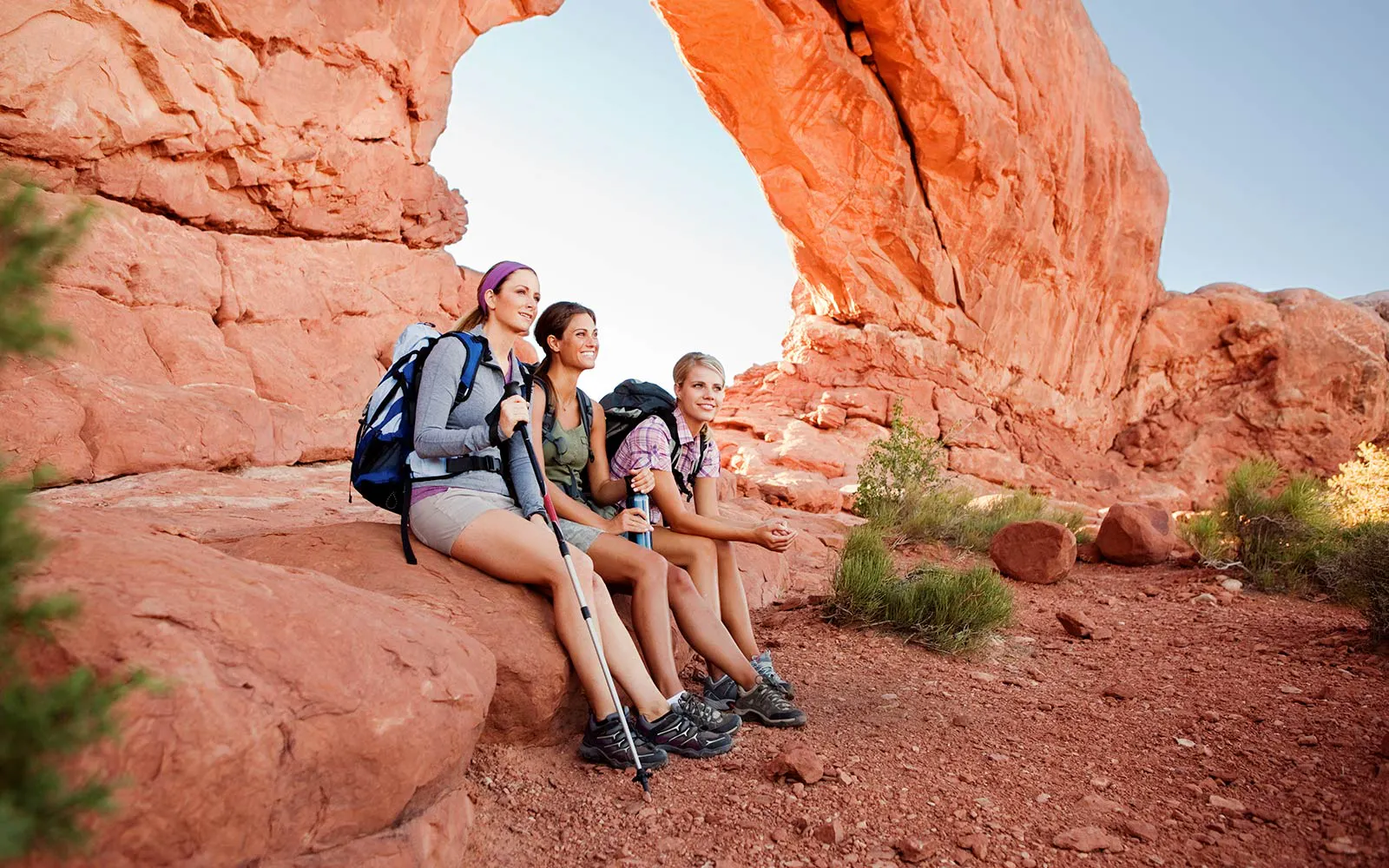
Very few places on Earth deliver the same profound and instant sense of wonder as Arches National Park. Rising from the high desert outside Moab, Utah, this spectacular landscape is home to more than 2,000 natural stone arches, along with towering fins, balanced rocks, and sculpted sandstone formations shaped over millions of years. For hikers, Arches offers something rare: trails that are both accessible and visually stunning, where even short walks lead to world-class views and geological features.
At MT Sobek, we have been leading award-winning hiking adventures in Utah and beyond since 1969. Offering trips in 64 countries and dozens of national parks, we know what makes a fantastic hiking destination, and how to identify the best trails. On top of that, I have personally been guiding hiking, rafting and other outdoor adventures across the American Southwest for more than 20 years. Arches is one of my favorite places—not for epic, challenging hikes but rather for its amazing rock formations, and the geological story they tell.
Produced by myself and our expert travel team, we designed this guide to Arches National Park hikes to inspire and inform you, providing all the information you need to make the most of your trip to Arches. Whether you’re planning a sunrise hike to Delicate Arch, a longer adventure through the Devils Garden, or a family-friendly stroll through the Windows, you’ll find detailed route information, difficulty insights, and expert tips to help you maximize your time in this remarkable Utah national park.
Important Takeaways
- Arches offers hikes for many ability levels, from short, accessible walks to Double Arch, the Windows, and Landscape Arch to the strenuous 7.2-mile Devils Garden Primitive Loop.
- Delicate Arch is the park’s most iconic hike, covering 3.2 miles round trip with approximately 480 feet of elevation gain across exposed slickrock. It’s especially good at sunrise and sunset.
- Pack plenty of water, sun protection, and sturdy hiking shoes with good traction for exposed desert terrain and slickrock.
- Start at 6:00 am or earlier to avoid peak heat and crowds, especially on popular hikes such as Delicate Arch, Devils Garden, and the Windows.
- Bring a headlamp for sunrise or sunset hikes, plus a map or GPS for longer routes with navigation challenges.
- Stay on designated trails to protect fragile desert soils, and consider an expert-guided tour for remote or more technical hikes.
How Arches Form
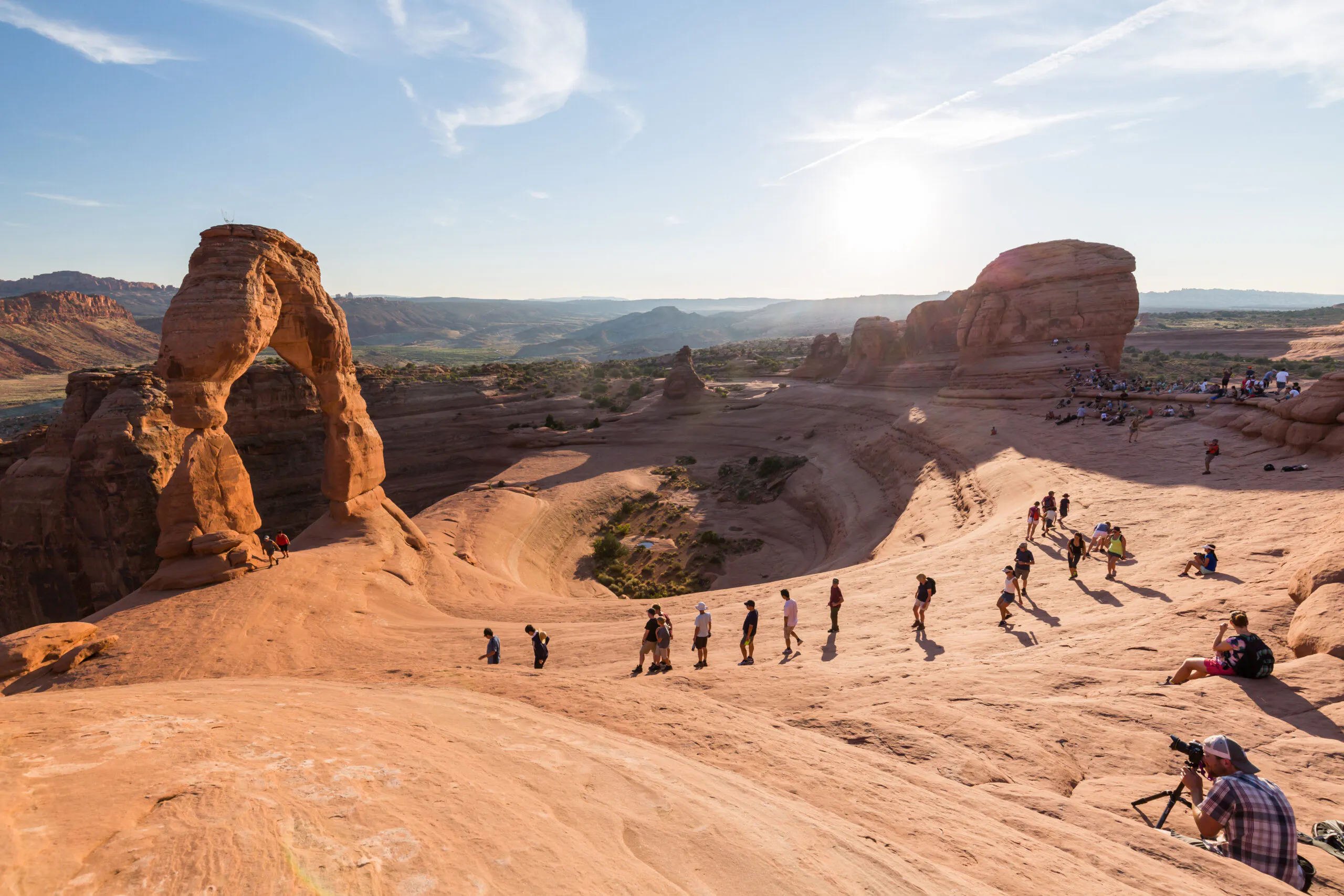
First, let’s talk about the signature feature of Arches National Park—its stunning volume of natural stone bridges—and how they form. Arches form through an extended process of erosion that begins with the area’s unique geological composition. Much of Arches National Park is comprised of Entrada Sandstone situated above a massive underground salt deposit. Over millions of years, movement and collapse within the salt layer fractured the sandstone above into long, narrow walls called fins. Water seeps into cracks in these fins, freezes and expands, while rain, wind, and temperature fluctuations steadily carve away weaker rock. Small holes in the fins eventually develop into larger windows and, in some cases, they become the freestanding natural arches that define the park.
How do arches relate to nearby Bryce Canyon’s famous hoodoos? Arches and hoodoos are products of several of the same erosional forces, but there are key distinctions about they each form. An arch develops when erosion creates an opening through a rock fin while leaving a bridge of harder sandstone above; a hoodoo is an isolated pillar or spire left standing as softer surrounding rock erodes away.
Quick Comparison Table: Best Arches National Park Hikes
| Hike | Distance | Elevation Gain | Difficulty | Trailhead | Highlights |
|---|---|---|---|---|---|
| Delicate Arch | 3.2 miles | 480 ft | Moderate | Wolfe Ranch | Utah’s most iconic arch |
| Devils Garden (Full Loop) | 7.2 miles | ~1,000 ft | Strenuous | Devils Garden | Multiple arches, primitive trail |
| Landscape Arch | 1.9 miles | 150 ft | Easy | Devils Garden | Longest arch in North America |
| Double Arch | 0.6 miles | Minimal | Easy | Windows Section | Massive twin arches |
| Windows Loop | 1.0 miles | Minimal | Easy | Windows Section | Multiple arches, sunset views |
| Park Avenue | 2.0 miles | 300 ft | Moderate | Park Avenue Trailhead | Towering canyon walls |
| Sand Dune Arch | 0.4 miles | Minimal | Easy | Sand Dune Arch | Hidden slot-like arch |
| Skyline Arch | 0.4 miles | Minimal | Easy | Skyline Arch | Quick roadside arch |
| Broken Arch | 2.0 miles | 300 ft | Moderate | Sand Dune Arch | Scenic loop, fewer crowds |
Hike Descriptions
Delicate Arch
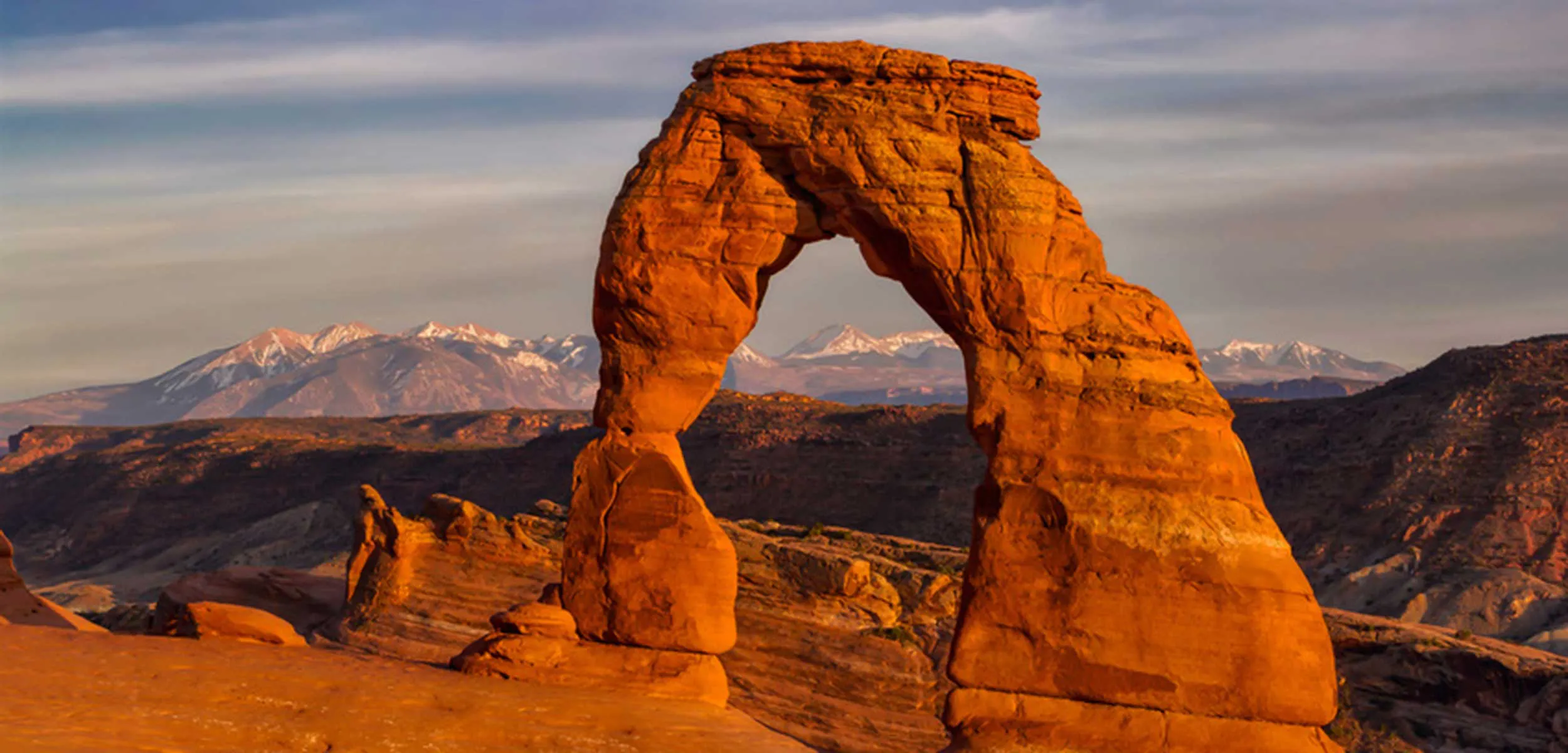
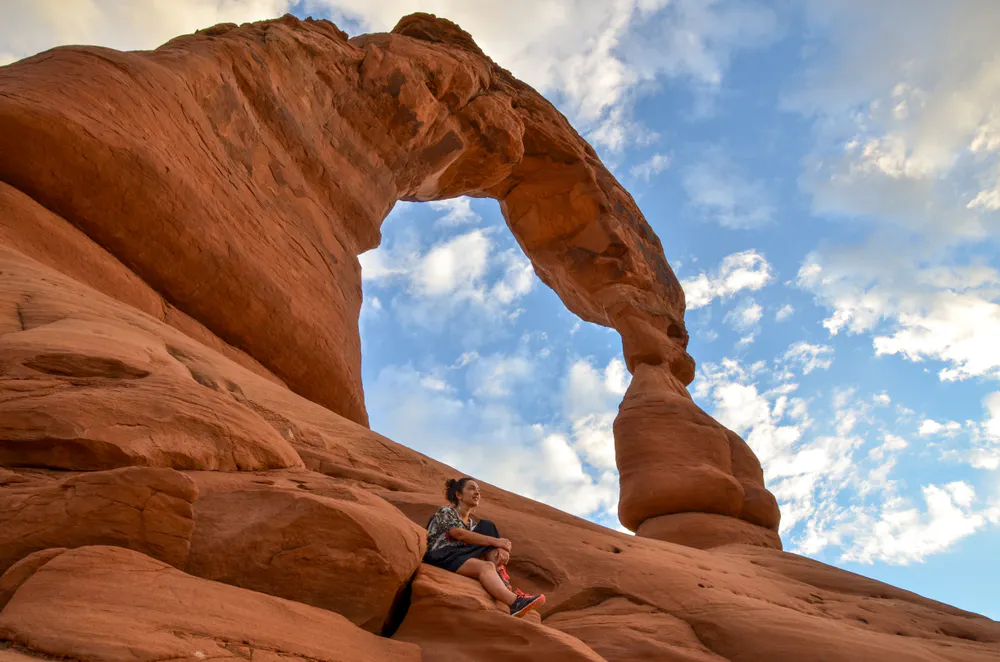
No list of Arches National Park hikes is complete without the iconic and spectacular Delicate Arch. This freestanding sandstone arch has become a symbol of Utah itself, and seeing it in person—especially at sunrise or sunset—is unforgettable. The trail is short but demanding, climbing steadily over exposed slickrock with little shade. Expect a steady uphill grade early on, followed by a long traverse across sloping slickrock that requires attention to footing, especially in wet or icy conditions.
- Distance: 3.2 miles round trip
- Elevation: ~480 feet gain
- Difficulty: Moderate (heat and exposure increase challenge)
- Trailhead: Wolfe Ranch
- Route Notes: The trail is partially a dirt path and open slickrock. Cairns mark the route across the rock slabs.
- Pro Tips: Start early to avoid heat and crowds; bring more water than you think you need; wear shoes with good grip for slickrock sections. Bring a headlamp if planning a sunset or sunrise hike.
Devils Garden Primitive Loop
The Devils Garden area provides the crown jewel of longer hikes in Arches. While many visitors walk to Landscape Arch and turn around, the full primitive loop offers a far more adventurous and immersive experience, weaving through narrow fins, scrambling over rock, and connecting a series of stunning arches. This trail introduces light route-finding, narrow ledges, and short sections where hands are required for balance, making it the most technical hike in the park.
- Distance: 7.2 miles round trip
- Elevation: ~1,000 feet gain
- Difficulty: Strenuous
- Trailhead: Devils Garden Campground
- Route Notes: Beyond Landscape Arch, the trail becomes primitive with route-finding opportunities, steep drop-offs, and light scrambling. Key highlights include Double O Arc and Dark Angel.
- Pro Tips: Only attempt the full loop if comfortable with exposure and navigation; carry a map or GPS; avoid midday heat; consider hiking with a guide.
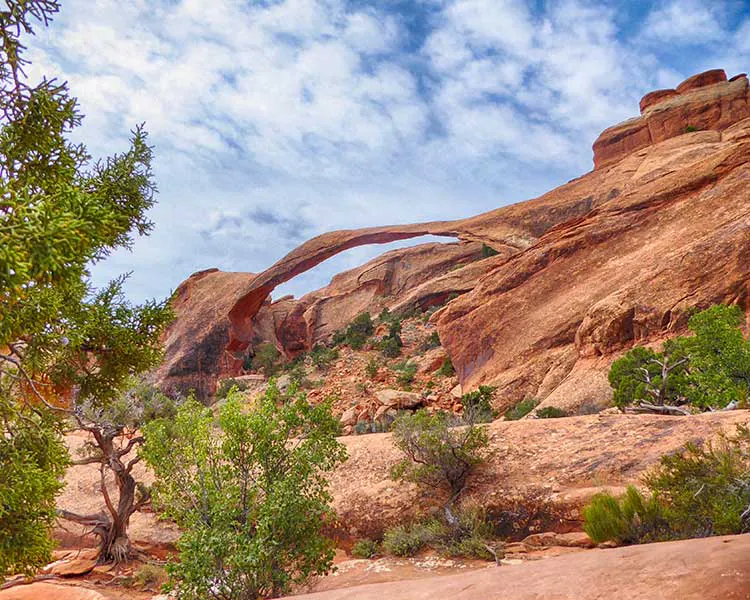
Landscape Arch
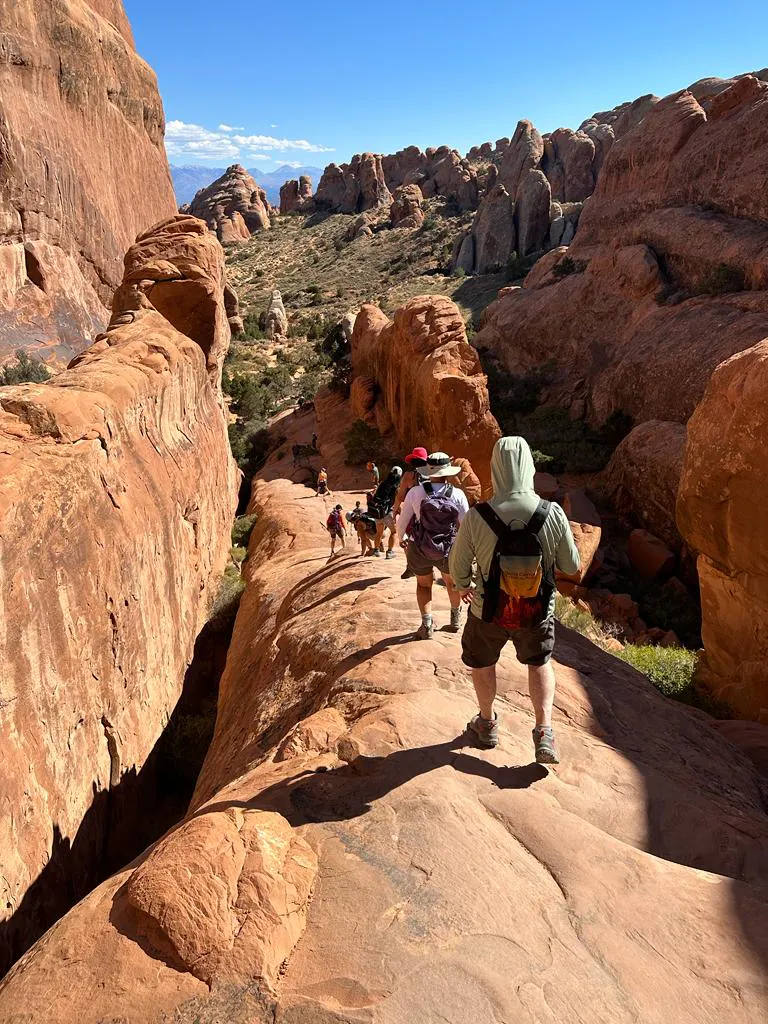
One of the easiest and most awe-inspiring hikes in the park, Landscape Arch stretches an astonishing 290 feet, making it one of the longest natural arches in the world. The approach is gentle and well-defined, a perfect option for families or those new to hiking at elevation. Despite its ease, the scale of the arch creates a powerful experience.
- Distance: 1.9 miles round trip,
- Elevation: ~150 feet gain
- Difficulty: Easy
- Trailhead: Devils Garden
- Route Notes: Wide, well-maintained trail with minimal elevation gain. Extensions to Tunnel Arch and Pine Tree Arch are short and worthwhile.
- Pro Tips: Go early to beat crowds; combine with Devils Garden for a longer hike; stay on trail to protect fragile desert soils.
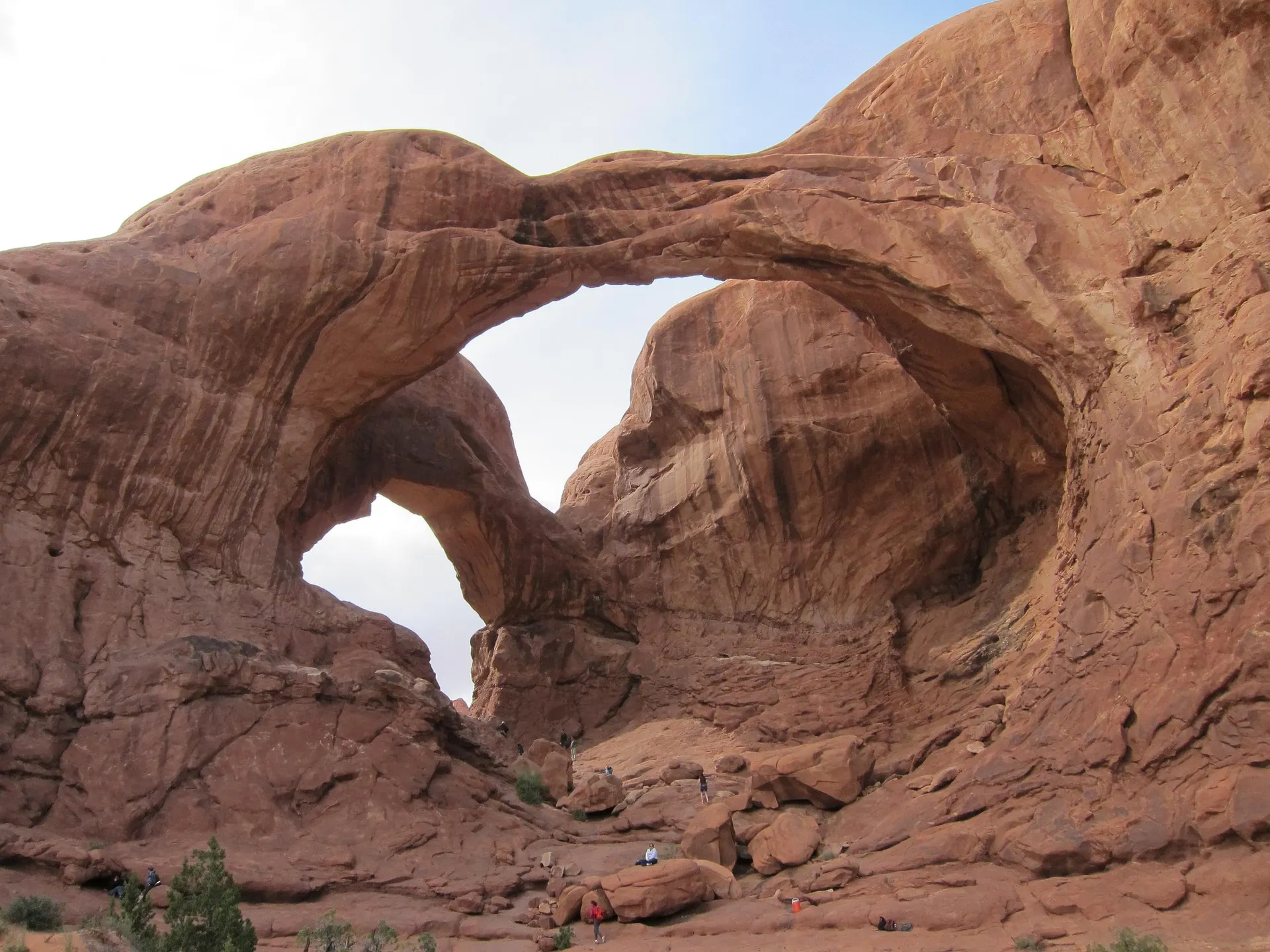
Double Arch
Double Arch is one of the most visually dramatic formations in Arches, with two massive spans sharing a common end. The short approach makes it accessible to nearly everyone, but the scale feels monumental. Once at the base, hikers can explore the surrounding rock, climb around for different perspectives, and fully appreciate the immense size and unique nature of this formation.
- Distance: 0.6 miles round trip
- Elevation: Minimal gain
- Difficulty: Easy
- Trailhead: Windows Section
- Route Notes: Short, sandy path leading directly to the base of the arches. Some light scrambling possible for better views.
- Pro Tips: Visit at sunrise or sunset for the best light; explore the base area for unique perspectives; great for families.
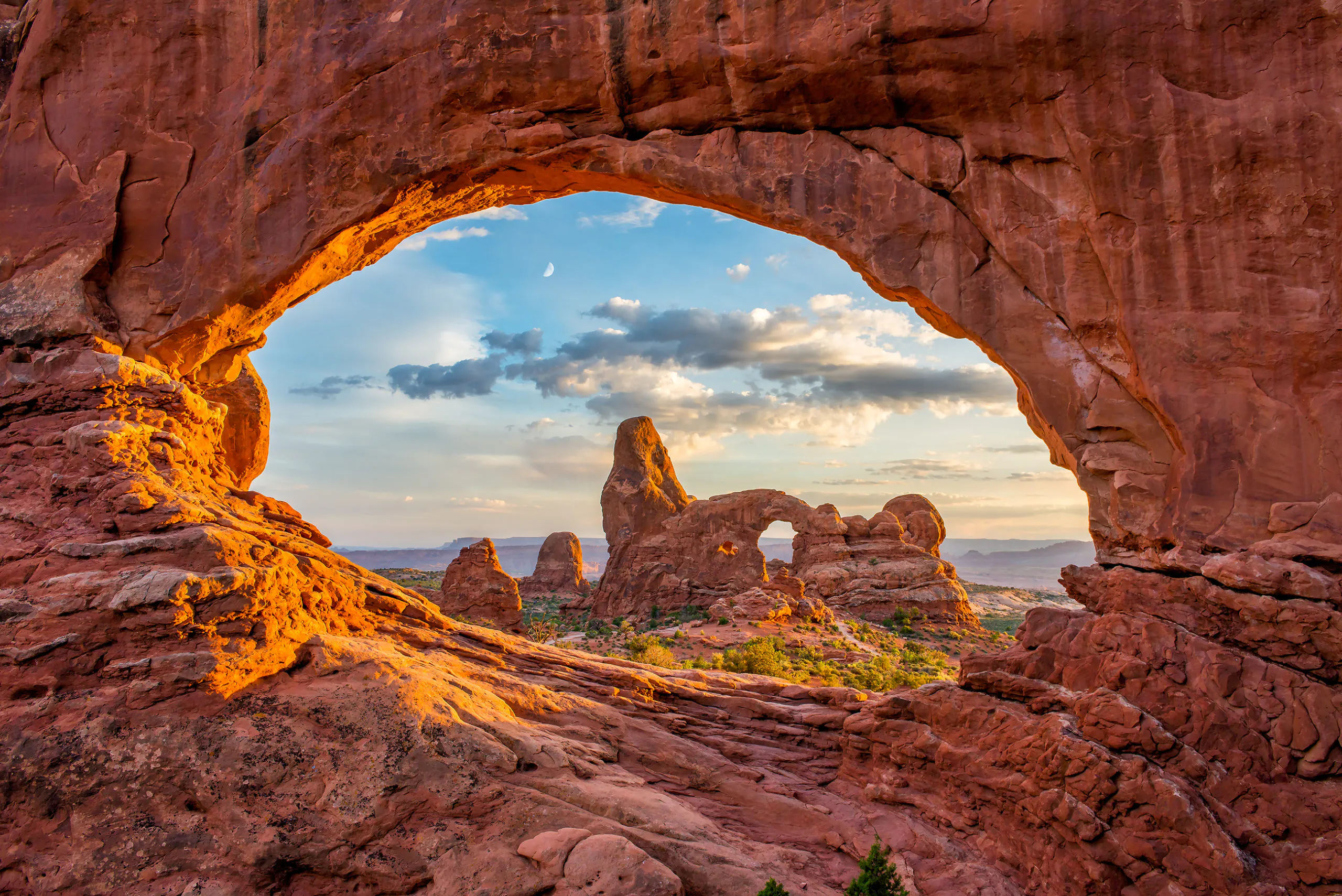
Windows Loop (North & South Windows + Turret Arch)
The Windows area is one of the most concentrated collections of arches in the park. The short Windows Loop connects several iconic formations and is especially magical at sunset, when the sandstone glows deep orange. The terrain is mostly flat with short climbs to viewpoints, making it one of the most accessible and rewarding hikes in Arches.
- Distance: 1.0 mile loop
- Elevation: Minimal gain
- Difficulty: Easy
- Trailhead: Windows Section
- Route Notes: Well-marked trail connecting North Window, South Window, and Turret Arch, with optional short spurs.
- Pro Tips: Sunset here is spectacular; bring a headlamp if staying late; combine with Double Arch nearby.
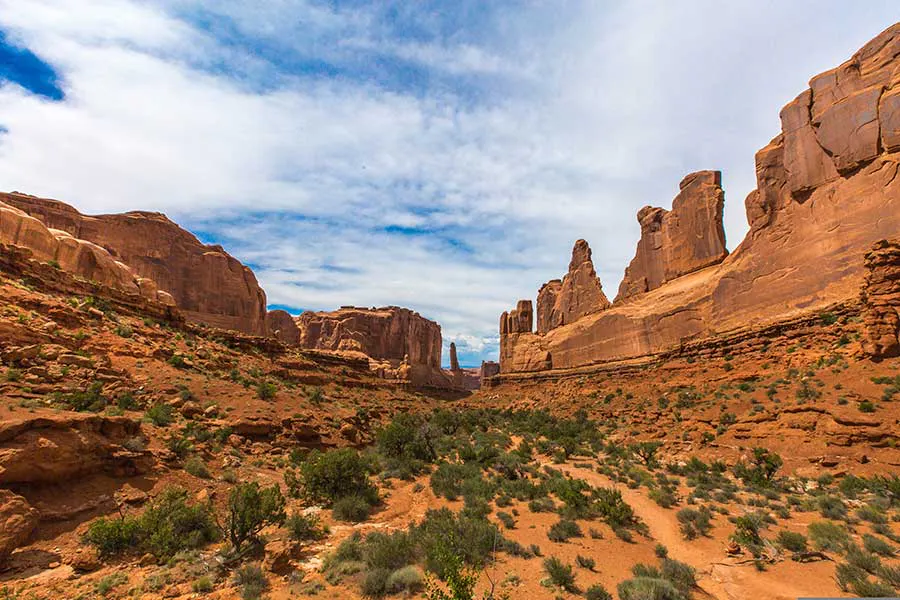
Park Avenue
Park Avenue offers a completely different perspective of Arches, trading the namesake spans for towering walls of sandstone that resemble a city skyline. The trail descends into a canyon-like corridor flanked by massive rock formations, creating a sense of scale that is difficult to capture in photos. The return climb can feel more strenuous, especially in the heat.
- Distance: 2.0 miles round trip (or shuttle)
- Elevation: ~300 feet gain
- Difficulty: Moderate
- Trailhead: Park Avenue Trailhead
- Route Notes: Steep descent at the start; many hikers do this as a one-way hike with a shuttle.
- Pro Tips: Best light is in the early morning or late afternoon; watch footing on descent; great introduction to the park’s geology.
Sand Dune Arch
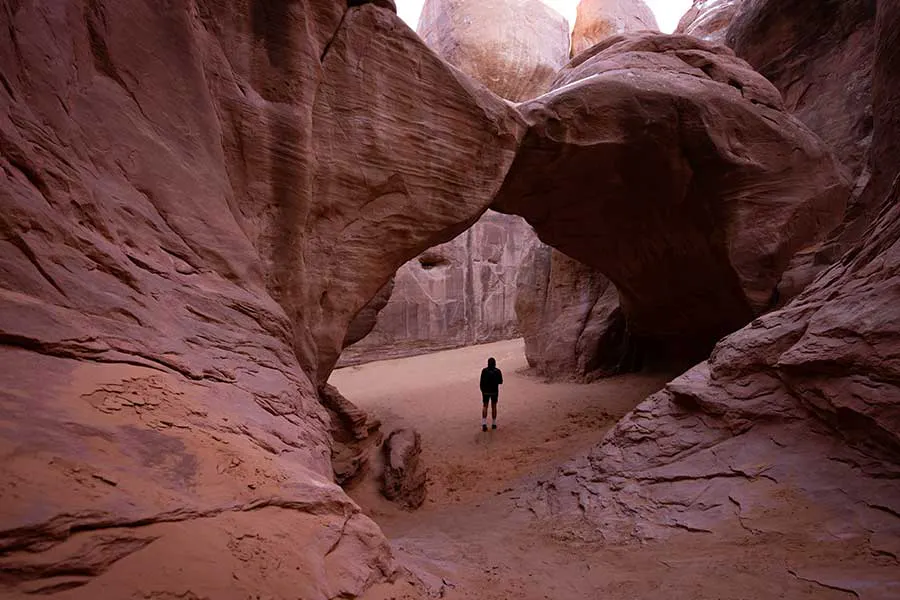
Tucked between giant rock fins, Sand Dune Arch feels like a hidden oasis. Soft sand and shaded walls make it a refreshing break from the exposed desert environment. The microclimate here is noticeably cooler, and the enclosed space creates a more intimate hiking experience compared to the wide-open vistas elsewhere in the park.
- Distance: 0.4 miles round trip
- Elevation: Minimal gain
- Difficulty: Easy
- Trailhead: Sand Dune Arch Parking
- Route Notes: Short sandy trail through narrow fins; cooler than most hikes in summer.
- Pro Tips: Ideal midday hike in hot weather; great for kids; bring sandals or expect sandy shoes.
Skyline Arch
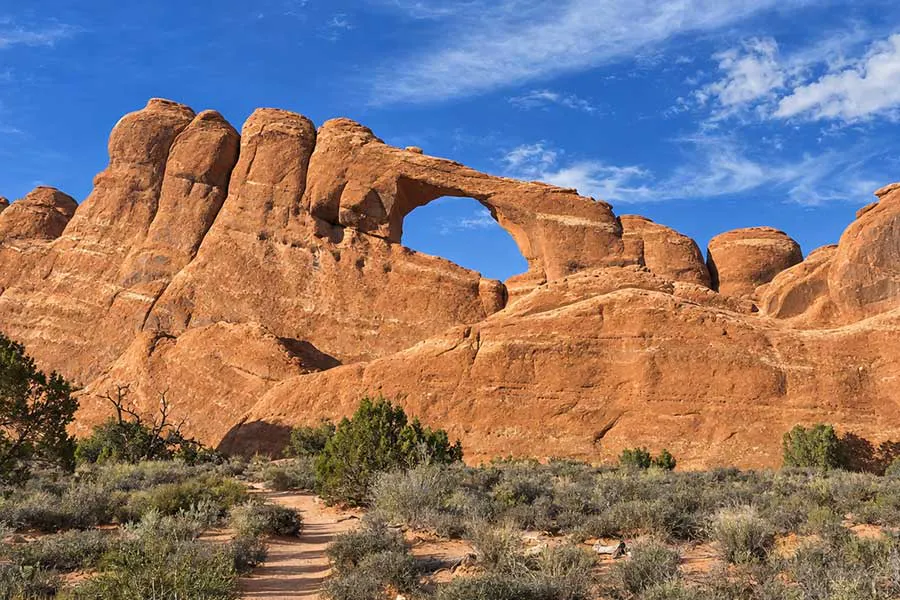
Skyline Arch is one of the easiest arches to hike to. It is visible from the road with a very short walk to the base of the arch. Its shape today is the result of a massive chunk of the wall shearing off in 1940, which significantly enlarged the opening of the arch. This dramatic event provides a reminder of how dynamic these geological processes are—intermittently and unpredictably changing and shifting in small and large ways.
- Distance: 0.4 miles round trip
- Elevation: Minimal gain
- Difficulty: Easy
- Trailhead: Skyline Arch Pullout
- Route Notes: Flat gravel path; excellent quick stop between longer hikes.
- Pro Tips: Pair with Devils Garden; great for a quick photo stop; minimal time commitment
Broken Arch Loop
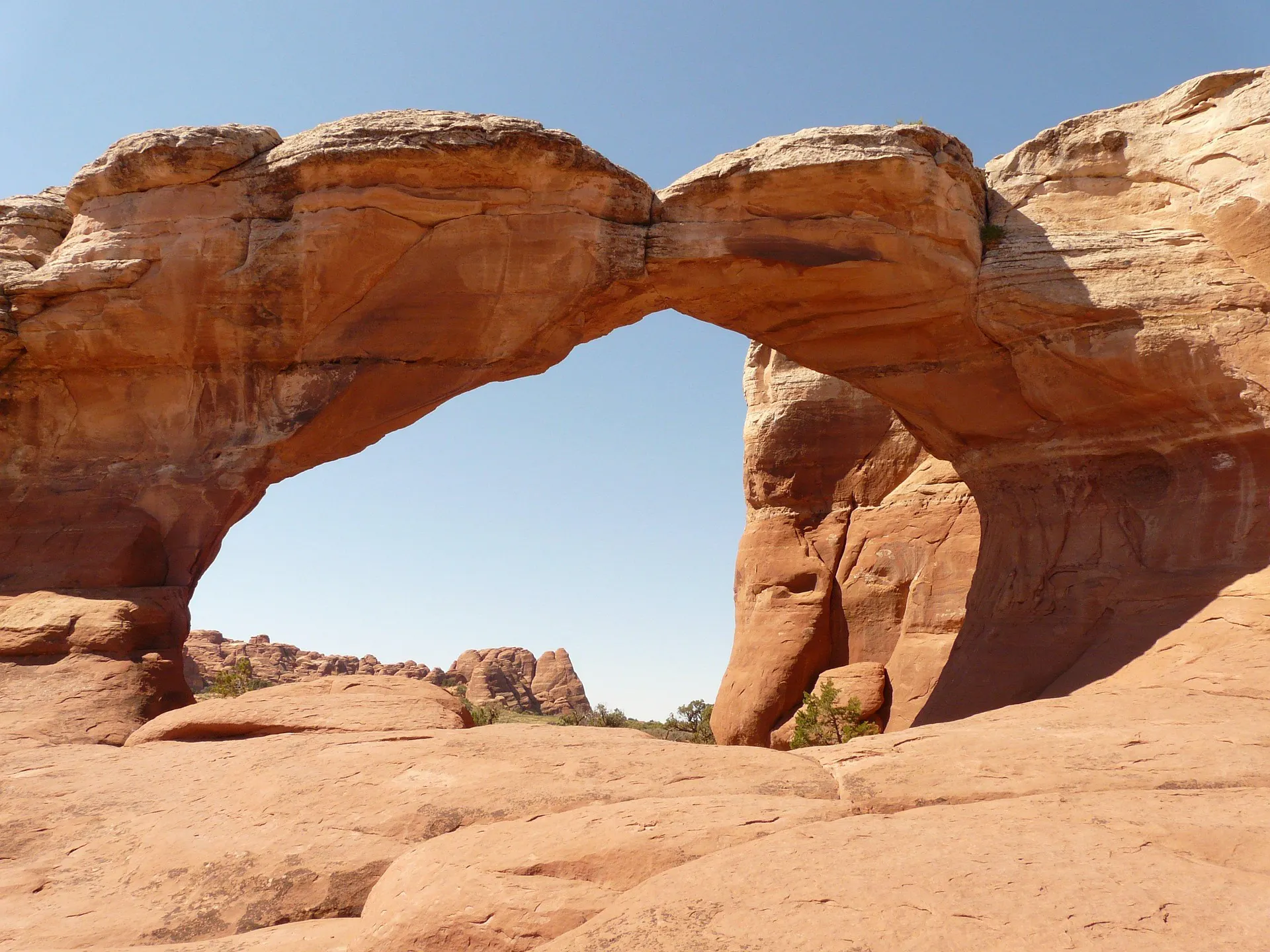
The hike to Broken Arch offers a quieter, more peaceful experience compared to many of Arches’ marquee trails. Despite its name, the arch is intact and beautifully framed by open desert and arid grasslands. The loop passes through a combination of sandy and slickrock sections, providing a balanced and captivating hike without any technical difficulty.
- Distance: 2.0 miles loop
- Elevation: ~300 feet gain
- Difficulty: Moderate
- Trailhead: Sand Dune Arch or Devils Garden Campground
- Route Notes: Loop trail through open terrain with sections of slickrock and sand.
- Pro Tips: Fewer crowds than other areas; great for sunrise; watch for wildlife and wildflowers in spring.

The Ultimate Six-day Canyonlands and Arches Hiking Tour
MT Sobek’s Arches and Canyonlands hiking tour offers guests a stunning introduction to the majesty of the Moab region. Each park has its own unique beauty, and both are aptly—and poetically—named. Arches is home to more than 2,000 natural sandstone arches—the densest concentration of arches in the world. Canyonlands is a labyrinth of stone corridors and canyons surrounding the Colorado River. On this itinerary, explore the best of both these exciting worlds from a luxury base in Moab. Daily hikes take you to breathtaking viewpoints, towering sandstone arches, and panels covered with ancient Native American rock art.
Day 1: Meet in Grand Junction, Scenic Drive to Moab & Hike to Fisher Tower
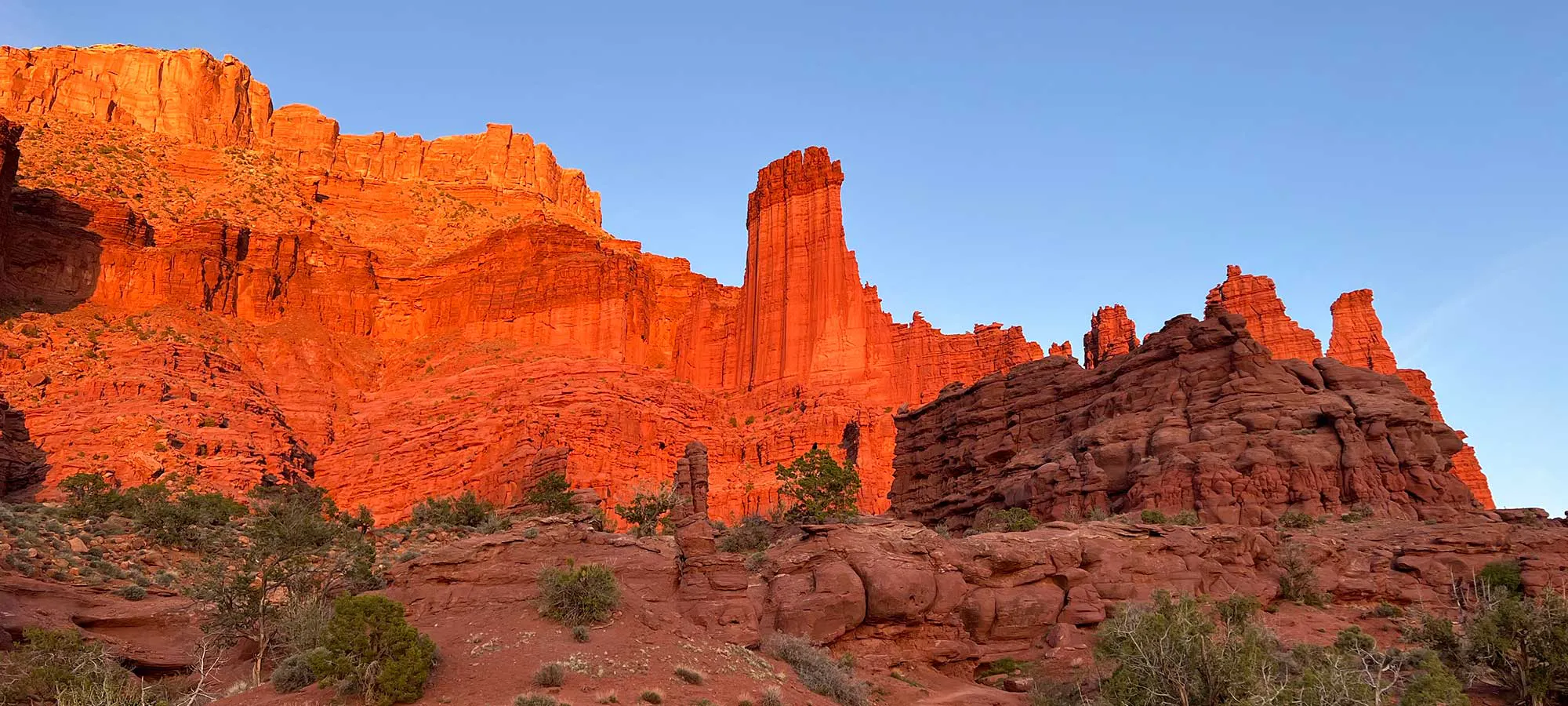
After picking you up at the Grand Junction Airport and making introductions, follow the Colorado River to the Fisher Tower trailhead. The first hike takes you past hoodoos, fins, and iconic southwestern spires on a spellbinding introduction to Utah’s celebrated sandstone formations. After the hike, continue to Moab and get settled in your accommodations. Then meet for a short drive to Arches National Park, where you’ll enjoy a guide-prepared sunset dinner.
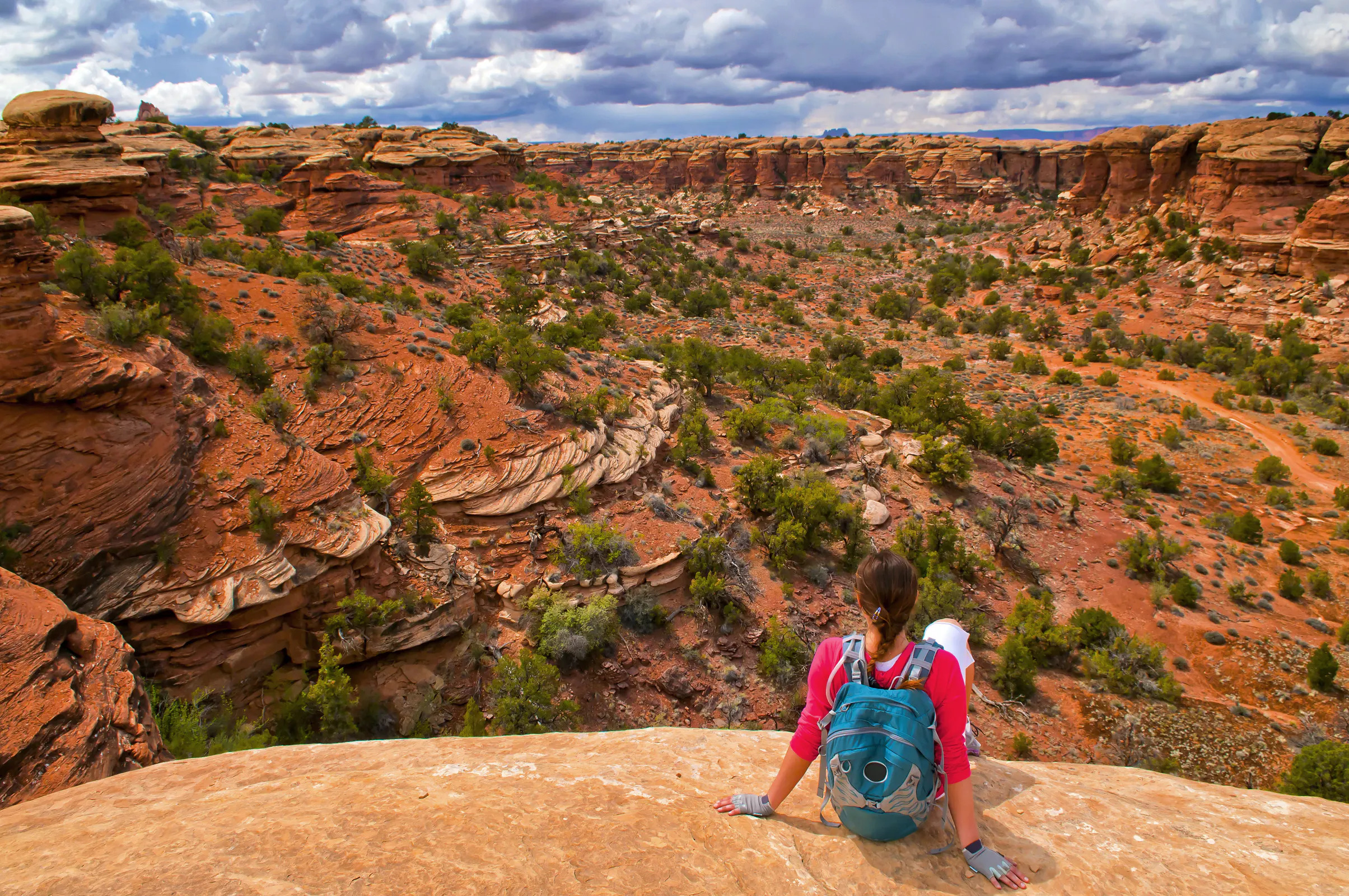
Day 2: Get an Introduction to Canyonlands National Park
Today’s hike is in Canyonlands National Park. The trail takes you to awe-inspiring views across the Colorado River Canyon to the soaring sandstone pinnacles and spires of the White Rim. Then, return to the lodge and enjoy a delicious dinner together.
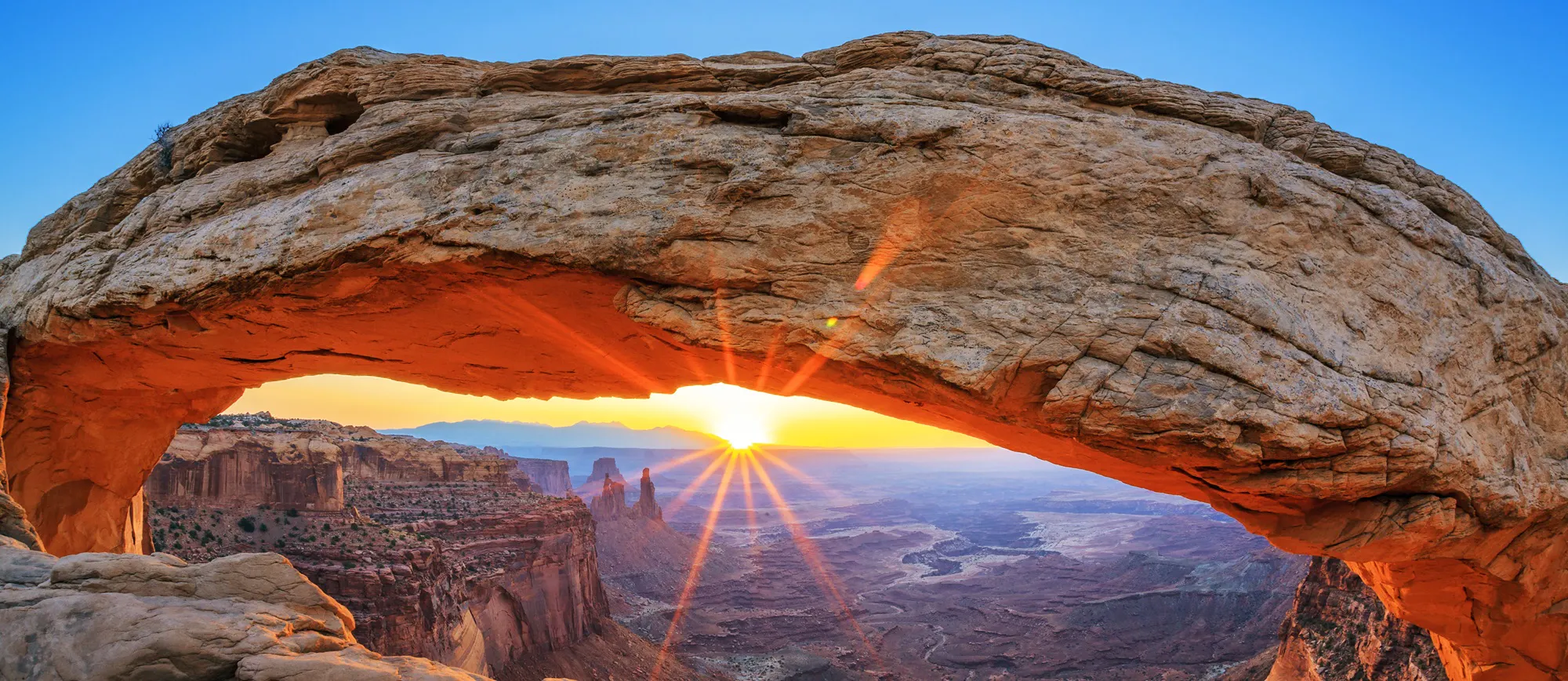
Day 3: Hike the Best of Arches National Park
Arches National Park is your sole focus today. Start with a hike to the iconic Delicate Arch, perched above a colorful sandstone basin. Next, hike the Devils Garden Trail past Landscape Arch, the longest in the park, stretching to more than 300 feet! The Double Arch and Windows Trail round out an amazing day of exploring Arches.
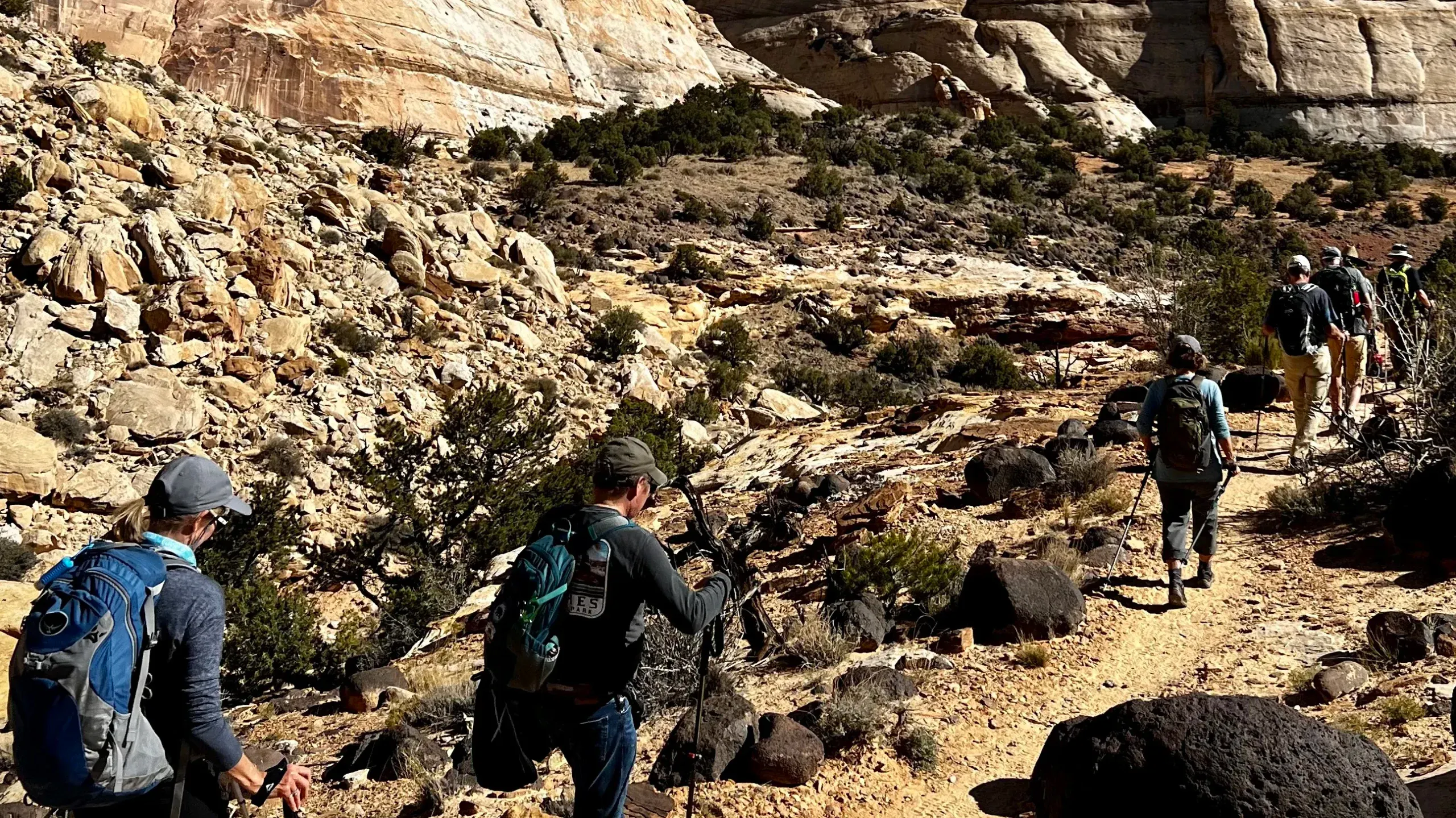
Day 4: Enjoy Desert Solitude at the Klondike Bluffs in Arches
Returning to Arches National Park today, travel along a dirt road through the Salt Valley to the remote Klondike Bluffs region. The planned hike is to Tower Arch via a series of steep climbs over varying terrain. Walk between colossal cliffs soaring into the blue sky above. After this remote hike, return to Moab to clean up, and then gather for a dinner at one of our favorite restaurants.

Day 5: Explore the Needles District of Canyonlands
Today, set out to a new part of Canyonlands National Park: the stunning Needles district. En route to the trailhead, stop to appreciate several panels of ancient pictographs and petroglyphs at Newspaper Rock State Historic Monument—some dating back 2,000 years. The hike takes you to unforgettable vistas of the entire region, including an astonishing diversity of sandstone spires shooting up from the canyon landscapes. After the hike, celebrate your week’s adventure with one final dinner together.
Day 6: Hike Grandstaff Canyon Trail & Return to Grand Junction
Today you’ll return to Grand Junction, Colorado, but not before one final hike. Your final exploration is a hike on the Grandstaff Canyon Trail to see Morning Glory Natural Bridge, the sixth longest natural rock span in the US. After the hike and a picnic lunch, we drop you off at the airport.
Why Explore Utah with MT Sobek?
Exploring Utah with MT Sobek means hiking some of the state’s most spectacular landscapes with a company that has been pioneering adventure travel since 1969. From the narrow slot canyons of Zion to the geological wonders of Capitol Reef, MT Sobek designs journeys that combine iconic destinations with lesser-known trails. With expert guides, small groups, and thoughtfully crafted itineraries, travelers can focus on the experience of the hike while the logistics are handled seamlessly.
Why hike Utah with MT Sobek:
- Decades of expertise: A pioneer in adventure travel since 1969 with a long legacy of leading exceptional hiking and rafting journeys across Utah, the United States and the world.
- Expert guides: Knowledgeable leaders share insights into local ecology, geology, wildlife, and cultural history, and ensure a commitment to safety and enjoyment throughout the journey.
- Carefully designed itineraries: A balance of iconic trails and hidden gems for a deeper experience of each destination. MT Sobek’s hiking adventures immerse travelers in the natural beauty and cultural heritage of Utah.
- Seamless travel logistics: Permits, transportation, and accommodations are expertly arranged so you can focus on the adventure.
- Comfort and immersion: Rewarding hikes paired with cozy lodging and memorable meals create an enjoyable and relaxing experience.

Enjoying our content? Add MT Sobek as a Google Preferred Source.
FAQs
Most first-time visitors choose Delicate Arch because it leads to Utah’s most iconic sandstone formation and offers an unforgettable introduction to the park’s unique landscape.
Many travelers find that one to two full days allows enough time to experience the park’s most famous hikes, viewpoints, and geological formations without feeling rushed.
Both are spectacular, but many photographers and hikers prefer sunrise at Delicate Arch and sunset at the Windows Section due to softer light, cooler temperatures, and fewer crowds.
Yes. While Zion is known for towering canyon walls and Bryce for its hoodoos, Arches showcases a completely different landscape defined by natural sandstone arches, fins, balanced rocks, and slickrock formations.
Learn More About Adventure Travel in Utah


