
Italy Best of the Dolomites Hiking Tour
Monumental Mountain Beauty & Scenic Valley Trails
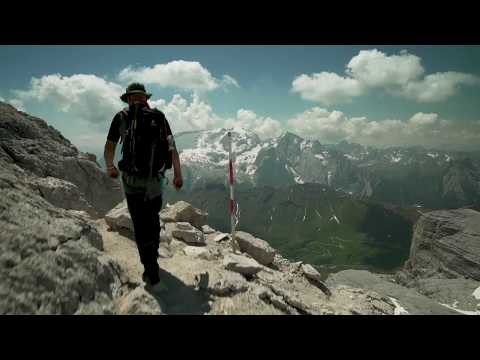

- Available: June, July, August, September
- Activity: Level 4
- Accommodations: Comfortable Hotels
Highlights
- Hike amid spectacular alpine scenery in a UNESCO-listed mountain wonderland
- See the Dolomites' most photogenic peaks including Tre Cime di Lavaredo and Marmolada
- Indulge in hearty mountain fare and enjoy warm hospitality in Trentino, Alta Badia and Veneto - three cultures, languages, and valleys!
Itinerary
Arrive in Val di Fassa
Day 1
Land at Venice international airport and meet your guide for a private group transfer to Val di Fassa (4,593') in Italy's Trentino region. After checking into your hotel, enjoy a trip briefing and aperitif, followed by a welcome group dinner.
Accommodation: Hotel Locanda Degli Artisti
Transportation: 2.5-hour private van transfer
Meals: Dinner
Follow Scenic Trails to Val San Nicolò
Day 2
After breakfast, head to Alba di Canazei (4,891') where today's hike begins. Follow a forest trail uphill to the Locia de Contrin mountain hut and through the beautiful Val Contrin. From the Malga Contrin mountain hut, continue your ascent to Passo San Nicolò (7,703'). Be wowed by impressive views of Marmolada's peaks: Piccolo Vernel, Gran Vernel, Penia, and Ombretta. After a well-deserved lunch break, enjoy the panoramic view across Val San Nicolò. Then, hike down through the picturesque valley — a landscape of flower-filled meadows and pretty wooden huts, all framed by spectacular peaks.
Accommodation: Hotel Locanda Degli Artisti
Activity: 6 hours/9.5 miles hiking with 3,099' elevation gain and 3,312' loss
Transportation: 30-minute private van transfer
Meals: Breakfast, Lunch, Dinner
Navigate the Sassolungo Circuit
Day 3
After a short drive to the trailhead at Passo Sella, begin hiking through an unearthly landscape of boulders at Città dei Sassi ("city of stones") toward Rifugio Comici (7,063') for a refreshment stop. Hike along the rockface of Sassolungo mountain, carefully crossing the scree while catching views of the idyllic meadows of the Alpe di Siusi on your way to lunch at a timeless rifugio. Continue your circumnavigation of the Sassolungo and Sassopiatto massifs on the famous Friedrich-August-Weg route. Enjoy spectacular panoramic views as you pass wildflowers and grazing cows on this age-old shepherds' path, which leads to Rifugio Sassopiatto (7,546'). Descend to Rifugio Micheluzzi in Val Duron and check out more enchanting meadow views before boarding the shuttle to Campitello. Dinner is at your leisure tonight.
Accommodation: Hotel Locanda Degli Artisti
Activity: 6 hours/9 miles hiking with 2,352' elevation gain and 3,382' loss
Transportation: 35-minute private van transfer
Meals: Breakfast, Lunch
Explore Puez-Odle Nature Park
Day 4
After a hearty breakfast it's off to Colfosco, one of the charming towns of Val Badia. From here, you'll explore the picturesque 25,000-acre Puez-Odle Natural Park at the base of the Cir Mountains. Starting from the church in Val Badia, head uphill to Rifugio Edelweiss (6,008') nestled in the Edelweiss valley — the perfect stop for refreshments! Admire spectacular views over the Sella Massif, with its towering peaks and dramatic rock faces, then ascend to Rifugio Forcelles and the most panoramic bench stop you'll ever encounter! Then follow a series of uphill paths and switchbacks until you reach Jimmy's Hutte (7,299'), our final destination. After lunch, descend to Passo Gardena and Colfosco. Savor a traditional Ladin dinner tonight.
Accommodation: Hotel Christiania, La Villa, Alta
Accommodation: Hotel La MajunActivity: 5 hours/7 miles hiking with 2,330' elevation gain and loss
Transportation: 50-minute private van transfer
Meals: Breakfast, Lunch, Dinner
Ascend to the Santa Croce Sanctuary
Day 5
Make a pilgrimage to the pretty white Santa Croce Sanctuary, perfectly situated at the base of the Sasso della Croce. Starting from the town of San Cassiano (5,250'), hike uphill on a paved road passing tiny hamlets and age-old barns along the way. A gravel trail gradually ascends through a pine forest, affording great views of Santa Croce and the picturesque Val Badia. At the church you'll have time to look around and revel in the vistas before walking to "Ranch Andre," a traditional farmhouse converted into an inviting lunch spot. After lunch, take a different trail back down into town and enjoy an evening at your leisure.
Accommodation: Hotel Christiania, La Villa, Alta
Accommodation: Hotel La MajunActivity: 5-6 hours/7 miles hiking with 1,935' elevation gain and loss
Meals: Breakfast, Lunch
Traverse the Pralongia Plateau to Setsass Massif
Day 6
Ride the morning's first gondola to Piz La Ila (6,810') and step onto the wide-open Pralongia High Plateau, with the Marmolada Glacier rising dramatically ahead. The hike unfolds amid green flower-filled meadows and mountain huts as you follow the ridgeline, pausing to take in panoramic views. Trace the rugged contour of the Setsass Massif (8,435')—and if the weather permits, tackle the ascent to the summit for sweeping Dolomite views. The route continues beneath towering limestone walls to Passo Valparola, where an emerald-green lake marks the finish. Explore Austro-Hungarian Tre Sassi Fortress, partially destroyed by the Italian troops during WWI before transferring to your accommodations.
Accommodation: Hotel Christiania, La Villa, Alta
Accommodation: Hotel La MajunActivity: 4 hours/7 miles hiking with 1,550' elevation gain and 1,213' loss
Transportation: 20-minute private van transfer
Meals: Breakfast, Lunch, Dinner
Go Back in Time in Cinque Torri
Day 7
Today, you'll transfer to Passo Falzarego and hike to Rifugio Averau (7,921'). From here, descend to Rifugio Scoiattoli and beautiful Cinque Torri. Learn about the history of Cinque Torri and the surrounding mountain valleys as WWI battlefields, complete with tunnels and bunkers. Depending on the group, there are 3- to 6-hour hiking options. Lunch will be in one of the rifugios around the Cinque Torri. In the early afternoon, transfer to Cortina d'Ampezzo in the Veneto region and enjoy an evening at your leisure.
Accommodation: Hotel Lajadira
Accommodation: Hotel Tofana CortinaActivity: Several hiking options that will be catered to the group
Transportation: 50-minute private van transfer
Meals: Breakfast, Lunch
Sunrise Loop Hike to Tre Cime di Lavaredo
Day 8
Rise early for a stunning finale to your Dolomites hiking adventure! Starting at Rifugio Auronzo (7,677'), set out on a loop hike around the soaring peaks of Tre Cime di Lavaredo (9,839')- probably the most famous landmark in all the Dolomites. Since the first routes were climbed in the 1930s, Tre Cime has become one of the most popular Italian peaks in the mountaineering world and seeing it at sunrise (weather permitting) is nothing short of spectacular. Raise a toast to your Dolomites adventure this evening and enjoy a farewell dinner with the group in Cortina d'Ampezzo.
Accommodation: Hotel Lajadira
Accommodation: Hotel Tofana CortinaActivity: 6 hours/8 miles hiking with 2,000' elevation gain and 1,800' loss
Transportation: 1-hour 20-minute private van transfer
Meals: Breakfast, Lunch, Dinner
Transfer from Cortina to Venice & Depart
Day 9
After breakfast, take a private group transfer from Cortina to Venice airport for your homeward-bound flights.
Transportation: 2.5-hour private van transfer
Meals: Breakfast
Why Travel With Us?
This classic MT Sobek adventure showcases the iconic sights of the Dolomites, including Tre Cime di Lavaredo and the Santa Croce Sanctuary, in just one week.
MT Sobek has been operating hiking adventures in Italy for over 40 years and works with the best local guides in the business.
We blend challenging hikes with time to unwind and soak up the atmosphere of delightful mountain towns — it's the perfect pace!
Dates & Prices
Price is per person, double occupancy in USD.
The earlier you book, the more choice of available dates you’ll have and once you book, your price is guaranteed.
Your Guides
The best people to immerse you in a destination are the ones who live there, which is why we feature local Adventure Guides on our trips. Here are a few that you might meet on this adventure.

Luca Z.
Luca was born in the northern Italian town of Cividale del Friuli, near the Austrian and Slovenian borders. His love of the mountains began at an early age while exploring the foothills of the eastern Alps and the Dolomites with his family. Today Luca is a hiking guide for the Veneto Board of Alpine Guides, a UIMLA Mountain Leader, and a passionate trail runner. Luca speaks Italian, Friulano (a minority Rhaeto-Romance language), English, and a little German—and is also a classical musician with 15 years of orchestral training! When he is not mountain guiding, Luca enjoys relaxing, cooking, socializing with friends, and playing with his cats.

Chiara S.
Chiara was born and raised along the southern edge of Lake Como, surrounded by nature. As a child, every free moment was an opportunity to climb trees and dive bomb into the icy lake. The sports that Chiara practiced as a young woman were always strongly linked to nature: rowing, windsurfing, and sailing helped Chiara fall in love with "her" lake; while skiing and climbing brought her closer to the mountain world. She attended university in Milan, and after a stint as a salesperson, her choice to leave the city came naturally: with her shiny red mountain bike, and "more backpacks than handbags," Chiara arrived in Cortina d'Ampezzo and never looked back! In Cortina, she found a new life, and a mountain-guide husband. Chiara has a clear passion for nature, and she loves to share her knowledge of the territory and the local culture with clients, adults and children alike.

Loris M.
Loris was born and raised in the countryside in North East Italy surrounded by fields and low hills, the perfect playground to develop a love for the outdoors. A short journey away were the Dolomites, which he visited regularly with his family. During these trips Loris and his father began exploring the trails, hiking in every direction they could possibly reach. Loris later served Italy by joining the National Army. He became a member of the athletic team division, focusing on trail running and biathlon, as well as working on the Army Rescue Team. Work and leisure have taken Loris to many different countries, including Nepal and Tibet. But the Dolomites still hold the top place in his heart, with their countless trails, rock climbing routes, and backcountry ski touring locations. In his time off from sports and work, Loris enjoys spending time with his family at home in Trieste.
Activity Level
This trip is rated activity level 4. On this trek you will be hiking 5-6 hours a day, mostly at elevations between 5,000 and 8,000 feet. The trails are well groomed, but rocky and often steep. This type of terrain makes it a challenging experience. You need to be in excellent physical condition and have similar previous experience hiking for multiple consecutive days.
Learn more about activity levels here.
Activity Snapshot
Day 2
6 hours/9.5 miles hiking with 3,099' elevation gain and 3,312' loss
Day 3
6 hours/9 miles hiking with 2,352' elevation gain and 3,382' loss
Day 4
5 hours/7 miles hiking with 2,330' elevation gain and loss
Day 5
5-6 hours/7 miles hiking with 1,935' elevation gain and loss
Day 6
4 hours/7 miles hiking with 1,550' elevation gain and 1,213' loss
Day 7
Several hiking options that will be catered to the group
Day 8
6 hours/8 miles hiking with 2,000' elevation gain and 1,800' loss
*Mileage and elevation change information is approximate and may vary slightly depending on trail conditions, weather, and route adjustments, and the guide’s discretion.
Accommodations
A warm welcome awaits at charming 4-star mountain inns with comfortable rooms and modern amenities.

Hotel Christiania, La Villa, Alta
Located in South Tyrol, this 4-star hotel offers "high quality facilities with plenty of modern, natural influences" high in the towering Dolomites. Rooms are delicately furnished with high-quality wooden floors and comfortable beds. The hotel bar, restaurant, and general ambiance embody a wonderful sense of peace and tranquility. The spa offers a variety of beauty treatments and massage therapy, perfect for rest and recovery after days of trekking in this beautiful region.

Hotel La Majun
Surrounded by the majestic peaks of the Dolomites, this peaceful family-run hotel blends upscale modernity with Ladin craftsmanship. Inviting rooms designed with natural materials and contemporary style open onto balconies with splendid views. Take an herbal bath in the outdoor wooden tub or swim in the indoor pool, both with spectacular views of the mountains. More delights can be discovered in the full spa, alpine Italian restaurant, and wine bar.

Hotel Locanda Degli Artisti
Experience a warm welcome, great food, and an artistic vibe at the Locanda Degli Artisti Art Hotel in the heart of the Dolomites. Its comfortable, modern rooms feature distinctive artworks, wooden floors, and balconies with stunning views. Sleep well on plush bedding, wrap yourself in a cozy bathrobe, and enjoy high-quality bathroom amenities made with natural ingredients. Smart multi-language TV, private room safe, mini bar, and in room coffee/tea facilities are also included.
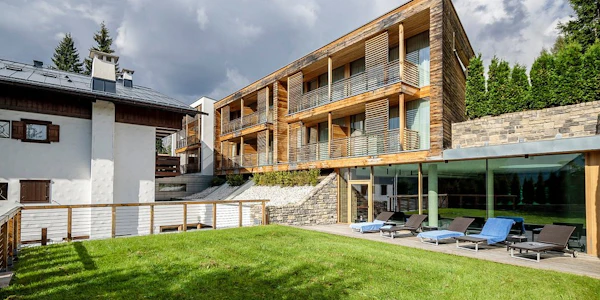
Hotel Lajadira

Hotel Tofana Cortina
Weather
The Dolomites are a mountain climate. It can be very hot at lower elevations, but can also be freezing above 7,000 feet.
FAQs
Trip Overview
This trip offers a deep, thoughtfully-paced immersion into the heart of the Dolomites, combining iconic hikes with remarkable cultural variety across three regions—Trentino, South Tyrol, and Veneto. Since 1985, our expert-led Italy adventures have paired iconic routes and vistas with comfortable stays in hand-picked mountain hotels, ensuring a perfect balance of rugged adventure and refined hospitality.
Legacy of Local Expertise: With over 40 years of experience in Italy, MT Sobek utilizes a vetted network of superb local guides who provide insider access and perspective into the best of this diverse and spectacular region.
Mosaic of Traditions: Experience a range of unique cultural, culinary and linguistic traditions all in one unforgettable adventure with stays across three valleys - Val di Fassa, Alta Badia and Ampezzo. As you go, learn about the rich histories of the Ladin, Tyrolean and Italian peoples who have called this region home throughout history.
Elevated Comfort: Forego the rustic backcountry huts for high-quality mountain hotels in villages like La Villa and Cortina to tackle challenging terrain by day while enjoying 4-star mountain hotel comfort at night.
Seamless Support: We handle all heavy lifting and complex mountain transfers, enabling you to hike with only a daypack through diverse landscapes from flower-filled valleys to glacial lakes and atop the high Pralongia Plateau.
From June through September, trails, mountain huts, and hotels are typically fully accessible. Early summer often brings cooler temperatures and vibrant wildflowers, while July and August are generally warmer and busier on popular routes. September tends to be cooler and quieter, with fewer crowds and shorter daylight hours. Because this is a high mountain environment, the weather can shift quickly at any time during the season.
June to Early July - Wildflower Peak: This is the best window for photographers and nature lovers. Meadows are in full bloom with gentians and orchids, while temperatures are often cooler and trails shared with fewer fellow hikers as compared with the peak summer.
July & August - High Summer: While visitation typically peaks in July and August, you can expect the most reliable weather and typically snow-free high passes during these popular months for hiking in the Dolomites.
September - The Enrosadira: September features cooler yet stable weather, with crisp autumn air, fewer visitors, and the famous Enrosadira (alpenglow), when the limestone peaks turn deep shades of brilliant pink and red at sunset.
The standard minimum age for this trip is 18. This itinerary is designed with adult travelers in mind, based on daily activity levels, accommodations, and overall group experience. Families or groups with children as young as 16 should check out our private departures .
This trip’s Level 4 rating reflects the cumulative challenge of trekking through rugged, high-altitude terrain for consecutive days. You should be prepared for sustained ascents and descents on uneven surfaces, covering 7-10 miles daily. With elevations reaching over 8,000 feet, this trip is designed for fit hikers seeking a rewarding mountain challenge.
Sustained Vertical Gain and Loss: Expect daily elevation changes of 2,000 to 3,000 feet. These aren't just short climbs and descents; they are extended alternating uphill and downhill sections that require good cardiovascular conditioning and steady pacing.
High-Altitude Hiking: Most of our trekking occurs between 5,000 and 8,500 feet. While not high enough for extreme altitude sickness, the thinner air makes those uphill stretches feel significantly more strenuous than at sea level.
Back-to-Back Active Days: You’ll be hiking for consecutive days from 5-6 hours a day for a full week on this Dolomites adventure. There are no "off" days, meaning your muscles need stamina to recover quickly.
Varied Alpine Terrain: Trails in the Dolomites are rarely flat. You will navigate a mix of limestone scree (loose rock), muddy forest paths, and jagged rock staircases, particularly around the Tre Cime and Cinque Torri loops.
The Weather Factor: Mountain weather can rapidly shift from full sun to rain, wind or thunderstorms, and snow is possible at altitude year-round.
We plan the itinerary carefully, but adjustments may be needed due to weather, trail conditions, or other factors. MT Sobek and our guides make thoughtful decisions when needed in real time to keep the experience safe and enjoyable, and any significant changes will be communicated as early and as clearly as possible.
Arriving and Departing
Once your reservation with MT Sobek is finalized, we'll notify you of your trip's status. After your departure is confirmed to operate, flights and travel arrangements may be purchased. While we can often confirm departures in advance, some decisions may be finalized closer to final payment. We strongly advise checking directly with your Adventure Coordinator before purchasing any non-refundable air arrangements. For expert assistance with your flight plans, we recommend reaching out to Exito Travel at 800-655-4053 or via email at mtsobek@exitotravel.com.
Once your booking is finalized with MT Sobek and your trip has been confirmed to operate, flights may be purchased. If you are unsure of the status of your trip, be sure to check with your Adventure Coordinator prior to booking non-refundable flights.
Arrival: You’ll need to arrive at Venice Marco Polo Airport (VCE) by 10:30 am on Day 1 to catch our 11:30 am group transfer. For the best experience, we strongly recommend arriving at least one day early, when possible, to allow for international travel delays, adjusting to the time change, and starting the trip feeling rested.
Departure: On Day 9, schedule your departure from Venice after 2:00 pm, allowing for the 2.5-hour group transfer from Cortina following our final Alpine breakfast.
You’ll meet your transfer driver at 11:30 am on Day 1 in the Arrivals Hall at Venice Marco Polo Airport for the scheduled group transfer.
We highly recommend taking advantage of the included group transfer to Val di Fassa. Separate transfers, with a typical rate of Euro 400-500, must be arranged on your own and are not included in the trip cost. Public transportation is available, but it is time-consuming.
Once you arrive at the hotel, you’ll meet your guide and fellow travelers for a welcome orientation followed by dinner.
If you arrive early or stay late in Venice, we recommend staying near the airport for convenience. We recommend the Courtyard by Marriott Venice Airport or the Annia Park Hotel Venice Airport . Both provide airport shuttles. If you are extending your stay and prefer to be in central Venice instead, suggested options include Ca' Sagredo Hotel , Hotel Londra Palace , Splendid Venice , and smaller boutique hotels such as Rigoletto and Rosso Charm .
If you choose to stay in central Venice prior to the trip, you’ll need to make your way back to the airport for the scheduled group transfer and start of the trip on Day 1.
Transportation and Transfer
Yes. One scheduled group airport transfer is included on Day 1 from Venice Airport to the Dolomites and on Day 9 from Cortina d'Ampezzo back to Venice Airport. Transfers outside these windows are not included in your trip price and must be arranged on your own.
Most days are focused on hiking rather than driving. Short vehicle transfers are used to connect trailheads, accommodations, and key hiking areas, typically lasting 30-40 minutes, with longer transfers mainly on arrival and departure days.
The longest travel days are the arrival and departure days, with transfers of approximately 2.5-3 hours between Venice and the Dolomites.
Fitness, Terrain and Trail Expectations
This is a challenging trip requiring high physical fitness and stamina for seven consecutive days of trekking. You will navigate rugged terrain for 5-6 hours daily, covering 7-10 miles with significant elevation gain and loss throughout.
Vertical Intensity: This hiking trip involves significant and sustained uphill and downhill hiking, with daily elevation gain/loss exceeding 3,000 feet on the most challenging days, making endurance essential. These extended climbs and descents require strong conditioning.
Variable Alpine Terrain: Be prepared for uneven mountain terrain with rocky trails, muddy sections, roots and scree (loose rock). These varied surfaces add to the challenge and require good balance and surefootedness.
Back-to-Back Days: With no full "rest days" and consecutive big hikes each day of the trip, your muscles must be conditioned to recover quickly.
The Altitude Factor: Most trekking occurs between 5,000 and 8,000+ feet, where there is less oxygen in the air compared with lower elevations. The thinner air makes steep ascents like those on the Sassolungo Circuit feel more strenuous as a result.
We recommend giving yourself several months to prepare so you arrive feeling confident and strong. Start by building a solid cardio base with activities like hiking, brisk walking, stair climbing, cycling, or running. Aim for consistent workouts four times per week, gradually increasing duration to 40-60 minutes.
Hiking is the most effective training. Try to include at least one hike per week, ideally on hilly terrain. If hills are not available, stair workouts or a stair machine are excellent substitutes. Practice hiking with a daypack and gradually add weight—starting light and working up in small increments—to simulate the conditions you’ll experience on the trail.
Downhill conditioning is just as important as climbing. Long descents are common in the Dolomites and can be tough on knees and joints, so training both up and down will pay off. Trekking poles can significantly reduce strain, and we strongly encourage training with and bringing your own trekking poles on the trip.
Finally, use your training hikes to break in all your gear—boots, socks, pack, and layers—and to get comfortable with your hydration set up. Consistent, steady preparation matters more than intensity and arriving well trained will help you fully enjoy the scenery, culture, and long mountain days.
We hike as a group with regular breaks. Guides help manage pacing so everyone can hike comfortably while maintaining safety and group cohesion.
Accommodations and Meals
Breakfasts and lunches are included daily starting with the first full day of your trip. Lunches are typically enjoyed at rifugios/mountain huts. Most dinners are included, with evenings at your leisure on Days 3, 5 and 7.
Food is an important and memorable part of this journey, and meals are well matched to long, active hiking days. The cuisine reflects the unique blend of Italian, Tyrolean, and Ladin traditions found in the Dolomites, with hearty, comforting dishes made from local ingredients. Portions are often quite large on this trip, and dinners are typically served later than is common in the US.
You can expect a range of alpine specialties such as fresh pasta and gnocchi, casunziei (ravioli often filled with pumpkin or spinach), canederli (bread dumplings flavored with cheese, speck, or herbs), barley soup, and rich vegetable soups. Main courses frequently feature polenta paired with regional cheeses, mushrooms, or game such as venison, along with seasonal vegetables. Desserts are a highlight and often include classics like apple strudel.
Yes, we can accommodate many common restrictions like vegetarian, vegan and gluten-free diets on this trip with advance notice.
Let us know about your dietary restrictions and food allergies as soon as possible, so we can coordinate with guides, hotels, and restaurants. Please also list these on your Participant Information Form.
Yes, a limited number of single rooms are available on this trip. About a third of our travelers go solo, and single room inventory often books up quickly!
You can find more information on solo traveler options here.
Packing and Gear
Focus on dressing in layers to accommodate varying weather conditions. Gorgeous warm days can shift to windy afternoons, and a rainy start may end in sunshine.
Layering is key. You may hike in very warm or cold conditions, sometimes on the same day. We recommend synthetic or wool/synthetic blend clothing that insulates well, wicks moisture, and dries quickly. Cotton is discouraged in cold or wet conditions, as it retains moisture and can lead to chilling. Each day, you should plan to carry a warm layer and rain shell in your daypack, even if the weather looks clear when you set out. Being well layered and prepared allows you to stay comfortable and enjoy the hiking no matter what the mountains deliver.
Full rain protection—a waterproof, breathable rain jacket, and rain pants—is essential throughout the season, as wind and rain can cause temperatures to drop rapidly, even in summer. Warm gloves and a hat that covers your ears are also important to carry at all times.
You may or may not need to use all the items that we recommend, depending on the conditions you encounter on your trip, but you’ll be very happy to have the right gear if needed.
Sturdy hiking footwear is essential. A detailed Packing List will be provided.
Guests should plan to bring one main piece of luggage and a daypack. Because vehicle space is limited, packing efficiently is important.
On this itinerary, luggage transfer is included, meaning your bags are moved from hotel to hotel while you hike—so you can focus on the trail, not your gear.
You'll need sturdy, waterproof hiking boots with good traction and ankle support through rocky terrain and variable weather. Your boots should be well broken in before the trip.
Laundry service is available at all of your hotels but can be expensive and take up to 24 hours. With hotel stays of 2-3 nights, there are numerous opportunities during the trip. Check with the hotel on available laundry service turnaround times. Choose quick-drying synthetic clothing if you want to hand-wash items along the way and bring a portable clothesline and small packet of laundry detergent for this purpose.
On-the-Ground Travel Tips
Weather in the Dolomites is defined by dramatic shifts across elevations and months. While lower elevations often range from the 60s-70s°F in summer, temperatures can drop into the 30s-40s°F in wet or windy conditions, especially at higher altitude. You should prepare for a "four-seasons-in-one-day" experience, where brilliant sunshine can quickly trade places with rain, wind, or even late-season snow. Dressing in layers is essential in the Dolomites.
Predictable Afternoon Storms: In July and August, warm air from the Venetian plains often triggers afternoon thunderstorms. Your guides will plan the hikes to account for these dynamics.
The 3.6° F Rule: For every 1,000 feet you climb, the temperature typically drops by about 3.6° F. This means a comfortable 70° F afternoon in the Cortina valley can be a brisk 55° F or even less at higher altitudes.
Snow and Wind: While trails are generally clear from mid-June to September, cold fronts can bring a dusting of snow to high passes like the Sassolungo even in summer, where strong winds can make a 50° F day feel like 35° F. Sturdy waterproof and windproof outer layers are always important for maintaining comfort .
Tipping is optional and based on your experience. As a general guideline, we suggest the equivalent of $100-$150 per guide, per participant, in local currency. Your trip is supported by at least one MT Sobek guide for every eight guests, and gratuities for hotel and restaurant staff are already included in your trip price.
Specific tipping recommendations for your departure will be outlined in your Final Details, which are sent about three weeks before the trip. Please note that tips should be given in cash, as our local teams are unable to accept gratuities via credit card, checks, or payment apps. Tipping is always at your discretion and should reflect your personal level of satisfaction.
Health and Safety
Yes, we strongly recommend purchasing travel insurance for all trips. Travel insurance can help cover trip cancellations or interruptions, medical expenses, emergency evacuation, travel delays, and other unexpected situations.
We offer travel insurance with Arch RoamRight and will be happy to provide you with a quote. Please see our Travel Resources page for more information.
Guides are trained and certified UIMLA Professional Mountain Leaders and carry medical kits in case of emergencies. Medical facilities are available in towns but can be far from remote trail locations. See “Section I: Trail Support and Emergencies” below for more information.
To get the most out of your trip, it is helpful to be prepared for the challenges of the trail, such as sustained elevation gains and losses, rocky or uneven terrain, and the variable weather typical of the Dolomites. Your guides are there to support you every step of the way, managing the daily pace, making adjustments based on conditions as needed, and sharing helpful info to help you stay comfortable and in high spirits.
You should also be prepared for road travel in the Dolomites, which is often on narrow, winding, and sometimes bumpy mountain roads.
Staying healthy on this trip starts with good pre-trip preparation and daily habits. Hydrate consistently throughout the day, especially during long hikes, and eat regularly to keep your energy levels steady. On warmer days, using powdered electrolytes can help replenish minerals lost through sweat.
Foot care is especially important. Wear well-fitting, broken-in footwear, keep your feet dry when possible, and address hot spots or blisters early using moleskin or Compeed patches. Liner socks can also help reduce friction. Simple steps like trimming toenails before the trip and changing socks as needed can make a big difference over consecutive hiking days.
Hand hygiene matters as well. Wash or sanitize your hands frequently, particularly before meals. Prioritize rest and recovery in the evenings, and don’t hesitate to talk with your guide about pacing, layering, or minor concerns as they arise. Addressing small issues early is one of the best ways to stay comfortable and enjoy the full experience.
Trail Support and Emergencies
Extensions and Local Exploration
If you have extra time in Venice, many guests enjoy exploring historic neighborhoods and canals; visiting museums, churches, and piazzas; enjoying local food, cafes, and markets or taking a relaxed pre-trip day to adjust to time zones and prepare gear.