5 Things to Know About Hiking Utah’s Mighty 5 National Parks
Everything You Need to Know About Utah's Mighty 5 National Parks
Explore five world-class national parks in one state! The extraordinary state of Utah is home to five of the most cherished national parks in the United States—Arches, Bryce Canyon, Canyonlands, Capitol Reef, and Zion—collectively known as the Mighty Five. Established between 1919 and 1971, these parks are famous for their spectacular red rock formations, unique canyon landscapes, desert solitude, and more than 1,000 miles of hiking & trekking trails. They are popular with classic family vacationers, hikers and adventurers looking to get off the beaten path in breathtaking, Instagrammable terrain. Plus, Scenic Byway 12, between Bryce and Capitol Reef, is considered by many to be one of the most scenic drives in the United States!
As travel to Utah’s Mighty Five National Parks continues to trend upward, we turned to MT Sobek’s adventure travel experts to get the lowdown on these Mighty Five parks in Utah. One of the world’s original adventure companies, MT Sobek has been leading guests on award winning Utah hiking tours for more than 5 decades. Below is what our team considers the 5 most important things to know about the Mighty Five.

1. What are the Main Differences Between Utah’s Mighty Five Parks?
All of the parks contain geologic wonders, and four of the five national parks are certified International “Dark Sky” Parks, which means that you can enjoy spectacular stargazing beneath the Milky Way.
The Mighty Five include:
- Arches National Park
- Bryce Canyon National Park
- Canyonlands National Park
- Capital Reef National Park
- Zion National Park
“Four of the five national parks are certified International “Dark Sky” Parks, which means that you can stargaze beneath the Milky Way. “
But what is distinct and different about each park? Below is an overview of what you can expect at each of Utah’s national parks!
Arches National Park
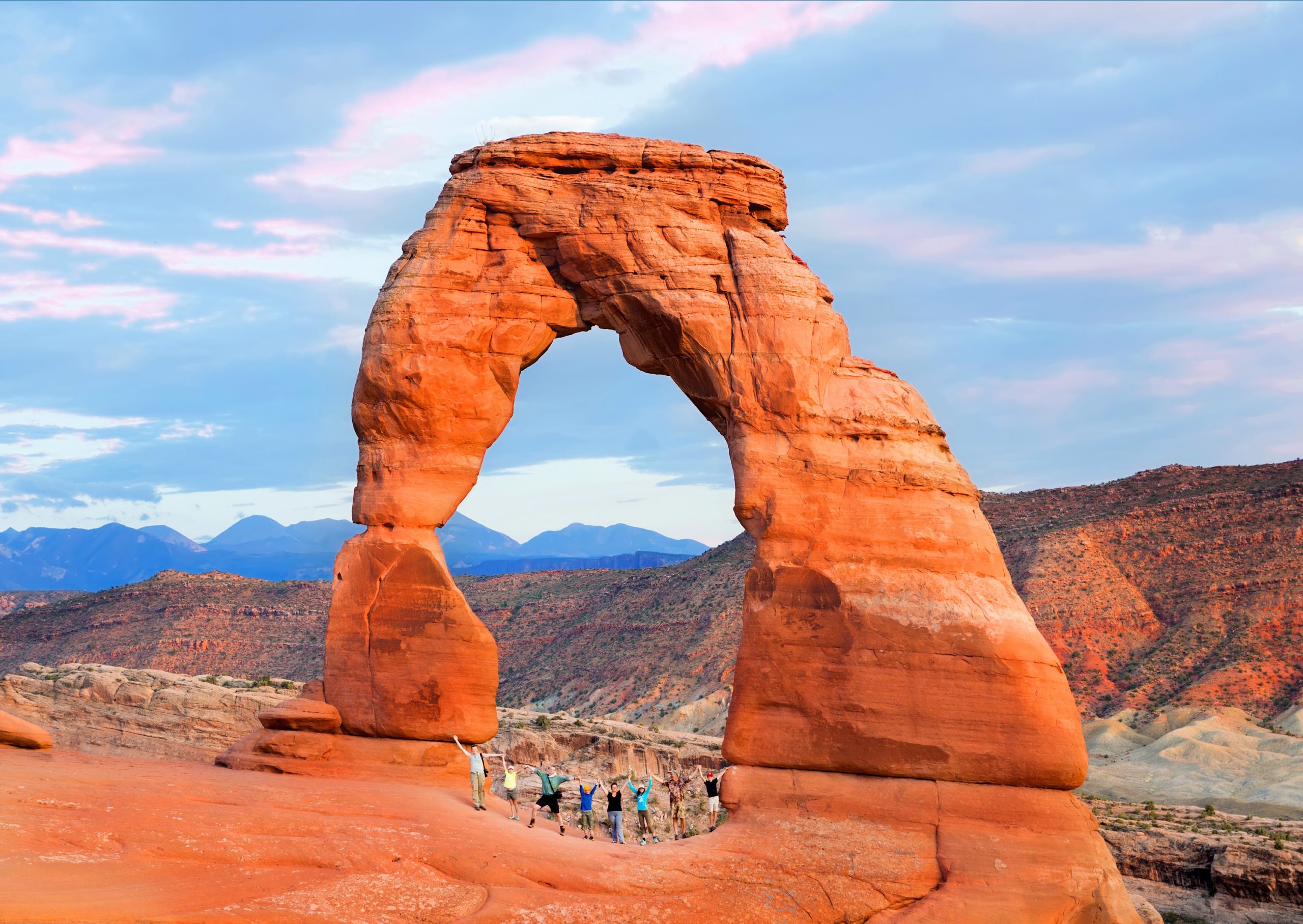
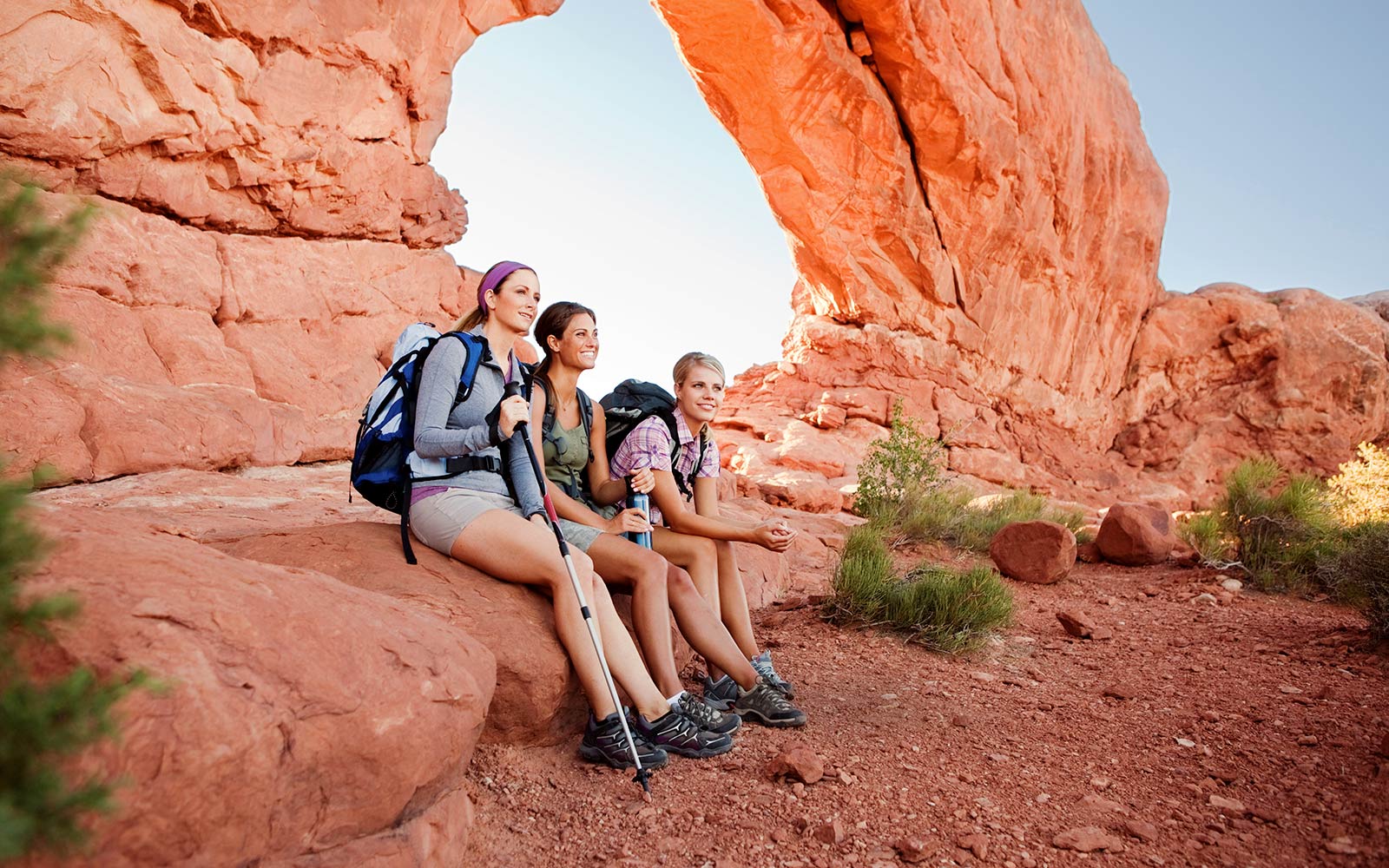
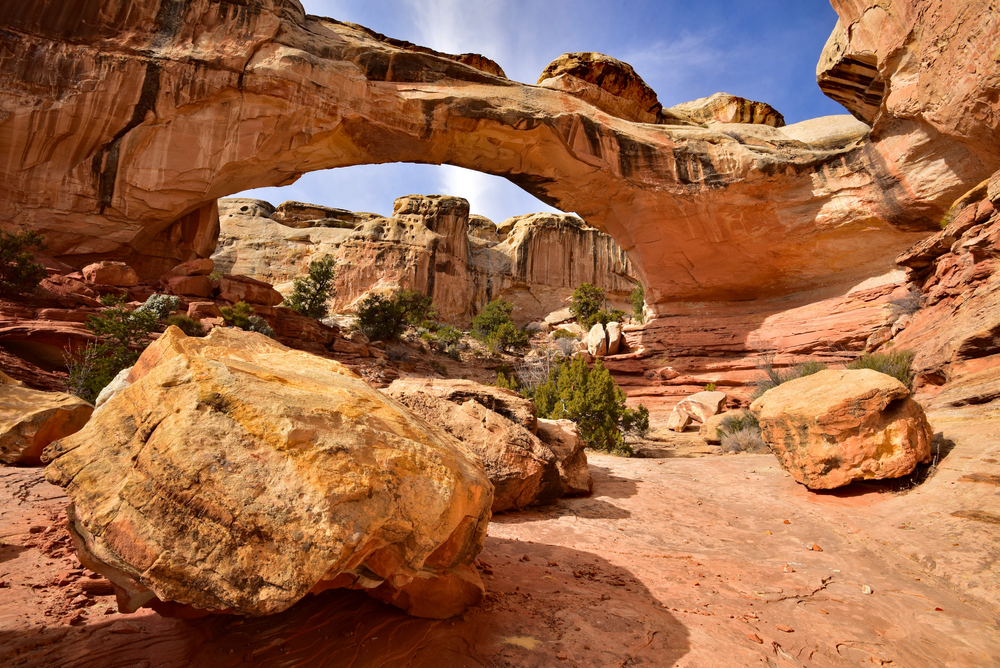
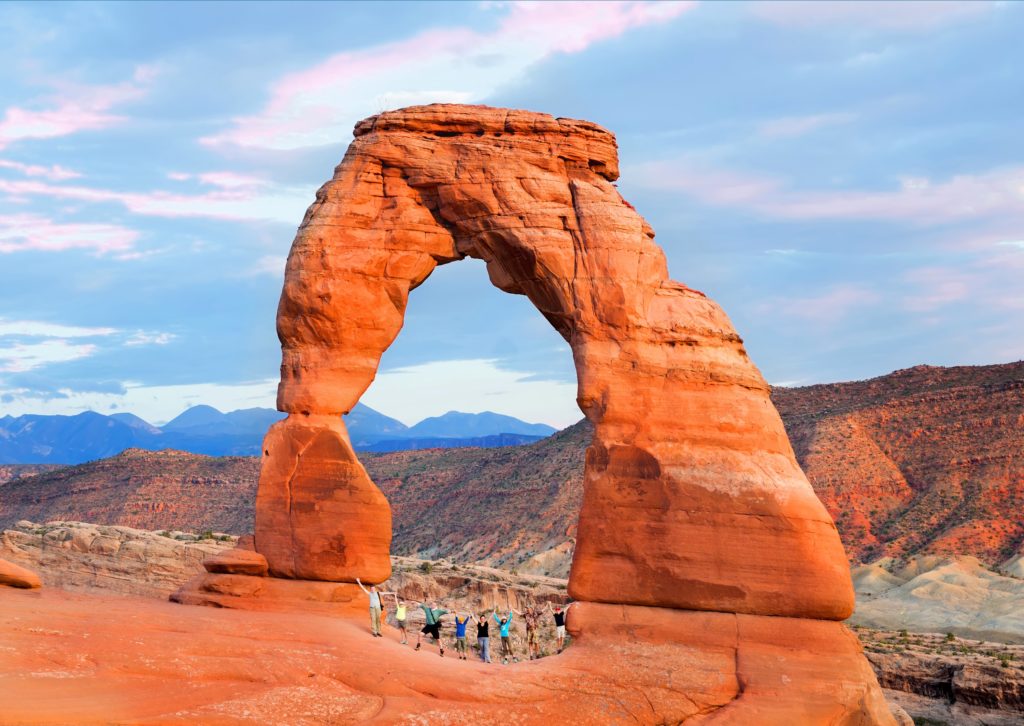
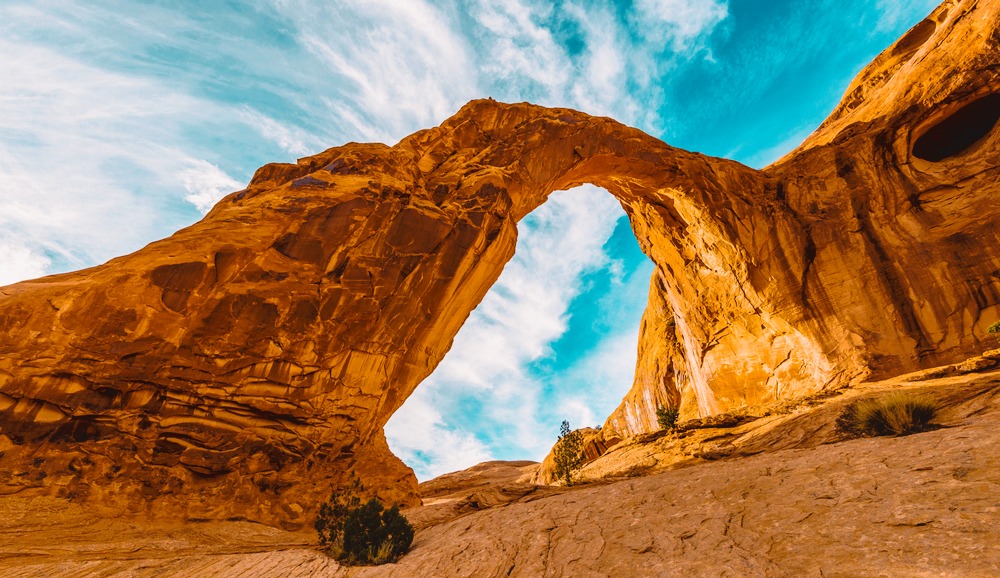
See more than 2,000 stunning rock arches in an arid desert environment at Arches National Park. Over millions of years the natural sandstone layers have been worn down by erosion, creating arches such as Delicate Arch, Double Arch, North Window, and Landscape Arch, which spans an impressive 306 feet!
These are just a few of the most impressive arches in the park, but there are other amazing geological features too—including the iconic Balanced Rock. Balanced Rock can be accessed on a short hike from the road about 9 miles in from the entrance. Just 5 miles from Moab, the gateway to many of Utah’s outdoor adventures, Arches National Park provides free entry for all visitors and no longer requires a Timed Entry Ticket at any time. Check before you go though, because the timed entry policy may change.
Bryce Canyon National Park
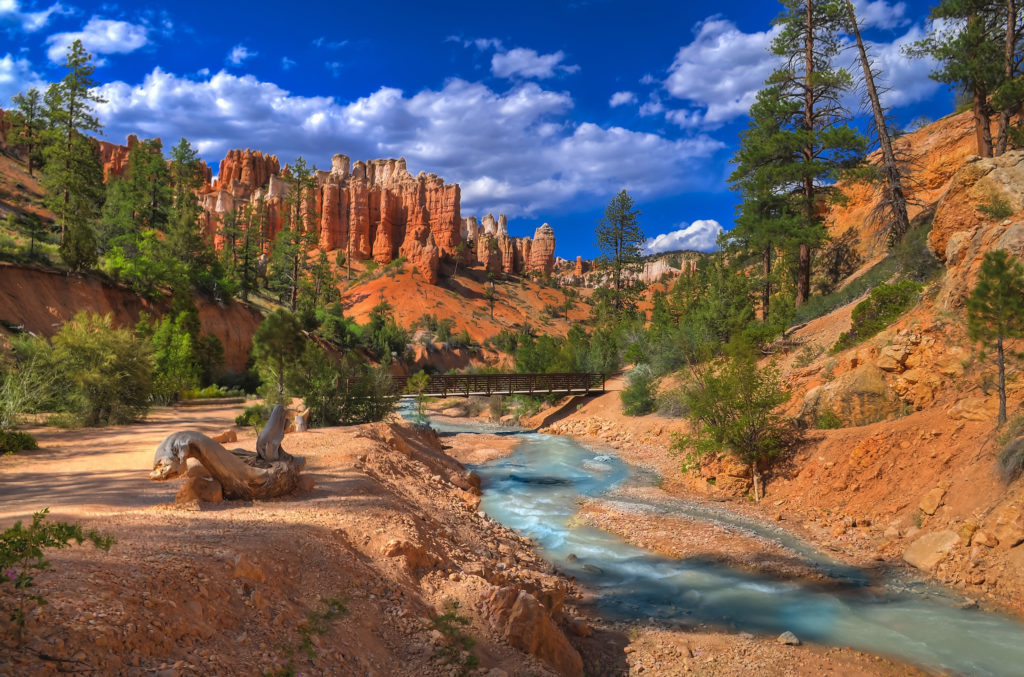
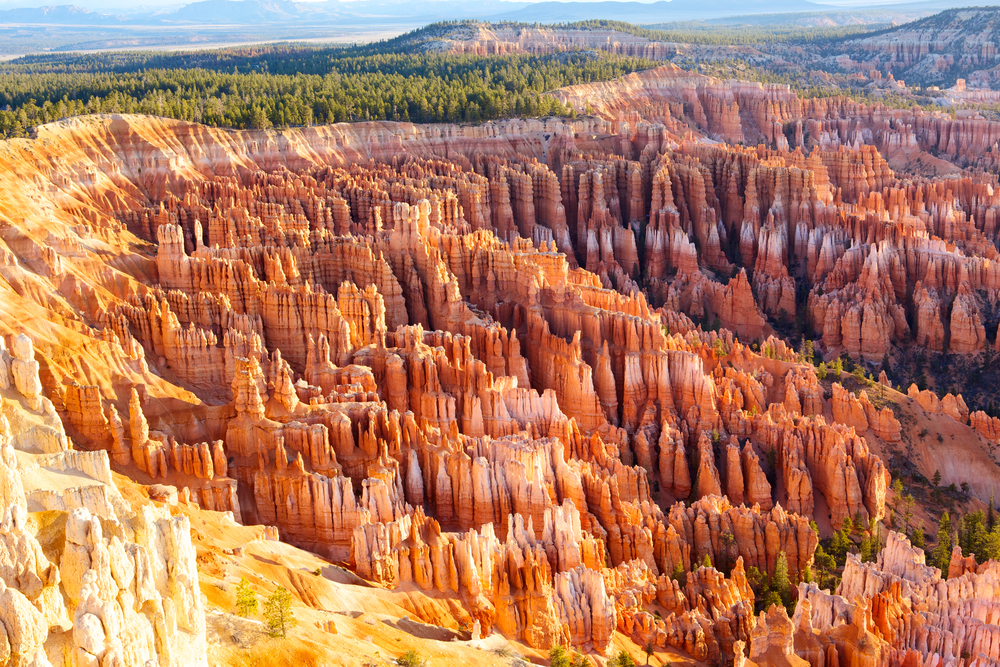
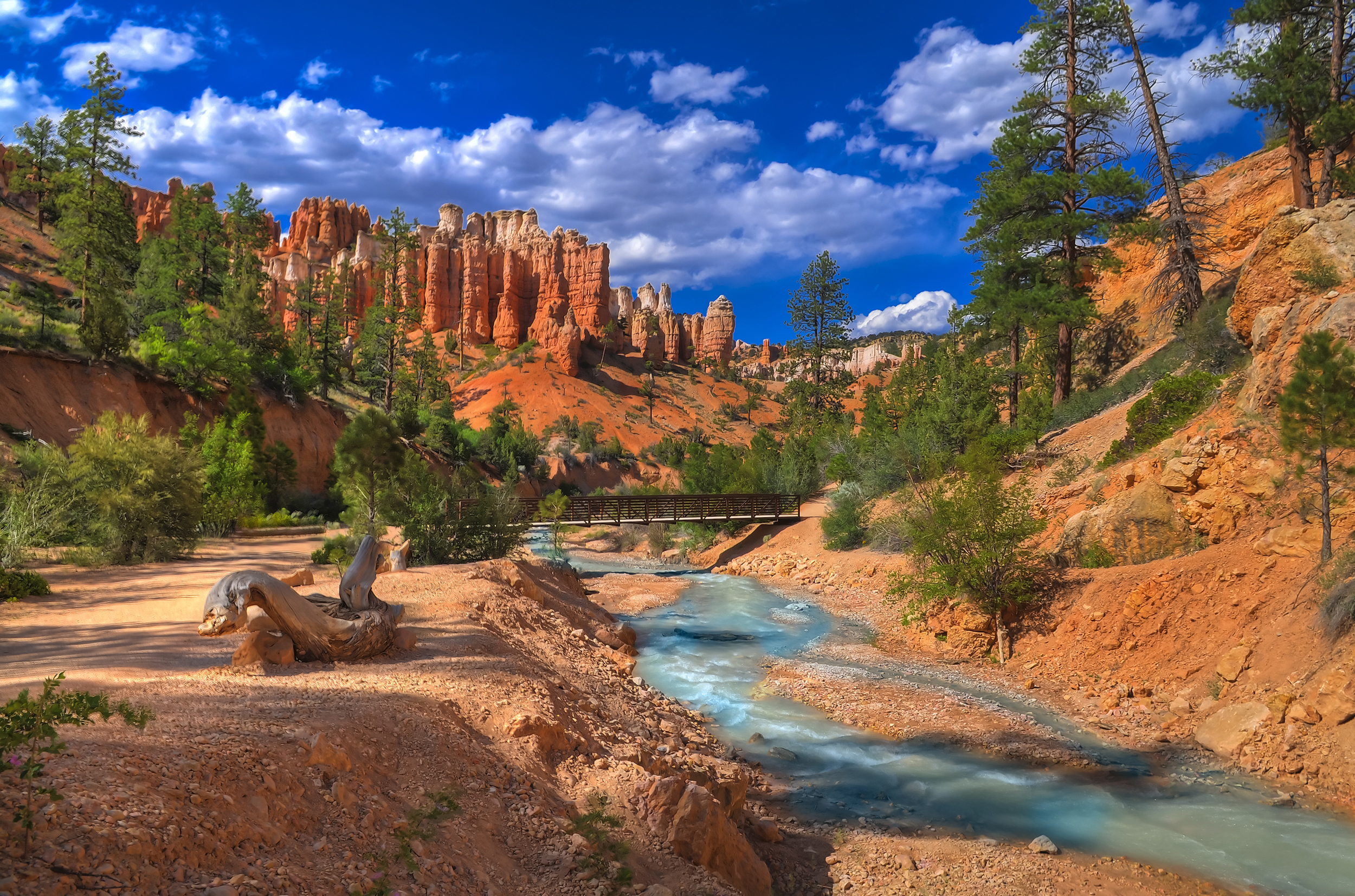
Marvel at fantastical pinnacles and spires (known as “hoodoos”) in Bryce Canyon National Park. Formed by erosion over millions of years, the tall, colorful sandstone hoodoos rise like chimneys out of the rugged canyon landscape. The sweeping views from the rim of Bryce’s amphitheater are equally stunning. Hike along the rim trail to Sunset Point and descend into this wild landscape through a surreal maze of pink hoodoos, spires and rock windows. Bryce Canyon National Park is located about 72 miles (or two hours) northeast of Zion. Both Bryce Canyon and Zion are located in southwest Utah.
Canyonlands National Park
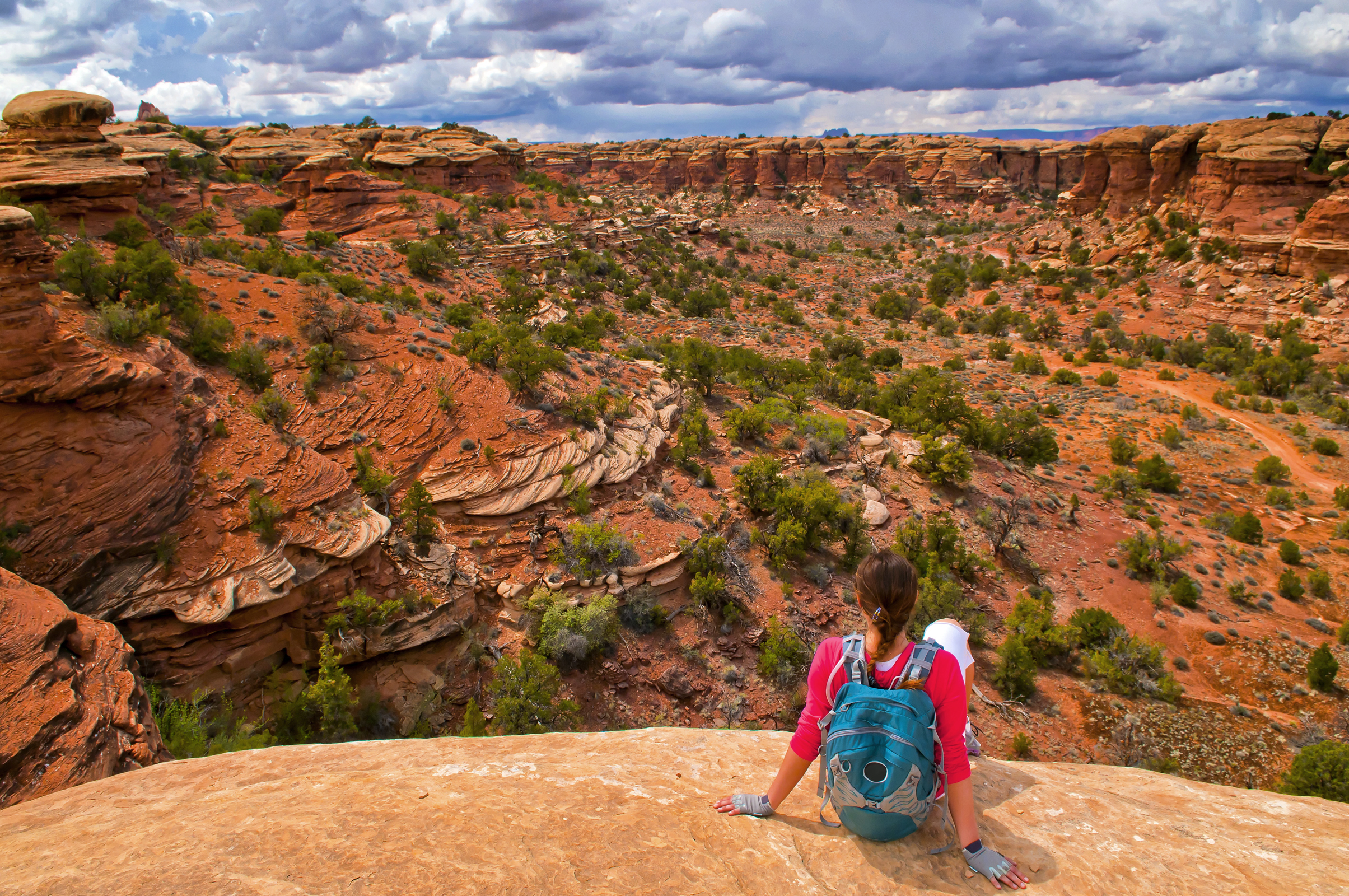
Utah’s two most significant rivers—the Colorado River and the Green River—have helped to shape the distinctive canyons, buttes, and mesas of beautiful Canyonlands National Park. You can explore this park up close on epic rafting adventures that follow Westwater Canyon past red sandstone spires into the narrow Black Granite Gorge. Here you can tackle Class III and IV rapids such as Funnel Falls, Last Chance, The Steps, and the infamous Skull Rapid! Canyonlands also has exceptional hikes to highlights like Mesa Arch, Druid Arch and the Chesler Park Loop. These hikes provide opportunities to marvel at towering rock walls and ancient pictographs. Alternatively, take an easy drive to the Grand View Point lookout from Moab. Canyonlands National Park is located 26 miles from Arches.
Capitol Reef National Park
Capitol Reef National Park is the least visited of Utah’s Mighty 5, offering visitors not only dramatic desert scenery but also serenity and solitude! Spend the morning hiking the Grand View Wash Trail along the upper portion of the Waterpocket Fold—an incredible 100-mile “wrinkle” in the Earth’s surface. This geological feature is known as a monocline, which creates a dramatic step-like landscape of sheer cliffs and canyons that give Capitol Reef its signature, angled look.
“This geological feature is known as a monocline, which creates a dramatic step-like landscape of sheer cliffs and canyons that give Capitol Reef its angled look.“
Capital Reef National Park’s scenic drive, accessible at the ‘town’ of Fruita, is a wonderful way to take in the grandeur and access easy hikes into gorgeous canyons. Capitol Reef is located about 130 miles midway between Moab and Bryce Canyon.
Zion National Park
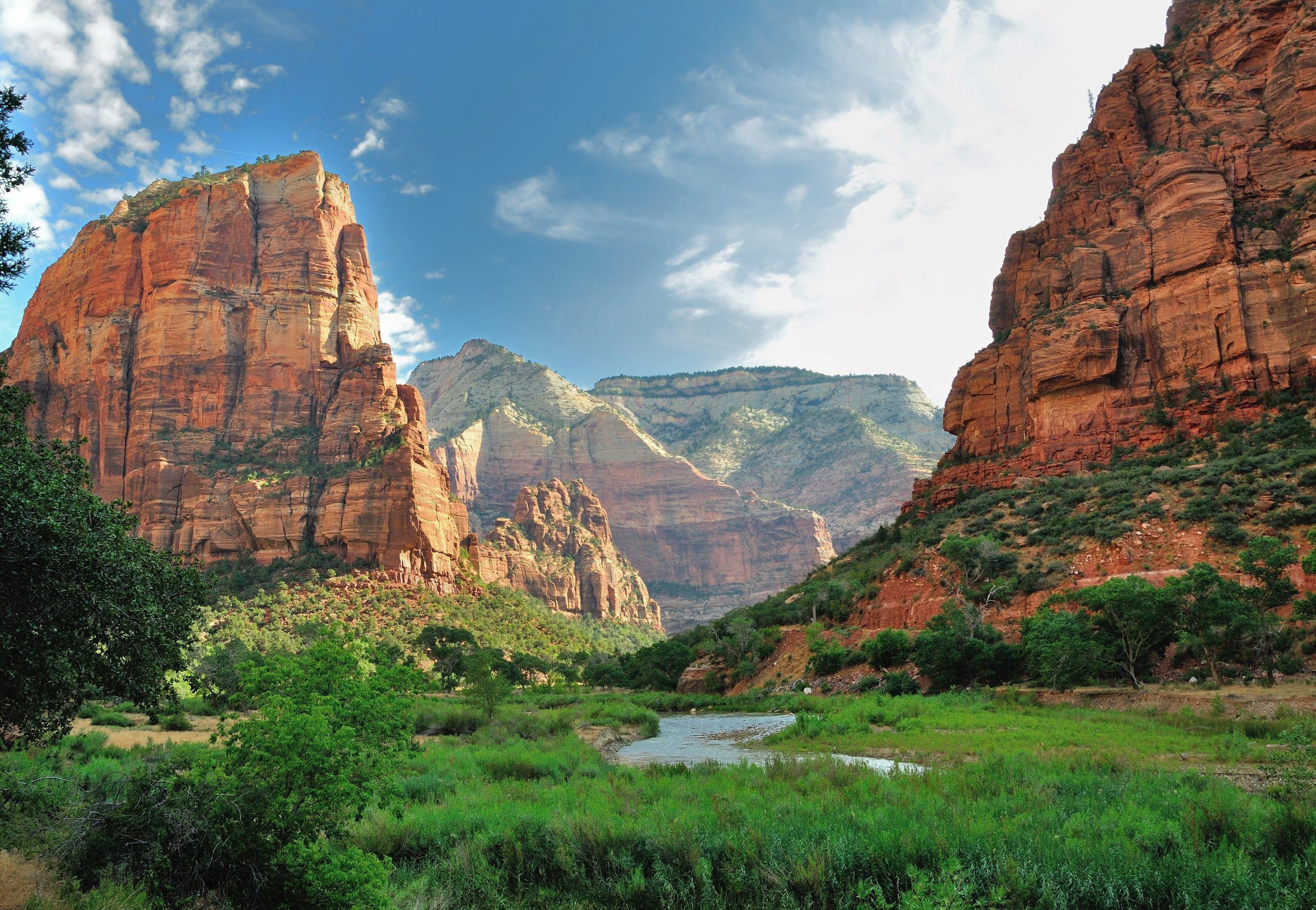
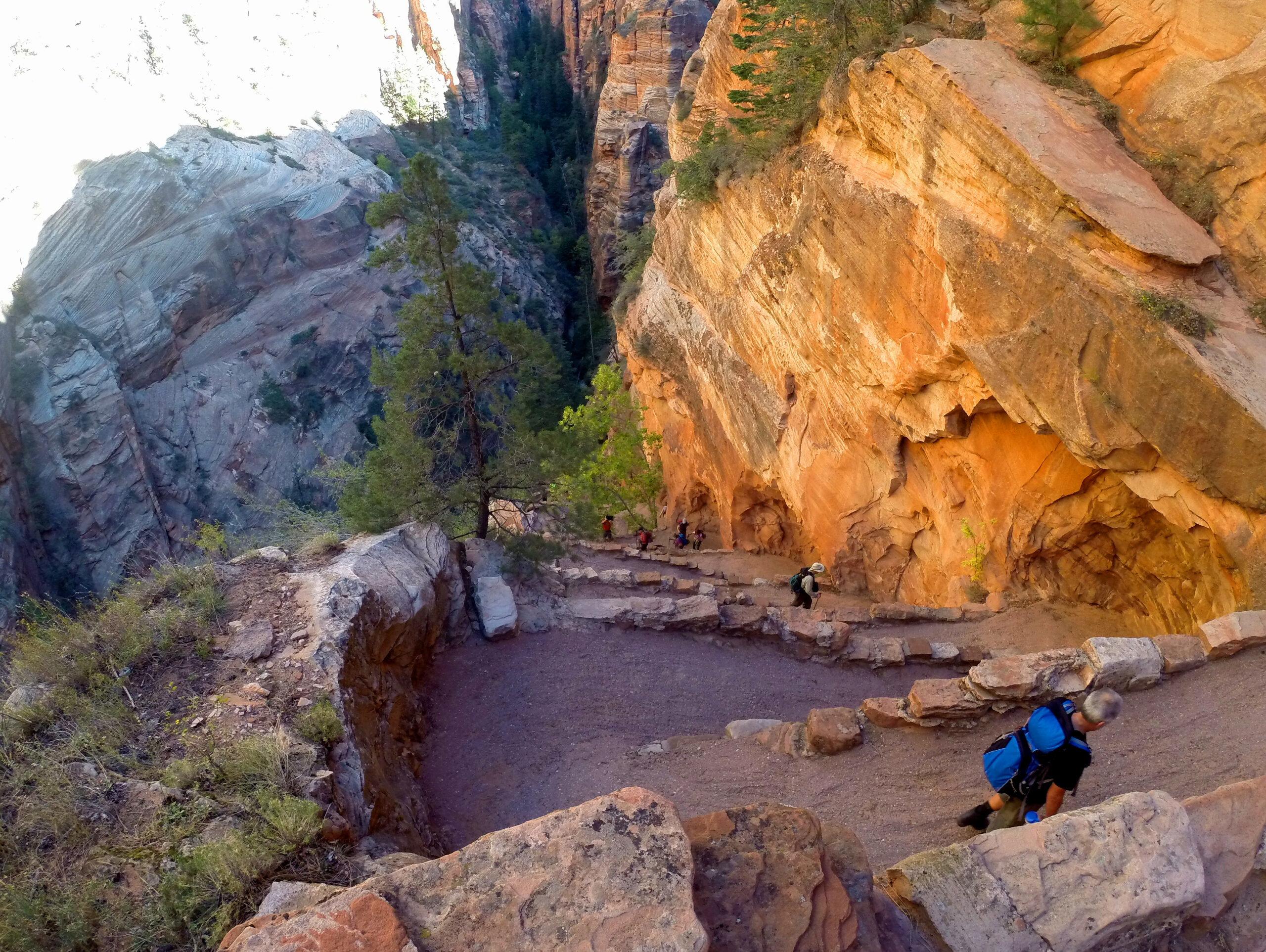
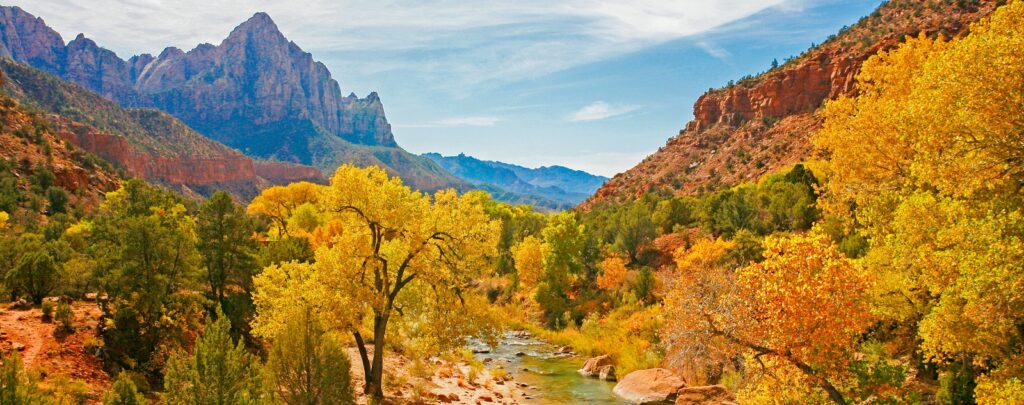
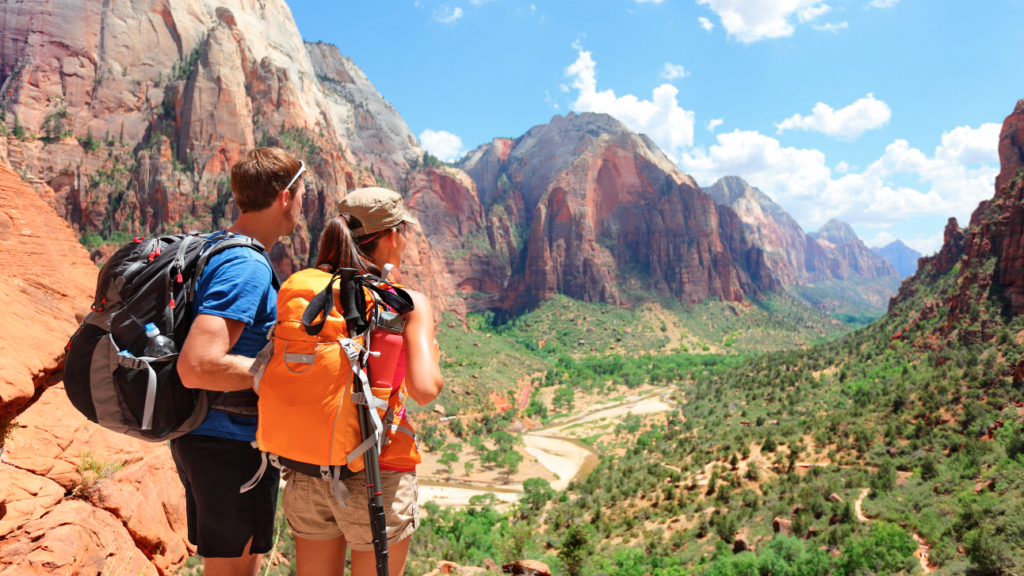
Zion National Park is Utah’s southernmost park, located where the Colorado Plateau, Great Basin, and Mojave Desert meet. Top activities in Zion include hiking Angel’s Landing (permit required), hiking to Observation Point and trekking through the Virgin River Narrows slot canyon—our favorite way to spend a day in Zion. Be amazed at the towering canyon walls rising from the water’s edge! You can also explore mesas and rock towers, or take a journey along Zion Canyon Scenic Drive leading to woodland trails along the Virgin River.
2. When is the Best Time to Visit Utah’s National Parks?
A hiking adventure through Utah’s five national parks is best in spring or fall, which includes March to May and September to November. The winter months of December to February can also feature moderate temperatures, with fewer crowds and snow dusting the upper cliffs. Temperatures in June, July and August can get very hot (in the high 90°Fs or higher) and—with school being out on summer break—this is also the busiest time in Utah’s national parks. In the shoulder seasons, mid-spring and late fall, you can expect ideal temperatures in the 60-70°Fs during the day.
Below is a more detailed breakdown of the seasons in Utah.
Spring in Utah’s Canyon Country
In early spring—the first half of March—winter can be hanging on in Utah. You can still see snow storms and freezing temperatures, especially at higher elevations like Bryce Canyon National Park. In the lower elevations like Zion National Park, by mid March winter is normally giving way to much warmer spring temperatures.
April and May are the two most universally ideal months in the spring for hiking and exploring Utah. The days are growing longer much warmer, without yet being hot. The average April-May highs in Zion are typically in the mid 70s to low 80s fahrenheit, while Bryce Canyon averages in the mid 60s to low 70s. Perfect hiking weather!
Summer in Utah’s Canyon Country
Summer is a great time of year to avoid Utah’s national parks. The three most significant detractors of these parks are at their most extreme: the heat, the flash floods and the crowds. First, the heat. Aside from Bryce Canyon—which is perched at a high elevation of 8,000-9,000 feet where it’s much cooler—Utah’s natioanl parks are very hot in the summer. Average highs in Zion in July and August hover around 100°F, and that’s in the shade. Next the flash floods. In July the monsoon rains typically begin, which can lead to sudden, severe downpours that send walls of deadly water through Utah’s canyons. Last the crowds. Summer is road trip season, and this is when the Mighty Five are at peak visitation, leading to longer lines for shuttles, busy trails and higher hotel prices.
Fall in Utah’s Canyon Country
Fall is the other truly excellent time to visit and hike Utah’s canyon country. Summer temperatures can persist into September, but by October they begin falling. October and November tend to have perfect outdoor adventure weather, making this the best time to hike, bike and climb in Utah. The average highs in Zion in October and November range between the low 60s to the high 70s fahrenheit. In Bryce Canyon, the range is high 40s to mid 60s.
Winter in Utah’s Canyon Country
Winter is Utah’s quietest, and most overlooked season. The summer crowds are nowhere to be seen, making lines rare and trails largely empty. The temperatures—especially in the lower elevation parks like Zion, Arches and Canyonlands—are quite inviting. In Zion, the average highs from December-February hover around the mid to low 50s. But remember, this is a dry cold—very different from a humid or damp 50°F. When hiking in the sun in Utah, 50 feels like 65 anywhere else. The final allure of winter in Utah is the gorgeous contrast of white snow on the higher cliffs against the signature red rock that defines the region.

3. Where Can I Stay When Visiting the Mighty Five?
There are many options of where to stay when visiting Utah’s national parks. Below are descriptions of the various categories, and some tips for deciding which will work best for you.
DIY Camping
Least Expensive | Very Competitive | Complex Planning
For adventurous travelers, camping is one of the most enjoyable and affordable ways to experience Utah’s Mighty Five National Parks. Every park offers developed campgrounds, including Watchman Campground in Zion, Devils Garden Campground in Arches, Sunset Campground in Bryce Canyon, Fruita Campground in Capitol Reef, and Willow Flat Campground in Canyonlands. Staying inside the parks allows you to enjoy sunrise and sunset without driving, and provides immediate access to trailheads before day-use crowds arrive. For even more solitude, experienced campers can explore dispersed camping opportunities on Bureau of Land Management (BLM) lands near Moab, Escalante, and Kanab.
Reservations are essential for most national park campgrounds from March through October. Popular campgrounds such as Zion’s Watchman and Arches’ Devils Garden often book up within minutes of becoming available. Reserve sites through Recreation.gov as soon as booking windows open, typically six months in advance. If you’re planning a spring break, summer, or fall trip, start monitoring availability early and be prepared with backup options.
National Park Lodges
Ideal Locations | Extremely Competitive | Basic or Rustic Accommodations
For travelers who want the convenience of staying inside the parks, Utah’s national park lodges provide excellent access to trails, viewpoints, and ranger programs. The iconic Zion Lodge sits deep within Zion Canyon, allowing guests to explore popular hikes before day visitors arrive. Bryce Canyon Lodge offers historic charm just steps from the canyon rim, while The Lodge at Red Cliffs near Capitol Reef serves as an excellent base for exploration. While Arches and Canyonlands do not have lodges within park boundaries, numerous lodging options are available in nearby Moab.
Because in-park lodging inventory is limited, reservations should be made as early as possible—often nine to twelve months ahead for spring and fall visits.
Private Lodges
Most Comfortable | Very Competitive | Boutique & Premier Options
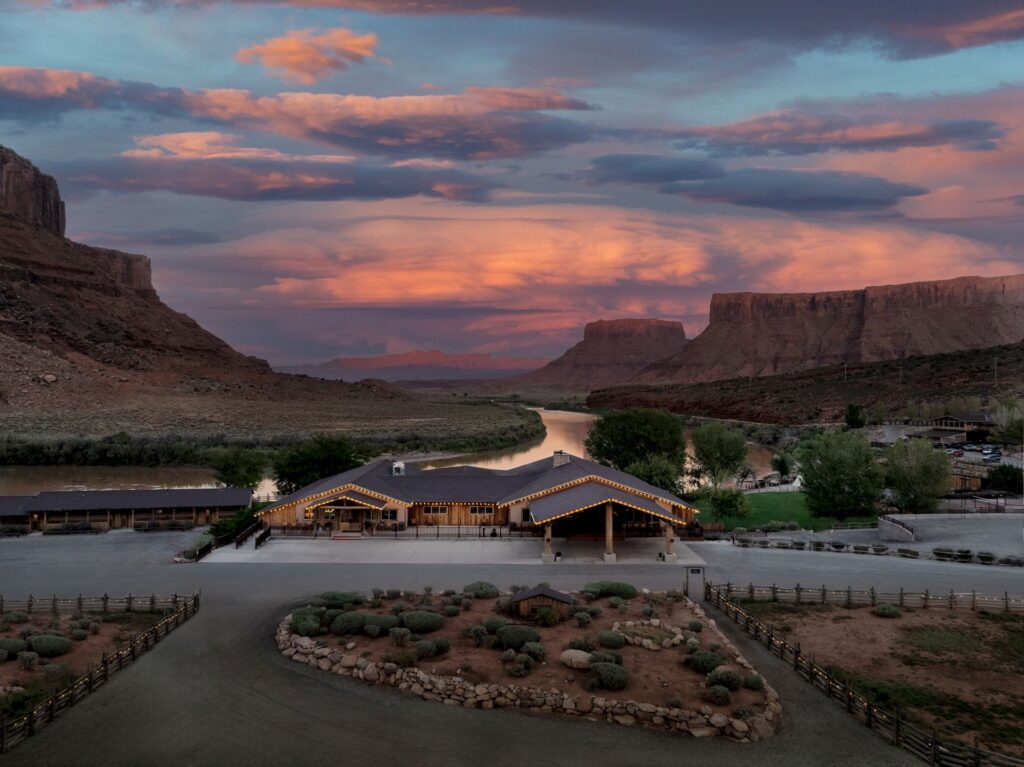
Private lodges offer the highest level of comfort, service, and atmosphere for exploring Utah’s national parks. Exceptional properties such as Amangiri near Canyonlands, Red Cliffs Lodge outside Moab, Cable Mountain Lodge near Zion, and Boulder Mountain Lodge near Capitol Reef provide unique accommodations that complement the surrounding landscapes. Many feature fine dining, spa services, and other amenities.
All-inclusive Tours with Signature Lodging
Greatest Value | Convenient | Boutique & National Park Lodges
For travelers who want to spend their time hiking rather than dealing with details and logistics, all-inclusive guided tours offer one of the easiest and most rewarding ways to experience Utah’s Mighty Five National Parks. Companies like MT Sobek handle the complex tasks of itinerary planning, arranging transportation, securing permits, planning meals and reserving accommodations, allowing guests to focus entirely on the thrill of adventure. This approach is particularly valuable in Utah, where lodging can be spread across vast distances and securing reservations near the parks often requires nine to twelve-plus months of advance planning.
One of the biggest advantages of joining an MT Sobek Utah hiking tour is access to carefully selected accommodations that place you close to the action. Depending on the itinerary, guests may stay in boutique lodges, historic inns, comfortable hotels, or premium resorts chosen for their location, service, and authentic connection to the destination. Rather than worrying about booking multiple properties, driving long distances between parks, or navigating sold-out lodging markets, travelers enjoy a seamless experience that combines world-class hiking with handpicked accommodations, expert leadership, and decades of adventure travel expertise.

4. Do I Need Permits to Hike Backcountry Trails?
Utah’s National Parks issue permits for many activities within the parks, including some select, very popular day hikes, all rafting and all backpacking trips (backcountry camping permits).
Day Hikes
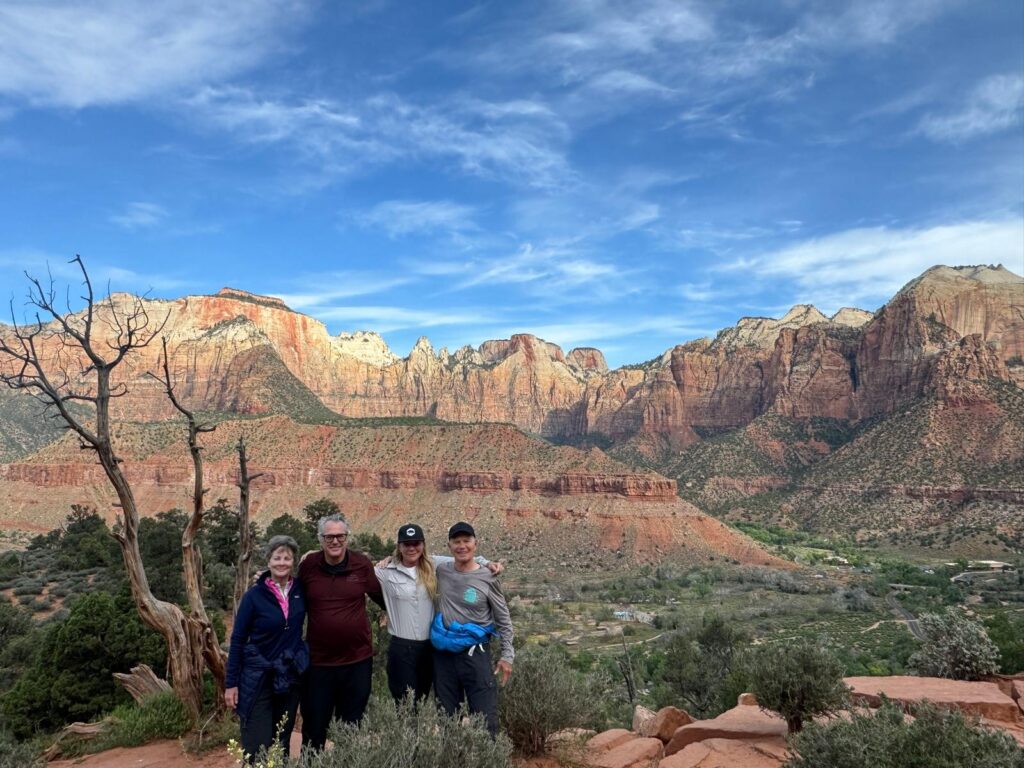
Most day hikes do not require permits. There are two exceptions, which are Angels Landing in Zion, and the top-down full Narrows hike, also in Zion.
Angels Landing is the one of the most popular and dangerous hiking trails in Zion National Park, and consequently has a lottery permit process to limit crowds and increase safety. Similarly, the top-down Narrows hike in Zion is a long, committing hike (and often done as an overnight trip) that requires a permit.
Backpacking and Rafting
All backpacking and rafting trips in Utah’s national parks require permits. To learn about the permit process for these activities, go to the national park website and search for your activity of choice. You can also go directly to recreation.gov and search for the park and activity of interest.
Permits Included on MT Sobek Trips
For MT Sobek guests, all park entry fees and associated permits with each trip’s activities (e.g. hiking Angel’s Landing) and locations (e.g. Arches Timed Entry Tickets) are organized in advance and included in our tours.

5. What Should I Bring on the Hiking Trail?
You’re going hiking in Utah’s spectacular canyons, so you need to pack right for a dry, arid and rugged landscape. For day hikes we recommend an 18-30L day bag to cover the essentials. Bring plenty of fluid for hydration and snacks for the trail. Wear sturdy walking boots or shoes for steep, rocky, and sometimes slippery paths. If you’re hiking the Virgin Narrows in Zion you will get wet feet! On MT Sobek trips, guests are properly outfitted for the Narrows hike with special footwear, neoprene socks, a hiking pole and a dry day pack. Be prepared for bright sun and bring a sun hat or sun hoody, sunglasses and sunscreen. It can also cool down in the mornings and evenings, so have a light fleece or wool layer, and don’t forget a rain jacket. At night, light up with a head lamp and get out your star chart or star app. The stargazing is incredible!
When you join an MT Sobek hiking tour, you will receive a information packet with a detailed packing list.
Your Next Adventure Awaits…Book a Utah Adventure
MT Sobek has a wide variety of scheduled and custom adventures in Utah’s national parks, including our popular Utah National Parks Multi-Adventure, which visits all five parks in just eight days. Or you can choose to spend more time at select parks on either the Bryce Canyon & Zion Hiking Tour or the Arches & Canyonlands Hiking Tour. For those looking for something truly unique, perhaps try our Zion and Bryce Winter Hiking Adventure or try glamping on the Arizona & Utah Hiking with Premier Lodging Tour. Learn more about our adventures in Utah and across the globe. Get your free MT Sobek catalog!
Enjoying our content? Add MT Sobek as a Google Preferred Source.
FAQs
Most travelers need 7–10 days to comfortably visit all five parks. Shorter trips can focus on 2–3 parks, while guided tours often optimize logistics to cover all five efficiently. Our Utah National Parks Hiking Tour is only 8 days!
Yes, many trails in parks like Bryce Canyon, Arches, and Zion offer shorter, accessible hikes suitable for families and beginner hikers.
Guided trips like MT Sobek provide expert local knowledge, safety support, permit management, and seamless logistics—making them especially valuable in remote or complex environments.
Summer temperatures often exceed 90–100°F (32–38°C), especially in lower elevations like Zion and Arches, making early starts and hydration essential.
Some parks, like Arches, require timed entry reservations during peak seasons. Popular hikes like Angel’s Landing in Zion also require permits.
Yes, with preparation. Key safety tips include carrying enough water, avoiding midday heat, staying on marked trails, and checking weather conditions for flash flood risks.
The Mighty Five stand out for their dramatic red rock landscapes, unique geological formations like arches and hoodoos, and a high concentration of parks within a relatively small region.