10 Epic Hiking Vacations in the United States
Plan an Unforgettable Adventure in the USA, Canada and Mexico
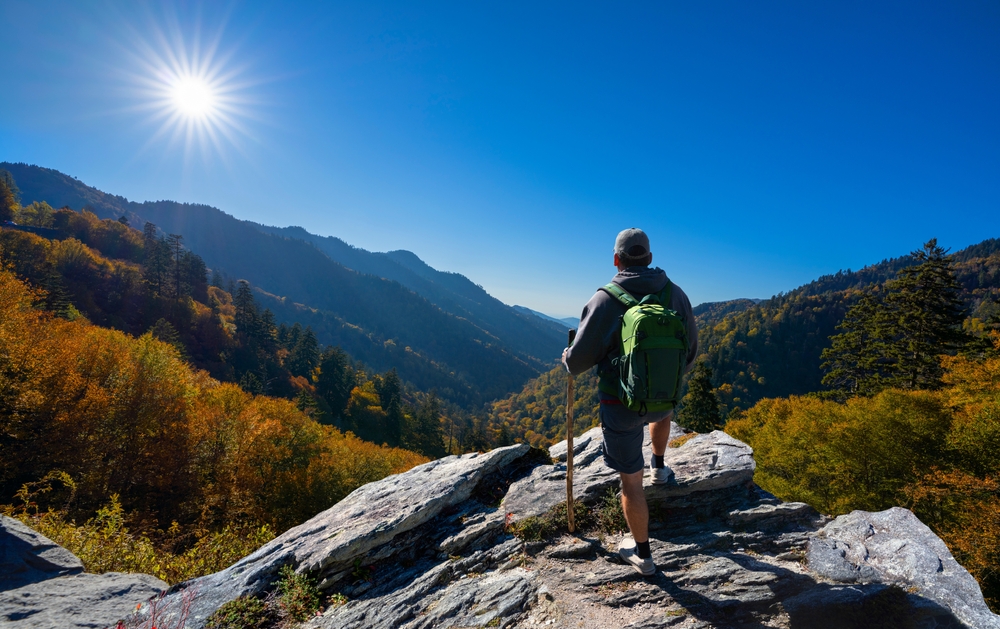
The United States is a dream destination for anyone who loves to hike and explore wild spaces. Boasting an astonishing array of hikes to choose from, the USA is as varied as it is dramatic. With 63 national parks and 803 wilderness areas, the number of choices feels almost endless.
Let’s face it, that level of choice can be overwhelming. So, we have identified 10 epic hiking vacations that every adventurous traveler should consider. These are the hikes that our program managers and guides at MT Sobek love the most. These are the trips we go on when we want to stay close to home and enjoy our own backyard.
At MT Sobek, we have been pioneering adventure travel in the United States and beyond for more than 50 years. We know the best places to hike and raft, the best places to observe wildlife, the best places to discover not only new parts of the planet, but new aspects of ourselves. We have been guiding guests to these places since 1969.
This is a guide to our 10 favorite hiking vacations here in our home country with recommended itineraries, accommodations, packing lists and more. Enjoy!
Table of Contents
- Hike Rim to Rim in the Grand Canyon National Park
- Explore Wildlife & Geysers in Yellowstone National Park
- Discover Waterfalls & Granite Domes in Yosemite National Park
- Hike in the Alpine Wonderland of Glacier National Park
- Experience the Best of Olympic & Mount Rainier National Parks
- Utah’s Mighty Five National Parks Hiking Tour
- Sedona Red Rock Hiking in Arizona
- Great Smoky Mountains Hiking Adventure
- Rocky Mountain National Park Alpine Adventure
- White Mountains Hiking in New Hampshire
1. Hike Rim to Rim in Grand Canyon National Park
Destination Overview
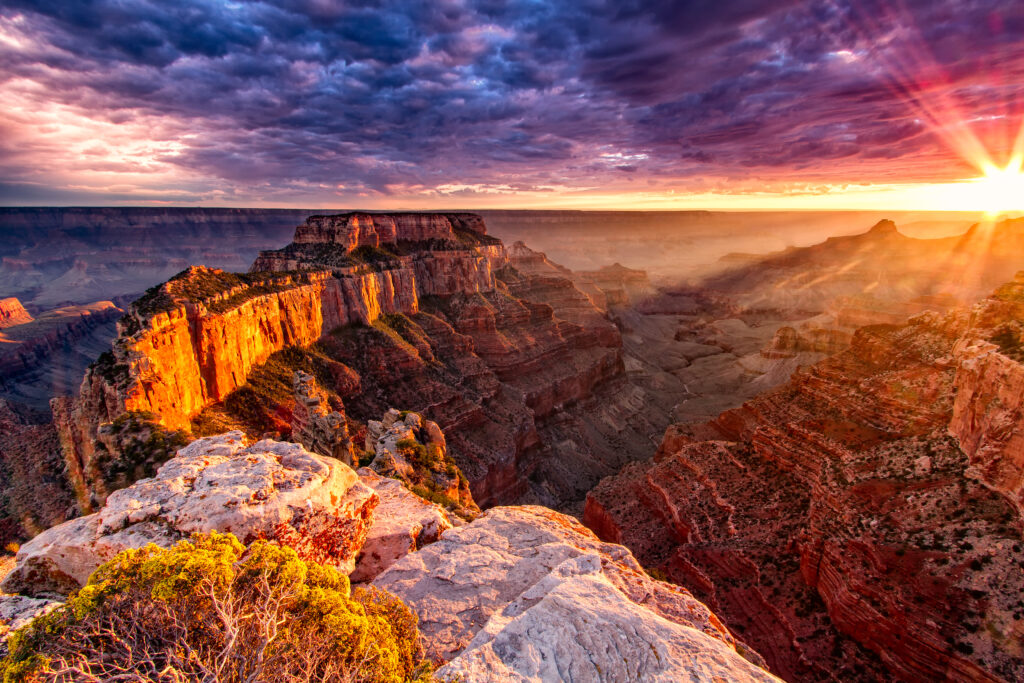
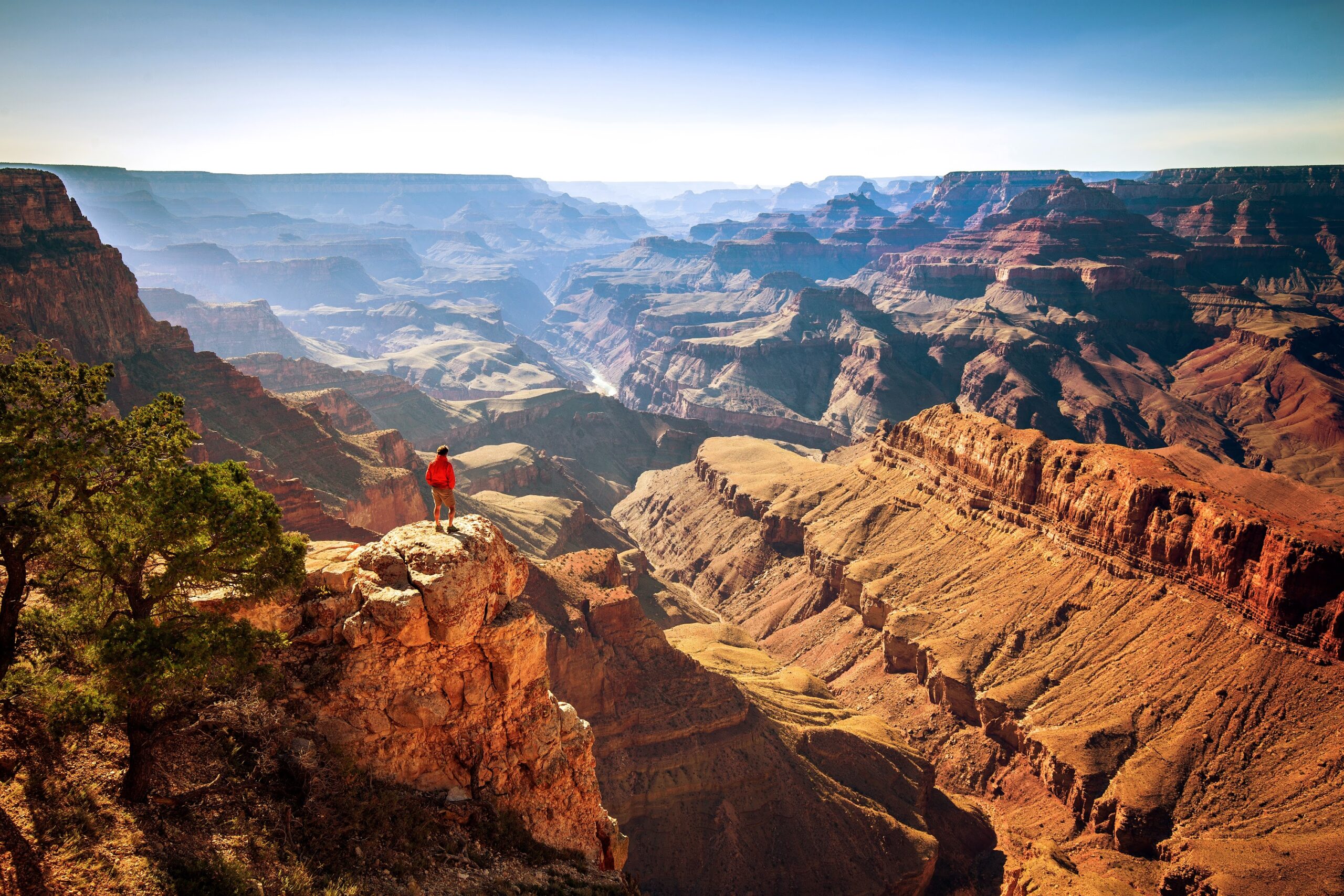
Grand Canyon National Park is one of the most awe-inspiring landscapes in the world, carved by the mighty Colorado River over millions of years. The canyon is immense—over a mile deep, 10+ miles across, 300+ miles long, with more than 400 miles of hiking trails. Combine its massive scale with its two billion years of geological history, breathtaking views, and extraordinary options for adventure, and you have one of the most memorable trekking destinations on Earth.
Hike Overview
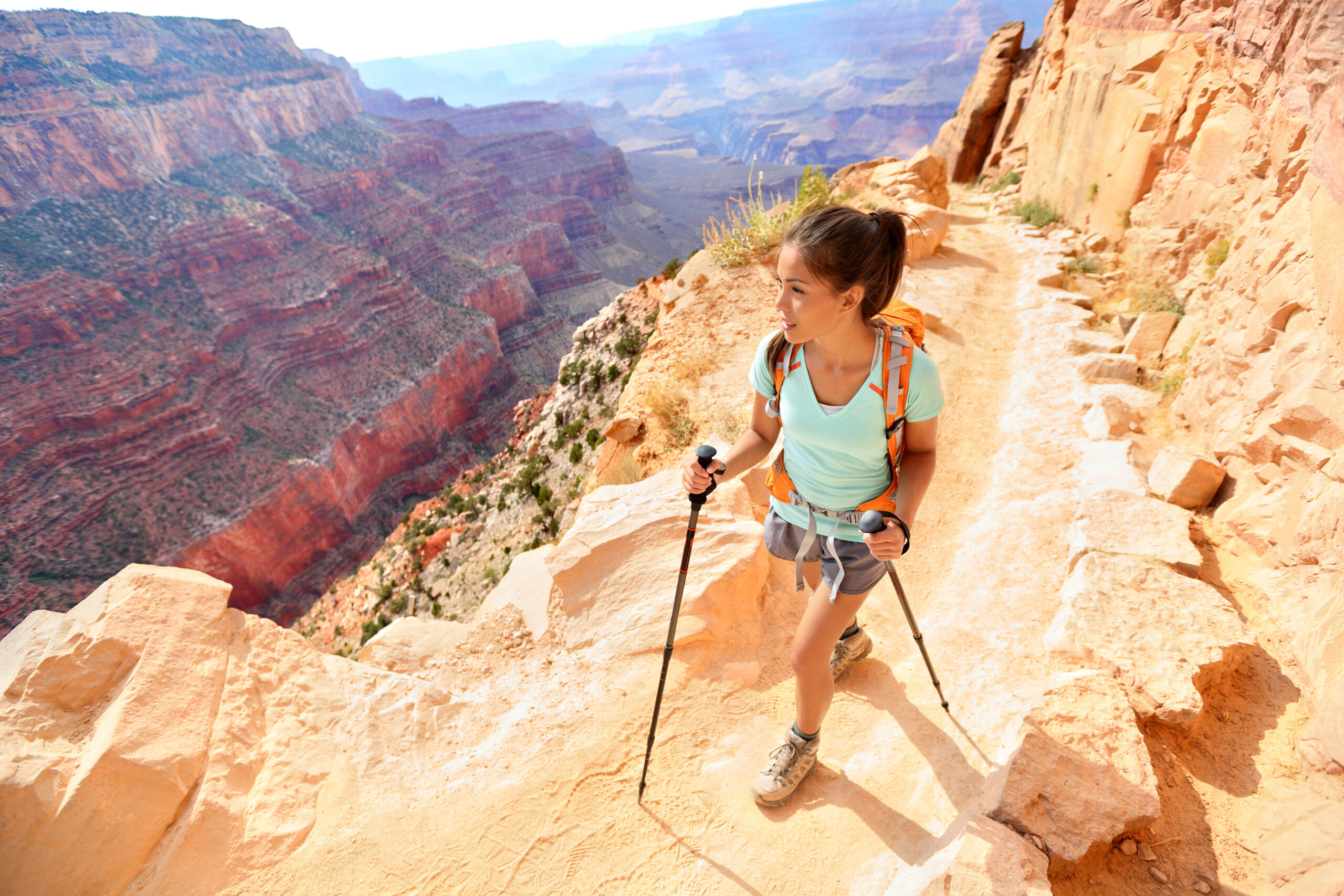
Originally selected as one of the “50 Classic Hikes in North America” by famed adventure journalist Peter Potterfield, Rim to Rim in the Grand Canyon is truly epic. The journey takes you from one rim, all the way to the bottom of the canyon and up the other side. On the way you get to experience waterfalls, box canyons, the mighty Colorado River, and more.
Rim to Rim can be done as a day hike, backpacking trip, or lodge-based trip while staying at Phantom Ranch.
Rim to Rim Day Hike
Start: North Kaibab Trailhead
End: Bright Angel Trailhead or South Kaibab Trailhead
Time: 8-20 hours
Mileage: 24 miles (21 miles if exiting on the South Kaibab Trail)
Difficulty: Very strenuous
Permit: not required
Rim to Rim Backpacking Trip
Start: North Kaibab Trailhead
End: Bright Angel Trailhead or South Kaibab Trailhead
Time: 3-4 days
Campsites: Cottonwood, Bright Angel, Havasupai Gardens (for a 3-day trip, skip either Cottonwood or Havasupai Gardens)
Mileage: 24 miles (21 miles if exiting on the South Kaibab Trail)
Difficulty: Moderately strenuous
Permit: Required via lottery system
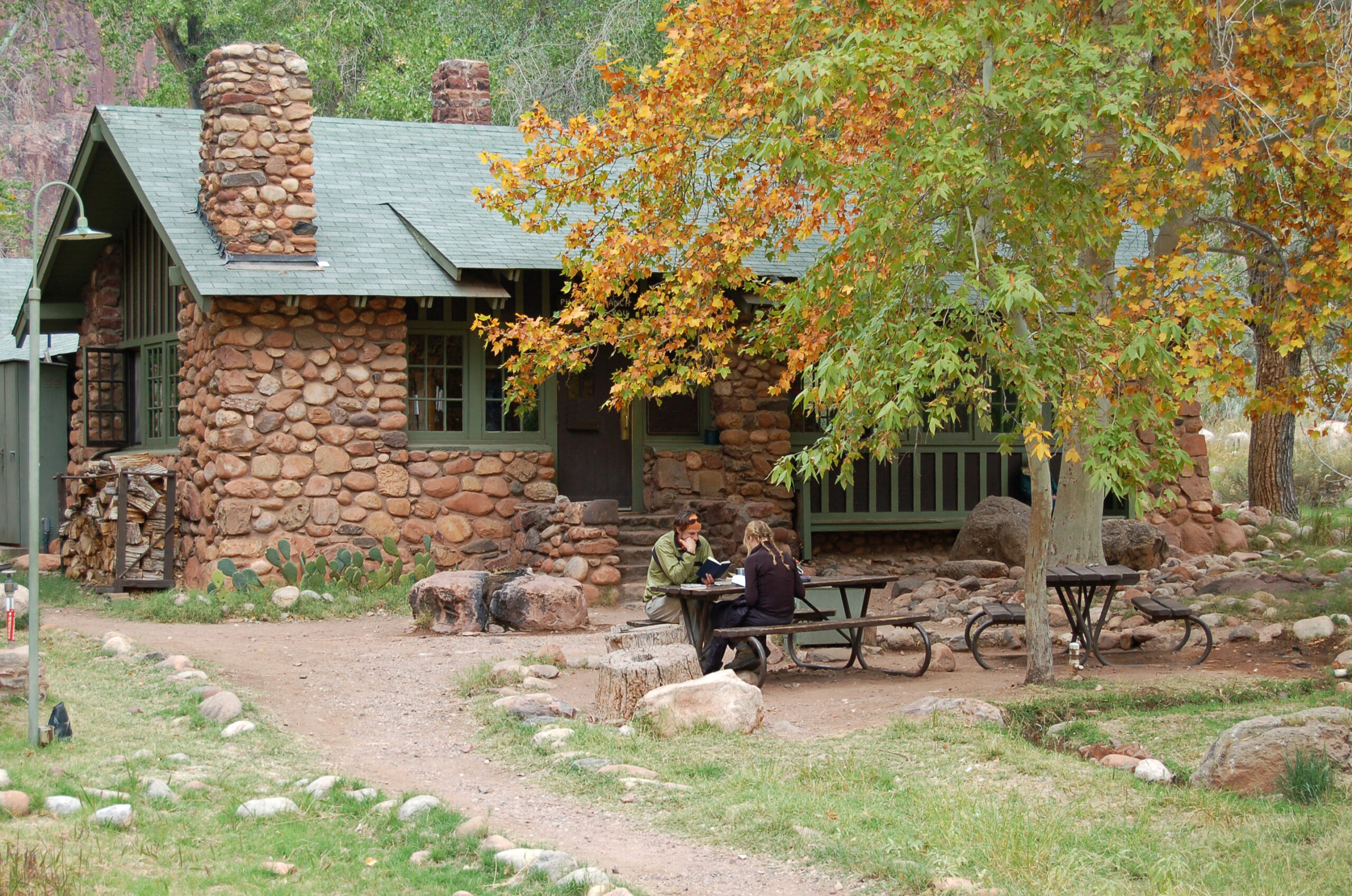
Phantom Ranch Rim to Rim Hike
Start: North Kaibab Trailhead
End: Bright Angel Trailhead or South Kaibab Trailhead
Time: 2-4 days
Mileage: 24 miles (21 miles if exiting on the South Kaibab Trail)
Difficulty: Moderately strenuous
Permit: Not required, but Phantom Ranch reservations required
Best Time
The North Rim is closed from the first significant snowfall after October 15 (or by mid-November at the latest) through May 14 each spring. It is possible to hike rim to rim in June, July, August and September but can be extremely hot (105°F+ in the shade). Therefore, the best times to hike Rim to Rim are May 15–30 and October 1–November 15.
Essentials: What to Pack
- 3–4 liters water capacity
- Cotton sun hoody (cotton retains moisture)
- Hiking shorts and pants
- Rain gear
- A warm fleece layer
- Headlamp
- Plenty of sweet, salty snacks and meals (2x your normal calorie intake)
- Backpacking gear if backpacking
- trekking poles
- First aid kit
- Emergency communication device
2. Explore Wildlife & Geysers in Yellowstone National Park
Destination Overview
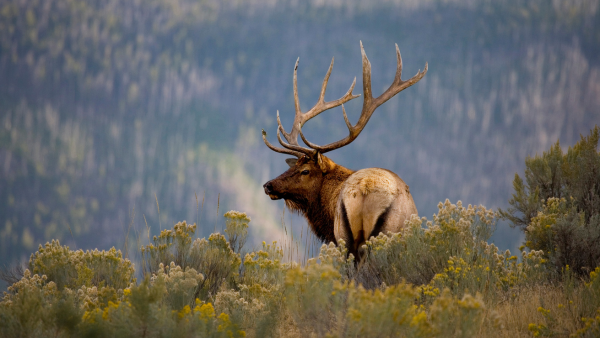
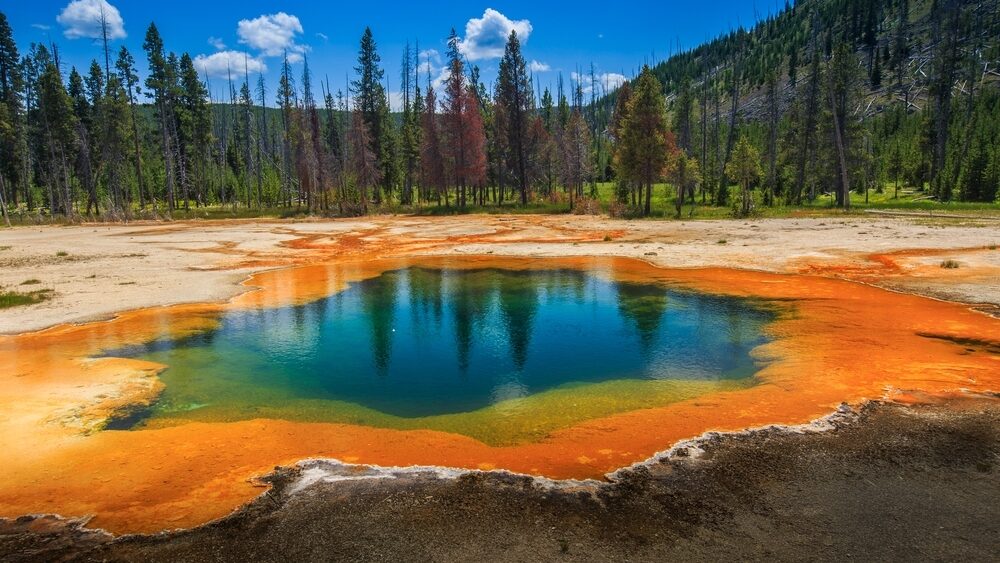
Yellowstone National Park was America’s first national park, and justifiably so. It is a profoundly unique geothermal wonderland filled with geysers, hot springs, mudpots, and more. It boasts the highest concentration of geothermal features in the world. However, Yellowstone’s appeal goes far beyond geysers. It is also home to pristine rivers and lakes, waterfalls, vast meadow systems, remote mountains, and rich wildlife habitat. Hiking Yellowstone combines gorgeous mountain scenery with opportunities to see bison, wolves, elk, moose, bears, and more.
Itinerary Overview
There are many ways to enjoy Yellowstone: hotel-based hiking, camping-based hiking, backpacking, horseback riding, canoeing, cycling, and more. Our recommendation for Yellowstone is a hotel-based hiking vacation that combines historic lodging with daily forays into its diverse wilderness.
Sample 5- Day Itinerary
Day 1: Grand Canyon of the Yellowstone River (3–10 miles)
Day 2: Lamar Valley wildlife and hiking (5–8 miles)
Day 3: Mount Washburn (7 miles)
Day 4: Fairy Falls, Spray and Imperial Geysers (4.5 miles)
Day 5: Lonestar Geyser and the Firehole River (5.5 miles)
Difficulty
Easy to moderate
Best Time
June–September
What to Pack
- Non-cotton, layered hiking clothing
- Non-cotton hiking socks
- Hiking shoes or boots
- A warm fleece or wool layer
- Rain gear
- Comfortable day pack
- Trekking poles
- Bear spray
- Water and snacks
- Headlamp
- Emergency communication device
- Non-hiking clothing and footwear for evenings
RECOMMENDED LODGING:
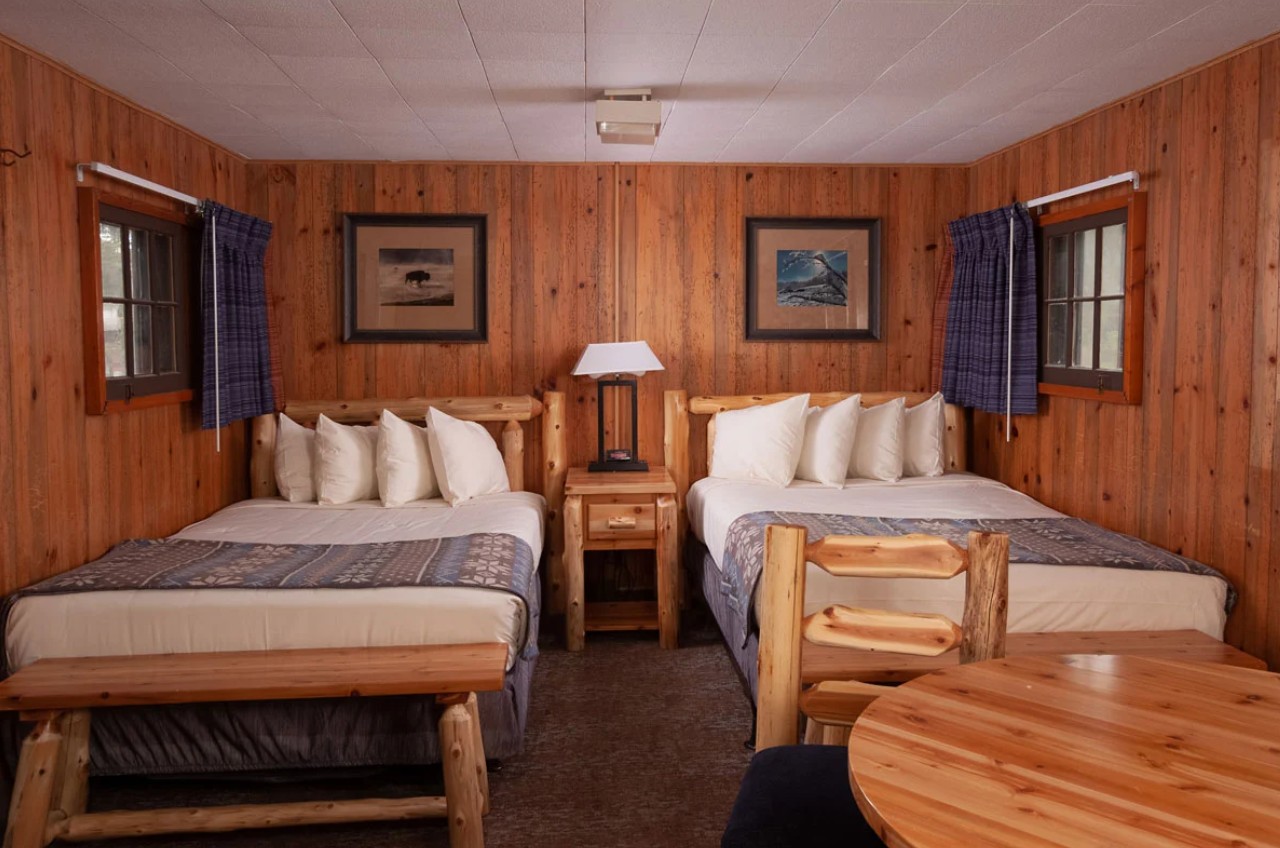
Old Faithful Snow Lodge
The Old Faithful Snow Lodge is a warm, rustic hotel located in the heart of Yellowstone National Park. It’s just a short walk from its namesake: the famous Old Faithful geyser. Built in 1999, the hotel is the newest full-service lodge in the park and was designed in the classic “parkitecture” style, featuring heavy timber construction, log columns, and a cedar shingle roof that blends seamlessly with its natural surroundings.
Reservations at Old Faithful Snow Lodge are very competitive, so it’s best to start planning a year or more in advance.

3. Discover Waterfalls & Granite Domes in Yosemite National Park
Destination Overview
Yosemite National Park is perhaps the United States’ most recognizable park. It’s famous for colossal granite cliffs, plunging waterfalls, and high alpine wilderness. Landmarks like Half Dome, El Capitan, and Yosemite Falls define people’s perception of Yosemite, however vast backcountry areas offer lesser-known, quieter, spectacular alpine hiking.
Itinerary Overview
Yosemite is a fantastic destination for many different types of hiking and backpacking. To make the most of Yosemite’s diverse scenery and myriad of hiking options, our recommendation is a hotel-based vacation that hits the major highlights on a series of day hikes.

Sample 5-Day Itinerary
Day 1: Mist Trail to Vernal and Nevada Falls (7 miles)
Day 2: Taft Point and Sentinel Dome loop (5–8 miles)
Day 3: May Lake and Mount Hoffman (6 miles)
Day 4: Tuolumne Meadows (4–10 miles)
Day 5: Mariposa Grove (7 miles)
Difficulty
Moderate to strenuous
Best Time
May–October
What to Pack
- Non-cotton, layered hiking clothing
- Non-cotton hiking socks
- Hiking shoes or boots
- A warm fleece or wool layer
- Rain gear
- Comfortable day pack
- Trekking poles
- Water and snacks
- Headlamp
- Emergency communication device
- Non-hiking clothing and footwear for evening
RECOMMENDED LODGING:
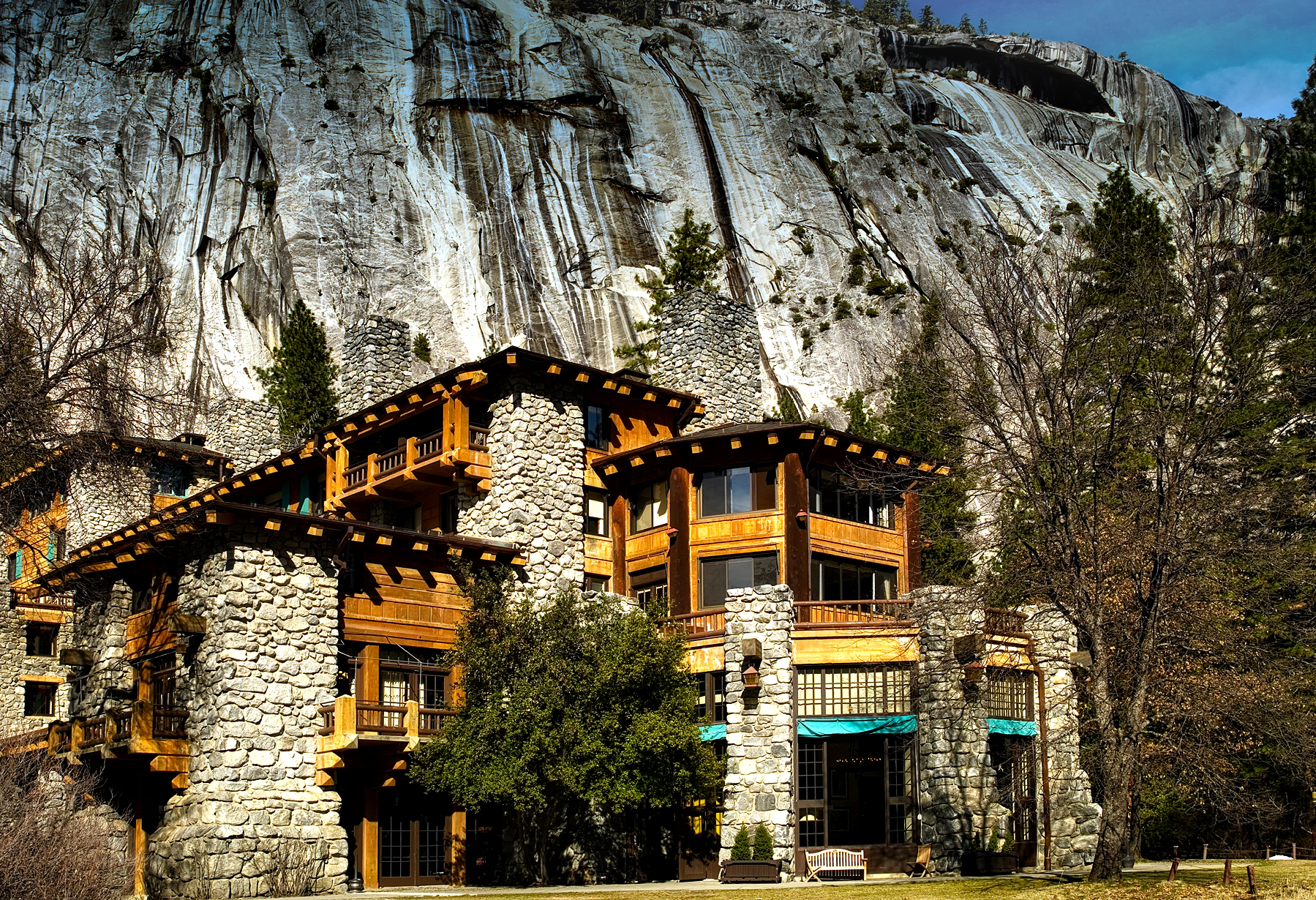
The Ahwahnee
The Ahwahnee is one of the United States’ most historic and impressive hotels. Surrounded by the breathtaking scenery of Yosemite Valley, it couldn’t be in a better location for easy access to hiking trails. Opened in 1927, the hotel was designed to blend naturally with its gorgeous surroundings, using natural materials like granite, steel, timber, and glass to reflect the rugged beauty of the Sierra Nevada Mountains.
Reservations at The Ahwahnee are very competitive, and are reserved 366 days in advance.
4. Hike in the Alpine Wonderland of Glacier National Park
Destination Overview
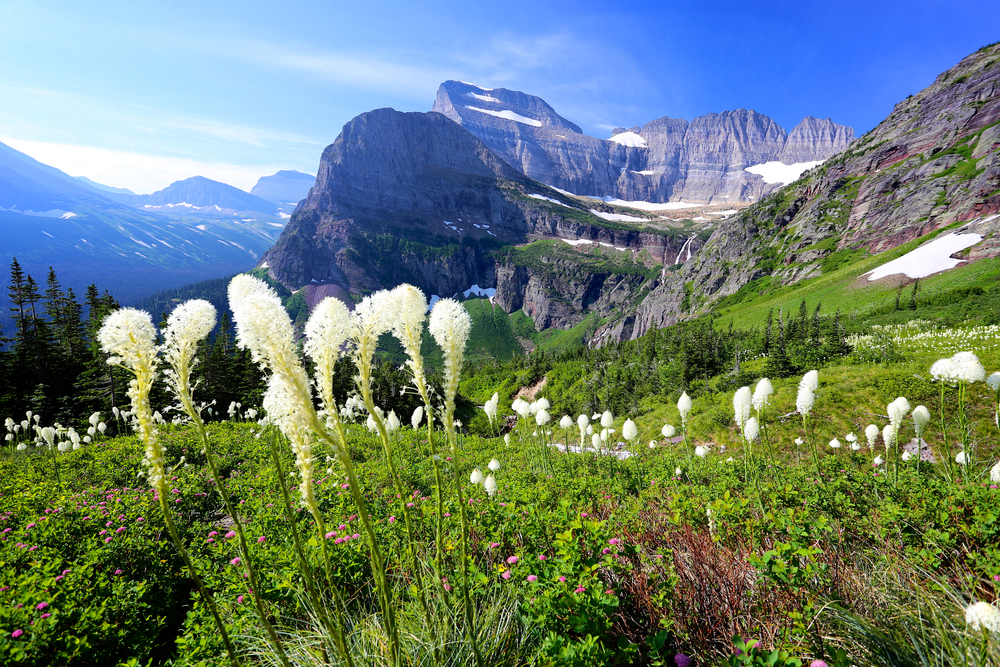
Glacier National Park is often referred to as the “Crown of the Continent,” and justifiably so. Glacier’s towering, picturesque mountains in many ways feel more like the Canadian Rockies than they do like America’s Rockies. They feature jagged alpine peaks, glacial-carved valleys, turquoise mountain lakes, and over 700 miles of hiking trails. Glacier is a dream destination for a hiking vacation.
Itinerary Overview
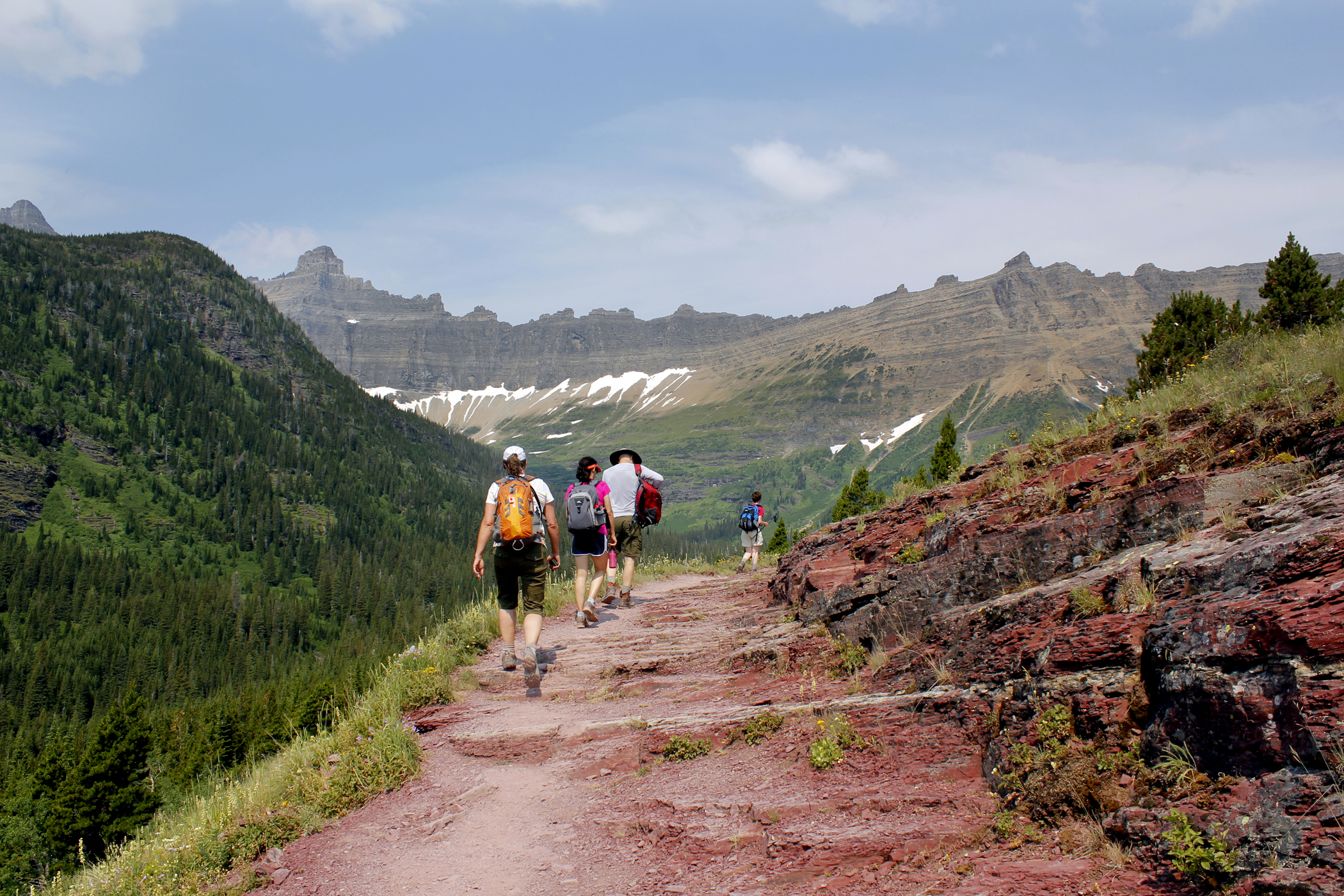
Like other national parks in the Rocky Mountains, Glacier is a world-renowned destination for hiking and backpacking alike. To make the most of your time in Glacier, our recommendation is a trip that combines the diverse highlights of the park into a 6-day, hotel-based hiking itinerary.
Sample 6- Day Itinerary
Day 1: West Glacier (6 miles)
Day 2: Grinnell Glacier (11 miles)
Day 3: Iceberg Lake (9 miles)
Day 4: Two Medicine Valley (8 miles)
Day 5: Lion Mountain Trail (2.5 miles)
Difficulty
Moderate to strenuous
Best Time
July–September
What to Pack
- Non-cotton, layered hiking clothing
- Non-cotton hiking socks
- Hiking shoes or boots
- A warm fleece or wool layer
- Rain gear
- Comfortable day pack
- Trekking poles
- Water and snacks
- Headlamp
- Bear spray
- Emergency communication device
- Non-hiking clothing and footwear for evenings
RECOMMENDED LODGING
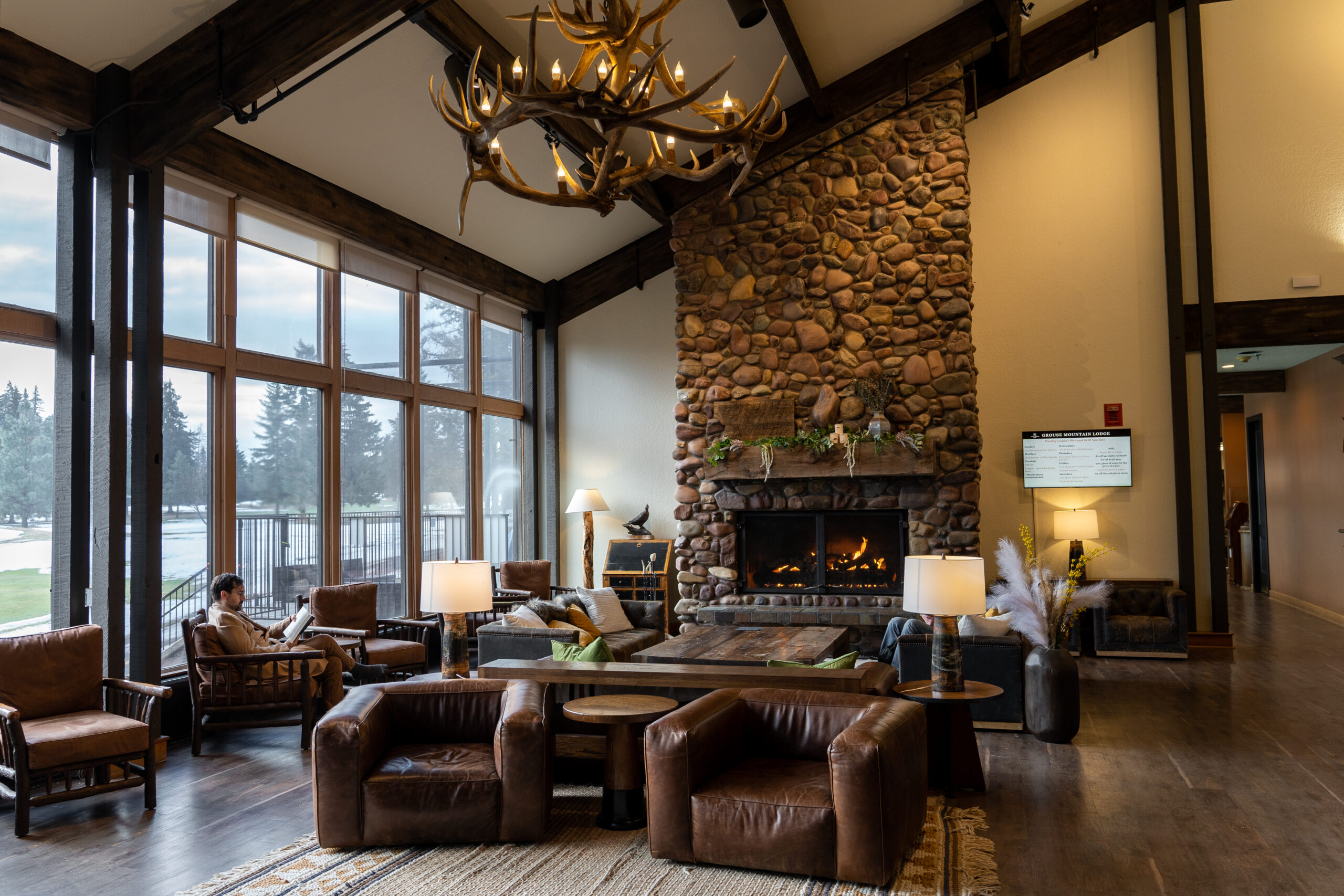
Grouse Mountain Lodge
Grouse Mountain Lodge is nestled among towering pines on the edge of Whitefish, Montana. The hotel offers a warm, classic mountain lodging experience just minutes from the west entrance of Glacier National Park. Blending rustic Montana character with modern amenities, the Grouse Mountain Lodge serves as an inviting basecamp for exploring one of America’s most spectacular national parks.
Reservations at Grouse Mountain Lodge are competitive. It’s recommended to plan your trip 6–12 months in advance.
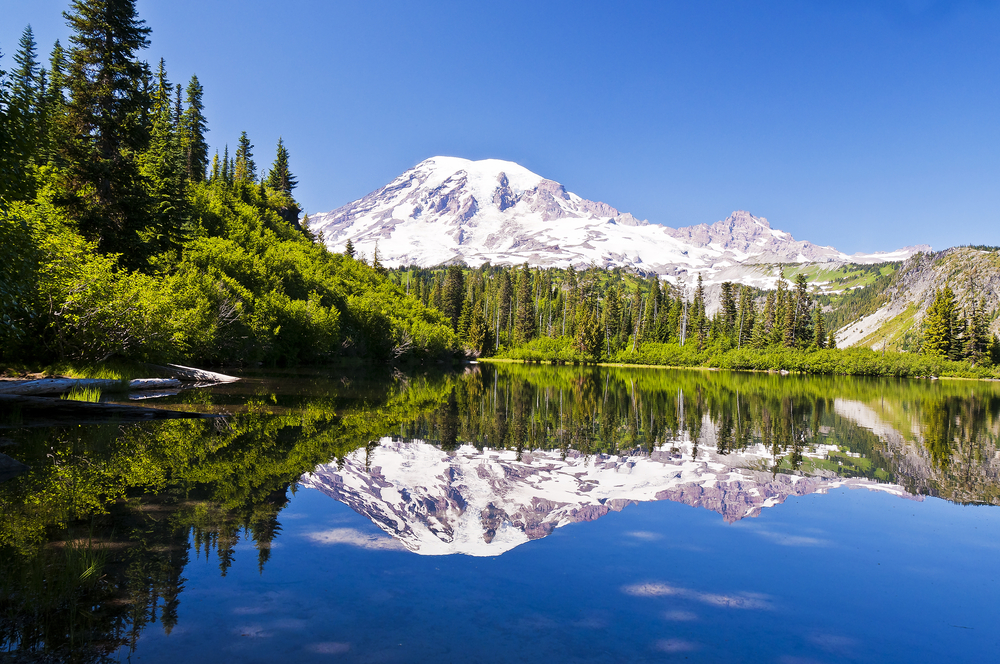
5. Experience the Best of Olympic & Mount Rainier National Parks
Destination Overview
Olympic National Park and Mount Rainier National Park together offer one of the most exciting and scenic hiking experiences in the United States. These parks are also extremely varied, featuring many different types of ecosystems in a relatively small area. From glacier-covered volcanoes and alpine meadows to temperate rainforests and rugged Pacific coastline, these parks deliver unforgettable hikes. Combining Olympic and Rainier—each a world class destination on its own—into one grand Pacific Northwest adventure is an experience that will stick with you long after the hiking is over.
Itinerary Overview
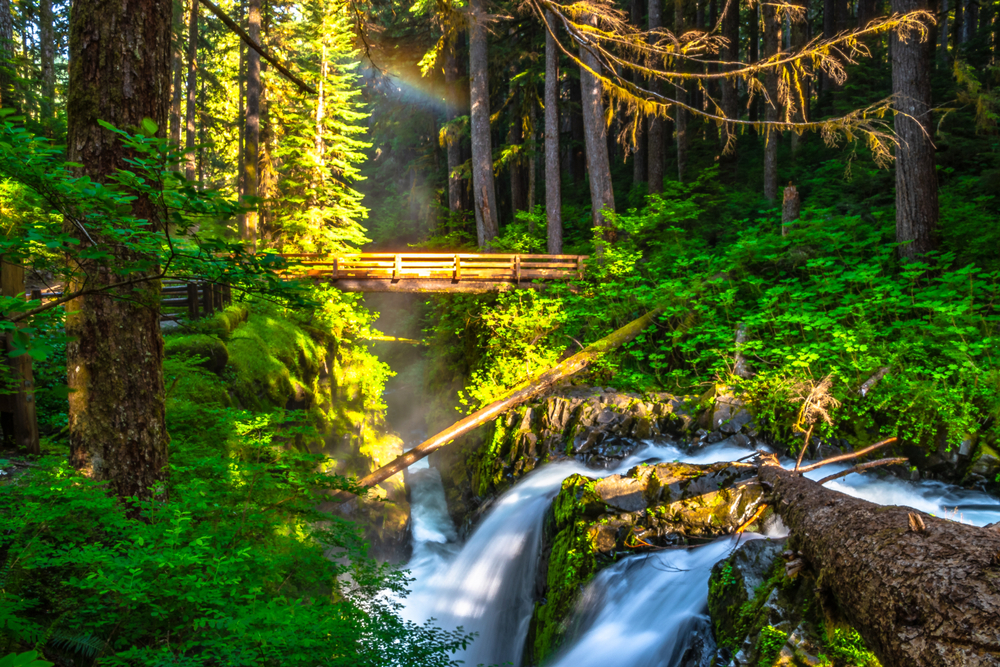
To combine Olympic and Rainier, the best approach is a hotel-based itinerary with day hikes into the backcountry. You can start with either park, however our recommendation is to begin with Olympic due to its proximity to Seattle. The hikes will take you to rich rainforests, dramatic waterfalls, gorgeous alpine lakes, vast meadows filled with wildflowers, and wildly beautiful coastlines.
Sample 6- Day Itinerary
Day 1: Hurricane Ridge and Klahhane Ridge in Olympic (6 miles total)
Day 2: Mount Storm King (4 miles)
Day 3: Rialto Beach to Hole-in-the-Wall (4 miles)
Day 4: Burroughs Mountain in Mount Rainier (9 miles)
Day 5: Camp Muir (8 miles)
Day 6: Reflection Lakes (3 miles)
Difficulty
Moderate to Strenuous (the Mount Rainier hikes are more strenuous)
Best Time
July–September
What to Pack
- Non-cotton, layered hiking clothing
- Non-cotton hiking socks
- Hiking shoes or boots
- A warm fleece or wool layer
- Rain gear
- Comfortable day pack
- Trekking poles
- Water and snacks
- Headlamp
- Emergency communication device
- Non-hiking clothing and footwear for evenings
RECOMMENDED LODGING
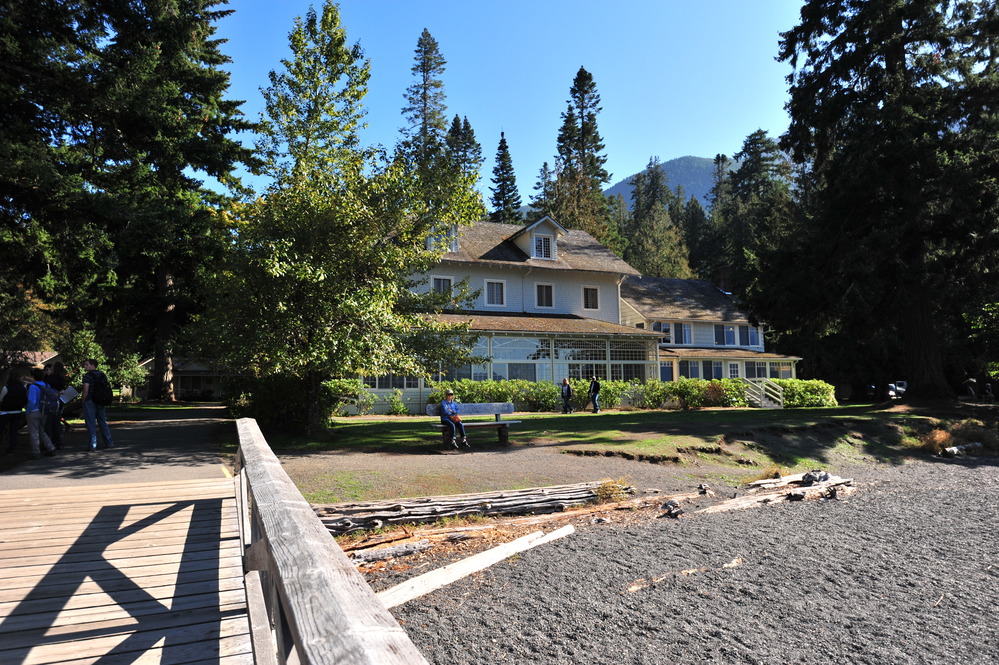
Lake Crescent Lodge
Perched along the pristine shoreline of Lake Crescent, Lake Crescent Lodge is a serene, historic retreat surrounded by old-growth forest and the natural beauty of the Pacific Northwest. Originally built in 1915, the lodge exudes historic charm, with weathered wood exteriors, a welcoming front porch, and a relaxed, unpretentious atmosphere that encourages guests to slow down and take in the natural surroundings. The setting is truly the highlight—crystal-clear glacial waters framed by forested hills and misty mountain backdrops create one of the most peaceful landscapes in Olympic National Park.
RECOMMENDED LODGING
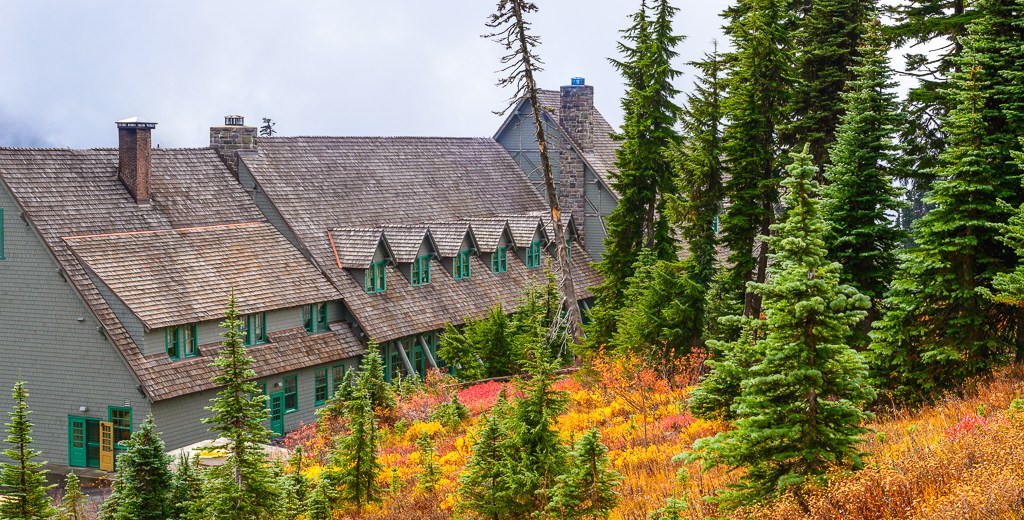
Paradise Inn
Set high on the southern slopes of Mount Rainier, Paradise Inn offers one of the most popular lodging experiences in the national park system. Built in 1916 and perched in the aptly named Paradise area, the inn sits amid sweeping alpine meadows that explode with wildflowers in early summer and snowfields that linger well into July and August. With Mount Rainier towering above, the location feels both remote and awe-inspiring, placing guests directly in the heart of Mount Rainier National Park.
Both of these lodges book up very early. It’s recommended to plan your trip 12+ months in advance.
6. Utah’s Mighty Five National Parks Hiking Tour
Destination Overview
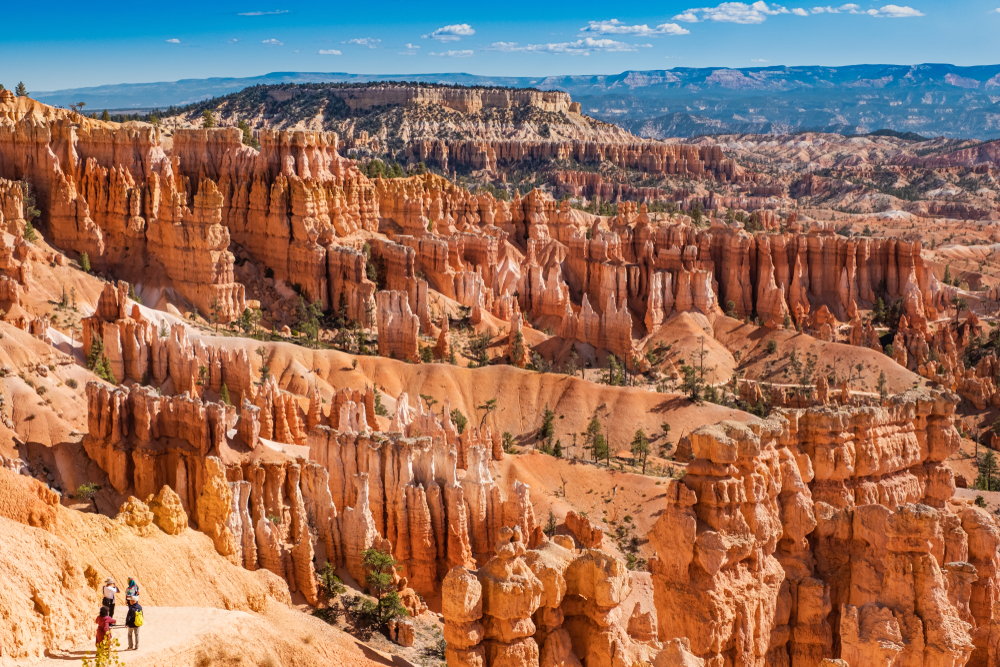
One of the most popular regions in the United States for hiking, Utah offers adventurous visitors extensive options for exploration. Utah’s Mighty Five—Zion National Park, Bryce Canyon National Park, Arches National Park, Canyonlands National Park, and Capitol Reef National Park—showcase some of the most vibrant and colorful desert landscapes in North America. Hike through narrow slot canyons, to sandstone arches, past other-worldly hoodoos, into vast oceans of slickrock, to waterfalls and more. Southern Utah’s national parks also offer a fascinating and immersive cultural experience. As you hike, you are following in the footsteps of people who have been walking these paths for millennia, and evidence of their lives exists today. Ancient rock art, cliff dwellings, and legendary stories of their customs and lifestyles help the landscape come to life. This is especially true on Utah hiking tours with a guide who can point out sites and regale you with stories.
Itinerary Overview
Combining five national parks into one trip is an ambitious endeavor. Fortunately, in Utah, it’s absolutely possible, and in fact is a spectacular way to experience these parks. The best way to hike all five is on a hotel-based trip. We recommend flying into Grand Junction, Colorado or Moab, Utah and visiting the parks in this order: Arches, Canyonlands, Capitol Reef, Bryce, and Zion.
Sample 10- Day Itinerary
Day 1: Fly into Grand Junction, Colorado and hike to Fisher Towers outside Moab (3-4 miles)
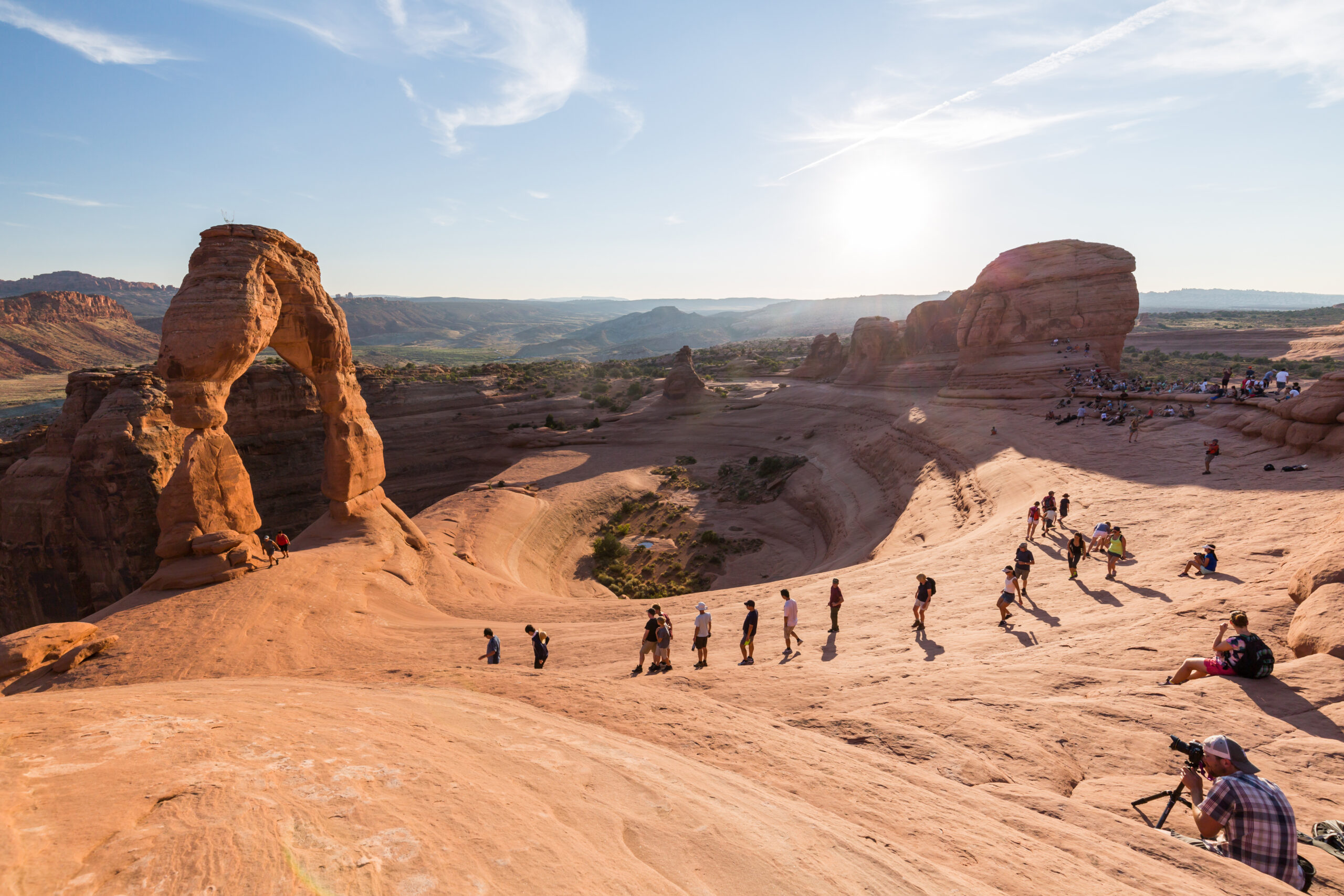
Day 2: Delicate Arch and Devil’s Garden Trail in Arches National Park (5-8 miles)
Day 3: Newspaper Rock plus Needles District in Canyonlands National Park (~6 miles)
Day 4: Grandview Point at Island in the Sky in Canyonlands (4-6 miles)
Day 5: Grand Wash Trail in Capitol Reef National Park (4-6 miles)
Day 6: Queens Garden – Navajo Loop in Bryce Canyon National Park (6.4 miles)
Day 7: Virgin River Narrows in Zion National Park (5-6 miles)
Day 8: Watchman Trail in Zion, then depart from Las Vegas
Difficulty
Moderate
Best Time
March–May, September–November
What to Pack
- 2-3 liters water capacity
- Cotton sun hoody (cotton retains moisture)
- Non-cotton hiking layers (in case of cold weather)
- Hiking shorts and pants
- Rain gear
- A warm fleece layer
- Headlamp
- Plenty of sweet, salty snacks and meals (2x your normal calorie intake)
- Trekking poles
- Emergency communication device
Learn More: MT Sobek Utah Adventure Travel Webinar | 5 Things To Know About Hiking Utah’s Mighty 5 National Parks

RECOMMENDED LODGING
Zion National Park Lodge
Nestled beneath soaring sandstone cliffs in the heart of Zion National Park, Zion Lodge offers an unparalleled opportunity to stay inside one of the Southwest’s most iconic parks. Surrounded by colossal canyon walls, cottonwood trees, and the gentle flow of the Virgin River, the lodge provides a peaceful retreat just steps from some of Zion’s most famous trails, including Angels Landing and Emerald Pools.
RECOMMENDED LODGING
Bryce Canyon Lodge
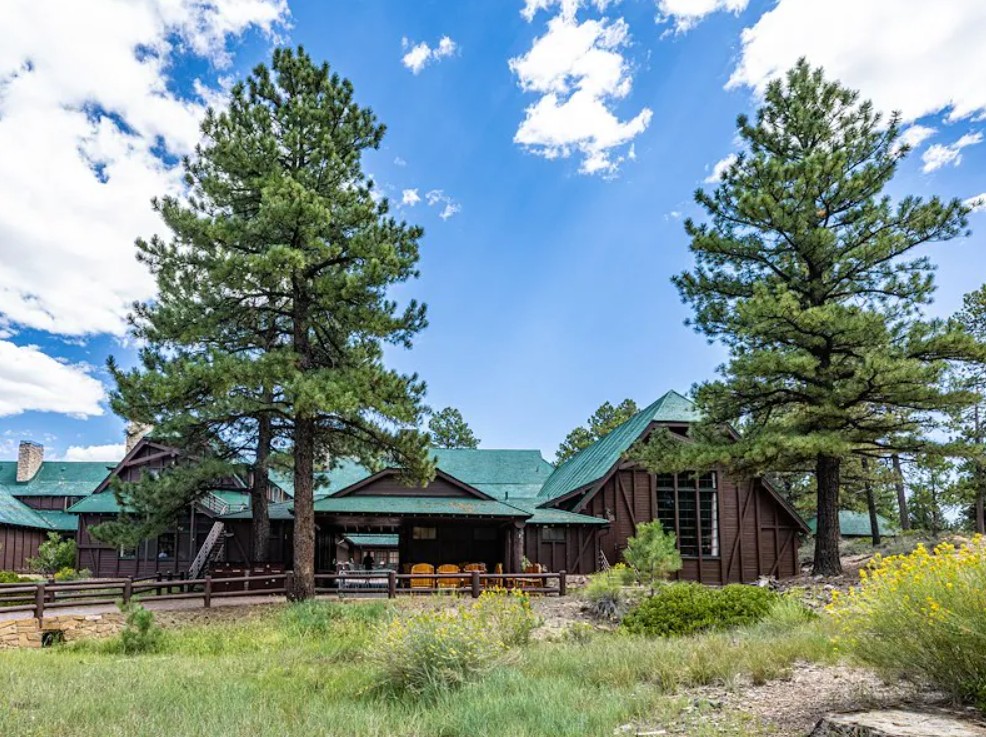
Set just steps from the rim overlooking the amphitheater in Bryce Canyon National Park, Bryce Canyon Lodge is a historic retreat. Built in the 1920s in classic national park rustic style, the lodge features log-and-stone architecture, cozy cabins, and a peaceful atmosphere shaded by ponderosa pines. Its unrivaled location allows guests to easily walk to Sunrise and Sunset Points, where Bryce Canyon’s iconic hoodoos glow in shifting light throughout the day.
RECOMMENDED LODGING
Capitol Reef Resort
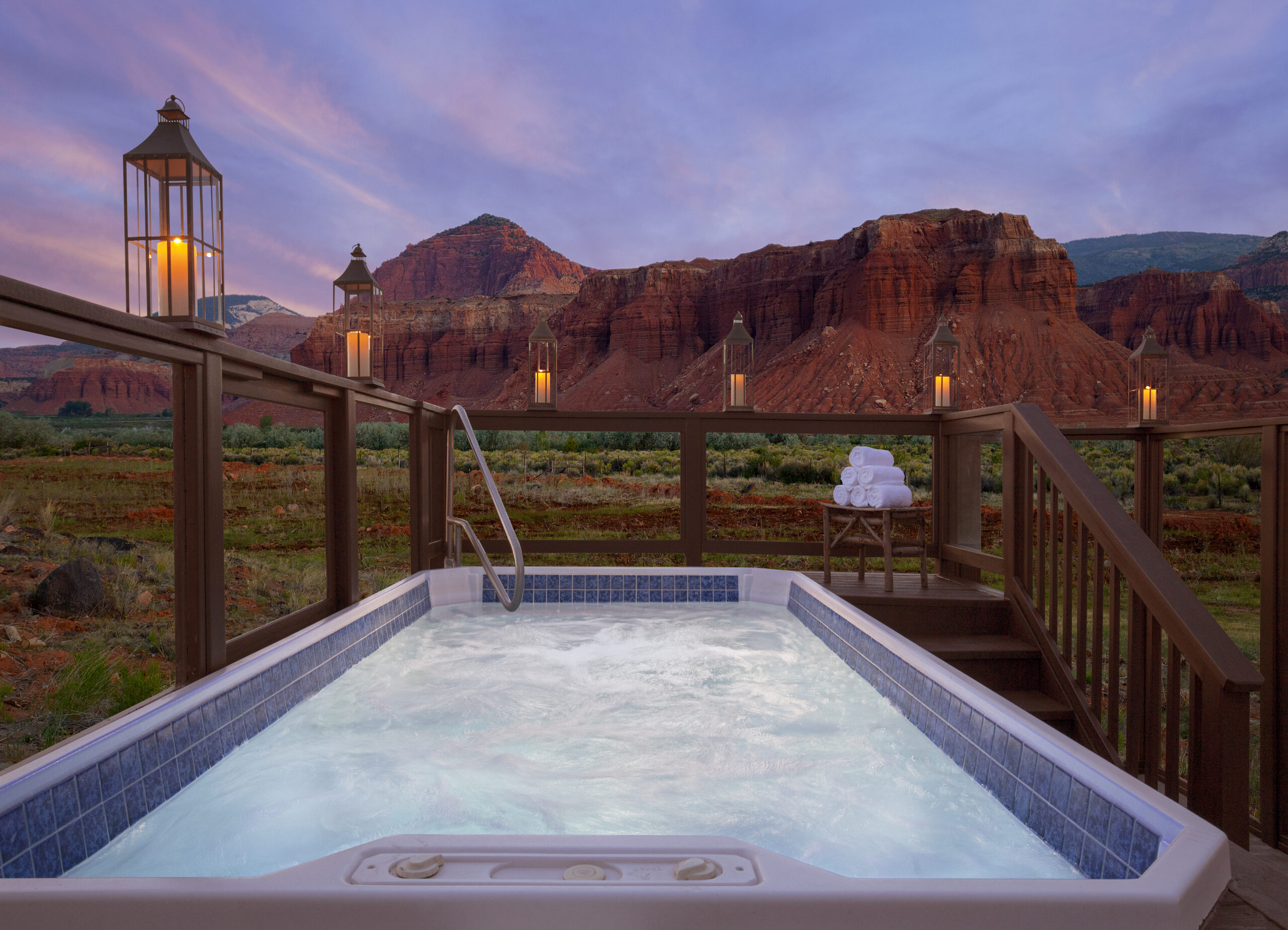
Surrounded by the dramatic red rock cliffs just outside Capitol Reef National Park, Capitol Reef Resort puts you right in the action. Surrounded by sweeping views of the Waterpocket Fold, the resort features a range of accommodations—from traditional hotel rooms to luxury cabins and memorable glamping options like Conestoga wagons and teepees. With its wide-open setting and easy access to hiking, scenic drives, and the park’s iconic rock formations, Capitol Reef Resort provides both a comfortable basecamp and an immersive way to experience Utah’s rugged canyon country.
RECOMMENDED LODGING
Red Cliffs Lodge
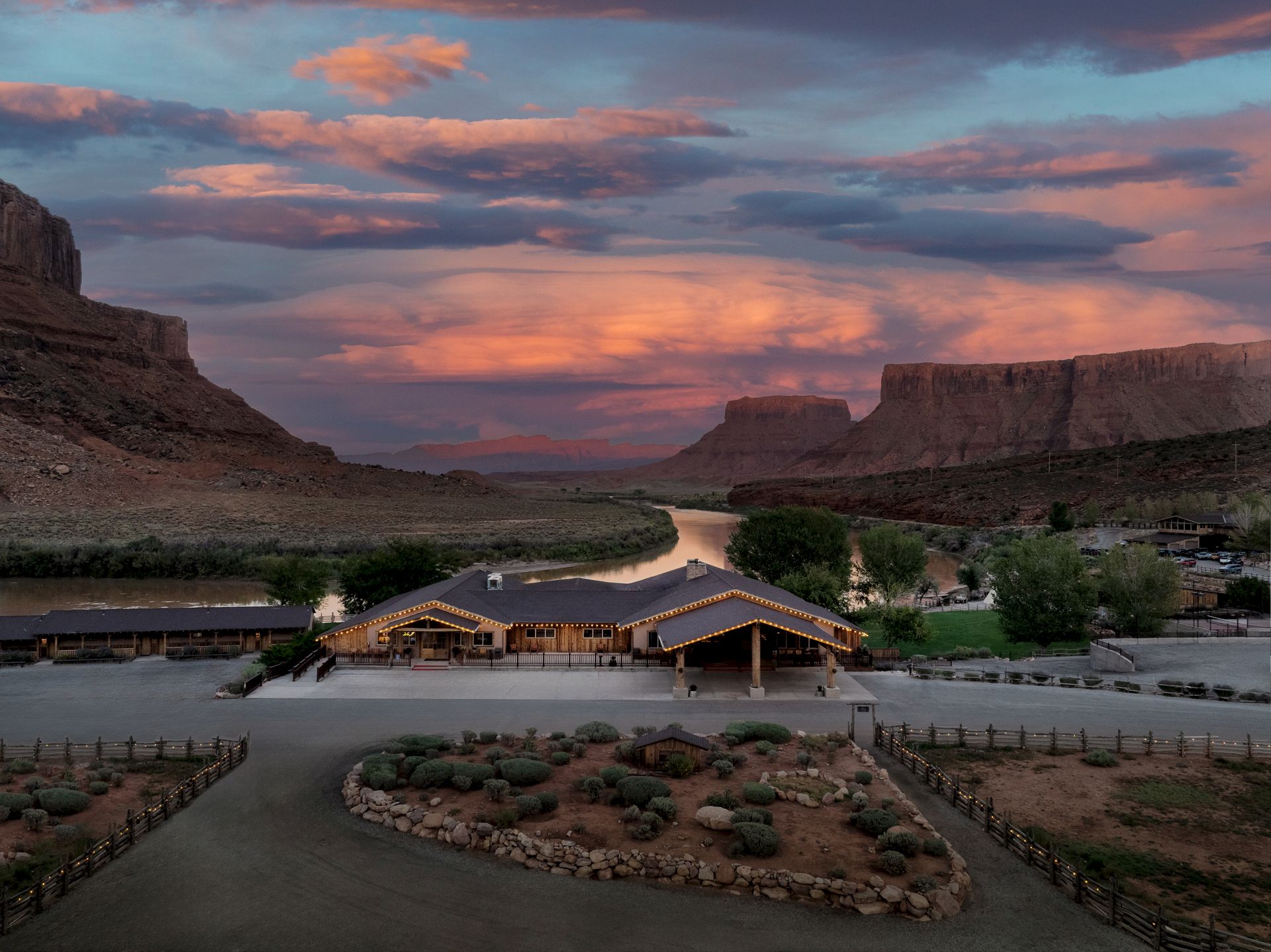
Built along a scenic bend of the Colorado River and framed by towering sandstone walls, Red Cliffs Lodge offers a tranquil, ranch-style retreat just outside the adventure hub of Moab. Surrounded by the dramatic landscapes of Castle Valley, the lodge combines rustic Western charm with spacious accommodations, many featuring private decks that overlook the river and red rock cliffs.
These lodges book up very early. It’s recommended to plan your trip 12+ months in advance.
7. Sedona Red Rock Hiking in Arizona
Destination Overview
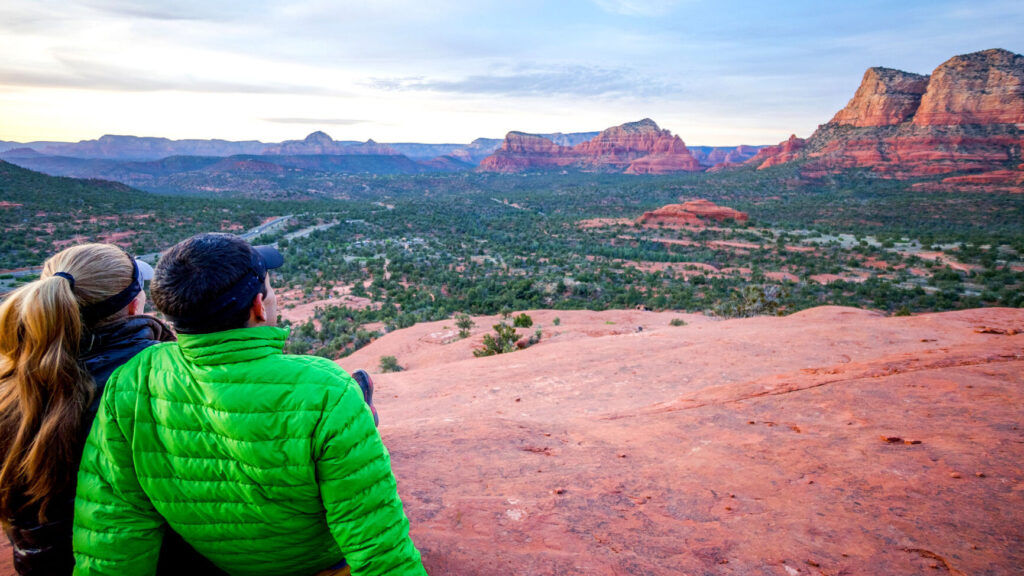
The town of Sedona, Arizona and surrounding landscapes are famous for their gorgeous red rock formations, forested canyons and scenic desert trails. The landscape features towering sandstone buttes, arches, and mesas that rise up above spring-fed desert creeks. With more than 400 miles of trails, the Sedona area is a premier hiking destination.
Itinerary Overview
The best way to experience Sedona is on a hotel-based hiking itinerary. The town features fantastic lodging and restaurants to reward your efforts after each day’s hike.

Sample 4- Day Itinerary
Day 1: Cathedral Rock Loop (7.5 miles)
Day 2: Hangover Loop (8 miles)
Day 3: Loy Canyon Trail (12 miles)
Day 4: Seven Sacred Pools from Soldiers Pass (1.5 miles)
Difficulty
Easy to moderate
Best Time
Fall–spring
What to Pack
- 2-3 liters water capacity
- Cotton sun hoody (cotton retains moisture)
- Non-cotton hiking layers (in case of cold weather)
- Hiking shorts and pants
- Rain gear
- A warm fleece layer
- Headlamp
- Plenty of sweet, salty snacks and meals (2x your normal calorie intake)
- Trekking poles
- Emergency communication device
RECOMMENDED LODGING
Briar Patch Inn
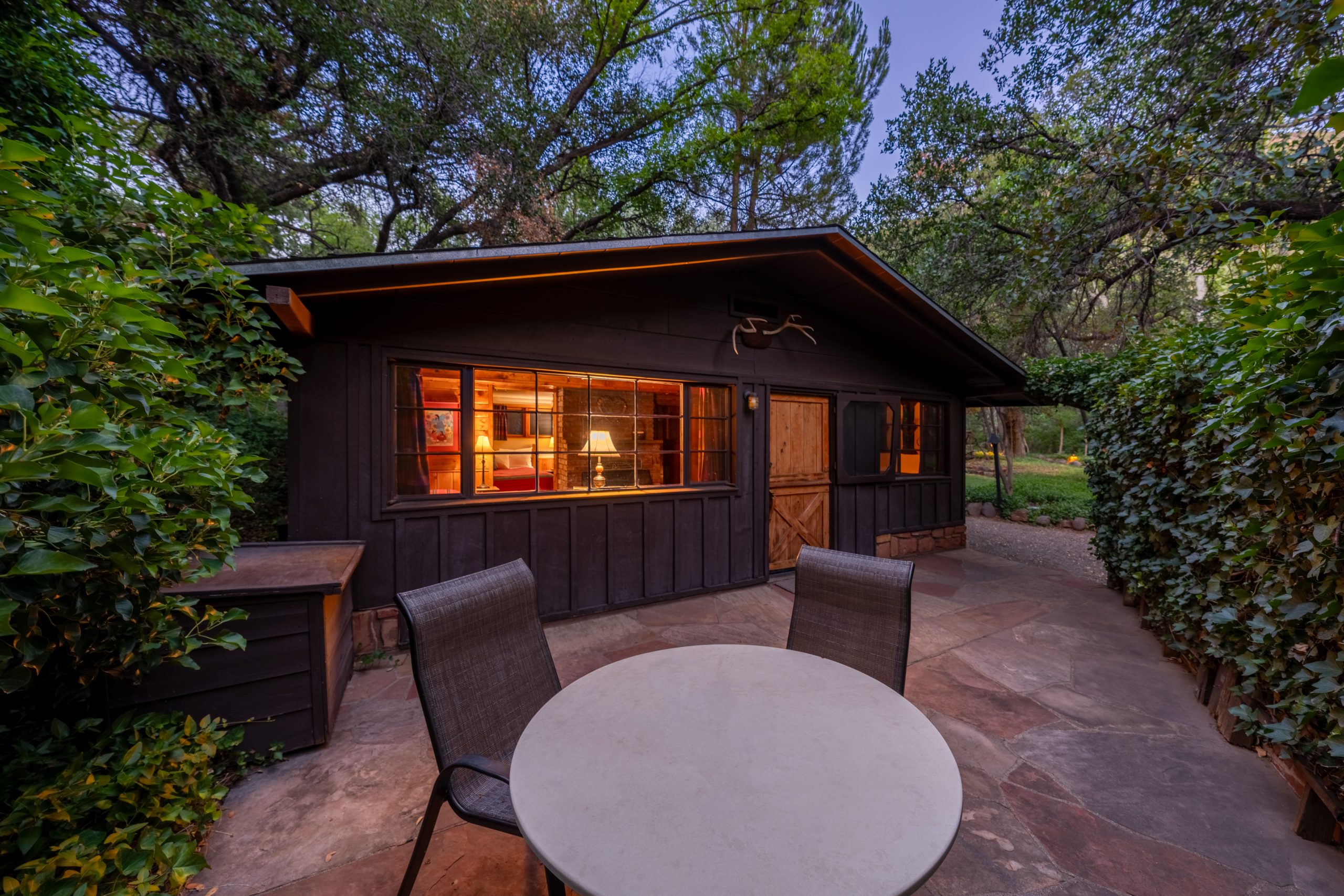
Tucked along the shaded banks of refreshing Oak Creek, Briar Patch Inn is a tranquil, nature-immersed retreat that feels worlds away from the bustle of Sedona. Set among lush gardens, towering sycamores, and the gentle sounds of flowing water, the inn features a collection of charming, historic cabins that blend rustic character with simple, comfortable elegance.
8. Great Smoky Mountains Hiking Adventure
Destination Overview
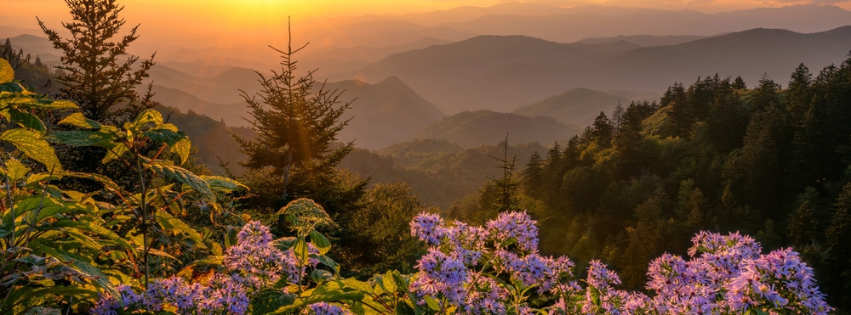
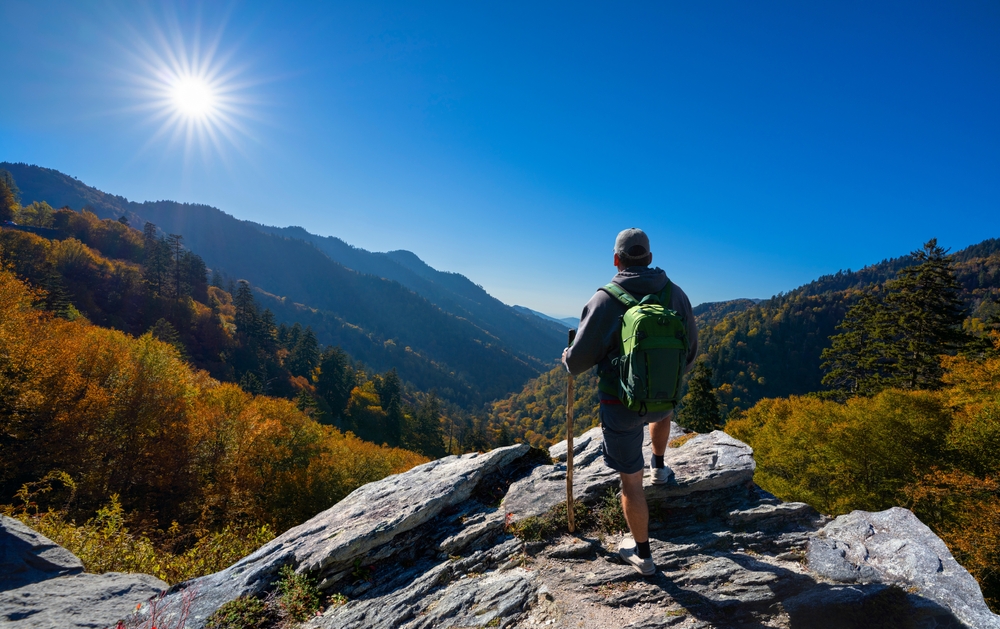
Great Smoky Mountains National Park provides exceptional hiking opportunities in the Eastern United States. This historic national park features lush forests, abundant wildlife, and one of the most biodiverse ecosystems in North America. Mist-covered mountains, cascading waterfalls, and more than 3,000 miles of waterways (creeks and rivers) define the hiking experience.
You may be surprised by the significant elevation gains and losses of these mountains. While older and not as dramatic as the Western ranges, the Smokies are big mountains with big adventure. As you ascend to high ridges and passes, then descend into river valleys, these mountains feel every bit as challenging as the Rockies, Cascades, or Sierra Nevada.
Itinerary Overview
One of the most famous aspects of Great Smoky Mountains National Park is the iconic Appalachian Trail (AT), which cuts through the park along its high ridges. To hike this park in classic style, a backpacking segment adds a culturally significant experience. However, there are many highlights that you won’t see on the AT, so our recommended itinerary combines a 3-day backpacking trip with 3 days of hotel-based hiking.
Sample 6- Day Itinerary
Day 1–3: Gregory Bald Loop backpacking (see below)
Day 4: Ramsey Cascades (8 miles)
Day 5: Charlies Bunion (9 miles)
Day 6: Clingman’s Dome and Andrews Bald (5 miles)
Gregory Bald Backpacking Trip
Start: Gregory Ridge Trailhead
End: Gregory Ridge Trailhead
Time: 3 days
Campsites: Campsite 13 (Sheep Pen Gap)
Mileage: 11 miles plus day hiking
Difficulty: Moderately strenuous
Permit: Required via lottery system
Difficulty
Easy to moderate
Best Time
April–June, October
What to Pack
- 2 liters water capacity
- Non-cotton hiking shirt
- Hiking shorts and pants
- Rain gear
- A warm fleece layer
- Headlamp
- Plenty of sweet, salty snacks and meals (2x your normal calorie intake)
- Backpacking gear
- Trekking poles
- Emergency communication device
RECOMMENDED LODGING
Dancing Bear Cabins
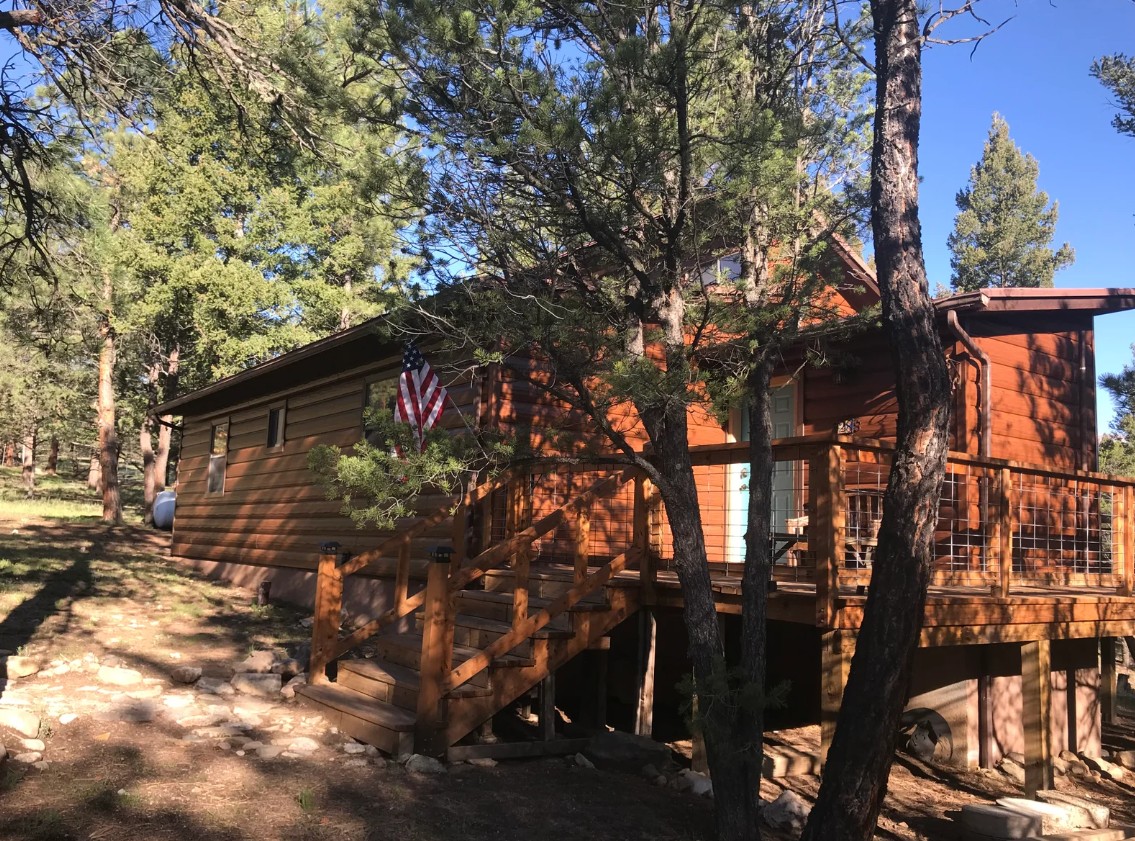
Set in the wooded foothills just outside Great Smoky Mountains National Park, Dancing Bear Cabins offer a refined yet rustic retreat where nature and comfort meet. Handcrafted timber cabins feature warm, lodge-style interiors with stone fireplaces, private decks, and inviting hot tubs, creating a cozy haven after a day of exploring nearby trails and scenic byways.
9. Rocky Mountain National Park Alpine Adventure
Destination Overview
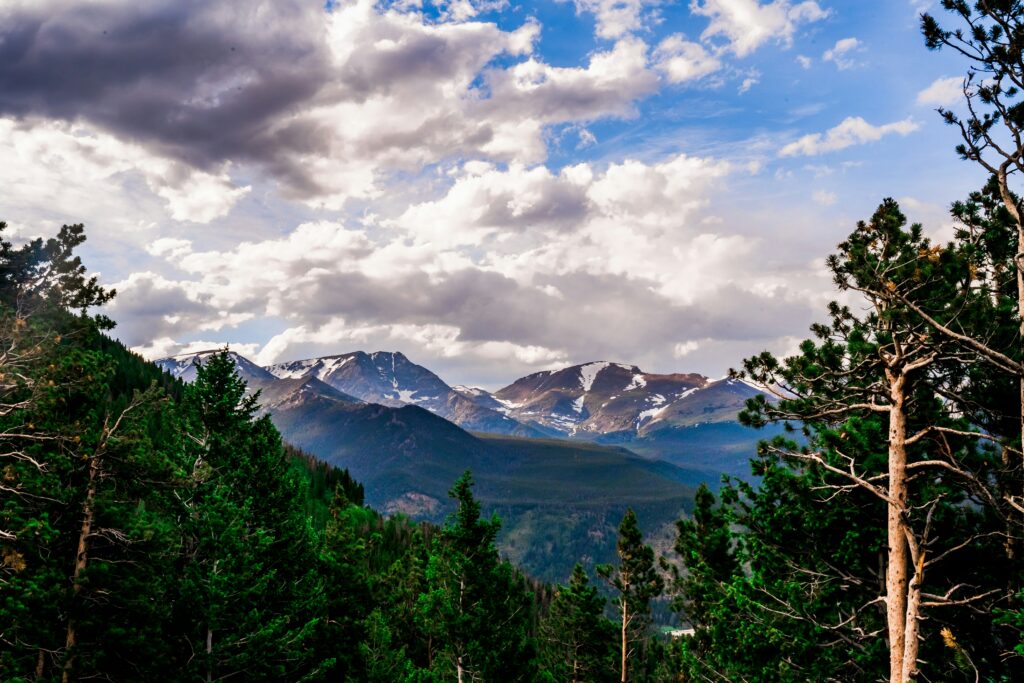
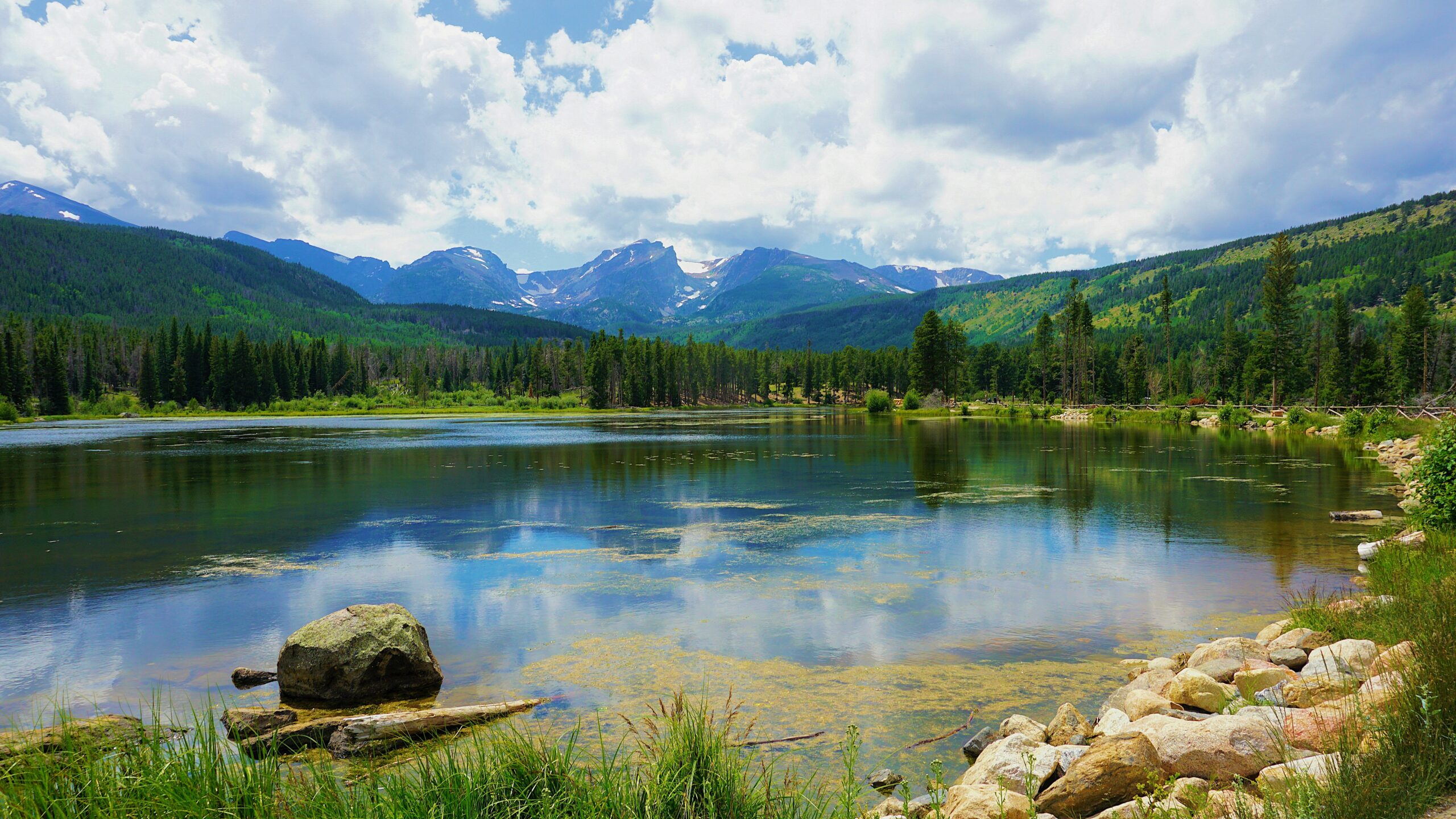
Rocky Mountain National Park is famous for its high alpine peaks, glacial lakes, and panoramic mountain vistas. Trails climb above tree line into dramatic landscapes shaped by glaciers and extreme weather. With more than 350 miles of trails and the highest continuous paved highway in the United States (Trail Ridge Road), Rocky offers some of the most exciting and accessible alpine hiking in the United States.
Itinerary Overview
Rocky Mountain National Park is one of the most accessible parks in the country. You can access nearly every part of the park on day hikes. For this reason, we recommend enjoying this park on a series of day hikes based at a hotel in Estes Park, Colorado. Estes has wonderful lodging and fantastic restaurants, rounding out an already memorable hiking vacation. If you prefer a lodging experience with more solitude, staying on the western side of the mountains in Grand Lake is also an option.
Sample 4- Day Itinerary
Day 1: Alberta Falls and Sky Pond (10 miles)
Day 2: Chasm Lake (9 miles)
Day 3: Mount Ida (10 miles)
Day 4: Gem Lake (3.5 miles)
Difficulty
Moderate to strenuous
Best Time
June–September
What to Pack
- Non-cotton, layered hiking clothing
- Non-cotton hiking socks
- Hiking shoes or boots
- A warm fleece or wool layer
- Rain gear
- Comfortable day pack
- Trekking poles
- Water and snacks
- Headlamp
- Emergency communication device
- Non-hiking clothing and footwear for evenings
RECOMMENDED LODGING
Inn on Fall River
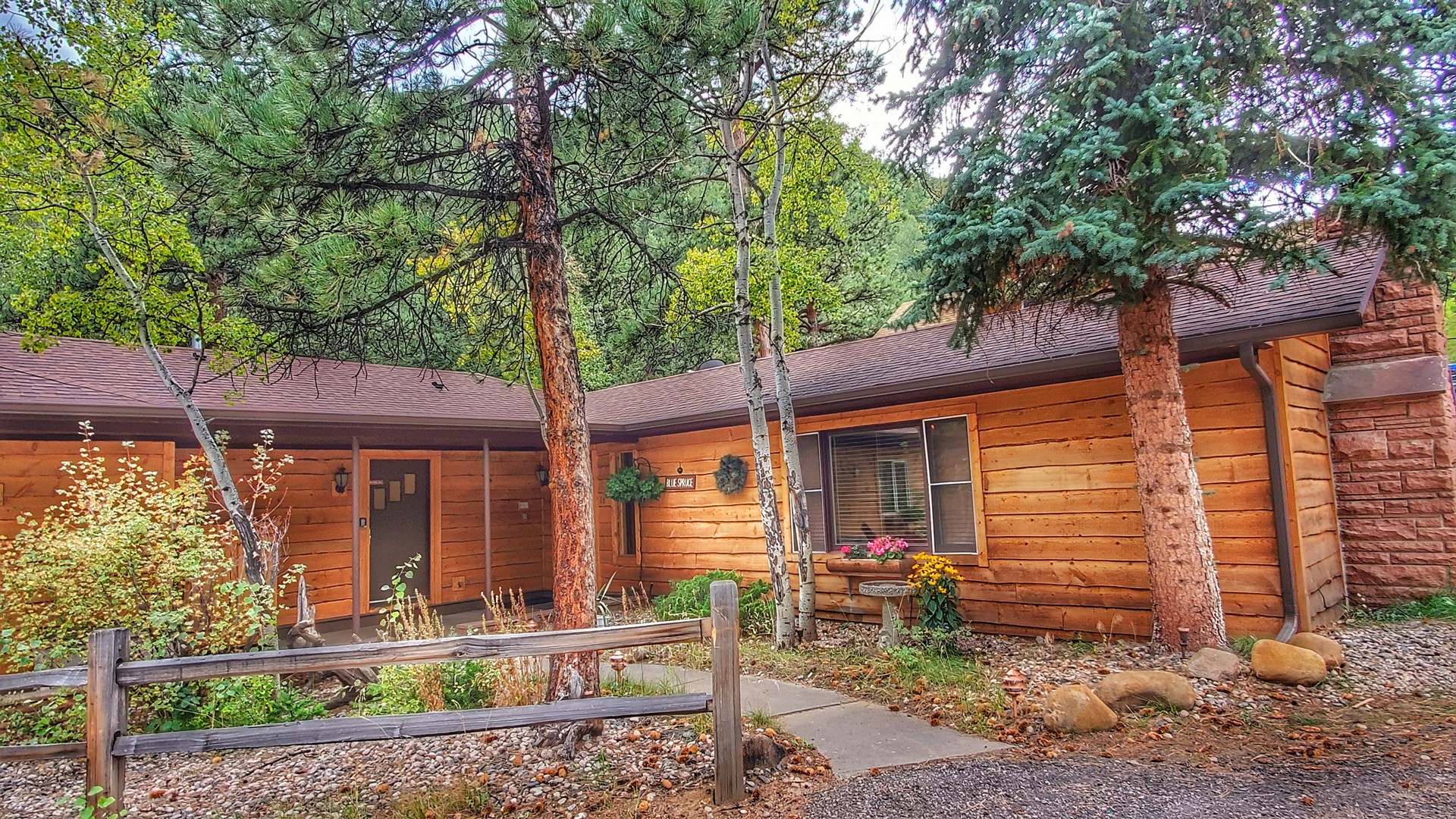
Nestled along the banks of a rushing mountain stream in Estes Park, the Inn on Fall River offers a serene, nature-immersed lodging experience just minutes from Rocky Mountain National Park. Surrounded by towering pines and sweeping mountain views, the property features cozy rooms, suites, and private cabins—many with fireplaces, riverfront decks, and personal hot tubs.
10. White Mountains Hiking in New Hampshire
Destination Overview
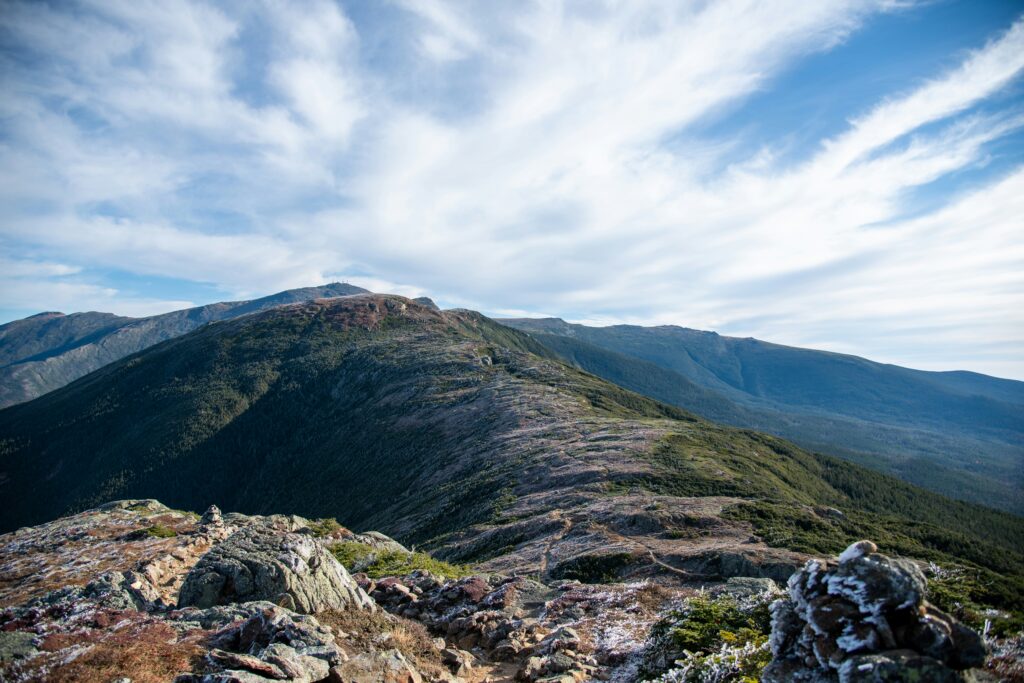
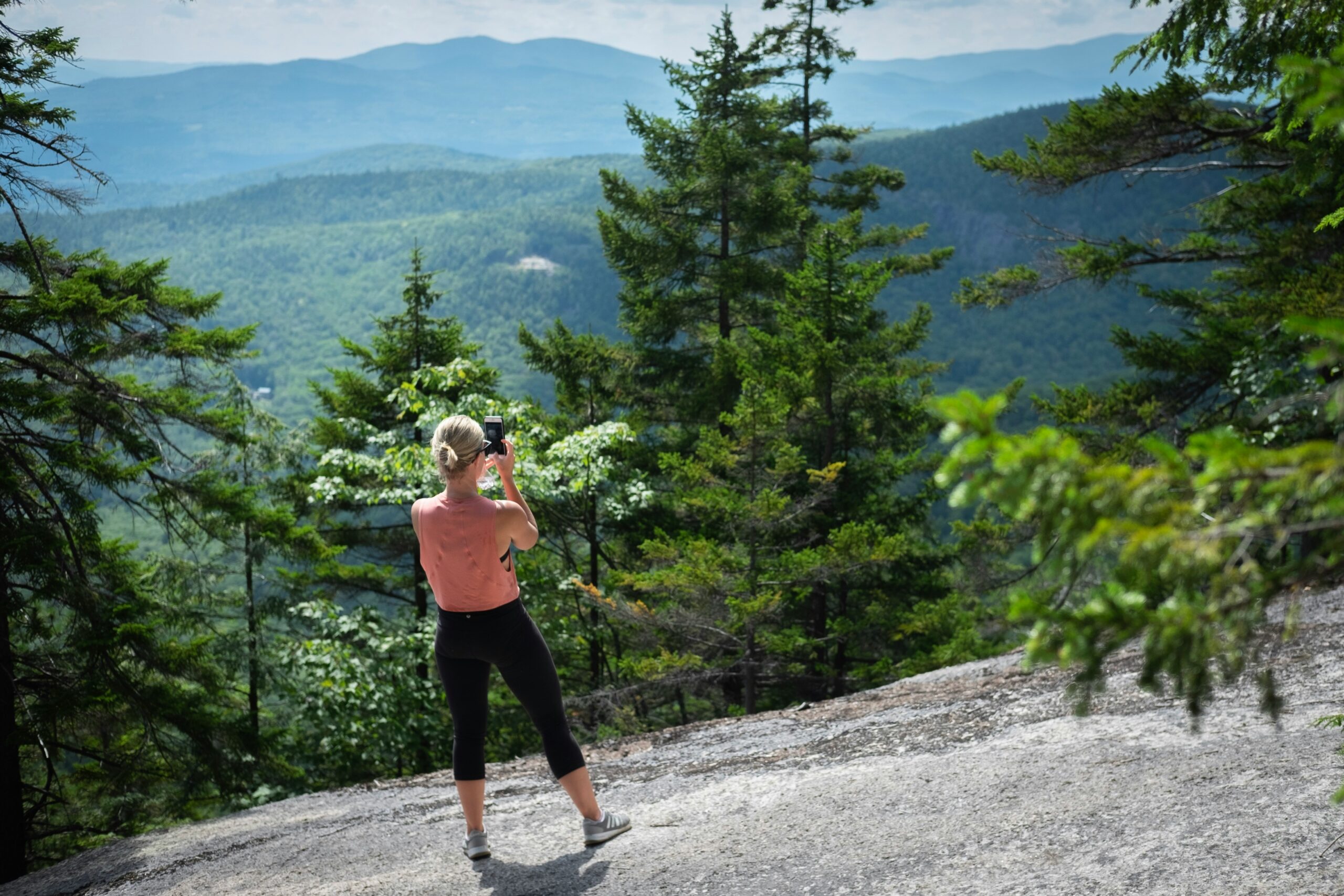
The White Mountains of New Hampshire are among the most rugged and spectacular hiking destinations in the eastern United States. Known for their steep, rocky trails; exposed ridgelines; and unpredictable weather, they offer an authentic alpine experience in the Northeast.
People are often surprised by the ruggedness and challenging nature of the trails in the White Mountains. These trails tend to go straight up the mountainside, and switchbacks are rare. Train and be prepared, because the hiking here is serious. And it’s well worth it.
Itinerary Overview
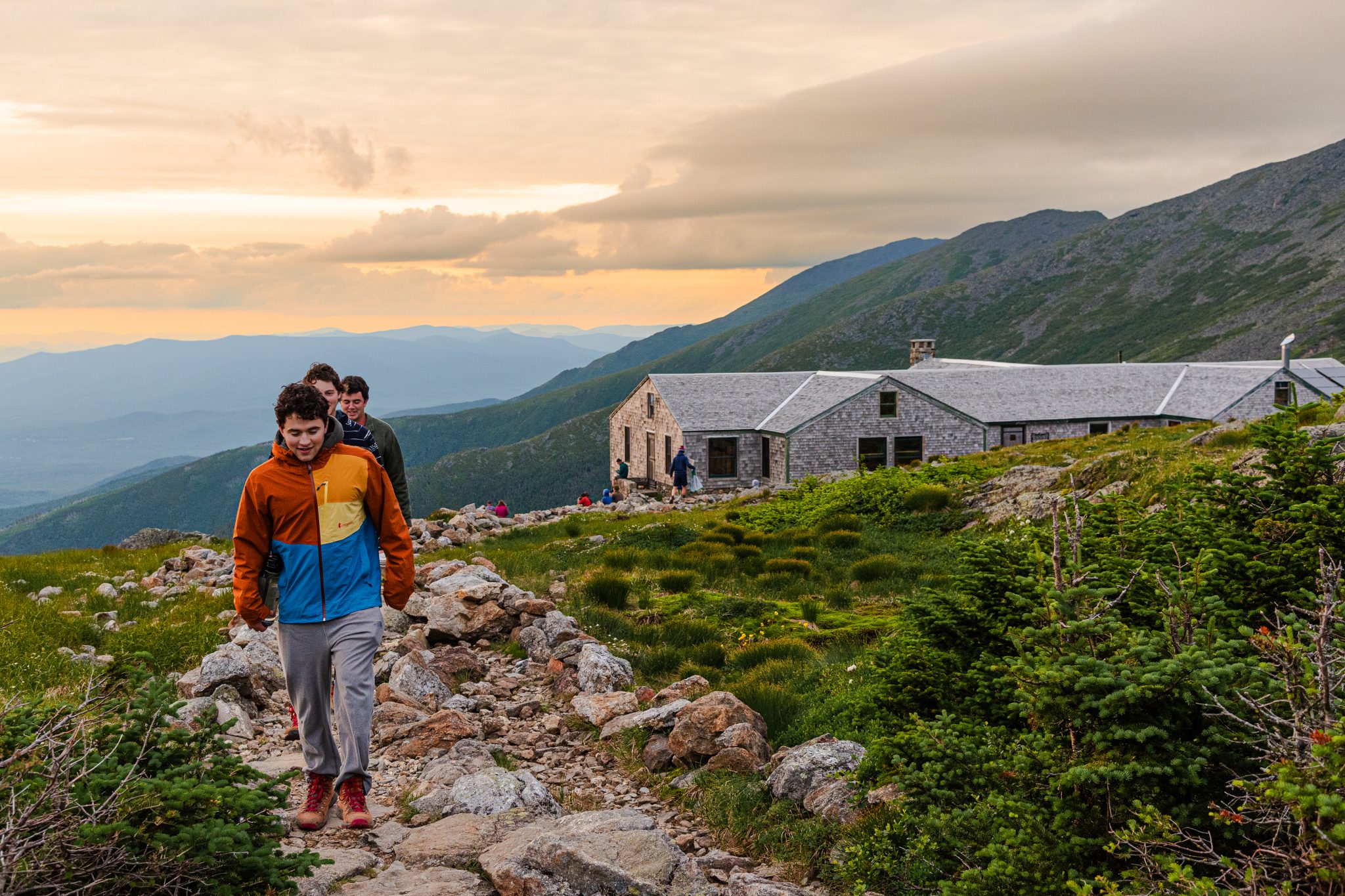
There are many ways to enjoy New Hampshire’s White Mountains. However, the most iconic way to hike these mountains is on a hut-to-hut backcountry trip. The Appalachian Mountain Club (AMC) manages a series of wilderness huts that can be connected on multi-day hikes. While hut-to-hut hiking is very popular in Europe and elsewhere, New Hampshire is one of the few places in the United States where you can experience this unique form of wilderness travel.
Sample 3- Day Itinerary
Day 1: Lake of the Clouds Hut and Mount Washington (6 miles)
Day 2: Mount Munroe and Mount Eisenhower (5 miles)
Day 3: Exit to trailhead (6 miles)
Hut to Hut Trip
Start: Ammonoosuc Ravine
End: AMC Highland Center
Time: 3 days
Mileage: 12 miles plus day hiking
Difficulty: Strenuous
Permit: Not required, but hut reservations are required
Difficulty
Strenuous
Best Time
June–October
What to Pack
- Non-cotton, layered hiking clothing
- Non-cotton hiking socks
- Hiking shoes or boots
- A warm fleece or wool layer
- Rain gear
- Comfortable day pack
- Trekking poles
- Water and snacks
- Headlamp
- Emergency communication device
- Non-hiking clothing and footwear for evenings
- Sleeping bag
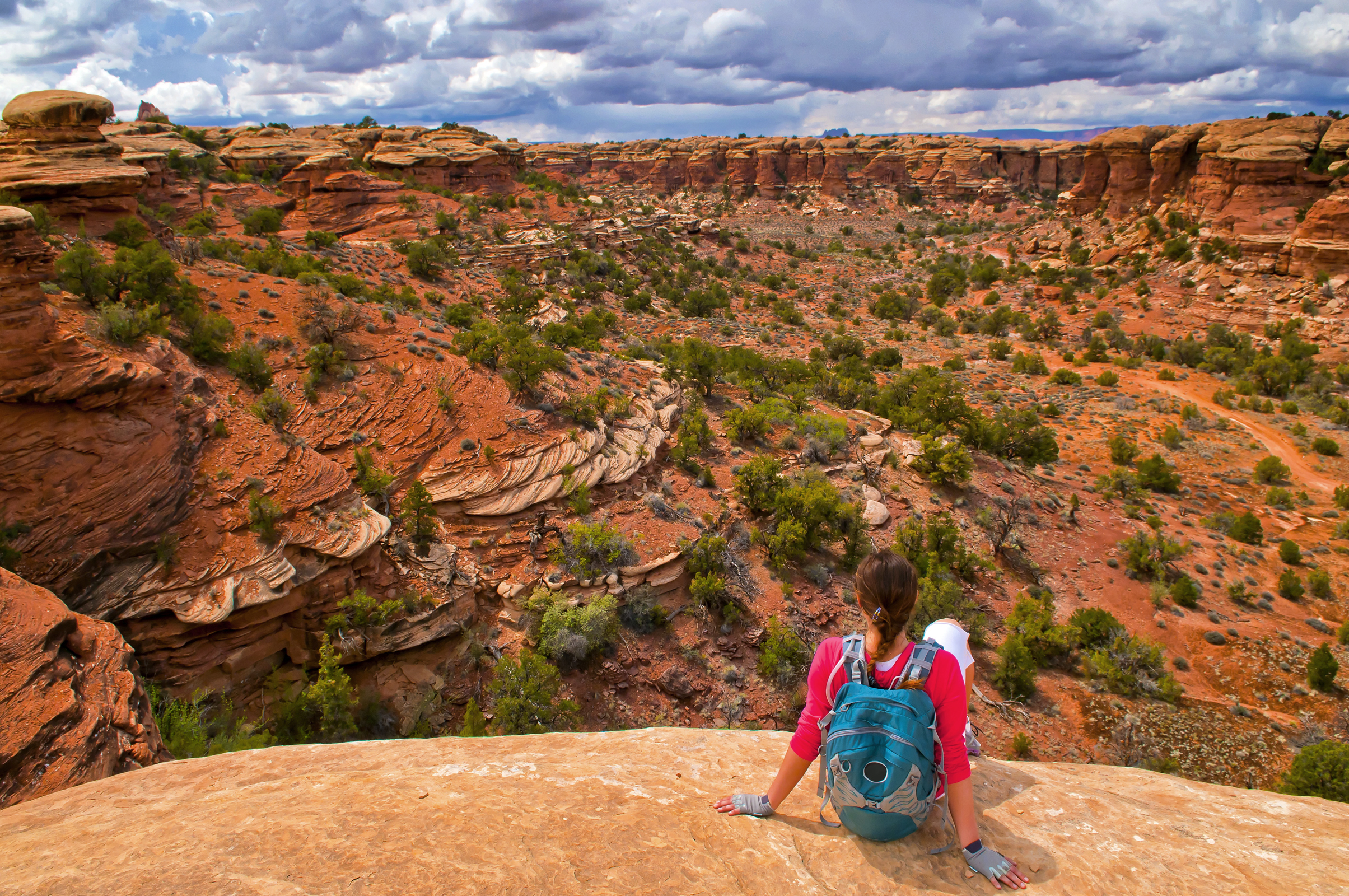
Why Hike the United States with MT Sobek?
Hiking the USA with MT Sobek means exploring some of the country’s most spectacular landscapes with a company that has been pioneering adventure travel since 1969. From the alpine peaks of Glacier National Park to Alaska’s vast wilderness and the canyonlands of the American Southwest, MT Sobek designs journeys that combine iconic destinations with lesser-known trails. With expert guides, small groups, and thoughtfully crafted itineraries, travelers can focus on the experience of the hike while the logistics are handled seamlessly.
Why hike North America with MT Sobek:
- Decades of expertise: A pioneer in adventure travel since 1969 with a long legacy of leading exceptional guided hiking adventures and rafting journeys across the USA and the world.
- Expert guides: Knowledgeable leaders share insights into local ecology, geology, wildlife, and cultural history, and ensure a commitment to safety and enjoyment throughout the journey.
- Carefully designed itineraries: A balance of iconic trails and hidden gems for a deeper experience of each destination. MT Sobek’s hiking adventures immerse travelers in the natural beauty and cultural heritage of each destination.
- Seamless travel logistics: Permits, transportation, and accommodations are expertly arranged so you can focus on the adventure.
- Comfort and immersion: Rewarding hikes paired with premier lodging and memorable meals create a rewarding and relaxing experience.
Enjoying our content? Add MT Sobek as a Google Preferred Source.
FAQs
The best time depends on the region and activity. Summer (June–September) is ideal for mountain adventures in the Rockies, Sierra Nevada, and Alaska. Spring and fall are best for desert destinations like Utah and Arizona. Winter opens up opportunities for skiing, snowshoeing, and northern lights experiences in the mountains, and peaceful hiking in the deserts and canyons.
Highlights include the Canadian Rockies, Glacier National Park, Yosemite, and the desert parks of the Southwest. From alpine peaks to red rock canyons, each region offers a dramatically different experience!
Packing will depend on the specific environment and trip length, but there are essential items every traveler should bring. Proper footwear, layered clothing for changing weather, and protection from the elements are critical, along with adequate hydration, nutrition, and basic safety gear such as navigation tools and a first aid kit.
Many popular national parks require permits for backcountry hiking, overnight trips, or high-demand trails like Half Dome in Yosemite or Rim-to-Rim in the Grand Canyon. Day hikes typically don’t require permits, but it’s important to check each park’s regulations in advance.
Yes, many U.S. hiking destinations are beginner-friendly. Parks like Yellowstone, Yosemite Valley, Sedona, and the Great Smoky Mountains offer well-maintained trails with varying difficulty levels, making them ideal for those new to hiking. Many travelers opt for guided tours like MT Sobek to ensure safety, logistics support, and expert navigation in remote areas. Contact a Trip Consultant to start planning your next US National Park hiking trip!


