Top 3 Pilgrimage Routes & How to Hike Them
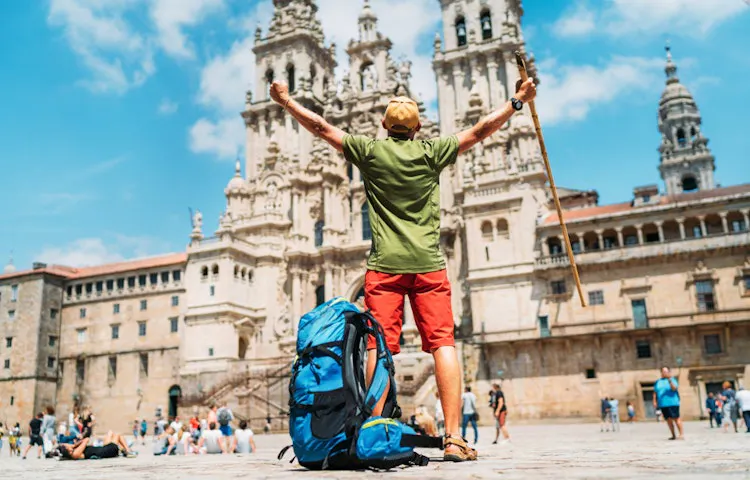
Spiritual aspirants have been navigating the soul-stirring landscapes of epic pilgrimage routes for more than a thousand years. Today, hikers and pilgrims alike can follow these historical routes—where the journey itself is as prized as the destination. Discover the best pilgrimage routes in Spain, Portugal and Japan.

1. Spain El Camino de Santiago

For over a thousand years, the Camino de Santiago has drawn travelers from across the globe to its storied path through northern Spain. Its most famous route, the Camino Frances – the French Way, begins in the charming French village of Saint-Jean-Pied-de-Port. From there, you’ll cross the historic Pass of Roncesvalles into Spain, where a statue of the Virgin Mary overlooks the trail.
The which begins in France and travels west to Santiago de Compostela in Galicia, Spain.
Pilgrims then follow the trail across high plains and grasslands, and through medieval villages. Along the way to Santiago de Compostela you’ll pass through Pamplona, Leon, and Astorga, at the crossroads of the Camino de Santiago and the Roman Silver Road.
Your triumphant arrival in Santiago de Compostela is complete when you reach the cathedral that is the reputed burial place of St. James. The cathedral is located on La Plaza del Obradoiro along with one of our favorite hotels—the five-star Parador de Santiago de Compostela located within a spectacular 16th-century building!
How to hike this route -> https://www.mtsobek.com/trips/europe/spain/spain-el-camino-de-santiago-hiking/
“The Camino de Santiago holds wonders each day. Steeped in history and stunning architecture both grand and simple, I was often in awe of the reverence captured in the buildings along the route.“
— Nicole Russo – Program Director MT Sobek

2. Portugal & Spain El Camino Portugues

The Camino Portugues, or the Portuguese Way, has become the second most popular route leading to Santiago de Compostela. Starting in Lisbon, Portugal, and ending in Santiago de Compostela, Spain, the route stretches over 370 miles! Brimming with historic towns and cultural richness, it is both a compelling spiritual journey and an exciting hiking adventure.
The journey begins in Lisbon, where pilgrims can explore the vibrant city before embarking on their pilgrimage. From there, the route takes them through charming towns, rural landscapes, and coastal regions of Portugal. Along the way, pilgrims can immerse themselves in the rich Portuguese culture, savoring local cuisine, and discovering historical landmarks such as the impressive Templar Castle in Tomar or the Baroque-style Cathedral in Porto.
As pilgrims continue their journey into Spain, they enter the beautiful region of Galicia, renowned for its lush green landscapes and picturesque villages. The final destination is the majestic city of Santiago de Compostela, where the grand Cathedral of Santiago awaits pilgrims at the end of their pilgrimage. Here, they have the opportunity to attend the famous Pilgrim’s Mass and witness the swinging of the Botafumeiro, a massive incense burner, a symbol of spiritual purification.
The Camino Portugués offers pilgrims a profound experience of self-discovery, cultural immersion, and spiritual connection. Whether one seeks solitude and reflection or enjoys the camaraderie of fellow hikers and pilgrims, this route provides a memorable journey that highlights the rich history and beauty of the Iberian Peninsula.
How to hike this route -> https://www.mtsobek.com/trips/europe/spain/portugal-spain-el-camino-portugues-hiking/
3. Japan Kumano Kodo
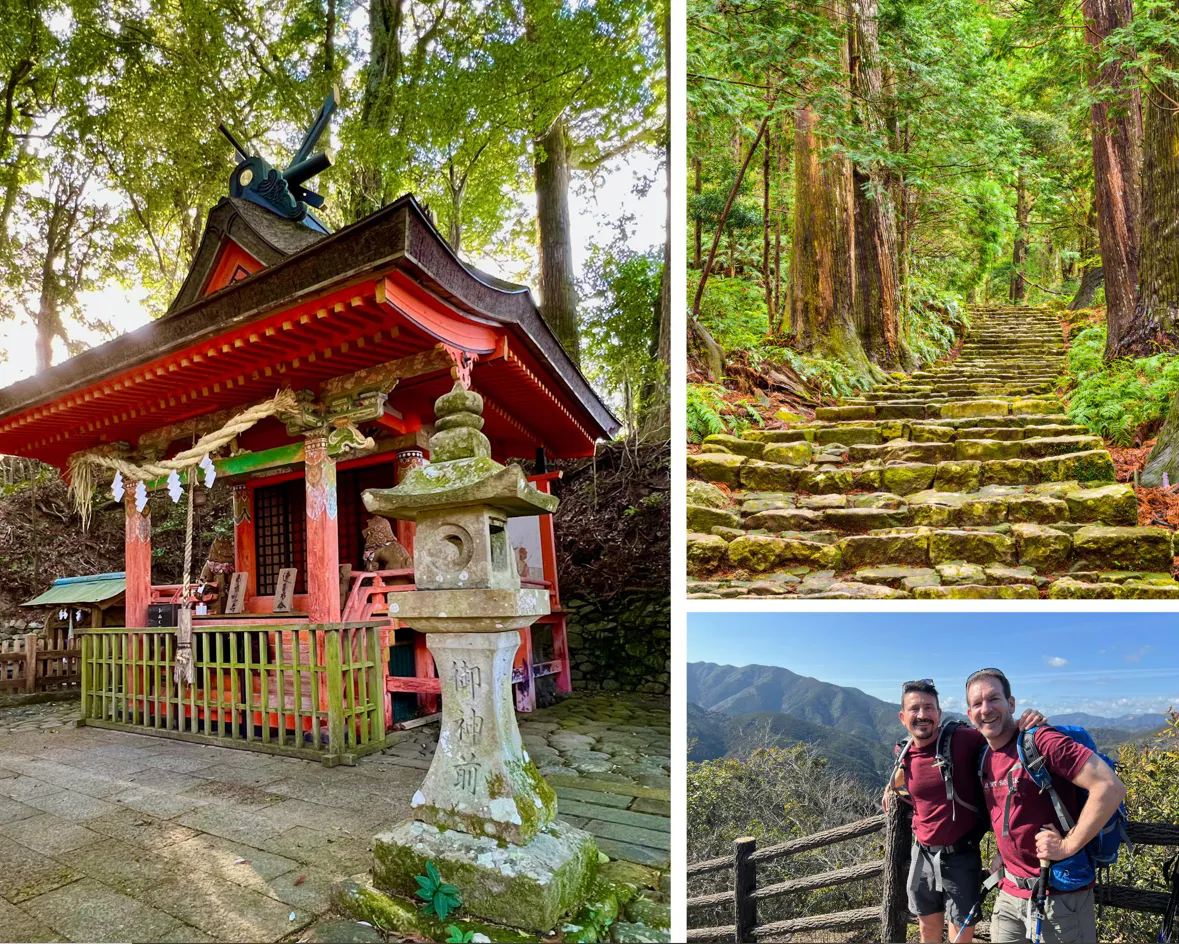
The Kumano Kodo is a sacred pilgrimage route through Japan’s Kii Peninsula and is the sister route to Spain’s Camino de Santiago. It is a great trip for those who enjoy pilgrimage-style hikes amid stunning landscapes.
The UNESCO-listed Kumano Kodo encompasses several trails leading to the Three Grand Shrines of Kumano: Kumano Hongu Taisha, Kumano Hayatama Taisha, and Kumano Nachi Taisha. The route, which has been revered for over 1,000 years, offers pilgrims a chance to connect with nature, immerse themselves in Japanese history and culture, and find inner peace.
The Kumano Kodo is known for its stunning natural beauty, with picturesque mountains, lush forests, and crystal-clear rivers. Along the trails, pilgrims encounter ancient shrines, stone steps, and towering cedar trees, creating a serene atmosphere for reflection. The route is not only a physical journey but also a spiritual one, with pilgrims seeking purification and enlightenment as they follow in the footsteps of emperors, samurais, and countless devotees throughout the centuries.

Each of the Three Grand Shrines holds its own significance and allure. Kumano Hongu Taisha, located in a remote mountainous region, is considered the spiritual heart of the Kumano Kodo. Kumano Hayatama Taisha, situated near the coast, is associated with the ancient worship of nature and the elements. Kumano Nachi Taisha, nestled at the base of a magnificent waterfall, is a site of awe-inspiring beauty and tranquility. Visiting these shrines and paying respects to the deities believed to reside there is a profound experience that connects pilgrims to Japan’s rich spiritual heritage.
The Kumano Kodo pilgrimage route provides an opportunity for personal growth, cultural immersion, and spiritual reflection. It is a chance to step away from the fast-paced modern world and delve into the depths of Japan’s ancient traditions and natural wonders. Whether you choose to undertake the entire route or choose a specific section, the Kumano Kodo offers a transformative journey that nourishes the body, mind, and soul, leaving pilgrims with a profound sense of fulfillment.
How to hike the Nakahechi section of this route -> https://www.mtsobek.com/trips/asia/japan/japan-kumano-kodo-walking/
“My recent journey to Japan was an absolute delight, filled with fascinating experiences and breathtaking landscapes on the Kumano Kodo Trail. From the bustling metropolis of Osaka to the serene natural surroundings of the trail and the ancient charm of Kyoto, it was a thrilling journey through the many facets of Japan. But the real highlight was spending a few hours walking with a Shugendo Monk, who provided us with invaluable insight into the spiritual traditions of the region and a deeper connection to the natural world around us.“
— Massimo Prioreschi – CEO & President MT Sobek
How to Get a Pilgrim’s Passport
To obtain a pilgrim’s passport, also known as the Credencial del Peregrino, for the Camino de Santiago or any other pilgrimage route, you can follow a simple process. Firstly, you need to identify the organization responsible for issuing the passport in your country or region. This could be a local Camino association, a church, or an official pilgrim’s office. Visit their website or contact them to inquire about the application process. In most cases, you can obtain a pilgrim’s passport by submitting a completed application form along with a small fee. Alternatively, you may be able to obtain it in person from a designated location.
The pilgrim’s passport serves as a credential, and as you travel along the pilgrimage route, you will receive stamps at various checkpoints, churches, or accommodations to authenticate your journey. These stamps are essential to obtaining your Compostela certificate upon completion of the pilgrimage in Santiago de Compostela.
Enjoying our content? Add MT Sobek as a Google Preferred Source.

Ask an Expert
We want you to have the best adventure, so don’t hesitate to call our expert team of adventure specialists at 800-974-0300 to learn more. Or click the button to use our online contact form.


