Month-to-Month Guide to Adventure Travel in South America
Our expert guide to the best time to visit South America
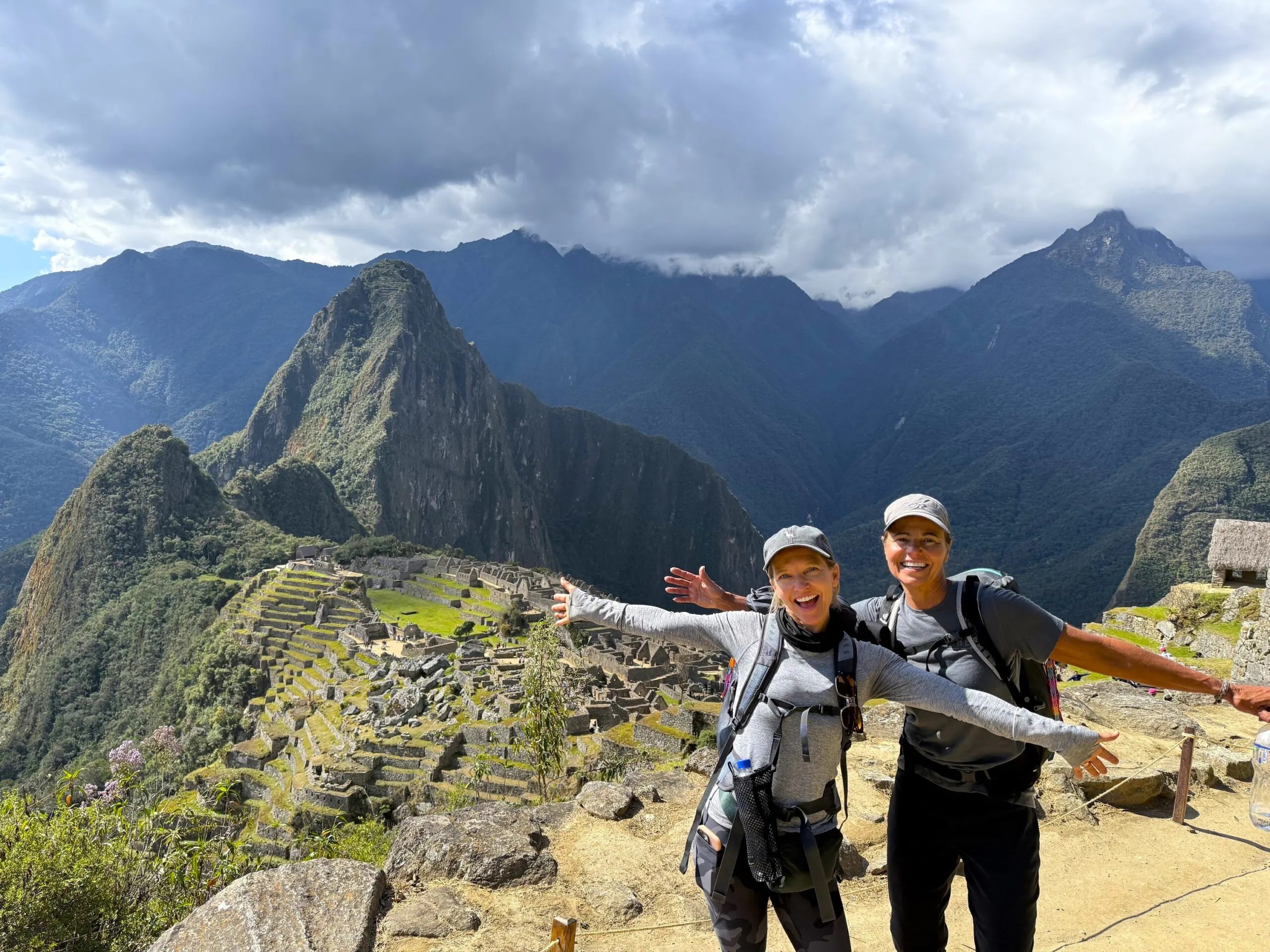
South America is a massive land mass and a year-round adventure destination, but not every part of it at once. Because the continent spans both hemispheres, its many microclimates and weather patterns vary considerably throughout the year. While the Andes and Patagonia experience classic four-season cycles, the Amazon basin and South America’s tropical coastlines primarily alternate between wet and dry seasons. When to visit and what to do really depend on South America’s distinct geographic zones.
Our month-to-month guide can help you determine the best months for taking advantage of the continent’s many adventure offerings, whatever your favorite activity may be.
Important Takeaways
- South America as a whole is a year-round adventure destination.
- The continent has many microclimates and diverse weather patterns.
- Despite its year-round accessibility, where you go and what you do depend on the time of the year.
- With this handy month-by-month guide you can easily plan ahead.
January
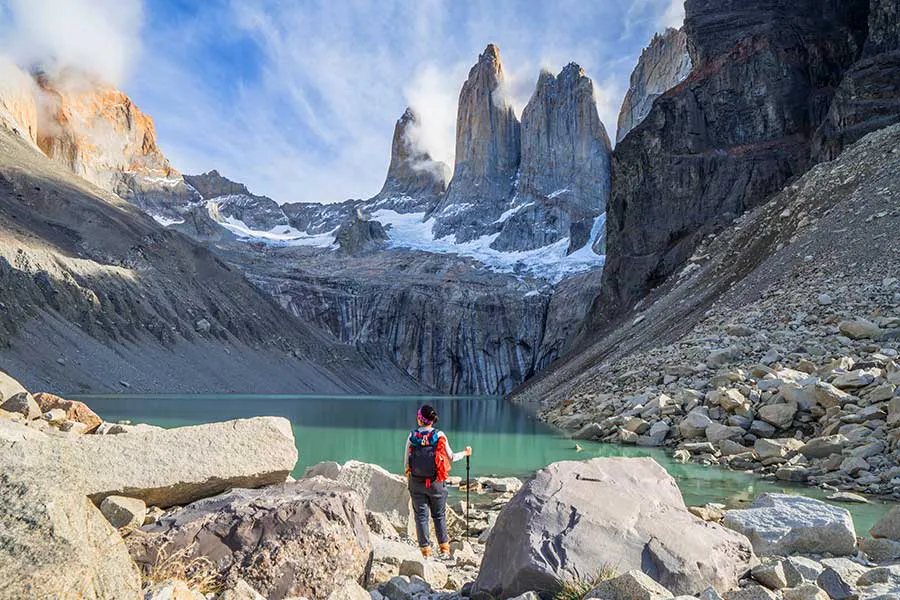
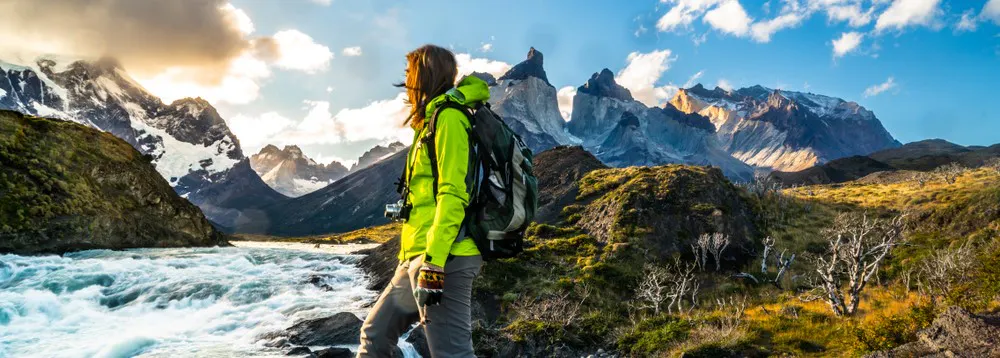
Patagonian summer is at its peak in January, with long daylight hours. While it’s also said to have the year’s warmest temperatures, the region’s weather can truly change at the drop of a dime. Still, it’s prime-time for experiencing the region’s many multi-day treks, such as Torres del Paine’s legendary W Trek and O Circuit and Los Glaciares National Park’s Mount Fitz Roy and Cerro Torre trails. January is also the start of the warm, wet season in the Galapagos, and an excellent time for snorkeling and swimming around the archipelago. While you can visit the high Andes mountains in January, be prepared for afternoon showers and occasional trail closures.
Top Destination: Torres del Paine National Park (Chile) and Los Glaciares National Park (Argentina)
Adventure Type: Multi-day hiking
Planning Tips: While January sees some of the longest daylight hours of the year in Patagonia, December through February is also when the trails are at their busiest. Consider the shoulder seasons of October to November and March to April for less foot traffic and superb golden hour light. MT Sobek leads treks November through March in both Torres del Paine and Los Glaciares national parks.
Suggested MT Sobek Tours:
February
February is another great month for trekking in southern Patagonia. Around El Chaltén, the trails lead from town into beech forest, across open valleys, and up toward the jagged granite skyline of Fitz Roy and Cerro Torre. Long days give you time for substantial hikes, although clouds can still obscure the peaks.
Farther south, Perito Moreno Glacier makes a worthwhile addition to a Patagonia hiking vacation. Allow time to linger on the viewing walkways: the sound of ice breaking away often arrives before you spot the falling block crashing into the water.
Peru’s classic Inca Trail closes throughout February for annual maintenance.
Top Destination: El Chaltén and Los Glaciares National Park, Argentina
Adventure Type: Mountain day hikes and glacier viewing
Planning Tips: Give El Chaltén several days to explore rather than banking everything on one hike. That leaves some room to adjust your plans around inclement weather and tired legs. The final climb to Laguna de los Tres is steep, and wind can make an already long day more demanding. MT Sobek’s Ultimate Patagonia trip combines hiking in Argentine Patagonia with Torres del Paine in Chile.
Suggested MT Sobek Tours:

March
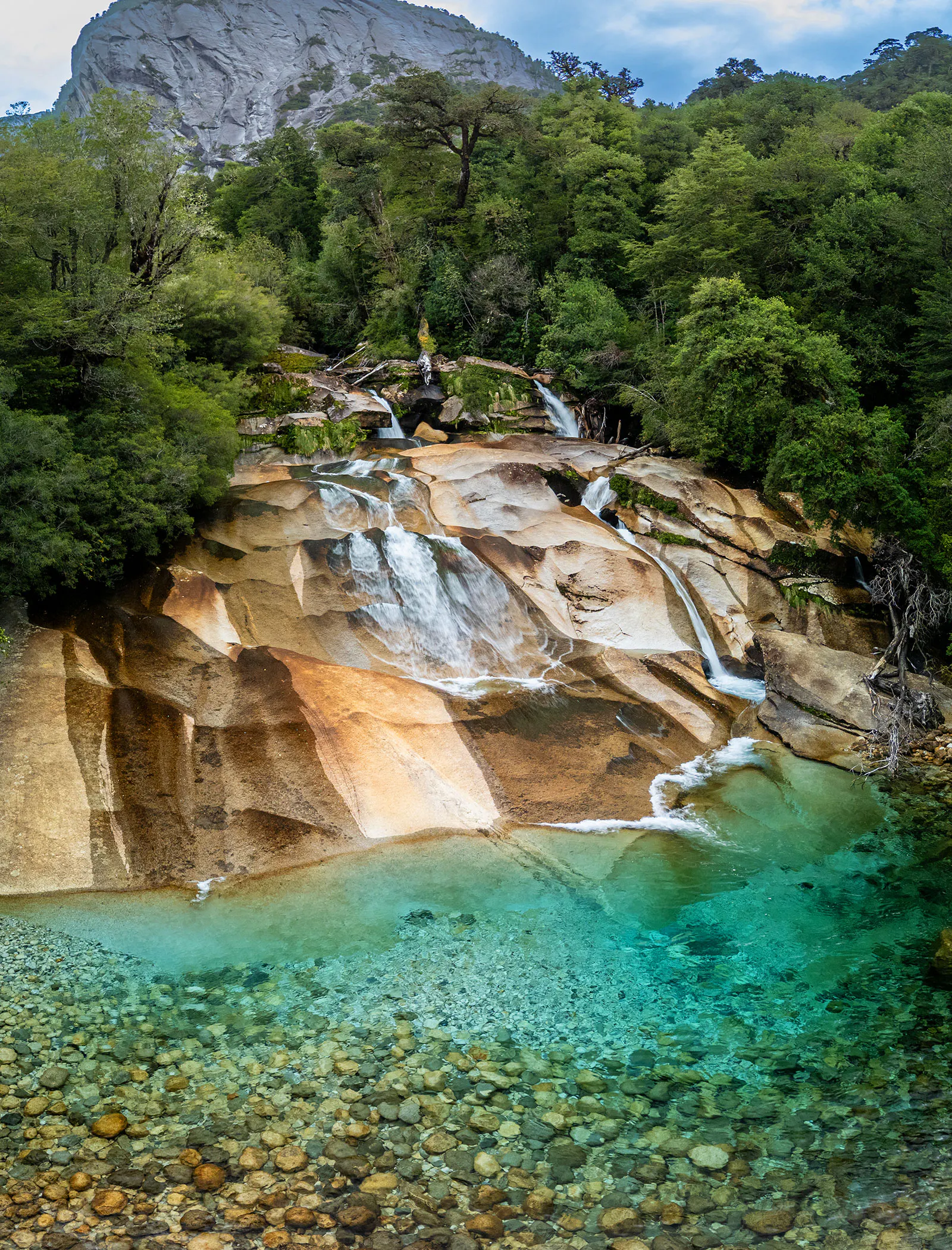
March is a rewarding month to hike Chile’s Cochamó Valley, where immense granite walls explode above pristine, temperate rainforests. Early autumn brings cooler days, and the busiest summer holiday period in Patagonia has generally passed, although in this remote corner of the region you’ll experience solitude regardless. You’ll follow old packhorse trails through the forest toward La Junta, where you’ll spend a week exploring one of South America’s best kept secrets: “The Yosemite Valley of Patagonia.”
Farther south, Torres del Paine and the trails around El Chaltén remain great alternatives as Patagonia begins its turn toward autumn.
Top Destination: Cochamó Valley, Chile
Adventure Type: Rainforest hiking and granite valley exploration
Planning Tips: Come prepared for wet trails; March doesn’t put an end to rain in this part of Patagonia. Waterproof layers, broken-in boots with good traction, and dry bags for spare clothing will earn their place in your pack. Build fitness for uneven footing and sustained climbs, and leave room for weather-related changes. MT Sobek’s Cochamó Valley hiking adventure pairs guided walks with charming, rustic accommodations in the valley.
Suggested MT Sobek Tours:
April
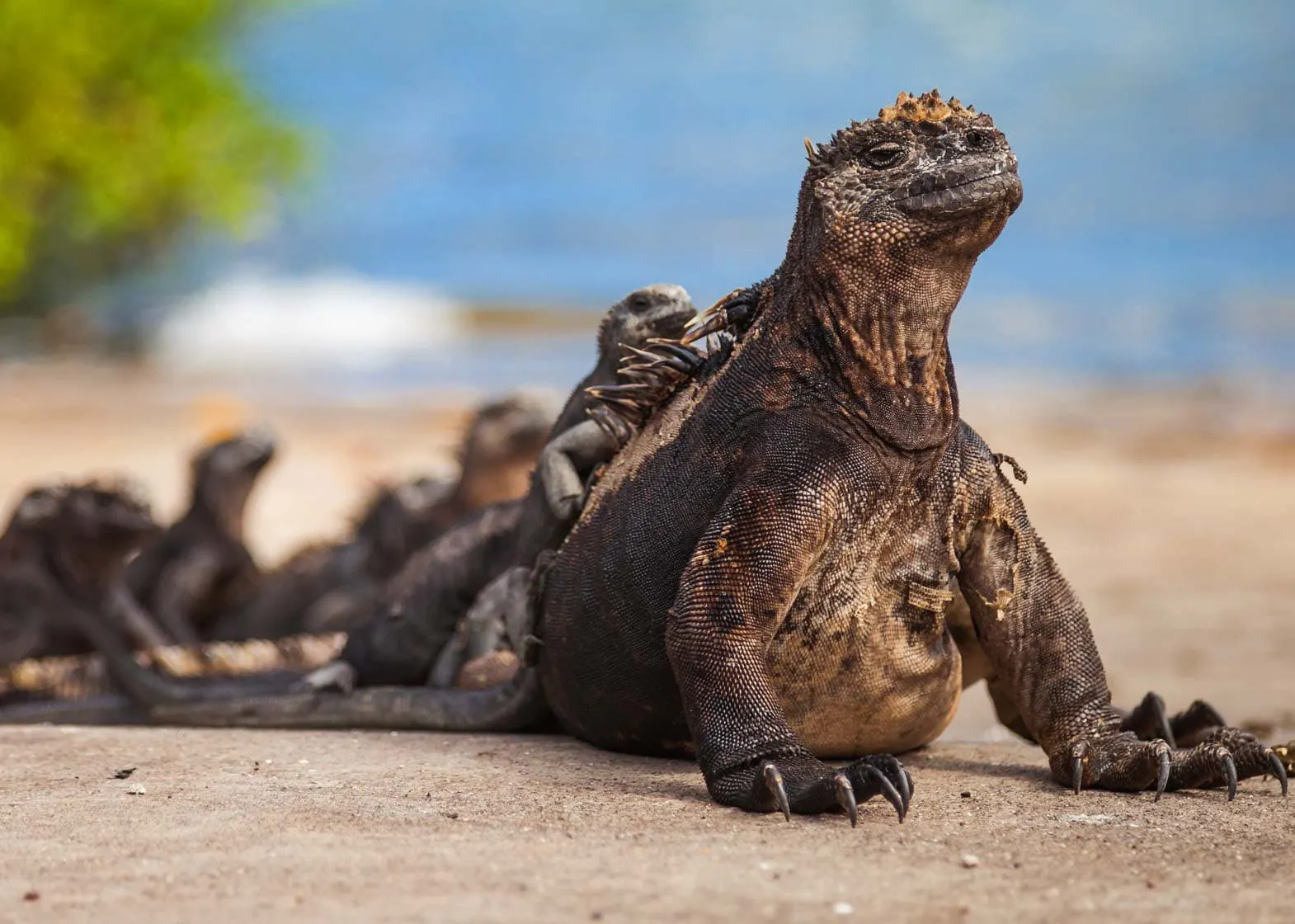
April is a particularly rewarding month for the Galápagos. The islands are still in their warm season, with generally warmer water and calmer seas than during the cooler months. Rain showers are possible, but there is usually plenty of time for guided walks, swimming, and snorkeling.
Wildlife gives each landing its own character: marine iguanas on dark lava, sea lions sprawled across the sand, seabirds nesting close to the trail, Galapagos Giant Tortoises lumbering along trails. A diverse itinerary will showcase a variety of wildlife because each area features different, amazing creatures.
Top Destination: Galápagos Islands, Ecuador
Adventure Type: Small-ship cruising, snorkeling, and wildlife walks
Planning Tips: Compare the islands and visitor sites on each itinerary before choosing a departure. A longer cruise can reach places that are difficult to include on a shorter visit. Pack sun-protective clothing and shoes with good traction for uneven lava, and check what snorkeling equipment is provided. MT Sobek offers both small-ship cruises and land-based adventures.
Suggested MT Sobek Tours:
May
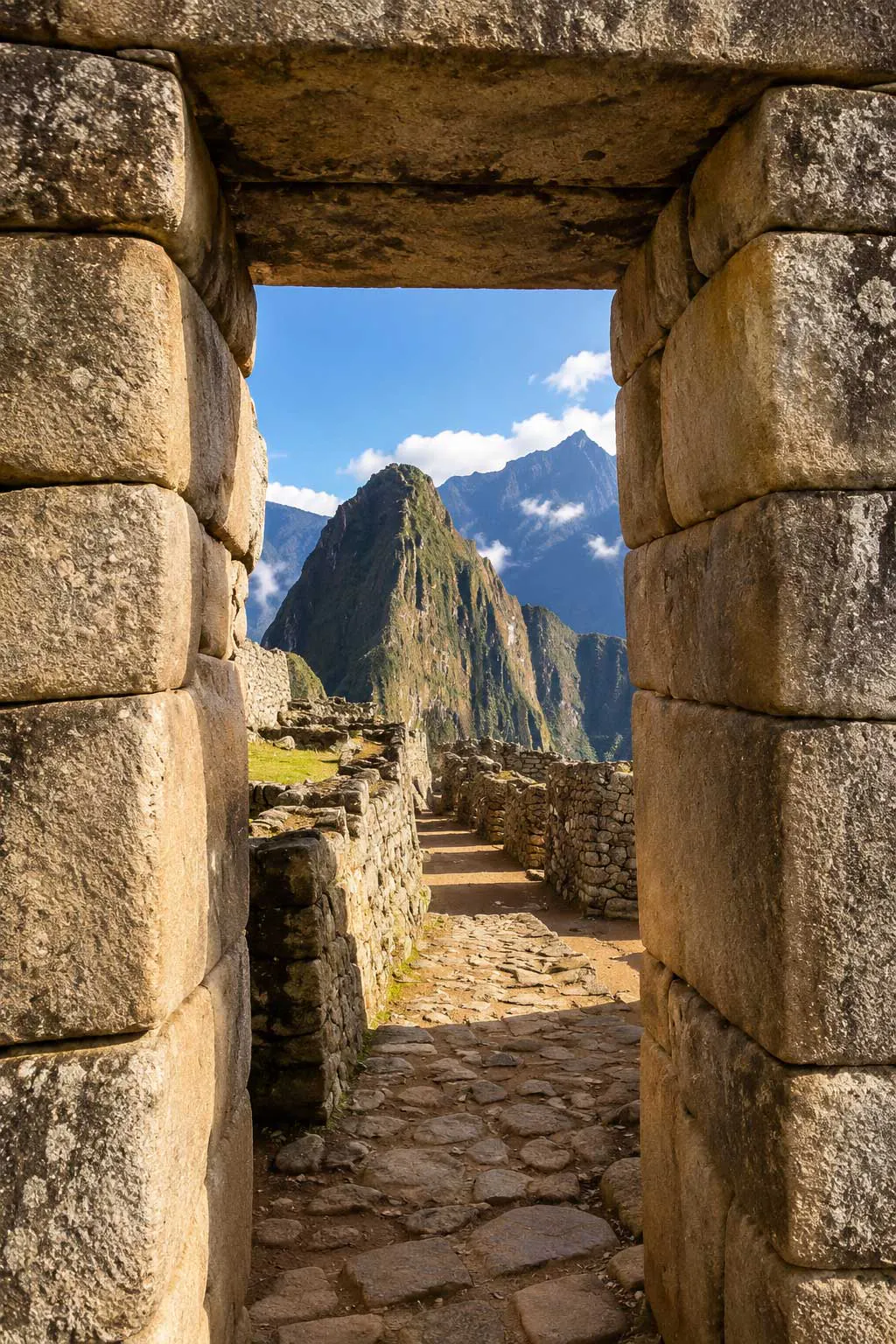
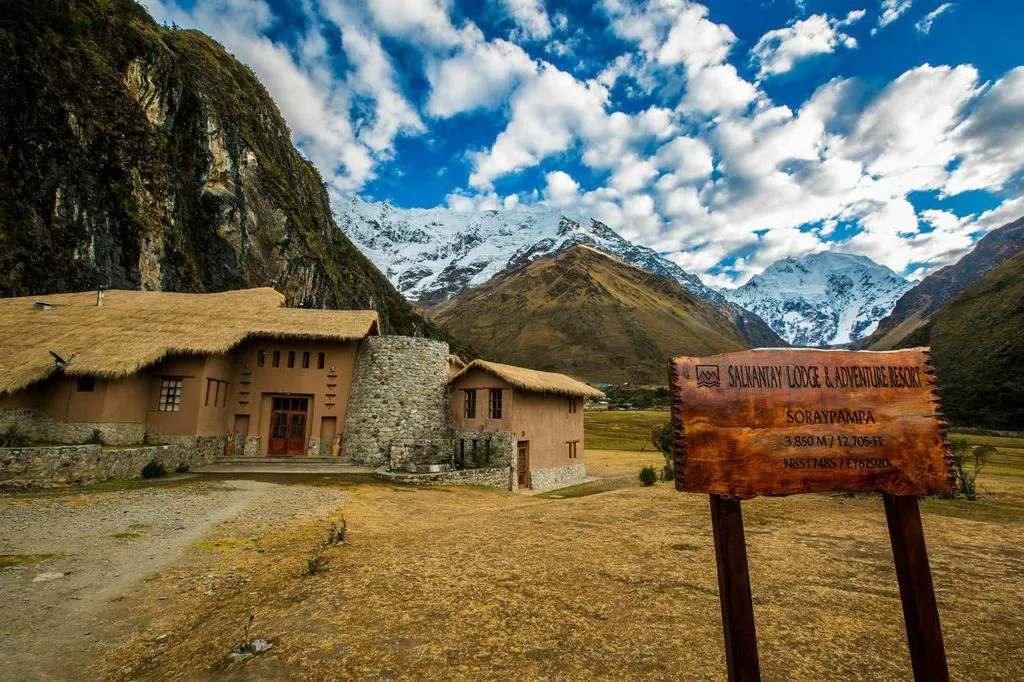
May marks the beginning of the main dry-season trekking window in Peru’s high Andes. Around Cusco, the countryside often retains some green from the rainy months, while clearer spells make walking increasingly inviting. It’s a strong time for the Inca Trail and Salkantay, before the busiest June-to-August travel period arrives.
The Galápagos remains an excellent alternative for wildlife viewing, adventure cruises, and snorkeling. Southern Patagonia, meanwhile, is heading toward winter; multi-day trekking options become more limited.
Top Destination: The Inca Trail and Salkantay Trail, Peru
Adventure Type: High-altitude trekking and cultural exploration
Planning Tips: Decide which route suits you before booking. The classic Inca Trail combines archaeological sites with a walking approach to Machu Picchu; Salkantay emphasizes high mountain scenery and a descent toward cloud forest, followed by a visit to Machu Picchu. You can also enjoy a lodge-based tour that features in the Sacred Valley and Machu Picchu. Allow time to acclimatize, and reserve your private Inca Trail trip well ahead of time (guides are required). MT Sobek offers an Inca Trail trek and a Salkantay lodge-to-lodge journey.
Suggested MT Sobek Tours:
June
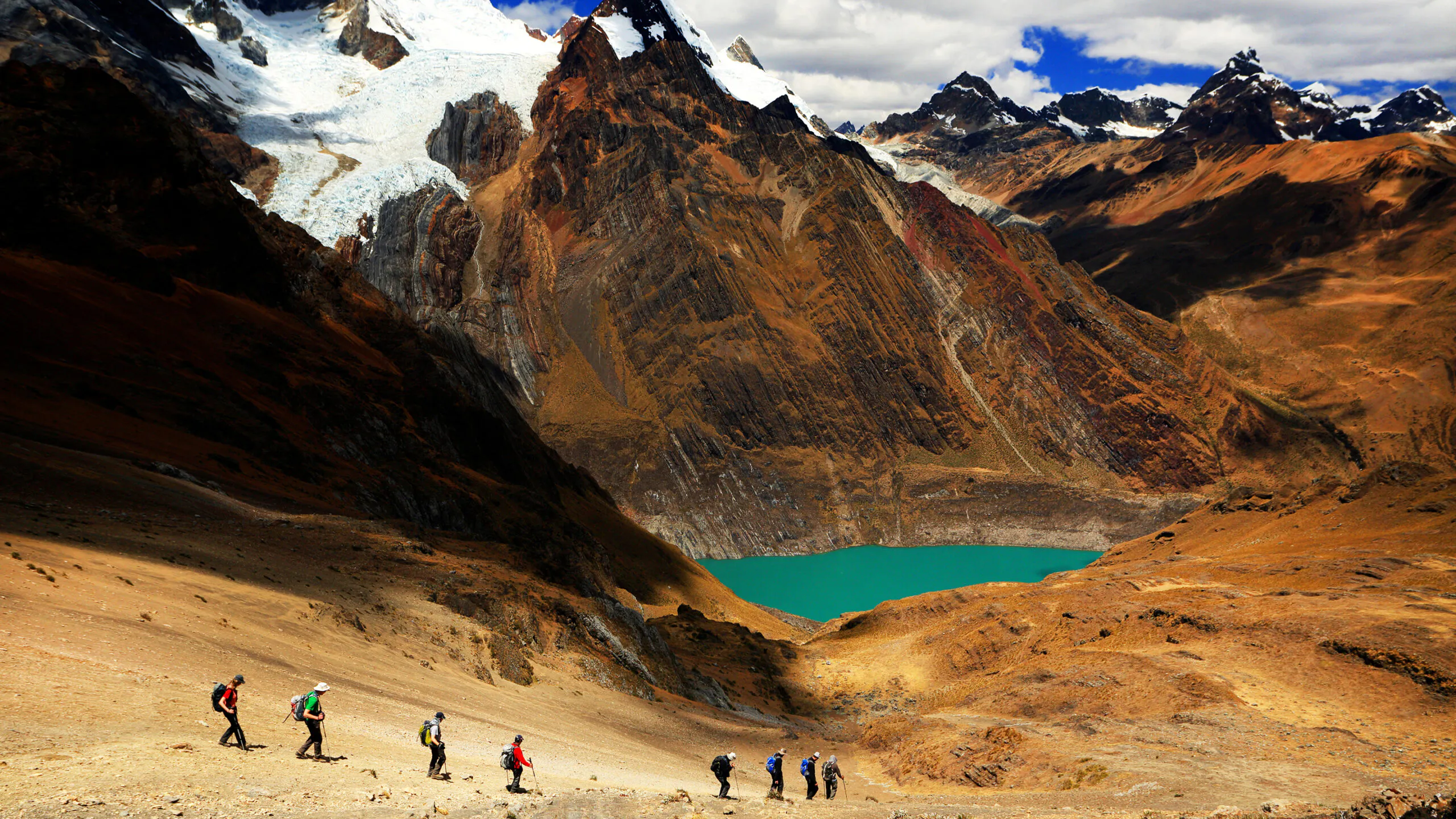
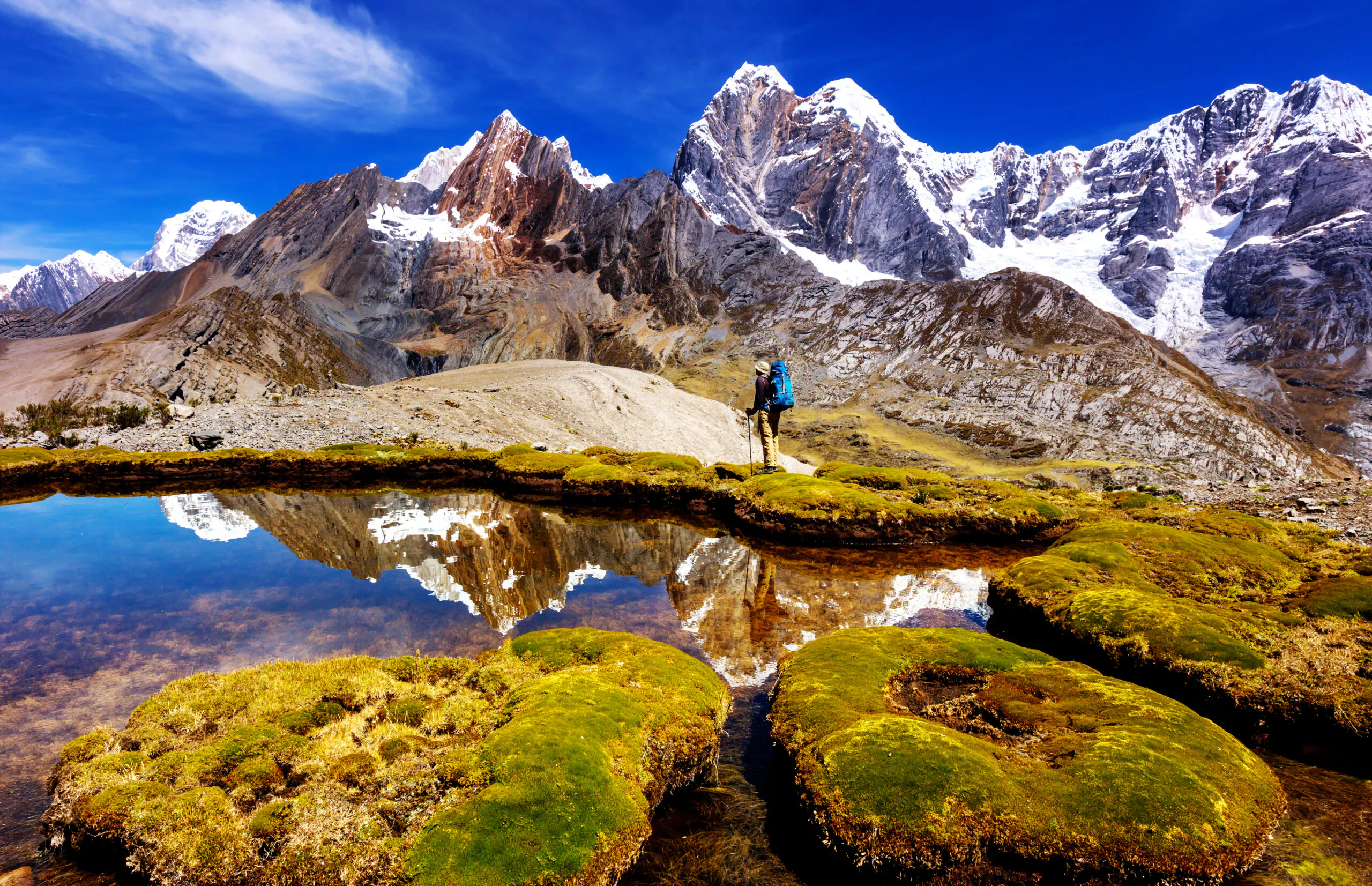
June is a great month for high-altitude trekking in the Peruvian Andes. In the Cordillera Blanca, the dry season brings generally clearer views of the range’s glaciated summits and less mud on the trails. Turquoise lakes, moraine, broad river valleys, and soaring mountain passes give the walking a distinctly alpine character.
The Cordillera Huayhuash is also in its preferred trekking season, as are the Inca Trail and Salkantay farther south. For sustained mountain walking, though, the Blanca deserves the spotlight.
Top Destination: Cordillera Blanca, Peru
Adventure Type: Multi-day alpine trekking
Planning Tips: Give yourself time to acclimatize before heading over the high passes. MT Sobek’s Cordillera Blanca itinerary includes acclimatization hikes before the main trek, an important part of the journey rather than layover days embedded in the middle of the trip. Follow the packing list closely: sunny afternoons can be followed by freezing nights, and dry-season weather still allows for rain, hail, or snow.
Suggested MT Sobek Tours:

July
July keeps the Cordillera Blanca at the top of the list. It’s one of the range’s strongest trekking months, with generally dry conditions and good opportunities for clear mountain views. The scenery is immense; the pace, at altitude, needs to be measured.
Elsewhere in Peru, Huayhuash, Salkantay, and the Inca Trail remain excellent options. Deep in southern Patagonia, winter limits many of the familiar hiking itineraries. The Galápagos is cooler too, particularly in the water, though wildlife viewing continues year-round.
Top Destination: Cordillera Blanca, Peru
Adventure Type: Supported mountain trekking
Planning Tips: Prepare for consecutive hiking days, not simply one hard climb. Regular hill walking and back-to-back outings are useful preparation for a camping trek. On the trail, expect early starts, strong sun, and cold evenings once the light leaves camp. MT Sobek’s supported journey handles camp arrangements, but you still need the fitness to enjoy the hiking.
Suggested MT Sobek Tours:
August
August is a fine month for the Cordillera Huayhuash. This compact mountain range south of the Cordillera Blanca packs a remarkable succession of peaks, glacial lakes, and high passes into a sustained trekking journey. Much of the route lies well above the treeline; shelter is scarce, and the glaciated peaks remain your constant guardians, watching from above, as you traverse the range.
The Blanca is still an excellent alternative. For travelers who want high mountain scenery with a bed each night, Salkantay’s lodge-to-lodge route offers a different balance.
Top Destination: Cordillera Huayhuash, Peru
Adventure Type: Challenging high-altitude trekking
Planning Tips: Although days can feel warm in the sun, nights can get extremely cold. Pack accordingly. The trek features long days and repeated alpine passes, so arrive with a solid base of hiking fitness and allow for acclimatization. MT Sobek provides a supported camping experience, but Huayhuash should be chosen for the demands of the route as much as its beauty.
Suggested MT Sobek Tours:
September
September is a strong month for the Machu Picchu, Salkantay and the Inca Trail. Peru’s main dry-season window is drawing toward its close, but conditions generally remain favorable for trekking. The busiest midyear holiday period has passed, although neither route should be mistaken for an empty trail.
The Galápagos also rewards a September visit, especially for wildlife enthusiasts. The tradeoff is colder water and potentially choppier crossings—worth considering if you’re comfortable snorkeling or easy sailing is your priority.
Top Destination: Salkantay and the Inca Trail, Peru
Adventure Type: High-altitude trekking and Machu Picchu exploration
Planning Tips: Keep a rain layer accessible, even during the dry season. Both routes pass through changing elevations and environments, and conditions near Machu Picchu can differ markedly from those on a high pass. Choose the Inca Trail for its archaeological sites and traditional walking approach to Machu Picchu; choose MT Sobek’s Salkantay itinerary for mountain scenery and lodge comforts between hiking days.
Suggested MT Sobek Tours:
October
October is a good month to look toward Chile’s high elevation Atacama Desert. Spring brings a useful window for exploring salt-rimmed basins, desert valleys, and highland landscapes without the deepest winter cold. Around San Pedro de Atacama, short walks and excursions can reveal strikingly different terrain within a single day.
Peru is entering a more versatile trekking period, while southern Patagonia is only taking its first lurching baby steps of the spring season. Some Patagonian hikes are possible, but October doesn’t offer the same breadth of trekking access as the months ahead.
Top Destination: Atacama Desert, Chile
Adventure Type: Desert hiking, highland excursions, and stargazing
Planning Tips: Don’t underestimate altitude simply because the walks are short, and they’re in a desert. San Pedro is already high, and excursions to geysers and altiplano lakes climb considerably higher. Ease into the more elevated outings and pack for cold mornings. If stargazing matters to you, consider the moon phase when choosing dates—a bright moon can wash out an otherwise clear sky.


November
November welcomes South America into the main Patagonia hiking and trekking season. Days lengthen, more mountain services open back up, and hikers return to the W Trek, O Circuit, and the trails around Fitz Roy. It’s a strong choice for travelers who want substantial walking before the height of summer demand.
Spring is no guarantee of gentle weather. Snow can linger on high ground, and Patagonia’s wind is quite capable of rearranging a carefully planned day.
Top Destination: Torres del Paine National Park, Chile
Adventure Type: Multi-day trekking and guided day hiking with kayaking and glacier walking
Planning Tips: Choose the route that suits your fitness and available time. The W links the park’s celebrated southern valleys, while the O Circuit adds the northern side of the massif and the crossing of John Garner Pass. MT Sobek offers both, as well as Patagonia trips based around day hikes. Keep your plans flexible enough for guides to respond to trail and weather conditions.
Suggested MT Sobek Tours:
December
December is summer in Patagonia, with some of the longest days of the year. It’s prime time for Torres del Paine’s multi-day treks and the mountain trails around El Chaltén. A trip combining Chile and Argentina lets you experience both the Paine Massif and the Fitz Roy country, with Perito Moreno Glacier between the hiking regions.
The Galápagos offers an alternative as conditions begin transitioning toward the warmer season. Peru’s high mountains are entering their wetter months, making them a less dependable choice for a major trekking trip.
Top Destination: Chilean and Argentine Patagonia
Adventure Type: Multi-day trekking, mountain day hikes, and hiking with expedition cruising
Planning Tips: Book early for Christmas and New Year travel, when preferred accommodations and departures can fill well ahead. Long daylight hours give you more time on the trail, but they don’t remove the need for waterproofs and warm layers. Choose MT Sobek’s W Trek or O Circuit for a focused trekking journey, Ultimate Patagonia for hiking in both countries, or Patagonia to the Sea to combine walking with an expedition cruise (linked to below).
Suggested MT Sobek Tours:
MT Sobek has been crafting unforgettable adventures since 1969. Explore all our 2027 departures at mtsobek.com.
FAQs
For regions below the equator, summer runs from December through February and winter from June through August. March through May and September through November are considered shoulder seasons. Areas that are near the equator (like Colombia, Ecuador, and the Amazon) experience consistent tropical climates year-round with wet and dry seasons rather than distinct temperature changes.
It varies by region. While the Andes sees rain from November to April, the Amazon’s heavy rains occur from January to May. In Patagonia, it’s possible to experience all four seasons in literally one day, with rainfall varying wildly depending on the exact location.
Patagonia’s hiking season runs from October through April, with the summer months offering the longest daylight hours (up to 18 hours of sunlight). However, these months are also when the trails are busiest. Opt for the shoulder seasons of October to November and March to April for fewer crowds and highlights like spring wildflowers (October/November) and colorful fall foliage (March/April).
In 1987, MT Sobek launched the very first commercial expedition to completely circumnavigate the Paine Massif in Torres del Paine National Park. This pioneering trip effectively created what is known today as the world-famous O Circuit. We employ vetted, local guides who understand the terrain, changing weather conditions, and history, and arrange everything from securing Inca Trail permits to navigating remote borders (such as crossing between Argentina and Chile in Patagonia). At MT Sobek, we handle all the complex logistics so that you can focus on the journey.
Learn More About Adventure Travel in South America


