10 Must-Do Adventure Vacations in South America
MT Sobek Experts Share Their Favorite South America Adventures.
Introduction
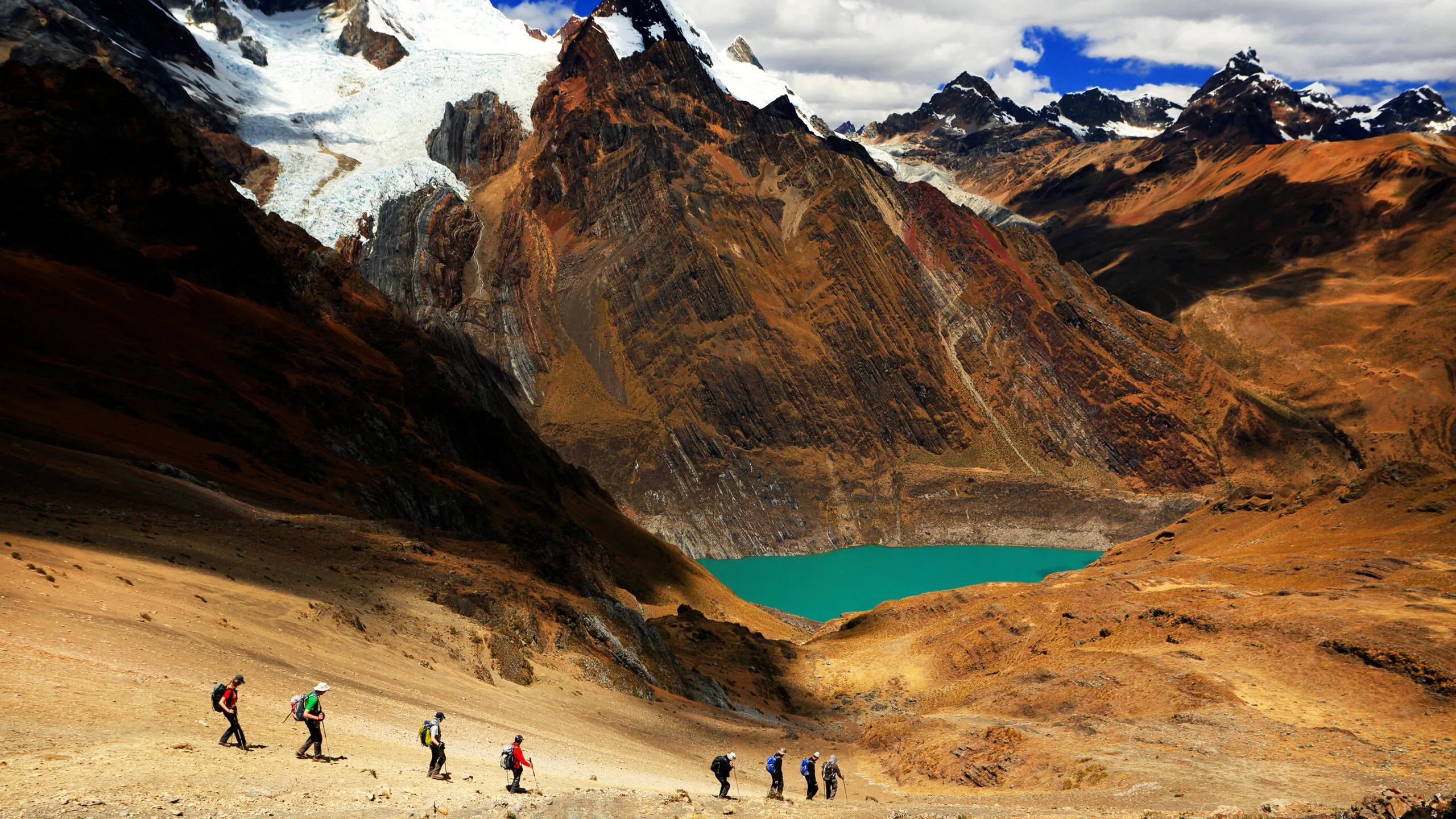
The best adventures in South America introduce you to the continent’s wild beauty: a hike to the base of Patagonia’s granite towers, a 16,000′ alpine pass surrounded by the jagged summits of the Peruvian Andes, an opportunity to follow ancient stone paths the Inca built in the 15th century or a swim in turquoise waters alongside sea turtles in the Galápagos.
From Peru’s celebrated routes to Machu Picchu to the remote trails of Chile’s Cochamó Valley, these ten adventures are the MT Sobek team’s favorites in South America. I interviewed Sharman Fox, Program Director for Latin America for MT Sobek, to find out which trips she and her team of expert guides (some with more than 20 years of experience) feel are the absolute must-do adventures across the continent. She huddled with her team, and this list is the result of their input along with her long tenure in South America adventure travel.
Here are 10 adventure vacations in South America you don’t want to miss:
- Inca Trail, Peru
- W Trek, Chile
- Galápagos Islands, Ecuador
- Hiking near El Chaltén, Argentina
- O Circuit, Chile
- Perito Moreno Glacier, Argentina
- Huayhuash Circuit, Peru
- Salkantay Trek and Machu Picchu, Peru
- Cordillera Blanca, Peru
- Cochamó Valley, Chile
1. Hiking the Inca Trail, Peru

Why the Inca Trail is Great
The iconic and famous 27-mile Inca Trail trek in Peru winds its way through the Andes’ deep river gorges, vibrant plateaus and lush cloud forests, ending at Machu Picchu—a legendary 15th-century Incan citadel. Along the way you’ll encounter plenty of fascinating ruins, hike steep stone stairways built by the Inca, and cross over high mountain passes offering stellar views. Some of the camps on the Inca Trail give you a bird’s eye view over the surrounding landscapes, and are a highlight for many guests.
“The Inca Trail is arguably the most classic South American hike, and justifiably so. It’s stunning. We offer it as a private trip due to the complicated nature of Inca Trail permits.”
– Sharman Fox, MT Sobek Program Director of Latin America

What to Know about the Inca Trail
The Inca Trail is moderately strenuous, requiring solid cardiovascular endurance and strong leg muscles. Steep climbs, uneven stone steps, and elevations reaching 13,828 feet make it especially challenging. We recommend spending two to three days in Cusco before beginning the trek to acclimate in a town that sits at over 10,000 feet. Plan on hiking four days between five to eight hours per day on terrain ranging from flat river valleys to slippery rock trails winding through cloud forests. The Inca Trail is the most classic hike in Peru for good reason.
When to Hike the Inca Trail
Peru’s dry season, which runs from May to September, is the best time to tackle the Inca Trail. This period of time often has sunny skies and minimal rain, making the trails less muddy and more navigable. However, this is also the peak season, with June and July seeing the largest number of trekkers on the trail.
Other good times are the shoulder season months of April and October, which offer lush green valleys and typically fewer hikers. Though rain is sporadic during these months, the trail is usually manageable. The Inca Trail is completely closed each February for maintenance.

Inca Trail: Guided or Unguided?
The Inca Trail is highly regulated, and Peruvian law requires all hikers to hire an authorized guide or licensed tour operator. Independent hiking on the trail is not permitted. Only 500 trekkers (including guides and porters) are allowed to access the trail per day, so it’s best to book your trip early—especially if you’re hoping to hike it during the high season (May through September).
Permits become available in October for the following year, so it’s best to register well before this. Most trekkers carry a daypack, and companies provide porters to transport tents, food, supplies and larger gear.
Learn More: The Inca Trail with Mountain Travel

2. Hiking the W Trek in Torres del Paine National Park, Chile

Why the W Trek is Great
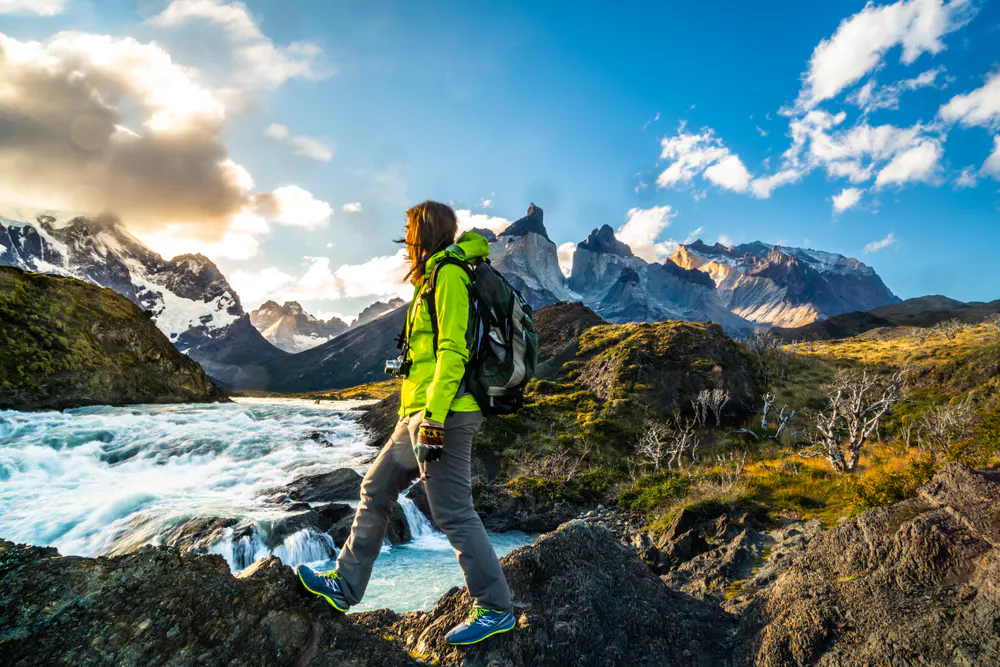
Chile’s W Trek is a multi-day hike that zigzags its way to many of the most classic highlights of Patagonia’s Torres del Paine National Park. This 37-to-50 mile hike (the length depends on your particular route) typically takes four to five days to complete and connects three of the park’s most famous sites: the French Valley, Grey Glacier, and Las Torres, three jagged granite spires that tower over an alpine lake. You can stay in refugios (Chilean backcountry shelters), stitch together the W Trek using nearby hotels, or camp in established campgrounds. There is no primitive camping allowed.
“MT Sobek helped develop the W Trek in the 1970s, and it’s still one of our top hiking trips. It’s enough of a challenge for most MT Sobek guests but isn’t as demanding as the O Circuit. And the W Trek doesn’t require camping, which many people appreciate.”
– Sharman Fox, MT Sobek Program Director of Latin America
What to Know about the W Trek
The W Trek requires a strong level of fitness and the ability to hike between 4-10 hours per day in mountainous terrain. It’s a popular trail and gets quite busy, especially during peak months (December through February). While you can tackle the route in two directions: east-to-west or west-to-east, the former is the more common route.
When to Hike the W Trek
The best time to hike the W Trek is during late spring, summer and early fall in Patagonia, which span October to April. This time period offers the longest daylight hours, as well as wildflowers in the spring (October and November) and fall foliage during autumn (March and April). Although most of the trail is technically open year-round, many of the refugios (mountain huts) are closed during the winter season (May through September). Weather conditions in the park can fluctuate wildly throughout the year, with sunny conditions one minute and rain and furious winds the next.

W Trek: Guided or Unguided?
While independent hiking is prohibited during the winter (from May through September you’re legally required to book an organized tour with a certified guide) the W Trek can be done without a guide during Patagonian summer months. However, this option requires booking all of your own campsites and refugios, purchasing your Torres del Paine National Park ticket online before arriving, and arranging your own transport from Puerto Natales to the trailhead. You should do so well in advance, since campsites, refugios and local transportation can book up early.
Opt for traveling with an adventure tour company like MT Sobek if you prefer to let professionals handle the logistics, including the purchase of comprehensive packages at the refugios and accommodations both before and after the trek. Our guides are also great resources for identifying local flora and fauna, and providing insight into Patagonian culture, history, geology and ecology.
Learn More: Everything You Need to Know to Hike the W Trek
3. Exploring the Galapagos Islands, Ecuador

Why the Galapagos Islands are Great
An archipelago made up of 13 main islands, 6 smaller islands, and over 100 islets all located roughly 600 miles off the coast of Ecuador, the Galapagos Islands are an evolutionary marvel. They’re also home to some of the world’s most unique wildlife, from the planet’s sole marine iguana species to the only penguins that live along the equator. You can find yourself snorkeling beside sea turtles one minute, and trekking through the kingdom of giant tortoises the next. The wildlife here has no instinctive fear of humans, so you can often safely observe blue-footed boobies and curious sea lions from just a few feet away.
“The Galapagos Islands provide a more distinct type of adventure compared to Peru, Chile and Argentina. It’s really all about the wildlife. Most of our adventures here are small ship cruises where we pair luxurious boat accommodations with beautiful coastal scenery and up-close experiences with the wildlife of the region.”
– Sharman Fox, MT Sobek Program Director of Latin America

What to Know about the Galapagos Islands
The Galapagos Islands are highly regulated (thankfully), with overnight boat visitor numbers capped at 1,660 people per day (and an additional 180 day-cruise passengers). Most visits take place on small ship cruises or yachts that sail between various islands over multiple days. Ocean waters can be choppy, especially between June and October, so if you’re prone to seasickness, consider booking a larger boat for more stability.
When to Visit the Galapagos Islands
While the Galapagos is a year-round destination, December to May is our favorite time due to its warm, calm waters (perfect for snorkeling and kayaking) and sunny skies. Although the sea is cooler from June through November, it’s also when you have a better chance of spotting sharks and whales.

Galapagos Islands: Guided or Unguided?
Naturalists are mandatory in the restricted National Park zones, which makes up approximately 97% of the archipelago’s land area. Independent travelers are required to stay outside these zones, though you can stay on one of the archipelago’s four inhabited islands—Santa Cruz, San Cristobal, Isabela, or Floreana—and book day excursions through an officially licensed tour operator. For visiting the more remote, uninhabited islands and really getting up close to the local wildlife, a multiday tour like MT Sobek’s nine-day Galapagos Adventure is necessary.
Learn More: 7 Interesting Facts About the Galapagos Islands You May Not Know
4. Hiking the Trails near El Chaltén, Argentina

Why El Chaltén Hiking is Great
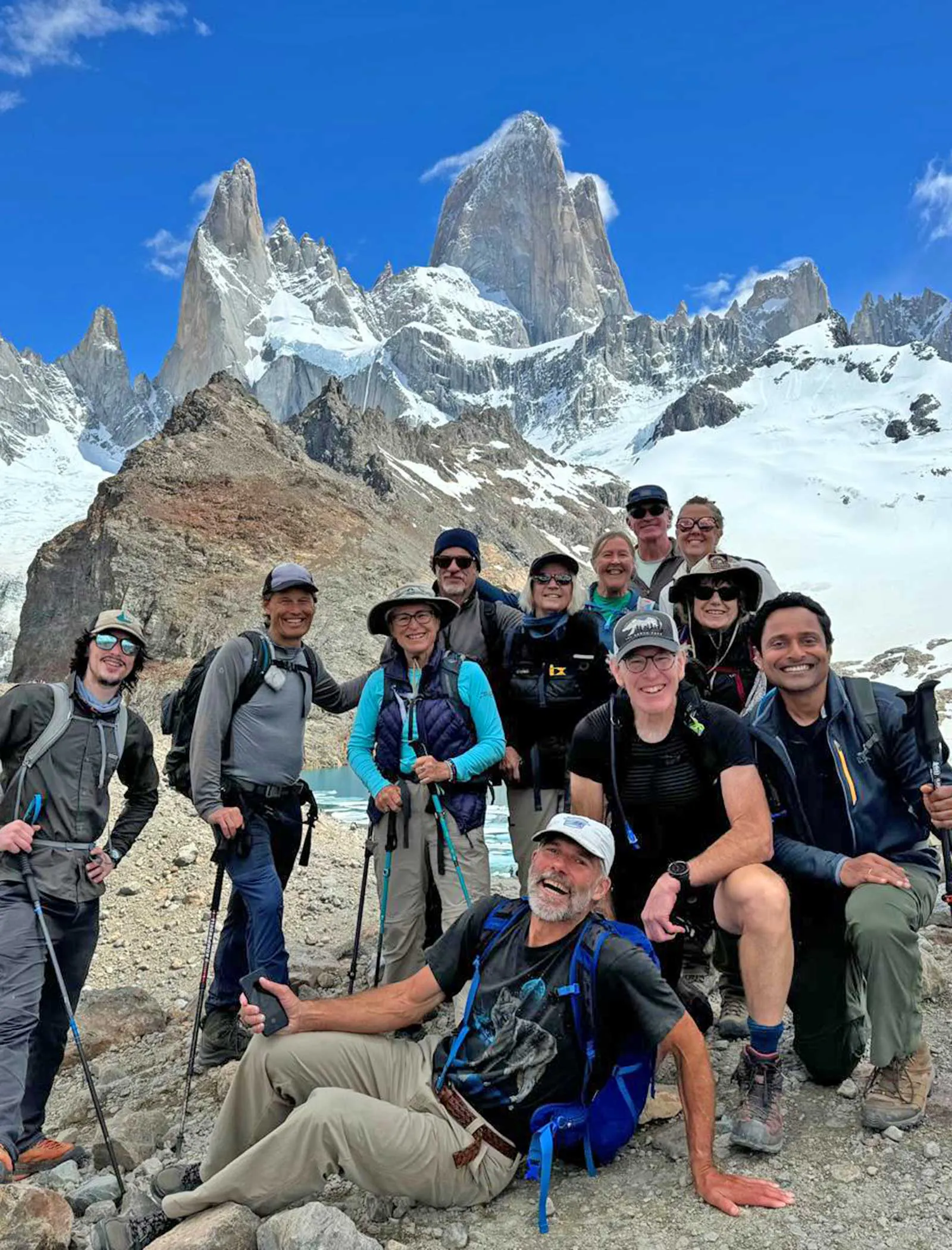
Few places on Earth have the abundance of gorgeous mountain scenery within reach of a day hike as the Patagonian mountain town of El Chaltén. You can literally start hiking from your accommodations, and follow trails that lead you up toward the signature silhouettes of Fitz Roy and Cerro Torre in Los Glaciares National Park. Classic destinations include Laguna de los Tres and Laguna Torre, alpine lakes that sit in dramatic cirques. With a hotel in town as your base, you can spend each day discovering a different trail and return to a comfortable bed, delicious local food and modern amenities each evening.
“To get the full Patagonia experience, it’s best to combine Chile and Argentina into one trip. Staying in El Chaltén is in and of itself a worthwhile experience, and the ability to hike from town into the mountains makes it truly exceptional.”
– Sharman Fox, MT Sobek Program Director of Latin America
What to Know about El Chaltén Hiking
The hiking around El Chaltén is relatively straight forward. Be prepared for sudden shifts in weather. The final ascent to Laguna de los Tres is particularly steep, so if you do that full hike start early. Carry food, water, warm layers, and waterproof clothing, and check current trail conditions before setting out.
When to Hike around El Chaltén
Plan your trip in the warmer months of November through March, which have long daylight hours.


Hiking El Chaltén: Guided or Unguided?
Experienced hikers can explore established trails independently. A guided adventure tour adds local knowledge, cultural exposure, smooth logistics and helps select hikes suited to your fitness and the constantly varying conditions.
Learn More: Why I loved Argentina and Chile Patagonia Hiking with Premier Lodging
5. O Circuit in Torres del Paine National Park, Chile

Why the O Circuit is Great
For hikers who want to venture beyond the W Trek, the O Circuit in Torres del Paine National Park offers a full seven- to nine-day journey around the Paine Massif that covers 75-85 miles. Its remote northern sections offer a much wilder and more serious hiking adventure before joining the park’s more famous and accessible southern trails (the W Trek). Crossing over John Gardner Pass above Grey Glacier is a defining moment of this trip for many people.
“The O Circuit includes all of the W Trek plus the more remote northern part of Torres del Paine. It’s more demanding, more rugged and absolutely worth it. The opportunity to hike over John Gardner Pass and experience the wilder side of Torres del Paine is something most guests never forget.”
– Sharman Fox, MT Sobek Program Director of Latin America

What to Know about the O Circuit
This is a trek for experienced hikers comfortable with consecutive long days, steep terrain, and rustic accommodations, or for fit and adventurous travelers who join a guided excursion. The hardest parts often involve 8-10 hours on foot. Be ready for a mix of camping and refugios, and prepare for powerful winds and rapid weather changes.
When to Hike the O Circuit
November through March is the main trekking season. Plan well ahead, train and be physically prepared, and confirm seasonal access and accommodation.

O Circuit: Guided or Unguided?
Independent trekking requires careful coordination of overnight reservations, transport, and supplies. This is a serious trek, so be prepared. A guided trip brings logistical support, gear, reservations and experienced leadership. MT Sobek’s itinerary also includes porters to carry overnight necessities, allowing you to hike with a light daypack.
Learn More: Everything You Need to Know to Hike the O Circuit
6. Glacier Hiking at Perito Moreno, Argentina

Why Perito Moreno is Great
This one-of-a-kind, half- or full-day adventure requires wearing crampons to walk literally on the ice of Perito Moreno glacier—an enormous blue glacier in Argentina’s Los Glaciares National Park. Along with its sheer size, Perito Moreno has massive crevices, calving ice blocks, and deep pools known as “cryoconite holes,” which serve as miniature ecosystems with surprisingly rich biodiversity.
“We include visits to Perito Moreno on two of our itineraries – Ultimate Patagonia Hiking and Argentina & Chile Patagonia Hiking with Premier Lodging. It’s a spectacular sight and well worth the travel time to see this gigantic wall of ice. We don’t include hiking on the glacier itself as there are strict upper age limits that would exclude some of our guests. If you’re interested to do glacier hiking at Perito Moreno, we’re happy to design a custom trip that includes this activity.”
– Sharman Fox, MT Sobek Program Director of Latin America
What to Know about Perito Moreno
Both half-day (3.5 to 4 hours) and full-day tours (eight to nine hours) of the glacier are available. Though each generally includes a boat ride across the lake and a guided walk across deep crevasses, sinkholes, and turquoise lagoons (as well as a whiskey toast served over freshly harvested glacier ice), the full-day tours are more challenging and the hiking is more demanding. Most tours don’t include the park entrance fee.
When to Go to Perito Moreno
The best time for an ice trek on the Perito Moreno Glacier is during the Patagonian summer (November to March), when the temps are the warmest and the days are the longest. December to February is when you’ll see the most dramatic ice calving, but it’s also the busiest time of year with the most visitation.

Perito Moreno: Guided or Unguided?

While you can view the glacier and access the surrounding boardwalks without a guide, walking on the glacier requires you to take part in an authorized guided tour.
Learn More: A Walk on the Perito Moreno Glacier
7. Huayhuash Circuit Trek, Peru

Why the Huayhuash Circuit is Great
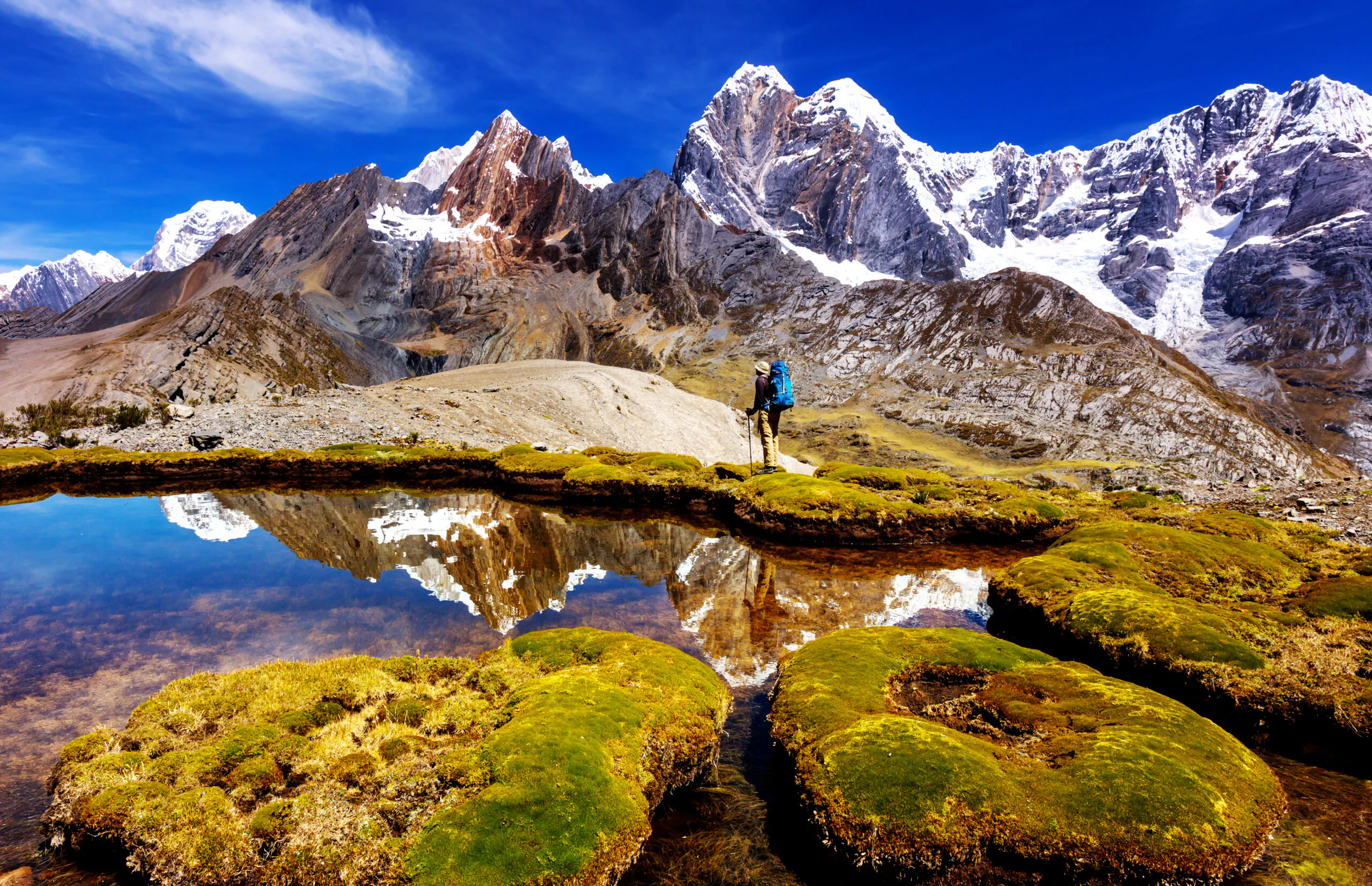
Widely considered one of the most spectacular alpine treks in Peru and—beyond that—on the planet, the Huayhuash Circuit Trek takes place entirely above tree line. The 68-to-80 mile long route weaves through high-altitude Andean landscapes, past turquoise glacial lakes, hanging glaciers, and steaming natural hot springs, and among mountains towering over 21,000 feet tall. It’s a classic trek that typically takes between 9 to 12 days to complete.
“The Cordillera Huayhuash is for people who want a genuine alpine trekking adventure in one of the highest mountain ranges in the world. We hike over mountain passes of elevations between 13,000 and 16000+ feet nearly every day, and we stay above treeline for the duration of the trek. It’s best to train for this trip and be prepared.”
– Sharman Fox, MT Sobek Program Director of Latin America
What to Know about the Huayhuash Circuit
This demanding, strenuous trek requires hikers to cross multiple, high-elevation mountain passes on a daily basis. You must be capable of hiking six to ten hours daily over steep, rocky, and uneven terrain, and strong fitness is mandatory. Temperatures can fluctuate wildly—from intense sun during the day to sub-freezing nights, so both layers and equipment like a four-season tent and a zero-degree sleeping bag are necessities. Most people spend a few nights in the city of Huaraz, which sits at 10,013 feet, and do a few acclimatization day-hikes to prepare for the longer and higher Huayhuash Circuit trek.
Since the trail passes through various farming communities, trekkers pay small trail and camping fees directly to each comunidade along the route.
When to Hike the Huayhuash Circuit
While the Huayhuash Circuit is technically hikeable year-round, the Andean dry season (May to September) is unquestionably the best time to hike it. July and August are the peak months, with clear skies and little to no rain. However, this is also when the nights are at their coldest, with temperatures often dropping well below freezing.

Huayhuash Circuit: Guided or Unguided?
Highly experienced trekkers can hike the circuit independently. However, you must carry all of your own food, gear, and camping supplies, as well as arrange for transportation to and from the trailhead. Guided tours, such as MT Sobek’s 16-day Cordillera Huayhuash Private Trekking Tour include both a cook and mules (or donkeys) to carry the supplies. The guides also have extensive experience with high-altitude and remote terrain in the Peruvian Andes.
8. Salkantay Trek and Machu Picchu in Peru

Why the Salkantay is Great
The Salkantay route pairs an alpine Andean journey with a visit to Machu Picchu. Snow-covered peaks and glacial landscapes give way to green, open valleys as you travel through changing elevations and environments. It’s a compelling choice for hikers drawn as much to the journey through the mountains as to the celebrated Inca citadel at the end.
“The Salkantay has dramatic alpine scenery, and we are able to stay at comfortable lodges for the duration of the trek. It features incredible views of Mount Salkantay, an impressive mountain that was sacred to the Inca. We cap off the trip with a very special day at Machu Picchu.”
– Sharman Fox, MT Sobek Program Director of Latin America

What to Know about the Salkantay Trek
Very high altitude, sustained climbs, and consecutive hiking days make preparation essential. Allow time to acclimatize before trekking, and bring layers for cold mountain conditions and warmer valleys. Accommodations vary by itinerary; MT Sobek’s lodge-to-lodge Salkantay journey combines demanding days with comfortable overnight stays in mountain lodges, without camping.
When to Hike the Salkantay
The Andean dry season, generally May through September, offers favorable trekking conditions. However, always prepare for cold nights and changes in mountain weather when hiking in the Cusco region.

Salkantay Trek: Guided or Unguided?
Experienced trekkers may arrange an independent journey, but a guided itinerary simplifies transport, accommodations, luggage support, and the onward visit to Machu Picchu. Check the full itinerary when comparing Peru hiking tours, since routes and accommodations differ.
Learn More: Land of the Incas: Adventures on the Salkantay Trail to Machu Picchu
9. Trekking the Cordillera Blanca, Peru

Why the Cordillera Blanca is Great
Peru’s Cordillera Blanca offers mountain scenery on a truly grand scale. For hikers who enjoy the rhythm and immersion of a multi-day trek, this one is a must. Each pass you cross opens up views of another dramatic valley, mountain cirque or alpine lake. Be ready for hot springs, pristine rivers, unique cultural encounters in Huaraz and in the mountains, and most of all breathtaking mountain scenery.
“The Cordillera Blanca is a trip that everyone who loves to hike in the mountains should do at least once. We top out over 15,000 feet and are staring up at legendary peaks the entire time.”
– Sharman Fox, MT Sobek Program Director of Latin America
What to Know about the Cordillera Blanca
This is high-altitude trekking that requires strong fitness and intentional acclimatization. Routes vary in length and difficulty, so choose an itinerary that matches well with your experience. Train for sustained climbs, rugged sections, intense sun, and cold nights, with clothing and equipment designed for remote mountain travel.
When to Hike the Cordillera Blanca
The Andean dry season, generally May through September, is the best trekking season. Clearer conditions make this a rewarding time for mountain views, although freezing nights and unexpected weather remain possible.

Cordillera Blanca: Guided or Unguided?
Experienced, self-sufficient trekkers can plan independent routes. A supported trip helps coordinate transportation, camps, meals, and equipment while providing guides familiar with the terrain and the demands of hiking at altitude.
10. Trekking the Cochamo Valley, Chile

Why the Cochamo Valley is Great
Towering granite walls rise above temperate rainforest in Chile’s Cochamó Valley, creating a striking setting for a wilderness hiking adventure. Trails wind among mossy trees and rushing drainages before climbing toward expansive mountain views and towering granite cliffs. For travelers drawn to forest paths, remote camps, and the feeling of being immersed in a landscape, Cochamó offers a memorable Patagonian journey.
“I’m so excited about the Cochamo Valley! Not only is it a remote, quiet and stunning part of Patagonia, it’s also an inspiring testament to the power of grassroots conservation. A small group of locals led the charge and saved it from development. We’re incredibly proud to introduce MT Sobek guests to this very special corner of Patagonia.”
– Sharman Fox, MT Sobek Program Director of Latin America

What to Know about the Cochamo Valley
Expect demanding hiking on steep, rocky trails with muddy and rugged terrain. Rain can exacerbate the challenge, so waterproof clothing, dependable hiking boots, and stuff sacs for your gear are essential. MT Sobek’s Cochamo Valley trip combines rustic wilderness lodges with hikes that include serious elevation gain, making strong fitness a prerequisite.
When to Hike the Cochamo Valley
The Southern Hemisphere summer (November-March) is the main hiking season. Allow for variable conditions even during the warmer months, and pack for rain and chilly nights.

The Cochamo Valley: Guided or Unguided?
Independent travel requires advance planning for access, camping, supplies, and current trail conditions. A guided adventure brings local route knowledge and support with camp logistics, helping you make the most of your time in this rugged landscape.
Learn More: Why Cochamo Valley is Patagonia’s Best Kept Secret
Why Explore the World with MT Sobek
MT Sobek has been operating adventure trips since 1969. True to our roots, we offer a range of immersive hiking and cultural experiences led by seasoned local guides, the best adventure travel experiences to take you all around the world. An adventure awaits everyone, from trekking to the highest summits to discovering stunning coastal towns, immersing in culture, or encountering wildlife.
So what does this rich history provide for MT Sobek guests?
- Carefully designed itineraries: A balance of iconic trails and hidden gems for a deeper experience of each unique destination. MT Sobek’s hiking adventures immerse guests in the natural beauty and cultural heritage of Italy, Patagonia, France, Japan and more.
- Small group adventures: All MT Sobek South America trips are limited to no more than 16 guests, while some are capped at 12. Small group sizes create a more personalized and immersive experience.
- Seamless travel logistics: Permits, transportation, meals, activities and accommodations are expertly arranged so you can focus on the joy of adventure and cultural discovery.
- Comfort and immersion: Rewarding hikes paired with premier lodging and memorable meals create an enriching and relaxing experience.
- Expert guides: Knowledgeable leaders share insights into local ecology, geology, wildlife, and cultural history, and ensure a commitment to safety and enjoyment throughout the journey.
Check out details for your favorite adventure and see how MT Sobek will help turn your adventure fantasies into reality.
Looking for more inspiration? Get your copy of our free catalog!
Check out all of MT Sobek’s adventures and get your free MT Sobek catalog!
Enjoying our content? Add MT Sobek as a Google Preferred Source.
FAQs
The best time to visit Patagonia (across Chile and Argentina) is during its warmer months, from November through March. December through February is peak season, with long daylight hours and optimal trekking conditions. However, this is also when the trails are at their most crowded and bookings must be made further in advance. Opt for months like November and March for fewer crowds and still-favorable weather.
Some of the world’s most celebrated hiking destinations include Patagonia, the Alps, Nepal’s Himalayas, Kilimanjaro, Bhutan, Peru, New Zealand, and Utah’s canyon country. Each offers distinct landscapes, cultures, and levels of challenge.
It really depends on the experience. While kayaking among the Galapagos Islands caters to most levels of fitness, crossing the many mountain passes of the Huayhuash Circuit Trek requires prior high-altitude trekking and camping experience. Plan ahead and choose accordingly.
Build endurance with regular hikes, gradually increasing distance and elevation gain. Include consecutive hiking days to get used to walking on tired legs, and train with the boots and daypack you’ll use on your trip. Preparation should match the adventure: the O Circuit calls for stamina on long climbs and descents, while Peru’s high-altitude treks also require time for acclimatization.
It depends on the destination, route, and your experience. Some established trails around El Chaltén suit independent hikers, while remote multiday journeys require more extensive planning and self-sufficiency. Other experiences, including the Inca Trail and trekking on Perito Moreno Glacier, require authorized guided arrangements. Check current requirements before booking. A guided trip can also simplify reservations, transport, meals, and equipment while adding local insight along the way.
Consider what appeals to you most, whether it’s multi-day trekking or snorkeling with sea lions, assess your fitness level, and then determine the amount of time you’d like to travel and the budget you’d prefer to spend. South America offers adventures for everyone!
Learn More About Adventure Travel in South America


