W Trek or O Circuit: Which is Right For You?
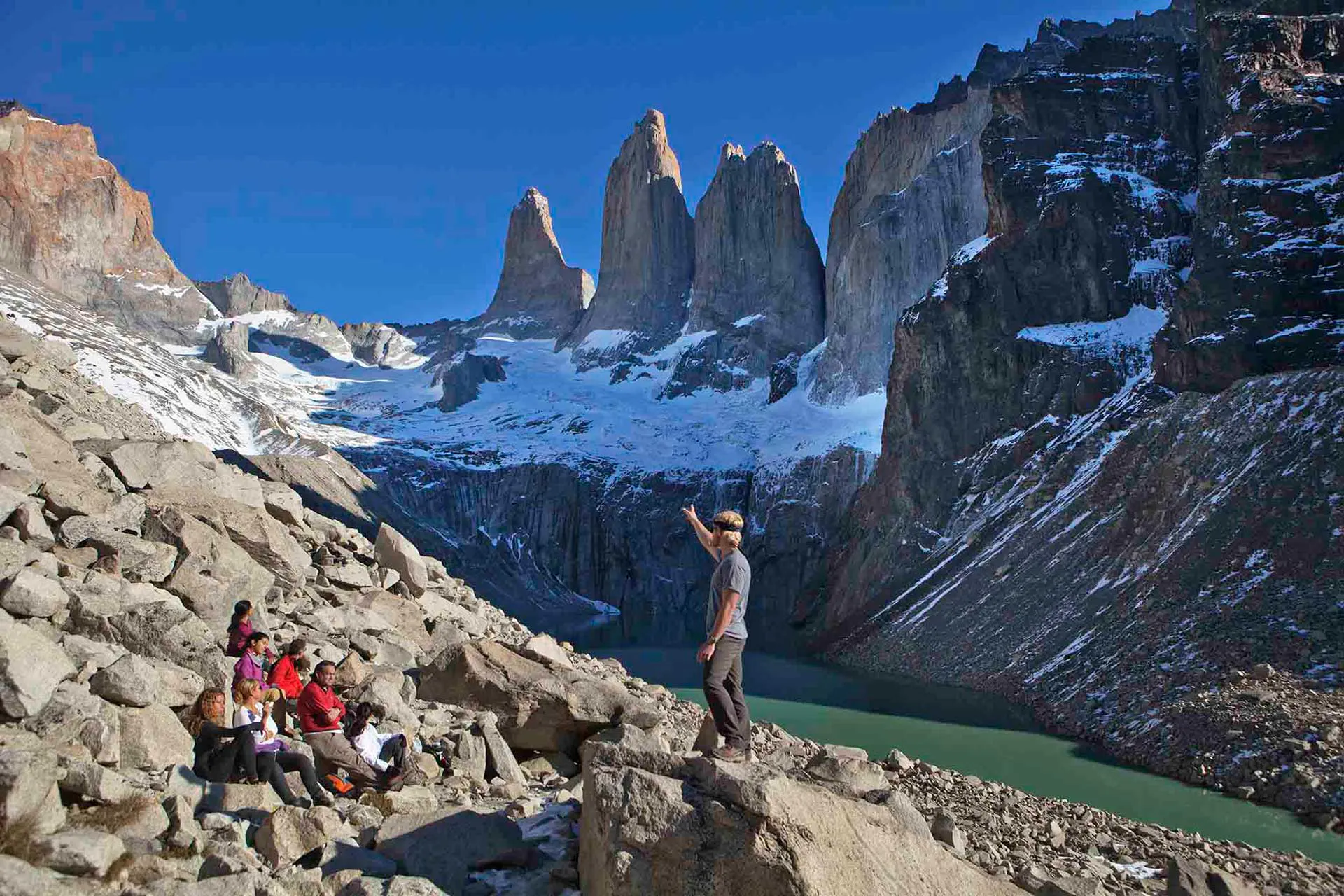
Chilean Patagonia is known for its wondrous landscapes, including enormous calving glaciers, turquoise mountain lakes, and jagged towering peaks. But when it comes to trail systems, Torres del Paine National Park is the country’s crown jewel. In fact, this massive park is home to two of the country’s—and even the world’s—most extraordinary multi-day trekking routes: The W Trek and The O Circuit.
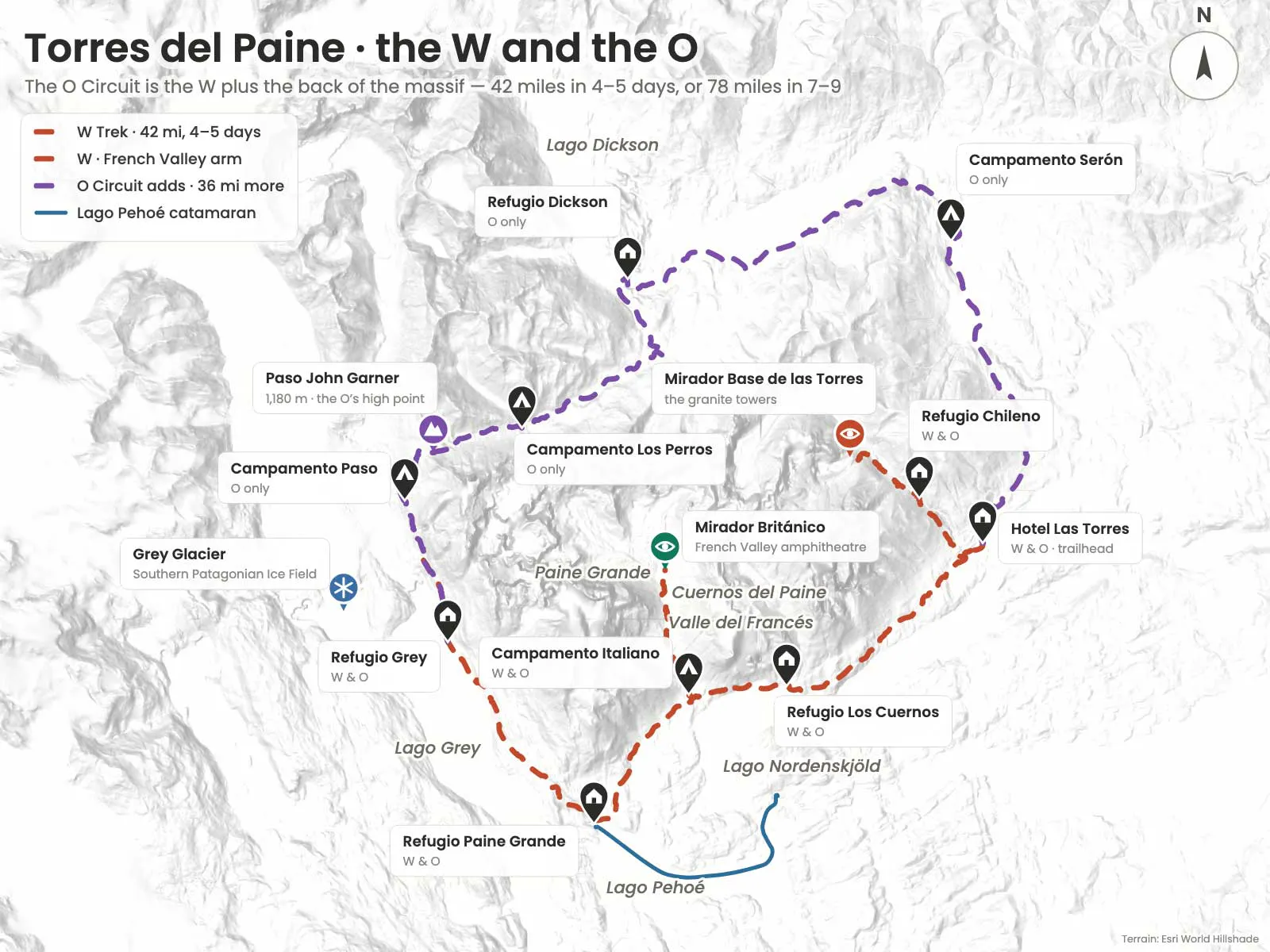
The W Trek is arguably the region’s most famous extended hike, a four- to five-day trek that covers between 32 to 50 miles (depending on the route) and showcases some of the park’s most remarkable scenery. On the other hand, the more physically demanding O Circuit not only incorporates the “W” but also goes deep into the park’s remote, windswept northern backcountry, passing behind massive glacier fields and crossing the challenging John Garner Pass, where the weather is often unpredictable. This approximately 75- to 85-mile loop is more rugged and wild, and usually takes between 7 to 10 days to complete.
Whichever trail you choose, you’ll get to experience some of the world’s most iconic alpine scenery. The question is, which trek is right for you?

Key Takeaways
- The W Trek includes access to Torres del Paine National Park’s most iconic sites, including the trio of Las Torres (also known as the “Towers of Paine”, French Valley, and Grey Glacier.
- The O Circuit combines the highlights of the “W” with a quieter, more authentic backcountry experience.
- Patagonia’s late spring, summer and early fall (October to April) are the best times to tackle both trails, with milder temperatures and campsite and refugios that are fully operational.
- While the W Trek is accessible to most fit hikers, the O Circuit is more challenging and remote—independent hikers will have to carry their own gear, and some camping is required.
- Both trails can be done independently, though guided trips can help with most of the logistics.
| W Trek | O Circuit | |
|---|---|---|
| Typical Trek | 5-7 Days | 8-10 Days |
| Route | W Shaped Point-to-point | Circumnavigation of Paine Massif |
| Difficulty | Challenging | More Challenging |
| Crowds | More Popular | More Remote |
| Accommodations | Refugios or Camping | Refugios or Refugios + Camping |
| Mandatory Camping Nights | 0 | 3 |
| Best For | Iconic Highlights | Full Trekking Experience |
The W Trek
What is the W Trek?
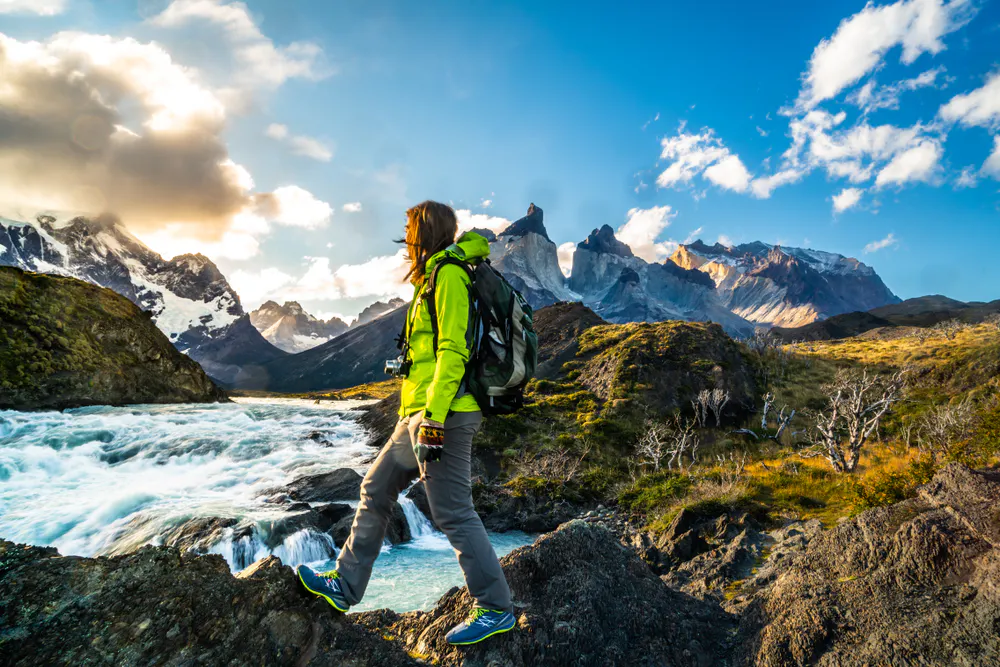
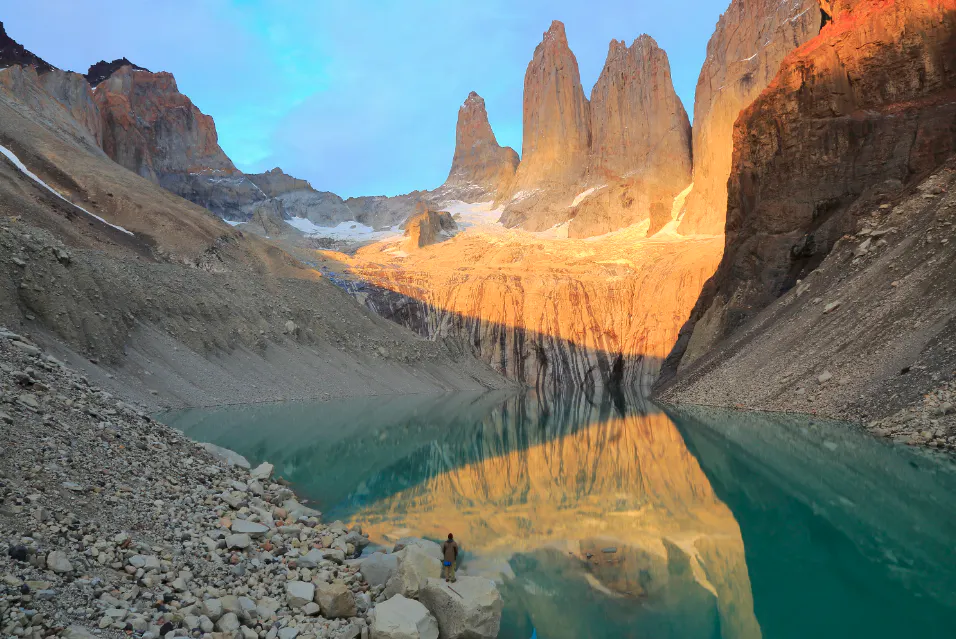
The W Trek—arguably the most iconic of Patagonia’s hiking trips—gets its name for the zigzag shape that the trail traces. Over four to five days, you’ll wind through beech forests, cross suspension bridges over gushing rivers, and peer into glacier crevasses and milky turquoise lakes. You’ll encounter vast, golden grasslands where guanacos (native species related to camels) and elusive puma roam, and might even hear the booming sounds of brilliantly blue icebergs calving into the waters below. Still, what’s even more impressive is coming face-to-face with Torres del Paine’s most iconic three sights: the French Valley, a breathtaking natural basin surrounded by snow-tipped mountains and hanging glaciers, the nearly four-mile-wide electric-blue Grey Glacier, and Las Torres, a trio of jaw-dropping granite spires that give the colossal park its name.
How Difficult is the W Trek?
The W Trek is accessible for the majority of fitness levels, though you do have to be comfortable hiking 4to 10 hours a day over uneven, rocky terrain on back-to-back hiking days. There are also some significant elevation changes, though the highest altitude you’ll encounter is roughly 3,600 feet. It’s a popular, well-marked trail lined with fully-serviced refugios (mountain lodges), so you can expect some heavy foot traffic. Despite the crowds, the W Trek offers a wonderful opportunity to experience Patagonia’s raw beauty without ever being too remote.
What’s the Best Time of Year to Hike the “W”?
The hike is open year-round. However, some of the refugios are closed during the winter season (May through September). The best time to go is during Patagonian summer, which runs from October to April. These months offer the most stable weather and longest daylight hours.
Hike the W Trek Independently or with a Tour Company?
While the “W” can be done without a guide during Patagonian summer months (October to April), independent hiking is prohibited during the winter. During this time (May through September) you’re legally required to book an organized tour with a certified guide. However, any time of year guided tours have the advantage of getting you directly to the trailhead and taking care of many of the logistics for you—such as pre-booking lodgings, which has to be done months in advance, and securing park passes.
MT Sobek offers a couple of trips featuring the W Trek. There’s the Chile Patagonia Torres del Paine W Trek Hiking Tour, a one-week adventure that focuses solely on the “W,” with the best lodging along the trail, and the 12-day Chile & Argentina Ultimate Patagonia Hiking Tour, which combines 40 miles of the “W” with the remote reaches of Argentina’s Los Glaciares. What?
Learn More: Everything You Need to Know to Know to Hike the W Trek ➔
The O Circuit
What is the O Circuit?
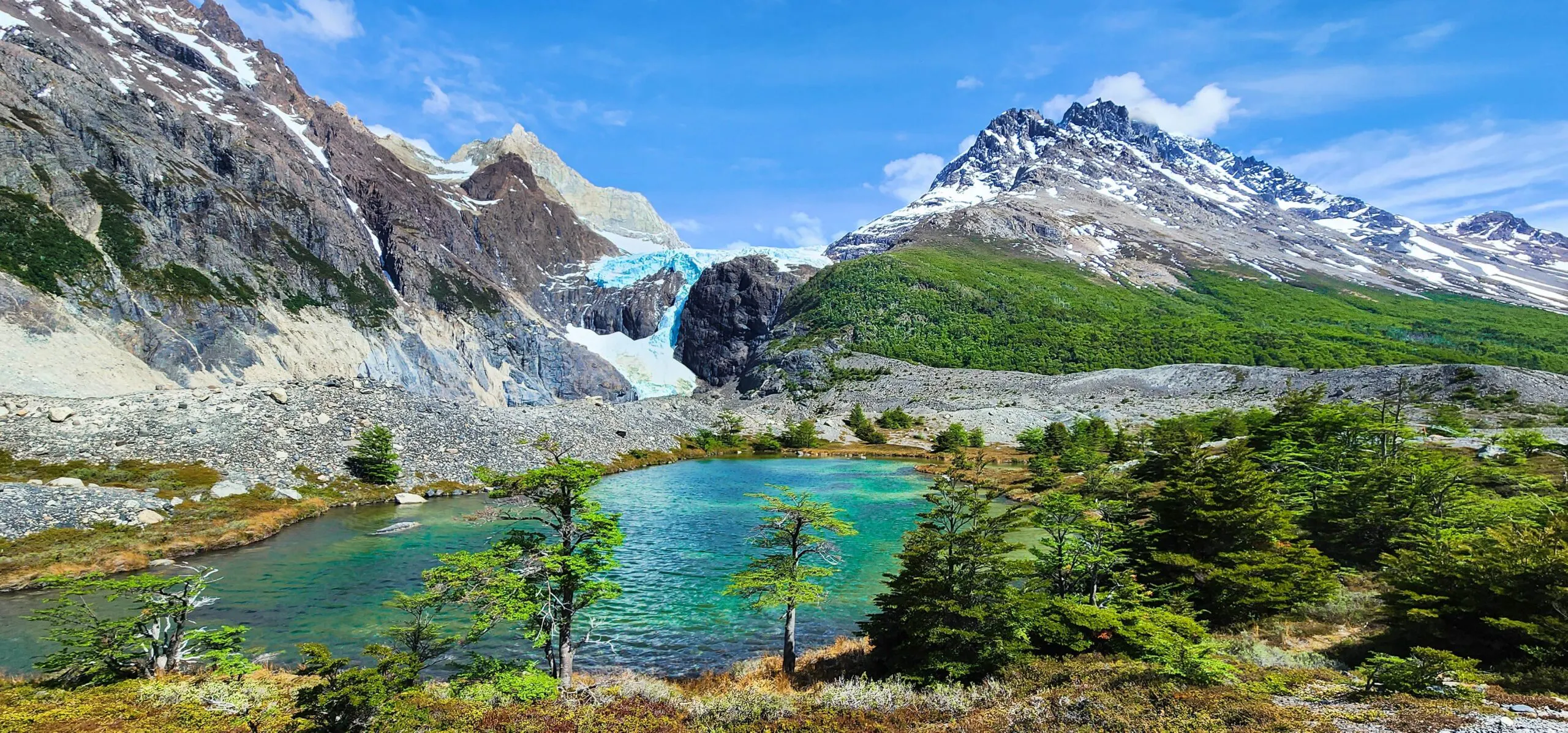
A longer, more rugged backpacking loop, the O Circuit journeys into the wild and remote backcountry of Torres del Paine National Park—an area that’s typically quiet with few hikers—traveling through dense Magellanic forests and across high mountain passes. It features the iconic sites of the W Trek, but while the “W” only covers the park’s southern valleys this legendary 75-mile loop goes further, stretching into Torres del Paine’s much less-visited northern sector.
The 7- to 10day trek completely encircles the entire Paine Massif and its trio of jagged granite towers, and includes a challenging day ascending steep, uneven terrain to the legendary John Garner Pass, 3,937 feet above sea level. Here, you’re treated to staggering views of the park’s 17-mile-long and intensely blue Grey Glacier, fed by the Southern Patagonian Ice Field—the second largest contiguous extrapolar ice field on the planet. While it isn’t at an extreme altitude compared to other global hikes, the pass requires a significant elevation gain and loss, frequently through harsh winds and sometimes snow.
How Difficult is the O Circuit?
The O Circuit is significantly more challenging than the W Trek. Along with the unpredictable Patagonian weather, it includes long days and backcountry camping. You should be comfortable hiking up to 10+ miles a day and sleeping in tents without regular electrical hookups. If you’re planning on hiking independently, you should also be prepared to carry a full pack (25 to35 lbs.) that includes a tent, sleeping bag, and meals.
What’s the Best Time of Year to Hike the “O”?
The O Circuit is only open during Patagonian summer months, since crossing the John Gardner Pass becomes dangerous in winter weather. According to strict CONAF (Chile’s national park authority) regulations, the trail is also only hikeable counterclockwise. This is done to protect overcrowding and assure that the challenging John Garner Pass is tackled more gradually.
Hike the O Circuit Independently or with a Tour Company?
While you can hike the “O” without a guide, you’ll have to carry all of your own gear and secure any campsites and/or refugios on your own. On the other hand, guided tour companies handle most if not all of the logistics. MT Sobek offers a 12-day Chile Patagonia Torres del Paine O Circuit Trek Tour that includes three nights of remote tent camping, four nights at simple mountain dormitories (refugios), and one night at scenic cabins. This trek is supported by porters who transport overnight necessities, and sleeping bags and sleeping pads are provided at the campsites. The trip also includes a park pass, which you’d have to secure on your own otherwise. What’s more, MT Sobek co-founder Leo LeBon actually pioneered the route alongside park ranger Pepe Alarcon in 1985, well before it became one of Patagonia’s most iconic treks.

Learn More: Everything You Need to Know to Know to Hike the O Circuit ➔
Map of the W Trek and O Circuit
Which One is for Me?
When it comes to deciding which Patagonia adventure is the best one for you, it all comes down to the amount of time you have, how comfortable you are being off the grid, and how much you want to challenge yourself.
How Much Time Do I Have?
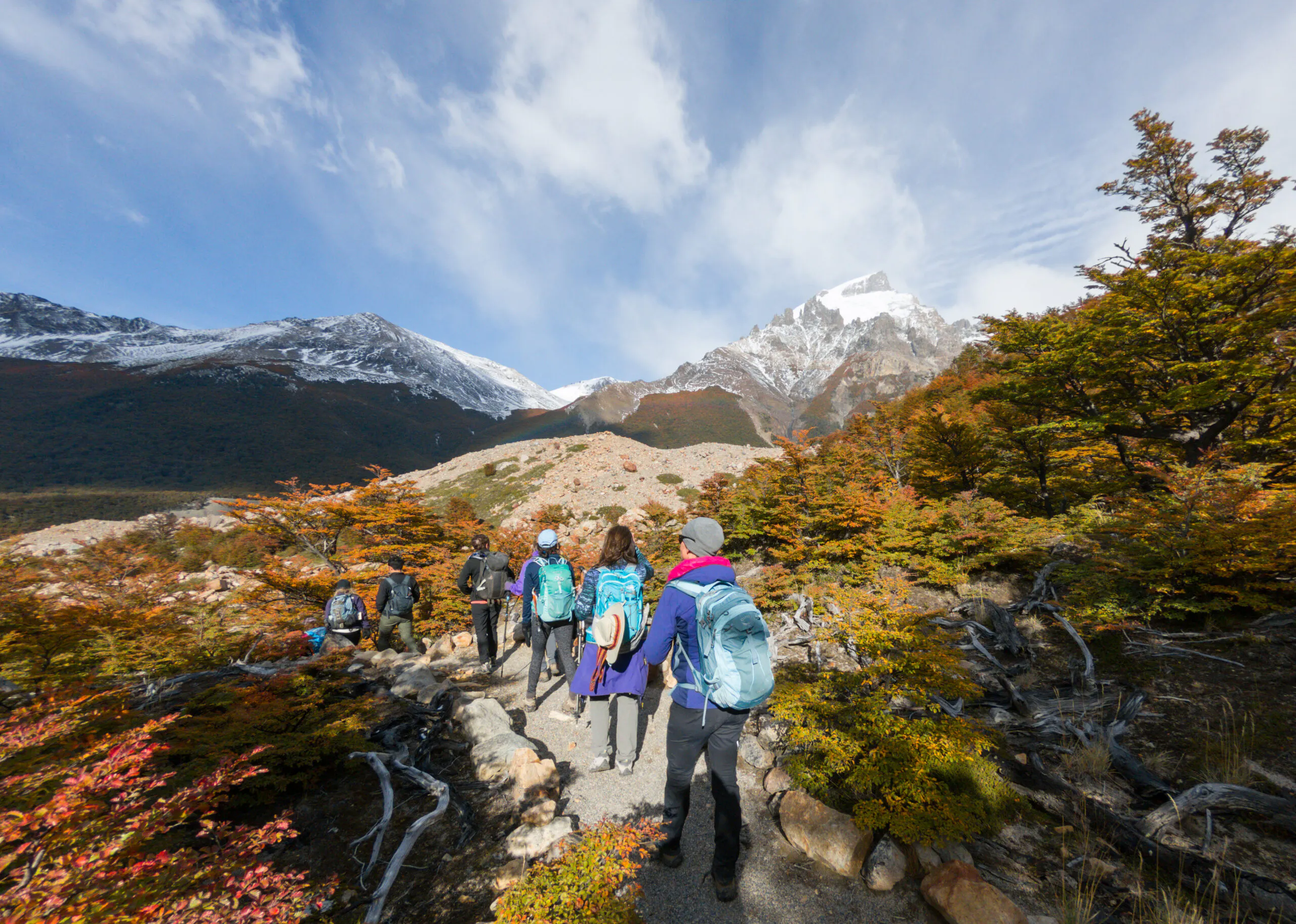
The O Circuit is longer and more remote than the W Trek. It encompasses the entire Paine Massif and takes you well into the northern backcountry of Torres del Paine, which is much more wild and remote compared to the W Trek. The “W” sees much more foot traffic, but offers the classic Patagonia experience.
Comfy Refugios or Rugged Camping?
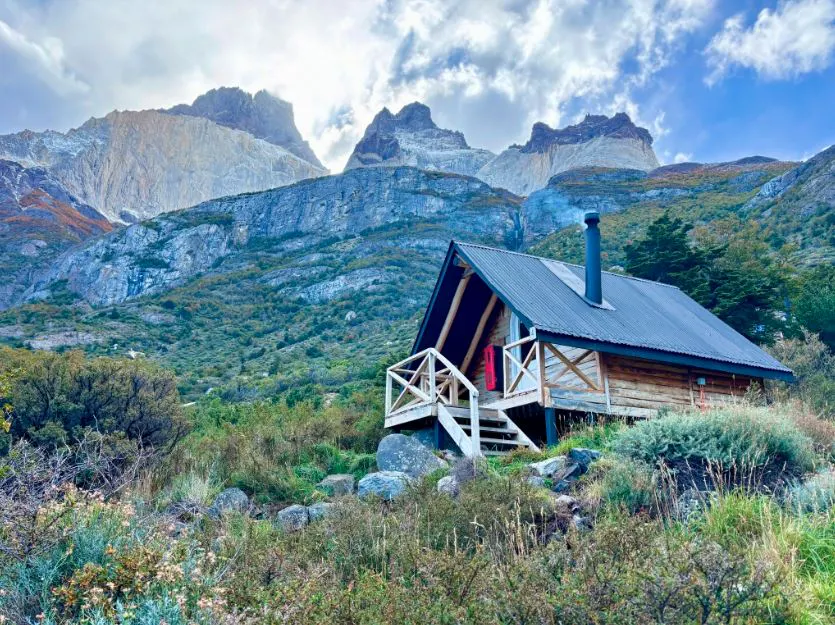
If you have limited time, like the idea of staying in comfortable refugios as opposed to tents, and are still familiarizing yourself with multi-day hiking, then the W Trek may be the right choice. Opt for the O Circuit if you’re looking for something rugged with more solitude, and want to get out into the backcountry and camp among stellar breathtaking views.
When Do I Plan on Traveling?
It also depends on the time of year that you plan to travel and whether you prefer a self-guided trek or joining a guided tour. While the W Trek is open year-round, the park is only fully operational during Patagonia’s summer season (October to late April). This means that all of the refugios are open and you can tackle the “W” independently without a guide. Once the winter season (May through September) rolls around, the days are shorter, rain, snow, and ice are common, and extreme weather may close portions of the trail. This is also when hiking with a certified guide is required by law. On the other hand, the O Circuit is completely closed throughout Patagonia’s winter season.
FAQs
Anyone who loves hiking and being outdoors would say the “O” is absolutely worth the extra days. The hike bypasses the park’s busy, crowded front-country before merging with the “W,” it loops around the entire Paine Massif, and it offers incredible views from John Gardner Pass, looking directly down onto the enormous Grey Glacier and across the Southern Patagonian Ice Field.
The O Circuit is significantly more difficult than the “W.” It’s longer and more remote, and you may find yourself hiking up to 10+ miles on some days. It requires more physical endurance—especially if you’re hiking independently and carrying a full pack—tent camping, and a challengingclimb over the wind-whipped John Gardner Pass.
The W Trek is significantly more crowded than the O Circuit, which provides a quieter backcountry experience before eventually merging with the “W”. What’s more, CONAF (the Chilean National Forest Corporation) strictly limits the O Circuit to a capacity of 80 trekkers per day, while any number of day hikers can access the W Trek.
The O Circuit is about 25 to 30 miles longer than the “W,” since it fully incorporates the latter while adding a remote backcountry loop. The O Circuit takes 7 to 10 days to complete, whereas most hikers complete the shorter W Trek in just 4 to 5 days.
For both treks, you should have good all-day stamina and be able to walk 5 to 8 hours daily for the “W” and 6 to 10+ hours daily for the “O” Circuit. If you’re doing the “O” independently, you also have to be prepared to carry all of your own gear in a 25-30 lb. backpack.

Learn More About Adventure Travel in Patagonia


